New Jersey Can Change Bag Limits Mid-Season
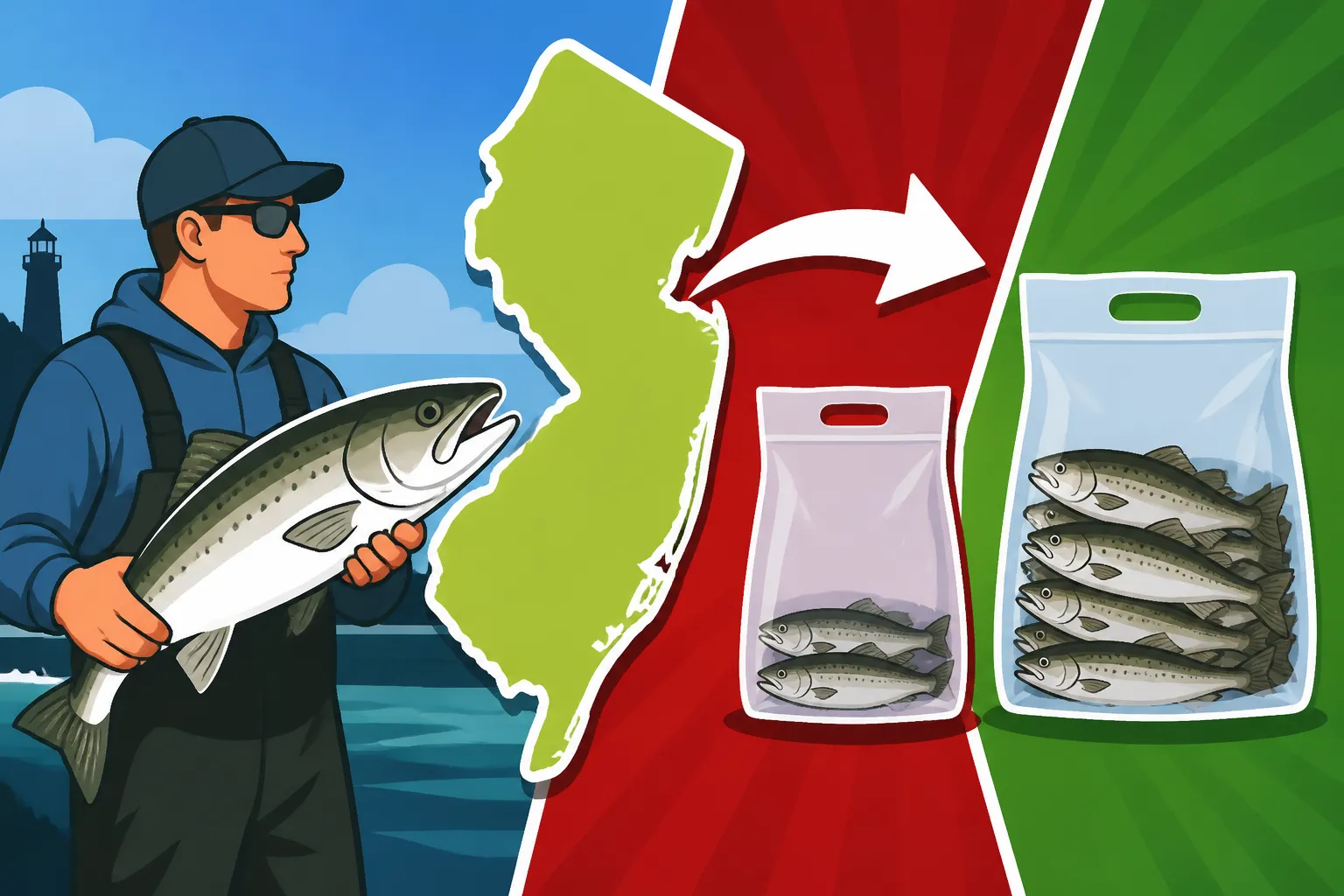
It’s incredibly frustrating when you plan your fishing trip, get all your gear ready, only to hear whispers that the bag limits for your target species might have changed – and it's not even a new season! This often leaves anglers feeling confused, frustrated, and sometimes even worried about accidentally breaking the law. New Jersey's fishing regulations aren't set in stone for an entire year; they can, and sometimes do, shift mid-season. This guide will delve into why these changes happen, how they're implemented, and most importantly, how you can stay informed and adapt to ensure your time on the water remains both enjoyable and compliant.
Why Bag Limits Can Shift Mid-Season in New Jersey
It’s easy to think of fishing regulations as fixed rules, like the laws of physics. But the truth is, fish populations and their environments are incredibly dynamic, constantly changing in response to a myriad of factors. When these factors show significant shifts, the state's Division of Fish and Wildlife sometimes has no choice but to adjust regulations, including bag limits, even in the middle of a fishing season.
The Dynamic Nature of Fish Populations
Fish populations are far from static. They are influenced by a complex web of environmental conditions, spawning success, predation, and even migratory patterns. Imagine a scenario where a particular species, say summer flounder, experiences a surprisingly poor spawning year due to unusual ocean currents or water temperatures. Biologists might not fully grasp the extent of this impact until well into the following year, after initial season limits have already been set. Or perhaps a severe winter storm causes an unexpected mortality event for a freshwater species in one of our critical lakes.
These events, whether natural environmental fluctuations, disease outbreaks, or even a sudden increase in fishing pressure, can dramatically affect the number of fish available. When the population outlook changes significantly, maintaining the original bag limits could put excessive stress on the stock, leading to long-term decline. Regulators use a combination of annual stock assessments, angler reports, and environmental monitoring to keep a finger on the pulse of these populations. If the data points to a situation where a species is being harvested at an unsustainable rate, or if a stock unexpectedly recovers faster than projected, immediate action might be needed. You can often find a comprehensive overview of these regulations in the annual New Jersey Freshwater Fishing Regulations Every Angler Should Know.
Responding to Scientific Data and Conservation Needs
The New Jersey Department of Environmental Protection (NJDEP) Division of Fish and Wildlife doesn't change regulations on a whim. These decisions are rooted deeply in scientific research and conservation mandates. When new data emerges – perhaps from a New Jersey Recreational Fishing Survey: Why You Might Get a Call or a new study conducted by marine biologists – that indicates a species is either in more peril or faring better than previously thought, they have a responsibility to act.
This can be particularly true for migratory species that cross state and even international boundaries, like striped bass or bluefish. These populations are often managed under federal guidelines or interstate agreements, such as those overseen by the Atlantic States Marine Fisheries Commission (ASMFC) or the Mid-Atlantic Fishery Management Council (MAFMC). If these larger bodies issue emergency measures or revised quotas based on coast-wide stock assessments, New Jersey, along with other states, is often compelled to adopt similar changes to remain compliant and ensure the collective health of the fishery. For instance, you might have seen adjustments to the New Jersey Striped Bass Slot Limit Explained in recent years, often driven by these broader regional management efforts.
Balancing Angler Harvest with Long-Term Sustainability
At its core, the goal of changing bag limits mid-season is to strike a delicate balance: allowing anglers to enjoy their sport and harvest fish, while simultaneously ensuring the long-term health and sustainability of the resource. Nobody wants to see a fishery collapse, and responsible management is key to preventing that.
Consider a hypothetical situation: the initial bag limit for summer flounder was set conservatively, based on previous years' data. However, early in the season, catch rates dramatically exceed expectations across the state, from Barnegat Bay to Cape May. Charter boats are consistently limiting out, and shore anglers are catching more legal-sized fish than anticipated. While this sounds like great fishing, it could signal that the current harvest rate is too high and could jeopardize the future of the stock. In such a case, state agencies might step in to reduce the bag limit or even adjust the size limit to slow down the harvest, protecting the breeding stock for future generations. This proactive approach helps avoid more drastic closures down the road. Understanding How Bag and Size Limits Work in New Jersey is crucial for appreciating these complex balancing acts.
The Process of Implementing Mid-Season Regulation Changes
When an emergency or unforeseen change in fish populations necessitates a mid-season adjustment, it's not simply a matter of someone deciding to change a rule overnight. There's a formal process, though it can be expedited in urgent situations, that involves scientific review, public notification, and legal steps.
From Data to Decision: The Role of NJDEP Fish & Wildlife
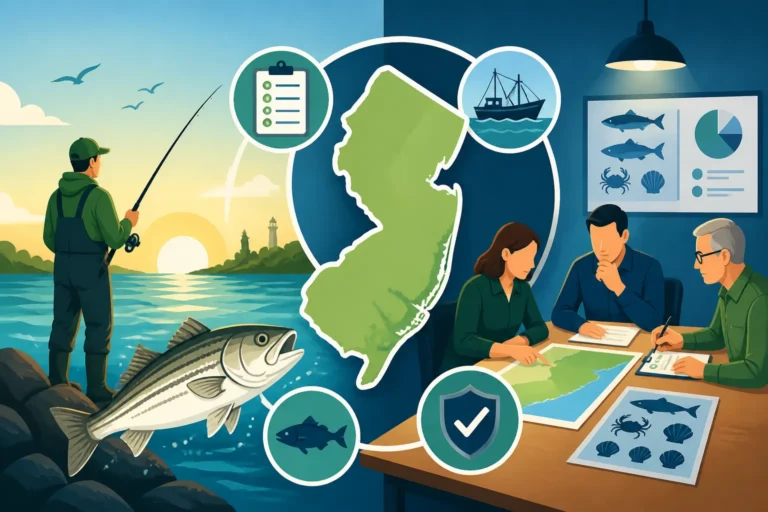
The journey of a regulation change typically begins with data. Biologists from the NJDEP Division of Fish and Wildlife are constantly monitoring fish populations through various methods: creel surveys at boat ramps, scientific netting, angler logs, and collaborations with federal agencies and universities. When these professionals identify a significant deviation from expected population health or harvest rates for a particular species, they present their findings and recommendations to the Fish and Game Council, a body composed of citizens appointed by the Governor.
This council then reviews the scientific evidence, considers potential impacts, and advises the Commissioner of the NJDEP. For changes to state-managed species or those that need to align with interstate mandates, this process involves careful deliberation. Their aim is always to base decisions on the best available science to protect the resource while considering the angling community. The comprehensive guide on How New Jersey Sets Its Fishing Regulations Each Year offers an even deeper look into this rigorous decision-making framework.
Public Input and Emergency Rulemaking
Normally, significant regulation changes go through a period of public review and comment. This allows anglers, conservation groups, and other stakeholders to voice their opinions, provide additional data, or suggest alternative approaches. Public hearings might be held, and written comments are collected. This ensures transparency and allows the public to participate in shaping the rules that affect their passion.
However, when a situation demands immediate action – such as a sudden, drastic decline in a fish stock, or an urgent mandate from a federal management body – the state can invoke "emergency rulemaking" procedures. This fast-tracks the process, allowing changes to be implemented much more quickly to prevent irreversible damage to a fish population. While necessary for conservation, emergency rules can sometimes catch anglers off guard, as the public comment period is either shortened or bypassed entirely due to the urgency.
Communication Challenges and How Anglers Get Notified
One of the biggest headaches for both the state and anglers is effective communication, especially when changes happen quickly. You might ask, "How am I supposed to know if the rules change between the time I bought my license and my next fishing trip?" It's a valid concern.
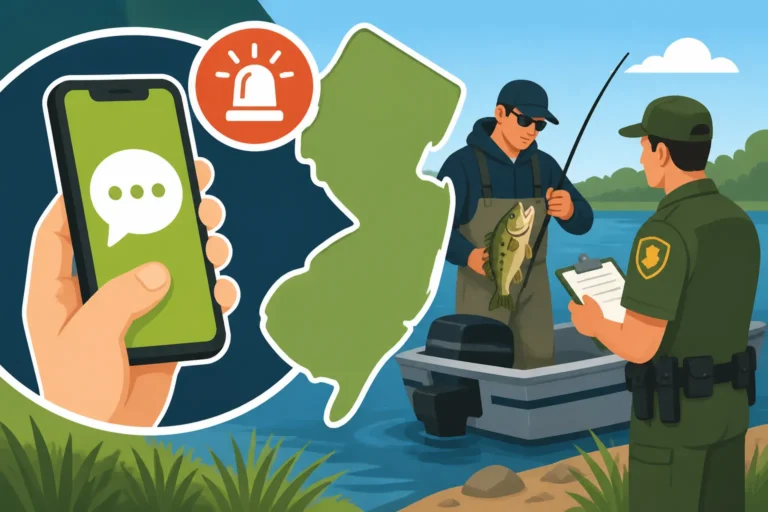
Historically, anglers relied heavily on the printed Reading the New Jersey Fish and Wildlife Digest distributed at license vendors. While this digest is still invaluable for annual regulations, mid-season changes aren't going to magically appear in your existing copy. The primary and most up-to-date source for any emergency or mid-season regulation changes is always the official NJDEP Division of Fish and Wildlife website. They typically issue press releases, post alerts on their homepage, and often send out email notifications to those subscribed to their mailing lists. Local bait and tackle shops, often the hubs of local fishing communities, also play a crucial role in disseminating this information. Many will print out official notices and post them prominently. Some might even check online resources like Amazon for quick access to supplementary regulation guides or fishing logbooks to help anglers track their catches against the changing rules.
Navigating the Impact of Unexpected Rule Changes
Nobody likes surprises, especially when it comes to fishing regulations. A mid-season change can range from a minor inconvenience to a complete shift in your angling plans, and it's essential to understand both the practical and legal implications.
Frustration and Adaptation on the Water
Imagine you've meticulously planned a trip to your favorite spot on the Delaware River for smallmouth bass. You checked the regulations two months ago, and you're ready to fish with confidence. You arrive, only to hear from a fellow angler that the size limit has been temporarily increased, or the bag limit reduced, due to an emergency conservation measure. The excitement of the trip can quickly turn into frustration or confusion. Do you pack up and go home? Do you switch to another species?
This is a real-world scenario many anglers face. The key is adaptation. Maybe that day you focus entirely on catch-and-release, practicing your technique without worrying about keeping fish. Or perhaps you had an alternative plan to target panfish, which might have more stable regulations. Experienced anglers often carry a wider variety of tackle precisely for this reason, allowing them to pivot quickly if their primary target is unexpectedly restricted. For example, if striped bass limits suddenly become tighter, having gear ready for fluke or tautog, depending on the season, allows you to shift focus and still enjoy a productive day.
Practical Adjustments for Gear and Strategy
A mid-season regulation change might necessitate more than just a mental shift. It could require actual adjustments to your gear and fishing strategy. If, for example, the legal size for summer flounder (fluke) increases, you might need to adjust your approach to target larger fish. This could mean using bigger baits, different jigging techniques, or fishing deeper structures. If a bag limit is reduced, you might become more selective, carefully releasing smaller or borderline fish to ensure you only keep the best ones within the new, tighter limits. You can find detailed information on species-specific rules in the New Jersey Marine Fish Size Chart 2026.
In some cases, you might even need to acquire new gear. If a preferred bait is suddenly restricted, you'll need alternatives. Many anglers turn to reliable online retailers like Amazon to quickly source new lures, specialized hooks, or different types of lines that become necessary to comply with new rules or adapt to targeting a different species. Having a small, updated printout of the New Jersey Daily Bag Limits by Species in your tackle box is also a smart move, ensuring you have immediate reference.
Legal Ramifications and Avoiding Penalties
The most serious consequence of not staying informed about mid-season changes is facing legal penalties. Ignorance of the law is generally not considered a valid excuse. Being caught with an illegal fish – whether it's undersized, oversized (if a slot limit applies), or over the bag limit – can result in fines, confiscation of gear, or even suspension of your fishing privileges. The New Jersey Conservation Police and License Checks are frequent, and officers expect anglers to be aware of the current rules.
The fines can be substantial, often ranging into the hundreds of dollars, plus court costs. For example, if you're caught with an undersized striped bass after the minimum size limit was unexpectedly increased, you could face significant penalties. It's crucial to always check the most current regulations before heading out. Just as you wouldn't drive without checking traffic, you shouldn't fish without checking the latest rules. For an understanding of what happens in more severe cases, refer to What Happens If You Get Caught Fishing Without a License in New Jersey?.
Staying Ahead of New Jersey Fishing Regulation Updates
Given the fluid nature of fishing regulations, especially in a state as ecologically diverse as New Jersey, proactive engagement is your best defense against surprises. You need to develop habits that keep you in the loop, ensuring you're always fishing legally and responsibly.
Essential Resources for Real-Time Information
The absolute best place for the most current and accurate fishing regulations is the official website of the New Jersey Department of Environmental Protection (NJDEP) Division of Fish and Wildlife. They maintain a dedicated section for current regulations, press releases, and often have specific alerts for emergency closures or changes. Bookmark it on your phone or computer and check it regularly.
Beyond the official website, several other resources can help:
- Email Alerts: Sign up for the NJDEP's email newsletter specifically for fishing and wildlife updates. These are often the first place significant changes are announced.
- Social Media: Follow the official NJDEP Fish and Wildlife social media channels. They often post timely updates and reminders.
- Local Bait and Tackle Shops: These establishments are often on the front lines of regulation changes. They receive updates directly from the state and are generally passionate about keeping their customers informed. Don't be shy about asking them for the latest news.
- Official Guides and Digests: While the main New Jersey Fish and Wildlife Digest: Where to Find the Current Rules is annual, knowing where to find the official digital version online ensures you can always cross-reference it with any announced changes. You can also sometimes find supplementary guides or laminated rule cards on platforms like Amazon, but always double-check against the official NJDEP website for absolute accuracy.
Developing a Habit of Regular Checks
It might sound like a chore, but making it a routine to check for regulation updates can save you a lot of grief. Here’s a simple strategy:
- Before Every Trip: Make it a habit to do a quick check of the NJDEP website the day before or morning of your fishing trip. This is especially critical if you haven't fished in a while or are targeting a species known for fluctuating limits.
- Seasonal Checks: At the beginning of each major fishing season (spring, summer, fall, winter for ice fishing), do a more thorough review of all regulations relevant to the species you plan to target.
- Species-Specific Updates: If you're passionate about a particular species, like striped bass or fluke, and you know it's a heavily managed stock, be extra diligent about checking for news specific to that fishery.
Think of it like checking the weather forecast. You wouldn't head out in a boat without knowing the marine forecast, right? The same vigilance should apply to regulations.
Community and Local Knowledge
While official sources are paramount, don't underestimate the power of the local fishing community. Anglers who are regularly on the water, especially charter captains and experienced guides, often hear about changes quickly. Engage with fellow anglers at the dock, in bait shops, or on reputable local fishing forums.
However, a word of caution: always verify information heard through the grapevine with official sources. While community knowledge is valuable for tips and techniques, when it comes to legalities, the official word is the only word that counts. For instance, a seasoned captain running a New Jersey Charter Fishing Guide will always be up-to-date on regulations, not just for their own compliance but for their passengers as well. They often serve as excellent local resources.
Table: Key Resources for New Jersey Fishing Regulation Updates
| Resource Type | Description | Best Use Cases | Frequency to Check |
|---|---|---|---|
| NJDEP Fish & Wildlife Website | Official state resource for all regulations, alerts, and press releases. | Real-time changes, emergency rules, annual digest in PDF. | Before every trip; weekly during peak season. |
| NJDEP Email Newsletter | Direct notifications about regulation changes, stocking reports, and news. | Proactive alerts to avoid surprises. | As notifications arrive. |
| Local Bait & Tackle Shops | Community hubs often posting printed updates and offering verbal advice. | Localized changes, quick verification, and advice. | Visit regularly; call before specific trips. |
| Social Media (NJDEP) | Official posts on Facebook, X (Twitter) for quick updates and reminders. | High-level awareness, quick glances for major announcements. | Daily/weekly, depending on fishing frequency. |
| Fishing Forums/Groups | Online communities where anglers discuss rules, often sharing news. | Gauge community sentiment; be wary of unverified information. | Periodically, cross-reference all info. |
| Printed Digest | The annual physical booklet of regulations. | General overview, initial season planning. Not for mid-season changes. | Annually, upon release. |
By staying diligent and using these resources, you can navigate the occasional shifts in New Jersey's fishing regulations with confidence, ensuring your time on the water is always enjoyable and legal.
Disclaimer
Please remember that fishing regulations are subject to change at any time. While this guide provides comprehensive information, it is your responsibility as an angler to always check the most current regulations directly from the New Jersey Department of Environmental Protection (NJDEP) Division of Fish and Wildlife before heading out to fish. This article is for informational purposes only and should not be considered legal advice.