Best Bait for Tautog: Green Crab or White Leg Crab?
It's a classic New Jersey tautog angler's dilemma: you're out on the water, fishing around some prime structure, but the bites are subtle, or worse, nonexistent. You start second-guessing your bait, wondering if you brought the right stuff. The truth is, while tautog are notorious for their picky eating habits, the bait you choose can make a significant difference in your success. This guide will cut through the confusion, diving deep into the age-old debate of green crabs versus white leg crabs, helping you understand when and why to use each to put more blackfish in your cooler.
Understanding Tautog's Dietary Preferences in New Jersey
Before we even talk about specific baits, it's crucial to get inside the head, or rather, the mouth, of a tautog. These fish are built differently than your typical striper or fluke, and understanding their unique feeding habits is the first step to choosing the perfect offering.
The Tautog's Anatomy and Feeding Habits
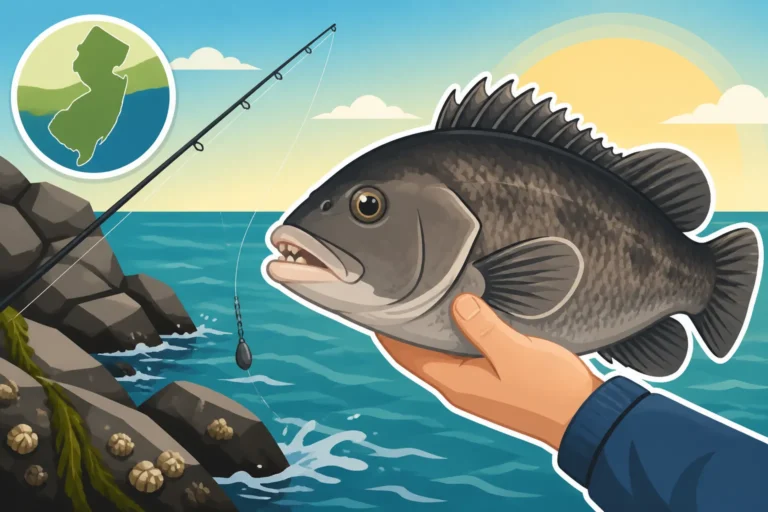
Tautog, often affectionately called "blackfish" by local New Jersey anglers, aren't built for chasing down fast-moving prey. Instead, they are masters of the rocky, shell-strewn bottom. Look closely at a tautog's mouth, and you'll immediately notice its distinct dental work. They have powerful, crushing jaws equipped with heavy, conical teeth at the front, perfectly designed for nipping off barnacles, mussels, and other shelled organisms from rocks and pilings. Further back, they possess broad, flat molars that act like grinders, allowing them to pulverize harder shells and extract the tasty meat inside.
This specialized anatomy tells you everything you need to know about their diet: they are primarily crustacean and mollusk eaters. They patrol rocky reefs, wrecks, bridge pilings, and mussel beds, using their keen eyesight and strong sense of smell to locate their next meal. When a tautog finds a crab or a cluster of mussels, it's not a gentle slurp; it's a decisive crush. This is why a firm, well-presented crab or piece of clam can be so effective. If you’re looking to find these incredible bottom dwellers, our guide on Where to Catch Tautog Around New Jersey Wrecks and Reefs can point you in the right direction.
Seasonal Changes and Forage Availability
Just like any other creature, tautog's diets can be influenced by the changing seasons and the availability of their natural forage. In the cooler months of spring and fall, when tautog fishing really heats up in New Jersey, certain crabs and shellfish might be more abundant or easier for the tautog to access. For example, during the colder periods, some crab species might become more lethargic, making them an easier target for hungry blackfish.
Water temperature also plays a significant role. As the water cools, tautog metabolism slows, and they might become more selective about their meals, often preferring high-calorie, easily digestible options. Conversely, in warmer periods, they might be more active and less particular. Understanding these subtle shifts, and even observing what kind of crabs are naturally scurrying around the structure you're fishing, can give you a major advantage when deciding between a green crab and a white leg crab. Keeping up with New Jersey Tautog Season Dates is also crucial for knowing when these fish are most active.
Green Crabs: The Go-To for Many New Jersey Tautog Anglers
When you ask most experienced tautog anglers in New Jersey what their preferred bait is, more often than not, green crabs will be at the top of their list. These hardy crustaceans are a staple for a reason.
Characteristics and Availability of Green Crabs
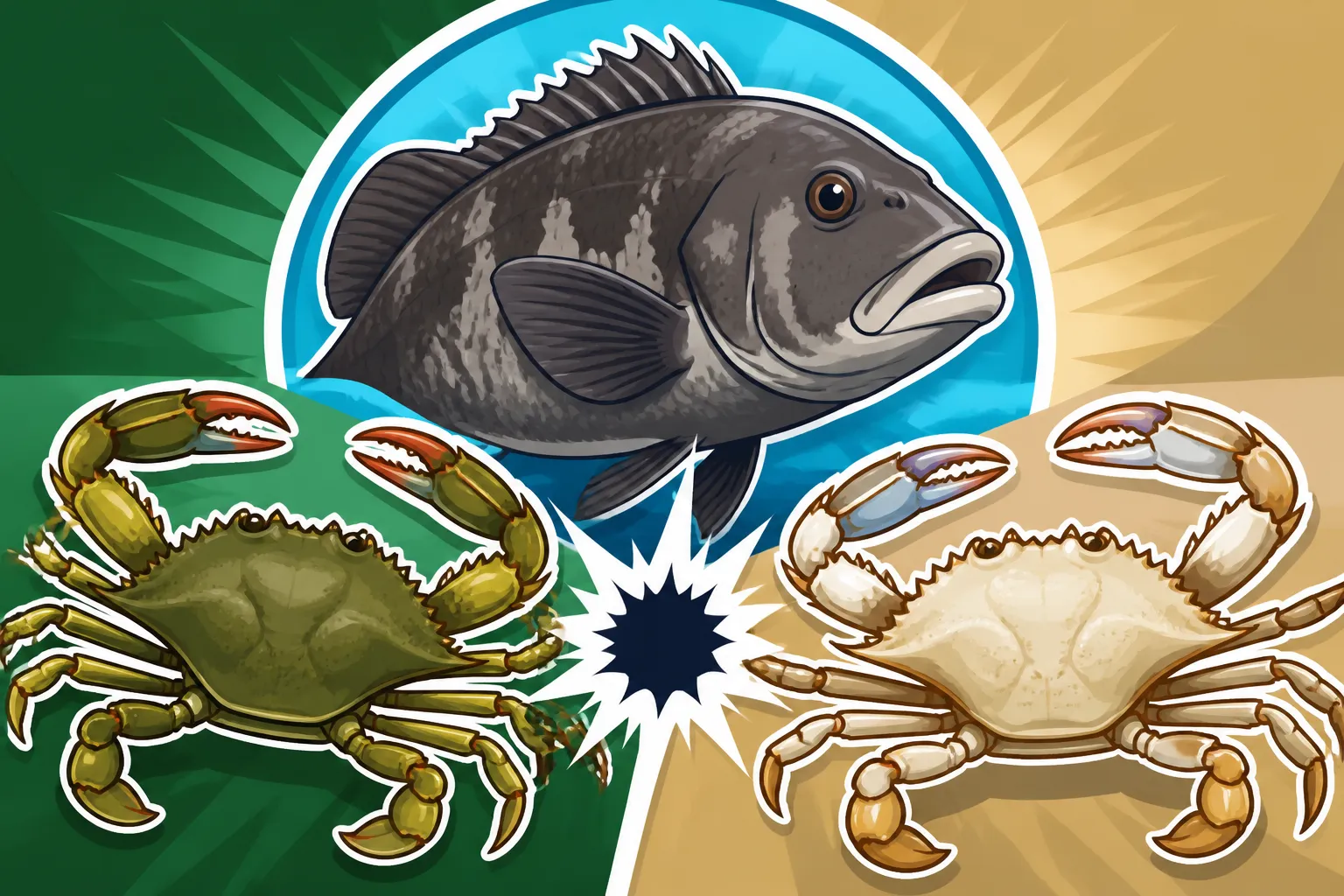
The European green crab, Carcinus maenas, is an invasive species that has become incredibly prevalent along the New Jersey coast. Despite their name, these crabs can vary in color from dark green to mottled brown, often with yellow or orange undersides. They typically grow to about 3-4 inches across the carapace, though you’ll find them in all sizes. What makes them so popular for bait is their sheer abundance and their resilience. You can often find them scuttling under rocks and seaweed in the intertidal zone, or easily purchase them from nearly any bait and tackle shop up and down the Jersey Shore.
Their hardiness is a major advantage. Green crabs can withstand being transported, handled, and kept alive in a cooler for a decent amount of time, making them a practical choice for a full day of fishing. This ease of sourcing and robust nature means you can often buy a few dozen for a reasonable price, ensuring you have plenty of bait to last your trip. For serious anglers, sometimes even buying bulk baiting components online through retailers like Amazon can be a cost-effective way to get prepared, though live crabs need to be sourced locally.
Pros and Cons of Using Green Crabs for Tautog
Every bait has its strengths and weaknesses, and green crabs are no exception. Weighing these out can help you decide if they're the right choice for your current fishing conditions.
Pros of Green Crabs:
- Availability: As mentioned, they are incredibly easy to find. Most bait shops stock them consistently, and you can even catch them yourself with simple traps in many back bays and estuaries.
- Cost-Effective: Compared to some other specialty baits, green crabs are relatively inexpensive, allowing you to stock up without breaking the bank.
- Hardiness: This is a big one. Green crabs stay on the hook remarkably well, even through repeated casts and nibbles from smaller fish. Their tough shells mean they resist picking by nuisance species better than softer baits.
- Scent Trail: When cut or cracked, green crabs release a strong, attractive scent into the water, drawing tautog from their hiding spots.
- Versatility: They can be used whole (for larger tautog), halved, quartered, or even in smaller pieces, making them adaptable to different hook sizes and fish appetites.
Cons of Green Crabs:
- Tough Shell: While good for hook retention, their hard shell can sometimes be a double-edged sword. If a tautog isn't aggressively biting or if your hook isn't super sharp, it can be harder to get a solid hookset.
- May Not Be "Natural" Everywhere: While abundant, in certain deeper, offshore wrecks or reefs, green crabs might not be the primary natural forage, potentially making a "match-the-hatch" bait more effective.
- Attracts Other Species: Their strong scent can also attract less desirable fish like sea bass or bergalls, which might pick at your bait before a tautog gets a chance. This can be mitigated with proper rigging and swift hooksets.
Effective Rigging and Presentation Techniques with Green Crabs
Using green crabs effectively isn't just about putting them on a hook; it's about presentation. A well-rigged green crab looks natural and allows for a solid hookset.
First, you generally want to "prepare" your green crab. For most tautog fishing, especially on a boat or from a jetty, you'll want to break or cut the crab. The most common method is to simply break off all the legs and then crack the carapace (top shell) in half or quarters, depending on the crab's size and the desired bait chunk. Some anglers even take a small hammer or pliers to crack the shell slightly, exposing more of the juicy interior to release extra scent. A great read on general tactics is our guide on How to Fish for Tautog Around Structure.
When it comes to hooking, there are a few preferred methods:
- Through the Leg Socket: For a half crab, thread your hook (a strong, sharp J-hook or circle hook is ideal, typically 2/0 to 5/0) through one of the vacant leg sockets and then out through the belly, ensuring the hook point is exposed. This keeps the bait secure.
- Through the Body Cavity: For a quartered crab, you can push the hook through the denser meat of the body, again making sure the point and barb are well exposed.
- Small Pieces for Picky Bites: If the bite is particularly slow or subtle, don't be afraid to use smaller, thumbnail-sized pieces of green crab meat, perhaps with a bit of leg or claw still attached. This provides a more concentrated scent and a smaller target for the tautog to inhale.
Remember, tautog have crushing mouths, so a robust hook is essential. Products like Gamakatsu or Owner hooks, widely available at local tackle shops and sometimes in bulk on Amazon, are excellent choices for their strength and sharpness.
White Leg Crabs: The "Candy Bait" for Discerning Tautog
While green crabs are the workhorse bait, there's another contender that many seasoned tautog veterans swear by, especially when the bite gets tough: the elusive "white leg crab." This term generally refers to Jonah crabs or sometimes rock crabs, both native species found in New Jersey waters.
Identifying and Sourcing White Leg Crabs
The term "white leg crab" is a bit of a colloquialism among anglers, often referring to Jonah crabs (Cancer borealis). These crabs are typically larger than green crabs, with robust, oval bodies and prominently knobby claws. Their legs are indeed often a lighter, yellowish-white color, giving them their nickname. Rock crabs (Cancer irroratus) are another species that can sometimes be used, though they are usually smaller and have smoother shells. Both species are native to the Atlantic coast and are a natural part of the tautog's diet.
Unlike the easily accessible green crab, sourcing white leg crabs can be a bit more challenging. They typically inhabit deeper, colder waters and rockier bottoms, making them harder to trap or find in shallow estuaries. Consequently, they are less commonly stocked in bait shops, and when they are, they come with a higher price tag. Anglers who regularly use them often have to special-order them or, if they're lucky enough to have access, catch them using larger crab traps in deeper water. This limited availability adds to their mystique and perceived effectiveness, much like a rare delicacy. For general New Jersey fishing information, including licenses and regulations, consult the New Jersey Fishing License Guide for 2026.
Advantages and Disadvantages of White Leg Crabs
The allure of white leg crabs is strong, but they do come with their own set of pros and cons that can influence your decision.
Pros of White Leg Crabs:
- Irresistible to Tautog: Many anglers consider white leg crabs to be "candy" for tautog. Because they are a natural, often preferred, food source in many of the wrecks and reefs where tautog reside, the fish tend to pounce on them with less hesitation.
- Softer Shell: Compared to green crabs, Jonah and rock crabs typically have a slightly softer shell. This can lead to better hook penetration and easier crushing for the tautog, resulting in more solid hooksets.
- Stronger Natural Scent: White leg crabs often have a more potent, natural "fishy" scent that can be incredibly effective at luring in tautog, especially in clear water where scent plays a crucial role.
- Better for Picky Fish: When the bite is slow, or you're targeting particularly wary, large tautog, the natural appeal and softer texture of a white leg crab can be the difference-maker.
Cons of White Leg Crabs:
- Higher Cost: This is often the biggest deterrent. White leg crabs can be significantly more expensive per dozen than green crabs, making them a premium bait.
- Limited Availability: They are much harder to find in bait shops. You might have to call around or pre-order, which isn't always convenient.
- Less Hardy: White leg crabs, particularly Jonah crabs, are not as robust as green crabs once out of the water. They don't last as long in a bait cooler and can be more susceptible to falling off the hook with aggressive casts or repeated picking from smaller fish.
- Attracts Other Species: While often more appealing to tautog, they can still attract other bottom dwellers, and their softer shell means they might get decimated faster.
Optimal Rigging for Maximum Success with White Leg Crabs
Given their higher cost and delicate nature, it's essential to rig white leg crabs optimally to make every bait count. You want to maximize its appeal and minimize loss.
Similar to green crabs, you'll want to break off the legs and crack the carapace. For Jonah crabs, which are often larger, you might cut them into halves or quarters. The goal is to expose the inner meat and juice while still keeping a substantial, natural-looking piece of bait. Because their shells are softer, you need to be a little gentler during preparation.
Hooking techniques are similar, but with an emphasis on security:
- Through the Body: Thread your hook (again, a sharp 2/0 to 5/0 hook) through the densest part of the crab's body, ensuring the hook point and barb are completely clear.
- Rubber Bands for Security: For a truly secure presentation, especially if you're casting aggressively or dealing with a strong current, many anglers will use a small bait elastic or rubber band to secure the crab chunk to the hook shank. This prevents the softer bait from tearing off prematurely. You can find small bait elastic on Amazon or at most tackle shops.
- Sharp Hooks Are Paramount: With a softer shell, good hook penetration is easier, but a dull hook will still let you down. Always start with freshly sharpened hooks or tie on new ones frequently. Using a sensitive rod and line, and watching for subtle taps, will help you feel the lighter bites often associated with these prized baits. Consider learning Best Knots for Saltwater Fishing to ensure your rig is always solid.
Making the Call: Green Crab vs. White Leg Crab in Different Scenarios
So, which crab should you choose? The answer, as with many things in fishing, isn't always black and white. It often depends on a combination of factors, from the specific conditions you're fishing to your budget and the availability of bait.
Matching Your Bait to the Fishing Conditions
Think of your bait selection as part of your overall strategy. Here’s a breakdown of when each crab might shine:
When to lean on Green Crabs:
- Strong Currents or Deeper Water: Their hardiness means they stay on the hook better in strong rips, ensuring your bait remains effective longer.
- Aggressive Bites: When the tautog are actively feeding and not too finicky, green crabs will get the job done efficiently and cost-effectively.
- High Structure Snags: If you're fishing extremely snaggy areas where you might lose rigs frequently, using cheaper green crabs makes more financial sense than continually sacrificing expensive white legs.
- Beginner Anglers: Learning the ropes of tautog fishing can involve a lot of trial and error. Green crabs offer a more forgiving bait option.
When to reach for White Leg Crabs:
- Slow or Picky Bites: This is where white legs truly shine. If tautog are barely nipping, or ignoring your green crabs, the natural appeal and softer texture of a white leg crab can trigger strikes.
- Clear Water Conditions: In very clear water, where fish can inspect your bait closely, the natural appearance and potent scent of a white leg crab can be a significant advantage.
- Targeting Trophy Fish: Many serious tautog anglers believe white leg crabs are the key to fooling the largest, most experienced blackfish.
- Specific Offshore Wrecks/Reefs: If you know that Jonah crabs are abundant on a particular piece of structure, matching the hatch with white leg crabs can be incredibly effective. For those venturing offshore, our New Jersey Party Boat Fishing Guide might cover trips to such locations.
Ultimately, carrying both if possible, and experimenting with each, is the best approach. Start with green crabs, and if the bite is slow, switch to white legs to see if it makes a difference.
Budget and Availability Considerations for New Jersey Anglers
Let's be realistic: fishing can be an expensive hobby, and bait costs are a significant part of that. As discussed, white leg crabs are often considerably more expensive than green crabs. A dozen green crabs might run you $10-15, while a dozen large Jonah crabs could be $30 or more, if you can even find them.
If budget is a concern, or if you're planning a long trip with multiple anglers, relying primarily on green crabs is a practical choice. You can often buy them in larger quantities, and if you're industrious, you might even be able to trap your own in local marsh areas. Many anglers swear by particular bait shops, like Fisherman's Supply in Point Pleasant or Capt. Andy's in Atlantic City, for consistent green crab availability. For understanding the rules around what you catch, take a look at the New Jersey Marine Fish Size Chart 2026.
For white leg crabs, planning ahead is key. Call your local bait shop in advance to see if they can order them for you. Sometimes, party boats that specialize in tautog fishing, especially those out of Belmar or Point Pleasant, might carry them onboard for purchase, but don't count on it as your sole source.
Experimentation and Local Knowledge are King
The most crucial piece of advice for any tautog angler in New Jersey is to never stop learning and experimenting. What worked yesterday might not work today. What works at one spot might not work at another.
Pay attention to what's happening around you. If you're on a party boat, observe what other successful anglers are using. Talk to the captain and crew – they are a wealth of local knowledge. They often have the most up-to-date information on what the fish are biting on. Don't be afraid to try different sizes of crab pieces, different hooking methods, or even a combination of baits. Sometimes a small piece of clam on the same hook as a crab can add an extra scent punch. Regulations, too, can change, so always check the latest New Jersey Fishing Regulation Changes for 2026 to be prepared.
Ultimately, the "best" bait is the one that puts fish on your hook. While white leg crabs often have the edge in terms of pure fish appeal, the practicality and effectiveness of green crabs make them an indispensable part of any New Jersey tautog angler's arsenal. Learn to use both, and you'll be well-equipped for whatever the blackfish throw your way. Don't forget, if you're fishing saltwater in New Jersey, understanding the New Jersey Saltwater Registry Explained is paramount.
Green Crab vs. White Leg Crab Comparison
Here’s a quick overview of the key differences to help you decide which bait is right for your next tautog trip.
| Feature | Green Crab (Carcinus maenas) | White Leg Crab (e.g., Jonah Crab, Rock Crab) |
|---|---|---|
| Availability | Widely available at bait shops, easy to trap. | Less common, often harder to find, may require pre-order. |
| Cost | Generally more affordable. | Significantly more expensive. |
| Hardiness | Very hardy, stays on hook well, good for multiple casts. | More delicate, may fall off hook easier, shorter shelf life. |
| Shell Texture | Hard, requires cracking/cutting to expose meat. | Slightly softer, easier for tautog to crush. |
| Scent Profile | Good, potent scent when cut. | Strong, natural, often considered more appealing to tautog. |
| Tautog Appeal | Excellent, a reliable staple. | Often considered "premium" or "candy" bait for picky fish. |
| Best Use | General fishing, strong currents, aggressive bites, budget-friendly. | Slow bites, clear water, targeting trophy fish, matching natural forage. |
Disclaimer
The information provided in this guide is for general informational purposes only and is subject to change. Fishing regulations, season dates, and limits can vary and are updated periodically by the New Jersey Department of Environmental Protection (NJDEP) Division of Fish and Wildlife. Always consult the most current New Jersey Fish and Wildlife Digest or the official NJDEP website before heading out to fish. Adherence to all local, state, and federal fishing laws is the responsibility of the angler.