Best Month to Catch Striped Bass in New Jersey
It's a frustration many New Jersey anglers know all too well: you hit the water, rods rigged, hopes high, only to find the striped bass action just isn't there. It feels like you're always a day late or a dollar short, missing out on those incredible feeding frenzies because you just can't pinpoint the best time. This comprehensive guide is here to cut through the guesswork, diving deep into the seasonal movements of striped bass and revealing the prime windows to maximize your chances of hooking into a New Jersey trophy.
Understanding the Striped Bass Migration in New Jersey
If you want to consistently catch striped bass in New Jersey, the first thing you need to grasp is that these are not static fish. They're incredible travelers, and their movements dictate when and where you'll find them. Understanding their annual migration patterns is the absolute cornerstone of successful striper fishing in our waters.
The Cycle of the Striped Bass Year
Striped bass, affectionately known as "stripers" by local anglers, undertake a massive, instinct-driven migration along the Atlantic coast. Their journeys are largely influenced by two powerful forces: water temperature and the imperative to spawn and feed. For us fortunate New Jersey anglers, this means we sit right in the middle of a major highway for these magnificent fish as they shuttle between their southern wintering and spawning grounds (like the Chesapeake Bay and the Delaware River) and their northern feeding grounds.
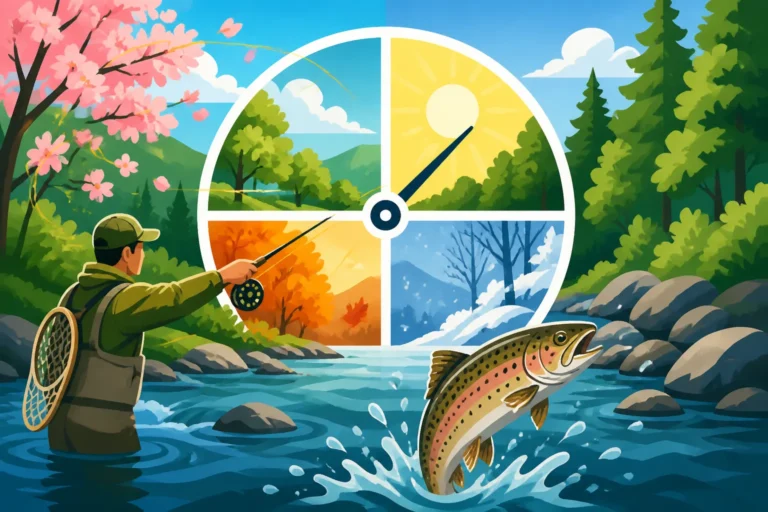
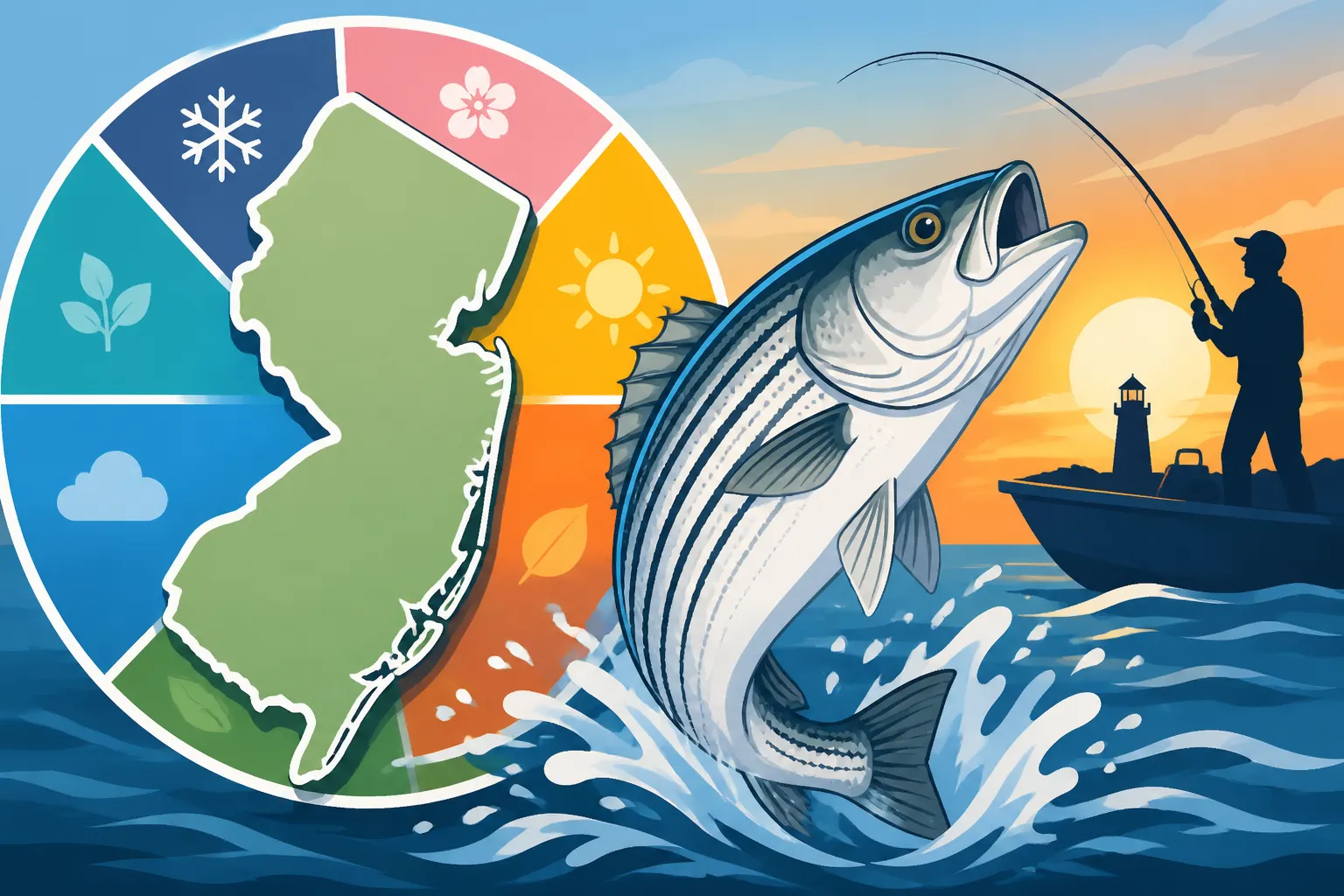
Imagine it as a grand, ancient pilgrimage. In the spring, they surge northward, often in massive schools right along our coastline, absolutely ravenous after their demanding spawning rituals. They're on a mission to replenish their energy stores. Then, as autumn deepens and water temperatures begin to drop, they reverse course, making their way back south to prepare for the colder months. These two distinct periods – the spring run and the fall run – are the golden opportunities you absolutely must target if you dream of consistent striper action.
Beyond these epic migrations, you'll also encounter "resident" fish, particularly in our larger back bays and estuaries such as Raritan Bay or Barnegat Bay. These stripers might choose to stay in New Jersey waters for longer stretches, or even year-round in certain protected areas, offering fishing opportunities outside the main migratory windows. However, the sheer numbers and often the largest specimens are typically associated with the transient migratory schools. Knowing whether you're targeting a resident or a migratory fish can significantly influence your bait choices and techniques.
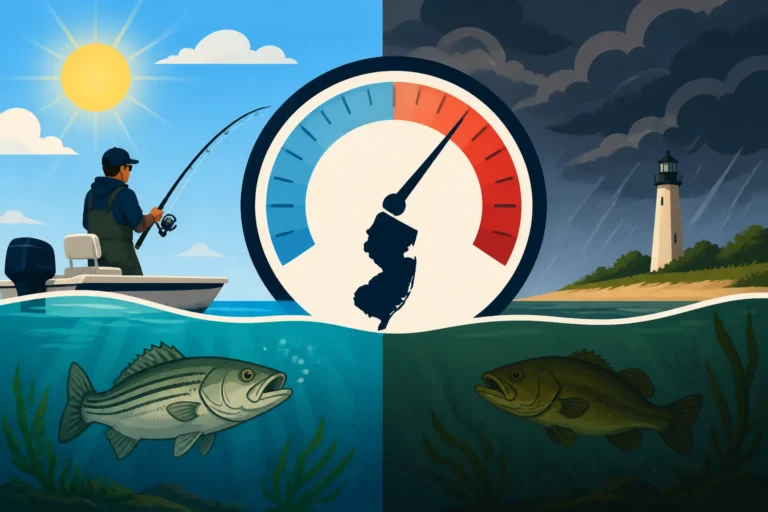
Water temperature truly is the master key for unlocking prime striper activity. These fish thrive in a specific comfort zone, generally between 50 and 68 degrees Fahrenheit. As New Jersey's coastal and bay waters warm into this range in spring and cool back into it in the fall, it triggers aggressive feeding behavior. When those temperatures align, you can be confident that the stripers are either actively present or very close by, dramatically increasing your chances of a successful outing.
Key Factors Influencing Their Movement
While the thermometer is crucial, it’s not the only factor steering the striper schools. The availability of baitfish is arguably just as critical. Striped bass are powerful predators, and they are slaves to their stomach, following their food sources wherever they go. Key forage species in our waters include Atlantic menhaden (bunker), spearing, anchovies, and even squid. When these baitfish schools gather in dense concentrations along our coast or within our bays, you can almost guarantee the stripers will be right there, creating those explosive "blitzes" that every angler dreams of witnessing.
Weather patterns also exert a significant influence. A prolonged stretch of unseasonably warm spring weather can accelerate the northward migration, bringing fish to our shores earlier. Conversely, an early cold snap in the fall can kick the southward run into high gear. While severe storms might temporarily scatter bait or push fish offshore, the period immediately following a storm, once conditions stabilize, can often lead to phenomenal fishing as stripers resume feeding aggressively. Always keep a close eye on those marine forecasts before heading out.
Daily rhythms like tides and moon phases greatly impact feeding patterns, especially in our estuaries, inlets, and nearshore waters. A strong current, whether on a How to Fish a Rising Tide or a falling tide, will often concentrate baitfish, creating ideal ambush points for hungry stripers. Many seasoned anglers strongly believe that the stronger tidal currents associated with new and full moons trigger more intense feeding frenzies. It's all about understanding these intricate relationships between the fish, their habitat, and their menu.
Finally, a truly essential consideration for any striped bass angler is to be intimately familiar with the current New Jersey Striped Bass Slot Limit and Season regulations. These rules are put in place to ensure the long-term health of the fishery and can change annually. Always consult the latest New Jersey Fish and Wildlife Digest before you cast a line. Ignoring these regulations can lead to substantial penalties, as detailed in articles like "What Happens If You Get Caught Fishing Without a License in New Jersey?".
The Thrilling Spring Run for Striped Bass
If there's one time of year that sends a shiver of anticipation down every New Jersey striper angler's spine, it’s the spring run. This is when the migrating schools, often containing some truly massive fish, make their grand northward journey along our coast.
Peak Spring Months and Locations
The core of the spring run typically occurs from April through early June. While the precise timing can fluctuate based on the whims of water temperature, this window consistently offers prime opportunities. These stripers are post-spawn, making their way north, and crucially, they are incredibly hungry, driving them to feed aggressively as they travel.
You’ll usually see the first signs of activity in late March or early April, with smaller "schoolie" stripers moving into the back bays and tidal rivers. Places like Raritan Bay, the Mullica River, and other estuaries will see this initial push, which can include both resident fish and the vanguards of the main migration. As water temperatures continue to climb into April and May, the larger, migratory fish begin to appear along the open beaches and in the major inlets. Classic hotspots include the beaches of Island Beach State Park, the outflows of Barnegat Inlet, Manasquan Inlet, and the famed waters around Sandy Hook.
By May, the entire New Jersey coast can be absolutely buzzing with activity. It’s not uncommon to witness epic surf fishing action or see boats trolling expansive umbrella rigs just offshore from places like Long Beach Island. The fish are often numerous, aggressive, and laser-focused on gorging themselves on available baitfish. This period is also when the larger, mature female stripers, having completed their spawning duties, are moving through, offering some of the best opportunities for a true trophy fish. For more detailed information on specific areas, be sure to check out our comprehensive guide on Where to Catch Striped Bass in New Jersey.
To give you a clearer picture of the seasonal shifts for striped bass in our state, here's a table combining general peak timings and typical locations:
| Season Phase | Primary Months | Typical Locations | Key Characteristics |
|---|---|---|---|
| Early Spring Run | Late March – April | Back bays, estuaries (Raritan Bay) | Smaller "schoolies," resident fish, pre-spawn activity |
| Peak Spring Run | April – May | Beaches, inlets (Sandy Hook, Barnegat) | Large migratory fish, aggressive feeding, post-spawn |
| Late Spring/Early Summer | Late May – June | Nearshore reefs, inlets, deeper bay channels | Larger fish moving offshore, some resident activity continues |
| Peak Fall Run | October – December | Entire coast, inlets, surf | Intense feeding, large schools, southward migration |
| Winter Holdover | January – March | Deepest parts of tidal rivers, power plant discharges | Smaller, less active, but a chance at a winter catch |
Essential Spring Run Tactics and Baits
During the spring run, the stripers are often keyed in on bunker (Atlantic menhaden). If you have the means to cast net live bunker, live-lining them is arguably the most effective method, especially for targeting bigger fish. Should live bait prove elusive, fresh cut bunker or clam baits, fished on the bottom, can be incredibly productive, particularly in the inlets and deeper bay channels. For those dedicated surf anglers, fresh clam baits or generous chunks of mackerel can also be irresistible to hungry stripers cruising the wash.
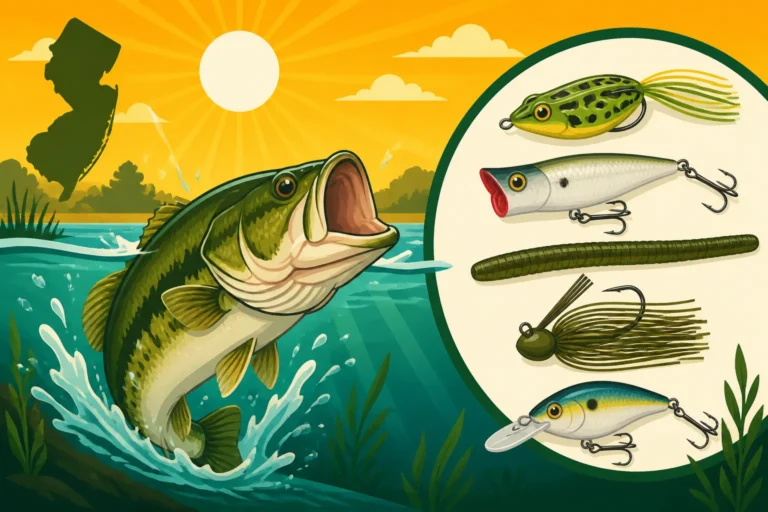
Artificial lures truly shine during the spring too. Classic bucktail jigs, often enhanced with a scent-infused trailer like a Berkley Gulp! Swimming Mullet, are a top choice for jigging in current-rich inlets or from boats working structure. Topwater plugs, especially during the low light hours of dawn and dusk, can trigger heart-stopping explosive strikes if stripers are actively busting on baitfish near the surface. Swimmers and poppers, easily found on Amazon from various reputable brands, are absolute staples in nearly every productive surf angler's tackle box. Don't overlook large soft plastics, particularly paddle tails, which do an excellent job imitating bunker or other significant forage species.
Trolling is another immensely effective technique, particularly for boat anglers needing to cover vast areas. Umbrella rigs, Mojo rigs, and bunker spoons are widely employed to mimic schools of baitfish, drawing in those large, hungry migratory stripers. When employing these heavier trolling methods from a boat, having the correct rod and reel combination is paramount. Our guide on Best Beginner Rod and Reel Combo for Saltwater Fishing offers excellent advice for selecting gear robust enough to handle these powerful fish.
Always keep an eye on the skies for bird play. Diving seagulls or gannets are almost a guaranteed indicator that baitfish are being pushed to the surface, and it’s usually hungry stripers doing the pushing from below. Head straight for the commotion; it's one of the most reliable signals of an active striper blitz.
The Epic Fall Run for Striped Bass
If the spring run signifies the great northward journey, then the fall run is its equally, if not more, epic counterpart: the grand southward migration. For many, this is hands down the most exciting and productive time to target striped bass in New Jersey.
Prime Fall Months and Hotspots
The fall run typically ignites in late September or early October and can extend well into December, sometimes even stretching into January if unseasonably mild weather persists. These fish are undertaking their return journey south, and critically, they are focused on fueling up for the coming winter. This means they are in an aggressive, opportunistic feeding mode, making them highly susceptible to a well-presented bait or lure.
During the fall run, the entire New Jersey coastline transforms into a massive, bustling highway for stripers. From the northern reaches of Sandy Hook all the way down to the southern tip of Cape May, every single beach, inlet, and bay mouth can potentially hold fish. Key hotspots invariably include the renowned surf fishing beaches of Island Beach State Park, the turbulent waters of Barnegat Inlet, Manasquan Inlet, and Shark River Inlet, as well as the mouths of our major tidal rivers. These areas naturally concentrate immense schools of baitfish, leading to some truly spectacular feeding frenzies that etch themselves into an angler's memory.
One of the greatest appeals of the fall run is its accessibility. You absolutely do not need a boat to get in on the action. Shore anglers, especially those who have mastered New Jersey Surf Fishing Techniques, can experience utterly incredible fishing right from the sand. The stripers often move closer to shore, actively pinning baitfish against the beach. This is when you'll witness those awe-inspiring "blitzes" where massive schools of bunker or spearing are decimated by waves of hungry stripers, creating unforgettable visual and angling spectacles.
The size of the fish caught during the fall run can vary, but this period frequently yields some of the largest stripers of the entire year. These are the mature, well-fed fish that have spent the summer fattening up in northern waters and are now packing on even more calories for their strenuous winter journey. If landing a personal best striped bass is on your bucket list, the fall run offers some of the best possible opportunities to achieve that goal.
Fall Run Strategies and Gear
Just like in the spring, bunker reigns supreme in the fall. Live-lining large bunker, particularly when fishing from a boat or a substantial pier, is an incredibly effective tactic. For surf anglers, patiently chunking fresh bunker or clam baits into the turbulent wash remains a consistently productive strategy. When considering What Bait Works Best for Striped Bass in the Fall Run?, the answer often boils down to what the fish are actively feeding on at that specific moment, so having a varied bait arsenal is always a smart move.
Artificial lures are also tremendously potent during the fall. Large poppers and various surface plugs are fantastic for generating exhilarating topwater strikes when stripers are crashing bait on the surface. Robust swimming plugs, including those from highly regarded brands readily available on Amazon, are excellent for imitating larger baitfish that the stripers are targeting. Metal lures and teasers prove superb for casting into chaotic blitzes, perfectly mimicking fleeing baitfish and provoking aggressive reactionary strikes. For those looking to work the entire water column, soft plastics, especially large paddle tails rigged on appropriately sized jig heads or bucktails, are absolutely indispensable.
Learning How to Jig for Striped Bass is a skill that will pay dividends, particularly when you locate schools of fish holding deeper in the water column or tightly around structure within inlets. Vertical jigging with heavy metal jigs or substantial bucktails can often trigger strikes from fish that are completely ignoring surface presentations. For boat anglers, a reliable fish finder can be a game-changer for locating these elusive deeper schools.
Proper gear selection is paramount, especially when you're casting large, heavy lures into the wind or battling powerful, migratory stripers from the surf. A sturdy surf rod, typically ranging from 10 to 12 feet in length, paired with a heavy-duty spinning reel spooled with robust braided line, will provide the necessary casting distance and the raw power to subdue these formidable fish. For boat anglers, a strong medium-heavy rod matched with a conventional or large spinning reel is generally ideal. Our guide on Best Rod Length for Jersey Shore Surf Fishing can help you make an informed choice for your specific angling style.
Striped Bass Fishing During Summer and Winter
While the spring and fall runs undoubtedly represent the peak seasons for striped bass in New Jersey, the angling opportunities don't completely vanish during the warmer and colder months. You just need to adjust your approach and expectations.
Summer Challenges and Opportunities
Once the main spring migration has wound down and New Jersey's coastal waters really start to heat up in July and August, striped bass fishing can indeed become a bit more challenging. Many of the larger migratory fish move further north or venture offshore into cooler, deeper waters to escape the scorching inshore temperatures. However, this absolutely does not mean that there are no stripers to be caught; it simply means that anglers must adapt their tactics.
During the summer months, the remaining stripers—often referred to as "resident" fish or smaller schoolies—will seek refuge in cooler, deeper pockets of water. This might mean the deeper channels of expansive bays like Barnegat Bay or Raritan Bay, the shadows and currents around man-made structures such as bridges and jetties, or the cooler flows found within inlets, particularly during strong moving tides. Night fishing becomes an overwhelmingly more productive option during summer, as surface temperatures drop, and stripers feel safer moving into shallower feeding grounds under the cloak of darkness. You can explore a wealth of effective strategies in our dedicated guide to How to Catch Striped Bass From the Beach at Night.
Focus your efforts on areas with significant current and clear signs of bait concentration. Live eels, fished painstakingly around bridge pilings or along jetties during the nighttime hours, can be an incredibly deadly tactic for enticing larger summer stripers. Poppers and walk-the-dog lures can still prove effective during the low light periods of dawn or dusk, especially in estuary areas where baitfish are abundant. Soft plastics and bucktails remain consistently reliable choices for working deeper water or probing around submerged structure.
While summer might not boast the sheer numbers of large migratory fish that the spring and fall runs do, it offers a unique challenge and a fantastic opportunity to refine your skills on resident fish. An added bonus is often the more comfortable fishing weather and slightly thinner crowds compared to the frenetic peak runs.
Winter Holdovers and Niche Fishing
As the fall run finally tapers off and true winter descends upon New Jersey, typically from January through March, the idea of catching striped bass might seem like a distant, almost impossible dream. Most of the vast migratory schools have long since departed for their southern wintering grounds, and many anglers understandably hang up their rods for the season. Yet, for the most dedicated and hardy individuals, there are still "winter holdover" stripers to be found.
These winter holdover fish are generally smaller schoolie stripers that have sought refuge and hunkered down in the deepest, most stable parts of tidal rivers and estuaries. You'll often find them near the warm water discharges of power plants or nestled deep within protected creeks where water temperatures don't plummet as drastically as in open waters. Productive areas can include segments of the Mullica River, specific stretches of the Raritan River, and certain well-sheltered back channels.
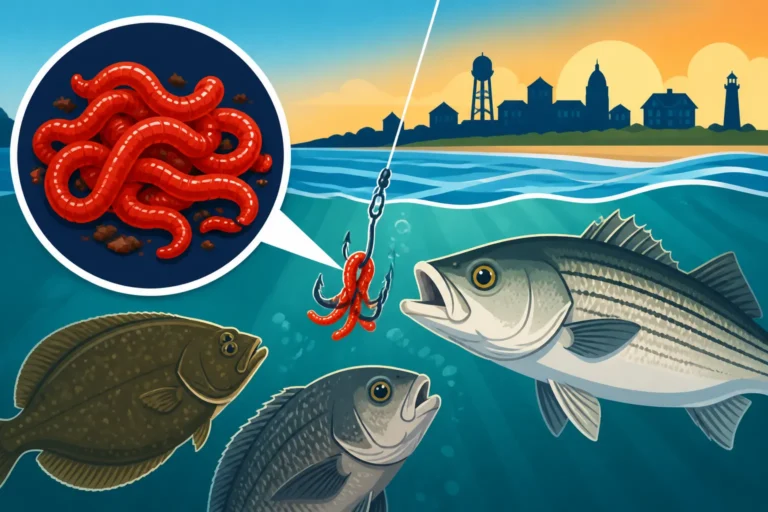
Fishing for winter holdovers demands a great deal of patience and a refined, often lighter, tackle setup. Small soft plastics, particularly paddle tails or grub tails rigged on very light jig heads, are frequently the most effective baits. A slow, deliberate retrieve is absolutely critical, as the fish are lethargic and less inclined to chase in the frigid water. Bloodworms can also be surprisingly effective when fished subtly on the bottom. This is definitely not a numbers game, but successfully catching a striped bass in the dead of winter is a truly special accomplishment and a testament to an angler's profound dedication.
Understanding the specific regulations during these off-peak, colder months is exceptionally important. Our guide on New Jersey Fishing Season Dates and Closures will clarify any specific rules pertaining to striped bass during winter, as they can sometimes differ from the main spring and fall seasons. While winter might not offer the "best month" for trophy-sized fish, it certainly provides a unique sense of quiet solitude and a distinct challenge for the truly passionate angler.
Summary of Prime Striped Bass Fishing Months in New Jersey
To tie it all together, while striped bass can be targeted for a good portion of the year in New Jersey, there are undeniably peak periods that consistently offer the most action and the highest probability of landing a memorable fish.
| Season | Primary Months | Key Highlights | Best Gear/Techniques |
|---|---|---|---|
| Spring Run | April – May (especially May) | Large migratory fish heading north, hungry after spawning. Coast-wide blitzes. | Live/chunk bunker, clams, bucktails, swimming plugs, trolling rigs |
| Summer | June – September | Resident fish in deeper bay channels, inlets, structure. Night fishing. | Live eels, soft plastics, bucktails, topwater (dawn/dusk) |
| Fall Run | October – November (can extend into December) | Mass southward migration, intense feeding, big fish. Accessible from shore. | Live/chunk bunker, large swimming plugs, poppers, metal lures, bucktails |
| Winter | December – March | Holdover schoolies in sheltered, deeper river sections. Niche fishing. | Small soft plastics, bloodworms, slow retrieves |
When you're meticulously preparing for these prime windows, remember that a diverse and well-stocked tackle box is your ultimate asset. From procuring fresh, local bait to having a wide array of artificial lures – easily sourced from reliable online retailers like Amazon – being thoroughly prepared for varying conditions and dynamic feeding behaviors will undeniably elevate your success rate.
Planning Your Striped Bass Trip Around the Best Months
Now that you've got the comprehensive lowdown on the best months for striped bass, it's time to translate that knowledge into actionable plans. Successful striped bass fishing is rarely about simply showing up and hoping; it's about strategic planning to maximize your time on the water.
Monitoring Conditions and Forecasts
The capricious interplay of weather and water temperature are simultaneously your greatest allies and most formidable foes when it comes to locating and catching striped bass. Always, and I mean always, scrutinize the marine forecast before you even consider heading out. Prioritize stable weather patterns, as sudden, drastic changes can often temporarily put the fish off the bite. Pay particular attention to current water temperature readings – these are often available online, through marine apps, or via a quick chat with your local bait shop proprietor. When the inshore waters are consistently hovering within that golden 50-68 degree Fahrenheit sweet spot, that's your undeniable signal to go fishing.
Beyond the broader seasonal migratory movements, a granular understanding of daily conditions like tides and wind is absolutely crucial. Mastering How to Read Tide Charts for Better Fishing in New Jersey is an invaluable skill, as robust current often acts as a potent trigger for active feeding, particularly around inlets, river mouths, and other outflow areas. A strong, consistent current can effectively concentrate baitfish and create prime ambush points for lurking stripers. Therefore, meticulously timing your fishing efforts around these tidal cycles can dramatically improve your catch rate.
Staying Updated with Local Reports
One of the most effective, real-time strategies for accurately pinpointing the exact timing of the runs and identifying the current hotspots is to diligently monitor local fishing reports. Websites dedicated to New Jersey fishing, active online forums, various social media groups, and even a brief, friendly conversation with the seasoned staff at your local bait shop can provide invaluable, up-to-the-minute intelligence on where the fish are actively biting and, crucially, what they're biting on. These reports frequently highlight where the fish within the New Jersey Striped Bass Slot Limit are being caught, which can give you a significant strategic advantage.
Never hesitate to engage with the knowledgeable folks at your favorite tackle shop. Establishments like Grumpy's Bait & Tackle in Seaside Park or Fisherman's Supply Co. in Point Pleasant Beach are absolute treasure troves of local fishing wisdom and are almost always happy to share their insights, especially if you're purchasing some fresh bait or a new lure. They maintain a constant finger on the pulse of the local fishing scene and can offer guidance that no online resource can fully replicate.
Adapting Your Approach for Each Run
The spring run frequently sees stripers more widely dispersed along the coastline as they diligently push northward. For boaters, trolling effectively covers vast expanses, while dedicated surf casters might find success by covering a lot of ground with casting lures. As the run intensifies and progresses, the focus will naturally shift towards areas exhibiting abundant concentrations of bunker.
The fall run, conversely, can often be characterized by those intense, highly concentrated blitzes, particularly if you're fortunate enough to stumble upon a school of bunker being savagely harassed. Being highly mobile and ready to quickly relocate if you observe diving birds or unmistakable signs of fish busting the surface is absolutely critical. Having a versatile array of lures, ranging from heavy metal jigs for achieving long casting distances into a chaotic blitz to topwater plugs for explosive surface action, is paramount. To further refine your fall angling strategies, I highly recommend consulting our comprehensive guide on Best Time of Year for New Jersey's Fall Run.
It's imperative to always remember that fishing regulations are continually subject to change. The process of How New Jersey Sets Its Fishing Regulations Each Year is complex and can result in annual adjustments. Therefore, always make it a priority to consult the most current New Jersey Fish and Wildlife Digest or visit the official NJDEP Fish & Wildlife website before embarking on your fishing trip to ensure complete compliance with all bag and size limits.
Disclaimer
The information provided within this guide is offered solely for general informational purposes and should not be construed as legal advice concerning fishing regulations. Fishing rules, seasons, and limits in New Jersey are subject to frequent changes and updates. Therefore, it is absolutely essential that you always consult the most current edition of the New Jersey Fish and Wildlife Digest or visit the official NJDEP Fish & Wildlife website prior to engaging in any fishing activities. Strict adherence to all applicable local, state, and federal regulations remains the sole responsibility of the individual angler.