New Jersey Shark Fishing Charters
The idea of catching a powerful shark off the New Jersey coast can be incredibly exhilarating, but it often comes with a lot of questions and sometimes, a little intimidation. Many anglers dream of the fight a large shark offers, yet they're unsure about where to go, what rules apply, or how to even begin planning such an adventure safely and successfully. This guide is here to demystify New Jersey shark fishing charters, offering a comprehensive look at what to expect, how to choose the right trip, and how to fish responsibly for these magnificent creatures.
The Thrill and Reality of Shark Fishing in New Jersey
There's something uniquely primal and exciting about targeting sharks, especially when you consider the sheer power they possess. For many, it's the ultimate angling challenge, a true test of strength, skill, and endurance. However, it's also a type of fishing that carries a lot of misconceptions and requires a solid understanding of both the environment and the regulations.
Why Anglers Seek Sharks in NJ Waters
New Jersey's waters are surprisingly rich with a variety of shark species, making it a fantastic destination for those looking to test their mettle against a formidable opponent. The draw isn't just about the size or strength of the fish, though that's certainly a huge part of it. It's about the entire experience: the anticipation as you wait for a bite, the explosive run when a shark takes the bait, and the intense battle that ensues. For many, landing a shark, even if it’s just for a quick photo before a careful release, is a bucket-list achievement.
Beyond the personal challenge, there's also an incredible sense of connection to the ocean's wild side. Being out on the deep blue, far from shore, and knowing these powerful predators are swimming beneath you is an experience unlike any other. It’s a chance to witness marine wildlife up close and to appreciate the intricate balance of our coastal ecosystems. Plus, let's be honest, the stories you come back with are always legendary among your fishing buddies.
Common Misconceptions About Shark Fishing
Before you jump into booking a trip, it’s important to clear up a few common misunderstandings about shark fishing. First, it’s not always about catching monstrous, man-eating sharks like you see in movies. While large sharks are indeed present, many charter trips focus on more manageable, yet still incredibly powerful, species. The image of chumming a feeding frenzy right off the beach is largely exaggerated and, frankly, quite dangerous and irresponsible. Most legitimate shark fishing takes place offshore, often many miles out, where deeper waters naturally attract these predators away from swimming areas.
Another big misconception is that shark fishing is inherently cruel or destructive. While there have been historical practices that weren't sustainable, modern shark fishing charters, especially in New Jersey, operate under strict conservation guidelines. The emphasis is heavily on catch and release, using specialized gear and techniques to minimize stress on the fish. You'll find that reputable captains are passionate about conservation and educating their clients on proper handling, which is crucial for the long-term health of shark populations. It's not about trophy hunting for the sake of it; it's about the sport, the challenge, and respecting the animal.
Understanding New Jersey's Shark Species and Seasons
New Jersey is fortunate to have a diverse array of shark species passing through or residing in its waters throughout the year. Knowing which species are prevalent and when they're most active is key to planning a successful shark fishing expedition. Different sharks require different approaches, and understanding their habits can greatly increase your chances of a memorable encounter.
Target Shark Species in New Jersey
When you head out on a shark charter in New Jersey, you're likely to encounter a few primary species, each with its own characteristics and fighting style.
- Thresher Sharks: Known for their incredibly long, scythe-like tail, thresher sharks are a highly sought-after game fish. They put up a spectacular fight, often breaching and tail-walking, making them a thrilling catch. They typically show up in deeper offshore waters from late spring through fall.
- Mako Sharks: These are often considered one of the fastest and most acrobatic sharks in the ocean. Mako sharks are powerful, aggressive fighters, known for their incredible leaps and strong runs. They are found in warmer offshore waters during the summer months. Their speed and power make them a favorite among experienced anglers, and they are sometimes retained for their delicious meat, subject to strict regulations.
- Blue Sharks: Blue sharks are abundant offshore, particularly in cooler deep waters. While not as flashy as a mako or thresher, they are still strong fighters and can grow quite large. They are often encountered during offshore trips targeting other species. They are generally released due to their lower food value and conservation status.
- Hammerhead Sharks: Less common but certainly present, especially during warmer summer months, are hammerhead sharks. Their distinctive head shape makes them instantly recognizable. They are powerful and can be challenging to bring to the boat. Like most large sharks, they are typically released to protect their populations.
- Dusky Sharks, Sandbar Sharks, and Brown Sharks: These species are often found closer to shore or in shallower offshore waters. While they may not offer the same acrobatic display as makos or threshers, they are still very strong fish that can provide an excellent fight, particularly on lighter tackle. Many of these species are protected or have very strict catch limits and are almost exclusively targeted for catch and release.
It's important to note that the presence of species like great white sharks is well-documented in New Jersey, but these are highly protected and are absolutely not target species for recreational fishing. Any encounter with a great white would be accidental and require immediate, careful release.
Best Time of Year for Shark Fishing Charters
Timing your shark fishing charter correctly can make all the difference. New Jersey's shark season generally aligns with the warming of its offshore waters, bringing these pelagic predators closer to our coast.
The peak shark fishing season in New Jersey typically runs from late May or early June through September, and sometimes into early October.
- Late Spring (May-June): As water temperatures begin to rise, you'll start to see the first pushes of migratory sharks. Thresher sharks might make an appearance, and early season makos can be found further offshore. The waters are still warming, so targeting specific species might be a bit more variable, but the opportunities are definitely there.
- Summer (July-August): This is prime time for shark fishing in New Jersey. The waters are warm, and baitfish are abundant, attracting a wide variety of sharks. Mako sharks are usually at their most active and accessible during these months. Blue sharks are also plentiful. This is when most charters offer dedicated shark trips, as the chances of a successful outing are highest.
- Early Fall (September-Early October): As the water begins to cool, some species will start their southward migration. However, excellent shark fishing can still be had, particularly for threshers and some makos, especially earlier in the fall. The fishing pressure might decrease slightly, offering a more serene experience, but the fish are still there and often feeding aggressively before their longer journey.
Before booking, it's always a good idea to chat with the charter captain about recent reports and what they expect to be biting. Conditions can vary year to year, and experienced captains will have the most up-to-date intel.
What to Expect on a New Jersey Shark Fishing Charter
Embarking on a shark fishing charter is a significant adventure, and knowing what to expect can help you prepare and fully enjoy the experience. These aren't your typical bay fluke trips; they are often long days offshore, demanding specialized equipment and a knowledgeable crew.
The Boat, Crew, and Gear Provided
When you book a New Jersey shark fishing charter, you're typically signing up for a trip on a well-equipped offshore sportfishing boat. These vessels are designed to handle the open ocean, offering comfort and stability even miles from shore. They usually range from 30 to 60 feet or more, with powerful engines, advanced navigation systems, and all the necessary safety equipment. Reputable captains invest heavily in their boats to ensure a safe and productive day on the water.
The crew, led by the captain, will be your guides and experts for the day. They possess an intimate knowledge of the local waters, shark behavior, and the precise techniques required to entice a bite. They're also skilled at handling large fish safely, both for the angler and the shark. Expect them to provide all the specialized gear you'll need: heavy-duty rods and reels spooled with strong line, steel leaders to prevent bite-offs, and large hooks. They'll also supply the bait, which often includes large chunks of fish like bunker or mackerel, and plenty of chum to create an enticing scent trail in the water. Remember, this is a team effort, and your crew is there to make your trip a success.
Typical Offshore Locations and Techniques
Shark fishing in New Jersey isn't a near-shore activity. Charters will usually head far offshore, anywhere from 10 to 50 miles out into the Atlantic, to find the deep, cooler waters where pelagic sharks roam. These areas might include canyons, underwater structure, or temperature breaks where baitfish congregate. The journey out can take a couple of hours, so be prepared for some travel time on the open sea. This is also why checking weather forecasts for sea conditions is so vital. If you're prone to seasickness, it's wise to take precautions before you even leave the dock. Is Seasickness Common on New Jersey Party Boats? discusses how to prepare for rougher waters.
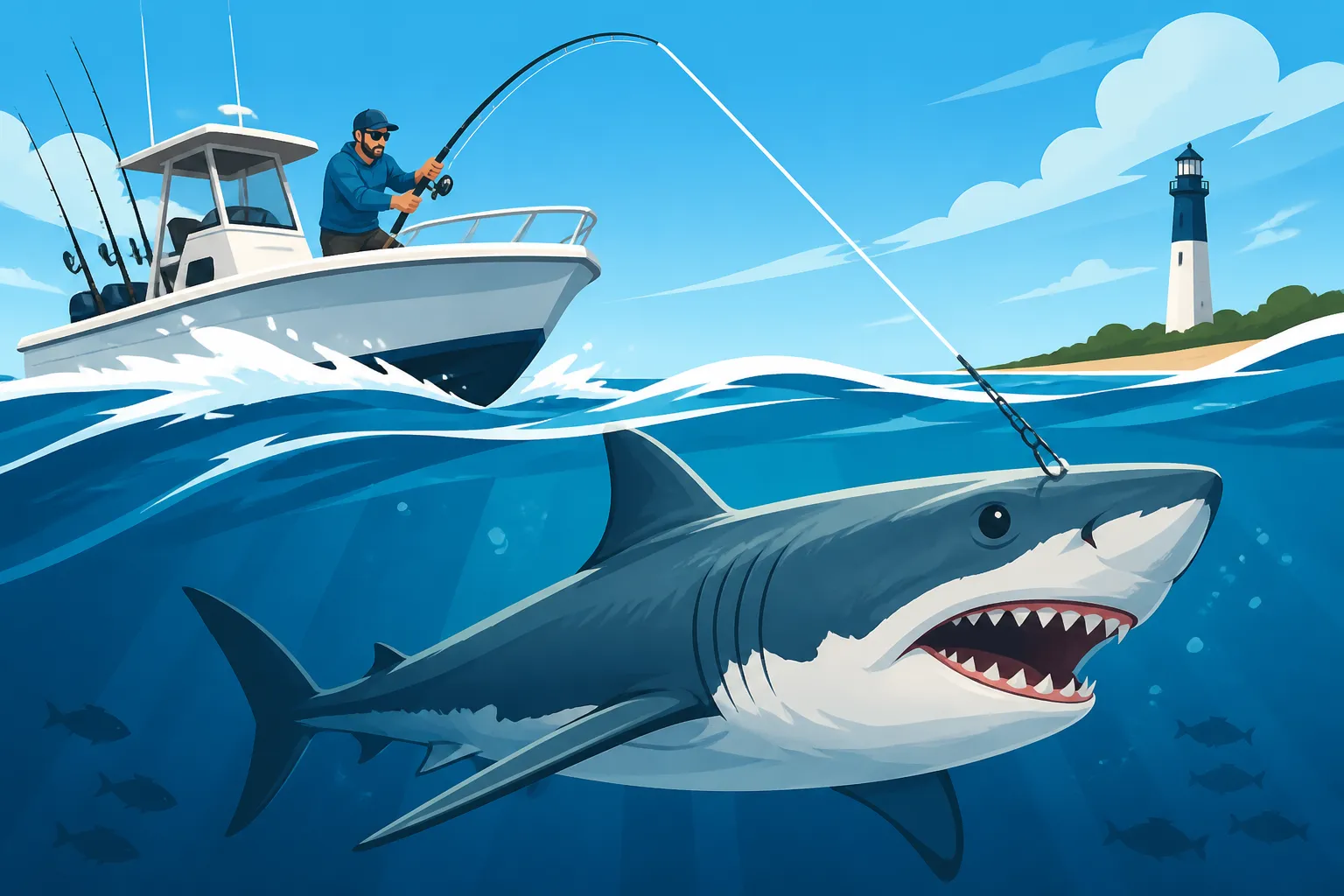
Once on location, the primary technique is often chumming and drifting. The crew will deploy a steady stream of chum (ground-up fish) into the water, creating a scent trail that can attract sharks from a distance. Multiple lines will be set out at varying depths, often with balloon floats to keep the bait suspended. The boat will then slowly drift with the current, allowing the chum slick to spread. It's a game of patience and anticipation. Sometimes, captains might also try trolling large baits or lures, especially for faster-moving species like makos, covering more ground to locate active fish. When a shark hits, it's an unmistakable, powerful strike, and the crew will guide you on how to engage in the battle.
Catch and Release Protocols and Regulations
For most shark species caught in New Jersey, especially the highly migratory ones, catch and release is the prevailing practice and often a legal requirement. Reputable charters are conservation-minded and prioritize the health of the shark. When a shark is brought alongside the boat, the crew will work quickly and efficiently to unhook it, often using long de-hooking tools, minimizing the time the fish is out of the water or stressed. Photos are often taken quickly boat-side rather than bringing the shark fully aboard, unless it's a regulated species being kept for harvest.
New Jersey, like all coastal states, adheres to federal and state regulations regarding shark fishing. These rules are put in place to manage fish populations sustainably. They dictate specific seasons, minimum sizes for retention (for species like mako), and often require specific gear like non-offset circle hooks when using bait to reduce gut-hooking. It's crucial that all anglers on board follow these regulations. Charters will handle all the specifics, but understanding the general philosophy of New Jersey Catch and Release Rules is beneficial. You can also refer to the New Jersey Daily Bag Limits by Species to understand how different regulations apply.
Choosing the Right Shark Fishing Charter in New Jersey
Selecting the perfect shark fishing charter can feel a bit daunting with so many options available. However, by focusing on a few key factors and asking the right questions, you can ensure a safe, productive, and enjoyable experience. The goal is to find a reputable captain who aligns with your fishing goals and values.
Key Factors When Selecting a Charter
When you're looking to book a shark fishing trip, don't just pick the first boat you see. There are several considerations that can make a huge difference in your experience.
- Experience and Reputation: Look for captains who have extensive experience specifically with shark fishing in New Jersey waters. Ask about their track record, not just in catching fish, but in providing a safe and professional experience. Online reviews and word-of-mouth recommendations are invaluable. Websites like FishingBooker can be a great resource for finding reputable charters and reading reviews from past clients, helping you compare options based on real experiences.
- Boat and Equipment: The vessel should be well-maintained, coast guard approved, and equipped for offshore fishing. This includes appropriate safety gear, powerful electronics, and quality heavy-duty fishing tackle suitable for battling large sharks. A captain who invests in their equipment is usually a sign of a professional operation.
- Safety Practices: Inquire about their safety procedures and how they handle emergencies. A good captain will prioritize your safety above all else. They should have all necessary safety gear, including life vests, first-aid kits, and communication equipment.
- Conservation Ethic: Given the importance of shark conservation, choose a charter that practices responsible angling. This means adherence to catch and release principles for protected species, proper handling techniques, and a commitment to following all state and federal regulations.
- Target Species: Confirm which shark species the charter typically targets. While variety is good, some captains specialize in makos, others in threshers. Make sure their focus aligns with what you hope to catch. New Jersey Deep Sea Fishing Charters will often list their primary targets, including sharks.
Questions to Ask Before Booking
Don't be shy about asking questions! A good captain will appreciate your diligence and be happy to provide the information you need.
- "What's included in the trip price?" Clarify if bait, tackle, and ice are provided, or if there are any additional fees (e.g., fuel surcharge, fish cleaning).
- "What's your policy on keeping sharks?" Understand their stance on retention for regulated species, and their catch and release protocols for others.
- "How many anglers do you typically take on a shark trip?" Shark fishing requires space, and an overcrowded boat can diminish the experience.
- "What happens if the weather is bad?" Understand their cancellation or rescheduling policy for unfavorable conditions. What Happens If a New Jersey Charter Trip Gets Canceled? delves into this topic.
- "Do I need a fishing license or a saltwater registry?" Generally, on a charter, the boat's federal permit covers the requirement for its passengers, but it's always good to confirm. More on this can be found in New Jersey Charter Fishing License Coverage and New Jersey Saltwater Registry Explained.
- "What's your experience level with shark fishing in this area?" This helps gauge their expertise and confidence.
- "What should I bring?" Get a clear list of recommended personal items, such as food, drinks, sunscreen, and appropriate clothing. Consider reading What to Wear on a New Jersey Fishing Charter for a good overview.
Remember, platforms like FishingBooker provide detailed profiles for many charters, often including answers to these questions and allowing you to communicate directly with captains before you book.
Reputable Ports and Charter Fleets
New Jersey boasts several excellent ports known for their deep-sea and offshore fishing fleets, making them prime locations to find shark fishing charters.
- Point Pleasant Beach: Home to a large and active fishing fleet, Point Pleasant Beach is a popular departure point for offshore trips. You'll find numerous experienced captains operating out of here. The proximity to the Manasquan Inlet provides quick access to the open ocean.
- Belmar: Another major hub for offshore fishing, Belmar offers a wide array of charter boats. Its Marina is bustling, and many reputable captains specializing in shark and tuna fishing call Belmar home.
- Cape May: Down at the southern tip of the state, Cape May is ideally situated for access to rich offshore grounds, including the productive canyons. Charters here are often well-equipped for longer, more adventurous deep-sea trips.
- Atlantic Highlands: Located in northern New Jersey, Atlantic Highlands provides access to the Sandy Hook area and the offshore waters of the New York Bight, where sharks are certainly present.
When choosing a port, consider its proximity to you and the general reputation of its local fleet. You can often find a good selection of specialized shark charters in these areas, and online platforms like FishingBooker can help you browse available boats and compare offerings from different ports.
Preparing for Your Shark Fishing Adventure
A successful shark fishing trip involves more than just showing up at the dock. Proper preparation ensures your comfort, safety, and readiness for the challenge ahead. It’s a long day on the water, so thinking ahead can make all the difference.
Essential Gear and Personal Items to Bring
While your charter will provide all the heavy-duty fishing tackle, there are several personal items you'll want to pack to make your offshore experience as pleasant as possible.
- Sun Protection: You'll be exposed to the sun for hours, often with reflective glare from the water. Bring a wide-brimmed hat, polarized sunglasses, and plenty of high-SPF sunscreen. Long-sleeved, breathable UV-protective shirts are also highly recommended.
- Appropriate Clothing: Dress in layers. Offshore temperatures can fluctuate significantly from morning to afternoon, and weather can change quickly. Even in summer, a light jacket or rain gear can be a lifesaver. Non-slip, closed-toe shoes are essential for safety on a wet deck.
- Food and Drink: Pack plenty of water, soft drinks, and snacks. Energy-rich foods like sandwiches, fruit, and granola bars are great for sustaining you through a long day of fishing. Avoid anything that might upset your stomach.
- Cooler: Bring a separate cooler to take your food and drinks, and another if you plan to keep any legally harvested fish (check with the captain first). The boat will likely have a common cooler for ice and drinks, but personal coolers for your specific items are always a good idea.
- Camera: You'll want to capture the excitement! Make sure your phone or camera is waterproof or stored in a dry bag.
- Small Backpack or Dry Bag: Keep your essential items organized and protected from spray and splash.
- Towel: Handy for drying off or wiping down hands.
Remember, space can be limited on a boat, so pack efficiently and avoid bringing unnecessary items.
Staying Safe and Comfortable on the Water
Safety is paramount on any offshore fishing trip. While your captain is responsible for vessel safety, you also have a role to play in your own well-being and comfort.
- Listen to the Crew: Pay close attention to all instructions from the captain and mate. They are experts in safe boating and fish handling. If they tell you to move or brace yourself, do so immediately.
- Motion Sickness Prevention: If you are prone to seasickness, take preventative measures before you get on the boat. Over-the-counter medications are most effective when taken well in advance. Staying on deck in the fresh air, focusing on the horizon, and avoiding reading can also help.
- Hydration: Dehydration can exacerbate seasickness and fatigue. Drink plenty of fluids, especially water, throughout the day.
- Stay Alert: Be aware of your surroundings. Fishing lines, hooks, and moving equipment can be hazards. Keep an eye out for sudden waves or boat movements.
- Manage Fatigue: Shark fishing can be physically demanding. Take breaks, stay hydrated, and don't push yourself beyond your limits.
- Communication: If you feel unwell or have any concerns, communicate them immediately to the crew. They are there to help.
Following these simple guidelines will ensure a much more enjoyable and safe experience for everyone on board.
Understanding Licensing and Regulations
As mentioned, on most legitimate New Jersey shark fishing charters, the boat's federal permits and captain's license cover the fishing license requirements for all passengers. This means you typically do not need to purchase a separate individual New Jersey fishing license or register with the New Jersey Saltwater Registry Explained yourself for the trip, unless you plan to fish from shore or other private boats at a different time. However, it is always a good practice to confirm this directly with your charter captain when booking. They will provide the most accurate and up-to-date information regarding what documentation you might need, if any.
While the license itself is usually covered, it's crucial to understand that all anglers on board must abide by the specific regulations for shark fishing. These regulations are designed to protect shark populations and vary by species. They can include:
- Size Limits: Minimum lengths for certain species if they are allowed to be harvested.
- Bag Limits: The number of fish of a particular species that can be kept per person per day.
- Seasons: Specific periods when certain shark species can be targeted or retained.
- Gear Restrictions: Requirements for specific types of hooks (e.g., non-offset circle hooks) to promote conservation and reduce mortality rates.
Your charter captain will be fully aware of all current regulations and will ensure that the trip operates within these guidelines. Their job is not just to find fish, but to ensure legal and ethical fishing practices are followed. You can find general information on statewide regulations in guides like Reading the New Jersey Fish and Wildlife Digest.
Conservation and Ethical Shark Fishing Practices
Shark fishing is a powerful experience, and with that power comes a significant responsibility. As anglers, we have a vital role to play in the conservation of these incredible creatures. Modern ethical practices focus on minimizing harm and ensuring the sustainability of shark populations for future generations.
The Importance of Sustainable Angling
The health of our marine ecosystems depends on sustainable practices. Sharks, as apex predators, are critical to the balance of the ocean food chain. Overfishing or irresponsible fishing practices can have devastating impacts on their populations and, consequently, on the entire marine environment. Sustainable angling for sharks means several things:
- Adherence to Regulations: This is the bedrock of conservation. Following size limits, bag limits, and seasons, as well as gear restrictions, directly contributes to responsible management. These rules are not arbitrary; they are based on scientific data designed to allow shark populations to reproduce and thrive.
- Minimizing Harm During Catch and Release: For many shark species, especially those with vulnerable populations, catch and release is the only ethical option. This involves using appropriate tackle to reduce fight time, using non-offset circle hooks to prevent gut-hooking, and minimizing the time the shark is out of the water.
- Educating Others: As an angler, you have the opportunity to set an example and share knowledge about responsible shark fishing. This can help dispel myths and promote a greater appreciation for these animals.
- Supporting Research: Some charters participate in shark tagging programs, which contribute valuable data to scientific research on shark movements and populations. Choosing a charter that engages in such activities is a great way to support conservation efforts.
By embracing sustainable angling, we ensure that the thrill of shark fishing remains an option for years to come.
Handling and Releasing Sharks Responsibly
The moment you bring a shark alongside the boat is critical for its survival after release. Proper handling techniques are essential to minimize stress and injury to the fish.
- Reduce Fight Time: While an epic battle is exciting, prolonged fight times can exhaust a shark, reducing its chances of survival. Your captain and mate will help you use proper angling techniques to bring the fish in as efficiently as possible.
- Use Proper De-hooking Tools: Specialized long-handled de-hookers allow the crew to remove hooks quickly and safely without having to bring the shark fully aboard or handle it excessively. If a hook cannot be removed, cutting the leader as close to the hook as possible is often the best option, as surgical steel hooks will eventually corrode.
- Minimize Time Out of Water: Keep the shark in the water as much as possible. If a photo is desired, do it quickly and with the shark still largely submerged. Avoid lifting heavy sharks by their tails or gills, as this can cause internal injury.
- Support the Shark's Weight: If a shark must be briefly lifted for a photo (only for smaller, manageable sharks and under captain's guidance), ensure its full body weight is supported horizontally. Never drag it by the tail or hoist it vertically.
- Revive if Necessary: For an exhausted shark, the crew might "revive" it by gently moving it forward in the water to force water over its gills until it regains strength and can swim away under its own power.
- Avoid Personal Injury: Sharks are wild animals with sharp teeth and powerful bodies. Always listen to the crew's instructions regarding safe distances and never put your hands or body near a shark's mouth or tail.
Responsible handling is a testament to an angler's respect for the marine environment and its inhabitants. Choosing a charter that clearly demonstrates these practices, perhaps through reviews on platforms like FishingBooker or discussions with the captain, is a wise move for any ethical angler.
Disclaimer
This article is for general informational purposes only and does not constitute professional advice. Laws, prices and regulations vary by location and change over time. Consult a qualified professional for guidance on your specific situation.