New Jersey’s Best Hidden Fishing Ponds Locals Don’t Talk About
It’s a common frustration for New Jersey anglers: you head out to your favorite lake or pond, only to find the banks already lined with other fisherfolk, rods practically touching. The joy of a peaceful morning on the water can quickly evaporate when you’re elbow-to-elbow with strangers. This guide is all about helping you escape those crowded scenes by sharing insights into some of New Jersey’s best-kept secret fishing ponds, the quiet corners locals often prefer not to talk about.
Why Seek Out Hidden Fishing Ponds in New Jersey?
The allure of the "secret spot" isn't just about bragging rights; it's about a fundamentally different kind of fishing experience. While the popular, well-stocked lakes and reservoirs certainly have their appeal, they often come with a trade-off: privacy and tranquility. For many of us, fishing is as much about the peace and quiet as it is about the catch itself.
Escaping the Crowds and Finding Solitude
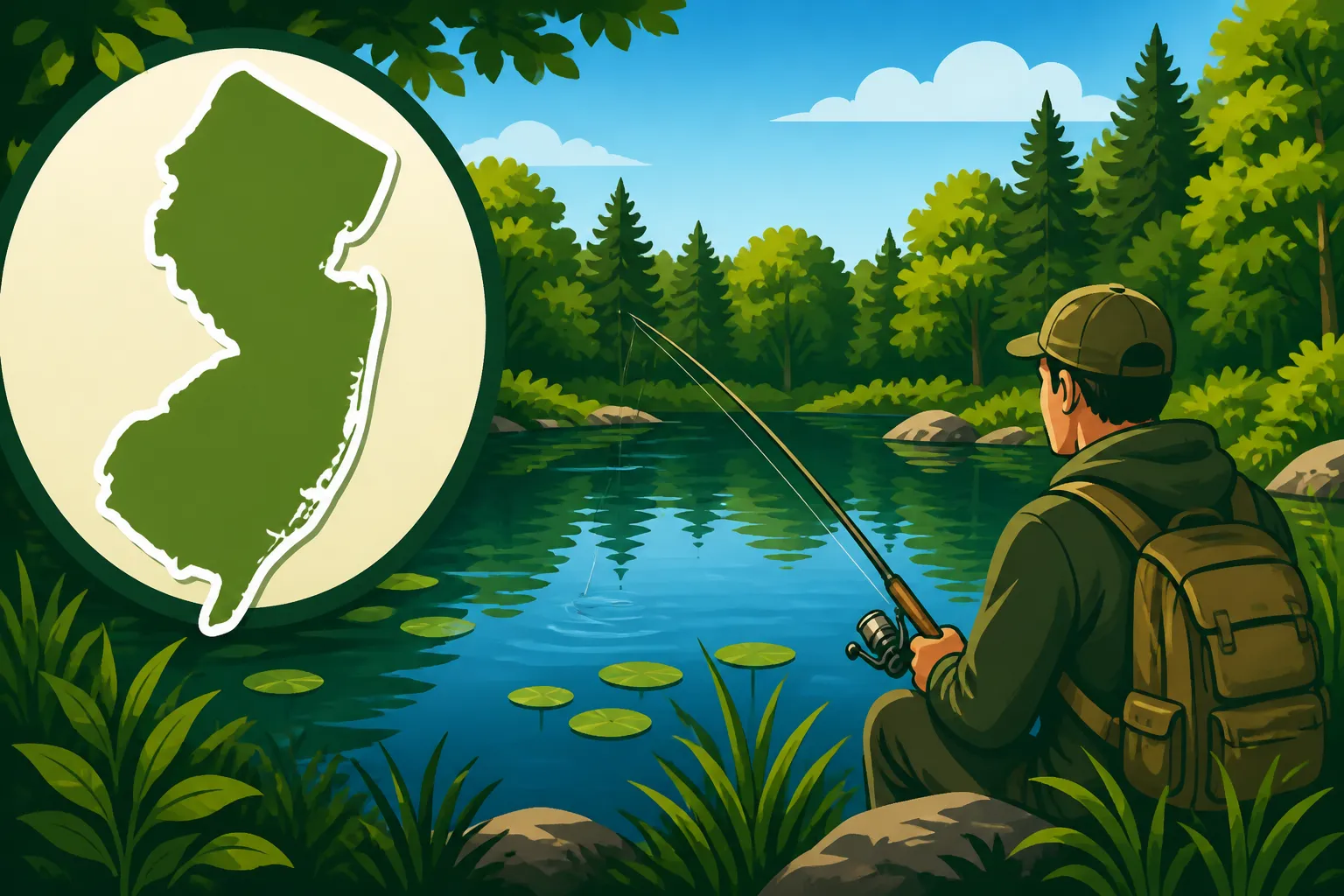
Imagine casting your line into calm water, the only sounds being the rustle of leaves, a distant bird, or the gentle splash of a jumping fish. This serene environment is a stark contrast to the busy atmosphere you often find at places like Lake Hopatcong or even many state park ponds, especially on weekends or during peak seasons. When you venture off the beaten path, you gain a sense of seclusion that’s increasingly rare in our densely populated state. This solitude isn't just pleasant; it can actually improve your fishing. Fewer lines in the water mean less pressure on the fish, potentially making them more willing to bite. It allows you to observe the water more closely, identify patterns, and fish at your own pace without interruption.
Beyond the noise and foot traffic, crowded spots also often mean dealing with competition for prime fishing real estate. You might arrive to find someone already occupying that perfect log, weed line, or submerged structure you had your eye on. Hidden ponds, by their very nature, reduce this competition significantly. You're more likely to have stretches of shoreline or even an entire small pond to yourself, giving you the freedom to explore and experiment without feeling rushed or watched. It’s this blend of peace and opportunity that truly elevates the experience of fishing a hidden gem.
Discovering Untapped Fisheries
One of the most exciting aspects of finding these lesser-known ponds is the potential for discovering genuinely untapped fisheries. While state-stocked waters are fantastic for consistent catches of species like rainbow trout or channel catfish, the fish in these hidden ponds often face less angling pressure. This can lead to different fish behavior, sometimes resulting in larger, warier fish that are a real challenge to catch, or more aggressive smaller fish that haven't seen a lure every other day. These ponds might not always be actively managed or stocked by the state, meaning you're often encountering naturally reproducing populations.
These overlooked spots often hold surprising populations of panfish like bluegill and crappie, which can be incredibly fun on light tackle, especially for beginners or kids. But don't count out the possibility of a trophy largemouth bass lurking in the shadows. Without constant pressure from hundreds of anglers, bass in these ponds can grow to impressive sizes, offering a thrilling fight for those who stumble upon them. Furthermore, these ponds might sometimes hold species that are less common in highly pressured public waters, offering a unique angling experience you wouldn't find otherwise. It’s a bit like a treasure hunt, and the reward is often a memorable catch and a story unique to your own discovery.
Identifying the Characteristics of a "Hidden Gem"
So, how do you even begin to find these elusive spots? It’s not about checking the latest state stocking report or looking for designated fishing access points. Finding a hidden gem requires a bit of detective work, an adventurous spirit, and a keen eye for subtle clues that others might overlook.
Beyond the Stocked Lakes and Well-Known Parks
The first step in finding a hidden pond is to change your mindset. Forget the places highlighted in every "Best Places to Fish in New Jersey" list. These hidden gems are rarely paved, signed, or heavily advertised. You won't typically find them at major state parks, county parks with large parking lots, or recreational areas that explicitly cater to anglers. Instead, think about the fringes: smaller municipal parks, conservation easements, agricultural lands (with permission, of course), or even just odd pockets of green space nestled between suburban developments or industrial zones. These are the places that often have small, unnamed bodies of water that might not even be on official fishing maps.
These ponds might also be found within larger tracts of state or federal land that are primarily designated for other purposes, like hiking, hunting, or wildlife observation, where fishing is permitted but not necessarily promoted. For example, some Wildlife Management Areas (WMAs) in New Jersey have small impoundments or beaver ponds that are rarely fished because they require a bit of a hike or aren't easily accessible by car. The key is to look for bodies of water that require some effort to reach or aren't immediately obvious from a main road. This effort is usually what keeps the crowds away, preserving the "hidden" nature of the spot.
Signs of a Promising Secluded Spot
Once you start looking, what exactly should you be looking for? Promising secluded spots often share a few characteristics. First, limited access is a dead giveaway. If there's no obvious parking lot, no paved path directly to the water, or it requires a short walk through a wooded area, you might be onto something. Second, observe the level of development around the pond. Are there houses right up to the bank, or is there a buffer of natural vegetation? The more natural and undisturbed the surroundings, the better. Overgrown banks or a lack of well-worn footpaths also suggest less human activity.
Another excellent indicator is the clarity and health of the water. Ponds with clean, unpolluted water, even if it's tannic from leaves, are more likely to support healthy fish populations. Look for signs of aquatic life beyond fish, such as frogs, turtles, or various insects, which indicate a robust ecosystem. You might even spot signs of recent beaver activity, as beaver ponds often create fantastic, nutrient-rich habitats for fish that are off the main grid. Using satellite maps on apps like Google Earth or even dedicated fishing mapping tools can reveal these smaller, unnamed water bodies that a standard map might miss. Cross-referencing these aerial views with local conservation land maps can often lead you to forgotten treasures.
Unveiling Some of New Jersey's Lesser-Known Ponds
While the true "hidden gems" are often found through personal exploration, I can point you toward types of areas and some specific examples of lesser-known spots that embody the spirit of these quiet fisheries. These aren't necessarily "secret" in the sense that no one knows about them, but they certainly don't draw the same crowds as more famous destinations.
Central Jersey Seclusions
Central New Jersey, despite its population density, still holds pockets of tranquility. One type of area to explore is within the numerous county parks that might have smaller, auxiliary ponds not explicitly listed for fishing, or those that are overshadowed by a larger, more popular lake nearby. For instance, while Mercer County Park boasts Mercer Lake, which is popular for bass and catfish, it also has several smaller, unnamed ponds scattered throughout its vast acreage that see far less pressure. These are often great for panfish and smaller bass.
Another example is some of the smaller impoundments found within Wildlife Management Areas (WMAs) in counties like Monmouth or Burlington. Take Colliers Mills WMA in Jackson, for example. While it has a few named lakes, there are numerous smaller, often swampy ponds and beaver flows within its expansive pine barrens landscape. These often require a walk, sometimes a muddy one, but can reward you with feisty pickerel, aggressive largemouth bass, and plenty of sunfish. These aren't the kind of places you'd consult a typical "New Jersey Fishing Regulation Changes for 2026" guide for, but rather rely on local knowledge or careful map study. If you're looking to plan a trip to some of these more remote locations, using a service like FishingBooker might help you find local guides who specialize in these less-traveled waterways, though these particular ponds are often self-explore missions.
Southern Jersey's Quiet Waters
Southern New Jersey, with its extensive Pinelands and sprawling conservation lands, is a treasure trove for finding quiet fishing spots. The sheer amount of undeveloped land here means more opportunities for overlooked ponds. Look for areas within the Belleplain State Forest in Cape May and Cumberland counties. While Lake Nummy is well-known, there are countless smaller cranberry bogs and cedar water ponds accessible via sandy fire cuts and hiking trails. These waters, often dark and tannin-stained, are prime habitat for chain pickerel, bass, and various panfish. The fishing here is less about quantity and more about the experience of being truly immersed in nature.
Further north in South Jersey, areas like the Mannington Mills Park Pond in Salem County, while a bit more developed, still often sees less pressure than larger lakes. It’s a good spot for bass, crappie, and catfish, and offers a pleasant, relaxed atmosphere. The key to these southern gems is often patience and a willingness to explore down unpaved roads or along unmarked trails. The rewards are often peaceful fishing in a truly wild setting, far from the hustle and bustle. Remember that some of these ponds might be on private property, so always confirm access before casting a line. This is where understanding local land regulations, like those you’d find when learning about Can I Fish a Private Pond in New Jersey Without a State License?, becomes crucial.
Northern New Jersey's Untouched Nooks
Even in the mountainous and suburbanized northern part of the state, hidden gems exist, though they often demand more effort to find. Many of these are smaller impoundments or reservoirs that serve municipal water supplies, where fishing might be permitted from shore but boat access is strictly controlled or prohibited. This limitation naturally reduces fishing pressure. For instance, while Round Valley Reservoir and Spruce Run Reservoir are highly popular, many smaller, unheralded reservoirs exist in counties like Morris or Sussex. These aren't usually stocked with trout but can hold impressive populations of bass and panfish.
Consider also the smaller lakes and ponds tucked away within larger state forests or natural areas, such as Swartswood Lake State Park in Sussex County. While the main lake draws crowds, exploring the smaller, adjacent ponds or even streams feeding into it can reveal quieter spots. Another area to look is within the vast network of state-owned lands that aren't primarily designated as fishing spots, like some parts of the Wawayanda State Park. You might find a small, unnamed pond accessible only by a longer hike, offering a truly wild fishing experience. Always check the rules and regulations for these specific locations, as access can vary. Planning your trip carefully, perhaps even researching "New Jersey State Park Fishing Permit Fees" if applicable, will ensure a smooth outing to these quieter destinations.
Here's a quick look at some general characteristics of fish you might find in these types of ponds:
| Fish Species | Common Characteristics in Hidden Ponds | Typical Size Range | Best Baits/Lures |
|---|---|---|---|
| Largemouth Bass | Often fewer in number but can be larger due to less pressure. | 10-20 inches, sometimes larger | Plastic worms, jigs, crankbaits |
| Chain Pickerel | Abundant in weedy, tannic waters; aggressive and fun to catch. | 15-24 inches | Spoons, spinnerbaits, live shiners |
| Bluegill/Sunfish | Very common, great for kids; less pressured means good numbers. | 4-8 inches | Worms, small jigs, crickets |
| Black Crappie | Can be found in good numbers around submerged structure or brush. | 6-12 inches | Small jigs, minnows |
| Yellow Perch | Often found in deeper sections, can be very tasty. | 6-10 inches | Worms, small minnows, tiny jigs |
| Bullhead Catfish | Tolerant of poor water quality, can be quite large in isolated ponds. | 10-18 inches | Nightcrawlers, stink baits |
Tips for Respecting and Maintaining These Secret Spots
Finding these hidden gems is one thing; ensuring they remain hidden and healthy for future generations (and for your own return trips!) is another entirely. Responsible angling is paramount, especially when you’re enjoying a pristine, less-trafficked environment.
Practicing Leave No Trace Principles
The cornerstone of fishing in these secluded areas is to practice Leave No Trace principles rigorously. This means everything you bring in, you must take out. And I mean everything. This isn't just about your snack wrappers or empty bait containers; it also includes fishing line, broken lures, and any other debris. Micro-plastics and discarded fishing gear can be incredibly harmful to wildlife and ruin the natural beauty of the pond. Carry a small trash bag specifically for your waste and make sure it’s securely tied before you leave.
Beyond trash, consider your impact on the surrounding environment. Try to stick to existing paths, even faint ones, to avoid trampling vegetation. If you're wading, do so carefully to minimize disturbing the bottom and stirring up sediment. Be mindful of fragile ecosystems, like nesting areas or sensitive plant life, and give them a wide berth. If you're cleaning fish, consider doing it away from the immediate shoreline or, better yet, take your catch home to clean. The goal is to leave the area looking exactly as you found it, if not better. When you keep these places clean and pristine, you’re not only being a good steward of the environment but also preserving the very reason you sought out these quiet places in the first place. You might want to brush up on Catch and Release Rules in New Jersey if you intend to practice that method, which is a great way to minimize impact on these small, less-pressured fisheries.
The Etiquette of Keeping a Secret
Perhaps the most crucial rule of hidden fishing spots is the unspoken one: don’t blow up the spot. While it’s tempting to share your amazing discovery with everyone you know, especially on social media, resist the urge. The very reason these places offer solitude and potentially better fishing is because they aren't widely known. Once a spot becomes popular, it quickly loses its hidden charm, attracts crowds, and the fishing pressure increases exponentially, often leading to a decline in the quality of the fishing and the environment.
This doesn't mean you can't tell a close, trusted fishing buddy or family member, but be selective. Emphasize the importance of secrecy and responsible behavior to anyone you share the location with. Encourage them to also practice Leave No Trace and respect the quiet nature of the place. Think of it as passing down a family recipe – some things are meant to be cherished within a small circle. This collective understanding and respect among a handful of anglers is what keeps these places special. If you're seeking out fishing experiences that prioritize tranquility and a deeper connection with nature, maintaining the integrity of these hidden ponds is absolutely key. Even if you found the spot via a casual mention on FishingBooker, treating it as a local secret is paramount to its longevity.
Disclaimer
Please note that fishing regulations, access, and fish populations can change. Always check the latest New Jersey Fish and Wildlife Digest for current rules and ensure you have the appropriate licenses and permits, such as a New Jersey Fishing License Guide for 2026, before heading out. Respect private property and always confirm access before fishing. The information provided here is for general guidance and exploration purposes only.