Raritan Bay and Sandy Hook Bay Fishing Guide
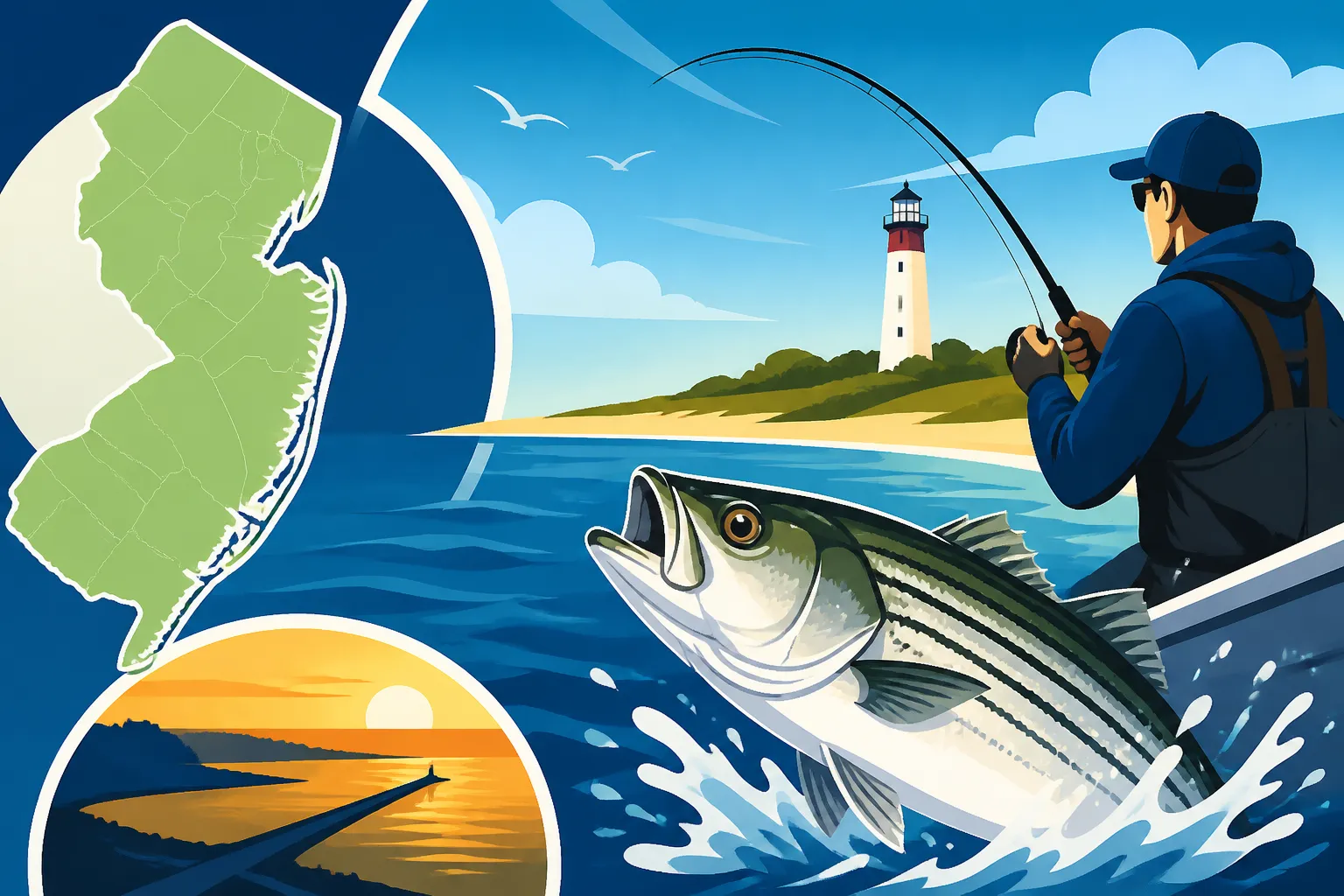
Navigating the expansive waters of Raritan Bay and Sandy Hook Bay can feel like a puzzle, with so many inlets, channels, and varying depths that it's tough to know where to even drop a line. Many anglers find themselves driving around, peering at the water, hoping to stumble upon the perfect spot, only to leave frustrated and empty-handed. This comprehensive guide is designed to cut through that confusion, giving you the insider knowledge to confidently fish these iconic New Jersey waterways, from uncovering their unique characteristics to mastering the techniques for reeling in your next big catch.
Understanding Raritan Bay and Sandy Hook Bay: A Fisherman's Overview
These two interconnected bays, nestled in the northeastern corner of the Jersey Shore, represent a truly incredible fishing ecosystem. They're more than just bodies of water; they're dynamic habitats where freshwater and saltwater mix, creating a rich nursery for countless species. For any angler, understanding the lay of the land—or, in this case, the lay of the water—is paramount to success.
Geographical Features and What Makes Them Unique
Raritan Bay is a large, relatively shallow estuary that forms the southwestern portion of New York Harbor, bordered by New Jersey to the south and Staten Island, New York, to the north. It’s fed by several significant rivers, including the Raritan River, Arthur Kill, and Kill Van Kull, bringing in a constant influx of freshwater and nutrients. This mix of fresh and salt water creates a brackish environment that is incredibly fertile, attracting a diverse array of baitfish and, consequently, predator species. The bay itself features vast stretches of sandy bottom, but also critical areas of mud, shell beds, and rocky outcroppings that serve as crucial feeding and hiding grounds for fish.
Sandy Hook Bay, on the other hand, is a more protected, crescent-shaped body of water that lies just inside the famous Sandy Hook peninsula. It's largely fed by the Navesink and Shrewsbury Rivers, which also contribute to its rich, brackish nature. What makes Sandy Hook Bay particularly unique is its proximity to the Atlantic Ocean, with a direct connection through the Sandy Hook Inlet. This means that fish migrating along the coast often use Sandy Hook Bay as a stopover, making it a seasonal hotspot for various species. Its protected nature also makes it a bit calmer on windy days, which can be a huge bonus for smaller boats or kayak anglers seeking shelter from rougher conditions found in the main Raritan Bay. The shallower depths in many areas of Sandy Hook Bay also warm up faster in the spring, often drawing baitfish and hungry gamefish in earlier than other parts of the region.
Key Fish Habitats and Structure
Both bays boast a remarkable variety of underwater structure that fish absolutely love. In Raritan Bay, you’ll find extensive stretches of relatively featureless mud and sand, which, while seemingly barren, are actually vital foraging grounds for fluke, weakfish, and other bottom dwellers. However, the real hotspots often revolve around more distinct features. Areas like the Raritan Reach channel, the mouth of the Raritan River, and the various creeks and coves offer deeper water, faster currents, and submerged structure like old dock pilings, rock piles, and artificial reefs. These features create eddies and current breaks where baitfish congregate and gamefish ambush their prey. Even subtle changes in depth, known as "shoals" or "humps," can be magnets for fish, especially when coupled with baitfish activity.
Sandy Hook Bay is equally rich in structure. The extensive flats along the shoreline, particularly towards the southern end, are prime areas for fluke and striped bass, especially during warmer months. The navigation channels, while not as deep as those in Raritan Bay, still provide crucial pathways and holding areas for migrating fish. Crucially, the mouths of the Navesink and Shrewsbury Rivers offer dynamic tidal flows and a wealth of structure, from oyster beds to submerged vegetation and bridge pilings. The jetties and rocky areas along the Sandy Hook peninsula itself, especially near the Highlands Bridge, are notorious for holding striped bass and tautog, providing excellent current breaks and ambush points. Understanding how fish relate to these different types of structure throughout the changing tides and seasons is the key to unlocking consistent success in both bays.
Prime Fish Species to Target in the Bays
When you cast a line into Raritan Bay or Sandy Hook Bay, you're tapping into an incredibly rich and diverse fishery. These waters are teeming with popular gamefish, offering something for every type of angler, whether you're chasing a trophy or just looking for a fun day on the water with dinner in mind.
Chasing Striped Bass: The Bay's Crown Jewel
For many anglers, the striped bass is the undisputed king of Raritan and Sandy Hook Bays. These powerful, migratory fish pass through these waters in astounding numbers during their spring and fall runs, and a healthy population of resident stripers also calls the bays home year-round. In spring, as water temperatures rise, the big "cow" stripers push into the bays, often following schools of bunker, herring, and other baitfish into the shallower flats and river mouths. This is when anglers can experience truly epic topwater action or hook into a monster on live bait. The action continues through the summer, albeit often shifting to deeper, cooler water or nocturnal feeding patterns, and then explodes again in the fall as the fish stage for their southward migration, feeding aggressively before heading offshore.
Targeting striped bass here can involve a variety of exciting techniques. Live lining fresh bunker is a classic method that often yields the largest fish, particularly in areas where bunker schools are thick, such as Raritan Bay Striped Bass Spots. Chumming with bunker can also draw fish in from a distance. For those who prefer artificials, jigging with large soft plastics like paddle tails or bucktails, especially around structure or current rips, can be incredibly effective. Trolling Mojo rigs or umbrella rigs is also popular for covering water and finding schools of fish in the deeper channels. Remember to always be aware of the New Jersey Striped Bass Slot Limit Explained, as regulations are crucial for their conservation.
Fluke and Summer Flounder: Bottom-Dwelling Delights
Known interchangeably as fluke or summer flounder, these flatfish are another highly sought-after species in both bays. They are ambush predators that lie camouflaged on the bottom, waiting for an unsuspecting baitfish or crab to swim by. Fluke fishing really heats up from late spring through early fall, with the peak season typically being June, July, and August. They favor sandy or muddy bottoms, especially where there are slight depressions, eddies, or changes in depth that allow them to hide and strike.
Drifting is the most common and effective technique for fluke in these bays. Anglers will typically use a traditional fluke rig with a lead sinker and a baited hook, often tipped with a spearing, squid strip, or artificial baits like Gulp! Swimming Mullets. Slowly drifting over prime flats or along channel edges allows you to cover a lot of ground and present your bait naturally. Pay attention to the tides; a good drift speed is crucial, not too fast and not too slow. Many anglers swear by the idea that a faster drift triggers more strikes, especially from larger fish. For detailed information on regulations, consult the guide on New Jersey Fluke Size and Bag Limits Explained. When looking for a productive trip, checking out local charter listings on platforms like FishingBooker can give you a great advantage, often showing boats specializing in fluke.
Bluefish: Aggressive Predators of the Bays
If you're looking for fast action and a strong fight, bluefish are your answer. These toothy, aggressive predators can invade the bays in large schools, especially during the warmer months, creating explosive blitzes on baitfish. Bluefish are not picky eaters and will attack almost anything that moves, making them a thrilling target for anglers of all skill levels. They are known for their strong runs and violent head shakes, which can quickly test your tackle.
Bluefish often roam the open waters of the bays, particularly where baitfish like bunker or spearing are abundant. Keep an eye out for birds diving or disturbances on the surface—these are classic signs of a bluefish blitz. Casting metal spoons, poppers, or swimming plugs into these feeding frenzies almost guarantees a hook-up. For bait fishermen, chunks of fresh bunker or mackerel are irresistible to blues. Because of their sharp teeth, it's wise to use a wire leader or heavy monofilament leader to prevent bite-offs. While bluefish can be a nuisance when targeting other species, their sheer power and willingness to strike make them an exciting quarry in their own right.
Other Notable Catches: Weakfish, Black Sea Bass, and More
While striped bass, fluke, and bluefish might grab most of the headlines, Raritan and Sandy Hook Bays offer a surprising array of other species that can make your fishing trip even more interesting.
Weakfish, with their distinctive lavender and gold hues, are beautiful and delicious fish that frequent these bays. They prefer softer bottoms and often feed on baitfish and squid. Targeting weakfish typically involves light tackle and small soft plastics, often tipped with a piece of clam or shedder crab. They are known for their "weak" mouths, so a gentle hand is needed when fighting them to avoid tearing the hook out. Their numbers have fluctuated over the years, making every catch a special one.
Black sea bass are another excellent option, especially around rocky structures, wrecks, and artificial reefs within the bays or just outside the inlets. These tasty fish are bottom dwellers and respond well to bait like squid, clams, or spearing fished on a high-low rig. They offer a great fight on light tackle and are highly prized for their firm, white meat.
Beyond these, you might encounter tautog (also known as blackfish) around jetties and bridge pilings, especially in the cooler months. They are notoriously hard fighters and require specialized techniques, often involving green crabs or white leg crabs fished close to structure. Schoolie stripers, porgies (scup), and even various species of sharks and rays can also be caught, adding an element of surprise to your day. This rich diversity means there's rarely a dull moment when fishing these dynamic New Jersey waters.
Best Fishing Spots in Raritan Bay
Raritan Bay is a vast body of water, and while fish can be found almost anywhere, certain areas consistently produce better results due to their unique characteristics and abundance of structure or bait. Knowing these hotspots can dramatically improve your chances of a successful outing.
Popular Areas: Raritan Reach, Keyport, and the Mouth of the Raritan River
The Raritan Reach is arguably the most famous fishing zone within Raritan Bay, particularly for striped bass. This deep, dredged channel runs right through the heart of the bay, acting as a natural highway for migrating fish and a holding area for bait. Large schools of bunker, herring, and other forage fish often stack up in the Reach, drawing in hungry stripers, bluefish, and even occasional weakfish. Anglers frequently troll Mojo rigs or umbrella rigs along the channel edges, or they’ll live-line bunker when schools are present. Jigging with heavy bucktails or soft plastics can also be deadly here, especially on the edges where the depth changes abruptly. The current can be quite strong, so heavier tackle is often required to stay on the bottom.
Keyport, a charming bayside town, offers excellent fishing opportunities both from shore and by boat. Its municipal pier is a popular spot for shore anglers, providing access to deeper water without needing a boat. From the pier, you can target fluke, bluefish, and smaller striped bass, often using baitfish or Gulp! artificials. For boaters, the waters just off Keyport are known for their productive fluke grounds and can also hold schools of stripers and blues, particularly during the spring and fall runs. The presence of numerous creeks and tidal marsh systems nearby provides additional forage and refuge for smaller fish, drawing in larger predators.
The Mouth of the Raritan River is another crucial area. As the largest freshwater input into the bay, this area is a confluence of nutrients, baitfish, and varying water temperatures that attract a wide array of species. Early spring often sees the first waves of striped bass pushing upriver, while fluke will stage along the river's mouth and channel edges. Fishing around the bridges and pilings near the river entrance can also be productive for stripers and tautog. The strong currents here make it an excellent ambush point for predators, so understanding how to fish a rising tide or a falling tide effectively is crucial. This is a dynamic zone that changes with the seasons, always holding potential for a surprise catch.
Structure Fishing: Bridges, Piers, and Reefs
Beyond the major thoroughfares and river mouths, the bays are dotted with critical man-made and natural structures that act as fish magnets.
The Victory Bridge and Route 35 Bridge over the Raritan River, and the Outerbridge Crossing and Goethals Bridge spanning between New Jersey and Staten Island, are all prime examples of fish-holding structure. Their pilings create current breaks, provide shelter, and become encrusted with mussels and barnacles, attracting baitfish and crabs—which in turn attract stripers, tautog, and even some black sea bass. Fishing these structures often involves precise casting or careful boat positioning to drop baits or jigs right into the strike zone. Slack tide periods can be easier to fish around these pilings, but moving water will often trigger more aggressive feeding. Be mindful of boat traffic and navigation rules when fishing near these busy areas.
Piers and docks, especially those in towns like Keyport, Leonardo, and Highlands, offer excellent shore access and provide structure for fish. These man-made features extend into deeper water, allowing anglers without boats to reach productive grounds. They also act as congregating points for baitfish, creating mini-ecosystems where predator fish patrol. For instance, the Leonardo State Marina area and its surrounding docks can be surprisingly productive for both resident stripers and migratory species.
While Raritan Bay doesn't have as many established artificial reefs as some offshore areas, there are numerous rock piles, rubble fields, and shell beds scattered throughout the bay floor. These natural and sometimes man-made accretions create vital habitat, attracting baitfish, crabs, and ultimately larger gamefish. Sonar is incredibly useful for locating these submerged structures. Once found, they can be excellent spots for fluke, sea bass, and tautog. You might find these marked on nautical charts or discover them by carefully observing local boat traffic. For offshore fishing, you can find many charters on FishingBooker that specialize in targeting larger structures and reefs further out.
Top Fishing Locations in Sandy Hook Bay
Sandy Hook Bay, though smaller and more protected than its larger neighbor, offers equally thrilling fishing opportunities, often with easier access and calmer waters. It’s a favorite among local anglers for its consistent action and diverse species.
Sandy Hook Shoreline and Bay-Side Access
The Sandy Hook peninsula itself is a treasure trove for anglers, offering a unique blend of ocean and bay fishing. On the bay side, particularly near the northern end closer to the tip, you'll find extensive shallow flats and channels that are prime for sight-fishing opportunities in clearer water. These flats often hold schools of bunker and other baitfish, drawing in hungry striped bass and large fluke. Wading or kayak fishing can be exceptionally productive here, allowing you to stealthily approach fish in shallower water. Shore access is excellent along much of the bay side of the Gateway National Recreation Area, providing ample room for anglers to spread out.
Further south along the bay side, closer to the towns of Highlands and Atlantic Highlands, there are numerous smaller beaches and public access points. These areas can be fantastic for casting lures or soaking bait for fluke and smaller stripers, especially during the tide changes. The protected nature of the bay here makes it a great spot for families or those new to saltwater fishing, offering calmer conditions than the open ocean. Fishing access at Sandy Hook Beach is generally good, but always check for specific regulations within the National Park.
Mouth of the Navesink and Shrewsbury Rivers
The Navesink River and Shrewsbury River, which empty into Sandy Hook Bay, are vital arteries of this fishery. These tidal rivers offer fantastic fishing, especially for striped bass and fluke. In the spring, these rivers come alive with baitfish migrations, attracting an abundance of gamefish. The Navesink River, in particular, has deeper channels and numerous docks and marinas, providing excellent structure for resident stripers. Early morning or late evening often yields the best results, especially when fishing around bridge pilings like those under the Route 36 bridge crossing.
The Shrewsbury River is generally shallower but equally productive. Its numerous marshy areas and grass beds are ideal habitats for baitfish and offer excellent ambush points for fluke and stripers. Kayak and small boat anglers often find great success navigating the shallower backwaters of the Shrewsbury, targeting areas inaccessible to larger vessels. Both rivers also host strong runs of herring and sometimes shad, which are critical forage for larger predators. The tidal currents within these rivers are key, concentrating bait and creating feeding opportunities. Anglers often find success by fishing the bends in the river or where smaller creeks feed into the main flow.
The Tip of Sandy Hook and Gateway National Recreation Area
The very tip of the Sandy Hook peninsula is an absolute hotspot, acting as a funnel for fish moving in and out of the bay and along the coast. Here, the currents are strong, and the mixing of bay and ocean waters creates a dynamic feeding zone. It's a prime location for casting lures or fishing live bait for large striped bass and bluefish, especially during the spring and fall migrations. Access to the tip is often permitted through the Gateway National Recreation Area, though vehicle access may require a permit, particularly for surf fishing in certain zones.
The surrounding waters of the Gateway National Recreation Area provide diverse opportunities. From the beaches facing the ocean side (which are also excellent for surf fishing, particularly during the fall run) to the bay-side flats and the protected waters around Horseshoe Cove, there’s a spot for every angler. The structure of the old Fort Hancock area, including crumbling jetties and submerged debris, can hold tautog and black sea bass. Anglers should always check the specific rules and regulations of the National Park Service, as they can sometimes differ from general state regulations, especially regarding access and vehicle permits. This area truly offers a comprehensive fishing experience, from the calm bay waters to the exhilarating ocean surf.
Essential Techniques and Tactics for Bay Fishing
Success in Raritan Bay and Sandy Hook Bay isn't just about finding the right spot; it's also about employing the right techniques. These waters demand versatility, as fish habits can change rapidly with the tides, seasons, and bait movements.
Live Bait Presentations for Stripers and Fluke
When it comes to targeting trophy striped bass and larger fluke, live bait is often the most effective weapon in your arsenal. The most common live baits used in these bays are bunker (Atlantic menhaden), herring, and spot.
For striped bass, live-lining bunker is a highly productive method, especially when large schools are present in the bay. Anglers will snag bunker using a weighted treble hook or a cast net (where legal) and then carefully hook them through the nose or back, allowing them to swim naturally. The key is to present the live bunker where stripers are known to be feeding or holding, often near channel edges, structure, or directly within a bunker school. Drifting a live bunker slowly with the current is a classic tactic. Another effective method is to anchor and chum with cut bunker, attracting stripers to your boat before presenting a live bait or a fresh chunk. The guide on How to Rig Live Bait for Striped Bass can provide invaluable tips.
For fluke, live bait like spearing, killifish, or snapper blues (juvenile bluefish) can be incredibly enticing. These are typically fished on a traditional fluke rig or a three-way swivel rig, allowing the bait to swim just above the bottom. Slowly drifting these baits over sandy or muddy flats, especially where there are slight depth changes, is the standard practice. Many anglers find that a larger, livelier bait often attracts bigger fluke. The movement and scent of live bait are hard for a hungry fluke to resist. Knowing the Best Bait for Fluke Fishing is crucial for improving your catch rates.
Artificial Lures: Jigging, Trolling, and Casting
While live bait has its place, artificial lures offer their own advantages, particularly for covering water, targeting specific depths, and eliciting aggressive strikes.
Jigging is a highly versatile technique effective for both striped bass and fluke. For stripers, heavy bucktail jigs or large soft plastics (like paddle tails or swim shads) in weights ranging from 1 to 4 ounces are common. These are typically bounced off the bottom or retrieved with a sweep-and-fall motion to imitate fleeing baitfish. The Raritan Reach and other deeper channels are prime jigging spots. For fluke, lighter bucktails (1/2 to 2 ounces) tipped with a strip of Gulp! or natural bait are deadly when worked slowly along the bottom during a drift. The movement mimics a scurrying crab or a wounded baitfish, irresistible to a fluke.
Trolling is a popular method for covering large areas and finding schools of striped bass and bluefish, especially in the wider expanses of Raritan Bay. Anglers often use Mojo rigs, umbrella rigs, or large swimming plugs fished behind a boat, varying their depths with planers or downriggers. This technique allows you to present multiple lures simultaneously and adjust your speed until you find what the fish are reacting to. It’s particularly effective for migratory stripers moving through the channels.
Casting is the go-to for shore anglers, kayak fishermen, and those targeting actively feeding fish. For striped bass and bluefish, topwater poppers or walk-the-dog style lures can create thrilling surface strikes, especially during low light conditions or when fish are schooling on bait. Swimming plugs, soft plastics on jig heads, and metal spoons are also highly effective for casting into rips, around structure, or into visible blitzes. The key is to match the hatch, using lures that mimic the size and color of the prevalent baitfish. The guide on How to Rig for Surf Fishing in New Jersey can offer insights into effective casting setups, even from a boat or pier.
Reading the Tides and Currents for Success
Understanding the tides and currents is perhaps the single most critical factor for consistent success in Raritan Bay and Sandy Hook Bay. These are tidal waters, meaning the water level and current strength are constantly changing, and fish activity is intrinsically linked to these cycles.
Generally, moving water is better than slack water. As the tide moves in or out, it concentrates baitfish, disorients them, and positions predators in ambush points. Strong currents can also activate fish, making them more aggressive feeders. However, "moving water" doesn't mean just any current. Often, the peak feeding windows occur during the first few hours of a rising tide or a falling tide, or around the "last hour of the outgoing and first hour of the incoming," often referred to as the "switch." These periods can concentrate bait and stir up the bottom, making food more accessible.
Different species have different preferences. Striped bass often stack up in current rips or along channel edges during strong tides, waiting for bait to be swept past them. Fluke tend to orient themselves facing the current, ready to dart out and grab passing food; a moderate drift during a strong current can be ideal for them. Bluefish are less bothered by strong currents and will chase bait wherever it goes, often being found in areas of intense current when bait is present.
Learning to read a tide chart and understand its local nuances is essential. Tides can vary significantly even within the bays; for example, the tide might be running strong at the Sandy Hook Inlet while it's nearly slack deep inside the Navesink River. Consulting a reliable tide chart and knowing How to Read Tide Charts for Better Fishing in New Jersey can give you a significant advantage, allowing you to plan your trip to coincide with peak feeding times for your target species. Pay attention to how the moon phases influence the strength of the tides, with new and full moons bringing stronger (spring) tides and quarter moons bringing weaker (neap) tides.
Gearing Up for Raritan and Sandy Hook Bay Fishing
Having the right gear makes all the difference when fishing these productive but diverse waters. You wouldn't use a fly rod for offshore tuna, and similarly, using inappropriate tackle for Raritan Bay can lead to frustration and lost fish.
Rods, Reels, and Line: Matching Your Quarry
The type of rod and reel you choose should directly correlate with the species you're targeting and the techniques you plan to use.
For striped bass and bluefish, especially if you're jigging, chunking, or casting large plugs, a medium-heavy to heavy action conventional or spinning rod, typically 7 to 8 feet long, is a good choice. This length provides good casting distance from shore or boat, and the heavy action gives you the backbone to fight powerful fish and cast heavy lures. Pair this with a robust reel capable of holding 200-300 yards of 30-50 lb braided line. Braided line offers superior sensitivity and strength for its diameter, crucial for feeling subtle bites and handling strong runs. A good quality reel from brands like Penn, Shimano, or Daiwa, with a strong drag system, is a wise investment.
For fluke and weakfish, a lighter setup is generally preferred. A medium to medium-light action spinning rod, 6.5 to 7.5 feet long, provides the sensitivity needed to detect subtle fluke bites and the flexibility to keep weakfish hooked with their delicate mouths. Pair this with a 2500-4000 series spinning reel spooled with 10-20 lb braided line, often with a fluorocarbon leader of similar strength. The lighter line allows for better feel and casts lighter lures or baits further.
When choosing a reel, consider its retrieve rate (gear ratio). A faster retrieve is great for quickly reeling in slack or working topwater lures, while a slower retrieve offers more torque for fighting big fish or grinding deep jigs. Regardless of the setup, ensure your reels are saltwater-resistant, as the corrosive environment of the bays can quickly damage inferior equipment.
Essential Tackle and Terminal Gear
Beyond your rod and reel, having a well-stocked tackle box is non-negotiable.
For hooks, circle hooks are often mandatory or highly recommended for striped bass when using bait, as they significantly reduce gut-hooking and improve fish survival. Sizes range from 5/0 to 9/0 depending on bait size. For fluke, wide-gap J-hooks or Kahle hooks in sizes 2/0 to 4/0 are popular. Always have an assortment of sturdy treble hooks for snagging bunker.
Sinkers are crucial for getting your bait or lure to the desired depth. You’ll need a variety of weights for different currents and depths. Bank sinkers and pyramid sinkers are common for bait fishing, while egg sinkers are used for Carolina rigs. For fluke drifting, "slinky" weights or flat tear-drop sinkers can help prevent snags on muddy bottoms.
Leaders are essential. Fluorocarbon leaders (20-50 lb test) are nearly invisible underwater and offer abrasion resistance, ideal for striped bass and fluke. For toothy bluefish, a short section of wire leader or very heavy monofilament (80-100 lb test) is often necessary to prevent bite-offs. Have swivels and snaps readily available to quickly change lures or rigs.
Lures should include an assortment:
- Bucktail jigs: Various weights (1/2 oz to 4 oz) and colors (white, chartreuse, pink) for fluke, stripers, and black sea bass.
- Soft plastics: Paddle tails, swim shads, and curly tails in white, chartreuse, and natural baitfish colors, suitable for jig heads or Carolina rigs. Gulp! Alive! baits are particularly effective for fluke.
- Metal lures: Spoons and epoxy jigs for bluefish and stripers.
- Plugs: Topwater poppers and swimming plugs for surface action, especially in low light.
- Chum: A block of frozen bunker chum can dramatically improve your chances, particularly when targeting stripers or bluefish from an anchored boat.
- Landing net or gaff: A strong, long-handled net is essential for landing larger fish, especially from a boat or pier. For very large stripers, a lip gripper or Boga Grip can also be useful.
- Pliers/Fish Gripper: To safely remove hooks and handle fish.
- First Aid Kit: Always a good idea to have one on board.
This comprehensive array ensures you're prepared for whatever Raritan and Sandy Hook Bays throw your way.
Boat vs. Shore Fishing: Accessing the Bays
Raritan Bay and Sandy Hook Bay offer excellent fishing opportunities from both boat and shore, each with its own advantages and challenges. Your choice will often depend on your experience, equipment, and desired fishing experience.
Pros and Cons of Boat Fishing
Pros of Boat Fishing:
- Access to More Spots: This is the biggest advantage. A boat allows you to reach deep channels, isolated rock piles, mid-bay shoals, and offshore reefs that are inaccessible from land. This opens up opportunities for larger, more diverse catches and allows you to follow baitfish movements more effectively. If you're looking for a guided trip, considering a charter through FishingBooker can provide access to these prime spots without the need to own a boat.
- Versatility in Techniques: You can easily switch between trolling, jigging, drifting, and anchoring to chum, adapting to what the fish are doing.
- Comfort and Space: Boats offer more space for gear, coolers, and multiple anglers, making for a more comfortable day on the water.
- Safety: In deeper water or further from shore, a boat offers a safer platform than wading or casting from certain shore points, especially with changing tides.
Cons of Boat Fishing:
- Cost: Owning, maintaining, and fueling a boat is a significant expense. Even renting or chartering can be costly.
- Skill and Experience: Operating a boat, especially in tidal waters with commercial traffic, requires skill and knowledge of navigation, safety, and local marine rules.
- Weather Dependency: Rough seas or strong winds can make boat fishing uncomfortable or even dangerous, limiting your fishing days.
- Logistics: Launching, retrieving, and trailering a boat can be time-consuming and challenging, especially at busy ramps.
Whether you're looking for a private charter for your group or a spot on a party boat, New Jersey Party Boat vs Private Charter: What's the Difference? will help you decide the best option for your trip.
Best Shore Fishing Access Points and Opportunities
Shore fishing in Raritan Bay and Sandy Hook Bay is incredibly popular, offering accessible and often productive angling for those without a boat.
Piers and jetties are excellent starting points. In Raritan Bay, the Keyport Municipal Pier, Union Beach Pier, and the pier at the Leonardo State Marina all provide access to deeper water and structure, allowing anglers to cast for fluke, bluefish, and striped bass. In Sandy Hook Bay, the Highlands Bridge area and various public access points along the Sandy Hook peninsula itself (such as Sandy Hook Bay Fishing Access Points) offer similar opportunities. These structures break up currents, attract bait, and are magnets for gamefish.
Beaches and coves along both bays provide extensive casting opportunities. The vast flats of Sandy Hook Bay's western shoreline are great for wading or casting from the beach for fluke and striped bass, especially during the spring and fall. Similarly, beaches in Union Beach, Keansburg, and parts of Laurence Harbor on Raritan Bay offer good access, though some areas can be quite shallow. Surf fishing techniques, as detailed in New Jersey Surf Fishing Techniques, can be adapted for bay beaches, focusing on channels and depressions.
Park access areas are also fantastic. The Gateway National Recreation Area on Sandy Hook is a prime example, offering miles of shoreline for fishing. Many state and local parks provide designated fishing areas, often with parking and amenities. These spots are perfect for families and beginners.
Tidal creeks and river mouths, such as those feeding into the Raritan, Navesink, and Shrewsbury Rivers, can be accessed from shore in many locations. These dynamic zones are crucial for baitfish and offer excellent fishing for smaller striped bass, white perch, and fluke, especially during tide changes. Anglers often fish small soft plastics, bloodworms, or clam baits in these areas.
While shore fishing might limit your reach, it offers a relaxing, often more affordable, and surprisingly productive way to enjoy the incredible fishing these bays have to offer.
Conservation and Regulations: Fishing Responsibly in New Jersey
Fishing in New Jersey, particularly in popular areas like Raritan and Sandy Hook Bays, comes with a responsibility to understand and abide by the state's regulations. These rules are in place to ensure the sustainability of our fisheries for future generations. Ignoring them can lead to significant penalties.
Understanding Bag and Size Limits
One of the most crucial aspects of responsible angling is knowing and adhering to the current bag and size limits for each species. These limits are set by the New Jersey Division of Fish and Wildlife (NJFW) and often reflect regional and federal management plans, especially for migratory species like striped bass.
For example, striped bass in New Jersey currently operate under a "slot limit," meaning you can only keep fish within a specific size range, such as 28 to 31 inches. This regulation is designed to protect both juvenile fish and the larger, more prolific breeding adults. The New Jersey Striped Bass Slot Limit Explained article provides detailed insights into these vital rules. Exceeding the bag limit (the number of fish you can keep) or keeping a fish outside the legal slot size can result in fines and even forfeiture of your gear.
Similarly, species like fluke (summer flounder) have specific size limits and daily bag limits that can change from year to year, or even within the same year, based on scientific assessments of their population. For instance, the New Jersey Fluke Size and Bag Limits Explained guide will inform you about the current legal length and how many fluke you're allowed to keep per day. Black sea bass, tautog, and bluefish also have their own sets of regulations that vary by season and sometimes by geographical area. It's imperative to consult the most current New Jersey Fish and Wildlife Digest before each fishing trip, as regulations can change. You can usually find the digest online on the NJFW website or pick up a physical copy at bait and tackle shops.
Saltwater Registry and License Requirements
Beyond bag and size limits, anglers fishing in saltwater in New Jersey, which includes Raritan and Sandy Hook Bays, have specific registration requirements.
Currently, New Jersey requires anglers to register with the New Jersey Saltwater Recreational Registry Program. This is distinct from a freshwater fishing license. While New Jersey doesn't have a state-issued saltwater fishing license in the traditional sense, this registration fulfills the federal requirement for saltwater anglers. The good news is that registration for the New Jersey Saltwater Registry is free and relatively simple to complete online through the NJFW website. The New Jersey Saltwater Registry Explained provides comprehensive details on who needs to register and how to do it. There are some exemptions, for instance, if you are fishing on a party boat or charter boat that is already registered, or if you are under a certain age. However, it's always best to err on the side of caution and ensure you are properly registered.
It's also crucial to understand that if you plan to fish in freshwater (even in the upper reaches of tidal rivers where the water becomes less salty), you will need a separate New Jersey Fishing License Guide for 2026. This often confuses new anglers, as the bays are clearly "saltwater." However, if you venture upriver into the Raritan, Navesink, or Shrewsbury Rivers beyond the brackish influence, you could inadvertently cross into freshwater territory where a license is required. Always carry proof of your registration or license, whether it's a printed copy or a digital version on your phone, as Conservation Police Officers conduct checks. Not having the proper documentation can lead to penalties for Fishing Without a License in New Jersey.
By staying informed and adhering to these regulations, you contribute directly to the health of our marine ecosystems and ensure that future generations can enjoy the same incredible fishing opportunities in Raritan and Sandy Hook Bays.
Raritan Bay and Sandy Hook Bay Species and Regulations at a Glance
Navigating the various rules can sometimes be tricky. This table offers a quick overview of some common species in Raritan Bay and Sandy Hook Bay, along with general information about their seasons and typical size ranges. Always confirm current regulations with the official New Jersey Fish and Wildlife Digest before fishing, as rules can change frequently.
| Species | Primary Season | Typical Habitat | Size Limit (General) | Bag Limit (General) | Key Regulation Note |
|---|---|---|---|---|---|
| Striped Bass | Spring (Apr-Jun), Fall (Sep-Dec) | Channels, Structure, Bay Flats | Slot Limit (e.g., 28"-31") | 1 fish | Check exact slot for current year |
| Fluke (Summer Flounder) | Late Spring (May) – Early Fall (Sep) | Sandy/Muddy Bottoms, Channel Edges | Varies (e.g., 18") | Varies (e.g., 3 fish) | Delaware Bay has different rules |
| Bluefish | Spring (May-Jun), Summer (Jul-Aug), Fall (Sep-Oct) | Open Bay, Baitfish Schools | Varies (e.g., 20"-32") | Varies (e.g., 3-5 fish) | Check for recent changes, often split by size |
| Weakfish | Late Spring (May) – Early Fall (Sep) | Softer Bottoms, Tidal Rivers | Varies (e.g., 13") | Varies (e.g., 1 fish) | Highly regulated due to population decline |
| Black Sea Bass | Spring, Summer, Fall (Seasonal) | Wrecks, Reefs, Rocky Structure | Varies (e.g., 12.5"-13") | Varies (e.g., 10-15 fish) | Season often closed in winter |
| Tautog (Blackfish) | Fall (Oct-Dec), Spring (Mar-Apr) | Jetties, Pilings, Rocky Areas | Varies (e.g., 15") | Varies (e.g., 1-5 fish) | Seasons are very specific and limited |
Disclaimer
The information provided in this guide is for general informational purposes only and is not intended to be legal advice. Fishing regulations in New Jersey can change frequently. Always consult the official New Jersey Department of Environmental Protection (NJDEP) Division of Fish and Wildlife website or the most current New Jersey Fish and Wildlife Digest for the most up-to-date and accurate regulations, licensing requirements, and season dates before engaging in any fishing activities. Compliance with all applicable laws and regulations is the sole responsibility of the angler.