Sandy Hook Gateway National Recreation Area Fishing Rules
It's incredibly frustrating to plan a fishing trip to a beautiful spot like Sandy Hook Gateway National Recreation Area, only to get bogged down by confusing regulations that mix state and federal rules. You're there to relax and catch fish, not become a legal expert! Understanding where you can cast a line, what permits you need, and what limits apply is essential for a peaceful and successful day. This comprehensive guide will meticulously break down all the specific fishing rules, required permits, and accessible locations within Sandy Hook GNRA, ensuring you can focus on the tug on your line instead of worrying about a citation.
Understanding the Dual Regulatory Landscape at Sandy Hook
Sandy Hook, a pristine barrier peninsula stretching into the Atlantic, isn't just a beloved New Jersey fishing destination; it's also a crucial part of the Gateway National Recreation Area, managed by the National Park Service (NPS). This dual identity means that anglers often encounter a mix of federal and state regulations, which can feel like trying to solve a riddle before you even get your line wet. The key is to remember that while the federal park service oversees the general use and conservation of the land, the state of New Jersey retains authority over the actual harvesting of fish.
This overlapping jurisdiction is where most anglers get tripped up. You might be accustomed to New Jersey's standard bag and size limits, but the park itself might have rules about where you can park, where you can drive on the beach, or even specific areas that are temporarily closed for wildlife protection. It's a delicate balance between preserving a vital ecosystem and allowing public access for recreation, and sometimes that balance results in rules that require a bit more homework from us, the anglers. But don't worry, once you know the basics, navigating these rules becomes second nature.
Federal vs. State Regulations: What Applies Where?
The National Park Service, while managing Sandy Hook's land and facilities, generally defers to the New Jersey Department of Environmental Protection (NJDEP) Division of Fish and Wildlife for the actual mechanics of fishing. This means that for things like species identification, minimum size requirements, daily creel (bag) limits, and specific seasons, you'll be following the rules set by the State of New Jersey. These are the same regulations that apply throughout the rest of the state's coastal waters.
However, the "where" and "how" you fish within the park are often influenced by NPS regulations. For instance, the park service might designate specific areas as "no fishing" zones to protect sensitive habitats or ensure visitor safety, particularly around swimming beaches during peak season. They also regulate vehicle access, fire pits, and general conduct within the park, all of which indirectly affect your fishing experience. Always be on the lookout for signage, as these can indicate temporary closures or specific rules unique to that particular section of the park. It's really about respecting both the fish and the environment, as well as your fellow park visitors.
Required Licenses and Registrations
Before you even think about casting a line at Sandy Hook, you absolutely need to make sure you're legally prepared according to New Jersey state law. For virtually all saltwater fishing activities at Sandy Hook, you must have a valid New Jersey Saltwater Registry. This isn't a license you buy, but rather a free registration you complete with the NJDEP Division of Fish and Wildlife. It's crucial for tracking recreational fishing effort and fulfilling federal reporting requirements, so don't skip it. You can learn more about the New Jersey Saltwater Registry Explained in detail.
While Sandy Hook is predominantly a saltwater fishing destination, if by some chance you plan to fish in any freshwater ponds or streams within the broader Gateway National Recreation Area (which is less common at Sandy Hook itself, but good to be aware of for the overall park system), you would also need a valid New Jersey freshwater fishing license. For most visitors to Sandy Hook, however, the saltwater registry is the primary requirement. It's also important to remember that age requirements apply; while anglers 16 and older generally need to comply, you might be curious about Do Kids Need a Fishing License in New Jersey?, which has specific guidelines. Always carry proof of your registration or license, whether it's a physical copy or a digital one on your phone, because New Jersey Conservation Police Officers and NPS Rangers do conduct checks. You can find more information about Carrying Proof of Your New Jersey Fishing License.
Specific Fishing Regulations and Permitted Activities within Sandy Hook
Sandy Hook offers diverse fishing opportunities, from battling striped bass in the surf to dropping a line for fluke in the bay. Each method and location comes with its own set of nuances and rules. Knowing these specifics will not only keep you compliant but also help you maximize your chances of a successful outing. The beauty of Sandy Hook is that it caters to various fishing styles, but understanding the regulations for each is paramount.
Surf Fishing and Beach Access
Surf fishing is undeniably one of the most popular ways to fish at Sandy Hook, with anglers lining the ocean beaches in pursuit of migratory striped bass, bluefish, and summer flounder. The sheer expanse of the beaches, particularly North Beach and South Beach, makes it an inviting prospect. However, during the summer months, these areas also attract swimmers and sunbathers. A key rule to remember is to maintain a respectful distance from swimming areas, which are typically well-marked. Fishing too close to people in the water can lead to safety concerns and potential fines. Additionally, certain sections of the beach may be temporarily closed for shorebird nesting or other wildlife protection efforts, especially during spring and summer; always look for signs.
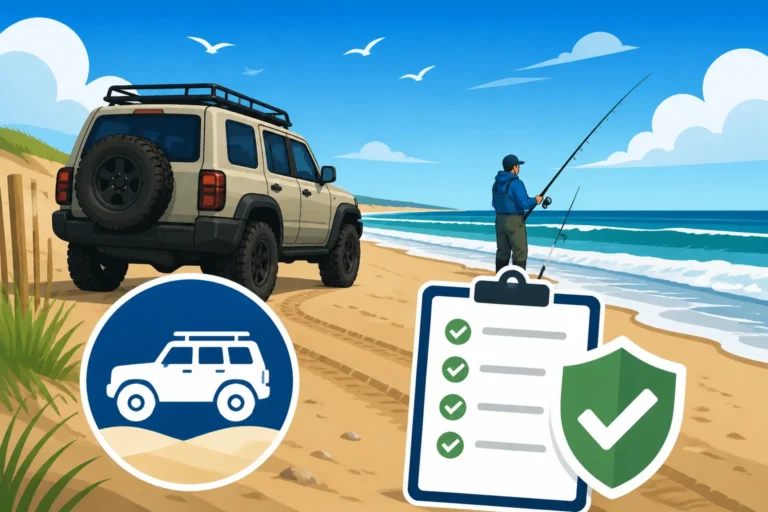
For the dedicated surf angler, especially those who rely on heavier gear and want to cover more ground, the 4×4 Beach Vehicle Permit is a game-changer. This permit, issued by the National Park Service, allows specially equipped vehicles to drive directly onto designated portions of the beach for surf fishing. It's an annual permit and often sells out quickly, so if you're planning to use a 4×4, secure it well in advance. Without this permit, all beach access for fishing is pedestrian only. Even with a permit, there are specific access ramps, designated driving lanes, and rules about where you can park your vehicle on the sand. This privilege allows access to some of the most productive stretches of beach for species like striped bass during the spring and fall runs. If you're looking for advanced techniques, you can dive deeper into New Jersey Surf Fishing Techniques.
Fishing from Piers, Jetties, and Bays
Beyond the open ocean beaches, Sandy Hook offers excellent opportunities to fish from fixed structures and the calmer bay waters. The Fort Hancock fishing pier, when open, provides a fantastic vantage point for catching a variety of species that move through Sandy Hook Bay. Historically, this pier has been a hotspot for fluke, bluefish, and even snapper blues for younger anglers. However, access to the Fort Hancock area can sometimes be restricted due to ongoing historical preservation work or special events, so it's always wise to check the NPS website or call ahead for current conditions.
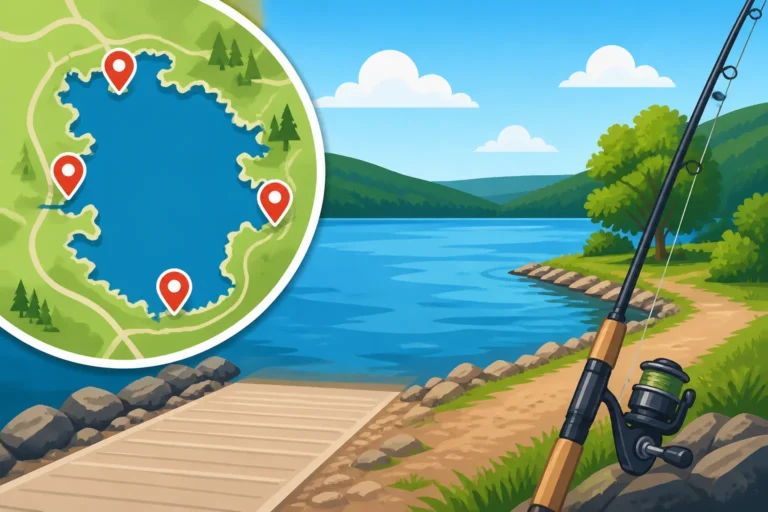
The numerous rock jetties that jut out into the ocean along Sandy Hook's coastline are prime spots for targeting species like tautog (blackfish) and striped bass, which love to hide around structure. Fishing these jetties requires caution due to slippery rocks and strong currents, especially at the inlets. Always wear appropriate footwear and be aware of changing tides. For those who prefer fishing the calmer waters, the bay side of Sandy Hook offers excellent opportunities for fluke, weakfish, and striped bass, particularly in areas like Spermaceti Cove and the various access points within Sandy Hook Bay Fishing Access Points. While you don't need a special park permit to fish these structures (beyond your state registry), general park hours and parking rules still apply. If you're looking to explore these waters with experienced professionals, many excellent charters operate out of nearby towns like Atlantic Highlands or Highlands. You can often find and book these excursions easily through platforms like FishingBooker, which lists local captains knowledgeable about the Sandy Hook area, offering a convenient way to get on the water without bringing all your own gear.
Prohibited Areas and Restrictions
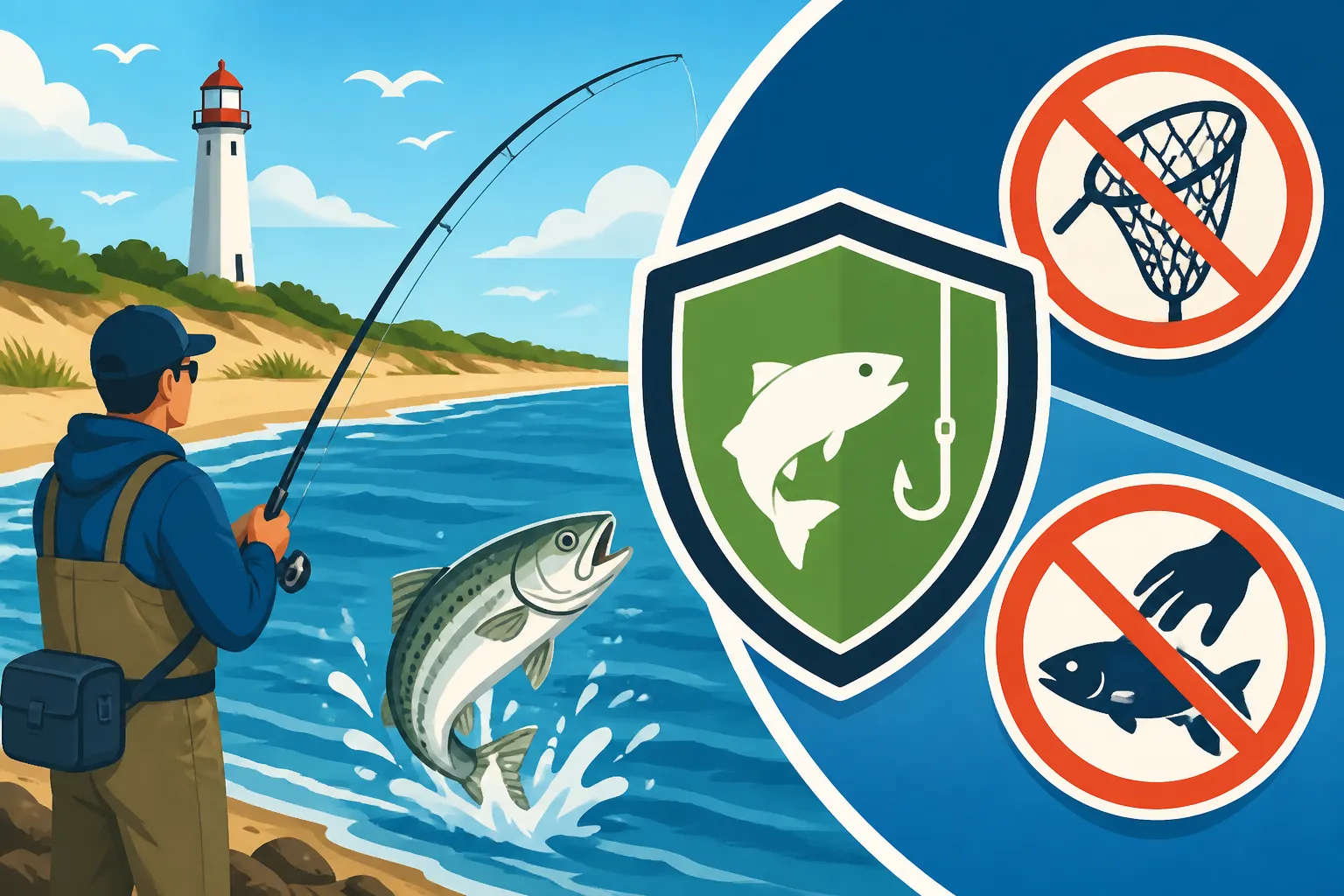
While Sandy Hook is generally very welcoming to anglers, certain areas are permanently or seasonally off-limits for fishing to protect sensitive ecosystems or ensure public safety. These typically include critical habitat zones, areas undergoing restoration, or portions of the beach that are designated for swimming only during the busy summer months. For instance, specific dunes or marsh areas might be roped off to protect nesting birds, and it's imperative that anglers respect these closures. Violating these restrictions can result in significant fines and impact wildlife.
Another area that sometimes has restricted access for fishing is the Fort Hancock historical area, beyond the main fishing pier. Due to its historical significance and ongoing preservation efforts, certain sections may have limited public access or specific rules about where you can walk or set up. Always keep an eye out for signage, which clearly indicates prohibited areas or special rules. Beyond fishing-specific restrictions, general park rules against littering, disturbing wildlife, or damaging vegetation are strictly enforced. Proper disposal of fishing line, hooks, and other trash is not just good practice; it's a vital part of protecting this beautiful national resource. Remember, these rules are in place not to hinder your enjoyment but to preserve the natural beauty and ecological integrity of Sandy Hook for everyone.
Important Considerations for Anglers at Sandy Hook
A successful and enjoyable fishing trip to Sandy Hook goes beyond just knowing where to cast your line. It involves being prepared for the conditions, understanding the specific rules for the fish you're targeting, and being mindful of the environment and other visitors. From checking the tides to understanding bag limits, these crucial details can make all the difference in your experience.
Species-Specific Regulations and Catch Limits
When it comes to the actual fish you pull out of the water, the rules are definitively set by the New Jersey Department of Environmental Protection. This means that if you're targeting popular species at Sandy Hook, you'll need to adhere to the current state size limits, daily bag limits, and open seasons. These regulations are designed to manage fish populations sustainably and can change year to year, or even mid-season, based on scientific assessments and federal guidelines. It's not uncommon for state limits for species like striped bass or fluke to be adjusted, so staying informed is key. You can find the most up-to-date information in the annual New Jersey Fish and Wildlife Digest, available online. This comprehensive document outlines all the regulations you need to know, from trout to tuna.
Let's consider a few popular species you'll encounter at Sandy Hook:
- Striped Bass: These iconic fish are a primary target for many anglers, especially during the spring and fall migrations. New Jersey, often in coordination with the Atlantic States Marine Fisheries Commission (ASMFC), imposes a strict slot limit. This means you can only keep fish within a specific size range, for example, 28 to 31 inches, with larger or smaller fish needing to be released. Understanding the current New Jersey Striped Bass Slot Limit Explained is absolutely vital for legal harvest.
- Fluke (Summer Flounder): Another highly sought-after species, fluke have very specific size and bag limits, which can vary depending on the area you're fishing and the time of year. For instance, the general state limit might be one size, but special regulations for specific bays (like Delaware Bay) might exist. For Sandy Hook, you'll follow the general ocean regulations. Be sure to check New Jersey Fluke Size and Bag Limits Explained before heading out.
- Bluefish: While often abundant and known for their aggressive bites, bluefish also have bag limits. Typically, smaller "snapper" blues and larger "chopper" blues will have different limits, so be aware.
- Black Sea Bass and Tautog: These species are often found around the jetties and artificial reefs near Sandy Hook. They typically have very specific seasons and tight bag limits to protect their populations.
Remember, the overarching principle is conservation, so familiarize yourself with How Bag and Size Limits Work in New Jersey for all targeted species and ensure you have the proper measuring devices on hand.
Safety, Tides, and Environmental Awareness
Fishing at Sandy Hook is a wonderful experience, but like any outdoor activity, it requires a strong emphasis on safety and environmental responsibility. The coastal environment can be unpredictable, and being prepared can prevent problems.
- Tides and Currents: For surf anglers, understanding the tides is paramount. Not only do tides influence where fish feed, but they also dictate beach access (especially with a 4×4 permit) and can create dangerous rip currents on the ocean side. Always check a reliable tide chart before you go; you can learn more about How to Read Tide Charts for Better Fishing in New Jersey. Strong currents can also be present around jetties and the inlets, making wading or even standing on rocks hazardous.
- Weather Conditions: Coastal weather can change on a dime. A sunny morning can quickly turn into a windy, rainy afternoon. Dress in layers, bring rain gear, and keep an eye on forecasts. Lightning is a serious threat on open beaches.
- Sun Protection and Hydration: Spending hours on the water or beach means prolonged sun exposure. Use high SPF sunscreen, wear a wide-brimmed hat, and polarized sunglasses. Always bring plenty of water, especially during the warmer months, to stay hydrated.
- Environmental Awareness: Sandy Hook is a haven for wildlife, including many species of birds and marine mammals. Always give wildlife plenty of space and avoid disturbing nesting areas. Proper disposal of all trash, especially monofilament fishing line, is critical. Fishing line is a major hazard to birds, seals, and other marine life. Pack out everything you pack in, and if you see litter, consider picking it up. We all have a role in keeping this beautiful area pristine. Be aware of New Jersey Fishing Season Dates and Closures as these can sometimes align with ecological needs, such as seasonal closures for certain species or habitats.
Access, Amenities, and Enforcement
Knowing where to park, where to find restrooms, and who enforces the rules will make your visit to Sandy Hook much smoother. The park is generally open from dawn till dusk for most activities, but check the NPS website for specific seasonal hours, as certain areas might have different operating times.
- Parking: There are numerous parking lots throughout Sandy Hook, serving different beaches and attractions. Most lots require a parking fee during peak season (Memorial Day to Labor Day), so be prepared to pay upon entry. Off-season parking is usually free. The lots closest to popular fishing spots fill up quickly on busy days, so arriving early is often a good strategy.
- Restrooms and Facilities: Restroom facilities are available at various points throughout the park, often near the larger parking lots and swimming beaches. These are typically well-maintained, but availability might be seasonal. There are no bait and tackle shops within Sandy Hook, so make sure to bring all your bait, tackle, and other supplies with you. Nearby towns like Highlands or Atlantic Highlands have several excellent shops if you need to stock up.
- Enforcement: Regulations at Sandy Hook are enforced by both National Park Service Rangers and New Jersey Conservation Police Officers. These officers patrol the beaches, parking areas, and bay access points. They are knowledgeable about both federal park regulations and state fishing laws. They will check for valid fishing registrations/licenses, compliance with size and bag limits, and adherence to park rules. If you're approached by an officer, be courteous and cooperative. Knowing the rules and having your documentation ready will ensure a quick and positive interaction. You can find more information about New Jersey Conservation Police and License Checks to understand their role. If you prefer a guided experience where much of this logistical and regulatory burden is handled for you, considering a charter boat booked through FishingBooker can be an excellent option. Local captains are experts in both the fishing and the rules, providing a worry-free day on the water.
Disclaimer
The information provided in this guide is intended for general informational purposes only and is subject to change. Fishing regulations, park rules, and access policies for Sandy Hook Gateway National Recreation Area can be updated at any time by the National Park Service or the New Jersey Department of Environmental Protection. Always consult the official websites of the National Park Service and the New Jersey Division of Fish and Wildlife for the most current and accurate regulations before planning your fishing trip.