Where to Fish From Shore Along the Jersey Shore
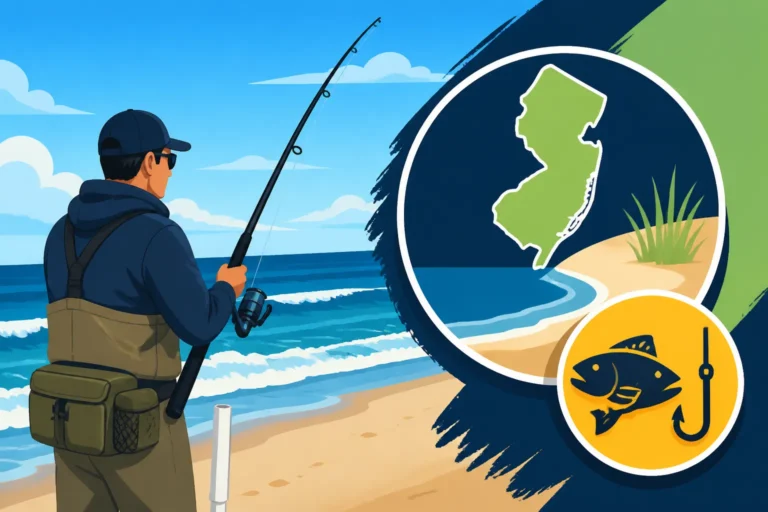
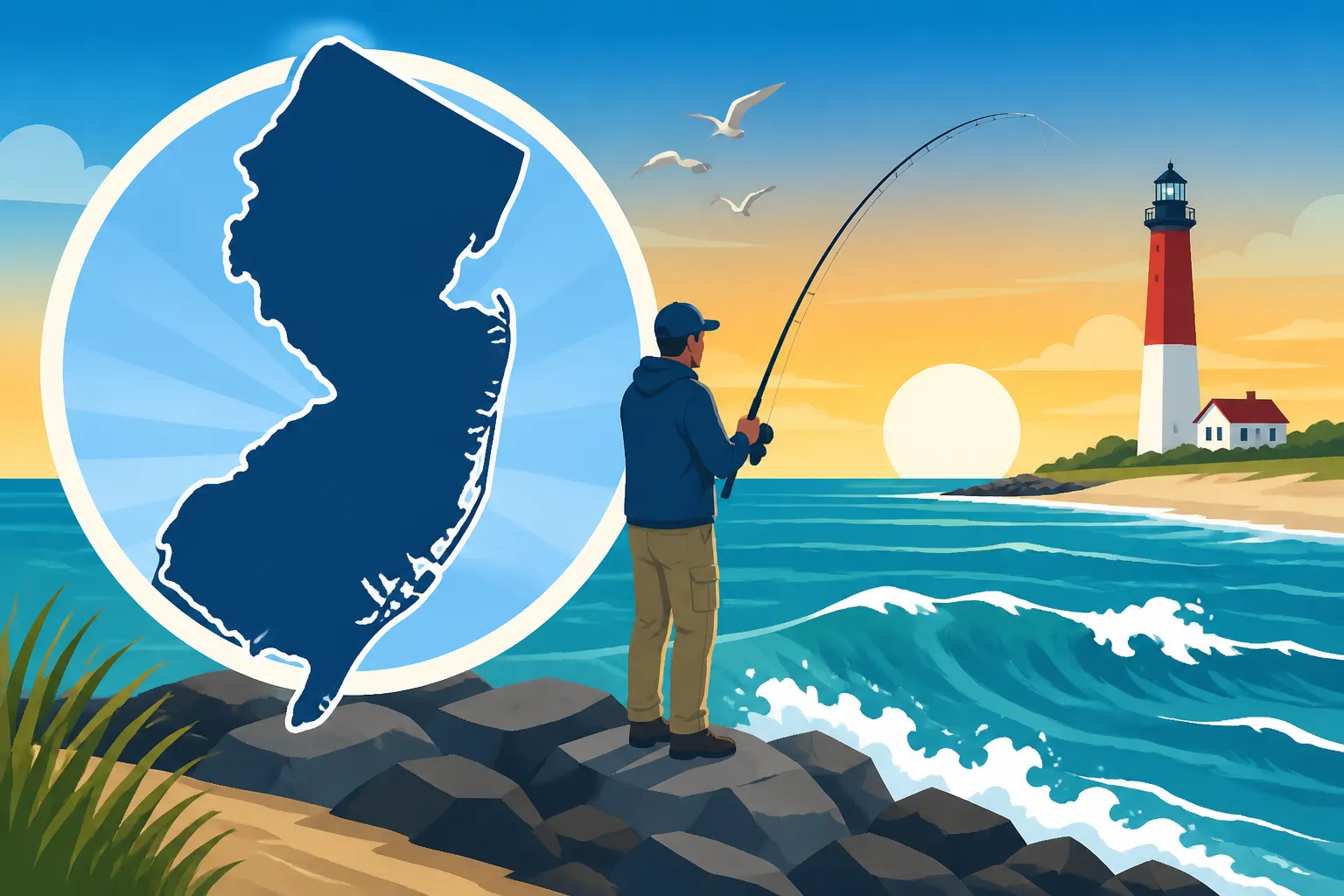
There's nothing quite like the Jersey Shore, is there? The smell of salt in the air, the rhythmic crash of waves, and that undeniable feeling that a trophy fish could be lurking just beyond the breakers. But for many of us, the dream of hooking into a big striper or a doormat fluke feels out of reach if we don't own a boat. The good news is, you absolutely don't need a vessel to experience incredible fishing opportunities in New Jersey. This guide is dedicated to all the land-based anglers out there, showing you exactly where and how to find fantastic fishing spots along the entire Jersey Shore, entirely from terra firma.
Understanding the Allure of Shore Fishing on the Jersey Shore
Shore fishing isn't just a fallback when you don't have a boat; for many, it's a preferred method, offering a unique connection to the environment and a particular set of challenges and rewards. The Jersey Shore, with its diverse coastline ranging from wide, sandy beaches to rocky jetties and bustling inlets, presents an unparalleled playground for anglers who prefer to keep their feet on solid ground.
Accessibility and Cost-Effectiveness
One of the biggest draws of fishing from shore is its sheer accessibility. You don't need to worry about boat ramps, fuel costs, or the often-steep investment of owning and maintaining a boat. For most spots along the Jersey Shore, all you need is a vehicle to get you to a parking lot, your gear, and a sense of adventure. This low barrier to entry makes it an ideal pursuit for beginners just getting their lines wet, as well as seasoned pros who appreciate the simplicity and directness of casting into the surf or a quiet bay from a public access point. Many state parks, like Island Beach State Park, offer dedicated access for surf fishing, often requiring a permit, but the experience is well worth the minor fee. The cost savings mean you can invest more in quality tackle or spend more time fishing, rather than funding boat maintenance.
Diverse Species Within Reach
You might be surprised by the incredible variety of fish you can target directly from the Jersey Shore. It's not just baitfish! Depending on the season and location, anglers regularly pull in impressive catches. Striped bass, often the holy grail for many New Jersey anglers, cruise the surf zone and inlets, especially during their spring and fall migrations. Fluke (summer flounder) can be caught by casting bucktails or bait from jetties and sandy beaches, particularly where currents create good feeding lies. Bluefish, notorious for their aggressive strikes, are a common catch, especially during blitzes when they chase baitfish close to shore. You might also encounter species like weakfish, kingfish, croakers, black drum, and even sharks and rays further out in the surf. This incredible diversity ensures that every trip can offer a different challenge and a new target.
The Thrill of the Catch Without a Boat
There's a special kind of satisfaction that comes with landing a fish from shore. You're reading the water, feeling the currents, and directly engaging with the environment in a way that’s different from boat fishing. When that rod doubles over and the drag screams, knowing you hooked that fish with your own cast from the sand or a jetty is an exhilarating feeling. It's a testament to your patience, skill, and understanding of the local waters. Plus, the solitude you can sometimes find, especially during off-peak hours or at less crowded spots, offers a peaceful escape from the hustle and bustle of everyday life, allowing you to truly immerse yourself in the moment. It’s fishing in its purest form, stripped down to you, your rod, and the ocean.
Key Considerations Before You Hit the Sand (or Rocks)
Before you pack your cooler and head out, a little preparation goes a long way toward a successful and enjoyable shore fishing trip along the Jersey Shore. Understanding the rules, having the right gear, and knowing how to read the water are fundamental.
Permits, Licenses, and Regulations
This is probably the most critical step. For freshwater fishing in New Jersey, you absolutely need a license. However, for saltwater fishing (which is what most Jersey Shore fishing entails), the rules are slightly different. While there's no state-issued saltwater fishing license per se for recreational anglers, you are required to register with the New Jersey Saltwater Registry Explained program. This registration is free and helps the state and federal agencies track fishing effort and better manage fish populations. If you're fishing in specific areas, such as within certain state parks, there might be additional permits required, like the annual Mobile Sportfishing Permit for driving on the beaches at Island Beach State Park. Always check the latest regulations by consulting the current Reading the New Jersey Fish and Wildlife Digest or the NJDEP Fish & Wildlife website before heading out. Ignoring these rules can lead to fines, so it’s always better to be safe than sorry.
Essential Gear for Shore Anglers
Forget the notion that you need fancy, expensive equipment. While you can certainly go high-end, effective shore fishing can be done with relatively simple gear. For surf fishing, a medium-heavy to heavy spinning rod, typically 9 to 12 feet long, paired with a matching spinning reel capable of holding 200-300 yards of 15-30 lb braided line, is a great starting point. Braided line is popular for its sensitivity and casting distance. You'll also need a variety of sinkers (pyramid, Sputnik, or coin sinkers from 2-6 oz depending on current), appropriate hooks (circle hooks are often required for certain species when using bait, so know your New Jersey Circle Hook Requirements for Bait Fishing), and leader material (fluorocarbon or monofilament). Don't forget a bait bucket or cooler for your bait, a sharp knife, a tackle box with pliers, a measuring tape (to ensure you meet How Bag and Size Limits Work in New Jersey), and a cooler for your catch. A sand spike is invaluable for holding your rod while you wait for a bite. Finally, comfortable, weather-appropriate clothing and sturdy footwear are essential for long days on the beach or rocks.
Reading the Tides and Understanding Structure
Successful shore fishing isn't just about casting as far as you can. It's about understanding where the fish are and when they're most likely to bite. Tides play a massive role in saltwater fishing. Generally, the incoming and outgoing tides (the two hours leading up to and following high or low tide) are the most productive times, as moving water disorients baitfish and concentrates them, making them easier targets for predators. Learning How to Read Tide Charts for Better Fishing in New Jersey is a game-changer. Look for "structure" in the water—any feature that breaks the current or offers fish a place to ambush prey. This includes sandbars, sloughs (deeper troughs between sandbars), jetties, rock piles, and inlets. Rip currents can also be highly productive as they pull baitfish offshore. On a calm day, observing the waves breaking further out can reveal hidden sandbars and deeper cuts where fish might hold. Understanding these dynamics will dramatically improve your chances of success and help you pinpoint the most promising spots on any given beach.
Northern Jersey Shore Hotspots for Shore Anglers
The northern stretch of the Jersey Shore, from Sandy Hook down to Point Pleasant, offers a fantastic array of shore fishing opportunities. From protected bay waters to bustling inlets and historic piers, there's something for every type of land-based angler.
Sandy Hook Gateway National Recreation Area
Sandy Hook is a true gem for shore anglers, offering a unique blend of oceanfront and bay fishing within a protected national park. The Hook itself is a long, narrow peninsula, creating diverse environments. On the ocean side, you'll find miles of surfcasting beaches, particularly productive during the spring and fall striped bass migrations. Anglers often target stripers with bait (bunker, clam, worms) or by casting a variety of lures, from poppers to bucktails. The sandbars and sloughs here can hold some impressive fish.
On the bay side, particularly in areas like Spermaceti Cove and the calmer waters closer to the tip, you can find excellent opportunities for fluke, bluefish, and even weakfish. The bay offers a more protected environment, which can be ideal on windy days. Access is generally good, with multiple parking lots and designated fishing areas. Keep an eye on park regulations, as some areas may have restrictions or require specific permits. During peak season, parking can fill up quickly, so an early start is often recommended. Sandy Hook's unique topography means you can often fish both sides, adapting to conditions and fish movements, making it a truly versatile destination.
Manasquan Inlet and Point Pleasant Canal
These two interconnected waterways are absolute magnets for fish and anglers alike. The Manasquan Inlet, connecting the Manasquan River to the Atlantic Ocean, is a rocky stronghold offering excellent deep-water access directly from shore. Both the north and south jetties are popular, though they can be challenging to navigate, especially for those with limited mobility. Here, you can cast into the swift currents for striped bass, bluefish, and even tautog and black sea bass around the rocks. Live eels, fresh bunker, or artificial lures are all effective depending on the season. The fast-moving water holds a lot of bait, attracting predatory fish.
Just inland from the inlet, the Point Pleasant Canal links the Manasquan River to Barnegat Bay. This man-made waterway features strong currents and deep holes, making it a renowned spot for striped bass, particularly at night or during twilight hours. Anglers often fish from the bulkheads and piers along the canal. Jigging with bucktails or soft plastics, or soaking bait on the bottom, can be highly productive. These spots offer year-round action for various species, but it's particularly buzzing during the spring and fall runs. Be sure to check out our Manasquan Inlet Fishing Guide for more specific tips on this productive area.
Piers and Jetties in the Northern Reaches
Beyond the specific inlets, many towns along the northern Jersey Shore boast fishing piers and jetties that provide excellent land-based access to deeper waters. These structures often extend beyond the surf zone, putting anglers in prime position to intercept migrating fish or target species that prefer structure.
- Asbury Park Fishing Pier: This iconic pier offers fantastic opportunities for stripers, bluefish, fluke, and even winter flounder in colder months. It extends far out into the ocean, allowing anglers to cast into deeper water and avoid the immediate surf. There's often a small fee to fish, but the convenience and potential for diverse catches make it worthwhile.
- Belmar Fishing Pier: Similar to Asbury Park, Belmar's pier is another popular spot for anglers. It's a great place for families, offering bait and tackle shops nearby, and often providing shelter from strong winds if you pick the right side. Striped bass, bluefish, and fluke are common targets here, and you might even hook into a kingfish or croaker during the warmer months.
- Other Town Jetties: Most beachfront towns, such as Spring Lake, Avon-by-the-Sea, and Bradley Beach, have rock jetties that extend into the ocean. These provide excellent ambush points for striped bass and bluefish, and the rocky structure attracts species like tautog. Always exercise caution on jetties, as they can be slippery and dangerous, especially during rough seas or at high tide. These structures break the monotonous stretch of sand, creating vital habitat and feeding zones for various marine species.
Central Jersey Shore: Miles of Productive Beaches and Bays
As we move south into the central part of the Jersey Shore, the landscape shifts slightly, offering expansive barrier islands, vast bay systems, and incredibly productive inlets. This region is a paradise for surfcasters and bay anglers alike.
Island Beach State Park: A Premier Destination
If there's one place that epitomizes shore fishing in New Jersey, it's Island Beach State Park Fishing Access. This undeveloped barrier island, stretching for ten miles, is a surfcasting mecca. It’s revered for its pristine beaches, minimal development, and incredible fishing opportunities. Anglers here primarily target striped bass, bluefish, and fluke, especially during their seasonal migrations. The park offers both drive-on access (with a Mobile Sportfishing Permit, requiring a 4×4 vehicle) and walk-on access to its numerous trails and oceanfront.
The beauty of IBSP is its dynamic nature. The constant shift of sand creates new sandbars and sloughs, forcing anglers to constantly read the water. The deeper guts and cuts close to shore are prime spots for stripers, especially when baitfish like mullet or bunker are present. During the fall run, the beaches here can light up with incredible action. However, it's essential to respect park rules and regulations, as it's a preserved natural area. The raw, untamed nature of Island Beach State Park is what makes it so special for those seeking a true surf fishing experience, away from the crowds and boardwalks.
Barnegat Light and the Barnegat Inlet
At the northern tip of Long Beach Island lies Barnegat Light, another iconic fishing destination centered around the formidable Barnegat Inlet. This inlet connects Barnegat Bay to the Atlantic and is known for its strong currents, deep waters, and massive rock jetties. The "Barnegat Inlet" itself is famous among anglers, drawing crowds for its superb striped bass, bluefish, and tautog fishing. The jetty at Barnegat Light is accessible from the historic Barnegat Lighthouse State Park. Anglers brave the slippery rocks to cast into the swirling waters for migratory stripers and hard-fighting bluefish. Jigging bucktails or fishing live bait is particularly effective here.
Inside the inlet, the calmer bay waters offer excellent opportunities for fluke, especially around the numerous sod banks and channels within Barnegat Bay. The area around the public docks and municipal fishing pier at Barnegat Light Borough also provides easy access to the bay, where anglers can target fluke, weakfish, and various panfish. The confluence of ocean and bay waters here creates a rich ecosystem that attracts a wide range of species. For a deep dive into this area, check out our Barnegat Light Surf Fishing Guide. The sheer volume of baitfish passing through this inlet makes it a hotbed for predatory gamefish, drawing anglers from all over the region.
Long Beach Island Beaches and Bay Access
Long Beach Island (LBI) is a long, narrow barrier island offering 18 miles of diverse fishing opportunities, both on the oceanfront and in the bay. The ocean beaches, from Holgate to Beach Haven, are prime surfcasting locations. While the structure might be less defined than at IBSP, the entire stretch can produce striped bass, bluefish, fluke, and kingfish. Look for subtle changes in the sand, like shallow depressions or small points, which can hold fish. Early mornings and evenings are often the most productive times for surfcasting here.
On the bay side of LBI, you'll find numerous docks, bulkheads, and small public access points in towns like Barnegat Light, Harvey Cedars, Ship Bottom, and Beach Haven. These calmer waters are ideal for targeting fluke, blowfish, and various panfish. Crabbing is also very popular from these bayfront locations. Many of the causeways and bridges that connect LBI to the mainland also offer pedestrian access and fishing platforms, providing great opportunities to fish the channels. The beauty of LBI is the ability to easily switch between ocean and bay fishing depending on conditions and target species, often just a short walk or drive away.
Southern Jersey Shore: Back Bay Wonders and Oceanfront Action
The southern end of the Jersey Shore offers a fantastic mix of sprawling back bay systems, wide sandy beaches, and dynamic inlets, all contributing to excellent shore fishing prospects. This region often sees an earlier start to the spring bite and a prolonged fall run for many popular species.
Atlantic City and Surrounding Bays
Atlantic City might be famous for its casinos and boardwalk, but it also provides surprising shore fishing opportunities. The iconic Atlantic City Boardwalk offers several piers that extend into the ocean, allowing anglers to cast into deeper waters without the need for a boat. These piers can be excellent for striped bass, bluefish, fluke, and even kingfish, especially during the warmer months. The Absecon Inlet, located on the northern end of Atlantic City, is a major waterway connecting the city's back bays to the Atlantic. The jetties and bulkheads around the inlet provide access to strong currents and structure, making it a hotspot for striped bass and bluefish.
Beyond the immediate city, the extensive back bay systems behind Atlantic City, including Absecon Bay, Great Egg Harbor Bay, and the various creeks and marshes, offer quieter, more protected fishing. These bays are prime habitat for fluke, weakfish, and various panfish. Public docks, bridges, and small parks often provide access to these productive waters. Fishing for white perch in the tidal creeks can be a relaxing and productive way to spend an afternoon. The sheer volume of water and the intricate network of channels in these back bays ensure a diverse fishery, often less crowded than the oceanfront.
Sea Isle City and Avalon Beaches
Moving further south, towns like Sea Isle City and Avalon boast beautiful, wide sandy beaches and numerous jetties that are highly favored by surfcasters. These beaches are particularly popular during the summer months, offering a great family-friendly fishing experience.
- Sea Isle City: The beaches here are known for producing kingfish, croakers, and small bluefish during the summer. During the spring and fall migrations, striped bass and larger bluefish cruise the surf. The jetties at the end of various streets provide access to deeper water and structure, excellent for casting lures or soaking bait. Crabbing from the bay-side docks in Sea Isle is also a popular pastime.
- Avalon: Just south of Sea Isle, Avalon's beaches and jetties offer similar fishing opportunities. Anglers targeting fluke will find success drifting bucktails or Gulp! baits from the jetties into the deeper cuts. Striped bass and bluefish are reliably caught during the migration seasons. Both towns maintain well-kept beaches and public access points, making them inviting destinations for shore anglers. The calm, clean environment makes these beaches a delight for a peaceful day of fishing.
Cape May Point and the Cape May Canal
At the southernmost tip of New Jersey, Cape May Point offers a truly unique fishing experience. The currents here, where the Delaware Bay meets the Atlantic Ocean, are incredibly strong and rich with baitfish, attracting a wide array of species. The beaches around Cape May Point are excellent for surfcasting, especially for striped bass, bluefish, and drum. The famous Cape May Rips, though mostly accessible by boat, influence the nearshore currents, pushing bait and fish close to the shore.
The Cape May Canal, a man-made waterway that connects the Delaware Bay to the Atlantic, provides significant shore fishing opportunities. Anglers can fish from various access points along the canal, targeting striped bass, bluefish, weakfish, and fluke. The strong currents in the canal make it a productive spot, particularly during tide changes. The variety of environments, from the turbulent point to the calmer canal, means anglers have diverse options depending on conditions and target species. It's truly a dynamic fishery down here, and a must-visit for any serious shore angler exploring the Best Places to Fish in New Jersey.
Essential Techniques and Baits for Jersey Shore Species
Knowing where to fish is only half the battle; knowing how to fish effectively for the species you're targeting is just as important. Different fish respond to different presentations, and having a few techniques up your sleeve will greatly increase your success.
Targeting Striped Bass from Shore
Striped bass are arguably the most sought-after game fish along the Jersey Shore. From shore, they can be targeted using both bait and artificial lures.
- Bait Fishing: Fresh clam is a perennial favorite, especially in the spring and fall. Bunker (menhaden), either fresh chunks or whole, live bunker, is also incredibly effective, particularly for larger bass. Bloodworms are excellent, especially in early spring for smaller "schoolie" stripers. When bait fishing, use a fish-finder rig or a high-low rig to present your bait near the bottom. Cast into sloughs, behind sandbars, or near jetties where bass might ambush prey. During the fall run, a whole mullet or a chunk of fresh bunker cast into a wash can yield explosive strikes. Remember to use appropriate New Jersey Striped Bass Slot Limit Explained gear and, if required, circle hooks.
- Lure Fishing: For active fish, artificial lures can be incredibly exciting. Poppers and metal lip swimmers are great for topwater action, especially at dawn or dusk when bass are feeding near the surface. Bucktail jigs, often tipped with a pork rind or soft plastic trailer, are incredibly versatile and effective for probing deeper water or current seams. Soft plastics, like paddle tails or jerk shads rigged on jig heads, are also highly productive. Focus your casts around structure, like jetties, or into areas with visible baitfish activity. Knowing Best Lures for Striped Bass Fishing can give you an edge, allowing you to adapt to whatever baitfish the stripers are keying on.
Fluke and Other Bottom Dwellers
Fluke (summer flounder) are another prime target for shore anglers, especially from jetties, inlets, and calmer bay areas. They are ambush predators that lie on the bottom, waiting for bait to swim by.
- Drifting and Jigging: From a jetty or inlet, you can effectively drift a bucktail jig, often tipped with a Gulp! artificial bait or a strip of natural bait (squid, minnow, or spearing), along the bottom. The key is to keep your offering in contact with the bottom, mimicking a wounded baitfish. Light jigs (1/2 oz to 1 oz) are often sufficient in calmer waters, while heavier ones might be needed in stronger currents. A high-low rig with bait is also effective from shore, allowing you to present two baits at different depths close to the bottom.
- Targeting Structure: Focus on areas with current and structure, such as the edges of channels, around pilings, or where sandy bottom meets rocks. Fluke will often lie in wait on the downtide side of these features. For detailed information on their size and bag limits, refer to the New Jersey Fluke Size and Bag Limits Explained. Don't forget that their flat, camouflaged bodies make them masters of disguise, so you need to put your bait right on their nose!
Bluefish and Other Migratory Species
Bluefish are known for their ferocious appetites and aggressive strikes, making them a blast to catch from shore. They often travel in schools and can create exciting "blitzes" as they chase baitfish into shallow water.
- Lure Fishing: Metal spoons, poppers, and large swimbaits are excellent for bluefish. They aren't picky and will often hit anything shiny and fast-moving. Cast parallel to the beach or into any visible schools of baitfish. Be prepared for a strong fight and use heavy leaders, as their razor-sharp teeth can easily cut through lighter monofilament.
- Bait Fishing: Chunks of fresh bunker or mackerel, fished on a wire leader, are also very effective. They will readily devour dead bait, especially when actively feeding. When you see gulls diving and baitfish splashing on the surface, cast your lure or bait into the commotion – you’re likely in for some fast and furious action! You might also encounter other migratory species like kingfish, especially in the summer months, which can be caught on small pieces of clam or bloodworms fished on small hooks. Knowing the New Jersey Bluefish Season Peak Timing can help you plan your trips around their presence.
Safety Tips and Etiquette for Shore Fishing
Shore fishing, while accessible, still requires a mindful approach to safety and consideration for others. The Jersey Shore is a shared space, and ensuring a positive experience for everyone is key.
Being Aware of Your Surroundings
Safety should always be your top priority. When fishing from jetties or rocky areas, wear appropriate footwear with good grip, as rocks can be incredibly slippery, especially when wet or covered in algae. Always watch for incoming waves, especially rogue waves that can knock you off your feet. Never turn your back on the ocean. If fishing at night, a headlamp is essential, not just for baiting hooks and tying knots, but also for navigating uneven terrain and making yourself visible to others.
Be mindful of swimmers and beachgoers, especially during peak summer months. Cast your line safely and avoid crowded areas. Pay attention to weather forecasts; sudden storms can develop quickly on the coast. Strong winds and heavy surf can make fishing dangerous and unproductive. Knowing how to interpret conditions and when to call it a day is a sign of an experienced angler. Always have a plan for safe entry and exit from your fishing spot.
Respecting the Environment and Other Anglers
Part of enjoying the Jersey Shore is helping to preserve its beauty and resources. Always pack out everything you pack in, including discarded fishing line, bait containers, and food wrappers. Monofilament and braided line can be deadly to marine life and birds, so properly dispose of all line. Many tackle shops and parks have recycling bins specifically for fishing line.
When fishing in crowded areas like piers or popular jetties, respect your fellow anglers. Maintain a reasonable distance, avoid casting over other lines, and be courteous. If someone is clearly targeting a specific species or fishing a prime spot, try to find an alternative. Share information and offer help if needed, but also respect others' space and their right to a peaceful fishing experience. This spirit of community makes the fishing experience more enjoyable for everyone.
Handling and Releasing Fish Responsibly
Not every fish you catch will be a keeper. Many will be undersized, out of season, or simply not what you're targeting. Knowing how to properly handle and release fish increases their chances of survival. Always wet your hands before handling a fish to minimize the removal of its protective slime coat. Use a dehooker or needle-nose pliers to quickly remove hooks. If a fish is deeply hooked, it's often best to cut the line as close to the hook as possible rather than trying to rip it out, which can cause internal damage.
When releasing, support the fish gently in the water, allowing it to recover and swim off on its own. Don't just toss it back. For larger fish, especially striped bass, try to minimize the time they are out of the water. If you plan to keep fish, dispatch them quickly and humanely, and store them properly on ice to preserve their quality. Responsible angling ensures healthy fish populations for future generations and maintains the integrity of the sport.
Planning Your Shore Fishing Adventure
A little foresight can turn a good fishing trip into a great one. Knowing the best times to go and where to find local resources can make all the difference.
Best Times of Year to Fish the Shore
The Jersey Shore offers fishing opportunities year-round, but certain seasons are definitely more productive for specific species.
- Spring (April-June): This is prime time for the spring striped bass migration, as they move north along the coast after spawning. Bloodworms, clams, and small lures work well for schoolie stripers. Fluke season typically opens in May, and they start moving into the bays and nearshore ocean. Weakfish and bluefish also begin to show up.
- Summer (July-August): While the beaches can be crowded, early mornings and late evenings offer good surfcasting for bluefish, kingfish, croakers, and some fluke. Night fishing for striped bass can be productive in inlets. The back bays are excellent for fluke, blowfish, and crabbing.
- Fall (September-December): This is arguably the most exciting time for shore fishing, with the epic fall striped bass migration. Large bass and bluefish aggressively feed on mullet and bunker as they move south. This is a time for big lures, big bait, and big fish. Tautog and black sea bass also become more active around rocky structure. For a deeper dive, check out our guide on the Best Time of Year to Fish for Striped Bass in New Jersey.
- Winter (January-March): Fishing slows down considerably, but determined anglers can still find winter flounder in the back bays or target tautog around jetties on milder days. Many anglers use this time for gear maintenance and planning for the upcoming season.
Finding Local Bait Shops and Resources
Local bait and tackle shops are invaluable resources for shore anglers. They often have the freshest bait, the latest fishing reports, and expert advice on what's biting, where, and on what. Shops like Grumpy's Bait & Tackle in Seaside Park, Tony's Bait & Tackle in Manahawkin, or TackleDirect in Egg Harbor Township are local institutions where you can get geared up and gather crucial intel. Don't be shy about asking the folks behind the counter for tips; they're usually happy to help a fellow angler.
Beyond bait shops, online forums and social media groups dedicated to New Jersey fishing can also provide real-time updates and connect you with local experts. Additionally, when you're looking for specialized advice or thinking about branching out into a new technique, sometimes connecting with a guide can offer invaluable insights. Platforms like FishingBooker can help you find local fishing guides who might offer lessons or specialized trips, even if you plan to stick to shore fishing in the future, their local knowledge is gold. Remember to always consult the official NJDEP Fish & Wildlife website for the most up-to-date regulations.
Disclaimer
The information provided in this guide is for general informational purposes only. Fishing regulations, season dates, and bag/size limits in New Jersey can change frequently. Always consult the most current New Jersey Fish and Wildlife Digest or the official New Jersey Department of Environmental Protection (NJDEP) Fish & Wildlife website before heading out to fish. Adherence to all local, state, and federal regulations is the angler's responsibility. Fishing involves inherent risks; always prioritize safety and exercise caution in and around the water.