Shark River Inlet Fishing Guide
Anglers often face the challenge of finding dynamic, accessible fishing spots in New Jersey that consistently hold a variety of species. Shark River Inlet, a vibrant artery connecting the ocean with a sprawling estuary, presents a unique and often overwhelming environment. This comprehensive guide will peel back the layers of this popular fishing destination, providing you with the insights, techniques, and local knowledge needed to navigate its currents, target its abundant fish, and make your next trip a success.
Getting to Know Shark River Inlet
Shark River Inlet, nestled between the charming towns of Belmar and Avon-by-the-Sea, is much more than just a passage for boats; it's a bustling aquatic highway and a prime fishing ground. This deep, navigable inlet serves as a critical choke point for migrating fish, making it an irresistible magnet for anglers throughout the year. Its strategic location means that both baitfish and predatory species move through its waters with the ebb and flow of the tides, creating fantastic fishing opportunities for those who understand its nuances.
Geography and Flow Dynamics
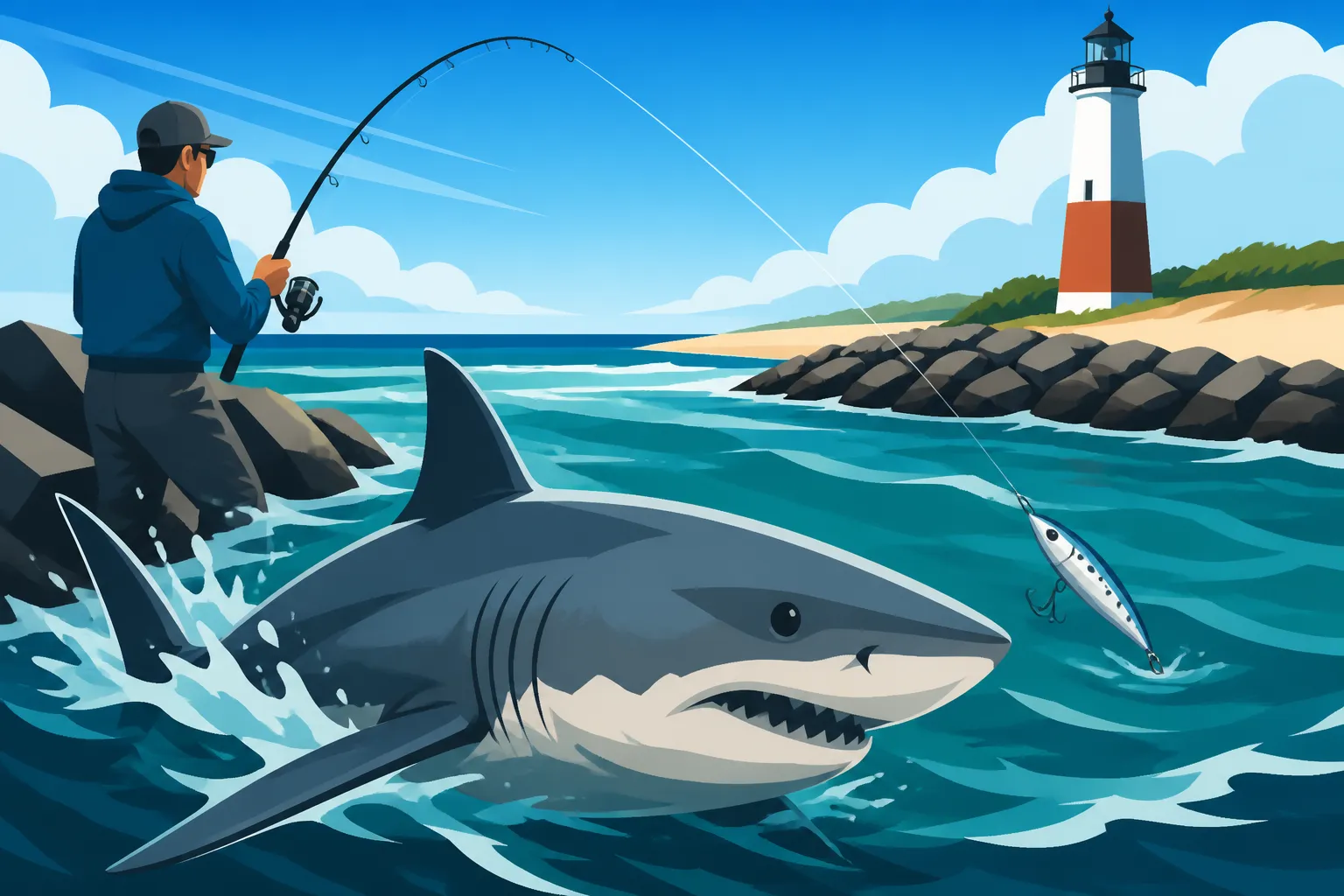
The inlet itself is characterized by its stone jetties that extend into the Atlantic Ocean, providing crucial structure and current breaks. Inside, the river opens up into a large, complex estuary with numerous back bays, channels, and shallower areas that attract a different array of species. The dynamic interaction between the incoming ocean tides and the outflowing river water creates a constantly changing environment. The strong currents, particularly during peak tidal exchanges, scour the bottom, concentrating baitfish and drawing in larger predators. These currents are also what make fishing here so engaging, as understanding their flow is key to presenting your bait or lure effectively.
Why Anglers Love Shark River Inlet
What truly makes Shark River Inlet a beloved spot for so many New Jersey anglers is its incredible accessibility and the sheer diversity of its fishing. Whether you prefer casting from the jetties, soaking bait from a bulkheaded pier, or drifting from a boat, there’s a place for you. It's not uncommon to see families enjoying a leisurely afternoon of crabbing or catching snapper blues right alongside serious anglers targeting trophy striped bass or fluke. The mix of freshwater influence from the river and saltwater from the ocean creates a unique ecosystem where everything from freshwater panfish to migratory sharks can pass through, though most focus on the more common game species. Plus, with tackle shops, bait stores, and restaurants nearby, it's a convenient hub for a full day out.
Prime Fishing Opportunities and Target Species
Shark River Inlet is renowned for its diverse fishery, offering anglers the chance to hook into a wide range of popular species throughout the seasons. The consistent movement of baitfish through the inlet means that predatory species are almost always on the hunt, creating action for persistent anglers. Your success here often hinges on understanding what fish are present at different times of the year and tailoring your approach accordingly.
Striped Bass and Bluefish Action
Without a doubt, striped bass and bluefish are the headline acts at Shark River Inlet. During their migratory runs in spring and fall, the inlet becomes a hotspot for these powerful fighters. Striped bass, ranging from schoolies to impressive keepers, ambush baitfish like bunker, spearing, and mullet as they move in and out of the river. The strong currents around the jetties and bridge pilings create perfect ambush points. Anglers often find success by casting swim shads, poppers, or live bait into the rips and eddies. You can find more in-depth advice on how to fish for striped bass in New Jersey right here.
Bluefish, known for their aggressive strikes and sharp teeth, often show up in force, sometimes in massive "blitzes" where they thrash baitfish on the surface. These events are thrilling to witness and even more exciting to fish. Topwater plugs and metal jigs work wonders during a bluefish blitz, but be prepared for tackle-shredding battles! The best time of day to fish for bluefish often coincides with moving tides, especially dawn and dusk. Both species can be caught day and night, but night fishing under the bridge lights can be particularly productive for striped bass.
Fluke and Weakfish Pursuits
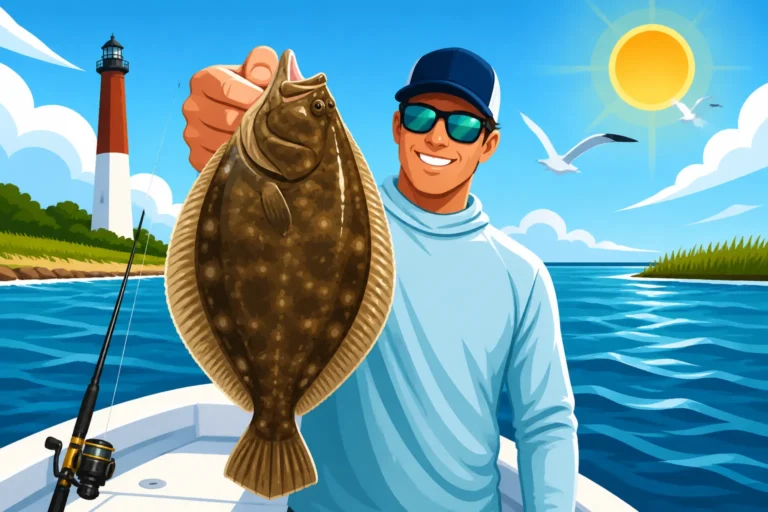
Come summer, the focus shifts heavily towards fluke, also known as summer flounder. These delicious flatfish are abundant in the inlet and the surrounding bay system. Fluke love to lie in wait on the bottom, ambushing baitfish like spearing, killifish, and crabs as they drift by with the current. Drifting bait rigs or bucktail jigs tipped with Gulp! or strips of real bait (like squid or spearing) is the classic method here. Many anglers target them from boats, drifting the channels, but shore anglers also pick up their fair share by casting and slowly retrieving along the channel edges from the jetties and bulkheads. Remember that the New Jersey fluke size limit: 18 inches is strictly enforced, so make sure to measure your catch carefully.
Weakfish, once a powerhouse species in the inlet, have seen fluctuations in their populations but still offer rewarding fishing, particularly during the warmer months. These beautiful, iridescent fish are often caught on soft plastics, small jigs, or live shrimp and spearing. They tend to prefer cleaner water and are often found in the deeper channels within the river or closer to the oceanfront on higher tides. While not as numerous as they once were, a weakfish bite can be incredibly exciting, and their delicate flesh makes for excellent table fare.
Other Notable Species
Beyond the main attractions, Shark River Inlet hosts a variety of other desirable fish. Black sea bass can be found around the jetty rocks and other submerged structures, especially from late spring through fall. Tautog (or "blackfish") are another structure-loving species, best targeted with green crabs or fiddler crabs fished close to the rocks in cooler water.
In the calmer bay waters inside the inlet, anglers can find blowfish, kingfish, and even some panfish like white perch, especially further upstream. Throughout the summer, snapper bluefish (juvenile bluefish) offer endless fun for kids and light tackle enthusiasts. And don't forget the crabbing opportunities! Blue claw crabs are plentiful in the back channels and can be caught using crab traps or hand lines with chicken necks. For more details on what you can expect throughout the year, refer to our comprehensive guide on New Jersey fishing season dates and closures.
Here's a quick look at some key species and their peak seasons in Shark River Inlet:
| Species | Peak Season | Common Techniques | Typical Baits/Lures | Notes |
|---|---|---|---|---|
| Striped Bass | Spring (Apr-May), Fall (Oct-Dec) | Cast & Retrieve, Live Lining, Jigging | Bunker, Mullet, Eels, Swim Shads, Poppers | Best during moving tides, dawn/dusk, night |
| Bluefish | Summer (June-Sept), Fall (Sept-Oct) | Cast & Retrieve, Trolling, Chumming | Metal Jigs, Poppers, Cut Bait, Spearing | Aggressive, fast action, especially in blitzes |
| Fluke | Summer (May-Sept) | Drifting, Cast & Retrieve (slow) | Gulp!, Squid, Spearing, Bucktail Jigs | Bottom-oriented, often found in channels |
| Weakfish | Summer (June-Aug) | Cast & Retrieve, Drifting | Soft Plastics, Small Jigs, Live Shrimp | Less common but prized catch, delicate fighters |
| Tautog | Late Fall (Oct-Dec), Early Spring (Apr) | Bottom Fishing (close to structure) | Green Crabs, Fiddler Crabs, Clams | Strict regulations, stick to rocky areas |
| Black Sea Bass | Summer-Fall (May-Oct) | Bottom Fishing, Jigging | Clams, Squid, Small Jigs | Found on wrecks and reefs, often by boats |
Essential Techniques for Inlet Anglers
Fishing Shark River Inlet effectively requires a grasp of specific techniques tailored to its unique environment of strong currents, varying depths, and diverse species. Adaptability is key; what works on an incoming tide might be useless on an outgoing, and different structures call for different approaches.
Bait Fishing Strategies
Bait fishing is arguably the most popular and often the most effective method in Shark River Inlet, particularly for species like striped bass, fluke, and tautog. The strong currents make live bait and cut bait irresistible to hungry predators. For striped bass, live lining bunker or eels around the bridge pilings or along the jetties during a strong current can be incredibly productive. A simple fish-finder rig with a circle hook allows the bait to drift naturally. For anglers on the jetties, casting out a chunk of fresh bunker or mackerel on a bottom rig and letting it soak in a deep pocket is a tried-and-true method, especially at night.
When targeting fluke from the shore or a drifting boat, a basic high-low rig or a three-way swivel rig with a bucktail jig and a teaser hook above it works wonders. Tip your hooks with spearing, squid strips, or Gulp! artificial baits. The goal is to keep your bait near the bottom, just bouncing along with the current. For tautog, a snelled hook baited with a green crab and fished directly on the bottom, tight to the rocks, is the way to go. You need to feel for the subtle bite and set the hook quickly to avoid getting snagged. Always match your sinker weight to the current; you want to hold bottom but still allow for some natural movement.
Lure and Jig Tactics
Lure and jig fishing can be incredibly exciting and effective, especially for actively feeding striped bass and bluefish. During the spring and fall migrations, when schools of baitfish like bunker are present, casting large metal-lipped swimmers, poppers, or heavy metal jigs into the frothing water can entice explosive strikes. Targeting the "rip lines" where fast current meets calmer water is often the most productive strategy. Working these lures with a retrieve that mimics a fleeing or injured baitfish will often trigger a reaction bite. Our guide on the best lures for striped bass fishing offers some fantastic options to try.
For fluke, bucktail jigging is a highly effective technique. Cast a bucktail jig (often tipped with a Gulp! shrimp or a strip of natural bait) upstream and let it bounce along the bottom as it drifts back towards you. A gentle jigging motion, lifting and dropping the rod tip, makes the jig dance and attracts curious fluke. You need to pay close attention to the feel of the jig hitting the bottom; bites can be subtle, feeling like a light "tick" or added weight. This technique is particularly effective from boats drifting the deeper channels, but shore anglers can also use it along the edges of the main current.
Fly Fishing Potential
While not as common as conventional gear, Shark River Inlet and its backwaters offer intriguing possibilities for fly anglers, especially for striped bass and bluefish. The calmer sections of the river, particularly around dawn or dusk, can see schools of smaller baitfish driven to the surface, presenting opportunities for surface flies like poppers or crease flies. Closer to the inlet mouth, larger baitfish imitations, such as deceiver patterns in white, chartreuse, or olive, can tempt larger predatory fish.
Successful fly fishing in the inlet often requires heavier fly rods (8-10 weight), sinking lines, and leaders designed for abrasive environments. Targeting the eddies and calmer water pockets behind the jetties or bridge pilings can be productive, as these areas provide relief from the strong currents. While it presents a significant challenge due to the wind and powerful tides, the reward of hooking a strong striper or bluefish on the fly in such a dynamic environment is truly unparalleled.
Navigating Access Points and Facilities
Shark River Inlet is well-equipped for anglers, offering a variety of access points for both shore-based and boat-based fishing. Knowing where to park, where to drop a line, and what amenities are available will greatly enhance your fishing experience. The inlet is essentially bisected by a bridge, with the northern side falling within Belmar and the southern side within Avon-by-the-Sea, each offering distinct advantages.
Northern Side Belmar Access
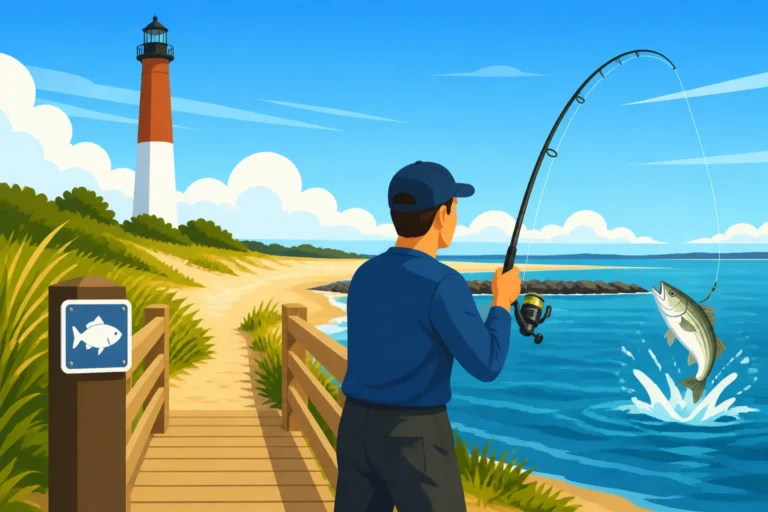
The Belmar side of the inlet is arguably the most popular and active for shore anglers. You’ll find extensive parking areas, often metered, along Ocean Avenue and near the municipal marina. The main attraction here is the lengthy eastern jetty, which extends far into the ocean, providing prime access to deeper water and strong currents. Anglers can walk out onto the jetty and cast into the rips for striped bass, bluefish, and fluke. Be mindful of slippery rocks, especially at low tide or after a rain.
Closer to the bridge, there are bulkheaded areas and small platforms where you can fish for a variety of species. The Belmar Marina, located just inside the inlet, is a major hub, offering boat slips, bait and tackle shops like Fisherman's Den and The Reel Seat, and even charter services. It's a fantastic spot to grab fresh bait, pick up a forgotten lure, or just chat with local experts. This side often has more pedestrian traffic, so be courteous and aware of other users.
Southern Side Avon-by-the-Sea Access
On the southern side, in Avon-by-the-Sea, you'll also find excellent access, often a bit quieter than the bustling Belmar side. There's street parking available, though it can fill up quickly during peak season. Similar to Belmar, the Avon side features a long rock jetty that provides great ocean access. This jetty tends to be a favorite among anglers looking for tautog or black sea bass due to the abundant rocky structure. Just be sure to wear appropriate footwear, as the rocks can be uneven.
Inside the inlet, along the bulkheads near the Coast Guard Station, there are areas where you can cast for fluke, weakfish, and striped bass. The calmer waters further into the river on the Avon side can be excellent for crabbing and catching snapper blues, making it a good spot for families. While there might not be as many direct bait and tackle shops right on the water as in Belmar, the area is well-maintained and offers a different perspective on the inlet's fishing opportunities.
Boat Access and Launches
For those with boats, Shark River Inlet provides direct access to the ocean and the expansive Shark River estuary. The Belmar Municipal Marina is the primary public boat launch, offering multiple ramps, ample parking for trailers, and convenient amenities. From here, you can quickly reach the inlet mouth for ocean fishing or explore the deeper channels and back bays of the Shark River for fluke, striped bass, and other estuarine species.
Several private marinas in Belmar and Avon also offer slips and launch facilities, providing additional options. If you're visiting and don't have your own vessel, numerous charter boats and party boats operate out of Belmar and Point Pleasant, many of which target species found in or around the inlet. Websites like FishingBooker can be an excellent resource for finding and booking a reputable local captain who knows these waters like the back of their hand. These services are perfect for those who want to experience boat fishing without the hassle of owning or trailering a vessel.
Understanding the Tides and Currents
Inlet fishing, perhaps more than any other type of angling in New Jersey, is profoundly dictated by the tides and currents. At Shark River Inlet, the sheer volume of water moving in and out with each tidal cycle creates a dynamic, ever-changing environment. Ignoring these powerful forces is a surefire way to have a slow day; understanding and leveraging them is the secret to consistent success.
The Importance of Current in Inlets
Current is the lifeblood of an inlet fishery. It's not just about the water moving; it's about what that movement does. Currents concentrate baitfish, disorienting them and pushing them into predictable ambush points. They also stir up the bottom, releasing nutrients and attracting smaller organisms, which in turn attract larger fish. Predatory fish, like striped bass and bluefish, instinctively use these currents to their advantage, expending less energy while waiting for food to come to them. This is why you'll often find them stacked up on the down-current side of structure, like jetty rocks, bridge pilings, or submerged features.
For species like fluke, the current is equally vital for presenting your bait or jig naturally. A drifting boat or a carefully cast shore rig allows your offering to tumble along the bottom, mimicking a natural food source. Trying to fish against a strong current with insufficient weight will result in your bait being swept away from the strike zone, rendering it ineffective. Learning to "read" the water, observing the rips, eddies, and subtle changes in flow, is a skill that will dramatically improve your catch rate at Shark River Inlet.
Reading the Tide Chart
Before you even leave the house, consulting a tide chart for Shark River Inlet is an absolute must. This will tell you the times of high tide, low tide, and the slack water periods in between. Generally, the "moving water" – the periods immediately after slack tide when the current is beginning to accelerate or decelerate – is the most productive. This is when baitfish are most active and vulnerable, and predators are on the hunt.
It's important to remember that the current within the inlet itself can lag slightly behind the official ocean tide times. For instance, the strongest incoming current (flood tide) might be an hour or two after the high tide mark in the ocean, as the vast volume of water continues to rush into the back bay system. Conversely, the strongest outgoing current (ebb tide) often peaks an hour or two after the ocean's low tide. Many experienced anglers keep notes on how the tides behave at specific spots within the inlet to pinpoint the optimal fishing windows. Our article on how to read tide charts for better fishing in New Jersey provides an excellent primer for this essential skill.
Slack Tide vs. Moving Water Strategies
Both slack tide and moving water periods offer different fishing opportunities and require adjusted strategies.
- Moving Water (Strong Current): This is typically prime time for striped bass, bluefish, and drifting for fluke.
- Striped Bass/Bluefish: Target rips, eddies, and the down-current side of structures. Use heavier jigs, larger swim shads, or live bait that can hold its position or drift naturally in the current. Poppers can work well if baitfish are being driven to the surface. If you're fishing from a boat, you might consider drifting parallel to the jetties or channels.
- Fluke: When drifting, ensure your bucktail or bait rig is heavy enough to maintain bottom contact. Cast upstream and let it bounce along the bottom with the current. This is a very effective way to cover ground and find actively feeding fluke. For shore anglers, casting heavy jigs or bait into channels and letting them settle and drift is key.
- Slack Tide (Minimal Current): While often less productive for active predators, slack tide has its moments.
- Tautog: This can be a good time to target tautog as they become more comfortable moving around rocky structures with less current fighting them. Presenting crab baits tight to the rocks is still the method.
- Back Bay Species: Further inside the river, away from the direct ocean influence, slack tide might be a good time for crabbing or targeting slower-moving species like weakfish or even some panfish, as the water calms.
- Lighter Tackle: You can often switch to lighter lures or jigs during slack tide, allowing for a more natural presentation without being swept away. This can be beneficial for finicky fish that are not aggressively feeding.
Understanding these tidal nuances and adapting your approach will dramatically increase your chances of success at Shark River Inlet.
Safety and Regulations at Shark River Inlet
Fishing at Shark River Inlet is an exciting endeavor, but the dynamic environment, combined with boat traffic and specific regulations, means that safety and adherence to rules are paramount. A safe angler is a responsible angler, and a responsible angler ensures everyone can enjoy these waters.
Navigating Boat Traffic and Jetty Hazards
Shark River Inlet is a busy place, especially during peak seasons. It's a highway for recreational boats, commercial fishing vessels, party boats, and personal watercraft. For shore anglers, this means being constantly aware of your surroundings. Avoid casting into navigation channels where boats are actively moving, and always be polite and respectful to boaters, and expect the same in return. If you're fishing from a boat, maintain proper speed, follow navigation rules, and be mindful of other vessels and shore anglers. The entrance to the inlet from the ocean can get particularly crowded and choppy, especially on outgoing tides meeting an easterly swell.
The jetties themselves pose significant hazards. The rocks can be incredibly slippery, especially when wet from spray, rain, or algae. Proper footwear with good grip is non-negotiable. Large waves can unexpectedly crash over the jetties, particularly during higher tides or rough seas, so always keep an eye on the ocean. Never turn your back on the waves. The uneven surface can also lead to falls, so travel light and maintain your balance. Many experienced jetty anglers wear inflatable PFDs (Personal Flotation Devices) for an added layer of safety, especially when fishing alone or in adverse conditions.
Essential Safety Gear
Beyond common sense and situational awareness, having the right safety gear can make all the difference.
- Footwear: As mentioned, sturdy, non-slip footwear is critical for jetty fishing. Felt-soled boots or specialized cleated boots offer superior grip on wet rocks.
- Life Vest/PFD: For jetty anglers, a self-inflating PFD is a smart investment. For boaters, having properly fitting PFDs for all on board is not just smart, it's the law.
- First-Aid Kit: Minor cuts, scrapes, and hook injuries are common. A basic first-aid kit is essential for quick treatment.
- Headlamp/Flashlight: If you're fishing before dawn, after dusk, or at night, a reliable light source is crucial for navigating, tying knots, and handling fish safely.
- Communication Device: A fully charged cell phone (in a waterproof case) or a marine radio is vital in case of an emergency.
- Whistle/Signal: For boaters, a whistle or air horn is a legal requirement. For shore anglers, it can alert others to distress.
- Warm/Waterproof Clothing: Weather can change rapidly. Layers of clothing, including waterproof outerwear, will keep you comfortable and safe from exposure.
Key Regulations to Follow
Fishing in New Jersey, particularly in saltwater, comes with a specific set of rules designed to protect fish populations and ensure fair angling. Ignoring these can lead to fines and legal trouble.
- New Jersey Saltwater Registry: For most saltwater fishing in New Jersey, you are required to register with the New Jersey Saltwater Registry. This is a free process and distinct from a freshwater fishing license. You can find out why New Jersey's saltwater registry replaced the federal registry in our detailed guide.
- Freshwater License: If you plan to fish further into the Shark River estuary where freshwater species might be found, or if you also fish other freshwater bodies, a New Jersey freshwater fishing license is required.
- Bag and Size Limits: Every species has specific bag limits (how many fish you can keep) and size limits (minimum and sometimes maximum lengths). These change frequently, so always consult the most current New Jersey Fish and Wildlife Digest or their website before you go. This is especially critical for popular species like striped bass, fluke, and black sea bass. Remember our earlier mention of the New Jersey fluke size limit: 18 inches.
- Seasons: Some species have open and closed seasons. Fishing for a species out of season is prohibited.
- Gear Restrictions: There can be restrictions on certain types of gear, such as the use of treble hooks or circle hook requirements for bait fishing for striped bass.
- Conservation Police: New Jersey Conservation Police Officers routinely patrol areas like Shark River Inlet to ensure compliance with regulations. They conduct license checks and enforce limits. Always be cooperative and have your documentation ready. Our guide on New Jersey Conservation Police and License Checks details what to expect.
By being prepared, staying aware of your surroundings, and respecting the regulations, you can ensure a safe and successful fishing adventure at Shark River Inlet.
Disclaimer
The information provided in this guide is for general informational purposes only and is subject to change. Fishing regulations, season dates, and limits are frequently updated by the New Jersey Department of Environmental Protection (NJDEP) Fish & Wildlife. Always consult the official NJDEP Fish & Wildlife website or the current year's New Jersey Fish and Wildlife Digest before engaging in any fishing activities to ensure compliance with the latest rules and regulations. Fishing inherently involves risks; always prioritize your safety and be aware of environmental conditions.