Great Bay and Mullica River Fishing
For anyone looking to wet a line in New Jersey's diverse waterways, the Great Bay and Mullica River system can feel like a labyrinth. It's a vast expanse where freshwater meets saltwater, tides ebb and flow, and navigating the channels and marshes can be daunting for newcomers. This comprehensive guide is designed to cut through that confusion, giving you the insider knowledge you need to successfully fish and crab this incredibly productive estuary.
Unraveling the Great Bay and Mullica River Estuary System
The Great Bay and Mullica River represent one of New Jersey's most significant and ecologically rich estuarine environments. This isn't just a simple river leading to a bay; it's a complex, dynamic system that offers a smorgasbord of fishing opportunities, from the tannin-stained waters of the Pinelands to the salt-laced currents of the Atlantic. Understanding its unique character is the first step to unlocking its angling potential.
The Dynamic Nature of Great Bay
Great Bay isn't your typical open expanse of water. It's an extensive, shallow estuary, characterized by vast marshlands, intricate networks of tidal creeks, and deeper channels that snake their way towards the Little Egg Inlet. This connection to the Atlantic Ocean means a constant influx of fresh ocean water and migratory fish, making it a vibrant ecosystem.
The sheer amount of marsh grass provides an incredible nursery for countless baitfish like spearing, killifish, and juvenile menhaden, along with blue claw crabs and grass shrimp. This abundance of forage is precisely what draws in the larger predatory species that anglers covet. The bay’s bottom structure varies from soft mud in shallower areas to harder sand and shell in the channels, providing diverse habitats. Its relatively shallow nature also means water temperatures can fluctuate quickly, impacting where fish choose to hold. Savvy anglers know that even subtle changes in depth or current can concentrate fish in specific areas, especially along sod banks or where smaller creeks empty into main channels.
The Mullica River's Journey from Freshwater to Bay
The Mullica River is truly a marvel, originating deep within the protected, iron-rich Pinelands and flowing eastward for over 50 miles before emptying into Great Bay. As it progresses, the river undergoes a fascinating transformation from a pristine, acidic, tannin-stained freshwater environment to a tidal, brackish, and eventually saline estuary. This salinity gradient is the key to understanding the diverse species you can encounter.
In its upper reaches, where the water is purely fresh, you'll find classic freshwater species like largemouth bass, pickerel, and various panfish thriving amongst fallen timber and lily pads. As you move downstream, the tidal influence becomes more pronounced, and the water slowly gains salt content. This middle section, often referred to as brackish, is a hotspot for adaptable species such as white perch and catfish, which can tolerate a wider range of salinities. Finally, in its lower reaches, as the Mullica broadens and merges with Great Bay, it becomes largely saltwater, hosting migratory species like striped bass, fluke, and bluefish, particularly during their seasonal runs. Understanding these transition zones is critical because it tells you exactly what kind of fish to expect and what techniques might work best.
Access Points and Navigational Considerations
Getting onto the water in Great Bay and the Mullica River requires a bit of planning, whether you’re launching a boat, a kayak, or simply looking for a good spot to fish from shore. There are numerous boat ramps available, such as the public ramps in Port Republic, Chestnut Neck, or at Great Bay Boulevard in Tuckerton, each offering access to different sections of the system. For kayak anglers, these ramps work just as well, but many smaller, less formal launch points can be found along creek edges, providing stealthy access to prime marsh fishing.
However, navigation here isn't without its challenges. Great Bay is notoriously shallow outside of marked channels, and it's easy to run aground at low tide if you're not paying attention to your charts or local knowledge. Strong tidal currents can also sweep through the main channels, especially around the inlet, making boat handling and anchoring important safety considerations. For instance, the area around Little Egg Inlet, while fantastic for fishing, requires respect for strong tides and boat traffic. Always keep an eye on the weather, as the bay can get choppy quickly with a strong breeze, turning a pleasant trip into a bouncy ride. For detailed information on where to find accessible spots, checking resources like FishingBooker can help locate marinas and guides familiar with the best launch points for your vessel type.
Prime Fishing Targets and Their Seasonal Appearances
The Great Bay and Mullica River system offers a truly remarkable diversity of fish species throughout the year. Knowing what to target and when to target them is half the battle won. The estuary acts as a highway and a nursery, attracting a wide array of fish depending on water temperature, food availability, and spawning cycles.
Saltwater Staples: Striped Bass, Fluke, and Bluefish
For many anglers, the allure of Great Bay lies in its robust populations of classic Jersey Shore saltwater species.
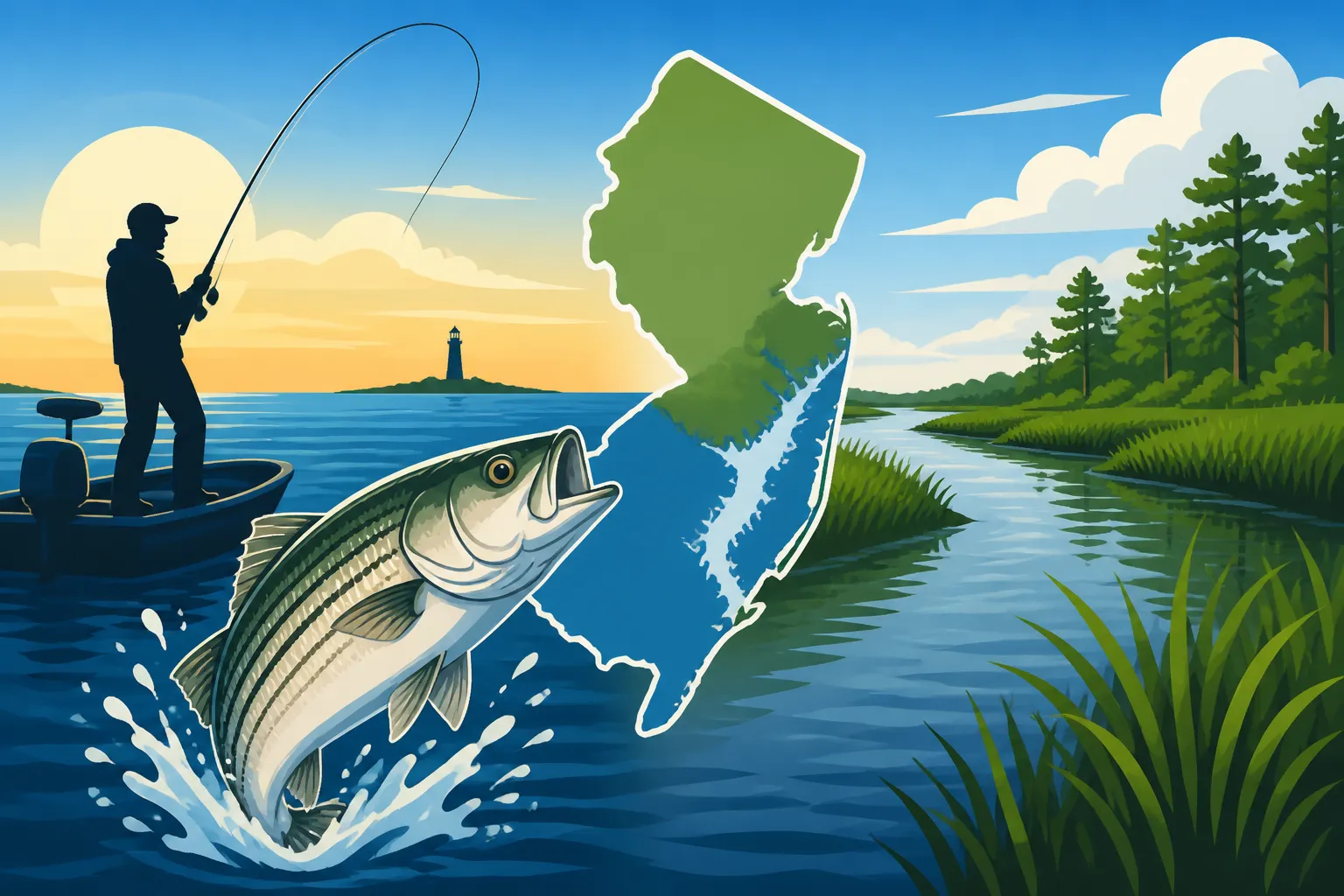
Striped Bass are undoubtedly one of the most sought-after game fish here. You'll find them actively feeding during their spring and fall migrations, often moving in and out of the bay and up the Mullica River. In spring, as baitfish like herring and bunker move into the system, stripers follow, congregating in the deeper channels, around bridge pilings, and along the numerous sod banks. The fall run is equally exciting, with stripers gorging themselves on bait before heading south. Anglers targeting them often use live bunker, eels, or large swimming plugs and soft plastics. Remember, New Jersey has specific regulations, including a New Jersey Striped Bass Slot Limit Explained which is vital to understand before you head out.
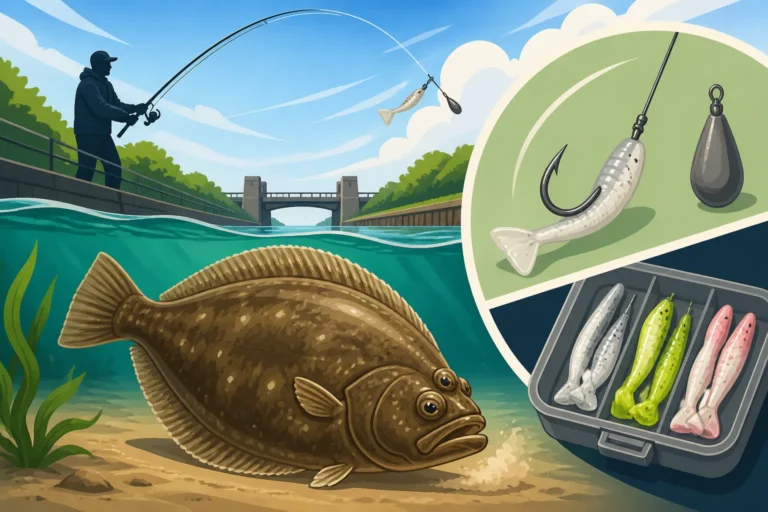
Fluke, also known as summer flounder, are king in Great Bay during the warmer months, typically from May through September. The bay's abundant baitfish and varied bottom make it a perfect habitat for these predatory flatfish. They often lie in wait along channel edges, oyster beds, and creek mouths, ambushing unsuspecting prey. Drifting with spearing, squid, or Gulp! artificial baits is a highly effective method. Anglers often target areas like the sedges surrounding the main bay or the deeper holes within the Mullica's lower reaches. Be sure to check the current New Jersey Fluke Size and Bag Limits Explained as these regulations can change annually.
Bluefish are another exciting species that frequent Great Bay, particularly during the summer and early fall. Known for their aggressive nature and razor-sharp teeth, blues can provide incredible action. They often move into the bay in pursuit of large schools of baitfish, creating exciting surface blitzes where they can be seen crashing on schools of bunker or spearing. Tossing topwater plugs, metal jigs, or even simply chunks of fresh bunker will often elicit a fierce strike. While not everyone loves bluefish for the table, their fight is undeniable, making them a popular target.
Freshwater and Brackish Water Delights: Largemouth Bass, Perch, Catfish
Don't let the "saltwater" reputation overshadow the fantastic freshwater and brackish fishing opportunities within the Mullica River, especially as you move away from the bay.
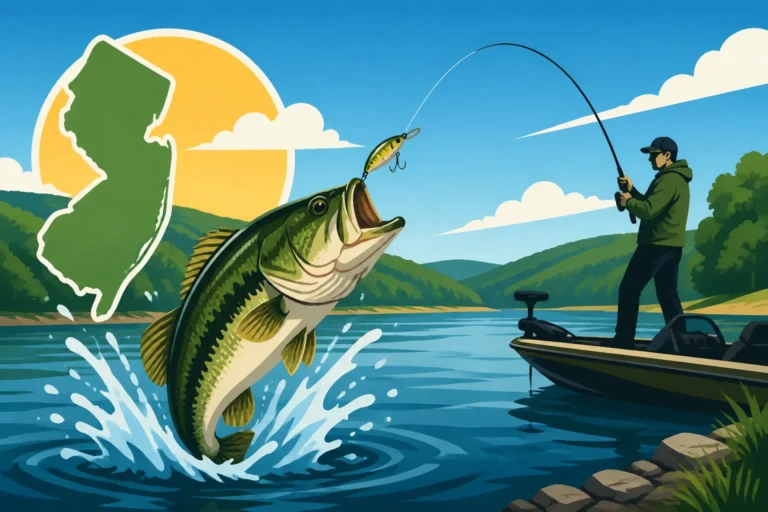
Largemouth Bass and Pickerel thrive in the Mullica's upper, tannin-stained freshwater sections, particularly from the Sweetwater area upstream. Here, the river winds through classic Pinelands habitat, offering plenty of woody cover, submerged logs, and lily pad fields where these ambush predators lie in wait. Targeting them with spinnerbaits, plastic worms, or topwater frogs around these structures can be incredibly rewarding. Pickerel, with their long, toothy bodies, are also plentiful and offer a spirited fight, often hitting inline spinners or shiny spoons.
White Perch are an unsung hero of the Mullica River, abundant in the brackish middle sections. These panfish are fantastic for beginners and experienced anglers alike, as they are relatively easy to catch and provide delicious fillets. They often school in deeper holes or around bridge pilings and docks, especially where freshwater and saltwater mix. Small jigs tipped with grass shrimp, bloodworms, or even small pieces of clam are highly effective. For families, spending an afternoon catching white perch can be a memorable experience.
Catfish, both channel cats and white catfish, are also prevalent in the Mullica River's slower-moving, less saline sections. They prefer deeper, muddier bottoms and are often found in the same areas as white perch. Catfish are primarily nocturnal feeders, but they can be caught throughout the day, especially on cloudy days or during periods of low light. Baits like nightcrawlers, chicken livers, or clam snouts fished on the bottom are typically irresistible to them.
Effective Strategies for Anglers in This Unique Environment
Successfully fishing the Great Bay and Mullica River system means understanding how to adapt your approach to its unique conditions. This isn't ocean fishing, nor is it strictly freshwater lake fishing; it's a blend that demands specific strategies, particularly concerning tides, bait selection, and your choice of fishing platform.
Harnessing the Tides and Currents
In an estuary like Great Bay and the Mullica River, the tides are your most important tool, dictating fish movement and feeding behavior. Ignoring them is like trying to drive blindfolded. Understanding How to Read Tide Charts for Better Fishing in New Jersey is paramount here.
Generally, the incoming tide brings in cooler, cleaner ocean water and fresh bait, often stimulating predatory fish like striped bass and bluefish. These fish will position themselves to ambush bait being carried in by the current, especially around points, channel edges, and structure. As the tide floods into the marshes, fluke might move into shallower areas to feed. Conversely, the outgoing tide flushes bait from the marshes and creeks into the main channels and deeper bay areas. This can be a prime time for species like fluke to congregate at creek mouths, waiting for food to be delivered to them. Stripers and bluefish will also key in on these outflows. Learning to identify current breaks – areas where moving water meets slack water, or where a channel bends – is crucial, as these are natural holding patterns for fish. For a comprehensive guide on such techniques, consider reading up on How to Fish New Jersey's Tidal Rivers.
Go-To Baits and Lures
The incredible diversity of the Great Bay and Mullica River ecosystem means that a variety of baits and lures will be effective, depending on your target species and the time of year.
For fluke, live baits are often king. Small live minnows (like mummichogs or spearing) or strips of squid fished on a traditional fluke rig with a bucktail or a SPRO jig are incredibly deadly. Many anglers swear by Gulp! artificial baits, particularly the grubs and swimming mullets, which offer an excellent scent and action profile. For striped bass and bluefish, live bunker (menhaden) are a top choice, either fished whole or as chunks, especially in the deeper channels or around inlets. Live eels are also highly effective for stripers, particularly after dark. When it comes to artificials, swimming plugs, soft plastics (like Fin-S Fish or Tsunami shads), and bucktail jigs are staples. The key is to match the hatch – observe what baitfish are prevalent in the water and try to imitate them with your lure choices. Remember, different times of year call for different presentations; a guide found through FishingBooker could offer hyper-local insights.
Choosing Your Fishing Platform: Shore, Kayak, or Boat
How you choose to access the water can significantly impact your fishing success in this area. Each method offers distinct advantages.
Shore fishing is accessible and rewarding, particularly in the lower Mullica River and around Great Bay. Public parks, bridges, and some small causeways offer casting access. Places like Chestnut Neck or along Great Bay Boulevard can provide opportunities for striped bass, white perch, or crabbing. It's an excellent option for those looking for a casual day or introducing kids to fishing.
Kayak fishing is arguably one of the best ways to explore the extensive shallow water and marsh creeks of Great Bay and the lower Mullica. The stealth of a kayak allows you to get into skinny water where larger boats can't go, perfect for targeting striped bass holding tight to sod banks or fluke tucked into shallow guts. It's an intimate way to experience the estuary, offering access to secluded areas often teeming with fish. If you're considering this, check out some tips on Best New Jersey Spots for Kayak Fishing.
Boat fishing provides the ultimate mobility, allowing you to cover vast stretches of Great Bay and the Mullica River. With a boat, you can reach the deeper channels, offshore oyster beds, and distant marsh islands. However, it requires careful navigation, especially in shallow bay waters, and a keen eye on the tides. Whether you have a small skiff for the creeks or a larger center console for the main bay and inlet, a boat opens up a world of possibilities for chasing migratory species or deep-water bottom dwellers.
Navigating the Rules and Enhancing Your Trip
Fishing in New Jersey, especially in an area where freshwater and saltwater converge, means staying informed about regulations. These rules are in place for the health of the fishery and ensure everyone has a fair chance at a good catch. Beyond the regulations, there are great resources to help you make the most of your time on the water.
Essential Licenses and Registrations
One of the most common questions, and a source of confusion for many anglers, is what kind of license you actually need when fishing in a hybrid system like the Mullica River and Great Bay.
For the purely freshwater sections of the Mullica River, typically upstream of the tidal influence, you will absolutely need a valid New Jersey Fishing License Guide for 2026. This license covers all freshwater species and is crucial for staying legal. However, as you move downstream into the brackish and saltwater areas of the Mullica River and all of Great Bay, things shift. Here, you are required to register with the New Jersey Saltwater Registry Explained program. The good news is that the saltwater registry is free to join, but it is mandatory. The challenge often lies in the transition zones of the Mullica, where fish from both environments can be present. If you plan to fish across these zones, it’s always safest to have both your freshwater license and be registered for saltwater. It's a small step that prevents a hefty fine from a conservation officer.
Adhering to Size, Bag, and Seasonal Limits
Beyond simply having the right paperwork, it's critical to be familiar with the ever-changing size, bag, and seasonal limits for the species you're targeting. These regulations are designed by the New Jersey Division of Fish and Wildlife to manage fish populations, prevent overfishing, and promote sustainable angling for future generations.
Species like striped bass, fluke, and bluefish often have specific slot limits (e.g., you can only keep fish within a certain size range), minimum size requirements, and daily bag limits. These can vary not only by species but sometimes even by specific bodies of water or the time of year. For instance, flounder rules might differ slightly in certain bays versus open ocean. It's not uncommon for regulations to be updated annually, so always make it a habit to consult the latest New Jersey Fish and Wildlife Digest online before each season, or even mid-season, as emergency changes can occur. Adhering to these rules isn't just about avoiding a penalty; it's about being a responsible steward of our natural resources.
Professional Guidance and Local Expertise
While this guide aims to provide a solid foundation, there's no substitute for local knowledge when exploring a new fishing ground. The Great Bay and Mullica River system is vast and intricate, and local experts can drastically shorten your learning curve.
Your first stop should always be a local bait and tackle shop. Shops like Scott's Bait & Tackle in Egg Harbor City or Absecon Bay Sportsman Center often have real-time reports, know what baits are working, and can point you to the hottest spots. They're an invaluable resource for both gear and up-to-the-minute advice. For those looking to really dive deep and learn the nuances of the area, hiring a professional fishing guide is an excellent investment. A good guide knows the tides, the channels, the secret spots, and exactly what fish are doing on any given day. They provide all the necessary gear and can teach you techniques specific to this estuary. If you're considering a guided trip, platforms like FishingBooker are a fantastic resource for finding experienced local guides familiar with Great Bay and the Mullica River. You can browse charters, read reviews from other anglers, and book a trip that's tailored to your interests, whether it's chasing big stripers or spending a relaxed day targeting fluke. Their expertise can truly make your trip unforgettable, especially if you're exploring the area for the first time.
Beyond the Rod: Crabbing and Nature Exploration
The Great Bay and Mullica River estuary offers so much more than just rod-and-reel fishing. It's a vibrant ecosystem that supports a wide array of recreational activities, making it a perfect destination for family outings or a peaceful day spent reconnecting with nature.
The Joys of Blue Claw Crabbing
Crabbing for blue claws in Great Bay and the lower Mullica River is a beloved New Jersey tradition, providing hours of fun and a delicious reward. These waters are renowned for their abundant blue crab populations, especially from late spring through fall.
There are several popular methods to try. Hand lining from a dock or pier with a chicken neck or fish head as bait is simple, effective, and great for kids. Fold-up crab traps (collapsible box traps) are also widely used, often set off docks, bulkheads, or from a boat in shallower marsh creeks. For those who want to cover more ground, a trot line can be incredibly productive, allowing you to bait a long line and retrieve crabs from deeper channels. Key spots for crabbing include areas with muddy bottoms near marsh edges, deeper holes in tidal creeks, and around docks and pilings. Just like fishing, crabbing has its own set of rules, including minimum size limits, daily possession limits, and strict regulations against keeping egg-bearing female crabs. Always consult the New Jersey Blue Claw Crab Guide and ensure you understand the New Jersey Crabbing License Requirements, as they typically fall under the saltwater registry. It's a fantastic way to enjoy the estuary and bring home some fresh seafood.
Embracing the Natural Beauty of the Pinelands Estuary
Beyond the fishing and crabbing, the Great Bay and Mullica River system is a place of incredible natural beauty and ecological significance. It's a prime example of the unique Pinelands ecosystem meeting the coastal estuary, creating a habitat rich in biodiversity.
Birdwatching opportunities are exceptional, with the nearby Edwin B. Forsythe National Wildlife Refuge being a major draw for migratory waterfowl and shorebirds. Even from a fishing boat or kayak, you'll likely spot ospreys diving for fish, herons stalking the shallows, and various terns and gulls patrolling the skies. The tranquil, winding waterways of the Mullica River offer fantastic paddling opportunities for kayaks and canoes, allowing you to explore pristine natural settings far from the hustle and bustle. There are also numerous trails and picnic spots along the river's edge, making it an ideal destination for families who want to combine fishing with hiking or simply enjoying the outdoors. The unique flora and fauna of this Pinelands estuary are a testament to New Jersey's diverse natural heritage, offering a truly immersive experience for any nature lover.
Disclaimer
Please remember that fishing regulations, including licensing requirements, size limits, and bag limits, are subject to change. Always consult the most current New Jersey Fish and Wildlife Digest or visit the official NJDEP Fish & Wildlife website before heading out on your fishing trip. This guide is for informational purposes only and does not supersede state regulations.