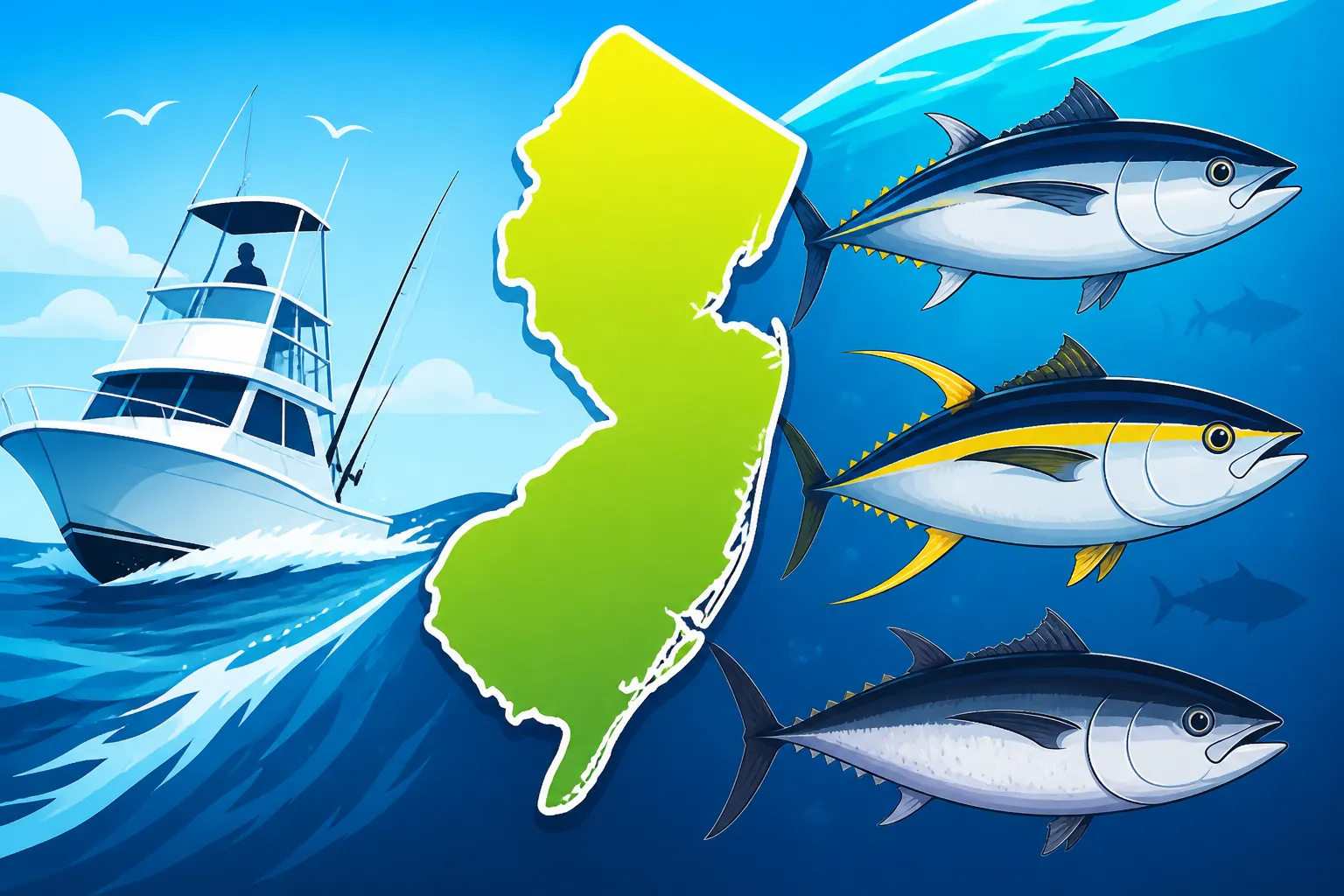
What Tuna Species Do New Jersey Charters Target?
Embarking on an offshore fishing adventure out of New Jersey is a dream for many anglers, but figuring out which mighty tuna species you're likely to encounter can feel like navigating a maze of possibilities. It's frustrating to plan a big trip without a clear picture of the target, especially when investing in a charter. This guide aims to clear up that confusion, detailing the primary tuna species that New Jersey fishing charters typically target and what makes each one a unique adversary and a prized catch.
The Allure of Tuna Fishing in New Jersey Waters
There's something incredibly primal and exhilarating about chasing tuna. It's not just fishing; it's a full-on battle against one of the ocean's most powerful and fastest creatures. For anglers along the Jersey Shore, the call of the deep, blue water often means one thing: tuna. The thought of hooking into a massive fish that can strip hundreds of yards of line in seconds and test every fiber of your being is what draws so many to the offshore grounds. It's a challenging endeavor, requiring skill, patience, and the right gear, but the reward — a cooler full of fresh tuna and a lifetime of bragging rights — is well worth the effort.
The Thrill of the Chase
Imagine this: you're miles offshore, the sun is beating down, and the ocean stretches endlessly around you. Suddenly, a rod bends violently, the drag screams, and line peels off the reel at an alarming rate. That's the unmistakable sign of a tuna taking the bait. The initial run is often blistering, designed to test the limits of your tackle and your resolve. It’s a true test of endurance, sometimes lasting for an hour or more, as you pump and reel, gaining a few feet only to lose it again. Each head shake, each surge, sends vibrations through the rod, keeping your heart pounding. Many seasoned anglers consider the fight with a large tuna to be the ultimate offshore fishing experience. It's a dance of power and finesse, where angler and fish are locked in a struggle that can quickly become legendary.
New Jersey's Offshore Ecosystem
Our New Jersey coastline, though beautiful, is just the beginning of a rich and dynamic offshore ecosystem. Beyond the calm bay waters and coastal surf, the continental shelf drops off, creating fertile grounds for baitfish like mackerel, squid, and butterfish. These abundant food sources, combined with migratory patterns driven by water temperature and currents, draw various tuna species into striking range of our charter boats. Warm eddies from the Gulf Stream often brush our canyons and offshore banks, creating perfect hunting grounds. Understanding Seasonal Fish Migration Patterns Along the New Jersey Coast is key to targeting these pelagic powerhouses, as they follow their food sources and preferred water temperatures throughout the fishing season. The availability of these vast feeding grounds is precisely why New Jersey has such a strong reputation for excellent tuna fishing, attracting anglers from all over the region eager for a shot at these magnificent fish.
Primary Tuna Species Targeted by New Jersey Charters
When you book a New Jersey Deep Sea Fishing Charters trip with tuna in mind, there are a few key players that charter captains will typically be scouting for. These are the heavy hitters, the species that provide both an incredible fight and delicious table fare. Each has its own characteristics, preferred habitats, and peak seasons, making the game of tuna fishing a constantly evolving puzzle.
Bluefin Tuna: The Apex Predator
Ah, the bluefin. This is often the holy grail for offshore anglers. Bluefin tuna are legendary for their immense size, incredible strength, and relentless fighting spirit. They are built like torpedoes, designed for speed and power, and catching one is often a lifetime achievement. In New Jersey waters, you can find bluefin ranging from smaller "schoolie" fish, sometimes called "footballs," to true giants weighing hundreds of pounds, sometimes even exceeding the grander status.
These magnificent creatures migrate along our coast, often passing through in late spring, showing up strong through the summer, and then providing epic fishing during the fall run. Charters will target bluefin using a variety of methods, including trolling with large lures or natural baits like ballyhoo, chunking with cut bait like butterfish or sardine, and even jigging or popping when they are feeding aggressively on the surface. The regulations for bluefin can be complex, often involving specific slot limits and reporting requirements, which your charter captain will be intimately familiar with. The sheer power of a large bluefin on the line is an experience that truly redefines what you think a fish fight can be.
Yellowfin Tuna: The Offshore Speedster
Yellowfin tuna are another highly sought-after species and probably the most consistently targeted tuna by New Jersey offshore charters. Known for their vibrant yellow fins and tail, they are incredibly fast and put up a fantastic, drag-testing fight. While they don't typically reach the gargantuan sizes of the largest bluefin, yellowfin in the 40 to 100-pound range are common, and larger specimens over 150 pounds are certainly possible. Their flesh is highly prized for its quality and flavor, making them a favorite for both sport and table.
Yellowfin tuna generally arrive in New Jersey's offshore canyons and banks as the water warms, with the peak season typically running from summer through early fall. They often school in large numbers, providing opportunities for multiple hookups. Charters commonly employ methods such as trolling spreader bars or daisy chains with lures, or running natural baits. Chunking at anchor or on the drift is also a very productive method, where anglers drop cut bait into the water column to draw the tuna close. When they are feeding on the surface, casting poppers and stickbaits can lead to explosive strikes. Landing a yellowfin takes stamina, but the reward of fresh sashimi-grade tuna makes every muscle ache worthwhile.
Albacore Tuna: The White Meat Delight
Often referred to as "longfin tuna" due to their exceptionally long pectoral fins, albacore are smaller than bluefin and yellowfin, but they are a blast to catch and are renowned for their delicious, very white, firm meat. They typically range from 15 to 40 pounds in New Jersey waters, offering a strong fight for their size, especially on lighter tackle. Many anglers specifically seek out albacore for their culinary value, making them a popular target.
Albacore generally show up in our offshore waters from mid-summer through early fall, often found in the same areas as yellowfin. They tend to travel in schools and can be aggressive feeders. Trolling small lures, feathers, and cedar plugs is a very common and effective method for targeting albacore. They will also respond to jigging and sometimes chunking, especially if you're targeting other tuna species and they show up in the spread. While they might not offer the same raw power as a giant bluefin, the constant action and consistent fight of albacore make for a memorable and productive day on the water, especially for those looking to fill the cooler with some of the best eating fish the ocean has to offer.
Less Common but Possible Tuna Catches
While bluefin, yellowfin, and albacore are the main stars of the New Jersey tuna scene, the offshore environment is a diverse place. Anglers might occasionally encounter other species of tuna, adding an element of surprise to any deep-sea excursion. It’s always exciting when something unexpected bites!
Bigeye Tuna: A Deepwater Prize
Bigeye tuna are another incredible species found in New Jersey's offshore canyons, though they are generally less common than yellowfin or bluefin. As their name suggests, they have notably larger eyes, adapted for hunting in deeper, dimmer light conditions. Bigeye can grow to impressive sizes, often comparable to large yellowfin, and are known for their strong, sustained fights. Their meat is also highly prized.
Charters typically target bigeye in the deeper waters of the canyons, often at night, using chunking methods with heavy gear. They tend to feed lower in the water column than yellowfin or bluefin during the day, making them a more specialized target. If you're on a multi-day New Jersey Offshore Tuna Charters trip, particularly an overnight run, your chances of encountering a bigeye increase, adding another thrilling dimension to the fishing.
Skipjack Tuna: Often Used as Bait or for Fun
Skipjack tuna are a smaller, highly migratory species that are incredibly fast and often found in large schools. In New Jersey, they are more commonly encountered as bycatch while targeting other tuna species or as a great fight on light tackle. While they don't reach the sizes of their larger cousins, they are incredibly aggressive and put up a spirited fight.
Sometimes, rather than being the primary target, skipjack are caught specifically to be used as live bait for larger predators like marlin or even big bluefin tuna. Their oily flesh also makes them excellent for canning, though they are less frequently kept for table fare by recreational anglers than yellowfin or albacore. Catching a school of skipjack can provide non-stop action and is a great way to hone your fighting skills, especially if the bigger tuna are being elusive.
What to Expect from a New Jersey Tuna Charter
Booking a tuna charter is an investment in an experience, and knowing what to anticipate can help you maximize your enjoyment and success. From the timing of your trip to the methods employed, a good charter operation will be transparent about the adventure that awaits. You'll want to choose your charter wisely, perhaps using a reputable booking platform like FishingBooker to find a captain with a proven track record for tuna.
Seasons and Prime Times for Tuna Fishing
While some tuna species might be present for much of the year, there are definite peak seasons when your chances of success are highest. Generally, the New Jersey tuna season kicks into gear in late spring and continues strong through the fall.
- Late Spring (May-June): Often sees the first push of migratory bluefin tuna, sometimes closer to shore, along with smaller yellowfin appearing further offshore.
- Summer (July-August): This is prime time for yellowfin and albacore in the canyons, and bluefin continue to be active. It’s often when charters are busiest.
- Fall (September-November): Many consider the fall run to be the best time for trophy bluefin, as these fish are actively feeding before heading south. Yellowfin and albacore can still be plentiful as water temperatures remain favorable offshore.
Understanding these windows is crucial when discussing your trip with a captain. Your captain can give you the most current information based on migration patterns and recent fishing reports.
Fishing Techniques Employed by Charters
New Jersey tuna charters utilize a range of highly effective techniques, often employing several during a single trip depending on conditions and the behavior of the fish.
- Trolling: This is one of the most common methods, involving dragging multiple lines with lures, spreader bars, daisy chains, or rigged natural baits behind the boat at a specific speed. This covers a lot of water and is excellent for locating actively feeding tuna. Trolling Techniques for New Jersey Lake Trout might be different, but the principle of covering ground remains!
- Chunking: When tuna are found holding in a specific area, often around baitfish or structure, charters will anchor or drift, deploying cut bait (chunks) into the water to create a scent trail and draw the tuna to the boat. This is a very hands-on method, often leading to exciting stand-up battles.
- Jigging and Popping: When tuna are visible on the surface, chasing bait, or marked on sonar, casting heavy jigs or topwater poppers can be incredibly effective and visually thrilling. This is a more active form of fishing, requiring precise casting and retrieve techniques. Your captain will guide you through the intricacies of these methods.
Booking Your Tuna Adventure
Choosing the right charter is paramount for a successful tuna trip. Consider factors like the captain's experience, the boat's amenities, and the type of tuna fishing they specialize in. Platforms like FishingBooker can be incredibly helpful for finding reputable charters, allowing you to filter by location, target species, and even read reviews from other anglers. When you contact a charter, be clear about your expectations regarding How Much Does a Private New Jersey Fishing Charter Cost? or What's Included on a New Jersey Party Boat Trip, and what species you're most interested in pursuing. A good charter captain will discuss options with you, advise on the best times to go, and ensure you have all the necessary gear and licensing coverage. Remember to also ask about New Jersey Charter Boat Tipping Etiquette so you're prepared when the trip concludes.
| Tuna Species | Typical Size Range (NJ Waters) | Fighting Style | Peak Season (General) | Notes |
|---|---|---|---|---|
| Bluefin Tuna | 40-800+ lbs | Extremely powerful, long, deep runs | Late Spring to Fall | Apex predator, highly regulated, supreme table fare. |
| Yellowfin Tuna | 40-150+ lbs | Fast, sustained, drag-testing | Summer to Early Fall | Most common target, excellent table fare, often schools. |
| Albacore Tuna | 15-40 lbs | Spirited, good fight for size | Mid-Summer to Early Fall | "White meat" tuna, excellent for eating, often found in schools. |
| Bigeye Tuna | 50-200+ lbs | Strong, deepwater fighter | Summer to Early Fall | Less common, often targeted at night in canyons, prized catch. |
| Skipjack Tuna | 5-20 lbs | Very fast, aggressive | Summer | Often bycatch or bait, good sport on light tackle, oily meat. |
Disclaimer
This article is for general informational purposes only and does not constitute professional advice. Laws, prices and regulations vary by location and change over time. Consult a qualified professional for guidance on your specific situation.