Are New Jersey Shark Charters Catch and Release Only?
There’s a unique thrill that comes with the thought of hooking into a powerful shark off the New Jersey coast. It’s an adventure that promises an epic battle, a true test of strength and skill. But for many anglers, especially those new to this exciting pursuit, there's a big question mark: what are the rules, and are New Jersey shark charters strictly catch and release? This guide will dive deep into the regulations, ethics, and practicalities of shark fishing in our waters, helping you navigate this often-confusing landscape.
The Undeniable Allure of Shark Fishing in New Jersey
There’s nothing quite like the raw power and mystique of a shark. For seasoned anglers and newcomers alike, the idea of battling one of these apex predators holds an irresistible appeal. It’s not just about the size; it’s about the primal connection to the ocean's wild side and the sheer adrenaline rush of the fight.
Why Anglers Seek Sharks
Let's be honest, few fish put up a fight quite like a shark. When you feel that initial tug, the heavy drag, and the powerful runs, you know you're in for a serious challenge. It's a true test of your gear, your endurance, and your mental fortitude. Many anglers are drawn to shark fishing precisely for this intense, unforgettable experience. It's about pitting your skill against a formidable creature, often in the vast, open ocean, far from the calmer waters of the bays.
Beyond the fight, there's the sheer wonder of encountering these magnificent animals up close. For many, it's a chance to appreciate their power and beauty, fostering a deeper respect for marine life. The memories made on a shark fishing trip, whether it’s a quick photo at the boat or a prolonged battle, last a lifetime. It’s an experience that really sets itself apart from a typical day of fluke or striped bass fishing.
Types of Sharks Commonly Encountered in New Jersey Waters
New Jersey's offshore waters are home to a surprising diversity of shark species, each offering a different kind of challenge. When you head out on a charter, you're likely to encounter a few common types, depending on the season and where you're fishing. It's truly fascinating how many different species call our coastline home at various times of the year.
Mako sharks are often the star of the show for their incredible speed and acrobatic leaps. They are powerful, aggressive, and highly sought after by sport fishermen. Thresher sharks are another favorite, recognizable by their incredibly long tails, which they use to stun prey. They offer a prolonged, powerful fight that can test even the most experienced angler. Then there are blue sharks, known for their striking cobalt color and often found further offshore. They are strong fighters and can be quite numerous.
You might also encounter brown sharks (often referred to as sandbar sharks) and dusky sharks, though these species often carry more stringent conservation regulations, frequently requiring immediate release. Hammerhead sharks, while less common, do pass through our waters, adding to the excitement. Each species has its own unique characteristics and fighting style, making every encounter a distinct adventure.
Navigating New Jersey's Shark Fishing Regulations
The world of shark fishing regulations can feel like a labyrinth, and it's certainly one of the most confusing aspects for anglers. You're not just dealing with state rules, but also federal mandates, which often prioritize conservation. Understanding these regulations is absolutely critical, not just for legal compliance but for the health of our ocean ecosystems.
Federal vs. State Rules: The Overlap and Confusion
When it comes to highly migratory species like sharks, federal regulations often take precedence, particularly for fishing beyond three miles offshore in what are known as federal waters. NOAA Fisheries (National Oceanic and Atmospheric Administration) is the primary agency that sets these rules, dictating everything from permitted species to size limits, bag limits, and gear restrictions. New Jersey, through its Division of Fish and Wildlife, then implements and enforces these federal rules, sometimes adding specific state-level nuances for waters closer to shore.
This dual layer of governance can create a lot of confusion. An angler might check the state's fishing digest and miss a critical federal update, or vice-versa. It’s not uncommon to find rules for certain species changing annually, sometimes even mid-season, based on stock assessments and conservation needs. This makes it incredibly important to always consult the most current regulations from both state and federal sources before heading out, especially for shark fishing. Many New Jersey Charter Fishing Guide services stay on top of this for their clients, but it's good to be informed yourself.
The Importance of Catch and Release for Certain Species
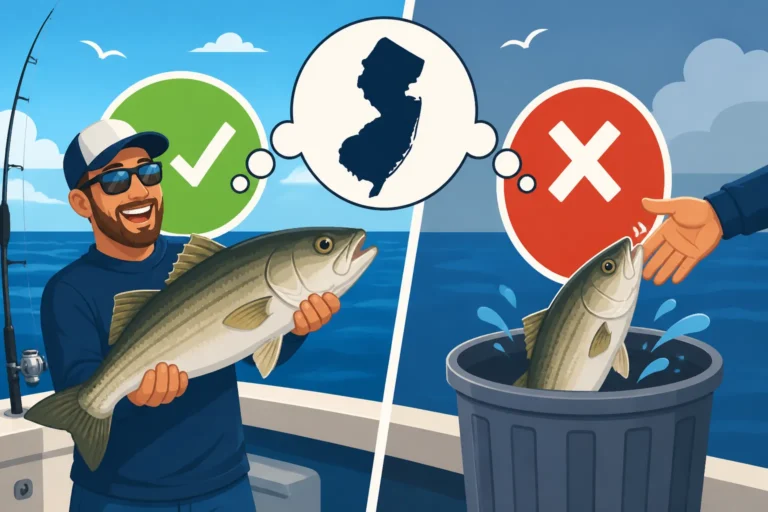
A significant portion of shark species found off New Jersey are either federally protected or have populations that are still recovering, making catch and release a mandatory practice. For example, dusky sharks, sand tiger sharks, and Atlantic angel sharks are typically prohibited from retention due to their vulnerable status. Even for species that can be retained under specific conditions, many charter operations opt for an almost exclusive catch-and-release policy to support conservation efforts and ensure these magnificent creatures continue to thrive.
The rationale behind mandatory catch and release is simple: it’s about preserving biodiversity and ensuring future generations of sharks. These animals are often slow to mature and reproduce, making them particularly susceptible to overfishing. A responsible angler understands that the thrill of the fight doesn't always need to end with a fish on the deck. Documenting the catch with a photo and then carefully releasing the shark back into the ocean can be just as, if not more, rewarding. It’s a way to actively participate in the stewardship of our marine environment.
Species That Can Be Retained Under Strict Limits
While many shark species are strictly catch and release, there are a select few that can be retained, provided you adhere to incredibly strict federal and state regulations. These typically include certain species of mako, thresher, and sometimes blue sharks, but always with critical caveats. These regulations often specify minimum size limits, which are usually quite large, and strict bag limits, often limiting anglers to one shark per vessel per trip or even less frequently.
| Shark Species | General Retention Status in NJ (Check Current Rules!) | Average Adult Size |
|---|---|---|
| Shortfin Mako | Regulated retention possible (size/bag limits) | 6-10 feet |
| Thresher | Regulated retention possible (size/bag limits) | 10-20 feet (inc. tail) |
| Blue | Regulated retention possible (size/bag limits) | 6-10 feet |
| Sandbar (Brown) | Prohibited/Catch & Release only | 5-7 feet |
| Dusky | Prohibited/Catch & Release only | 8-10 feet |
| Sand Tiger | Prohibited/Catch & Release only | 6-8 feet |
| Atlantic Angel | Prohibited/Catch & Release only | 3-5 feet |
It cannot be stressed enough: these regulations change, and checking the latest New Jersey Marine Fish Size Chart 2026 and federal guides is paramount. The fines for violating shark regulations can be substantial, and ignorance is rarely an excuse. Reputable New Jersey Shark Fishing Charters will be fully aware of the current rules and will guide you through them, ensuring that any fish you decide to keep is legal. However, the decision to keep a shark, even a legal one, is a personal one, and many anglers today prioritize releasing these magnificent creatures.
Understanding "Catch and Release Only" on Shark Charters
So, to directly answer the question: are New Jersey shark charters catch and release only? The nuanced answer is that while regulations might allow retention of certain species under strict limits, many, if not most, ethical and reputable New Jersey shark charters operate on a voluntary "catch and release only" policy for all sharks. This choice is driven by a deep commitment to conservation and a desire to preserve the sport for future generations.
Charter Captains' Role in Conservation
The best charter captains are not just expert fishermen; they are stewards of the ocean. They understand the delicate balance of marine ecosystems and the importance of sustainable fishing practices. For many, promoting catch and release for sharks isn't just about following the law; it's about leading by example. They often educate their clients on shark biology, the challenges these species face, and the critical role sharks play in ocean health.
When you book with a conservation-minded captain, their primary focus will be on providing an incredible experience of hooking and fighting a shark, safely bringing it boatside for a quick photo, and then ensuring a healthy release. They'll have specialized gear for handling large sharks, often using circle hooks to minimize harm and tools for quick, efficient de-hooking. This approach ensures that the magnificent creatures they help you catch can swim away strong and continue their vital role in the ocean. This is a key question to ask when you How to Choose a New Jersey Fishing Charter.
Ethical Angling Practices for Shark Releases
Successful catch and release isn't just about letting the fish go; it's about giving it the best possible chance of survival. This starts from the moment the shark takes the bait. Minimizing fight time is crucial, as prolonged battles can exhaust a shark, making it more vulnerable after release. Using appropriate heavy tackle is key here – don't bring a knife to a gunfight, as they say.
Once boatside, experienced captains and mates will work quickly and efficiently. They'll use a de-hooker to remove the hook with minimal injury, or if the hook is deep, they might cut the leader as close to the hook as possible, as stainless steel hooks will eventually corrode. They'll avoid bringing the shark completely out of the water, especially larger specimens, to reduce stress on its internal organs. If the shark appears lethargic, they might even "revive" it by moving it slowly forward in the water to force water over its gills, mimicking swimming. These practices are standard on reputable New Jersey Deep Sea Fishing Charters focusing on sharks.
What to Expect from a Dedicated Shark Charter
A dedicated shark charter is a unique experience, often different from a general bottom fishing or inshore trip. You'll typically head further offshore, sometimes many miles out, to waters known for holding pelagic sharks. The gear will be heavy-duty, with stout rods, large conventional reels spooled with heavy line, and specialized shark rigs often featuring wire leaders.
The focus of the trip is almost entirely on finding, hooking, and battling these formidable fish. You might be drifting with baits at various depths, or chumming to attract sharks to the boat. The captain and crew will be experts in identifying shark activity, reading currents, and understanding shark behavior. The thrill comes from the anticipation, the violent strike, and the epic tug-of-war that ensues. While a photo op is usually part of the package, the emphasis remains on the experience of the encounter, not necessarily taking a shark home for dinner. Many anglers use platforms like FishingBooker to find and compare these specialized shark trips, often looking for charters that clearly state their commitment to ethical practices.
Booking Your New Jersey Shark Charter Experience
Deciding to go on a New Jersey shark charter is an exciting step, but it’s crucial to do your homework to ensure you have a responsible, memorable, and legal trip. There are many options out there, and finding the right fit for your expectations, especially concerning catch and release, is vital.
Questions to Ask Before Booking
Before you commit to a charter, don't be shy about asking questions. A reputable captain will be happy to discuss their practices and policies openly. First and foremost, directly ask about their shark retention policy: "Are you primarily a catch and release operation for sharks, or do you allow clients to keep legal sharks?" Get clarity on which species, if any, they allow for retention and what the specific size and bag limits are that they adhere to. This helps manage expectations and ensures you're aligned on the trip's goals.
You should also inquire about the gear they use. Ask about hook types (e.g., circle hooks are strongly recommended for shark fishing as they minimize gut hooking), the tackle's condition, and their procedures for safely handling and releasing sharks. Ask if they provide all necessary federal permits or if you need to register separately. Understanding these details upfront can prevent misunderstandings later and ensure you're supporting ethical practices. Many listings on platforms like FishingBooker will detail these aspects, but a direct conversation is always best.
Finding Reputable Operators
Finding a reputable shark charter is key to a successful and ethical experience. Start by researching online. Look for captains with extensive experience specifically in shark fishing off New Jersey. Read reviews on sites like FishingBooker, focusing on comments about the crew's professionalism, their commitment to safety, and their handling of fish. Do past clients praise their conservation efforts or their careful release techniques? These insights can tell you a lot about a captain’s philosophy.
Don't hesitate to call potential charters and speak directly with the captain or booking agent. Beyond asking about catch and release, inquire about their knowledge of current federal and state shark regulations, as New Jersey Fishing Regulation Changes for 2026 can happen often. Ask about their safety protocols, what you should bring, and what to expect on a typical trip. A good captain will be transparent and passionate about what they do. Remember, a cheap charter might cut corners, which could put you or the sharks at risk. Prioritize experience, safety, and a shared commitment to responsible fishing.
Disclaimer
This article is for general informational purposes only and does not constitute professional advice. Laws, prices and regulations vary by location and change over time. Consult a qualified professional for guidance on your specific situation.