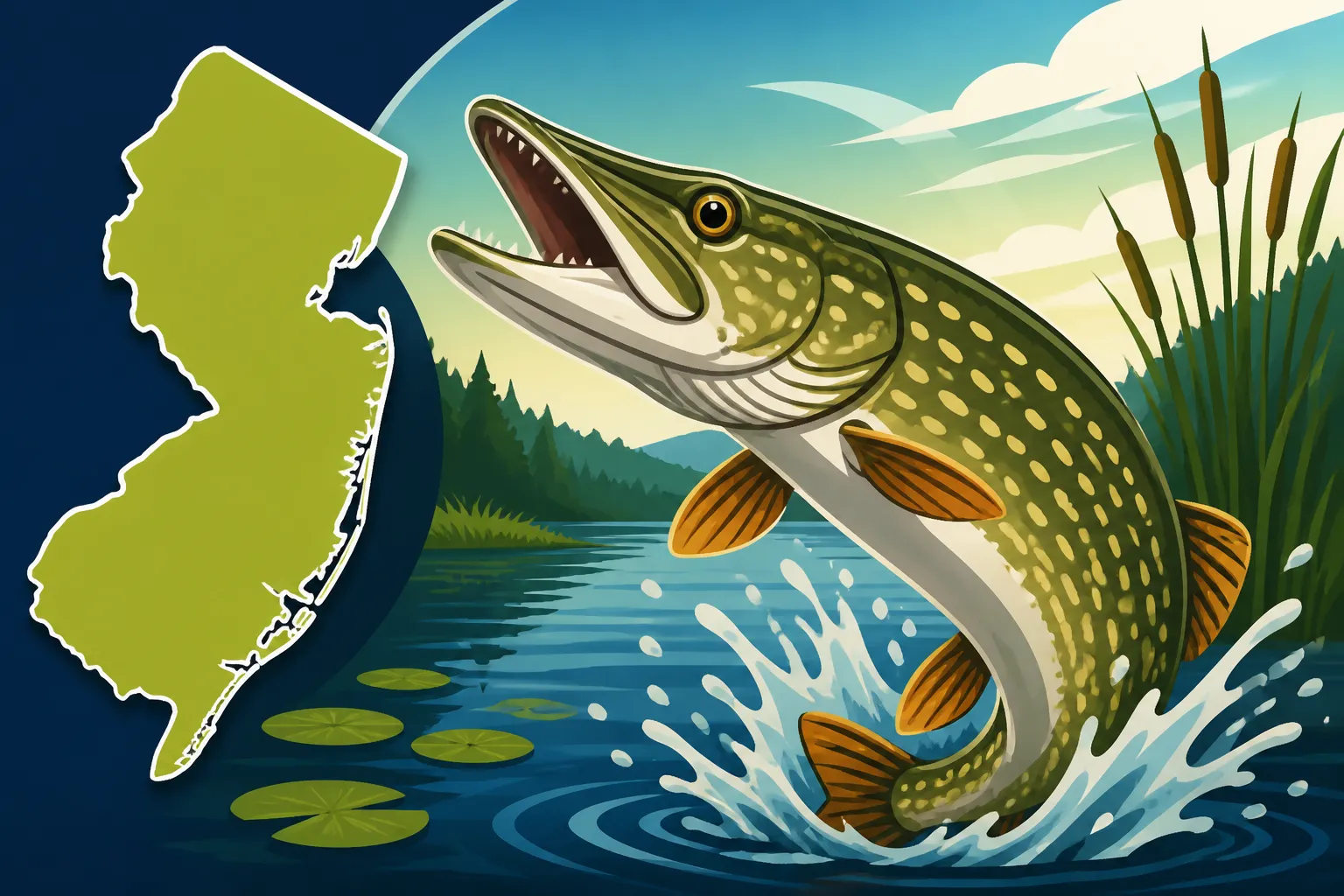
New Jersey Northern Pike Waters
Northern Pike in New Jersey – just saying the name conjures images of powerful, toothy predators lurking in the weeds. For many anglers, the idea of hooking into one of these freshwater giants is a dream, but the reality can often be a frustrating pursuit. This guide aims to demystify northern pike fishing in the Garden State, sharing insights into where to find them, what gear works best, and how to improve your chances of landing one of these elusive fish.
Understanding New Jersey's Northern Pike Scene
Northern pike are truly a unique species in New Jersey's freshwater ecosystems. They bring an exciting challenge that's quite different from chasing bass or trout, and understanding their place in the state's angling landscape is the first step toward success.
The Elusive Nature of New Jersey Pike
Let's be honest, northern pike aren't as common or as widely distributed across New Jersey as, say, largemouth bass or various panfish. This contributes to their almost mythical status among some anglers. You won't find them in every pond or small stream; they require specific habitat conditions, primarily cooler, well-oxygenated water with plenty of weed cover. This can make them feel incredibly elusive, leading to many a fruitless trip for those who aren't familiar with their preferred haunts. But it's this challenge that makes landing a New Jersey pike such a rewarding experience – it's a testament to patience, persistence, and local knowledge. They are often seen as a trophy fish, a true predator at the top of the freshwater food chain, which commands respect and a dedicated approach.
Their predatory nature also means they don't school up like panfish or certain bass species. Often, you're targeting individual fish, or small pockets of them, in their chosen ambush spots. This requires a different mindset; it's less about finding a school and more about methodically working through prime habitat, making precise casts, and understanding subtle cues. For someone used to more active bites, the quiet, focused hunt for pike can be a shift, but one that truly deepens your appreciation for the art of fishing.
General Habitat and Behavior
Northern pike are ambush predators, and their behavior is heavily influenced by their environment. They thrive in waters that offer a good balance of open hunting lanes and dense cover. Think slow-moving rivers, large lakes, and reservoirs with extensive weed beds, lily pads, submerged timber, and drop-offs. These structures provide the perfect camouflage for a pike to lie in wait, ready to dart out and strike unsuspecting prey. They particularly love areas where shallow, weedy flats meet deeper channels or sharp breaks. This allows them to quickly retreat to cooler, deeper water if needed, but also to patrol the warmer, food-rich shallows.
Their diet primarily consists of other fish, but they aren't picky and will strike at frogs, ducks, and even small mammals that venture too close to the water's edge. This opportunistic feeding behavior is why a wide variety of lures and baits can be effective. Pike are also known to be more active in cooler water temperatures, which means spring and fall are often peak seasons for targeting them, though they can certainly be caught year-round, including through the ice. During warmer summer months, they tend to retreat to deeper, cooler sections of lakes and reservoirs, often still clinging to structure or the edges of deep weed lines, making them a bit harder to reach. When winter sets in, and the ice covers the lakes, pike remain active, often found along drop-offs or near submerged humps and points, making them a prime target for ice anglers.
Prime Northern Pike Waters in New Jersey
When you're chasing northern pike in New Jersey, you really need to know where to focus your efforts. These aren't fish you'll find just anywhere. They have specific preferences, and a few key bodies of water across the state stand out as consistent producers.
Northern New Jersey Hotspots
The northern reaches of the state, with their larger, deeper, and often cooler water bodies, are traditionally where New Jersey pike fishing truly shines. These lakes and reservoirs provide the ideal blend of habitat and forage for these freshwater heavyweights.
Lake Hopatcong
Lake Hopatcong, New Jersey's largest freshwater lake, is arguably the most famous northern pike destination in the state. It's a vast body of water, covering over 2,500 acres, and offers everything a pike could want: extensive weed beds, rocky points, deep channels, and plenty of baitfish. Anglers consistently report good pike action here, particularly in the spring and fall. Look for them holding tight to weed lines, especially around deeper pockets, or ambushing prey near submerged structures. You'll find success working the edges of thick vegetation in Jefferson and Roxbury Townships, as well as the deeper main lake basins. Don't be afraid to explore some of the shallower coves and bays in the spring, as pike will move into these areas to spawn and feed aggressively. When fishing Lake Hopatcong, remember that patience and covering water are key. Lake Hopatcong Bass Fishing Hotspots can give you an idea of the lake's layout, even if your target is different.
While the lake offers excellent boat access, shore anglers can still find opportunities, especially in public access areas like the state park or various municipal docks and parks. However, to really unlock the lake's pike potential, a boat allows you to reach those prime, expansive weed beds and deeper structures that these fish call home. Many local anglers prefer early morning or late evening hours, especially during the warmer months, as pike can become more active during these cooler periods. The sheer size and diversity of habitat in Lake Hopatcong mean that a dedicated angler could spend years exploring its waters and still find new, productive spots.
Greenwood Lake
Straddling the border of New Jersey and New York, Greenwood Lake is another phenomenal spot for northern pike. This long, narrow lake offers a different kind of challenge and a different kind of beauty. Its abundant weed growth, particularly along its shallower edges and in its numerous coves, creates perfect ambush points for pike. Anglers often target the areas around the deeper main channel and the mouths of feeder creeks, where baitfish congregate. The New Jersey side, particularly around Hewitt and West Milford, offers excellent access and some very productive pike grounds. Similar to Lake Hopatcong, the spring and fall see increased activity, but ice fishing for pike on Greenwood Lake can also be incredibly rewarding. Greenwood Lake Fishing Guide provides a broader overview of this popular lake.
Greenwood Lake's unique shape and variable depths, combined with its heavy vegetation, make it a true pike paradise. It's a lake where understanding contour maps and identifying the subtle shifts in depth along weed lines can really pay off. Early spring, as the ice recedes and water temperatures slowly climb, pike can often be found in relatively shallow water, basking and feeding after the long winter. As summer progresses, they'll pull back to the deeper, cooler sections, but will still make forays into the weeds during low-light conditions. Many local guides specifically offer pike trips on Greenwood, highlighting its reputation for producing quality fish.
Monksville Reservoir
Monksville Reservoir, nestled in Passaic County, is perhaps lesser-known for its pike than the other two, but it still holds a respectable population and offers excellent opportunities, especially for those seeking a quieter experience. Primarily known for its trophy trout and smallmouth bass, Monksville's clear, deep waters also contain hungry northern pike. The key here is to target the weed beds and submerged structures that are less prominent but still exist, particularly in the northern arm of the reservoir. Pike in Monksville often relate to the edges of the limited weed growth and the drop-offs that lead to deeper water.
The reservoir's restrictive regulations regarding motorboats (electric motors only) mean a much calmer fishing experience, which can be a real plus for anglers who prefer peace and quiet. This also means you'll need to be more strategic in how you cover water, relying on precise casts and thorough exploration of known pike hangouts. While the pike here might not be as numerous as in Lake Hopatcong, the size potential is definitely there, and the challenge of finding them in such clear water can be incredibly satisfying. Monksville Reservoir Fishing Guide is a great resource if you're planning a trip to this beautiful, tranquil spot.
Central and Southern New Jersey Opportunities
While northern New Jersey tends to dominate the pike conversation, there are definitely some worthwhile spots further south that shouldn't be overlooked. These areas might offer fewer fish, but the pike present can still be impressive.
Spruce Run Reservoir
Located in Hunterdon County, Spruce Run Reservoir is another large impoundment that offers consistent northern pike fishing. While it's perhaps better known for its excellent hybrid striped bass and abundant crappie populations, the pike here are often overshadowed but are certainly present and can reach impressive sizes. Spruce Run has a good mix of open water, points, submerged humps, and a decent amount of weed growth in its shallower coves, all providing prime habitat for pike. Focus your efforts on the larger coves and bays, particularly those with extensive vegetation, as well as along the deeper points and creek channels.
Like many New Jersey reservoirs, spring and fall are typically the most productive times, as pike are more active in the cooler water. During the summer, they'll often retreat to the reservoir's deeper sections, though they might move into the shallows during low-light conditions to feed. Shore access is available, but a boat will give you a significant advantage in covering the most productive areas. Being one of the larger inland lakes in the central part of the state, Spruce Run offers a great option for anglers who don't want to travel all the way north. Spruce Run Reservoir Fishing Guide offers more general information on fishing this versatile body of water.
Select Wildlife Management Area Ponds
Beyond the major lakes and reservoirs, several smaller ponds within New Jersey's Wildlife Management Areas (WMAs) are occasionally stocked or have naturally occurring populations of northern pike. These can be incredible hidden gems, offering a more intimate fishing experience away from the crowds. However, identifying specific WMA ponds with reliable pike populations can be a challenge, as stocking efforts vary, and populations might fluctuate. The key here is local knowledge and diligent research. The New Jersey Fish and Wildlife Digest, which you can consult for Reading the New Jersey Fish and Wildlife Digest, often provides general information about fish species present in various public waters.
These smaller, often shallower ponds might not hold the massive pike that the larger lakes do, but they can still provide exciting action, especially for anglers looking for a different kind of challenge. Access is often easier for kayak or canoe anglers, as many of these ponds have limited boat ramps suitable only for car-top launches. The habitat in WMA ponds often includes dense lily pads, submerged timber, and heavy weed growth, making them ideal ambush grounds. Patience and precise lure placement are crucial in these tighter quarters. Always check the specific regulations for any WMA pond before you go, as rules can vary regarding bait, tackle, and access.
Essential Gear and Techniques for New Jersey Pike
When it comes to northern pike, you can't just show up with your ultralight panfish rod and expect to succeed. These are powerful, toothy fish that demand appropriate gear and a tactical approach. Investing in the right equipment isn't just about catching fish; it's about doing so effectively and safely for both you and the fish.
Rods, Reels, and Line for Pike
Pike are known for their explosive strikes and powerful runs, so your tackle needs to be robust. For rods, you'll want a medium-heavy to heavy power rod, typically in the 7 to 8-foot range. This length provides the leverage needed to cast larger lures and to muscle a big pike out of heavy cover. A fast action tip will give you the sensitivity to feel subtle bites and the backbone to set the hook firmly into their bony mouths. For reels, a sturdy baitcasting reel is often preferred for its power and control, especially when using heavier lines and lures. Look for one with a smooth drag system and a high line capacity. Spinning reels can work too, especially for lighter pike presentations, but ensure it's a larger, more robust model.
When it comes to line, braided line is a popular choice for pike anglers. Its low stretch provides excellent sensitivity and powerful hook sets, and its strength-to-diameter ratio means you can use a relatively thin line with high breaking strength (30-50 lb test is common). Fluorocarbon or monofilament can also be used, typically in the 15-25 lb range, but braided line generally offers superior performance for pike. Most importantly, regardless of your main line choice, you must use a leader. Pike have incredibly sharp teeth that can easily slice through standard fishing line. A steel, fluorocarbon, or titanium leader of 6-12 inches, with a breaking strength of at least 30 lbs, is absolutely essential. You can find a good selection of these leaders, along with appropriate braided line, on platforms like Amazon, ensuring you're prepared for those razor-sharp teeth. Without a proper leader, you're almost guaranteed to lose fish and lures.
Lures and Baits That Entice Pike
Pike are opportunistic predators, so a variety of lures and baits can trigger a strike. The key is to present something that mimics their natural prey or provokes an aggressive reaction.
- Spinnerbaits: Large spinnerbaits with big blades create a lot of flash and vibration, making them highly visible and attractive to pike, especially when retrieved through weed beds. Chartreuse, white, and black are popular colors.
- Spoons: Classic metal spoons, like Johnson Silver Minnows or Daredevils, have been pike producers for decades. Their wobbling action imitates injured baitfish, and their flash is irresistible. Sizes from 3/4 oz to 1.5 oz are common.
- Jerkbaits and Swimbaits: Larger jerkbaits (5-8 inches) that suspend or slowly rise can be incredibly effective, especially when worked with a twitch-pause retrieve. Big soft plastic swimbaits, rigged on heavy jig heads, also mimic larger baitfish.
- Topwater Lures: During warmer months, especially around lily pads or heavy cover, topwater lures like walk-the-dog baits or large poppers can elicit explosive and heart-stopping strikes.
- Live Bait: For many traditional pike anglers, nothing beats live bait. Large shiners, suckers, or even small perch (where legal) rigged under a float or on a quick-strike rig can be deadly. However, always double-check New Jersey Freshwater Fishing Regulations Every Angler Should Know regarding baitfish species and usage rules. Dead bait, especially oily fish like mackerel or smelt, can also be very effective, especially for ice fishing or when fishing on the bottom in colder water.
When selecting lures, remember that pike aren't shy about attacking something big. Don't be afraid to throw larger presentations. And when you find something that works, consider stocking up on a few extras, perhaps from a reliable online retailer like Amazon, because pike strikes can be brutal on lures.
Seasonal Strategies and Best Times to Fish
Understanding pike behavior throughout the year is crucial for consistent success.
- Spring: As the ice melts and water temperatures rise into the 40s and 50s, pike become very active, moving into shallower areas to spawn and feed aggressively. This is an excellent time to target them with spinnerbaits, spoons, and live bait in bays, coves, and shallow weed flats.
- Summer: During the heat of summer, pike often retreat to deeper, cooler water, typically clinging to the edges of deep weed lines, submerged humps, or thermal stratification layers. Early morning and late evening, or overcast days, are often the most productive. Focus on deeper presentations with large swimbaits, jigging spoons, or trolling large crankbaits along these deeper structures.
- Fall: This is arguably the best time for trophy pike in New Jersey. As water temperatures drop and pike bulk up for winter, they become incredibly active and feed heavily. They can be found shallower again, often along main lake points, rocky structures, and the remaining green weed beds. Large jerkbaits, big bucktails, and live suckers are top producers. The New Jersey Fishing License Guide for 2026 will cover the necessary permits for all seasons.
- Winter (Ice Fishing): Pike remain active under the ice. Focus on areas with good structure: points, humps, and the edges of deep basins. Tip-ups rigged with large live or dead bait (like shiners, suckers, or mackerel) are standard. Jigs tipped with bait can also work. Remember to prioritize How to Ice Fish in New Jersey safely, always checking ice thickness.
| Season | Prime Locations | Preferred Lures/Baits | Key Strategy |
|---|---|---|---|
| Spring | Shallow coves, weed flats, spawning areas | Spinnerbaits, spoons, jerkbaits, live shiners | Target shallow, warming water; aggressive retrieves. |
| Summer | Deep weed edges, submerged humps, thermalcline | Large swimbaits, jigging spoons, deep crankbaits | Fish deeper water during midday; low-light shallows. |
| Fall | Main lake points, rock piles, remaining green weeds | Large jerkbaits, bucktails, big live suckers | Focus on feeding frenzies; cover lots of water. |
| Winter | Deep points, humps, edges of deep basins | Large live/dead bait on tip-ups, jigging spoons | Identify structure under ice; slow, methodical presentations. |
Navigating Regulations and Conservation
Fishing for northern pike in New Jersey isn't just about finding the fish and having the right gear; it's also about understanding and respecting the rules. Responsible angling, especially for a predator species like pike, is crucial for maintaining healthy populations.
Understanding Pike Size and Bag Limits
Like all game fish in New Jersey, northern pike are subject to specific size and bag limits set by the state. These regulations are designed to ensure sustainable populations, allowing fish to reach maturity and reproduce before they are harvested. For pike, these limits usually involve a minimum length and a maximum number of fish you can keep per day. It's imperative that every angler consults the most current New Jersey Fish and Wildlife Digest before heading out. This digest is your bible for all things regulatory, and it will clearly outline the specific rules for northern pike, which can sometimes be subject to change. How Bag and Size Limits Work in New Jersey explains the general principles behind these important regulations.
Failing to adhere to these regulations can result in fines and penalties, but more importantly, it undermines conservation efforts. Always measure your fish carefully immediately upon catching it. If it doesn't meet the minimum size or if you've already reached your daily bag limit, it needs to be released as quickly and gently as possible. Having a readily accessible measuring device on your boat or in your tackle bag is a smart move. Remember, these regulations are in place to protect the future of New Jersey's pike fishery, ensuring that future generations of anglers can also experience the thrill of catching these magnificent fish.
Best Practices for Catch and Release
Northern pike are powerful, but they can also be surprisingly delicate, especially in their handling. If you plan to release a pike, which is highly encouraged for conservation, proper catch and release techniques are paramount. Their size, combined with their sharp teeth and powerful jaws, means you need specialized tools and a careful approach. First and foremost, minimize the time the fish is out of the water. Pike are susceptible to stress, and prolonged air exposure can be detrimental.
Here’s a quick rundown of best practices:
- Use a Net: A large, rubberized landing net is ideal. The rubber coating protects the fish's slime coat, which is vital for its health, and prevents hooks from getting tangled.
- Tools are Essential: Do not try to reach into a pike's mouth with bare hands. You need long-nosed pliers or forceps (at least 11 inches) to safely remove hooks. A jaw spreader can also be invaluable, especially for larger fish, to keep their mouth open and protect your fingers while you work. You can find these essential tools easily on Amazon.
- Support the Fish: When holding a pike for a quick photo, support its body horizontally with one hand under its belly and the other gripping the base of its head (behind the gills, being careful not to touch the gills themselves). Never hold a large pike vertically by its jaw, as this can severely damage its spine and internal organs.
- Quick Release: Once the hook is removed and any photos are taken, gently place the pike back into the water. If it seems disoriented, hold it upright by the tail in the water, facing into a gentle current if possible, until it kicks strongly and swims away on its own.
- Barbless Hooks: Consider crimping down the barbs on your hooks. This makes hook removal much easier and reduces damage to the fish, allowing for a quicker, safer release.
By following these practices, you significantly increase the chances of a released pike surviving and thriving, contributing to a healthier fishery for everyone. This dedication to conservation is a hallmark of truly responsible angling. For those interested in muskellunge, a close relative of the pike, the same conservation principles apply, as discussed in New Jersey Muskellunge Waters.
Challenges and Rewards of Pike Fishing
Pike fishing isn't always easy. It presents its own unique set of challenges that can test an angler's patience and skill. However, for those who persevere, the rewards are often far greater than just a successful catch.
Common Frustrations and How to Overcome Them
Oh, the frustrations of pike fishing! We've all been there. You spend hours casting, meticulously working through prime habitat, and nothing. Or worse, you get an explosive strike, a thrilling fight, and then… the line goes slack, a result of those razor-sharp teeth or a thrown hook. Pike can be incredibly finicky sometimes. They might follow your lure right to the boat, stare at it, and then simply turn away. Or they might hit with such ferocity that you miss the hookset entirely. It can be disheartening, especially after hearing stories of their aggressive nature.
Overcoming these frustrations often comes down to a few key things:
- Patience and Persistence: Pike fishing is rarely a numbers game. It's about making a lot of casts to the right spots and waiting for that one aggressive fish to commit. Don't get discouraged by a slow bite.
- Change It Up: If a certain lure or retrieve isn't working, don't be afraid to switch. Try different sizes, colors, and retrieve speeds. Vary your retrieve from fast and erratic to slow and methodical. Sometimes a subtle change is all it takes to trigger a strike.
- Location, Location, Location: If a spot isn't producing, move on. Pike are ambush predators, and if they're not in their ambush spot, you won't catch them there. Use electronics if you have them, or rely on maps and known structure to find new potential areas.
- Check Your Leader: After any strike, even a missed one, check your leader for nicks or frays. Those teeth are no joke, and a compromised leader is a recipe for losing your next fish. Always carry extra leaders.
- Sharpen Your Hooks: Pike have tough mouths. Make sure your hooks are needle-sharp to ensure a solid hookset. A small hook sharpener is a vital tool to have.
By embracing the challenge and adapting your approach, you'll find that these frustrations slowly give way to more consistent success and a deeper understanding of these magnificent fish.
The Thrill of Landing a New Jersey Pike
Despite the challenges, the moment you feel that definitive strike of a northern pike, all those frustrations melt away. It's an unforgettable experience. They hit hard, often with a violent head shake, and then take off on powerful, drag-screaming runs. The fight is typically aggressive and often includes aerial leaps or strong dives back into cover, forcing you to maintain control and keep the pressure on. There’s a raw power to a pike that makes every landed fish feel like a significant accomplishment.
And then there's the fish itself. A freshly caught northern pike is a sight to behold. Their elongated, torpedo-shaped bodies, often adorned with beautiful patterns of olive green, yellow, and white spots, are truly striking. Their formidable jaws, lined with hundreds of needle-sharp teeth, are a testament to their predatory prowess. Holding a sizable New Jersey pike in your hands – feeling its weight and seeing its fierce beauty up close – is a moment of pure angling triumph. It's the kind of experience that keeps you coming back, year after year, enduring the slow days for the chance at that one explosive encounter. It's why anglers dedicate so much time and effort, and why the pursuit of the state record, detailed in What is the New Jersey Pike State Record?, continues to drive passionate pike hunters. The memory of that fight, the vivid colors, and the sheer power of the fish are etched into your memory, making all the effort worthwhile.
Disclaimer
This article is for general informational purposes only and does not constitute professional advice. Laws, prices and regulations vary by location and change over time. Consult a qualified professional for guidance on your specific situation.