What Is the New Jersey Fluke State Record?
Every angler who's ever cast a line in New Jersey's coastal waters dreams of that one legendary catch, the fish that makes jaws drop and stories echo for generations. But when it comes to fluke, many of us wonder about the absolute pinnacle: what's the biggest one ever caught in our state? This guide is going to take a deep dive into the New Jersey fluke state record, exploring the angler who made history, the incredible fish itself, and what it takes to even dream of joining such an elite club.
The Thrill of the Chase: What Defines a State Record Fluke?
There's something uniquely exhilarating about chasing a state record. It's not just about catching a big fish; it's about connecting with a moment in history, a testament to skill, persistence, and a little bit of luck. For fluke anglers in New Jersey, the state record represents the ultimate achievement, a benchmark of what's possible in our abundant waters. It sets the standard for every other catch and keeps the dream alive for countless fishermen and women.
New Jersey's Legendary Fluke Record Holder
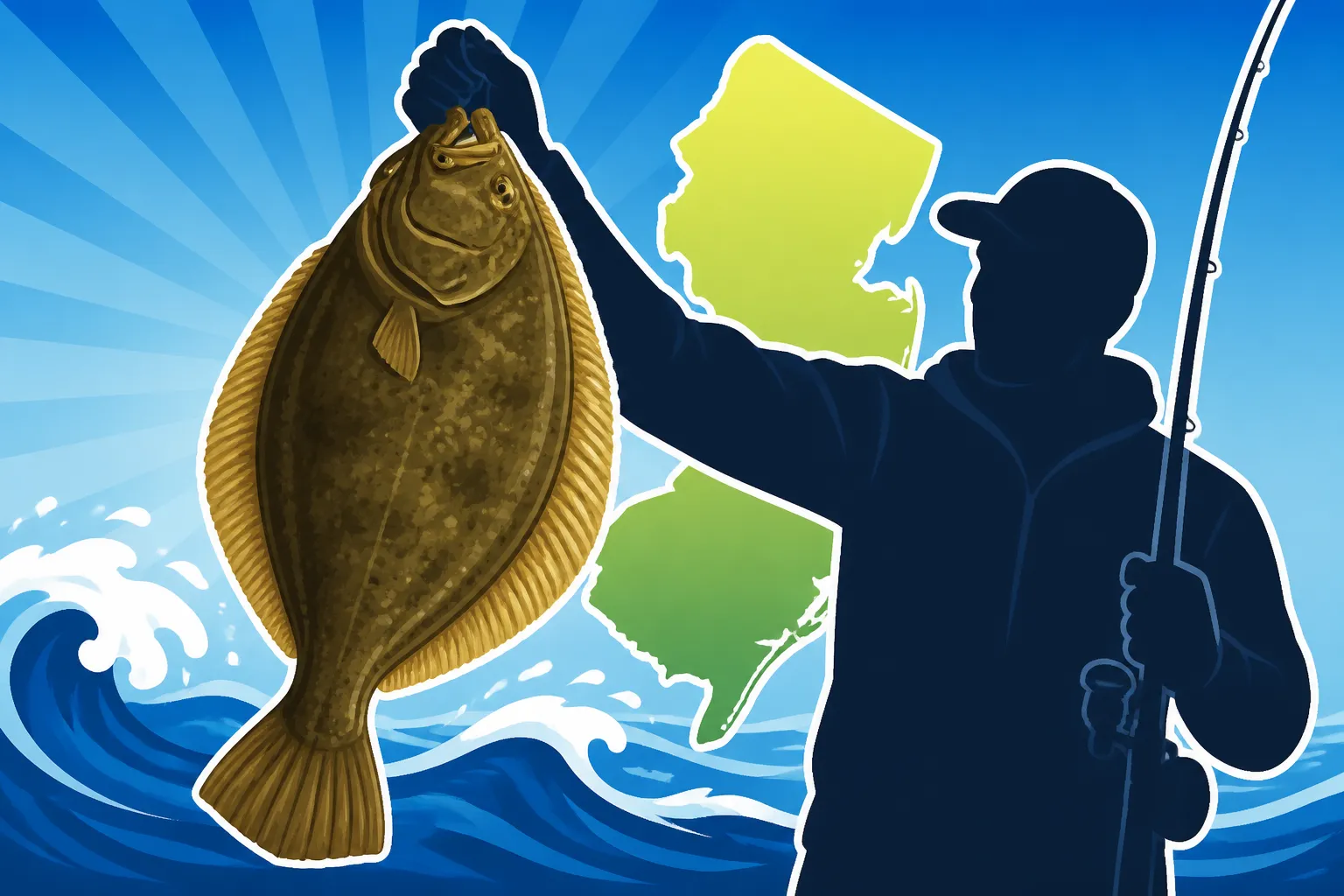
The title of New Jersey's state record fluke belongs to a remarkable fish weighing in at a staggering 19 pounds, 12 ounces. This colossal flatfish was caught by angler Ronald K. Westerfield way back on August 23, 1995. Imagine pulling a fish almost twenty pounds out of the water – that's a true monster in the world of fluke! This wasn't just a big fluke; it was an absolute leviathan, a fish that most anglers would only ever see in their wildest dreams or perhaps mounted on a wall. It underscores the incredible potential of New Jersey's fluke population and the thrill of the unexpected. The sheer size of this particular fluke still inspires awe and serves as a powerful reminder that truly enormous fish are out there, swimming in our very own bays and ocean waters. It’s a record that has stood the test of time, proving just how special that particular catch was.
The Rigorous Process of Record Certification
Catching a potential state record isn't just about the fight; it's also about following a strict protocol to ensure your incredible catch is officially recognized. The New Jersey Division of Fish and Wildlife takes record keeping very seriously, and for good reason—it maintains the integrity of these prestigious titles. If you think you've landed a fish that could be a contender, your journey has only just begun.
First, the fish must be weighed on a certified scale, typically found at a local tackle shop or marina that has been approved for official weigh-ins. This isn't just any bathroom scale; it needs to be calibrated and verifiable. Next, the species identification needs to be confirmed by a qualified biologist from the Division of Fish and Wildlife. This is crucial because, while most of us can tell a fluke from a flounder, subtle distinctions can matter in official record keeping, especially with Fluke vs Summer Flounder: Is There a Difference?. You'll also need witnesses to attest to the catch, the weighing, and the general circumstances. Details matter: the type of tackle used (it must be caught on a rod and reel, using accepted angling methods, no snagging), the location, and the date are all recorded. It's a meticulous process designed to leave no doubt about the authenticity of the record. This strict verification process not only protects the honor of past record holders but also ensures that any future records are truly legitimate, giving every angler a fair shot at the history books.
Unpacking the Legend: The Story Behind the Fluke Record
Every state record has a story, a confluence of circumstance, skill, and sheer luck that leads to that one unforgettable moment. Ronald Westerfield's 19-pound, 12-ounce fluke is no exception, a legendary tale in New Jersey angling circles that continues to fascinate. It wasn't just the size of the fish, but the setting and the method that add to its mystique.
Where and When the Record Fluke Was Caught
Ronald Westerfield's monumental fluke was caught in the waters of the Delaware Bay in 1995. The Delaware Bay is renowned for its rich ecosystem and ability to produce trophy-sized fish, including some truly impressive fluke. This immense body of water, with its complex currents, varying depths, and abundant baitfish, offers ideal conditions for fluke to grow to an astonishing size. The specific date, August 23rd, 1995, falls squarely within the prime fluke season in New Jersey, a time when these bottom dwellers are actively feeding and can be found in deeper channels and along structure. While August might seem like the dog days of summer, it’s often when the biggest fluke are caught as they fatten up. Understanding New Jersey Fluke Season Start Date and New Jersey Fluke Season End Date is crucial, but knowing that late summer can yield giants adds an extra layer of excitement to your fishing plans. Conditions like tide, water temperature, and bait availability likely converged to allow such a massive fish to not only thrive but also to be in the right place at the right time.
The Tackle and Techniques That Landed a Giant
Details about the exact tackle used by Ronald Westerfield are a bit like fishing folklore, often debated and discussed among seasoned anglers. However, it's widely accepted that landing a fluke of nearly 20 pounds requires robust gear and a well-practiced hand. While the specifics of Westerfield's setup might be lost to time, we can infer that he was likely using heavy-duty conventional tackle, probably a stout rod paired with a reel capable of handling a powerful fight. The line would have been strong, likely monofilament or perhaps one of the newer braided lines that were just gaining popularity in the mid-90s, offering enough breaking strength to endure the pulling power of such a massive fish.
For bait, large fluke are often enticed by substantial offerings. While bucktails are incredibly effective, a huge fluke might also respond to large live baits such as snapper blues, porgies, or even legal-sized smaller fluke, or substantial strips of squid or cut bait. The technique would almost certainly have involved deep water drifting, a common method for targeting larger fluke, allowing the bait to cover ground and attract the attention of bigger fish hugging the bottom structure in the Delaware Bay. Knowing How to Drift Fish for Fluke with precision and patience is key. Having strong, reliable fishing line and a reel with a smooth drag system, which you can always find a great selection of on Amazon, would have been absolutely critical to prevent such a powerful fish from breaking off. It's a testament to the angler's skill and the quality of his gear that he was able to successfully battle and land such a monumental catch.
Chasing Your Own Personal Best: Tips for Landing a Trophy Fluke
The thought of catching a fluke even half the size of the state record is enough to get any angler's heart pumping. While breaking Ronald Westerfield's record is an incredibly tall order, setting your own personal best and landing a trophy fluke is an achievable goal for dedicated anglers. It requires understanding where these big fish live, what they eat, and how to present your offering effectively.
Identifying Prime Fluke Habitats in New Jersey
To catch a big fluke, you need to think like a big fluke. These flatfish are ambush predators that prefer to lie in wait, camouflaged on the bottom, ready to strike unsuspecting prey. In New Jersey, prime habitats for trophy fluke are almost always associated with structure, current, and deeper water.
Look for areas with significant bottom changes:
- Deep Channels and Drops: As tides move, baitfish are funneled through these deeper paths, and fluke will position themselves along the edges or in the deepest parts to ambush.
- Wrecks and Reefs: Artificial reefs, natural rockpiles, and sunken wrecks are magnets for baitfish and, consequently, large predators like fluke. The broken terrain offers perfect ambush points. Check out a guide on New Jersey Artificial Reef Fishing Guide for specific locations.
- Inlet Edges and Estuaries: Areas where strong currents meet calmer water, or where bays merge with the ocean, create turbulent zones that churn up bait and provide excellent feeding grounds.
- Rough Bottom: While not always comfortable to fish, areas with shell beds, gravel, or patchy rocks often hold bigger fluke than flat, sandy bottoms.
When drifting, pay close attention to your fish finder if you have one, or even the subtle changes in feel through your line. Big fluke often hug tight to these structures, and a momentary snag or change in bottom texture can indicate you're in a prime zone. Don't forget that understanding New Jersey Fluke Size and Bag Limits Explained is part of the game – you want to know if that trophy is also a keeper!
Advanced Techniques for Targeting Bigger Fluke
While many techniques will catch fluke, targeting truly large ones often requires a refined approach. Forget the small rigs and tiny baits if you're seriously hunting for a personal best.
- Go Big with Bait: Larger fluke prefer a more substantial meal. Instead of small strips of squid, try whole squid, large killifish, spearing, or even small snapper blues. The debate between Gulp Bait vs Live Bait for Fluke Fishing is fierce, but for truly big fluke, live bait often has an edge. However, large Gulp! Swimming Mullets or Grubs can also be incredibly effective.
- Heavy Bucktails and Jigs: Don't be afraid to use heavier bucktails (1.5 oz to 4 oz, or even more in strong currents or deep water). Tip them with a large strip of bait or a substantial soft plastic trailer. The increased weight allows you to stay on the bottom in strong currents where big fluke lurk.
- Slow and Low: Big fluke are often more deliberate. Drifting slowly and keeping your bait or lure constantly in contact with the bottom is paramount. They won't chase a bait skipping high off the bottom.
- Target Specific Tides: Often, the beginning or end of a strong current (slack tide) can be excellent, as the fish can feed more easily. However, moving water is generally better for fluke, as it brings bait to them.
- Patience and Persistence: You might not get as many bites with larger presentations, but the bites you do get are more likely to be from bigger fish.
Having a good selection of heavier bucktails and quality fluorocarbon leader, which you can easily browse and purchase from online retailers like Amazon, can make a real difference in your success. Remember, being able to accurately identify How to Tell If a Fluke Is Legal Size when you do catch a big one is crucial for responsible angling.
Understanding Regulations and Responsible Angling
Chasing trophy fluke is exciting, but it's vital to do so responsibly and within the law. The New Jersey Division of Fish and Wildlife sets specific regulations for fluke (also known as summer flounder) to ensure the health of the fishery. These regulations can change year to year based on stock assessments, so it's always important to consult the most current New Jersey Fish and Wildlife Digest before heading out.
Key regulations to be aware of include:
- Size Limits: There's a minimum length a fluke must be to be considered a legal keeper. This often varies slightly depending on whether you're fishing in the ocean or in certain bays like Delaware Bay. For instance, the ocean New Jersey Fluke Size Limit: 18 Inches is a well-known benchmark.
- Bag Limits: This refers to the maximum number of fluke you are allowed to keep per person, per day. These limits are put in place to prevent overfishing and help sustain the population for future generations. Understanding New Jersey Fluke Bag Limit Explained is just as important as knowing the size.
- Season Dates: Fluke fishing isn't open year-round. There are specific start and end dates for the season, which dictate when you can legally target and keep these fish.
Beyond the letter of the law, responsible angling also involves ethical practices. If you're not planning to keep a fish for the table, practice proper catch-and-release techniques to ensure the fish's survival. This is especially true for very large breeding females, which are crucial for the future of the fluke population. Knowing How Bag and Size Limits Work in New Jersey isn't just about avoiding penalties; it's about being a good steward of our natural resources.
More Than Just the Record: The Joy of Fluke Fishing in New Jersey
While the pursuit of a state record or even a personal best is a powerful motivator, the joy of fluke fishing in New Jersey extends far beyond the numbers on a scale. It's an experience woven into the fabric of summer on the Jersey Shore, a beloved tradition for families and seasoned anglers alike.
Why Fluke Are a Beloved Species for New Jersey Anglers
Fluke hold a special place in the hearts of New Jersey fishermen for several compelling reasons. First, they are incredibly accessible. Whether you're fishing from a boat in the back bays, drifting offshore on a party boat, or even casting from some piers and jetties, there's a good chance you can connect with a fluke. This accessibility makes it a fantastic species for beginners and seasoned pros alike.
Second, they are a delight to eat. Their delicate, flaky white meat is prized by chefs and home cooks, making them a top target for anglers looking to put fresh seafood on the dinner table. The satisfaction of catching your own meal, especially a delicious one like fluke, is undeniable.
Finally, fluke offer a fun and challenging fight. While not known for acrobatic leaps, a large fluke can put a serious bend in your rod and test your drag with powerful runs along the bottom. The anticipation of the bite, the sharp tap-tap-tap, and the ensuing battle make every catch an exciting experience. It's a species that provides endless hours of enjoyment, making it a cornerstone of the New Jersey fishing scene.
Contributing to Conservation and Future Generations
Our ability to enjoy fluke fishing today and for years to come relies heavily on thoughtful conservation efforts. Every angler plays a role in sustaining this valuable resource. Adhering to size and bag limits helps protect the breeding stock and ensures that enough fish can reproduce to maintain a healthy population. Releasing smaller fish, or those you don't intend to eat, with care and respect, contributes significantly to future generations of fluke.
Sometimes, state agencies like the New Jersey Division of Fish and Wildlife conduct surveys, and if you're contacted for something like the New Jersey Recreational Fishing Survey: Why You Might Get a Call, participating is a great way to help provide data that informs management decisions. By being mindful of our impact, staying informed about regulations, and practicing ethical angling, we can all contribute to the long-term health of New Jersey's fluke fishery, ensuring that the thrill of the chase, and the possibility of another record-breaking catch, remains for years to come.
Fluke Fishing Checklist for Trophy Anglers
| Item | Purpose | Considerations |
|---|---|---|
| Heavy Rod | Power for big fish, leverage for heavy jigs | Fast action, medium-heavy to heavy power |
| Robust Reel | Smooth drag, strong retrieve | Conventional or heavy spinning, good line capacity |
| Strong Line | Withstand powerful runs, abrasion resistance | Braided line (20-40 lb test) with fluorocarbon leader (30-50 lb test) |
| Large Baits | Attract bigger fluke, substantial meal | Whole squid, live killifish, snapper blues, large Gulp! Swimming Mullets |
| Heavy Bucktails | Stay on bottom in current, trigger aggressive strikes | 1.5 oz – 4 oz+ depending on depth and current |
| Drift Rigs | Present bait naturally, cover ground | Snelled hooks, three-way swivels, appropriate sinker weight |
| Fish Finder | Locate structure, identify deep channels | Helps pinpoint areas where big fluke hide |
| Net or Gaff | Secure large fish boat-side | Rubberized net for catch and release, gaff for keeper records (know regulations) |
| Measuring Device | Verify legal size immediately | Official measuring board or tape, accurate and easy to read |
| Cooler with Ice | Preserve catch quality for consumption or weigh-in | Keep fish fresh, especially important for record contenders |
Disclaimer
This article is for general informational purposes only and does not constitute professional advice. Laws, prices and regulations vary by location and change over time. Consult a qualified professional for guidance on your specific situation.