What Is a Trophy Trout Lake in New Jersey?
Many anglers dream of battling a truly massive trout, a fish that tests your skill and your tackle to its limits, rather than just pulling in a few pan-sized stockers. In New Jersey, finding these elusive giants requires knowing where to look and understanding what makes certain waters stand out. This guide will dive deep into what defines a "trophy trout lake" in our state, highlight the prime locations, and equip you with the knowledge to pursue these magnificent fish.
Understanding the Concept of a Trophy Trout Lake in New Jersey
When you hear "trout fishing" in New Jersey, often the first image that comes to mind is a freshly stocked stream or a local pond brimming with eager rainbow trout. While these opportunities are fantastic for a fun day out or introducing new anglers to the sport, a "trophy trout lake" is an entirely different beast. These aren't just places where the state dumps a few extra-large fish; they are environments specifically managed to produce and sustain trout of exceptional size and often, significant age.
More Than Just Size: Defining "Trophy"
A trophy trout isn't simply a big fish. It's a fish that has grown beyond the average, often reaching lengths and weights that make it truly memorable. In New Jersey, this typically means a trout well over 20 inches, with some exceeding 30 inches and weighing into the double digits. These fish didn't get that big by accident; their growth is a direct result of specific management practices and unique environmental conditions. The state actively promotes and maintains these fisheries, understanding that a dedicated segment of the angling community seeks out these larger, more challenging catches. It's about the pursuit of a genuinely impressive specimen, one that might only come along after many hours on the water.
The "trophy" designation implies not just a statistical anomaly in size, but also the challenge involved in targeting and landing such a fish. These trout are often smarter, more wary, and demand a higher level of skill and specialized tackle. They've survived multiple seasons, outsmarting countless anglers and avoiding predators, developing an instinct that makes them formidable opponents. Catching one is less about quantity and more about the quality of the individual fish and the experience it provides.
The Role of Environment and Management
What sets a trophy trout lake apart? It's a combination of ideal habitat and strategic human intervention. For trout to grow exceptionally large, they need a few key things: cold, deep, well-oxygenated water that remains stable year-round, an abundant food source, and often, reduced fishing pressure or specific regulations to allow them to mature.
New Jersey's trophy trout lakes are typically deep reservoirs or lakes with thermoclines that provide a cold-water refuge even during the peak of summer. This consistent cold water is crucial for trout species like Lake Trout and Brown Trout, which thrive in cooler temperatures. The deep water also offers sanctuary from predators and gives them ample space to roam and grow. Beyond temperature, these lakes often boast a rich forage base, including baitfish like alewives or shiners, which provide the high-protein diet necessary for rapid growth. The New Jersey Division of Fish and Wildlife How New Jersey Sets Its Fishing Regulations Each Year plays a vital role in managing these waters, often stocking specific strains of trout known for their growth potential, implementing catch-and-release programs, or imposing unique slot limits or tackle restrictions to protect larger fish. This careful balance of natural conditions and informed management is what cultivates a true trophy fishery.
Spotlight on New Jersey's Designated Trophy Trout Waters
When we talk about true trophy trout lakes in New Jersey, a couple of names immediately rise to the top. These are the places where the potential for a fish of a lifetime isn't just a dream, but a genuine possibility, supported by consistent management and proven results.
Round Valley Reservoir: The Gold Standard
Without a doubt, Round Valley Reservoir in Hunterdon County is New Jersey's premier trophy trout lake. This sprawling, crystal-clear reservoir is renowned for its deep, cold water and its thriving population of large lake trout and brown trout. It’s a unique fishery, an anomaly in a state not typically known for such cold-water giants.
Round Valley is actually a pumped-storage reservoir, meaning its water is drawn from and returned to the nearby South Branch Raritan River. This constant movement helps maintain excellent water quality and oxygen levels, even in its deepest sections. The reservoir is deep, plunging to over 180 feet in places, providing the ideal habitat for Lake Trout, which prefer these colder, darker depths. The state actively stocks Round Valley with Lake Trout and Brown Trout, specifically chosen for their trophy potential. Many anglers have pulled Lake Trout exceeding 20 pounds from these waters, and Brown Trout in the 10-15 pound range are not uncommon. It’s a challenging place to fish due to its immense size and depth, often requiring specialized techniques like downrigging or deep jigging, but the rewards can be truly spectacular. Serious anglers will often consult detailed contour maps and temperature gauges to target the thermocline where these giants often suspend. Round Valley Reservoir Fishing Guide is a must-read for anyone considering a trip here.
Merrill Creek Reservoir: A Close Second
Merrill Creek Reservoir, also located in Warren County, is another fantastic option for those seeking trophy trout in New Jersey. While perhaps not as widely known as Round Valley, Merrill Creek offers a similar cold-water environment and has a well-deserved reputation for producing big trout. This reservoir, like Round Valley, is a pumped-storage facility, which contributes to its deep, clear, and cold waters – essential for sustaining large trout.
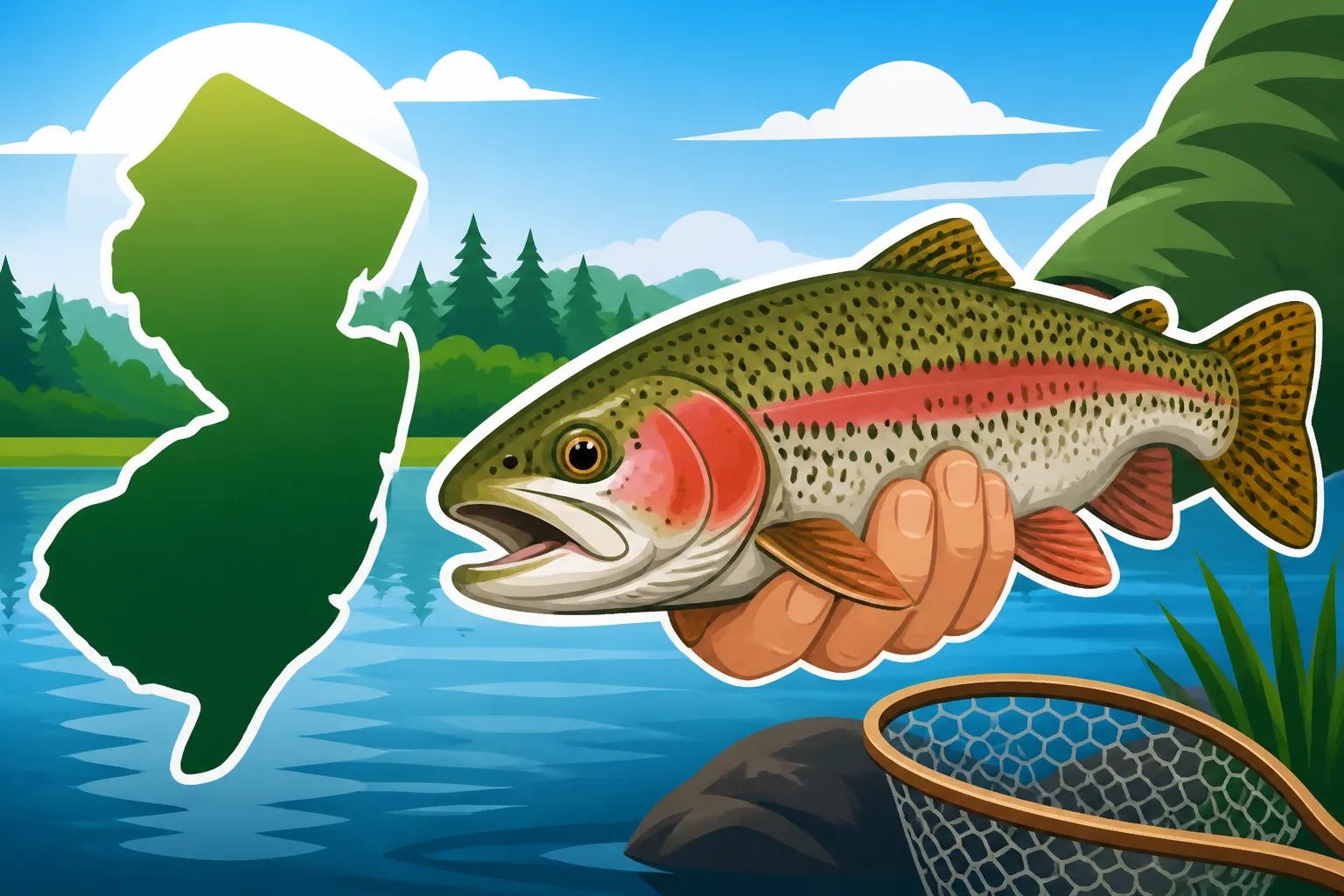
Merrill Creek is home to both Brown Trout and Rainbow Trout that grow to impressive sizes. The state stocks this reservoir with robust trout, and the ample forage base allows them to thrive. Anglers here often target trout cruising deeper sections or along steep drop-offs. While it might not boast the same sheer volume of massive Lake Trout as Round Valley, Merrill Creek consistently produces Brown and Rainbow Trout that easily qualify as trophies, often reaching lengths into the mid-20s. Access here is well-maintained, offering boat launches and shore access points, though fishing from shore can be challenging due to the steep banks. Techniques similar to those used at Round Valley, such as trolling with diving planes or spoons, or jigging, prove effective here. Merrill Creek Reservoir Fishing Guide offers more insights for those looking to explore this gem.
Other Lakes with Big Trout Potential
While Round Valley and Merrill Creek are the designated trophy hotspots, other New Jersey lakes, though not officially labeled "trophy trout lakes," do offer opportunities for catching unexpectedly large trout. These are often waters that receive significant trout stockings, and where a few fish manage to survive, grow, and become true giants over several seasons.
For instance, Lake Hopatcong, the state's largest lake, is primarily known for bass and hybrid striped bass, but it also receives annual trout stockings. While it's not a primary trout destination, the sheer size and diverse forage in Fishing Lake Hopatcong: New Jersey's Largest Lake can occasionally allow a stocked trout to grow well beyond average. Similarly, Spruce Run Reservoir, though shallower than the big two, can hold some surprisingly large brown trout that have overwintered and feasted on baitfish. These lakes require a different approach; you might not be actively targeting trophy trout, but rather encountering them as a bonus while fishing for other species. Persistence, and being prepared with appropriate tackle, can lead to a pleasant surprise. The key is to understand that even in less obvious locations, a few big fish will always defy expectations and grow to impressive sizes.
Tactics and Tools for Chasing New Jersey's Monster Trout
Catching a trophy trout is rarely an accident; it's usually the result of deliberate effort, specialized knowledge, and the right gear. These fish are not like your average panfish, and approaching them with the wrong mindset or equipment will likely lead to frustration.
Specialized Gear for Big Fish
Forget your ultralight stream setup; trophy trout demand serious tackle. For deep, cold reservoirs like Round Valley and Merrill Creek, you'll need robust rods and reels capable of handling heavy lines and potentially powerful runs. A medium-heavy to heavy action spinning rod (7-8 feet) or a trolling rod paired with a durable reel spooled with 15-30 lb test braided line is a good starting point. The braided line offers superior sensitivity and strength, crucial for detecting subtle bites at depth and fighting powerful fish. A fluorocarbon leader of 10-20 lb test is often tied to the braid for stealth.
When it comes to lures and baits, presentation is key. For deep-water trolling, spoons (like Sutton, Mooselook Wobblers, or larger Kastmasters) in silver, gold, or iridescent patterns are highly effective, often fished behind a downrigger or a diving plan. Deep-diving crankbaits can also entice strikes. For jigging, heavy spoons or vertical jigs (1/2 to 1 oz or more) are popular, often tipped with a piece of bait like a shiner or a Berkley Gulp! minnow. You can find a vast array of these specialized lures and tackle components on Amazon, making it easy to prepare for your trip. Don't forget a sturdy landing net with a wide hoop to safely bring in a large fish, again, a quality one can be found on Amazon.
Mastering the Art of Deep Water Presentation
Trophy trout in these deep lakes often suspend in the water column or hug structure at significant depths, sometimes 50 feet or more. This makes finding and presenting to them a unique challenge. Sonar and fish finders become indispensable tools, helping you identify baitfish schools, thermoclines, and the presence of larger fish. Understanding how to use your electronics to pinpoint these targets is a crucial skill.
Trolling is a popular method for covering large areas and presenting lures at specific depths. Downriggers allow you to precisely control the depth of your lure, ensuring it's right in the strike zone. If you're fishing from shore or a smaller boat without downriggers, heavy spoons, jigging spoons, or Carolina rigs with live bait can reach these depths. Anglers often experiment with different retrieval speeds and jigging motions until they find what triggers a bite. The deep water requires patience; bites can be subtle, and the fight can be long and arduous, testing both your gear and your resolve. Knowing How to Fish Clear Water Lakes Like Round Valley Reservoir is vital, as these fish often have keen eyesight.
Practicing Responsible Catch and Release
Catching a true trophy trout is an incredible feat, and for the long-term health of these special fisheries, responsible catch and release is paramount. Many of these larger fish are older, slower-growing individuals that contribute significantly to the genetics and overall health of the population. Keeping a trophy trout might mean removing a valuable breeder from the system.
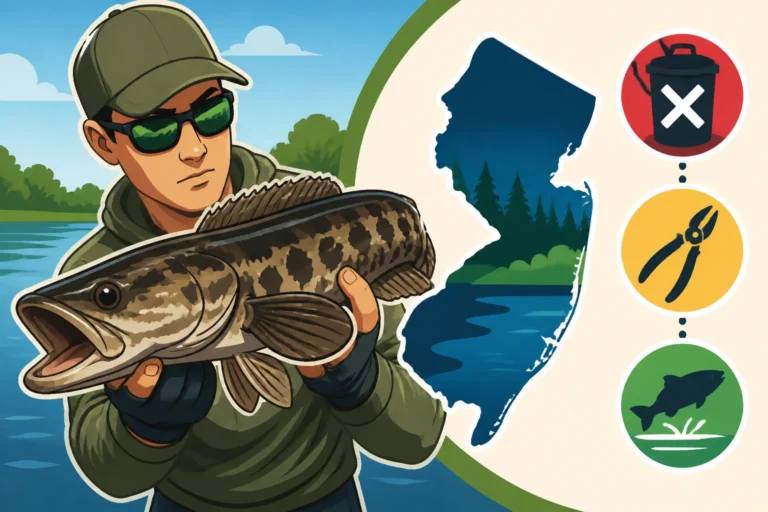
Always be prepared with the tools for a quick and safe release: needle-nose pliers or forceps for hook removal, and a large, knotless rubberized net. Minimize the fish's time out of the water. Handle the fish gently, supporting its weight horizontally, and avoid touching its gills or eyes. If you want a photo, get it quickly and release the fish as soon as possible. Consider leaving the fish in the water for photos whenever feasible. When releasing, hold the fish gently in the water, facing into the current, until it regains its strength and swims away on its own. Your commitment to conservation ensures that other anglers, and future generations, can also experience the thrill of a trophy trout encounter. This approach aligns with the spirit of Catch and Release Rules in New Jersey and helps sustain these unique fisheries.
Preparing for Your Trophy Trout Expedition
A successful trip to a trophy trout lake involves more than just showing up with a rod and reel. It requires careful planning, knowledge of the local conditions, and adherence to regulations.
Timing Your Trip for Success
Trout are cold-water fish, and while trophy lakes are managed to keep them alive year-round, certain seasons offer better opportunities. Spring and fall are generally considered prime times for trophy trout fishing in New Jersey. In spring, after ice-out, trout become more active and are often found higher in the water column as the water slowly warms. This can make them more accessible. Fall, as water temperatures drop, also sees a surge in trout activity, particularly for brown trout which may begin their spawning rituals.
Summer can be challenging. While the deeper parts of lakes like Round Valley remain cold, the surface waters warm significantly, driving trout to specific depths, often near the thermocline. Fishing deep during summer requires precision. Winter, if ice conditions allow, can be another excellent time for ice fishing for trout, particularly if you target deeper areas with jigs or tip-ups. Always check the current New Jersey Fishing Season Dates and Closures and weather forecasts before heading out, as conditions can change rapidly.
What to Bring: An Angler's Checklist
Beyond the specialized rod and reel setup, a well-prepared angler brings a few other essentials. Here's a quick checklist:
| Item | Purpose | Notes |
|---|---|---|
| New Jersey Fishing License & Trout Stamp | Legally required for freshwater fishing for trout. | Make sure it's current! New Jersey Trout Stamp Requirements Explained |
| Saltwater Registry Proof | Not needed for freshwater trout, but good to have if you fish both. | New Jersey Saltwater Registry Explained |
| Depth Finder/Fish Finder | Crucial for locating structure and fish in deep water. | Portable units are great for smaller boats. |
| Assorted Lures & Baits | Spoons, jigs, deep-diving crankbaits, live shiners/herring (if legal). | Have a variety of colors and sizes. Consider buying extra on Amazon. |
| Pliers/Forceps | Essential for safe hook removal, especially for catch and release. | Long-nose versions are best. |
| Large Landing Net | Rubberized, knotless net for safe handling of big fish. | Crucial for catch and release. |
| Warm/Layered Clothing | Temperatures can be much colder on large, deep lakes. | Waterproof layers are always a good idea. |
| Sunscreen & Hat | Protection from UV rays, even on cloudy days. | |
| Snacks & Drinks | Stay hydrated and energized for a long day on the water. | |
| First-Aid Kit | For minor cuts, scrapes, or other emergencies. | |
| Waterproof Bag/Container | To protect electronics, wallet, and phone. | |
| GPS/Map | Especially for large bodies of water like reservoirs. |
Having a dedicated tackle box or backpack to organize your gear is also incredibly helpful. Many reliable options for tackle storage are available on Amazon.
Navigating Regulations and Access
Before you even cast a line, it's absolutely vital to understand the specific regulations for the water body you intend to fish. Trophy trout lakes often have unique rules that differ from general statewide regulations. This might include special size limits, slot limits, daily bag limits, or even tackle restrictions (e.g., single-hook artificial lures only). For instance, How Bag and Size Limits Work in New Jersey explains the general principles, but always check the specific lake.
Always review the most current Reading the New Jersey Fish and Wildlife Digest available from the New Jersey Division of Fish and Wildlife. This digest is your ultimate source for all regulations, including any special provisions for trophy trout waters. Access points, particularly at reservoirs, can also have specific rules regarding boat types, motor restrictions, or launch fees. For instance, Round Valley Reservoir has specific rules regarding boat access to protect water quality. Ignoring these rules can lead to hefty fines and a ruined fishing trip. A little homework upfront ensures a smooth, legal, and enjoyable trophy trout pursuit.
Disclaimer
This article is for general informational purposes only and does not constitute professional advice. Laws, prices and regulations vary by location and change over time. Consult a qualified professional for guidance on your specific situation.