New Jersey Sunfish and Bluegill Fishing Guide
For many folks in New Jersey, fishing can feel like a complicated affair with all the talk of licenses, regulations, and targeting those elusive trophy fish. But what if I told you there's a gateway to simple, joyful angling right in our backyard, perfect for beginners, kids, and seasoned pros looking for some relaxed action? This guide is all about demystifying the wonderful world of sunfish and bluegill fishing in New Jersey, covering everything from finding them to reeling them in.
Understanding Sunfish and Bluegill in New Jersey
When we talk about "panfish" in New Jersey, sunfish and bluegill are often at the top of the list. These small, feisty fish are abundant, easy to catch, and offer a fantastic introduction to fishing for anyone. They might not be the giants of the deep, but what they lack in size, they make up for in sheer numbers and an eagerness to bite, providing hours of fun.
Distinguishing Between Species
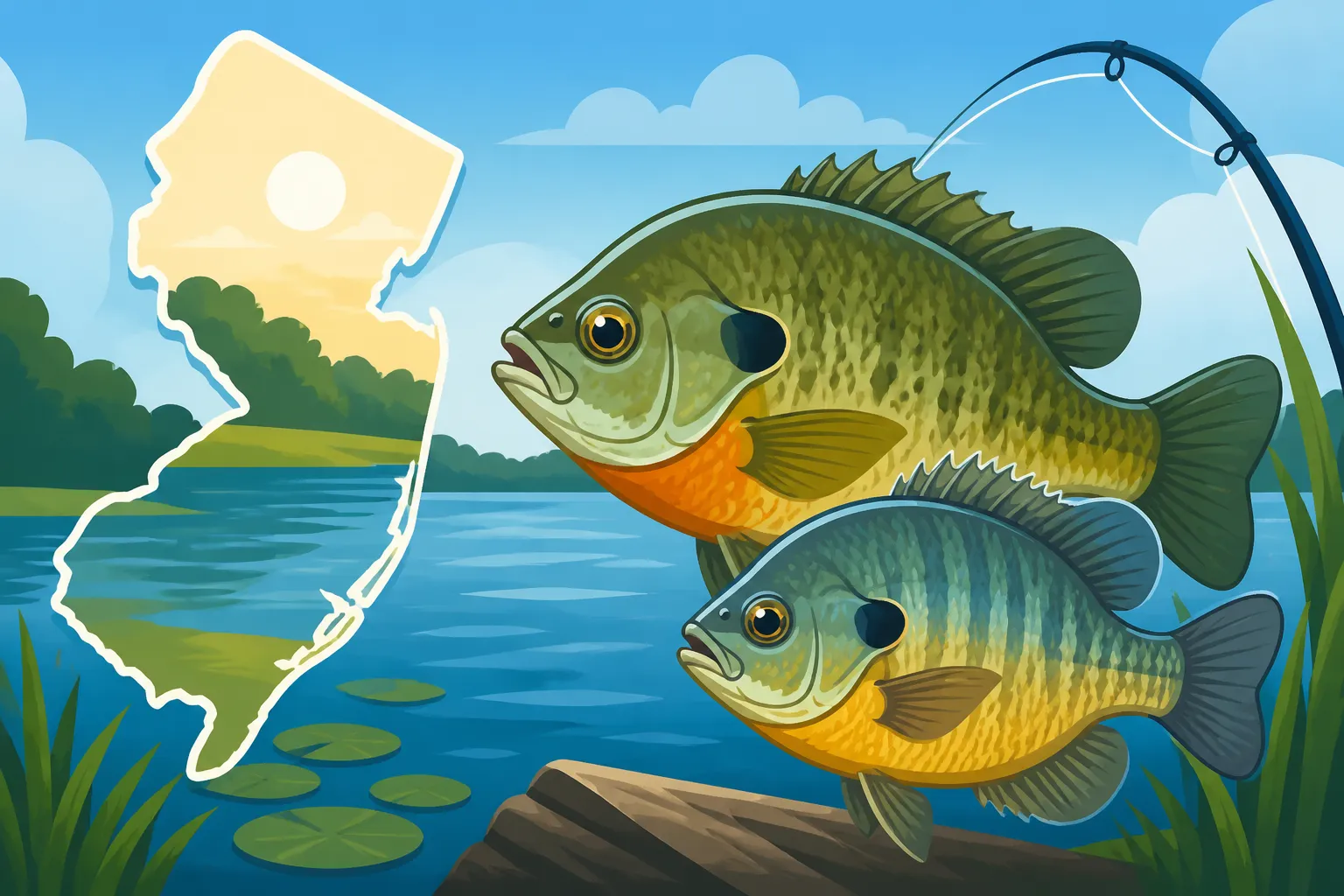
It's easy to lump all small, colorful fish into one "sunfish" category, but there are actually a few distinct species you'll encounter in New Jersey, with the bluegill being the most recognizable and widespread. True bluegill ( Lepomis macrochirus) are a type of sunfish, often identified by their dark blue-black spot on the "ear flap" (operculum), a small mouth, and usually a yellowish belly. Other common sunfish species you might encounter include pumpkinseed sunfish, known for their vibrant orange or red spot on the ear flap and iridescent spots on their sides, and the green sunfish, which tends to be more elongated with a larger mouth and sometimes a wavy pattern on its cheeks.
While bluegill are a specific species, the term "sunfish" often acts as an umbrella for a variety of species within the Lepomis genus. They all share common traits: disc-shaped bodies, dorsal fins with spiny and soft-rayed parts, and an aggressive attitude despite their small size. Learning to differentiate them can add another layer of enjoyment to your fishing adventures, allowing you to appreciate the subtle beauty of each catch. For instance, a pumpkinseed might display stunning turquoise markings that a bluegill wouldn't.
Their differences are subtle enough that even experienced anglers sometimes just call them all "sunnies." The important thing is that they all behave similarly and can be caught using similar methods. If you're curious about the specific characteristics that set each one apart, a quick search for local fish identification guides can give you a better eye for the subtle patterns and colors that distinguish a pumpkinseed from a bluegill or a redbreast sunfish.
Their Role in the Ecosystem
Sunfish and bluegill play a crucial role in New Jersey's freshwater ecosystems. As mid-level consumers, they feed on insects, small crustaceans, and even tiny fish, helping to keep populations of these organisms in check. In turn, they serve as a primary food source for larger predatory fish like largemouth bass, pickerel, and even some trout species. This makes them an integral part of the food chain, supporting the health and balance of our lakes, ponds, and slow-moving rivers.
Beyond their ecological importance, they're also fantastic indicators of a healthy aquatic environment. Where you find abundant panfish, it's often a sign that the water quality is good and the ecosystem is thriving. Their widespread presence provides consistent angling opportunities, which in turn helps foster a love for fishing and conservation among new generations of anglers. It’s a beautiful cycle where these small fish support both the natural world and the human connection to it.
Understanding this role gives you a deeper appreciation for every sunfish you catch. They're not just a fun target; they're vital threads in the intricate tapestry of New Jersey's aquatic life. Their sheer numbers also mean they can handle a fair amount of fishing pressure, making them a sustainable target for recreational angling.
Common Habits and Behaviors
Sunfish and bluegill are generally social fish, often found in schools, especially when they're feeding or spawning. They love structure and cover, gravitating towards weed beds, lily pads, submerged logs, docks, and overhanging trees that provide shade and protection from predators. These areas also tend to hold the insects and small invertebrates that make up the bulk of their diet. They are sight feeders, meaning they rely on their vision to spot prey, especially in clear water.
During the warmer months, you'll often find them in shallower waters, sometimes as little as a foot or two deep, particularly in the mornings and evenings when they're actively feeding. As the water warms up during the midday sun, they might retreat to slightly deeper, cooler spots or seek out denser cover. In the colder months, their metabolism slows down, and they'll move to deeper waters where temperatures are more stable, becoming less active but still catchable.
Their spawning behavior is particularly interesting and offers a prime opportunity for anglers. During late spring and early summer, male sunfish will fan out saucer-shaped nests in shallow, sandy, or gravelly areas. They aggressively guard these nests, making them incredibly easy to catch during this period. When you find one nest, you're likely to find many more, as they often spawn in colonies. This makes it an ideal time to take kids out, as the action can be nearly constant.
Where to Find Sunfish and Bluegill in New Jersey
New Jersey is absolutely brimming with spots where you can find sunfish and bluegill. From tranquil state park ponds to sprawling reservoirs, these adaptable fish make their homes in a wide variety of freshwater environments across the state. The key is knowing what kind of water and what specific features to look for.
Lakes, Ponds, and Slow-Moving Rivers
You'll find sunfish and bluegill thriving in almost every freshwater lake and pond throughout New Jersey. This includes popular destinations like Lake Hopatcong, Spruce Run Reservoir, and the smaller, quieter ponds nestled within our state parks and wildlife management areas. Even some of the slower sections of rivers and creeks, particularly those with ample vegetation and less current, will hold good populations. They prefer waters that aren't too swift, allowing them to conserve energy and find cover.
Consider local parks and municipal ponds – these often go overlooked by anglers chasing bigger game, but they can be veritable goldmines for sunfish and bluegill. Many of these smaller bodies of water are well-maintained and easily accessible, making them perfect for a quick fishing trip after work or a relaxed weekend outing with the family. The great thing about these fish is that they don't require vast, untouched wilderness; they can thrive even in waters close to developed areas.
Even the smallest farm ponds or forgotten oxbows along a river can hold plenty of these eager biters. Don't be afraid to explore new spots, especially those off the beaten path that might not be highlighted in typical fishing guides. Word of mouth from local tackle shops or fellow anglers can also be invaluable for discovering those hidden gems. When thinking about where to go, check out some of our other guides like Best New Jersey State Park Ponds for Family Fishing or Best New Jersey Ponds for Kids to Catch Their First Fish for specific recommendations.
Identifying Prime Habitats
When you get to your chosen fishing spot, don't just cast blindly. Take a moment to observe the water and identify prime sunfish and bluegill habitats. Look for areas with visible cover or structure. Think about lily pads, cattails, fallen trees or logs, docks, and bridges. Any submerged vegetation or rocky outcroppings are also fantastic spots. These features provide shelter from predators, ambush points for feeding, and protection from strong currents or bright sunlight.
Shallow coves, especially those with muddy or sandy bottoms that warm up quickly in the sun, are often hotspots. These areas are also where sunfish create their spawning beds in late spring and early summer. If you can spot these circular depressions on the bottom, you've found a honey hole. Keep an eye out for any disturbances on the water's surface, like subtle ripples or splashes, which could indicate feeding activity.
Water depth can also be a clue. While they often hang out in shallower water, especially near cover, sunfish will retreat to deeper channels or drop-offs during midday or in colder weather. If you're fishing from a boat or kayak, use a depth finder to locate these subtle changes in the bottom contour. For shore anglers, simply casting along a weed line or near a visible structure will often put you in the right zone.
Public Access Points and Family-Friendly Spots
New Jersey offers an incredible network of public lands and waterways, many with excellent access for shore anglers and families. State parks, county parks, and wildlife management areas often have designated fishing piers, maintained shorelines, and easy parking. These locations are specifically designed to make it convenient for people of all ages and abilities to enjoy fishing.
Many of these spots, such as those found in the New Jersey Fishing License Age Requirements guide, also have amenities like restrooms, picnic areas, and playgrounds, making them perfect for a full family day out. Always check the specific rules for any park or management area you visit, as some may have restrictions on boat launching, live bait use, or specific fishing times. However, for a simple day of sunfish and bluegill angling, most public access points are incredibly welcoming.
Consider places like Mercer County Park's Mercer Lake, Farrington Lake, or the countless small ponds scattered throughout various county parks. Even closer to urban centers, you might find hidden ponds or slower sections of rivers that hold good numbers of panfish. The key is to seek out locations that prioritize easy access and a pleasant environment, turning a fishing trip into a relaxing and enjoyable outing for everyone involved. Just remember to always carry proof of your fishing license, if required, as outlined in New Jersey Freshwater Fishing Regulations Every Angler Should Know.
Essential Gear for Sunfish and Bluegill Fishing
One of the most appealing aspects of fishing for sunfish and bluegill is that you don't need a huge investment in expensive gear. This is truly an accessible fishery, perfect for those just starting out or for experienced anglers who appreciate the simplicity of light tackle.
Rods, Reels, and Line for Light Tackle
For sunfish and bluegill, ultralight or light action spinning rods are ideal. These rods typically range from 4 to 6 feet in length and have a very flexible tip, which makes even a small sunfish feel like a prize fighter. The sensitive tip allows you to detect subtle bites, and the light action makes casting small baits and lures a breeze. A good ultralight combo can be found easily, often for a very reasonable price, with many great options available on platforms like Amazon.
Pair your ultralight rod with a small spinning reel, typically in the 1000 or 2000 series size. These reels are designed for light lines and smaller lures, providing a smooth retrieve and manageable drag for battling panfish. Spool your reel with 2 to 6-pound test monofilament or fluorocarbon line. Monofilament is a popular choice due to its affordability and good knot strength, while fluorocarbon offers better abrasion resistance and is less visible underwater. Braided line isn't really necessary for sunfish, as its lack of stretch can sometimes pull the hook right out of their soft mouths.
The beauty of this setup is its versatility. While perfect for panfish, it can also handle smaller bass or perch you might encounter, making it a great all-around choice for freshwater anglers. If you're looking for more guidance on getting started, our article on Basic Fishing Setup Cost can provide a solid foundation for building your panfish arsenal without breaking the bank.
Terminal Tackle: Hooks, Sinkers, Floats
Your terminal tackle for sunfish and bluegill will also be wonderfully simple. You'll primarily need small hooks, split shot sinkers, and bobbers (or floats).
- Hooks: Opt for small, sharp hooks. Sizes like a #6, #8, or even #10 Aberdeen or bait holder hook are perfect. Aberdeen hooks are thin-wired, which helps them straighten out if snagged, potentially saving your line. Bait holders have small barbs on the shank to keep your bait from sliding off. You can find packs of these inexpensive hooks online or at any tackle shop.
- Sinkers: A few small split shot sinkers are all you need to get your bait down to the desired depth. Use just enough weight to sink your bait slowly; too much weight will make your presentation look unnatural and can spook wary fish. A small #7 or #5 split shot is usually sufficient.
- Floats/Bobbers: These are essential for visual bite detection and for suspending your bait at a specific depth. Small round bobbers or slip bobbers work great. Slip bobbers are particularly useful if you need to fish deeper than a fixed bobber allows, as they slide freely on your line, controlled by a small bobber stop. For an informative read on setting up rigs, you might enjoy How to Tie a Fluke Rig, which, while focused on fluke, offers principles applicable to various rigging techniques.
When assembling your rig, remember that simplicity is key. A simple bobber, a small split shot, and a tiny hook with bait is often all it takes to entice a sunfish. You can buy these components individually or in convenient pre-packaged panfish kits, which are readily available and a great starting point, especially for new anglers.
Bait and Lure Choices
Sunfish and bluegill are not particularly picky eaters, which is another reason they are so popular. This means you have a wide array of bait and lure options to choose from, most of which are inexpensive and easy to find.
- Live Bait: This is often the most effective choice. Worms (red wigglers, nightcrawlers cut into pieces) are universal panfish bait and incredibly effective. Crickets, grasshoppers, and small grubs are also excellent, especially in areas where these insects are common terrestrial food sources. You can purchase live bait at most bait and tackle shops, or even find them in your own backyard compost pile. For more insight into their diet, check out What Do Sunfish Eat?.
- Artificial Baits: Small soft plastic lures, jigs, and flies can also be very productive. Tiny jig heads (1/32 to 1/16 ounce) tipped with a small plastic grub, tube, or curly-tail are deadly. Micro-spoons and spinners in sizes #00 to #1 are also effective, especially if you're targeting slightly larger sunfish. Fly anglers can have a blast with small poppers, wet flies, nymphs, and dry flies that mimic insects. These artificial options are durable and can be kept in a small tackle box without the need for refrigeration.
Regardless of your choice, remember that presentation is crucial. For live bait, ensure it's lively and natural-looking on the hook. For artificials, a slow, subtle retrieve with occasional pauses often works best. Carrying a small selection of both live bait and a few artificial options will prepare you for varying conditions and preferences of the fish on any given day.
Effective Techniques for Catching Sunfish and Bluegill
Catching sunfish and bluegill is relatively straightforward, making it perfect for anglers of all skill levels. However, a few refined techniques can significantly increase your success and make the experience even more enjoyable.
Bobber Fishing for Beginners
Bobber fishing is the quintessential technique for sunfish and bluegill, especially when fishing with kids or introducing someone new to the sport. It's simple, highly visual, and incredibly effective. The setup is straightforward: attach a bobber to your line, usually a foot or two above a small split shot sinker, and then tie on a small hook with your chosen bait. Cast this rig near cover, like lily pads, weed lines, or submerged logs.
The beauty of bobber fishing lies in its simplicity. You simply watch the bobber float on the surface. When a sunfish bites, the bobber will twitch, dip, or suddenly disappear beneath the water. This immediate visual feedback is incredibly exciting, especially for children, and makes it easy to know when to set the hook with a gentle upward flick of the wrist. It also keeps your bait suspended at a constant depth, which is ideal for fish that are cruising just above the bottom or holding in the middle of the water column.
To refine this technique, pay attention to the depth at which you're presenting your bait. If you're not getting bites, try adjusting the distance between your bobber and your hook, moving it up or down by a few inches at a time. Sometimes, sunfish are suspended shallower or deeper than you initially thought. Also, consider letting your bait sit for a minute or two, then giving it a slight twitch to attract attention before letting it settle again. This subtle movement can often trigger a strike from curious sunfish.
Bottom Fishing Methods
While bobber fishing is great, sometimes sunfish and bluegill prefer their meals closer to the bottom, especially when they're hiding in deeper pockets or when the water is colder. This is where bottom fishing methods come into play. A simple bottom rig involves a small sinker (like a bell sinker or an egg sinker) tied at the end of your line, with a snelled hook (or a hook tied directly to a short leader) attached a few inches above the sinker. This keeps your bait directly on or very near the bottom.
When using a bottom rig, you won't have a bobber to indicate bites. Instead, you'll need to feel for the fish. Keep a slight tension on your line and watch your rod tip carefully. Sunfish bites are often subtle, feeling like a series of light taps or a gentle tug. When you feel a more distinct pull, gently lift your rod to set the hook. This method is particularly effective when fishing from a dock or from shore into slightly deeper water where fish might be congregating.
You can also adapt this for a more active approach, slowly dragging or hopping your bait along the bottom. This mimics a natural foraging motion and can attract attention from fish that might not be actively looking up. Experiment with different weights of sinkers; lighter sinkers allow for a more natural drift, while heavier ones keep your bait firmly in place in areas with slight current or wind. Remember, patience is a virtue with bottom fishing, but the rewards can be plentiful, often yielding some of the larger panfish that lurk deeper.
Fly Fishing for Panfish
For those who enjoy the finesse and challenge of fly fishing, sunfish and bluegill are truly fantastic targets. Their aggressive nature and willingness to strike flies make them an excellent species for both beginners learning to cast and seasoned fly anglers looking for consistent action. You don't need heavy gear; a 2 or 3-weight fly rod with a matching reel and floating line is perfect. This light setup makes even a modest bluegill feel like a trophy.
Small poppers are incredibly exciting to fish for panfish, especially on warm summer evenings. The "pop" they make on the surface mimics an insect struggling, and sunfish will often aggressively charge them, creating thrilling topwater strikes. Dry flies, such as those mimicking gnats, ants, or small beetles, also work well, especially when you observe insects hatching or falling onto the water. For sub-surface action, small nymphs, wet flies, or even tiny streamers can be very effective, especially when fished slowly near cover or along drop-offs.
Fly fishing for sunfish offers a wonderful opportunity to hone your casting skills and learn about insect patterns and presentation. It’s a very engaging way to fish, allowing you to connect directly with the environment and the fish in a more intimate manner. Plus, there's something uniquely satisfying about watching a bluegill rise to the surface and inhale a perfectly presented fly. Many local guides offer New Jersey Fly Fishing Guide Services if you're looking to delve deeper into this rewarding technique.
Best Times and Seasons for Sunfish and Bluegill
Understanding when and where sunfish and bluegill are most active can significantly boost your angling success. These fish are generally cooperative, but timing your trips to align with their peak activity periods will make a noticeable difference.
Seasonal Patterns and Activity
Sunfish and bluegill are warm-water fish, meaning their activity levels largely correlate with water temperature.
- Spring: As the water warms in early spring, sunfish become very active and move into shallower areas to feed heavily after the leaner winter months. This is an excellent time to target them. The pre-spawn period sees them gorging themselves, making them eager biters.
- Late Spring/Early Summer (Spawning Season): This is arguably the absolute best time to catch sunfish and bluegill in New Jersey. From late May through July, depending on water temperatures, males move into shallow areas to build and guard their nests. They are incredibly aggressive and territorial during this time, readily striking at anything that invades their space. Finding a spawning bed means you've likely found a multitude of active fish. This period is also perfect for introducing new anglers to the sport.
- Summer: Throughout the summer, sunfish remain active. In the early morning and late evening, you'll find them in shallower water near cover. During the heat of midday, they'll often retreat to deeper, cooler water or seek refuge in dense shade and heavy cover like thick lily pad fields or submerged brush. They are still catchable, but you might need to adjust your depth and location.
- Fall: As water temperatures begin to drop, sunfish will once again feed aggressively to put on weight for the upcoming winter. They'll often school up in larger groups, and while they might move a bit deeper, they'll still be quite active. This can be a fantastic time for consistent action, often with fewer crowds than in summer.
- Winter (Ice Fishing): Yes, you can even catch sunfish and bluegill through the ice in New Jersey! Their metabolism slows down, and they'll hold in deeper parts of the lake or pond. Small jigs tipped with a grub, wax worm, or a tiny piece of corn are often irresistible. While not as frenzied as the summer bite, ice fishing for panfish can provide a peaceful and rewarding winter angling experience. Learn more about How to Ice Fish for Panfish in New Jersey.
Time of Day Considerations
Just like with seasonal patterns, the time of day can influence how and where you'll find sunfish and bluegill.
- Early Morning: As the sun rises and warms the shallow water, sunfish become very active, moving out from deeper resting spots to feed. This is often an excellent time for topwater action with small poppers or casting small jigs along weed lines. The cooler air and water temperatures are generally more comfortable for both the fish and the angler.
- Midday: During the peak heat of the day, especially in summer, sunfish will often seek cooler, deeper water or dense shade. They can still be caught, but you might need to fish deeper, target very heavy cover, or use a slower presentation. This is a good time to fish under docks, bridge pilings, or in the shade of overhanging trees.
- Late Afternoon/Evening: As the sun begins to set and the water starts to cool, sunfish once again move into shallower feeding areas. The evening bite can be just as good, if not better, than the morning bite, offering another prime window for active fishing. Topwater flies or small spinners can be particularly effective during this twilight period.
- Night Fishing: While not as commonly targeted at night as some other species, sunfish can occasionally be caught after dark, especially if they are feeding on insects attracted to lights near docks or shorelines. However, for most anglers, daytime hours offer the most consistent and visual action.
Weather Influences
Weather, particularly sudden changes, can definitely play a role in sunfish and bluegill behavior.
- Stable Weather: Periods of stable weather, especially a few days of consistent sunshine and moderate temperatures, typically lead to excellent fishing. Fish establish consistent feeding patterns and are generally more comfortable and active.
- Approaching Cold Fronts: Just before a cold front moves in, fish often go on a feeding frenzy. The drop in barometric pressure can trigger them to feed aggressively, making this a prime time to be on the water.
- Post-Cold Front: After a cold front passes, fishing can become much tougher. The sudden drop in temperature and rise in barometric pressure can make fish lethargic and less willing to bite. They'll often move to deeper water or denser cover and require a slower, more subtle presentation. Patience is key during these conditions.
- Rainy Days: Light rain can sometimes improve fishing, especially in warmer months. The rain can cool surface temperatures, wash insects into the water, and break up the water's surface, making your presentation less detectable. However, heavy downpours can muddy the water and spook fish, making fishing difficult immediately after.
Paying attention to a local weather forecast before your trip can help you anticipate these changes and plan your approach accordingly. Sometimes, just adjusting your fishing spot or bait can turn a slow day into a successful one, even in challenging weather.
Conservation and Regulations for Panfish in New Jersey
As enjoyable and abundant as sunfish and bluegill are, it's crucial for every angler to understand and practice responsible fishing to ensure these populations remain healthy for future generations. While they are not typically subject to the same stringent regulations as some gamefish, there are still guidelines to follow.
Size and Bag Limits
One of the great things about sunfish and bluegill in New Jersey is that, for the most part, they don't have specific size or bag limits. This means you can keep what you catch, within reason, for a delicious panfish fry. However, this freedom comes with a responsibility to practice common sense and ethical harvesting. Don't keep more fish than you intend to eat, and consider releasing the largest "breeder" fish to help sustain the population.
While statewide regulations often don't include specific limits for these panfish, it's always a good idea to consult the most current New Jersey Fish and Wildlife Digest. This digest is your go-to source for all fishing regulations, and it will inform you if any specific bodies of water have unique rules for sunfish or other panfish. You can also refer to resources like New Jersey Daily Bag Limits by Species for a broader overview of regulations for other fish you might encounter.
Always double-check local signage at state parks or county parks, as sometimes individual waterways might have special management regulations in place. The general absence of limits for sunfish reflects their robust populations, but sustainable angling practices, even without strict rules, are always the mark of a responsible angler.
Catch and Release Practices
Even if you plan to keep some sunfish for dinner, practicing catch and release for a portion of your catch, especially the larger ones, is a great way to contribute to conservation. Sunfish are generally hardy and tolerate handling well, but proper techniques can minimize stress and ensure their survival.
Here are a few tips for effective catch and release:
- Handle with Care: Wet your hands before touching the fish to protect its protective slime coat. Avoid squeezing the fish, especially around its belly or gills.
- Minimize Air Exposure: Try to keep the fish in the water as much as possible. If you must remove it for a quick photo, do so quickly and get it back into the water promptly.
- Use Barbless Hooks (Optional but Recommended): Barbless hooks make removal much easier and faster, reducing trauma to the fish. You can easily pinch down the barb on a standard hook with a pair of pliers.
- Use Proper Dehooking Tools: Small forceps or needle-nose pliers are invaluable for quickly and safely removing hooks, especially if the fish has swallowed the bait deeply.
- Revive if Necessary: If a fish seems sluggish after release, gently hold it upright in the water and move it back and forth to force water over its gills until it regains its strength and swims away on its own.
By following these simple steps, you ensure that any fish you release has the best possible chance of survival, helping to maintain healthy and thriving panfish populations in our New Jersey waters.
Protecting Their Habitat
The health of sunfish and bluegill populations is directly tied to the quality of their habitat. As anglers, we have a responsibility to protect these environments. This means practicing "Leave No Trace" principles every time we visit a fishing spot.
- Pack It In, Pack It Out: Always take all your trash with you, including discarded fishing line, bait containers, and food wrappers. Even small pieces of trash can harm wildlife and degrade the beauty of our natural spaces.
- Avoid Disturbing Spawning Beds: During the spring and early summer spawning season, be mindful of where you wade or cast. Walking through or repeatedly casting directly onto visible spawning beds can disrupt the fish and potentially harm eggs. Give them space to do their vital work.
- Report Pollution: If you notice any signs of pollution, such as strange odors, discolored water, or unusual fish kills, report it to the appropriate New Jersey environmental authorities. Early reporting can prevent further damage to aquatic ecosystems.
- Support Conservation Efforts: Consider purchasing a New Jersey fishing license, even if you are partially exempt, as the fees often directly fund habitat restoration, fish stocking, and conservation programs. Advocating for clean water and healthy ecosystems benefits all species, including our beloved panfish.
By being mindful stewards of our waterways, we ensure that New Jersey remains a fantastic place to fish for sunfish and bluegill for generations to come. These small fish provide big joy, and it’s up to all of us to protect the places they call home.
Sunfish and Bluegill: New Jersey's Family-Friendly Fishery
Sunfish and bluegill are truly the unsung heroes of New Jersey's freshwater fishing scene. They represent accessibility, fun, and the pure joy of catching a fish, making them the perfect gateway species for anyone new to angling, especially children. There's nothing quite like watching a child's face light up as they reel in their first feisty bluegill, hooked on a simple worm and bobber. Their abundance means consistent action, which is crucial for keeping young anglers engaged and building their confidence.
Beyond their ease of catch, these fish are also delicious. A fresh catch of sunfish, lightly breaded and fried, is a true taste of summer, offering another layer of reward for a successful outing. They prove that you don't need a huge boat, fancy gear, or a deep understanding of complex regulations to enjoy a fulfilling day on the water. All you really need is a simple rod, some bait, and a willingness to explore the countless ponds, lakes, and slow-moving rivers that dot our beautiful state.
So next time you're looking for a relaxing day outdoors, or hoping to spark a lifelong love for fishing in a young person, don't overlook the humble sunfish and bluegill. They offer a fantastic opportunity to connect with nature, enjoy some simple pleasures, and create lasting memories right here in New Jersey. Grab a basic rod and reel, maybe a container of worms from your local bait shop or even a trusty selection of mini jigs from Amazon, and discover the charm of panfishing.
| Feature | Bluegill (Lepomis macrochirus) | Other Sunfish (e.g., Pumpkinseed, Green) |
|---|---|---|
| Typical Size | 4-10 inches | 4-8 inches |
| Body Shape | Deep, disc-like, moderately compressed | Varies, some deeper, some more elongated |
| Mouth Size | Small, upturned | Varies, Green Sunfish has a notably larger mouth |
| Ear Flap (Operculum) | Distinctive dark blue/black spot, no red/orange | Varies, Pumpkinseed has vivid orange/red spot |
| Coloration | Olive green back, yellowish belly, often vertical bars | Brighter, more iridescent spots, varied patterns |
| Habitat | Widely abundant in ponds, lakes, slow rivers | Similar, but may prefer specific water types or cover |
| Diet | Insects, small crustaceans, aquatic larvae | Similar |
| Aggression | Highly aggressive, especially when spawning | Generally aggressive, good fighters |
Disclaimer
This article is for general informational purposes only and does not constitute professional advice. Laws, prices and regulations vary by location and change over time. Consult a qualified professional for guidance on your specific situation.