What New Jersey Fish Species Are Catch and Release Only?
It’s a truly disheartening feeling to hook into a beautiful fish, fight it to the boat or shore, only to realize with a sinking heart that you absolutely cannot keep it. Navigating the sometimes complex web of New Jersey fishing regulations can be tricky, and figuring out which fish species are strictly catch and release is paramount not only for staying legal but also for doing our part to protect the state’s precious aquatic life. This guide is here to shed some light on those specific species you must release, no matter what, and help you understand the deeper reasons behind these crucial rules.
Why "Catch and Release Only" Rules Exist in New Jersey
When you hear about a "catch and release only" rule, it's not just some arbitrary guideline designed to make your life harder as an angler. Far from it! These regulations are the backbone of responsible fisheries management and conservation efforts in New Jersey. Our state’s waters are incredibly diverse, hosting everything from ancient migratory species to popular game fish, and each plays a vital role in the ecosystem. Unfortunately, human activities and environmental changes can put immense pressure on these populations, leading to declines that require protective measures.
Protecting Vulnerable and Endangered Species
The most straightforward reason for a "catch and release only" mandate is when a fish species is considered vulnerable, threatened, or outright endangered. Think of these species as the precious jewels of our aquatic world – their numbers are so low that any additional pressure from harvest could spell disaster for their survival. New Jersey, like many states, has a responsibility to protect these populations, and that means ensuring they have every chance to reproduce and rebuild their numbers. If you accidentally hook into one of these fish, the law dictates that it must be released immediately and with the utmost care. It’s a sobering reminder that our actions, even accidental ones, have consequences for species on the brink. This protective measure is a commitment to biodiversity, recognizing that every species contributes to the health and resilience of our rivers, lakes, and oceans.
Ensuring Future Generations of Fish
Beyond the critically endangered, catch and release rules also play a significant role in managing the overall health and sustainability of more common fish populations. Sometimes, even a healthy population might face specific challenges, such as a temporary dip in numbers due to environmental factors, or a need to protect a particular age class of fish (like spawning adults) during a crucial time. By implementing catch and release for these species, even for a limited period or in specific areas, wildlife managers give the fish a chance to grow, mature, and reproduce. This foresight helps prevent future declines, ensuring that the next generation of anglers will still have vibrant fisheries to enjoy. It’s about long-term thinking, a recognition that the resources we enjoy today are finite and need diligent stewardship. Without these rules, overfishing could deplete even abundant species quickly, leading to much more severe and restrictive measures down the road. You can learn more about general fish limits in How Bag and Size Limits Work in New Jersey.
New Jersey's Officially Designated Catch and Release Only Species
When we talk about "catch and release only" in the strictest sense, we're referring to species that, by law, cannot be kept at all, regardless of size or season. These are the truly protected species in New Jersey, and accidentally catching one requires immediate and careful release. Knowing these species is fundamental for any responsible angler in our state.
The Protected Atlantic and Shortnose Sturgeon
Perhaps the most prominent examples of strictly catch and release species in New Jersey are the Atlantic Sturgeon and the Shortnose Sturgeon. These magnificent, prehistoric-looking fish are both federally and state-listed as endangered species. They are long-lived, slow to mature, and have faced significant population declines due to historical overfishing, habitat loss, and pollution.
If you're fishing in the Delaware River, Raritan Bay, or other major estuaries, there's always a chance you might hook into one of these ancient giants. They can grow to impressive sizes, sometimes over 10 feet long for an Atlantic Sturgeon! It's an incredible experience if it happens, but it comes with a strict responsibility: you must release them immediately and unharmed. Possession, even for a moment out of the water, is illegal. It’s critical to use proper catch and release techniques for these fish to give them the best chance of survival. Even targeting them is forbidden, so if you're fishing in known sturgeon habitats, ensure your gear and methods are appropriate for other legal target species.
Understanding Restrictions on River Herring and Other Forage Fish
While not always "catch and release only" across the board, several species of river herring, specifically Alewife and Blueback Herring, are often subject to very strict regulations, sometimes amounting to de facto catch and release in many areas or during specific seasons. These small, migratory fish are vital forage (food) for many larger game fish, marine mammals, and birds. They journey from the ocean into freshwater rivers and streams to spawn, and these runs can be truly spectacular to witness.
However, river herring populations have experienced significant declines over the years, primarily due to habitat loss, damming of rivers blocking their migration routes, and bycatch in commercial fisheries. To help these crucial species recover, New Jersey often imposes closures or strict bag limits that effectively make recreational harvest impractical or illegal in many locations. Always check the latest Reading the New Jersey Fish and Wildlife Digest to confirm current regulations for specific waters and seasons. While some areas might permit a very small harvest for bait, it’s often prohibited or heavily restricted to ensure enough fish make it to their spawning grounds. If you're encountering them during their spring runs, it's often best practice to enjoy the spectacle and release any you might accidentally hook, ensuring they can complete their vital lifecycle.
Other Species Where Catch and Release is Often the Reality (or a Smart Choice)
Beyond the strict, legally mandated catch-and-release species, there's a broader category of fish where regulations, environmental conditions, or a strong conservation ethic mean that catch and release becomes the common, or even preferred, practice. These aren't necessarily illegal to keep if they meet certain criteria, but the rules are designed to limit harvest significantly.
Navigating Slot Limits: The Case of Striped Bass
Striped bass, our beloved "stripers," are a prime example of a species managed with a "slot limit" in New Jersey. A slot limit means you can only keep fish within a very specific size range – fish that are too small must be released, and critically, fish that are too large must also be released. For example, New Jersey might have a slot limit of 28 to 31 inches. This means a 27-inch striped bass goes back, and a 32-inch striped bass also goes back. New Jersey Striped Bass Slot Limit Explained dives into this in more detail.
The reasoning behind slot limits is fascinating. It's about protecting both the juvenile fish (allowing them to grow and mature) and the large, breeding-size fish (often referred to as "trophy" or "brood stock" fish), which are crucial for producing the next generation of healthy stripers. These larger fish are the most prolific spawners, and their survival is vital for the long-term health of the entire population. So, while you can keep a striped bass if it falls within the legal slot, many anglers find themselves practicing catch and release for the majority of their striper catches, either because they're under or over the legal size. It's a system designed to funnel harvest into a specific, sustainable segment of the population. When you're out chasing stripers, it really highlights how many fish fall outside that narrow keeper window! For this reason, mastering New Jersey Catch and Release Striped Bass Handling Rules is incredibly important.
Special Regulations for Trout and Other Freshwater Fish
New Jersey's freshwater fisheries, especially those stocked with trout, often have a patchwork of regulations that can include specific catch and release only sections or seasons. For instance, some of our pristine trout streams might have "Trophy Trout" or "Seasonal Trout Conservation" areas where fishing is allowed, but all trout caught must be released. These areas are usually managed to provide a unique angling experience where the focus is on sport and skill rather than harvest. The goal is to allow trout to grow larger, creating opportunities for anglers to target bigger fish repeatedly.
Beyond trout, other freshwater species might have temporary closures or specific areas designated for catch and release only, particularly during spawning seasons or in waters undergoing restoration. New Jersey Freshwater Fishing Regulations Every Angler Should Know can help you understand the full scope of these nuances. Always consult the most current version of the New Jersey Fish and Wildlife Digest to check for any specific local or seasonal catch and release rules before you head out to your favorite lake or stream. Sometimes, even if a species isn't strictly catch and release, the daily bag limit might be so small (e.g., one fish per person) that it effectively encourages a catch-and-release mentality for most of your time on the water.
When Conservation Calls for Voluntary Release
Finally, there are times when, even if a fish is perfectly legal to keep, many anglers choose to release it voluntarily. This often comes down to a personal conservation ethic, a desire to release large breeding fish, or simply because they don't want to keep a particular species for consumption. Think about species like weakfish, whose populations have seen declines in recent decades. While there are legal bag and size limits, many anglers will tell you that releasing a healthy weakfish, especially a large one, is the right thing to do to help the species recover. Why Have Weakfish Numbers Declined in New Jersey? explains some of these concerns.
Another scenario is when you’re fishing for a species with a very generous bag limit, but you only need one or two for dinner. Releasing the rest, even if legal, helps ensure there are plenty of fish left for others and for the future. This voluntary catch and release is a powerful tool in sustainable angling, demonstrating a deep respect for the resource. It’s also often practiced with species that are known to be less palatable or those that are caught frequently, such as certain species of skate or ray.
Essential Practices for Responsible Catch and Release
Since catch and release is such a vital part of fishing in New Jersey, for both legally mandated and voluntarily chosen reasons, mastering the techniques for doing it properly is just as important as knowing the rules themselves. A poorly handled release can be just as detrimental as keeping the fish, so let’s talk about how to maximize a fish's survival chances.
Gear Up for Success: Minimizing Harm
Having the right equipment on hand can make all the difference in a successful release. This isn't just about fancy gadgets; it's about practical tools that reduce stress and injury to the fish.
- Barbless Hooks: This is probably the single most impactful change you can make. Barbless hooks, or hooks where you've pinched down the barb with pliers, are incredibly easy to remove, minimizing tissue damage and the time the fish spends out of water. You can find a wide variety of barbless hooks, or even specific pliers to de-barb your existing hooks, on platforms like Amazon.
- Needle-Nose Pliers or Hemostats: These tools are invaluable for quickly and safely removing hooks, especially when a fish has swallowed the hook a bit deeper. Their long, narrow jaws allow you to reach into the fish's mouth without causing further harm.
- Hook Degorger: For those truly deep-hooked fish (which you should try to avoid in the first place, perhaps by switching to circle hooks, especially when bait fishing for species like striped bass), a hook degorger can help remove the hook with minimal damage.
- Landing Net (Rubberized, Knotless): A net with rubberized, knotless mesh is much gentler on a fish's delicate slime coat, fins, and scales compared to traditional knotted nylon nets. It prevents abrasions and helps keep the protective slime layer intact. These are widely available, often through online retailers like Amazon.
- Gloves (Non-Cotton): If you need to handle a fish directly, consider using wet, non-cotton gloves. Cotton can strip away a fish's protective slime. Wet hands are always better than dry hands, even if you don't have specialized gloves.
- Cutting Tool: Sometimes, a fish is so deeply hooked that removing the hook would cause more damage than leaving it. In these rare instances, it’s better to cut the line as close to the hook as possible, especially if you’re using non-stainless steel hooks that will eventually rust out. Always have a sharp pair of line cutters or scissors within easy reach.
Handling Fish with Care
The way you handle a fish during the entire process – from the fight to the release – is critical for its survival.
- Minimize Fight Time: While a long fight can be thrilling for you, it can exhaust the fish to the point where it can't recover. Use appropriate tackle for the size of fish you're targeting to bring it in as efficiently as possible.
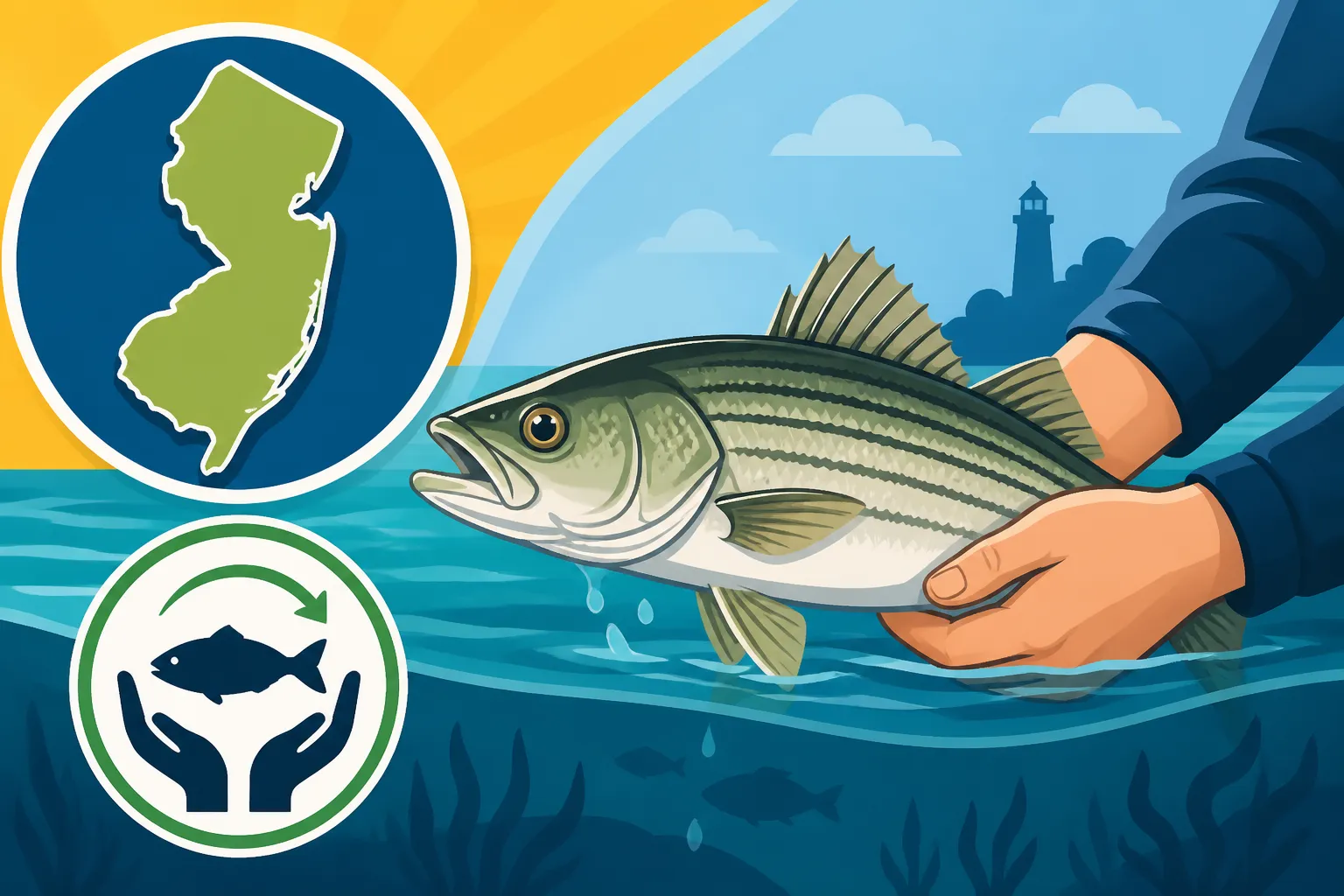
- Keep the Fish in the Water: This is the golden rule. The less time a fish spends out of its aquatic environment, the better its chances. If possible, remove the hook while the fish is still in the water, or just barely in your net at the waterline.
- Support the Fish: If you must take a fish out of the water for a quick picture or hook removal, always support its body horizontally. Never hold a fish vertically by its jaw or gills, as this can cause severe internal damage, especially to larger, heavier fish. Use two hands: one supporting the belly and the other gently gripping the lower jaw or tail.
- Avoid Touching Gills and Eyes: These are extremely sensitive areas. Even a gentle touch can damage them.
- Wet Hands: Always wet your hands before touching a fish. This helps preserve their protective slime coat, which acts as a barrier against infections.
- Quick Hook Removal: Be prepared to remove the hook quickly and efficiently. If the hook is shallow, a simple twist might be enough. For deeper hooks, use your pliers or hemostats. If it’s truly in a vital organ and you can’t get it out easily, cut the line as close as possible.
Reviving and Releasing Successfully
The moment of release is just as important as the moments leading up to it. Don't just toss the fish back and assume it's fine.
- Observe for Vitality: Before letting go, observe the fish in the water. Does it seem to be breathing strongly (gill movement)? Is it upright? Does it try to swim away on its own, or does it just float?
- Gently Revive: If the fish seems sluggish, hold it gently in the water, facing into a mild current (if present), or gently move it back and forth to force water over its gills. This helps to re-oxygenate its blood. Be patient; some fish need a few minutes to regain their strength, especially after a long fight in warm water.
- Release When Ready: When the fish gives a strong kick and tries to swim away from your grasp, it’s ready. Let it go gently, allowing it to swim off on its own power.
- Warm Water Considerations: In very warm summer months, fish are more susceptible to stress and oxygen deprivation. Consider reducing your fishing time during the hottest parts of the day or targeting species that are more resilient to warm water. In some extreme cases, voluntary catch and release might not be enough, and it’s best to avoid fishing for certain species altogether when water temperatures are too high.
- Report Strandings/Injuries: If you ever encounter a protected species that appears injured or stranded, or if you accidentally kill one, report it to the New Jersey Division of Fish and Wildlife. You can find contact information in the New Jersey Fish and Wildlife Digest: Where to Find the Current Rules. This data is crucial for conservation efforts, even if it's not the outcome we want.
By understanding the "why" behind New Jersey's catch and release rules and implementing these responsible practices, you become a better angler and a vital part of protecting our precious marine and freshwater resources. Every fish released properly is an investment in the future of New Jersey fishing.
Disclaimer
This article is for general informational purposes only and does not constitute professional advice. Laws, prices and regulations vary by location and change over time. Consult a qualified professional for guidance on your specific situation.