Fluke and Summer Flounder Fishing in New Jersey
Ah, fluke fishing in New Jersey – it's a rite of passage for so many of us! If you've ever spent a summer day on the bay, drifting a Gulp! or a live minnow, you know the thrill of that distinctive thump on your line, followed by the fight of a flatfish determined to dig into the sand. But let's be honest, it can also be incredibly frustrating when you're catching nothing but "shorts" or when you're not sure if what you've reeled in is even a fluke at all. This comprehensive guide is here to demystify the world of fluke and summer flounder fishing in the Garden State, giving you all the insider tips and detailed knowledge you need to turn those frustrating days into successful, fish-filled memories.
Understanding Fluke and Summer Flounder
Before we even cast a line, it's crucial to understand what we're actually chasing. New Jersey is home to some fantastic bottom-dwelling species, and the fluke, or summer flounder, is undoubtedly one of the most popular. Knowing their habits, their look, and their preferred hangouts is the first step to becoming a more effective angler.
What Exactly Are Fluke and Summer Flounder?
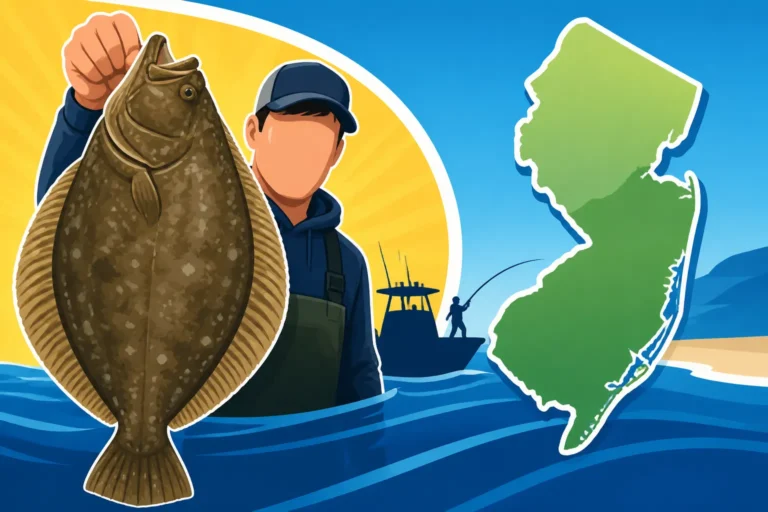
Okay, let's clear up some common confusion right from the start. "Fluke" and "summer flounder" are two names for the exact same fish species, Paralichthys dentatus. It's not a different type of fish; it's just what folks in New Jersey, and generally further north, tend to call them. Go down south a bit, and they're almost exclusively referred to as summer flounder. This linguistic quirk often trips up new anglers or those visiting from other states, leading them to wonder if there's some subtle difference they're missing. Rest assured, whether you hear "fluke" or "summer flounder" on the docks or from a tackle shop owner, they're talking about the same tasty, flat, ambush predator.
These aren't your typical streamlined fish like a striped bass or a bluefish. Fluke are part of the flatfish family, meaning they've evolved to lie flat on the seafloor, often camouflaged perfectly with their surroundings. They have both eyes on one side of their head (the left side, if you're holding one with its belly down and head pointed away from you), which allows them to keep a keen lookout for prey while remaining hidden. This incredible adaptation is what makes them such effective predators and, consequently, such a fun challenge to catch.
Key Characteristics and Identification
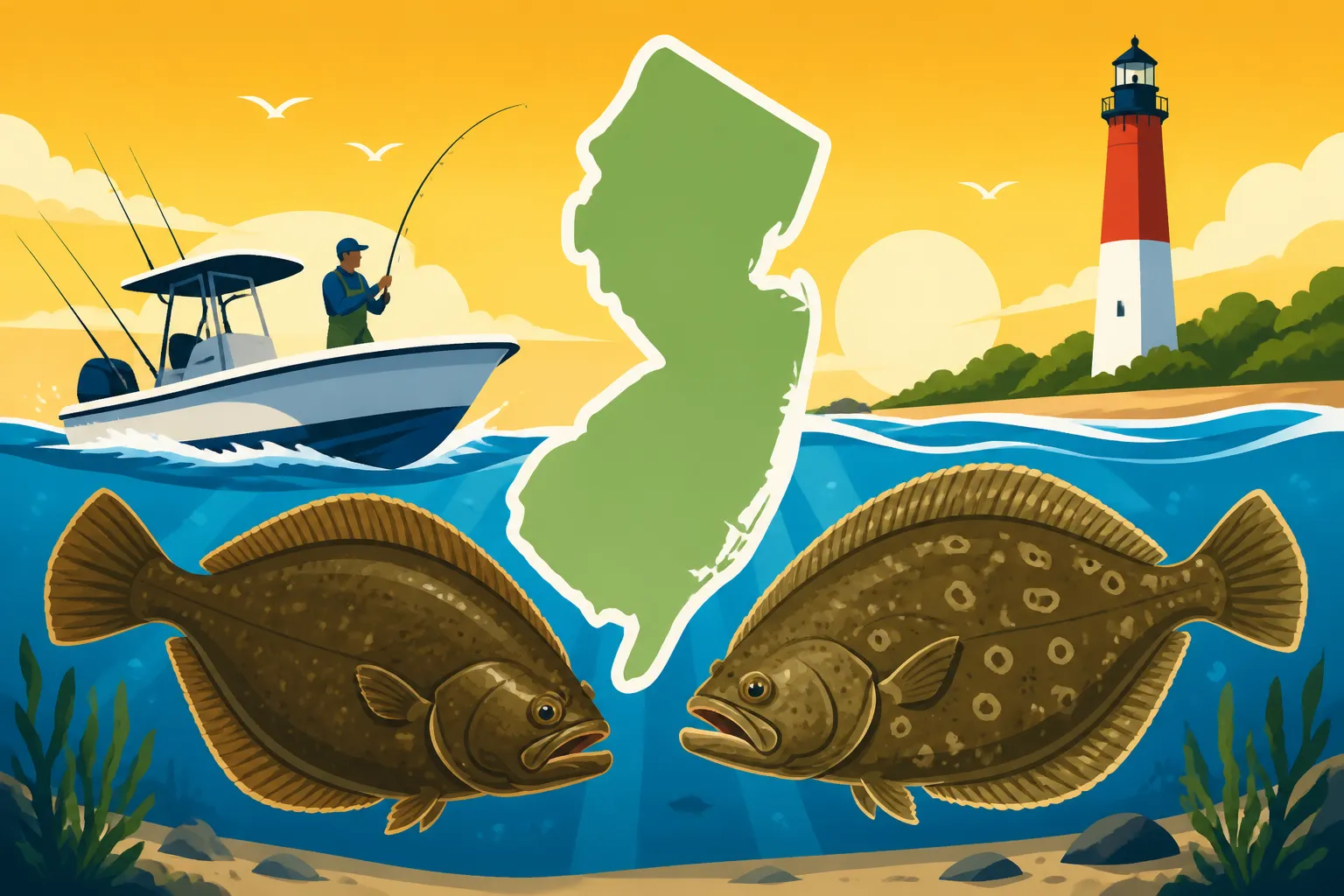
Identifying a fluke is usually pretty straightforward once you know what to look for, but distinguishing them from other flatfish, especially winter flounder, can sometimes be a little tricky for beginners. The most defining characteristic of a fluke is its left-eyed nature. If you lay the fish down with its dark, camouflaged side facing up and its mouth pointing to the left, you'll notice both eyes are on that upper left side. This is the opposite of a winter flounder, which is typically right-eyed. Their mouth is also quite large, extending back under the eye, and it's filled with sharp, needle-like teeth—a clear sign of their predatory nature. You definitely want to be careful when unhooking them!
Beyond the eye placement and menacing teeth, fluke have a distinct mottled pattern on their upper (dorsal) side, which allows them to blend seamlessly with sand, mud, and pebbly bottoms. This coloration can vary significantly depending on the substrate they're resting on, making them almost invisible. On average, you'll also notice five distinct, dark, ocellated (ring-like) spots, often in a rough circle or diamond pattern, which can be helpful for confirmation, although these can sometimes be faint. Their underside (ventral side) is typically stark white. When you bring one aboard, take a moment to appreciate its incredible camouflage before you measure it. For more detailed visual cues, check out New Jersey Fluke Identification Guide.
Where Do Fluke Live in New Jersey?
Fluke are incredibly adaptable fish, and their distribution across New Jersey's waters changes throughout the year. As the water warms in spring and early summer, they begin to migrate from their offshore wintering grounds into the shallower, warmer back bays, estuaries, and along the coastline. This is fantastic news for recreational anglers, as it makes them accessible to both boaters and shore-based fishermen. You'll find them congregated in channels, around structure like docks, bridges, and jetties, and lurking on sandy or muddy bottoms where baitfish are plentiful.
As summer progresses and bay waters become quite warm, many of the larger fluke will move out to cooler, deeper waters, such as ocean reefs, wrecks, and deeper channels, though a good population of smaller "keeper" size fish often remain in the bays. This seasonal movement means your fishing strategy might need to adapt. Early in the season, the bays are prime. By mid-summer, while the bays still hold fish, many anglers shift their focus to nearshore ocean spots. They love to lie in wait, half-buried in the sand, ready to ambush any unsuspecting baitfish or crab that swims by. Understanding these migratory patterns is key to finding them consistently, whether you're targeting them in Barnegat Bay or out past the surf line.
New Jersey Fluke Regulations: What You Need to Know
Fishing regulations can feel like a labyrinth sometimes, and fluke rules are no exception. They change periodically based on stock assessments and management goals, so staying informed is absolutely crucial. Nobody wants a conservation officer politely reminding them they've kept an illegal fish, or worse, issuing a fine. Always check the most current regulations before you head out.
Size and Bag Limits
This is where many anglers, especially new ones, can get tripped up. New Jersey enforces strict size and bag limits for fluke to help manage the population and ensure sustainable fishing for future generations. The minimum size limit for fluke is the most frequently discussed and adjusted regulation. It means any fluke you catch must be at least that length, from the tip of its snout to the end of its tail, to be legally kept. Anything shorter, affectionately known as a "short," must be immediately released, and handled with care to maximize its chances of survival.
The bag limit refers to the maximum number of legal-sized fluke you are allowed to keep per person per day. This limit is also subject to change, so what was legal last year might not be this year. Imagine you're out with a few buddies on the boat, and everyone's pulling in fish. You need to keep track of individual catches to avoid accidentally exceeding the total per-person limit. It's a common frustration to catch a beautiful fluke that's just a hair under the legal limit, but rules are rules, and they're there for a good reason. For the most up-to-date figures, it's essential to consult the state's official marine digest or visit their website. We’ve covered this in depth in New Jersey Fluke Size and Bag Limits Explained.
Season Dates and Important Closures
Just like size and bag limits, the fluke season isn't open year-round. There's a specific window during which recreational fishing for fluke is permitted. This helps protect the species during critical periods, such as spawning, and allows the population to rebuild. Typically, the season opens in late spring or early summer and runs through late summer or early fall. Fishing outside of these dates, even if you're planning on catch and release, is generally prohibited.
These season dates can have a huge impact on your fishing plans. If you're a keen angler who looks forward to specific dates on the calendar, imagine the disappointment if the opening day shifts, or if the season is shortened. It's a real bummer, but it underscores the importance of staying informed. Planning a vacation around a fishing trip? Make sure to double-check those dates well in advance. Keep in mind that sometimes there are different regulations for certain areas or even different segments of the season. To ensure you’re always compliant, refer to New Jersey Fluke Season Dates for 2026.
Special Rules for Delaware Bay and Island Beach State Park
New Jersey is a big state with diverse fishing grounds, and sometimes, specific areas have unique regulations. This is particularly true for Delaware Bay and Island Beach State Park, which often have slightly different rules than the general state regulations. Why the difference? Well, Delaware Bay is a shared water body between New Jersey and Delaware, and managing fish stocks there often requires coordinated efforts and potentially different regulations to balance both states' interests. So, a fluke caught in the lower Delaware Bay might fall under a different set of rules than one caught off the coast of Belmar.
Similarly, Island Beach State Park, being a protected natural area, sometimes has special provisions for fishing access, methods, or limits. These rules are usually designed to protect the park's fragile ecosystem and ensure a quality recreational experience. If you plan on fishing in these particular areas, it's not enough to know the general state regulations; you must look up the specific rules for that location. Failure to do so could lead to an unwelcome interaction with park rangers or conservation officers. Don't let a simple oversight ruin your day on the water! You can find more details on these specific areas in Delaware Bay Fluke Rules vs the Rest of New Jersey and Island Beach State Park Fluke Rules for Shore Anglers.
Essential Gear for New Jersey Fluke Fishing
Having the right tackle can make all the difference between a frustrating day and a successful one. Fluke fishing doesn't require overly specialized or expensive gear, but a thoughtful selection will certainly improve your chances. Think about it: trying to land a doormat fluke with a flimsy panfish rod is just asking for heartbreak.
Rods, Reels, and Line
For general fluke fishing in New Jersey, particularly in the bays, a medium-light to medium power spinning rod, about 6.5 to 7.5 feet long, with a fast action tip is a fantastic all-around choice. This setup offers enough sensitivity to feel those subtle fluke bites, yet enough backbone to handle a decent-sized fish and cast your rig a good distance. For reels, a 2500 to 4000 series spinning reel spooled with braided line is ideal. Braided line, typically in the 10-20 lb test range, offers superior sensitivity because it has virtually no stretch. This allows you to feel even the lightest tap from a finicky fluke. It also cuts through the water better, reducing drag from currents.
When you're fishing heavier currents or deeper ocean spots, you might want to bump up to a medium-heavy rod and a 4000-5000 size reel with slightly heavier braid (20-30 lb test) to handle larger sinkers and potentially larger fish. Don't forget a fluorocarbon leader! While braid is great for sensitivity, it's highly visible in clear water, and fluke can be line-shy. Tying on a 24-36 inch section of 15-25 lb fluorocarbon leader to the end of your braid creates a nearly invisible connection to your rig. This little detail can significantly increase your hook-up ratio. You can find quality rods, reels, and braided line on Amazon that will perfectly suit your needs without breaking the bank.
Terminal Tackle: Rigs, Hooks, and Sinkers
Terminal tackle is where the magic happens – it's what directly interacts with the fish. For fluke, the classic high-low rig, also known as a chicken rig, is incredibly popular and effective. This rig typically features two dropper loops or snelled hooks, one above the other, with a sinker at the very bottom. This setup allows you to present two different baits or depths at once, doubling your chances. Many anglers tie their own, but you can also buy pre-tied fluke rigs, which are super convenient, especially when you're just starting out or if your hands get cold on the water.
Hook selection is important. A sharp, durable hook in a size 1/0 to 3/0 is generally good for fluke. Kahle hooks, wide-gap hooks, or even specific fluke hooks are popular choices because they allow the bait to swim naturally and offer a good hook-up ratio. As for sinkers, you'll need a range of weights. Pyramid sinkers are common because they hold well on sandy bottoms, but bank sinkers also work. The weight you choose depends entirely on the current and depth. In shallow bays with light current, a 1/2 to 1 oz sinker might be enough. In deeper channels or the ocean with stronger currents, you might need 3, 4, or even 6 ounces to hold bottom. Always carry a variety! Learning How to Tie a Fluke Rig is a great skill to develop, as it allows for customization.
Must-Have Baits and Lures
Fluke are opportunistic feeders, so they'll hit a variety of baits and lures. When it comes to natural bait, minnows (like spearing), killifish, squid strips, and strips of fluke belly or bluefish are top contenders. Combining a strip of squid with a live minnow on the same hook, often called a "Gulp! sandwich," is a legendary fluke killer. The scent and action are irresistible. You can often buy live minnows and fresh squid at your local New Jersey bait and tackle shop.
Artificial lures have also become incredibly effective, none more so than Berkeley Gulp! artificial baits. These scented soft plastics, particularly in chartreuse, white, or pink, can often outperform natural bait. Grubs, shrimp, and swimming mullet profiles are all excellent choices. Many anglers prefer Gulp! because it's clean, easy to use, and doesn't require refrigeration. Jigging with bucktails, often tipped with a Gulp! or squid strip, is another potent method, especially for larger, more aggressive fluke. Experimentation is key! Some days they want natural bait, other days they're all about the artificial. Make sure your tackle box includes a selection of these. Check out our detailed guide on Best Bait for Fluke Fishing and a comparison in Gulp Bait vs Live Bait for Fluke Fishing.
Top Techniques for Catching Fluke in New Jersey
Fluke fishing isn't just about dropping a line and waiting; it's an active pursuit. Mastering a few key techniques will significantly increase your success rate and make your time on the water more engaging.
Drifting: The Go-To Method
Drifting is arguably the most popular and effective way to catch fluke from a boat in New Jersey. The concept is simple: you allow your boat to be carried by the tide or wind, dragging your baited rigs or lures along the bottom. This method covers a lot of ground, presenting your offering to many fish that might be lying in wait. The key is to maintain bottom contact. If your line is straight up and down, your sinker is too light. If your line is sweeping out too far behind the boat, your sinker is too heavy or you're drifting too fast. You want a steady, controlled drift where your sinker bounces along the bottom every few seconds.
To achieve this, constantly adjust your sinker weight based on current and depth. When you feel that distinctive "thump-thump" of a fluke biting, resist the urge to set the hook immediately. Fluke often "mouth" the bait first. Give them a few seconds to fully commit and turn the bait in their mouth, then lift the rod tip firmly to set the hook. Pay attention to your boat's speed and direction relative to the bottom; a good drift often means the boat is moving at roughly the same speed as the current. This keeps your bait looking natural. For a deeper dive into this technique, read How to Drift Fish for Fluke.
Jigging for Aggressive Fluke
While drifting is king for many, jigging is a more active and aggressive technique that can be incredibly effective, especially for targeting larger, more predatory fluke. This method typically involves using bucktail jigs, often tipped with a strip of Gulp! or natural bait. The idea is to mimic a fleeing baitfish or a struggling crab. You drop your jig to the bottom, then snap your rod tip up sharply, lifting the jig a foot or two off the bottom, then let it flutter back down on a semi-slack line. The bite often comes as the jig falls, so staying focused and feeling for that subtle change in resistance is critical.
Jigging works well around structure like wrecks, reefs, and rocky bottom where fluke are often more aggressive and concentrated. It's a fantastic technique for targeting the biggest fluke, often referred to as "doormats," as they tend to be the most active hunters. It's also a great way to fish from a stationary boat or even from shore if you can reach deeper water. The beauty of jigging is its versatility; you can vary the retrieve speed, the height of your jig, and the cadence until you find what the fish prefer on any given day. It’s a rewarding technique that often produces some of the most memorable catches.
Shore and Kayak Fishing Strategies
You don't always need a big boat to get in on the fluke action! Shore-based anglers can find success in various locations. Piers, jetties, and accessible beachfronts, especially those near inlets or deeper cuts, can hold fluke. The key here is casting distance and knowing how to work your bait or lure effectively from a fixed position. Use a heavier sinker to combat currents and cast as far as you can, then slowly retrieve, bouncing your bait along the bottom. A long surf rod can be beneficial for getting your rig out past the immediate wash.
Kayak fishing for fluke has also exploded in popularity. Kayaks allow you to access shallower, quieter parts of the bays that larger boats can't reach, or to silently drift along channels and edges. The principles are similar to boat drifting, but you have a more intimate connection to the water. A good fish finder on your kayak can be a game-changer, helping you identify channels, drop-offs, and even individual fish. Safety is paramount for kayak anglers; always wear a PFD, know the weather forecast, and understand the tides and currents. Whether from shore or kayak, the thrill of hooking a fluke on light tackle is unparalleled.
Best Places to Find Fluke in New Jersey
New Jersey's coastline and inland waters offer a multitude of hotspots for fluke. Knowing where to fish is just as important as knowing how to fish. Fluke have preferred habitats, and targeting these areas will dramatically increase your chances.
Back Bays and Estuaries
Early in the season, and throughout the summer for smaller keepers, the shallow back bays and estuaries are absolutely teeming with fluke. Areas like Barnegat Bay, Great Bay, and the expansive network of tidal creeks and rivers are prime examples. Fluke migrate into these warmer, bait-rich waters to feed after the cooler offshore winter. They love to lurk in channels, along edges where shallow flats meet deeper water, and around any kind of structure that offers ambush points. Think about boat docks, bridge pilings, sod banks, and oyster beds—these are all prime real estate for a hungry fluke.
When fishing the bays, pay close attention to depth changes and current breaks. Fluke will often position themselves on the down-current side of a channel edge or a subtle bump on the bottom, waiting for bait to be swept to them. The key here is finding that "sweet spot" where baitfish are concentrated and the current creates a natural feeding lane. Drifting these areas with a Gulp! or a live minnow rig is incredibly effective. The shallowness of some bay areas also makes them fantastic for kayak anglers or those with smaller boats. Barnegat Bay Fluke Fishing in Summer provides even more specific locations and strategies.
Inlets and Channels
As the summer progresses and water temperatures climb, many larger fluke begin to stage around the inlets and in the deeper channels that lead to the ocean. Inlets like Manasquan, Shark River, Barnegat, and Cape May are veritable highways for migrating fish and bait, making them excellent fluke grounds. The strong currents in these areas also mean more food is flushed through, attracting bigger, more aggressive fluke.
Fishing inlets and channels requires a bit more vigilance due to stronger currents and often heavier boat traffic. You'll likely need heavier sinkers to maintain bottom contact, and your drift speed might be faster. Look for areas where the current creates eddies or swirling water, or where rocky jetties provide a break in the flow. Fluke will hold in these calmer spots, darting out to snatch prey. Bridge pilings are also classic fluke magnets. If you're drifting through an inlet, make sure you're aware of boat traffic and maintain a safe distance from other vessels and fixed structures. Inlets are high-reward, but sometimes high-effort, spots. For specific tactics, consider exploring Point Pleasant Canal Fluke Fishing Tips or Manasquan Inlet Fluke Fishing Guide.
Nearshore Reefs and Wrecks
For those looking for true "doormat" fluke, venturing out to the nearshore ocean reefs and wrecks can be incredibly productive. These artificial and natural structures provide complex habitat that attracts baitfish, crabs, and other marine life, which in turn draws in larger predatory fluke. Many of these spots are located just a few miles offshore, making them accessible to a wide range of boats. The New Jersey Artificial Reef Program has created numerous such sites, turning otherwise barren stretches of ocean floor into vibrant fishing grounds.
Fishing these areas often involves deeper water and stronger currents than the bays, so come prepared with heavier tackle and a good variety of sinker weights. Drifting over and around these structures is still the primary method, but jigging bucktails aggressively can also be lights-out. Pay attention to your fish finder to identify the structure and any bait schools holding nearby. The challenge here is keeping your bait in the strike zone without getting constantly snagged on the structure below. It's a delicate balance but one that can yield truly impressive catches. These spots are less about numbers and more about targeting trophy-sized fish.
Maximizing Your Fluke Catch: Tips from a Veteran Angler
Beyond just knowing the spots and the gear, there are nuanced approaches that can elevate your fluke game. These are the subtle tricks that often separate the consistently successful anglers from those who just get lucky once in a while.
Reading the Tides and Currents
Understanding the tide and current is not just important for safety; it's absolutely fundamental to fluke fishing success. Fluke are ambush predators that rely on current to bring food to them. They'll position themselves strategically on the seafloor, facing into the current, waiting for baitfish, crabs, or squid to drift past. This means that if there's no current, the fishing can often be slow, as the fluke become less active.
The outgoing (ebb) tide is often considered the best for fluke in the back bays, as it flushes baitfish out of the creeks and shallows into deeper channels where fluke are waiting. However, a strong incoming (flood) tide can also be productive, especially near inlets or around structure where current is concentrated. The "slack tide"—the period of minimal current change between the high and low tides—can be notoriously slow for fluke. Therefore, timing your trip to coincide with the beginning or end of a strong moving tide can be hugely beneficial. Use local tide charts and observe the water movement to gauge the best windows. How to Read Tide Charts for Better Fishing in New Jersey is a valuable resource for this.
Presentation Matters: How to Entice a Strike
Fluke might be aggressive, but they're also surprisingly particular about how their meal is presented. A natural, lifelike presentation is key. If you're drifting, ensure your sinker is just barely tapping the bottom, not dragging heavily or bouncing too high. This keeps your bait or lure in the strike zone and mimics natural movement. If you're using live bait, make sure it's lively and not tangled. When using artificial baits like Gulp!, a slow, enticing retrieve with subtle lifts and drops often works better than a fast, erratic one.
Color choice can also play a role. While chartreuse, white, and pink are perennial favorites for Gulp!, sometimes darker colors like new penny or even black can be effective, especially in stained water or on overcast days. Don't be afraid to experiment with different bait and lure combinations. For instance, sometimes a plain squid strip is all it takes, while other times a squid-and-minnow combo is preferred. Also, keep your hooks sharp! A dull hook can mean a missed fish, especially with a subtle fluke bite. A small hook sharpener is a great addition to any tackle box, easily found on Amazon.
Handling Your Catch and Conservation Practices
Once you've hooked a legal-sized fluke, proper handling is essential, not just for the fish you plan to keep, but especially for those you intend to release. For keepers, quickly measure the fish. If it's legal, dispatch it humanely and place it on ice immediately to preserve its quality. A quick, clean kill ensures better-tasting fillets.
For "shorts" or any fish you plan to release, handle them as little as possible. Avoid dragging them on the deck or putting your hands in their gills. If the hook is shallow, use a de-hooker or pliers to gently remove it while the fish is still in the water or held carefully over the side of the boat. Minimize their time out of water. If a fish is deeply hooked, especially in the gills, it's often better to cut the line as close to the hook as possible rather than tearing internal organs trying to retrieve it. Even a small increase in survival rate for released fish contributes to healthier stocks. Remember, conservation is key to ensuring future generations can enjoy the thrill of fluke fishing.
Common Fluke Fishing Challenges and Solutions
Every angler faces hurdles, and fluke fishing certainly has its fair share. But don't despair! Most challenges have practical solutions that can turn a frustrating day into a successful one.
Dealing with Short Fluke
One of the most common frustrations in fluke fishing is catching an endless parade of "shorts"—fluke that are under the legal size limit. It can be disheartening to feel that satisfying tug, fight a fish to the boat, only to measure it and find it's just a half-inch too small. This often happens when you're fishing in areas where juvenile fluke are plentiful, such as shallower bay flats or near nursery areas.
To reduce the number of shorts, consider moving to deeper water, fishing near inlets, or targeting offshore reefs and wrecks, which tend to hold larger fish. You can also try increasing the size of your bait or using larger lures/bucktails. While this won't eliminate shorts entirely, it can sometimes discourage smaller fish from striking. Another strategy is to simply enjoy the fight and practice your catch-and-release techniques. Every short released safely is a potential keeper for next year. And remember, persistence pays off; keep moving until you find that elusive school of legal-sized fish.
Navigating Crowded Fishing Spots
New Jersey's fluke fishing spots, especially the popular ones in the bays and inlets, can get incredibly crowded, particularly on weekends and during peak season. This can lead to tangled lines, frustrated anglers, and less enjoyable fishing. It's a real buzzkill when you're trying to concentrate on your drift and someone cuts you off.
To avoid the chaos, try to fish during weekdays or very early in the morning before the crowds arrive. Exploring less-known or harder-to-reach areas with a smaller boat or kayak can also provide a more peaceful experience. If you must fish a crowded spot, practice good fishing etiquette: maintain a respectful distance from other boats, drift in the same direction as everyone else, and communicate if you're getting too close. Sometimes, simply having a bit of patience and a good attitude can make a crowded day more tolerable. After all, we're all out there to have fun! Carrying an extra spool of line, just in case of a nasty tangle that requires a re-tie, is always a good idea, and you can stock up on spools from Amazon.
Weather and Water Conditions
Fluke fishing, like all fishing, is heavily influenced by weather and water conditions. Strong winds can make boat control difficult, leading to fast, uncontrolled drifts and making it hard to feel bites. Rough seas can be uncomfortable and even dangerous. Heavy rain can muddy the water, reducing visibility for both fish and anglers. On the flip side, extremely calm, sunny days with no current can make fluke lethargic and unwilling to bite.
The key is to adapt. On windy days, try to fish in areas that offer some protection, like protected bays or behind islands. If the current is too strong, use heavier sinkers or try to fish closer to slack tide, though as mentioned, that can be slow. After a heavy rain, clearer water might be found closer to the ocean or in areas with strong tidal flushing. On those super calm, sunny days, sometimes a subtle, slower presentation is more effective, or fishing early in the morning or late in the evening when light is lower. Sometimes, despite your best efforts, the conditions just aren't right, and that's okay. There will always be another day to fish.
Fluke Fishing Season Table for New Jersey
Here’s a general overview of what you might expect during the New Jersey fluke season. Remember, specific dates and limits change annually, so always consult the most current New Jersey Fish & Wildlife Digest before heading out.
| Season Segment | Typical Months | Primary Locations | Common Conditions | Target Size | Recommended Technique |
|---|---|---|---|---|---|
| Early Season | May – Early June | Back Bays, Rivers | Cooler water, lighter currents. Fish moving in. | Mixed sizes, good chance for keepers. | Slow Drifts, Jigging |
| Peak Summer Bay | Mid June – July | Back Bays, Inlets | Warmer water, strong bay currents. | Abundant shorts, keepers still present. | Drifting Gulp!/Minnow combos |
| Mid-Summer Ocean | July – August | Nearshore Ocean, Reefs, Wrecks, Inlets | Warmest water, stronger ocean currents. | Larger keepers, "doormats" more likely. | Heavier Drifts, Bucktail Jigging |
| Late Season | September | Inlets, Nearshore Ocean | Cooling water, fish begin staging for migration. | Good chance for large fish before they move offshore. | Jigging, Deeper drifts |
This table provides a generalized guide. Local conditions, bait presence, and weather can always shift these trends. Always check the official regulations for current New Jersey Fluke Season Dates for 2026 and New Jersey Daily Bag Limits by Species.
Disclaimer
This article is for general informational purposes only and does not constitute professional advice. Laws, prices and regulations vary by location and change over time. Consult a qualified professional for guidance on your specific situation.