What Do Sunfish Eat?
It's always fascinating to think about what our finned friends are munching on down in the water, especially those feisty little sunfish that bring so much joy to anglers, young and old. If you've ever wondered exactly what makes a sunfish tick, what they're foraging for, and how you can use that knowledge to hook more of them, you've come to the right place. This guide will dive deep into the diverse diet of New Jersey's sunfish, helping you understand their eating habits and how to mimic them for angling success.
The Opportunistic Eater: Understanding Sunfish Feeding Habits
Sunfish, a beloved group that includes species like bluegill, pumpkinseed, and green sunfish commonly found in New Jersey's lakes, ponds, and slow-moving rivers, are truly masters of adaptation when it comes to finding their next meal. They aren't picky eaters by any stretch, which is one of the many reasons they thrive in such a wide variety of environments across our beautiful state. Their dietary flexibility is a huge part of their success story.
Generalist vs. Specialist: Why Sunfish Aren't Picky
When we talk about fish, some species are "specialists," meaning they rely on a very specific type of food. Think of a fish that only eats a certain kind of snail, or perhaps only targets one specific insect larva. Sunfish, however, are classic "generalists." This means their menu is broad and varied, encompassing almost anything organic they can fit into their relatively small mouths. This generalist approach is a fantastic survival strategy. If one food source becomes scarce due to environmental changes, competition, or seasonal shifts, sunfish can simply pivot to another readily available option. It's like having a dozen different restaurants in your town, so you're never left hungry if your favorite closes down.
This adaptability extends to their foraging techniques, too. They'll cruise open water, pick tiny morsels off submerged vegetation, root around in the bottom sediment, or even leap out of the water for a low-flying insect. They truly make the most of whatever their immediate surroundings offer, whether that's a quiet backwater pond or the vegetated edges of a larger lake like those you might find covered in our guide to New Jersey's Best Freshwater Lakes for Fishing.
The Importance of Habitat and Life Stage
A sunfish's diet isn't static; it shifts significantly based on where they live and how old they are. A tiny sunfish fry, just hatched, won't be eating the same things as a fully grown adult sunfish that's several inches long. Think of it like a human baby starting with milk, moving to purees, and eventually tackling a full meal. For sunfish, the journey begins with microscopic organisms.
In their earliest stages, known as fry or fingerlings, sunfish are primarily filter feeders, consuming vast quantities of zooplankton – tiny aquatic crustaceans and rotifers floating in the water column. As they grow, their predatory instincts kick in, and they start actively hunting. Their habitat plays a crucial role too. A sunfish living in a weed-choked farm pond might have a diet heavily weighted towards insect larvae and snails found on vegetation, while a sunfish in a clearer, rockier reservoir might focus more on terrestrial insects that fall into the water or nymphs hiding under stones. The availability of food changes with the season, water temperature, and even the time of day, all influencing what's on the menu.
What's on the Menu? A Deep Dive into Sunfish Foraging
So, what exactly are these little gourmands feasting on in the waters of New Jersey? It's an incredibly diverse smorgasbord, ranging from the tiniest unseen organisms to sometimes even their own kind. Understanding these preferences helps us, as anglers, present the most enticing offerings.
Insectopia: Terrestrial and Aquatic Insects
Insects are arguably the cornerstone of a sunfish's diet, providing a steady and abundant food source throughout much of the year. They effectively capitalize on both insects that live in the water and those that end up on it.
Aquatic insects, for instance, are a year-round staple. Think about the larval and nymph stages of creatures like dragonflies, damselflies, mayflies, caddisflies, and midges. These little wrigglers spend most of their lives underwater, often clinging to vegetation or burrowing in the mud, making them easy targets for a patrolling sunfish. They're packed with protein and are generally slow-moving, which means an easy meal. Sunfish will carefully pick them off weed stems, or even nose around in the soft bottom to dislodge them.
Then there are the terrestrial insects – the ones that live on land but, through mishap or design, end up in the water. Grasshoppers, crickets, ants, beetles, and various types of flies can fall from overhanging branches or get swept in by the wind. These surface-dwelling insects are particularly attractive to sunfish, especially during warmer months. You'll often see sunfish rising to the surface, creating subtle dimples as they slurp down a drowned ant or a struggling beetle. This surface feeding can be incredibly exciting to watch and is a key target for fly anglers or those using small topwater lures.
The Tiny Critters Below: Invertebrates and Zooplankton
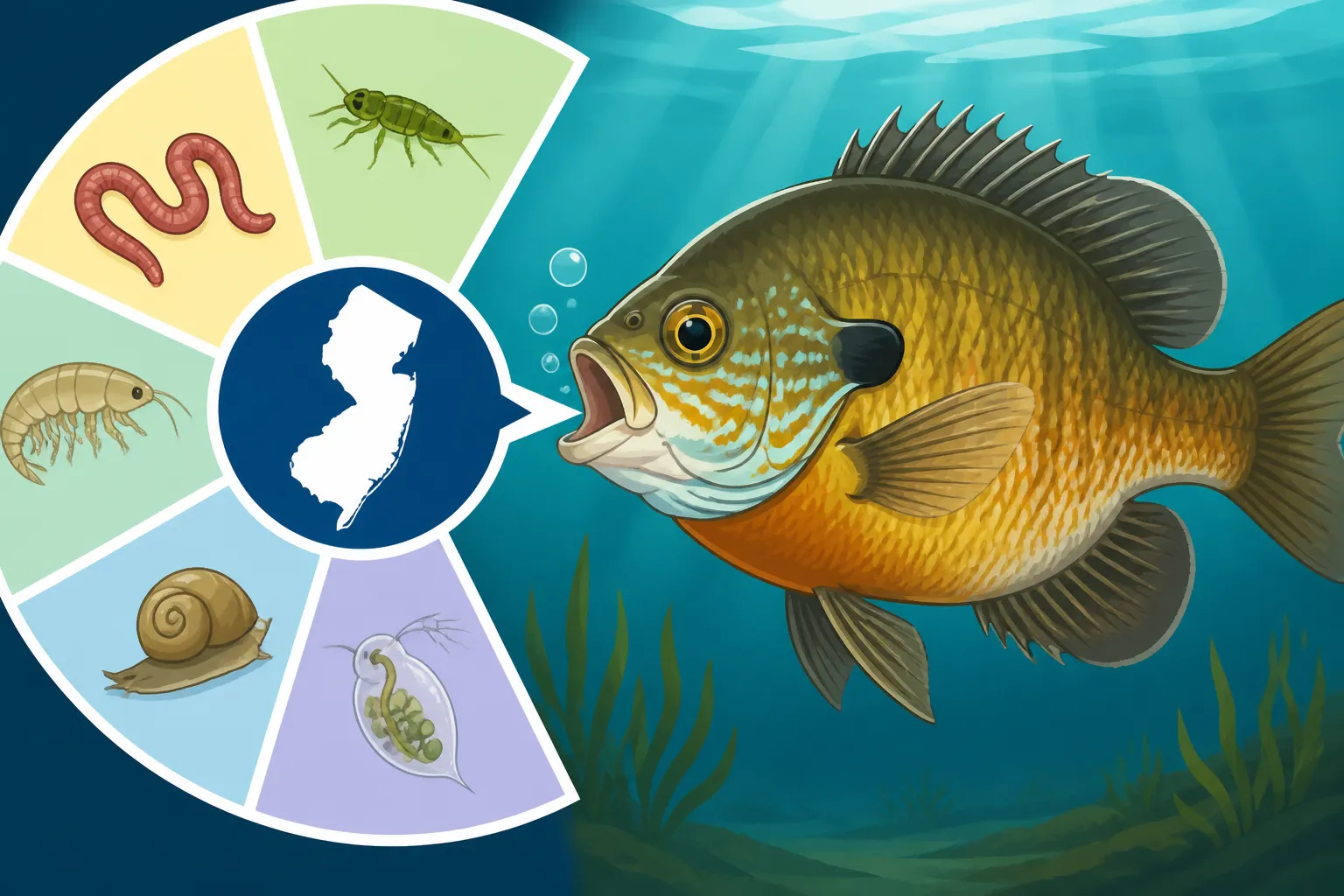
Beyond insects, the underwater world is teeming with other small invertebrates that sunfish readily consume. We touched on zooplankton for the fry, but even adult sunfish will consume these tiny organisms, especially if they are abundant. Picture miniscule water fleas (Daphnia) and copepods drifting through the water – a high-volume, low-effort food source when large numbers are present.
More substantial invertebrate meals include things like scuds (freshwater shrimp-like creatures), which are often found in thick weed beds. Snails, especially the smaller varieties, are also a regular part of the sunfish diet. They'll use their pharyngeal teeth (teeth in their throats) to crush the shells, accessing the soft body inside. Various types of small worms, like aquatic earthworms or even detritus worms, living in the bottom sediment, also become fair game. These smaller items are perfect for sustained feeding, offering a constant source of energy throughout the day.
Vegetable Patch: Algae and Plant Matter
While sunfish are primarily carnivores, meaning they prefer to eat other living organisms, they aren't entirely averse to plant-based meals. Some species, particularly certain types of bluegill and green sunfish, have been observed consuming algae and other aquatic plant matter. This usually isn't their primary food source but can supplement their diet, especially during times when insect or invertebrate populations are low.
Think of it as the occasional salad for a meat-eater – not the main course, but something to graze on. They might accidentally ingest small pieces of vegetation while picking off insects or sifting through the bottom for worms. Sometimes, they might deliberately nibble on tender plant shoots or filamentous algae. This aspect of their diet highlights their truly opportunistic nature; if it's edible and available, a sunfish will likely give it a try.
Cannibalistic Tendencies and Smaller Fish
It might sound a bit grim, but like many predatory fish, larger sunfish aren't above cannibalism, especially if food is scarce or they encounter particularly vulnerable smaller sunfish. They'll also readily prey on the fry and fingerlings of other fish species, making them a significant predator in the ecosystem, despite their modest size.
This behavior isn't about malice; it's about survival and energy efficiency. A larger sunfish needs more calories, and a small, defenseless fish is a concentrated package of protein. You might not see a 6-inch bluegill chasing down a fully grown minnow, but a 3-inch minnow or a freshly hatched perch fry would definitely be considered a meal. This is a common aspect of freshwater ecosystems, where the young of almost any species can become forage for another. This tendency is important to remember, especially when choosing larger baits or lures for bigger sunfish, as you’ll often find them lurking near structures where smaller fish might hide, such as submerged logs or docks.
How Anglers Can Mimic Their Natural Diet (Bait and Lures)
Knowing what sunfish naturally eat is our biggest advantage as anglers. By presenting baits and lures that imitate their preferred foods, we significantly increase our chances of a successful day on the water. It’s all about speaking their language!
Live Bait That Sunfish Can't Resist
When it comes to live bait, simplicity and natural appeal are key. Sunfish are accustomed to finding small, squirming creatures, and these baits hit the mark perfectly.
- Worms: Hands down, the most classic and effective bait for sunfish. Whether it's a small piece of a nightcrawler, a red wiggler, or a piece of garden worm, the scent and wriggling action are irresistible. They mimic aquatic worms and other small invertebrates. A tiny piece hooked through the end, allowing maximum wiggling, is often all it takes.
- Crêpes and Grasshoppers: These terrestrial insects are fantastic, especially during warmer months when sunfish are actively looking upwards for food that falls into the water. If you can catch them near the water's edge, they make for incredibly effective bait. Just hook them lightly through the collar or behind the head and cast them near lily pads or overhanging brush.
- Small Minnows: While not typically thought of for sunfish, larger sunfish (especially green sunfish or larger bluegill) will readily strike tiny minnows. This plays into their occasional predatory nature towards other small fish. Use the smallest live minnows you can find, hooked lightly through the back. This might also appeal to other species like crappie or even smaller bass, which also inhabit waters like those covered in New Jersey Crappie Fishing Guide.
- Maggots or Mealworms: These are easy to obtain from bait shops and are excellent for imitating various larvae and grubs. They are small, juicy, and have a good scent, making them perfect for tempting sunfish on small hooks.
Artificial Lures for a Finicky Bite
Sometimes, live bait isn't practical, or you want the challenge of artificials. Luckily, there's a huge array of tiny lures designed specifically for panfish that sunfish absolutely love. The trick is to think small, small, small!
- Micro Jigs: These are tiny jigs, often weighing 1/32 to 1/64 ounce, dressed with marabou, chenille, or small plastic grub bodies. They mimic small insects, larvae, or zooplankton. Cast them out and retrieve them slowly with tiny twitches, or fish them under a small bobber. Colors like chartreuse, white, black, or natural insect hues are usually winners. Amazon has a vast selection of these micro jigs in multi-packs, making it easy to experiment with colors and sizes.
- Tiny Spinners: Lures like a classic Rooster Tail or Mepps Aglia in their smallest sizes (0, 1) are incredibly effective. The flashing blade and pulsating hackle or dressed body imitate a fleeing baitfish or a large insect. Cast and retrieve steadily, letting the blade do the work. These can be particularly good for more aggressive sunfish.
- Micro Crankbaits: Yes, even sunfish will hit tiny crankbaits! Look for crankbaits no more than an inch or two long, designed to dive just a foot or two. These mimic small baitfish or large aquatic insects. Twitching them gently or reeling them slowly can trigger a strike. Again, a quick search on Amazon for "panfish crankbaits" will show you a plethora of options.
- Flies: For fly anglers, a whole world of options exists. Dry flies like an Adams or a Caddis imitate surface insects, while wet flies and nymphs like a Prince Nymph or a Hare's Ear imitate underwater larvae. Small poppers are also incredibly fun, mimicking a struggling insect on the surface.
Presentation is Key: Making Your Bait Irresistible
It's not just about what you offer, but how you offer it. Sunfish often live in clear waters and can be quite wary, especially the larger ones. A heavy line, a clunky sinker, or an unnatural presentation can easily spook them.
- Light Line: This is paramount. Use the lightest fishing line you can get away with, typically 2 to 4-pound test monofilament or fluorocarbon. Lighter line is less visible to the fish and allows your bait or lure to move more naturally in the water.
- Small Hooks: Match your hook size to your bait and the fish's mouth. For sunfish, a size 8 to 12 Aberdeen or Kahle hook is usually perfect. Anything larger can be difficult for them to get into their mouth, leading to missed bites.
- Minimal Weight: Unless you're trying to fish deep, use as little weight as possible, or none at all. A tiny split shot or two, just enough to get your bait down, is usually sufficient. Over-weighting your line makes the bait look unnatural and can dampen the delicate bites of sunfish.
- Subtle Movement: When fishing live bait, let the bait do the work. Don't yank or twitch excessively. When using lures, a slow, steady retrieve with occasional pauses or gentle twitches is usually more effective than aggressive movements. Remember, you're trying to mimic a natural, easy meal, not a high-speed chase. Fishing these small, enticing baits near docks, submerged trees, or lily pads – prime sunfish territory – will significantly increase your success.
Seasonal and Environmental Influences on Sunfish Diet
Just like our appetites change with the seasons, so do those of sunfish. Their metabolic rates, the abundance of food, and their own biological needs (like spawning) all dictate what and how much they eat throughout the year in New Jersey's diverse fishing spots.
Springtime Feasting and Spawning Energy
Ah, spring! As the waters slowly warm up after the long chill of winter, sunfish metabolism begins to kick into high gear. This is a crucial time for them. Many sunfish species in New Jersey will begin their spawning rituals as water temperatures reach optimal levels, typically ranging from the mid-60s to low-70s Fahrenheit. Building nests and guarding eggs and fry requires an immense amount of energy.
Consequently, spring is a period of aggressive feeding. They're replenishing energy stores depleted over winter and building up reserves for the strenuous spawning process. You'll find them actively foraging for anything available: aquatic insect larvae that are emerging, newly hatched minnows, and even worms washed into the water by spring rains. Anglers often find great success in the spring by targeting shallow, warming coves where sunfish congregate. This is also a time when many of New Jersey's freshwater bodies are getting stocked, so be sure to check New Jersey Freshwater Fishing Regulations Every Angler Should Know to stay updated.
Summer Abundance and Opportunistic Hunting
Summer brings a bounty of food to sunfish. Warmer water temperatures mean higher metabolism and a constant need for calories. The aquatic ecosystem is buzzing with life: insect hatches are prolific, terrestrial insects fall into the water with greater frequency, and smaller baitfish and fry are abundant.
Sunfish in summer become highly opportunistic. They'll spend their days picking off insect larvae from weed beds, rising to the surface for struggling grasshoppers, or even chasing down tiny minnows in open water. They might be found in deeper, cooler water during the hottest parts of the day, but they'll often venture into the shallows during dawn, dusk, and overcast periods to feed. The sheer variety of food means they have a broad palate, making them relatively easy to catch on a wide range of small baits and lures during this season. If you're looking to introduce kids to fishing, summer sunfish are a fantastic target, often found in accessible spots like those mentioned in Best New Jersey State Park Ponds for Family Fishing.
Fall Foraging for Winter Survival
As autumn colors start to paint the landscape and the water temperatures begin to drop, sunfish enter another critical feeding period. This is their chance to "fatten up" for the leaner, colder months of winter. They sense the coming cold and instinctively begin to consume as much as possible, converting that food into energy reserves.
Their diet in fall will still be varied, but they might focus more on readily available, high-calorie foods. This could mean concentrating on schools of smaller baitfish that are also preparing for winter, or larger aquatic insects and worms. They tend to be a bit less active than in summer, but when they do bite, it's often with conviction. Look for them moving into slightly deeper water as the surface cools, but still holding near structure or weed lines where food congregates.
Winter Slowdown and Reduced Metabolism
Winter in New Jersey can be a challenging time for fish, and sunfish are no exception. As water temperatures plummet, their metabolism slows down significantly. They become much less active, often holding in deeper areas, under ice, or near thermal refuges. Their feeding becomes less frequent and more selective.
During winter, especially when ice fishing, sunfish will primarily feed on smaller, slow-moving items. This might include tiny insect larvae, bloodworms, or even small crustaceans that remain active in the cold water. Their bites can be incredibly subtle – sometimes just a slight lift of the line or a tiny twitch of a bobber. Anglers often use the smallest jigs tipped with a single maggot or mealworm, presented right in front of the fish's nose. This reduced activity and selective feeding means you need patience and precision to catch them in the colder months.
Here's a quick reference for common sunfish foods and the baits that mimic them:
| Natural Food Item | Description | Effective Angler Bait/Lure | Ideal Season |
|---|---|---|---|
| Zooplankton | Microscopic aquatic organisms | Micro jigs (1/64 oz), tiny artificial grubs | All seasons, especially for smaller fish |
| Aquatic Insect Larvae/Nymphs | Larval stages of flies, caddis, mayflies, etc. | Small worms, maggots, mealworms, nymph flies, micro jigs | All seasons |
| Terrestrial Insects | Grasshoppers, crickets, ants, beetles | Live grasshoppers/crickets, small poppers, dry flies, surface lures | Spring, Summer, Fall |
| Small Worms/Grubs | Aquatic worms, earthworms, grubs | Live worms (nightcrawlers, red wigglers), mealworms, maggots | All seasons |
| Small Snails | Tiny freshwater snails | Tiny soft plastics, micro jigs, small worms | All seasons |
| Small Minnows/Fry | Young baitfish, other sunfish fry | Tiny live minnows, small spinners, micro crankbaits | Summer, Fall (for larger sunfish) |
| Algae/Plant Matter | Filamentous algae, tender plant shoots | (Not typically targeted with specific baits, incidental consumption) | Occasionally, when other food is scarce |
Disclaimer
This article is for general informational purposes only and does not constitute professional advice. Laws, prices and regulations vary by location and change over time. Consult a qualified professional for guidance on your specific situation.