What Is a Herring Run in New Jersey Rivers?
For many folks who love to fish or just enjoy the natural beauty of New Jersey's waterways, the phrase "herring run" often sparks a mix of curiosity and perhaps a little confusion. It’s not always clear what it means, which fish we're talking about, or why it matters. This guide aims to clear up all that mystery, diving deep into what a herring run truly is in our New Jersey rivers, why these incredible migrations happen, and their immense importance to our local ecosystems.
Understanding the Anadromous Journey of River Herring
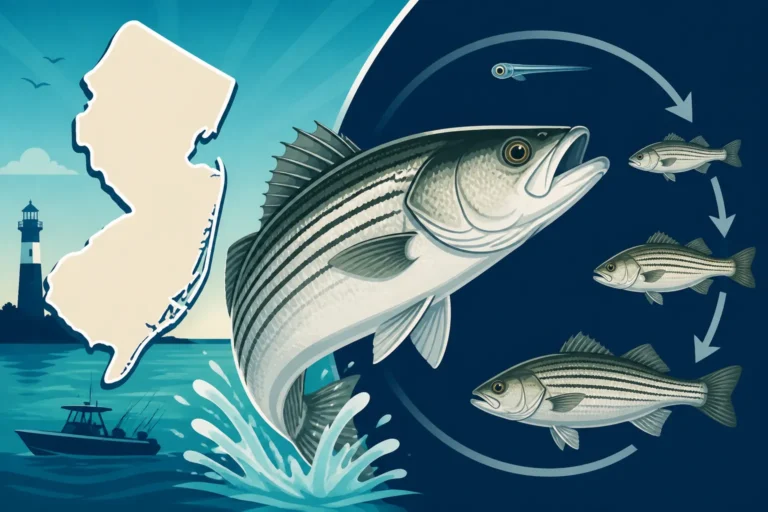
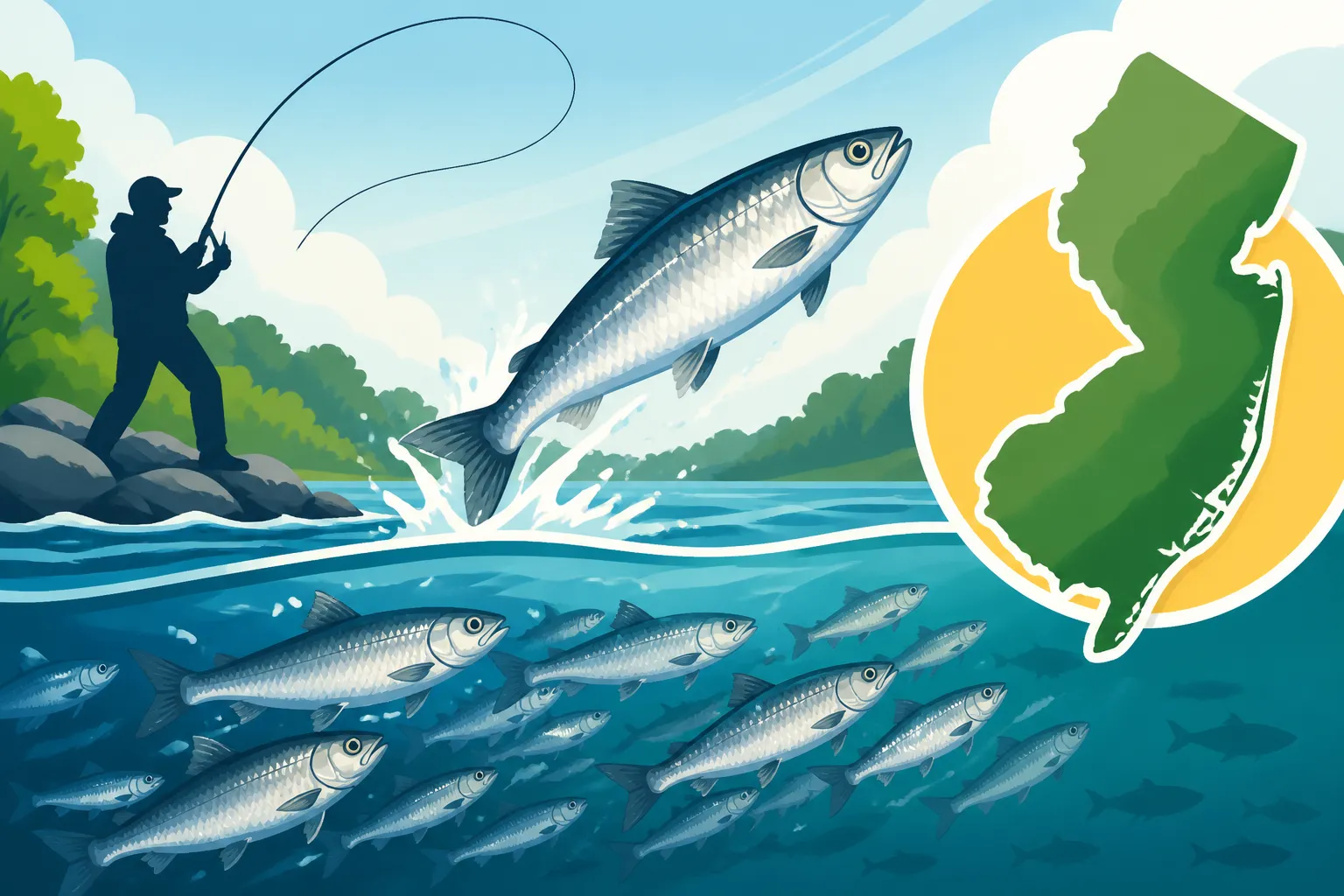
When we talk about a "herring run" here in New Jersey, we're really talking about the fascinating annual migration of two specific species: the Alewife and the Blueback Herring. These fish are collectively known as "river herring," and their journey from the ocean back into freshwater rivers and streams is one of nature's most impressive and vital spectacles. It's a true sign that spring is upon us, even if the air still has a chill.
What Exactly Are River Herring?
River herring aren't the big, silvery ocean herring you might think of, though they are related. Alewife and Blueback Herring are smaller, sleeker members of the herring family, typically growing to about 10-15 inches long. They have distinctive large eyes, a silvery body, and a slightly compressed shape. While they look quite similar to the untrained eye, there are subtle differences in their body shape, eye size relative to their head, and the peritoneum (the lining of their belly cavity) that distinguish them. Both species are anadromous, which is a fancy way of saying they spend most of their lives in saltwater but return to freshwater to spawn.
These fish might seem small, but their collective impact is enormous. They exist as vast schools in the ocean, feeding on plankton and smaller invertebrates, and then, driven by an ancient instinct, they congregate near river mouths. Their bodies are perfectly adapted for both environments, undergoing physiological changes as they transition from salty ocean water to the fresh currents of our rivers. Without these crucial species, many other beloved New Jersey fish wouldn't thrive, as we'll explore later.
The Spawning Migration: Why They Run
The "run" refers to their arduous journey upstream, against the current, to find suitable spawning grounds. This isn't just a leisurely swim; it's a marathon fueled by instinct and the urgent need to perpetuate their species. As the days lengthen and the freshwater rivers begin to warm, typically reaching temperatures between 45-60 degrees Fahrenheit, the herring feel the pull to return to the very streams, ponds, and lakes where they were born. This internal clock is remarkably precise, often triggering runs within a narrow window each year, though weather and water conditions can always shift the exact timing.
Their goal is to deposit their eggs and sperm in quiet, shallow freshwater areas, often over sandy or gravelly bottoms, or even on submerged vegetation. The eggs are sticky, attaching to whatever substrate they land on, providing them some protection from being swept downstream. After spawning, the adult herring, often exhausted, will begin their journey back to the ocean, and the cycle continues. This annual pilgrimage has been a cornerstone of New Jersey's aquatic ecosystems for millennia, acting as a crucial link in the food web. Historically, these runs were so massive that early settlers relied on them as a vital food source, a natural harvest that sustained communities through harsh winters.
The Timing and Locations of New Jersey's Herring Runs
Knowing what a herring run is, the next natural question is when and where you might actually witness this incredible natural phenomenon in the Garden State. It's not a year-round event, but a specific, powerful burst of life that marks the transition from winter to spring.
When Do Herring Runs Happen in New Jersey?
The timing of the herring runs in New Jersey is intrinsically linked to the warming waters of late winter and early spring. Generally, you can expect to see the runs begin in March and April, sometimes stretching into early May, depending on how quickly spring arrives and stabilizes. The precise start and peak of the run can vary quite a bit from year to year. A prolonged cold snap can delay it, while an unusually warm March might bring them in earlier. It’s all about water temperature and, to a lesser extent, river flow. They need that Goldilocks zone – not too cold, not too warm – to trigger their spawning instincts effectively.
Once the conditions are right, the schools will stage in the lower reaches of rivers and estuaries, waiting for the optimal moment to push upstream. The peak of the run can be intense, with thousands of fish moving through bottlenecks, creating a visible spectacle. This brief, but intense, period of activity is what makes the herring run such a vital event, concentrating a huge biomass of energy that then fuels the rest of the ecosystem. It's a reminder of the delicate balance in nature and how a few degrees of water temperature can dictate the rhythm of an entire season.
Key New Jersey Rivers and Streams for Herring
New Jersey, with its extensive network of rivers, bays, and estuaries, has a number of historical and active river herring runs. While many of these are smaller, less publicized tributaries, some larger systems are well-known. The Delaware River and its numerous tidal tributaries are prime examples, especially in the southern part of the state. Rivers like the Maurice River, Great Egg Harbor River, and the Mullica River in South Jersey are historically significant. Further north, tributaries of the Raritan River and even some smaller coastal streams that feed into bays like Barnegat Bay and Sandy Hook Bay can experience runs.
It's important to remember that these fish often push into surprisingly small streams and even man-made systems like canals, as long as there's a clear path to suitable spawning grounds. Public access points along these rivers, particularly near historical mill ponds or dam sites that have been remediated, are often good places to try and observe them. Look for areas where the river flow is slightly reduced, allowing the fish to gather before attempting to ascend rapids or navigate shallower sections. Always check local regulations before visiting, as some areas may have specific rules regarding access or observation.
Here's a simplified look at potential observation points for river herring, though specific timing and success vary:
| Region | Major Rivers/Estuaries | Typical Spawning Habitat | Best Observation Times (Approximate) |
|---|---|---|---|
| South Jersey | Maurice River, Great Egg Harbor River, Mullica River | Freshwater tributaries, small streams, upper tidal creeks | Mid-March to Late April |
| Central Jersey | Raritan River tributaries, Manasquan River | Freshwater ponds, slow-moving sections of streams | Late March to Early May |
| Delaware River | Various tributaries (e.g., Rancocas Creek, Alloway Creek, Salem River) | Upstream freshwater sections, shallow backwaters, mill ponds | Early March to Mid-April |
The Role of Fish Ladders and Restoration Efforts
For centuries, human development often inadvertently created insurmountable barriers for river herring and other anadromous fish. Dams built for mills, hydropower, or water supply blocked their ancient migration routes, cutting them off from vital spawning grounds. This, combined with habitat degradation and pollution, led to significant declines in river herring populations. However, in recent decades, there has been a concerted effort to reverse this trend through habitat restoration and the construction of fish passage structures.
Fish ladders and fish lifts are engineered solutions designed to help fish bypass dams and other obstacles, allowing them to continue their upstream journey. New Jersey has seen numerous projects to remove outdated dams or install these passages, reopening miles of historical spawning habitat. These efforts are crucial for the long-term survival and recovery of river herring populations. When you see a fish ladder in action during a run, it's a powerful testament to conservation, witnessing fish literally overcoming man-made challenges to complete their life cycle. These projects require significant planning and funding, often involving state and federal agencies working with local conservation groups. They are a clear example of How New Jersey Sets Its Fishing Regulations Each Year and allocates resources to protect our aquatic resources.
Ecological Importance and Impact on the New Jersey Ecosystem
It's easy to overlook small fish like river herring, but their presence—or absence—sends ripple effects throughout the entire ecosystem, from the smallest insects to the largest predators. They are a foundational species, a critical linchpin that connects different parts of New Jersey's natural world. Their annual return is truly one of the most important Seasonal Fish Migration Patterns Along the New Jersey Coast.
A Crucial Food Source for Predator Species
Perhaps the most significant ecological role of river herring runs is their function as an absolutely vital food source. Imagine literally millions of protein-rich fish suddenly appearing in rivers and estuaries; it's an all-you-can-eat buffet for a huge array of predators. This influx of energy is timed perfectly with the breeding and growth cycles of many other species, making it an indispensable part of their survival.
One of the primary beneficiaries of a robust herring run is the mighty striped bass. As these powerful gamefish migrate along the coast in spring, they eagerly follow the herring into the bays and rivers. The presence of herring, often called "river candy" by anglers, is a huge factor in where and when striped bass will be found feeding. Anglers who are keen on Striped Bass Fishing in New Jersey know that finding the baitfish, like herring, is often the key to finding the stripers. Similarly, opportunistic bluefish will gorge themselves on herring, particularly the larger schools as they return to the ocean after spawning. Even in freshwater, a limited number of trout in certain tidal areas might key in on herring, though this is less common than the impact on marine predators. Beyond fish, the runs are critical for many bird species. Ospreys, bald eagles, gulls, and cormorants all capitalize on the easy pickings during a herring run, often putting on spectacular aerial displays as they dive for the fish. Even terrestrial mammals like raccoons and foxes will visit the riverbanks to snatch a meal. Without this annual bounty, many of these predator populations would struggle significantly, impacting the entire food web.
Connecting Freshwater and Saltwater Ecosystems
River herring are fascinating biological shuttles, moving energy and nutrients between two vastly different environments: the nutrient-rich ocean and the often less fertile freshwater systems. When they migrate upstream, they bring marine-derived energy into the freshwater lakes and streams where they spawn. Their bodies, rich in oceanic nutrients, are either consumed by predators or, if they perish after spawning, decompose, adding organic matter back into the freshwater ecosystem.
Conversely, the juvenile herring, once they hatch and grow large enough, will then migrate downstream to the ocean, carrying freshwater-derived energy back to the marine environment. This constant movement ensures a dynamic exchange of resources, preventing stagnation and enriching both habitats. It's a fundamental process that highlights the interconnectedness of our diverse aquatic landscapes in New Jersey. Thinking about What Forage Fish Do Saltwater Gamefish Feed On? really drives home just how critical these unassuming fish are to the overall health and productivity of both environments.
Conservation Status and Challenges
Unfortunately, river herring populations across the East Coast, including in New Jersey, have faced significant declines over the last century. Habitat loss due to dams, pollution, and development has been a major factor. Overfishing, particularly bycatch in large commercial fisheries targeting other species, has also played a role. Because of these challenges, river herring are now considered a "species of concern" in many areas, and their runs are Why Are Herring Runs Protected in New Jersey?.
New Jersey, like other states, has implemented regulations and conservation programs to protect these fish. Recreational fishing for river herring is generally prohibited or severely restricted in most areas during their spawning runs. State agencies actively monitor populations, conduct research, and continue efforts to restore habitat and remove barriers. While the runs may not be as massive as they were centuries ago, the ongoing conservation work provides hope for their recovery, ensuring that future generations can continue to witness and benefit from this vital natural event. It's a delicate balance of protecting a key forage species while also managing the fishing pressure on the predators that depend on them.
Observing a Herring Run Responsibly
Witnessing a herring run can be a truly captivating experience, a vibrant display of nature's resilience and intricate design. If you plan to seek out these migratory marvels, it's essential to do so responsibly and ethically, ensuring you don't disturb the fish or their habitat. Remember, these are protected species during their spawning season, and respect for the regulations is paramount.
Best Practices for Viewing
If you're heading out to observe a herring run, think like a wildlife photographer: silent, patient, and respectful. Here are a few tips to enhance your viewing experience while minimizing your impact:
- Go during daylight hours: Herring are active throughout the day, but observation is easiest when the sun is high. Polarized sunglasses are invaluable here; they cut through the glare on the water's surface, allowing you to see deeper into the stream. You can find excellent polarized sunglasses designed for fishing and outdoor activities on platforms like Amazon.
- Choose your spot wisely: Look for areas with clear water and shallower sections, often below rapids or natural falls where fish might gather before attempting to move further upstream. Bridge crossings, if safe and legal, can offer an elevated vantage point. Remember, some of the best spots might be in less-traveled areas, so be prepared for a bit of a walk.
- Stay quiet and still: Sudden movements, loud noises, or casting shadows directly over the water can spook the fish. Find a comfortable spot on the bank, sit down, and let the fish get used to your presence. Often, after a few minutes of stillness, you'll start to see more activity.
- Bring binoculars: For a closer look without disturbing the fish, a good pair of binoculars can make all the difference, especially if the fish are in the middle of a wider stream or river. Again, browsing a selection on Amazon before your trip can ensure you have the right magnification.
- Leave no trace: Pack out everything you pack in, and avoid trampling vegetation along the riverbanks. The healthier the habitat, the stronger the run.
Fishing Regulations and Ethical Angling
This point cannot be stressed enough: River herring are generally protected in New Jersey, and direct fishing for them during their spawning runs is typically prohibited. The focus is on conservation and allowing them to successfully reproduce. It's absolutely crucial that any angler planning to fish in areas where herring runs occur is intimately familiar with the New Jersey Freshwater Fishing Regulations Every Angler Should Know and New Jersey Fishing Season Dates and Closures. These regulations will clearly state whether you can fish for other species in those waters, what the bait restrictions are, and any rules regarding incidental catches.
If you are fishing for other legal species in a river where herring are running, and you happen to catch a herring accidentally (which can happen, as predators like striped bass often chase them), you must release it immediately and unharmed. Handle the fish as little as possible, preferably using a rubberized net and keeping it in the water if possible. Always adhere to catch and release rules, and consider using barbless hooks to minimize harm. Enforcement of these rules is taken seriously by the New Jersey Conservation Police and License Checks, and violations can result in significant penalties. Ignorance of the law is never an excuse.
Essential Gear for Responsible Observation
While observing a herring run doesn't require a tackle box full of lures, having a few key items can make your experience more enjoyable and responsible. Think about comfort, visibility, and non-invasive viewing.
- Polarized Sunglasses: As mentioned, these are a game-changer. They cut glare, allowing you to see through the water's surface and actually spot the fish moving. Different lens colors offer varying benefits, but a brown or amber lens is often versatile for freshwater viewing. You can find a wide range of highly-rated polarized sunglasses perfect for this kind of outdoor activity on Amazon.
- Binoculars or a Spotting Scope: For distant observations or to get a close-up view of fish navigating a challenging section of the river, binoculars are indispensable. A compact pair that's easy to carry is often best. Check out various options and magnifications on Amazon to suit your needs.
- Weather-Appropriate Clothing: Spring in New Jersey can be unpredictable. Layers are key, as mornings can be chilly and afternoons surprisingly warm. Waterproof boots or waders might be useful if you plan to get close to the water's edge in muddy areas, but always prioritize safety and staying on solid ground.
- Field Guide to New Jersey Fish: While you might not be catching them, having a small guide can help you correctly identify river herring and differentiate them from other species you might observe, like shad or suckers, which also make spring runs.
- Camera: If you enjoy photography, a camera with a good zoom lens can help capture the spectacle without disturbing the fish. Just remember to be mindful of your presence and prioritize the fish's well-being over the perfect shot.
Equipping yourself properly ensures you can fully appreciate the natural wonder of a New Jersey herring run without inadvertently causing stress or harm to these important migratory fish.
Disclaimer
This article is for general informational purposes only and does not constitute professional advice. Laws, prices and regulations vary by location and change over time. Consult a qualified professional for guidance on your specific situation.