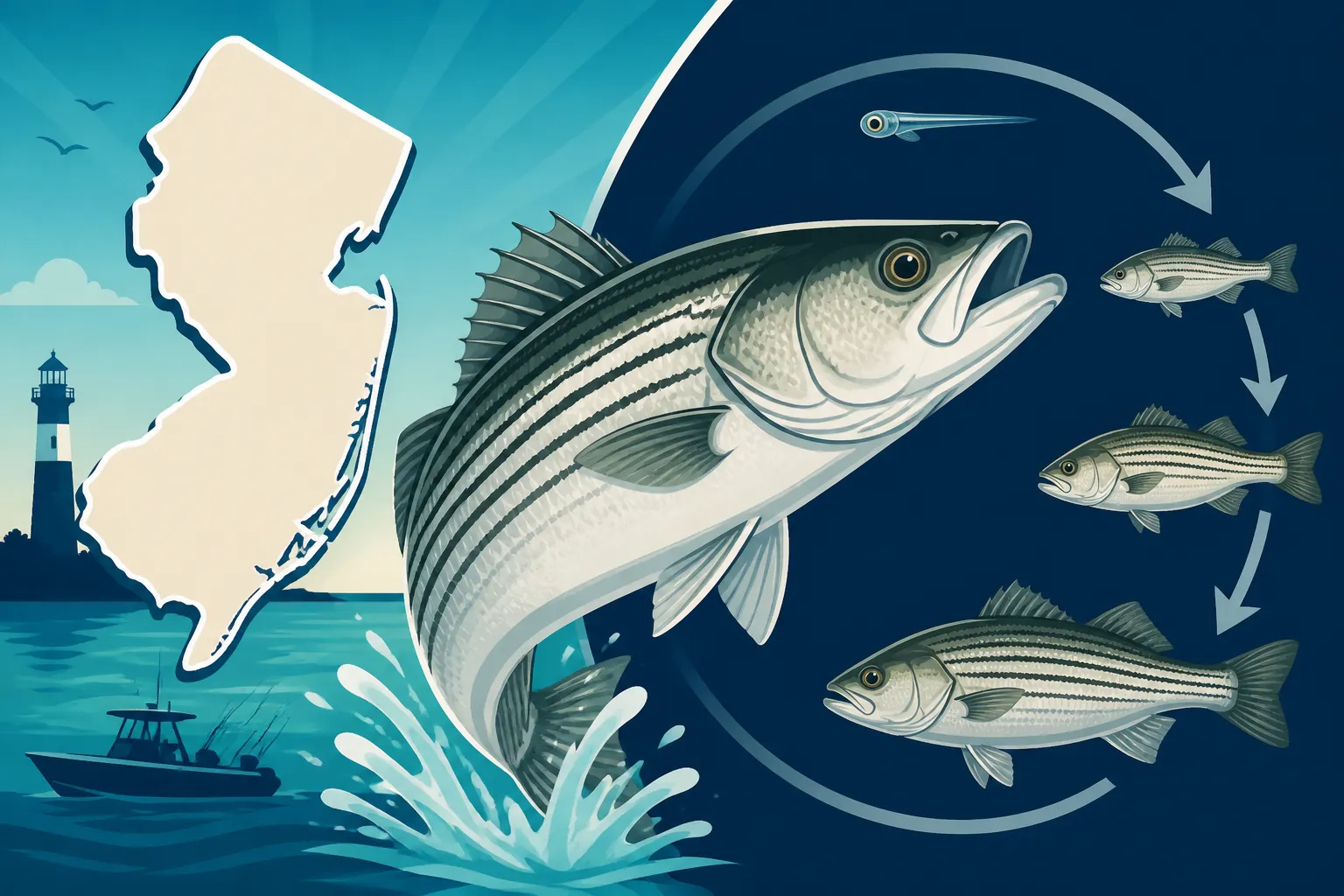
How Long Do Striped Bass Live?
It's an amazing feeling, isn't it? When you hook into a powerful striped bass, whether it's a feisty schoolie or a true cow, there's a moment of connection that makes you wonder about its journey. We often catch and release, sending these incredible fish back to the depths, but it leaves many of us asking: just how long do these magnificent creatures roam our New Jersey waters? This guide dives deep into the lifespan of striped bass, exploring their remarkable journey from tiny eggs to wise, old ocean residents, and what we as anglers can do to help them thrive.
The Lifecycle of a Striped Bass: From Egg to Elder
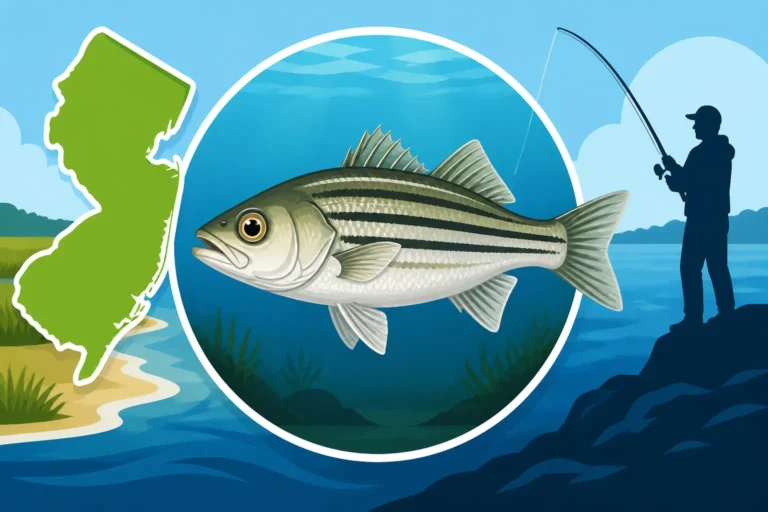
Striped bass, or "stripers" as we affectionately call them here in New Jersey, have a life story that spans decades. It’s a journey of growth, survival, and incredible migrations, and understanding it gives you a whole new appreciation for every fish you encounter.
Early Life and Rapid Growth: The First Few Years
The story of a striped bass begins in the freshwater spawning grounds, far upstream in major rivers like the Delaware and Hudson. Unlike many marine fish, stripers need a mix of fresh and brackish water to reproduce successfully. Once the eggs hatch, tiny larval stripers drift downstream into the vast nursery grounds of estuaries and bays. These protected, nutrient-rich environments are crucial for their survival. Think of places like the Raritan Bay and Sandy Hook Bay, which are vital estuaries in New Jersey. Here, the young fish feed voraciously, growing at an astonishing rate. In their first year, they can grow several inches, sometimes even over a foot! Their survival largely depends on the abundance of food like small crustaceans and baitfish, as well as protection from predators. This rapid growth phase is essential for them to quickly outgrow many of the dangers lurking in their early habitats.
Maturation and Migration: Becoming an Adult Striper
As stripers mature, usually around 2-4 years for males and 4-8 years for females, they begin to participate in the incredible migratory patterns that define the species. It's during this phase that they leave the relative safety of the estuaries and venture out into the open ocean, joining the larger migratory schools that travel up and down the Atlantic coast. For us New Jersey anglers, this means the exciting spring and fall runs, when vast schools of stripers pass through our coastal waters, gorging on baitfish like bunker and herring. These migrations are often tied to water temperature and food availability. Females typically mature later and grow larger, dedicating their energy to developing roe for future spawning seasons. It's an energy-intensive process, and a fish needs to be healthy and strong to make these long journeys and reproduce successfully. Protecting these maturing fish is why regulations like New Jersey Striped Bass Slot Limit Explained are so important.
Factors Influencing a Striped Bass's Lifespan
Just like us, a striped bass's potential lifespan isn't guaranteed; it's heavily influenced by a myriad of factors, both natural and man-made. Understanding these helps us appreciate the challenges these fish face and why conservation is so vital.
Environmental Pressures: Water Quality and Habitat
Healthy habitats are the bedrock of a healthy striped bass population. Unfortunately, coastal development, pollution from runoff, and industrial discharges can severely impact the quality of their spawning grounds, nurseries, and migratory routes. Poor water quality can lead to disease, reduced food sources, and overall stress on the fish, shortening their lives. Changes in water temperature due to climate shifts can also affect their migrations and metabolic rates, forcing them to expend more energy or altering their feeding patterns. Estuaries, which are critical for juvenile stripers, are particularly vulnerable. When these crucial habitats are compromised, the future generations of stripers suffer, making it harder for them to reach their full potential lifespan. This interconnectedness highlights why broad environmental conservation efforts benefit not just stripers, but the entire marine ecosystem we enjoy.
Predation and Fishing Pressure: Natural and Human Impact
Striped bass face threats from both natural predators and human activities. In the ocean, larger fish like sharks, as well as marine mammals like seals, will prey on stripers. However, human fishing pressure, both recreational and commercial, is a significant factor. While regulations like How Bag and Size Limits Work in New Jersey are in place to manage populations, the sheer volume of fishing still takes its toll. Catch and release fishing, while intended to be conservation-minded, isn't always 100% successful. A poorly handled fish, or one that's fought to exhaustion, can succumb to stress or injury after release. This is why proper handling techniques are so critical; minimizing the time out of water, using wet hands, and quickly releasing the fish can significantly increase its chances of survival, contributing to its potential longevity. Every angler has a role to play in reducing post-release mortality.
Food Availability and Health: A Striper's Diet
A striped bass needs a consistent and abundant food supply to grow large and live a long life. Their diet is varied, including bunker (menhaden), herring, mackerel, squid, crabs, and a variety of smaller baitfish and crustaceans. When forage fish populations are healthy, stripers thrive. If food sources become scarce due to environmental changes, overfishing of baitfish, or shifting oceanic patterns, stripers will struggle to gain weight and maintain their health, which can directly impact their growth rates, reproductive success, and overall lifespan. A well-fed fish is more resilient to disease, stress, and the rigors of migration and spawning. Conversely, a fish that is constantly struggling for food will be weaker and more susceptible to various threats, ultimately shortening its life. Anglers often keep an eye on baitfish populations, and a healthy supply is always a good sign for the stripers that follow them. Finding the right lures and baits, which you can easily stock up on through retailers like Amazon, becomes simpler when you know what they're actively feeding on.
How Long Do Striped Bass Really Live?
This is the million-dollar question for many anglers! It’s incredible to think about the years, even decades, these fish spend cruising the coast and battling tides.
Average Lifespan: What the Scientists Say
Generally speaking, striped bass can live for a surprisingly long time. On average, you can expect a striped bass to live somewhere between 10 to 20 years. This isn't a hard and fast rule, of course; there's a lot of variability based on everything we just discussed – their genetics, the health of their environment, and the amount of fishing pressure they face. Males typically have a slightly shorter average lifespan than females, as females tend to grow larger and invest more energy in reproduction over a longer period. So, that 30-inch striper you caught might be a seasoned veteran of a decade, while a true trophy might have seen many, many more seasons.
The Record Holders: Exceptional Longevity
While the average is impressive, some striped bass defy expectations and become true elders of the sea. Scientific studies, often using otoliths (ear bones) to determine age, have shown that striped bass can live for over 30 years, with some records pushing close to 40! Imagine the migrations, the spawning cycles, and the countless meals that fish has experienced over such a long life. These exceptionally old fish are often large, dominant females, sometimes referred to as "brood stock," and they are invaluable to the health of the overall population. Their longevity means they've had many opportunities to reproduce, contributing significantly to future generations. These ancient fish are the reason we have strict slot limits and handling guidelines – to protect these irreplaceable breeders.
Age and Size: Understanding the Connection
It’s natural to assume that a bigger fish is always an older fish, and while there's a general correlation, it's not always a perfect linear relationship. Yes, larger stripers tend to be older, but growth rates can vary significantly. A fish in a particularly food-rich area with less stress might grow faster than a fish of the same age in a less favorable environment. Additionally, once a striper reaches sexual maturity, a significant portion of its energy goes into reproduction rather than purely growth. So, while that massive cow striper is certainly an old fish, a slightly smaller one might be just as ancient if it came from an area with different conditions. It's a reminder that every fish has its own unique story, influenced by its individual journey and the waters it calls home.
Our Role in Their Longevity: Conservation and Responsible Angling
As anglers, we have a direct impact on the longevity of striped bass. Our actions, both on and off the water, contribute significantly to their survival and the health of the fishery for years to come.
Catch and Release Best Practices for Striper Survival
For many of us, especially when targeting larger stripers or those outside the legal slot, catch and release is the name of the game. But "catch and release" isn't just about letting the fish go; it's about letting it go successfully. This means minimizing stress and injury. Consider using circle hooks when bait fishing, as they are far less likely to deep-hook a fish, making release easier and safer. Many anglers are now adopting these, and you can find a wide variety of them on Amazon. Reduce the fight time by using appropriately sized tackle. When handling the fish, keep it in the water as much as possible, use wet hands, and support its full weight horizontally, avoiding hanging it vertically by the jaw or gills. Remove the hook quickly with pliers or a dehooker, and if the fish seems sluggish, hold it gently upright in the water, facing into the current, until it swims away under its own power. Practicing New Jersey Catch and Release Striped Bass Handling Rules not only helps the individual fish survive but contributes to the overall health and longevity of the stock.
Understanding Regulations and Bag Limits
New Jersey's fishing regulations, including bag and size limits, aren't arbitrary rules meant to frustrate us. They are carefully crafted based on scientific data to protect the striped bass population and ensure its sustainability. The slot limit for striped bass, for instance, is designed to protect both the smaller, immature fish and the larger, spawning-size fish, allowing them to reproduce multiple times. It's about letting enough fish survive to grow into mature breeders and then protecting those breeders so they can continue to replenish the stock. Taking the time to read and understand the New Jersey Fish and Wildlife Digest before each season is an angler's responsibility. Ignorance of the law is no excuse, and violating these rules can have serious consequences, impacting not just your wallet but the future of the fishery itself.
Supporting Conservation Efforts
Beyond our individual actions on the water, supporting broader conservation efforts is crucial. This can take many forms: from joining local fishing clubs that advocate for habitat protection and sensible management policies to donating to organizations dedicated to marine conservation. Even something as simple as participating in angler surveys or reporting illegal fishing activities helps wildlife agencies like the New Jersey Department of Environmental Protection gather vital data and enforce regulations. Every little bit helps ensure that the ecosystems stripers rely on remain healthy and that these magnificent fish continue to thrive for future generations of anglers. You can find books and guides on responsible angling practices and local conservation on platforms like Amazon, further enhancing your knowledge and commitment.
| Life Stage | Typical Age Range (Years) | Key Characteristics |
|---|---|---|
| Larval/Juvenile | 0-2 | Rapid growth in estuaries; highly dependent on healthy nursery habitats; vulnerable to predation. |
| Sub-Adult | 2-5 (Males), 4-7 (Females) | Begin migrations; males reach sexual maturity; females nearing maturity; still growing rapidly. |
| Adult/Spawning | 5-20 | Regular migrations; actively reproduce; contribute significantly to the population; important for slot limits. |
| Elder/Brood Stock | 20-30+ | Very large fish; highly valuable for genetic diversity and reproductive output; rare and highly protected. |
Disclaimer
This article is for general informational purposes only and does not constitute professional advice. Laws, prices and regulations vary by location and change over time. Consult a qualified professional for guidance on your specific situation.