Largemouth Bass Fishing in New Jersey
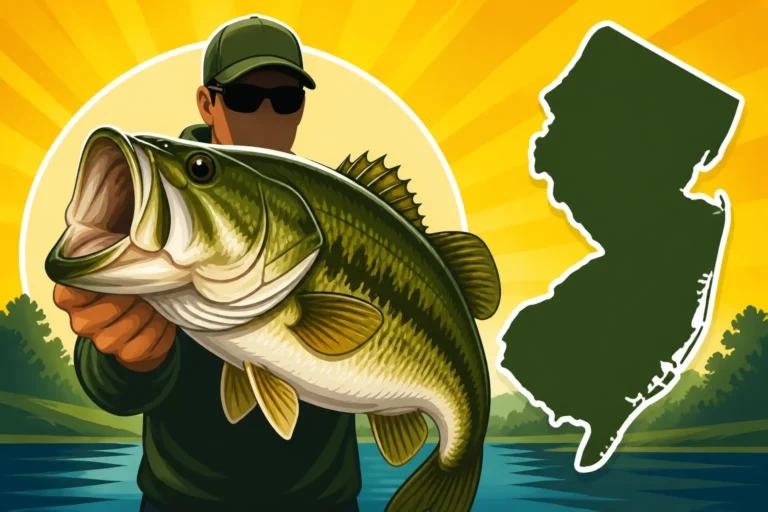
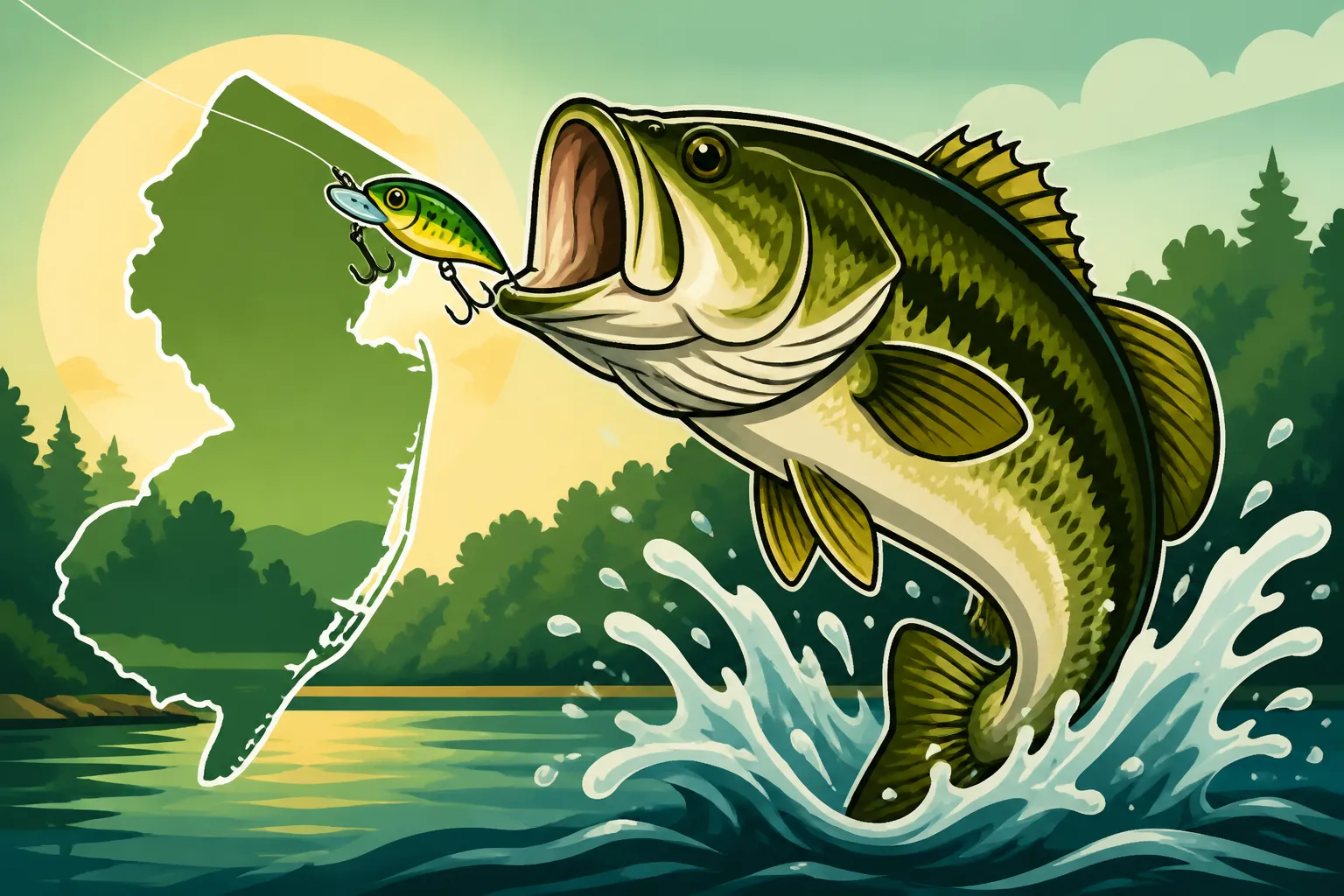
Oh, the largemouth bass! There's something truly special about the explosive strike of a big bucketmouth, isn't there? But let's be honest, trying to figure out where to start in a state as diverse as New Jersey, with its countless lakes, ponds, and even tidal rivers, can feel overwhelming. You want to spend your time fishing, not endlessly researching. That's exactly why I've put together this comprehensive guide, so you can confidently tackle largemouth bass fishing across the Garden State, from the quietest farm ponds to the bustling backwaters.
Understanding New Jersey's Largemouth Bass Habitat
New Jersey might be small, but it boasts an incredible variety of freshwater environments, each offering unique challenges and rewards for the largemouth bass angler. From the sprawling lakes of the north to the more intimate ponds and tidal creeks down south, understanding where these fish live and thrive is your first step to consistent success. It's not just about finding water; it's about finding the right water and knowing what to look for within it.
Lakes, Ponds, and Reservoirs: The Freshwater Strongholds
When most folks think about largemouth bass fishing, their minds probably go straight to tranquil lakes, peaceful ponds, and expansive reservoirs. And for good reason! These bodies of water are classic largemouth territory, offering a buffet of habitat features that these ambush predators absolutely adore. In New Jersey, you'll find everything from massive glacial lakes to smaller, man-made impoundments, each with its own character.
Consider places like Lake Hopatcong, the largest freshwater lake in the state. Its sheer size means a vast array of cover: sprawling weed lines, dense lily pad fields that stretch for acres, and hidden pockets of submerged timber. These are the bass supermarkets, where baitfish hide and bass lie in wait. Learning to identify these distinct zones – whether it's the edge where emergent weeds meet open water, or a particularly thick patch of lily pads near a drop-off – is crucial. A sunny day might push bass deep into the shade of those pads, while a cloudy day could find them patrolling the outer edges of weed beds looking for an easy meal. Each body of water, from the big ones like Manasquan Reservoir down to smaller county park ponds, will have these key features, you just need to train your eye to spot them.
Tidal Rivers and Backwater Creeks: A Unique Challenge
Now, this is where New Jersey really stands out from many other bass fishing destinations. Our state is blessed with numerous tidal rivers and backwater creeks that host thriving populations of largemouth bass, offering a completely different fishing experience. The constant ebb and flow of the tide introduces a dynamic element that freshwater-only anglers might not be used to, and it profoundly influences where and when bass feed.
Imagine the lower reaches of the Delaware River, or the winding tributaries of the Mullica River down south. Here, the bass aren't just reacting to light and temperature; they're also responding to the current. A rising tide might push baitfish deep into marsh grass and flooded cover, where bass will follow. A falling tide, on the other hand, can pull baitfish out of that cover, concentrating them along creek mouths and points, making them vulnerable. Docks, fallen trees, and oyster beds become prime ambush points. Fishing these areas successfully means paying close attention to the tide charts and understanding how the water movement dictates the bass's position. It's a game of timing and precision, but the rewards—often chunky, powerful bass—are well worth the extra planning.
Essential Gear for New Jersey Largemouth Anglers
You wouldn't go hiking without the right boots, and you shouldn't go largemouth bass fishing without the right gear. New Jersey's diverse waters, from tight-quartered ponds to open reservoirs, demand a versatile tackle setup. While you don't need to break the bank, having a few key pieces of equipment that are up to the task will make your time on the water much more enjoyable and productive. Let's talk about what you'll need to get started and what might be worth investing in as you get more serious.
Rods, Reels, and Line: Matching Your Setup
Choosing the right rod, reel, and line combination is paramount for targeting largemouth bass. For many new anglers, a medium-heavy action spinning rod, around 6'6" to 7' in length, paired with a reliable 2500-3000 series spinning reel, is a fantastic starting point. This setup is incredibly versatile, allowing you to cast a wide array of lures, from soft plastics to small crankbaits. For line, 10-15 lb monofilament or fluorocarbon is a great all-around choice. If you're serious about getting into bass fishing, you'll quickly realize the benefit of having a dedicated baitcasting setup. These are typically used with heavier lines and lures, perfect for flipping into dense cover or throwing larger swimbaits. A medium-heavy to heavy power baitcasting rod, 7' to 7'6" long, with a high-speed reel (7.1:1 gear ratio or higher), spooled with 30-50 lb braided line, becomes invaluable for punching through thick lily pads or pulling a big bass out of heavy brush. You can find a huge selection of quality rods and reels on Amazon to suit any budget and technique.
Matching your setup to your target technique is key. For example, if you're going to be throwing topwater frogs over matted vegetation, a heavy-action baitcaster with stout braided line is essential to pull those fish out of the slop. On the other hand, if you're finesse fishing with a wacky-rigged Senko in open water, a medium-light spinning rod with light fluorocarbon line will give you the sensitivity and subtle presentation you need. Having a couple of different rod and reel combos allows you to quickly switch between techniques without having to re-tie constantly, maximizing your fishing time. Remember, the goal is to feel confident in your equipment so you can focus on the fishing itself.
Lure Selection: What to Throw When
The world of bass lures is vast and can feel overwhelming, but a few staples will cover most situations you'll encounter in New Jersey. For covering water and eliciting aggressive strikes, keep a selection of crankbaits, spinnerbaits, and chatterbaits. Crankbaits come in various diving depths; shallow runners are great for flats and weed lines, while deep divers excel at targeting offshore humps and drop-offs. Spinnerbaits are fantastic for working through sparse cover, and their flash and vibration can be irresistible. Chatterbaits offer a unique jig-like profile with a vibrating blade that bass can't seem to ignore, especially in slightly stained water.
Soft plastics are truly indispensable for largemouth bass, offering endless rigging possibilities and a natural presentation. Stock up on straight-tail worms (like a Senko), creature baits, and finesse worms. Rigging them Texas-style makes them weedless, perfect for flipping into heavy cover without snagging. Carolina rigs are excellent for dragging baits along the bottom in deeper water. And for those thrilling topwater bites, especially during low light conditions or over matted vegetation, don't forget topwater frogs, poppers, and buzzbaits. There's nothing quite like watching a bass explode on a surface lure. Experiment with different colors and sizes. Often, a subtle change can make all the difference. Many popular and effective lures are readily available on Amazon, making it easy to build out your tackle box.
Mastering Largemouth Bass Techniques in New Jersey
Largemouth bass are creatures of habit, yet they're also highly adaptable. Their behavior is largely dictated by environmental factors like water temperature, light conditions, and the availability of food. To consistently catch them in New Jersey, you need to be a chameleon, ready to change your tactics as the seasons turn and the conditions shift. It's about more than just casting; it's about reading the water and understanding what the bass are doing beneath the surface.
Seasonal Strategies: Adapting to the Year
New Jersey offers a distinct four-season fishing experience, and the largemouth bass certainly feel the changes. In spring, as water temperatures climb into the 50s and 60s, bass move shallow for the pre-spawn. They're hungry and aggressive, gorging themselves before the rigors of spawning. This is prime time for spinnerbaits, crankbaits, and jigs fished around shallow cover. During the spawn, when water hits the high 60s, bass become very territorial. Sight fishing for bedding bass with soft plastics or jigs can be effective, but remember to handle them with care as they're vulnerable. After the spawn, bass move into a post-spawn funk, often suspending or resting. Transition areas like points and creek channels become key, and slow-moving plastics or even topwater baits can entice them. To dive deeper into specific spring tactics, check out How to Catch Largemouth Bass in Early Spring.
Summer brings warm water, often pushing bass deeper during the day or forcing them into dense cover to seek shade and cooler temperatures. Early mornings and late evenings are excellent for topwater lures around docks and weed edges. During the heat of the day, focus on flipping jigs or punching soft plastics into thick vegetation, or cranking deeper humps and drop-offs. Best Lures for Largemouth Bass in Summer Heat offers great tips for this time of year. As fall arrives, and water temperatures begin to cool, bass enter a feeding frenzy, packing on weight for the winter. They become highly aggressive, chasing baitfish in schools. This is a fantastic time for crankbaits, jerkbaits, and fast-moving spinnerbaits. Look for them moving along main lake points and creek bends. Finally, winter fishing for largemouth is a true test of patience. Bass are lethargic and hold tight to deep structure. Finesse techniques like dropshotting, slow-rolling jigs, or suspending jerkbaits with painfully slow retrieves are your best bet. If you're looking for guidance on tackling the colder months, refer to How to Catch Largemouth Bass in Cold Water.
Fishing Specific Structures: Where the Bass Hide
Largemouth bass are ambush predators, meaning they love to hide in or near structure, waiting for an unsuspecting meal to swim by. Learning to identify these structures and how to effectively fish them is fundamental to success. Docks and Piers are absolute magnets for bass. They provide shade, cover from predators, and often have submerged debris. Skipping jigs or soft plastics far under docks can yield big fish that rarely see a lure.
Weed Beds and Lily Pads are classic bass hangouts. These areas provide oxygen, shelter, and a nursery for baitfish. Working topwater frogs directly over matted vegetation is incredibly exciting, while flipping or punching heavy jigs and soft plastics into the densest parts can pull out giant bass hiding deep within. Don't be afraid to get your lure into the thick stuff; that's where the big ones often live. Submerged Timber and Rock Piles offer different forms of cover. Timber provides excellent ambush points, especially around the base of trees or fallen logs. Crankbaits that deflect off the wood, jigs worked slowly through branches, or Texas-rigged worms can be highly effective. Rock piles, often found on points or humps, attract crayfish and baitfish, making them prime feeding grounds. Squarebill crankbaits, football jigs, and shaky head worms are great choices for these hard-bottom areas. Even subtle changes in depth or bottom composition, known as transition areas like points, humps, and creek channels, are crucial. These often act as highways for bass moving between shallow and deep water, and understanding how bass use them during different times of the day or year can unlock incredible fishing opportunities.
Top Largemouth Bass Fishing Spots in New Jersey
New Jersey might not be celebrated as a "bass state" in the same way as some Southern states, but we have an incredible array of fisheries that hold fantastic largemouth bass, including some true giants. Knowing where to go and what to expect from these diverse waters can make all the difference in your success. Whether you prefer the challenge of big water or the intimacy of a smaller pond, there’s a spot for you.
North Jersey Gems: Lakes and Reservoirs
Northern New Jersey is home to some of the state's most prominent freshwater bodies, offering ample opportunities for largemouth bass anglers. Lake Hopatcong, as the largest lake in New Jersey, stands out as a premier destination. Its sheer size means varied habitat, from shallow flats teeming with lily pads and milfoil to deep rocky points and submerged humps. Bass fishing here can be fantastic, with plenty of healthy fish and the potential for a true trophy. Anglers often target its extensive weed lines and docks during warmer months, and deep structure when the water cools. For more detailed information, check out Lake Hopatcong Bass Fishing Hotspots.
Another fantastic spot is Monksville Reservoir. This picturesque reservoir, known for its clear water, presents a different challenge. Bass here can be a bit more finicky due to the visibility, often holding tight to cover or suspending over deep structure. Jig fishing and finesse techniques can be very effective. Greenwood Lake, straddling the New Jersey-New York border, also offers excellent largemouth opportunities, particularly around its numerous docks, rock walls, and submerged vegetation. The key to these larger bodies of water is often covering a lot of ground and paying attention to subtle changes in depth, structure, and water temperature.
Central and South Jersey Hotspots: Ponds and Rivers
Moving south, you'll find a different kind of bass fishing experience, often characterized by smaller, but no less productive, lakes and a unique network of tidal rivers and creeks. Assunpink Lake, part of the Assunpink Wildlife Management Area, is a highly regarded fishery in Central Jersey, often managed specifically for its bass population. It's a great spot for both boat and bank anglers, featuring plenty of submerged timber and weed beds that largemouth love.
In South Jersey, Union Lake near Millville is a well-known bass factory, with a reputation for producing big fish. Its expansive size and varied structure, including deep channels and shallow flats, make it a rewarding challenge. For a truly unique experience, don't overlook the Delaware River backwaters and other tidal creeks like the Mullica River. These areas offer dynamic fishing, with bass moving in and out of flooded cover with the tides, as discussed earlier. Look for current breaks, dock pilings, and marsh edges. And of course, no discussion of New Jersey bass fishing would be complete without mentioning Menantico Sand Wash Pond in Cumberland County. While it's a small, unassuming pond, it holds a special place in New Jersey angling history as the location where the state's record largemouth bass was caught. To learn more about this legendary catch, you might be interested in Menantico Sand Wash Pond: Where New Jersey's Record Bass Was Caught.
Essential Regulations and Conservation for Bass Anglers
Fishing for largemouth bass in New Jersey isn't just about catching fish; it's also about being a responsible angler and understanding the rules that help protect our valuable fisheries. The New Jersey Division of Fish and Wildlife (NJFW) sets regulations to ensure healthy fish populations for generations to come. Ignoring these rules can lead to fines and penalties, and more importantly, it can harm the very resource we love.
Licensing and Size/Bag Limits
First and foremost, if you're 16 years of age or older, you absolutely need a valid New Jersey freshwater fishing license to fish for largemouth bass. There are specific requirements for residents versus non-residents, and even exemptions for certain age groups, like seniors over 70. It's easy to obtain one online or through authorized retailers. You can find detailed information on where to get yours in Where and How to Buy a New Jersey Fishing License. It's your responsibility to know the current regulations for largemouth bass, which typically include specific size limits (a minimum length the fish must be to be kept) and daily bag limits (the maximum number of fish you can keep per day). These rules can change annually based on scientific data and conservation goals.
For example, a common regulation might be a minimum size of 12 inches and a bag limit of 5 fish. However, certain lakes or specific management zones might have special regulations, such as slot limits, where only fish within a certain size range can be kept, or even specific catch-and-release-only sections. Always, always check the current New Jersey Fish and Wildlife Digest before you head out, or download the latest regulations to your phone. This digest is the official source for all fishing rules, including New Jersey Freshwater Fishing Regulations Every Angler Should Know and New Jersey Daily Bag Limits by Species. Failing to follow these rules can result in significant penalties, so make sure you're always informed. If you're ever caught fishing without a license, the consequences can be serious, as detailed in What Happens If You Get Caught Fishing Without a License in New Jersey?.
Catch and Release Best Practices
Many dedicated largemouth bass anglers in New Jersey practice catch and release, especially for larger fish. This conservation mindset helps maintain healthy populations and allows big bass to continue growing and spawning. However, just "releasing" a fish isn't enough; doing it properly is crucial for its survival. When you land a bass, try to minimize its time out of the water. Handle the fish gently with wet hands, supporting its belly, and avoid gripping it by the jaw in a way that puts stress on its neck and spine, especially for larger, heavier fish.
Carry dehooking tools, like long-nose pliers or specialized dehookers, to quickly remove hooks. If a fish is deeply hooked, it's often better to cut the line as close to the hook as possible rather than tearing tissue trying to retrieve it. When releasing the fish, place it gently back into the water headfirst, allowing water to flow over its gills. If it's lethargic, hold it upright and move it back and forth gently to help oxygenate its gills until it swims away under its own power. Practicing these humane techniques ensures that the fish you release has the best possible chance of survival, contributing to the health and vitality of New Jersey's bass fisheries for years to come.
Advanced Tips for Bigger New Jersey Largemouth
Once you've got the basics down and are consistently catching bass, the natural progression is to start targeting those bigger, smarter largemouth. These aren't your average 12-inchers; trophy bass in New Jersey often require a bit more thought, precision, and sometimes, a little help from technology. They've seen more lures, survived more encounters, and often hold in less obvious places. Elevating your game means understanding how to use every tool at your disposal.
Electronics and Mapping: Leveraging Technology
In today's bass fishing world, electronics are no longer just for the pros; they're becoming an indispensable tool for any angler serious about finding bigger fish. A good quality fish finder with GPS capabilities can revolutionize your approach. It allows you to quickly locate submerged structure like humps, drop-offs, rock piles, and old creek channels that are invisible from the surface. Side imaging or down imaging features can show you detailed images of what's beneath and to the sides of your boat, revealing individual logs, brush piles, or even schools of baitfish.
Pairing your fish finder with detailed lake maps, whether on your unit or a separate app, is a game-changer. These maps often show depth contours, underwater features, and even points of interest. By studying contour lines, you can identify hidden points, subtle humps, and sudden depth changes that act as bass magnets. Understanding how to interpret your sonar and mapping data means you're not just casting aimlessly; you're systematically dissecting the lake, eliminating unproductive water and focusing on high-percentage areas where bigger bass are more likely to stage and feed. This allows you to find those "secret" spots that aren't visible to the naked eye.
Understanding Forage and Water Conditions
Big bass didn't get big by being picky, but they certainly developed preferences. Understanding what local forage bass are feeding on can give you a significant advantage. Are the bass in your lake primarily eating minnows, juvenile sunfish, or crayfish? "Matching the hatch" means selecting lures that imitate the size, color, and action of that predominant food source. If bass are gorging on small bluegill, throwing a bluegill-patterned crankbait or swimbait can be incredibly effective. If crayfish are abundant, a brown or black jig dragged along the bottom can be deadly.
Beyond forage, water conditions play a massive role. Water clarity dictates lure color and presentation. In clear water, subtle, natural colors and finesse presentations are often best. In stained or muddy water, brighter colors (chartreuse, orange) and lures with more vibration (spinnerbaits, chatterbaits) can help bass locate your offering. Water temperature influences bass metabolism and activity levels; warm water means active fish, cold water means lethargic ones. Even barometric pressure can affect bass behavior. A stable, high-pressure system might mean fish are active, while a rapidly dropping barometer before a storm can trigger a feeding spree. Paying attention to these subtle environmental cues and adjusting your presentation accordingly is the mark of a truly successful and adaptable bass angler.
Beyond the Hook: The Largemouth Bass Experience
While the thrill of the strike and the fight of a largemouth bass are undeniably the primary draws, the experience of bass fishing in New Jersey offers so much more. It's a gateway to community, learning, and a deeper connection with the natural world. It’s about more than just numbers or size; it’s about the journey and the lessons learned along the way.
Community and Tournaments: Engaging with Fellow Anglers
One of the great joys of bass fishing is the camaraderie it fosters. New Jersey has a vibrant community of bass anglers, from casual weekend warriors to serious tournament competitors. Joining a local bass club can be an incredible way to accelerate your learning curve. These clubs offer opportunities to fish with more experienced anglers, learn local techniques, and discover new spots. They often host friendly club tournaments, which provide a low-pressure environment to test your skills and learn about competitive fishing without the high stakes.
For those with a competitive spirit, New Jersey hosts numerous amateur and professional bass tournaments throughout the year, especially on lakes like Hopatcong and Mercer. These events not only offer prizes but also push anglers to refine their strategies, adapt to changing conditions, and learn from the best. Even if you're not competing, following the local tournament scene can be a great way to stay informed about what's biting and what techniques are producing. Websites like B.A.S.S. Nation or FLW Outdoors often list local events, and many tackle shops will have information on club meetings and tournaments. It's a fantastic way to share passion, stories, and even a little friendly rivalry.
Enjoying the Outdoors: More Than Just Catching Fish
Let's be honest, sometimes the fish just don't cooperate. But even on those slow days, being out on the water, whether it's a quiet pond at dawn or a bustling reservoir at sunset, is its own reward. Bass fishing offers a unique opportunity to immerse yourself in New Jersey's beautiful landscapes. You'll witness stunning sunrises, observe local wildlife like ospreys, eagles, and deer, and simply enjoy the peace and quiet away from the hustle and bustle of daily life.
It's a chance to disconnect from screens and reconnect with nature. The challenge of outsmarting a cunning largemouth, the meticulous planning, the anticipation of the next cast—it all contributes to a deeply satisfying experience. For many, bass fishing becomes a lifelong passion, an ever-evolving puzzle to solve. It's also a wonderful activity to share with family and friends, especially encouraging the next generation of anglers. Introducing a child to the magic of catching their first bass can create memories that last a lifetime and instill a love and respect for the outdoors. It's about preserving these moments and these resources for everyone to enjoy.
| Lure Type | Best Conditions | Common Sizes/Weights | Key Action/Presentation |
|---|---|---|---|
| Jigs | Dense cover, deep structure, cold water, clear water | 1/4 oz – 1 oz | Flipping, pitching, dragging, swimming along bottom |
| Soft Plastics (Worms, Creatures) | All conditions, finesse situations, thick cover | 4-10 inches | Texas rig, Carolina rig, wacky rig, drop shot |
| Crankbaits | Covering water, shallow to deep, reacting strikes | 1/4 oz – 1 oz | Constant retrieve, deflection off structure |
| Spinnerbaits | Around sparse cover, windy conditions, stained water | 1/4 oz – 1 oz | Steady retrieve, stop-and-go |
| Chatterbaits (Bladed Jigs) | Stained water, wind, around grass, reacting strikes | 3/8 oz – 1/2 oz | Steady retrieve, jigging, stop-and-go |
| Topwater Lures (Frogs, Poppers, Buzzbaits) | Low light, over matted grass, calm water, reacting strikes | Various | Walk-the-dog, popping, buzzing on surface |
Disclaimer
This article is for general informational purposes only and does not constitute professional advice. Laws, prices and regulations vary by location and change over time. Consult a qualified professional for guidance on your specific situation.