Are Snakehead Fish in New Jersey Waters?
There's a question that makes a lot of New Jersey anglers pause and worry: are those notorious snakehead fish actually swimming in our beloved waters? The short answer is yes, unfortunately, they are. It’s a frustrating reality for anyone who cares about our native fish and the delicate balance of our aquatic ecosystems. This guide will walk you through everything you need to know about northern snakeheads in New Jersey, from identification to what to do if you encounter one.
Understanding the Northern Snakehead in New Jersey
The idea of an invasive species taking root in our local fishing spots is truly unsettling, and the Northern Snakehead is a prime example of why. These fish are powerful, aggressive predators, and their presence raises serious concerns for the future of New Jersey's native fish populations.
What Exactly Is a Northern Snakehead?
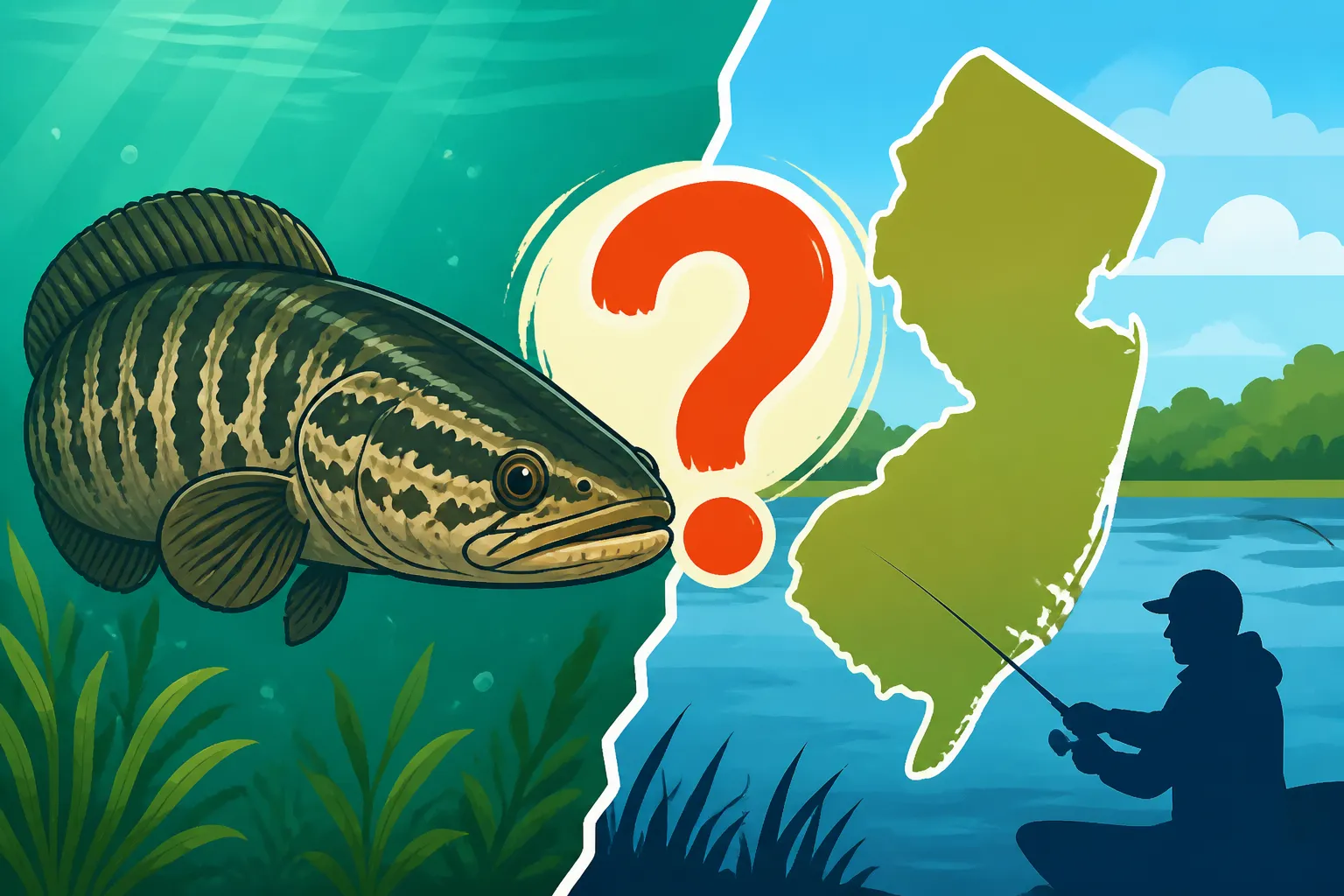
Let's get down to basics about what we're dealing with. The Northern Snakehead (scientific name Channa argus) isn't some mythical creature; it's a very real, very adaptable, and very unwelcome visitor. Originally from parts of Asia, these fish are long, cylindrical, and snake-like in appearance, hence the name. They have a distinctive long dorsal fin that runs almost the entire length of their back, and their pelvic fins are located far forward, right under their pectoral fins. Their coloring is usually a mottled brown, black, and gold pattern, which provides excellent camouflage in the murky waters they often inhabit. Imagine a really elongated, mean-looking bass with the pattern of a snake, and you're getting close. They can grow quite large, sometimes exceeding three feet in length, and can live for many years. They also have a mouth full of sharp teeth, making them formidable predators.
How Did They Get Here?
The frustrating truth about how Northern Snakeheads arrived in the United States, including New Jersey, is largely due to human activity, both intentional and accidental. Many years ago, these fish were imported for the live food market and as exotic aquarium pets. Some individuals, perhaps unaware or simply uncaring of the consequences, released them into natural waterways when they grew too large for their tanks or when markets were done with them. Another pathway, though less common, could be through bait buckets. Someone fishing with live bait that accidentally included a juvenile snakehead might unwittingly introduce it to new waters. It's a classic tale of well-meaning (or sometimes ill-meaning) actions having severe unintended consequences for our local environment. It's a real slap in the face to anglers who diligently follow regulations and practice responsible angling, only to see our waters threatened by such irresponsible acts. If you're looking for more information on similar threats, you might find our guide on Invasive Fish Species Found in New Jersey Waters eye-opening.
Where Have They Been Found in New Jersey?
The presence of Northern Snakeheads isn't widespread across every single pond and river in New Jersey, but they have established populations in certain areas, which is enough to warrant concern. They were first confirmed in New Jersey waters in 2009 in a pond near the Delaware River in Salem County. Since then, they've shown up in other freshwater systems. A notable area where they've been consistently observed is within the Delaware River watershed itself, particularly in the lower, tidal sections and connected tributaries and oxbow lakes. They thrive in shallow, weedy areas, slow-moving water, and muddy bottoms – conditions that are unfortunately common in many of our freshwater systems. They are incredibly resilient and can even survive short periods out of water, making it possible for them to move between disconnected ponds during wet weather. This ability to "walk" short distances on land, using their strong pectoral fins, is part of what makes their potential spread so alarming.
The Impact of Snakeheads on New Jersey's Ecosystems
The introduction of any non-native species carries risks, but the Northern Snakehead brings a particularly aggressive set of challenges to New Jersey's aquatic environments. They aren't just another fish; they're an ecological force.
Threat to Native Fish Populations
This is where the real worry sets in for local anglers. Northern Snakeheads are apex predators in many of the habitats they invade. They have an insatiable appetite and will readily prey on almost any fish they can fit into their mouths, including our beloved native species like sunfish, shiners, perch, and even juvenile bass. Their diet isn't limited to fish either; they'll also gobble up frogs, crustaceans, and aquatic insects. This direct predation puts immense pressure on existing fish populations, potentially reducing their numbers, especially in smaller, more confined water bodies. Imagine our popular spots for panfish or even the nursery grounds for largemouth bass – a snakehead finding its way in could decimate those populations, leading to fewer fish for everyone. This competition for food and habitat can disrupt the entire food web, throwing off the natural balance that has evolved over millennia. You can learn more about our native species in guides like New Jersey Catfish Species Guide and New Jersey Pickerel Fishing Guide.
Ecosystem Disruptors
Beyond simply eating native fish, snakeheads are ecosystem disruptors in several profound ways. Their predatory nature can lead to a trophic cascade, meaning changes at one level of the food chain can affect all other levels. For example, if snakeheads decimate a population of smaller baitfish, this could starve larger, native predatory fish that rely on those baitfish. Furthermore, their rapid reproductive rate and ability to adapt to varying conditions mean they can quickly establish dominant populations, outcompeting native species for resources like food and spawning grounds. They also occupy habitats preferred by many native fish, adding another layer of competitive stress. The long-term effects could include a decline in biodiversity, where certain native species struggle to survive, altering the very character of our lakes and rivers.
Why Their Spread is Concerning
The rapid spread potential of Northern Snakeheads is what keeps conservationists and anglers up at night. Unlike many fish, snakeheads can breathe atmospheric air using a primitive lung. This adaptation allows them to survive in low-oxygen waters where other fish would perish, and as mentioned, to move over land for short distances in damp conditions. This means a snakehead in one pond isn't necessarily isolated; it could potentially find its way to another body of water if the conditions are right. They also reproduce quickly and prolifically, with females laying tens of thousands of eggs multiple times a year. Both parents guard the nest and fry, giving their young a much higher survival rate than many other fish. These combined traits make them incredibly difficult to contain once established, posing a continuous threat to any new waterway they colonize. Understanding these challenges helps underscore the importance of strict compliance with rules outlined in the New Jersey Freshwater Fishing Regulations Every Angler Should Know.
What to Do If You Catch a Snakehead in New Jersey
It’s every angler's worst nightmare: reeling in a fish that looks… wrong. But if you hook a Northern Snakehead, knowing exactly what to do is not just recommended, it's absolutely critical for protecting our waters.
Identification and Confirmation
First things first, you need to be absolutely sure what you’ve caught. There are a few native New Jersey fish that can sometimes be confused with a Northern Snakehead, like our Chain Pickerel or even a Bowfin (though Bowfin are less common in many parts of NJ). The key distinguishing features of a Northern Snakehead include:
- Long, Dorsal Fin: This fin runs nearly the entire length of its back, with no breaks.
- Anal Fin: Also very long, about two-thirds the length of its body.
- Pelvic Fins: Located directly under the pectoral fins, not set back further on the belly.
- Snake-like Head: The head is distinctively flat and broad, resembling that of a snake, with eyes set towards the top of the head.
- Mottled Pattern: Irregular, dark blotches or spots on a lighter brown or golden background.
Compare this to a Chain Pickerel, which has a distinct duck-bill snout and a shorter dorsal fin. A Bowfin, while also having a long dorsal fin, typically has a distinct black spot with an orange halo at the base of its tail. If you're unsure, snap a clear photo from multiple angles before doing anything else. Having these images can be incredibly helpful for authorities if you need to report a catch. Carrying a laminated copy of common invasive fish species or having images on your phone (you can find plenty on reputable sites, or even through a quick search on a device purchased from a retailer like Amazon) can make identification easier when you're out on the water.
Mandatory Actions: Kill and Report
This is a non-negotiable directive from the New Jersey Department of Environmental Protection (NJDEP) Division of Fish and Wildlife. If you definitively catch a Northern Snakehead:
- Do NOT Release It: This is the most crucial step. Releasing it, even unintentionally, can contribute to its spread and is illegal.
- Kill It Immediately: Humanely dispatch the fish. Options include a sharp blow to the head, or spiking. The goal is to ensure it cannot survive. Many anglers keep a small, solid club or "priest" in their tackle box for this purpose.
- Report It: This step is just as vital as killing the fish. You need to report your catch to the NJDEP Division of Fish and Wildlife. You can usually find contact information in the annual Reading the New Jersey Fish and Wildlife Digest or on their official website. Provide details such as the date, exact location (GPS coordinates if possible), and take clear photographs of the fish. These reports are essential for tracking the spread of the species and for any management efforts. This is also covered in What Should You Do If You Catch a Snakehead in New Jersey?.
Handling and Disposal
Once you've confirmed your catch and humanely dispatched the fish, what's next?
- Safety First: Be careful handling a dead snakehead. They still have sharp teeth, and while they can’t bite, a slip could result in a cut. Also, remember they are slimy creatures.
- Do Not Move Live Fish: Under no circumstances should you transport a live snakehead, even if you intend to report it. This significantly increases the risk of accidental release into new waterways.
- Proper Disposal: After killing and reporting, the best practice is to either dispose of the fish in the trash (bagged, to prevent scavengers from spreading it) or consume it. Yes, Northern Snakeheads are actually considered a good eating fish in their native range, and many anglers who catch them here find them delicious. Just make sure to follow any local guidelines regarding fish consumption, particularly if the water body has advisories (e.g., Why Do Some New Jersey Lakes Have Mercury Warnings?). If you decide to keep it for consumption, bleed it out and get it on ice quickly, just like any other game fish.
Remember, following these steps meticulously isn't just about compliance; it's about being a responsible steward of New Jersey's natural resources.
Preventing the Spread of Invasive Species in New Jersey
The fight against invasive species like the Northern Snakehead isn't just up to state agencies; it's a collective effort that every angler and outdoor enthusiast needs to be part of. Our actions, however small, can make a huge difference in protecting New Jersey's fishing future.
"Clean, Drain, Dry" Principle
This simple mantra is one of the most effective ways to prevent the spread of aquatic invasive species, not just snakeheads, but also invasive plants, mussels, and other organisms. Every time you leave a body of water, whether it's a lake, river, or even a small pond, make it a habit to:
- Clean: Inspect your boat, trailer, fishing gear (including waders and nets), and even your vehicle. Remove any visible mud, plants, or aquatic organisms. This might mean scraping off a patch of algae or picking out a strand of seaweed from your propeller. A stiff brush, readily available at many hardware stores or online retailers like Amazon, can be a great tool for this.
- Drain: Pull the plug on your boat's bilge, livewells, and bait buckets. Drain all water from your equipment. This ensures you're not inadvertently transporting water that could contain microscopic larvae or eggs of invasive species.
- Dry: Allow all your gear to thoroughly dry before using it in another water body. A good rule of thumb is to let it dry for at least 5 days, especially in humid conditions. If you can't dry it completely, consider washing it with hot, high-pressure water (if feasible for your gear) or even a diluted bleach solution (for nets and waders, follow manufacturer recommendations).
These steps seem basic, but they are incredibly powerful. A single watercraft or piece of gear can carry a host of unwanted hitchhikers, so diligence is key. For general regulations around our waters, check out New Jersey Fishing License Guide for 2026.
Don't Release Unwanted Pets or Bait
This point cannot be stressed enough. Many invasive species, including the Northern Snakehead, found their way into our ecosystems because people released them.
- Aquarium Fish: That cute little fish you bought at the pet store can quickly outgrow its tank or become aggressive. Releasing it into a local pond is never the answer. It's cruel to the animal (which likely won't survive) and devastating to the ecosystem if it does survive and reproduce. Explore options like donating it to another hobbyist, a school, or a pet store, or humanely euthanizing it if necessary.
- Live Bait: Never, ever release unused live bait into the water or dispose of it on shore. Many common baitfish are not native to all the waters where they are used. A shiner from a bait shop, if released, could introduce diseases or compete with native species. If you have leftover live bait, either keep it for your next trip, dispose of it in the trash, or freeze it for later use as dead bait. This also applies to any organism found in bait, so always double-check your bait bucket.
Educational Initiatives and Angler Awareness
The more educated and aware we all are, the better equipped we will be to protect our waters.
- Stay Informed: Keep an eye on updates from the NJDEP Division of Fish and Wildlife regarding invasive species. They often publish information in their annual digests and on their websites. Knowing what to look for and what the current threats are is invaluable.
- Spread the Word: Talk to your fellow anglers, friends, and family about responsible fishing practices. Share the "Clean, Drain, Dry" message and the importance of not releasing pets or bait. Peer-to-peer education is extremely effective.
- Participate and Report: If you see something unusual, like an unfamiliar fish species or dense growth of aquatic vegetation that looks out of place, report it to the authorities. Your observations from the field are crucial intelligence for environmental managers. You might even receive a call about your fishing habits as part of programs like the New Jersey Recreational Fishing Survey: Why You Might Get a Call, which helps collect vital data.
By taking these proactive steps, every one of us plays a vital role in safeguarding the rich and diverse aquatic life that makes New Jersey a fantastic place to fish.
Here's a quick comparison of the Northern Snakehead and two fish it's sometimes mistaken for:
| Feature | Northern Snakehead | Chain Pickerel | Bowfin (Native, but less common) |
|---|---|---|---|
| Body Shape | Long, cylindrical, snake-like | Long, slender, pike-like | Long, cylindrical, robust |
| Head Shape | Flat, broad, snake-like, eyes on top | Elongated, "duck-bill" snout | Rounded snout, thick scales on head |
| Dorsal Fin | Very long, continuous, runs almost entire back | Shorter, set back near tail | Very long, continuous, wavy appearance (like a skirt) |
| Anal Fin | Long, about 2/3 body length | Shorter, triangular | Moderate length, triangular |
| Pelvic Fins | Directly under pectoral fins (thoracic) | Directly under pectoral fins (thoracic) | Directly under pectoral fins (thoracic) |
| Color/Pattern | Mottled brown/black/gold, irregular blotches | Chain-like pattern of dark lines on light background | Olive to brown, often a black spot with an orange halo at base of tail |
| Teeth | Numerous, sharp | Very sharp, conical | Numerous, strong |
| Breathing | Can breathe atmospheric air (suprabranchial organ) | Gill breathing only | Can breathe atmospheric air (swim bladder modification) |
Disclaimer
This article is for general informational purposes only and does not constitute professional advice. Laws, prices and regulations vary by location and change over time. Consult a qualified professional for guidance on your specific situation.