How New Jersey Sets Its Fishing Regulations Each Year
It often feels like New Jersey's fishing regulations are a moving target, doesn't it? One year you've got a certain slot limit for striped bass, the next it's completely different, and trying to keep up can be genuinely frustrating. It's easy to feel like the rules are arbitrary or designed to confuse. This guide aims to pull back the curtain on how New Jersey's fishing regulations are actually set each year, shedding light on the intricate process and the various forces at play that shape our beloved sport.
The Labyrinth of Fishing Regulations: Why It Feels So Complicated
For many anglers in New Jersey, understanding fishing regulations feels like navigating a complex maze. It’s not just about knowing what's legal; it’s about grasping why certain rules exist and how they come to be. The simple truth is, fishing regulations in our state are influenced by a multitude of factors and various governing bodies, making them inherently dynamic and, yes, often confusing. This constant evolution is less about trying to make things difficult for us and more about responding to ecological changes, scientific findings, and the collective impact of millions of fishing trips.
State, Federal, and Interstate Waters
One of the primary reasons for this complexity lies in the overlapping jurisdictions that govern our waters. It's not just the New Jersey Division of Fish and Wildlife calling all the shots. Our state's fisheries fall under a tapestry of state, federal, and interstate management plans, especially for migratory species. For instance, when you're fishing in freshwater lakes like Lake Hopatcong, the rules are primarily set by the state. However, once you venture into coastal waters, particularly for popular species like striped bass or fluke, federal agencies like NOAA Fisheries and interstate bodies such as the Atlantic States Marine Fisheries Commission (ASMFC) play a huge role. They often set overarching guidelines that New Jersey, along with other coastal states, must then implement into its state-specific regulations. This layered approach ensures that migratory fish stocks are managed consistently across their entire range, but it also means New Jersey's hands are often tied by decisions made at a higher level, which can sometimes clash with local angler sentiments.
Balancing Act: Conservation vs. Angler Access
At its core, the regulatory process is a delicate balancing act. On one side, you have the imperative of conservation – ensuring that fish populations remain healthy, sustainable, and capable of reproducing for future generations. This involves protecting vulnerable species, ensuring genetic diversity, and safeguarding crucial habitats. On the other side, there's the desire to provide ample recreational opportunities for anglers, recognizing the economic and cultural importance of fishing. Every decision, from a new slot limit to a change in season dates, involves weighing these often-conflicting interests. It’s a constant struggle to find the sweet spot where fish stocks thrive and anglers can still enjoy their passion. This tension is precisely why regulations can feel like a compromise, rarely satisfying everyone perfectly. When discussions arise about potential changes, you'll hear passionate arguments from both environmental groups advocating for stricter limits and angler organizations pushing for more liberal access, all while state agencies try to synthesize this feedback with scientific data.
The Key Players in Regulation Creation
Understanding who exactly is involved in crafting New Jersey's fishing regulations is crucial to grasping the overall process. It's not a single entity operating in a vacuum; rather, it's a collaborative (and sometimes contentious) effort involving various governmental bodies and scientific advisory groups.
New Jersey Fish and Wildlife
At the state level, the New Jersey Division of Fish and Wildlife (NJFW), part of the Department of Environmental Protection (DEP), is our primary regulatory authority. These are the folks directly responsible for managing our state's fish and wildlife resources. Their biologists conduct scientific research, collect data on fish populations, assess habitat health, and monitor angling effort and harvest. Based on this robust scientific information, they propose specific regulations for both freshwater and saltwater species within state waters. They also work closely with conservation police officers who enforce these rules. The NJFW plays a vital role in interpreting and implementing the broader federal and interstate mandates into actionable state laws, publishing the annual Reading the New Jersey Fish and Wildlife Digest that every angler should consult. They are often the first point of contact for public inquiries and are tasked with educating the angling public about current rules and why they are necessary.
Regional Management Councils and Commissions
Beyond the state, regional bodies exert significant influence, especially for marine species that migrate along the Atlantic coast. The Atlantic States Marine Fisheries Commission (ASMFC) is a prime example. This interstate commission coordinates the management of shared coastal fishery resources from Maine to Florida. For highly migratory species like striped bass, bluefish, and summer flounder (fluke), the ASMFC develops fishery management plans that set targets for population health and determine allowable harvest levels across all member states. Each state, including New Jersey, is then legally bound to adopt regulations that are consistent with these ASMFC plans. This means that if the ASMFC decides, for instance, that striped bass populations are in decline and require stricter limits, New Jersey must implement those stricter limits, even if local data or angler sentiment suggests otherwise. Similarly, the Mid-Atlantic Fishery Management Council (MAFMC) manages fisheries in federal waters from New York to North Carolina (generally 3 to 200 miles offshore). While their direct jurisdiction is federal waters, their decisions on species like black sea bass and scup (porgy) often have ripple effects, leading New Jersey to adjust its state waters regulations to maintain consistency and prevent overharvest just outside federal lines.
The Federal Government and NOAA Fisheries
At the highest tier, the federal government, primarily through NOAA Fisheries (National Oceanic and Atmospheric Administration), provides overarching guidance and, in some cases, direct mandates. NOAA Fisheries oversees the regional fishery management councils and commissions, ensuring that management plans comply with federal laws like the Magnuson-Stevens Fishery Conservation and Management Act. This act is the primary law governing marine fisheries management in U.S. federal waters, and it mandates sustainable management practices. In instances where a state fails to comply with an ASMFC or MAFMC mandate, NOAA Fisheries has the authority to step in and impose federal regulations, effectively shutting down a fishery or overriding state law to ensure conservation goals are met. This federal oversight acts as a critical backstop, ensuring that states uphold their commitments to sustainable fisheries management, even when those decisions are unpopular or economically challenging for local communities.
The Annual Cycle of Regulation Development
The process of setting fishing regulations isn't a snap decision; it's a methodical, year-long cycle driven by science, public input, and adaptive management principles. It’s a far more involved dance than most anglers realize.
Data Collection and Scientific Assessment
Every regulation starts with data. Lots of it. New Jersey Fish and Wildlife biologists, often in collaboration with federal partners and academic institutions, are constantly collecting information on fish populations. This includes everything from trawl surveys in estuaries to angler catch reports, commercial landings, and even volunteer-led tagging programs. They look at age, growth rates, spawning success, natural mortality, and fishing mortality. This raw data is then fed into complex scientific models to conduct what are known as "stock assessments." These assessments estimate the size of a fish population, its reproductive capacity, and the current level of fishing pressure. They help managers determine if a stock is healthy, overfished, or undergoing rebuilding. Without these foundational scientific assessments, management decisions would be purely guesswork. It’s a continuous, intensive process, and sometimes, if you've ever received a call about a New Jersey Recreational Fishing Survey: Why You Might Get a Call, you've directly contributed to this crucial data collection. You can even find scientific reports and fish identification guides that leverage this data, sometimes available on platforms like Amazon for those interested in a deeper dive.
Public Input and Advisory Councils
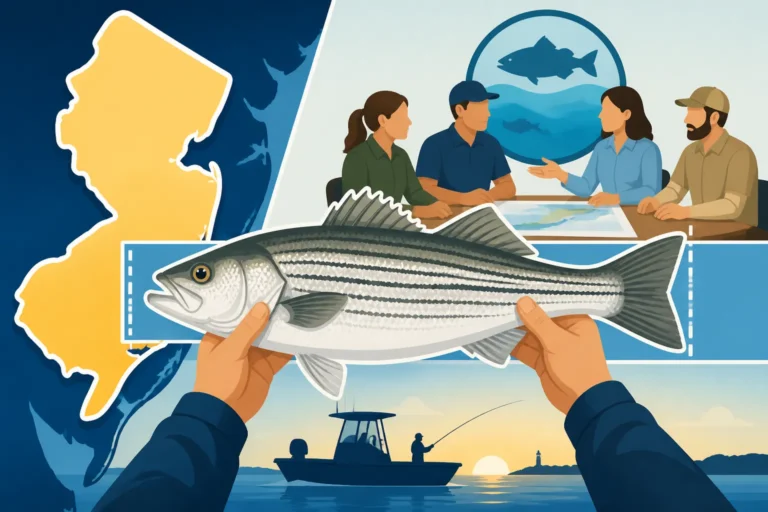
Once scientific assessments provide a picture of a fish stock's health, proposed management measures are developed. This is where the public, meaning us, gets a chance to weigh in. New Jersey, like other states, holds public meetings, workshops, and hearings. These forums provide opportunities for anglers, commercial fishermen, environmental groups, and other stakeholders to voice their opinions, concerns, and suggestions regarding proposed regulations. The New Jersey Fish and Game Council, a volunteer advisory body, also plays a critical role, reviewing proposed changes and offering recommendations to the DEP Commissioner. Your personal experiences on the water, your observations about fish abundance or scarcity, and your thoughts on the fairness or effectiveness of a rule are all part of this public comment period. It's not always easy to make your voice heard, and it can feel like a drop in the ocean, but these public inputs are genuinely considered and can, and do, influence final decisions. It's a key part of democratic governance in natural resource management, aiming to balance scientific necessity with social and economic impacts.
Drafting and Approval Process
After gathering all the scientific data and considering public input, the New Jersey Division of Fish and Wildlife drafts specific regulatory proposals. These proposals outline changes to things like bag limits, size limits, season dates, and gear restrictions. The drafts then go through several layers of review. They are reviewed by legal teams to ensure compliance with existing state and federal laws, and by policy experts to assess economic and social impacts. Often, they will be presented again to the public or to advisory councils for further feedback. Once finalized at the agency level, these proposed regulations are typically submitted to the state's Administrative Procedure Act process, which includes formal publication in the New Jersey Register, a period for additional public comment, and ultimately, adoption by the DEP Commissioner or through legislative action. This multi-step approval process ensures transparency, allows for checks and balances, and provides multiple opportunities for adjustments before a regulation becomes law.
Common Regulatory Tools and Their Impacts
To manage fish populations effectively, regulators use a variety of tools, each designed to achieve specific conservation or management goals. These tools directly impact how and when we can fish.
Bag and Size Limits
Perhaps the most common regulatory tools are bag limits and size limits. A bag limit dictates the maximum number of fish of a particular species an angler can keep in a day. The purpose of this is straightforward: to prevent overharvest and ensure that enough fish remain in the water to reproduce. For example, the bag limit for fluke might be a certain number of fish per day per angler. Size limits, on the other hand, specify the minimum (and sometimes maximum, as in a slot limit) length a fish must be to be legally kept. A minimum size limit, such as the New Jersey Fluke Size Limit: 18 Inches, protects juvenile fish, allowing them to grow to maturity and spawn at least once before being harvested. This ensures that the population can replenish itself. Slot limits, common for species like striped bass, allow anglers to keep fish within a specific length range (e.g., 28 to 38 inches), protecting both the very young fish and the large, highly reproductive "trophy" fish. Understanding How Bag and Size Limits Work in New Jersey is fundamental to fishing legally and sustainably.
Season Dates and Closures
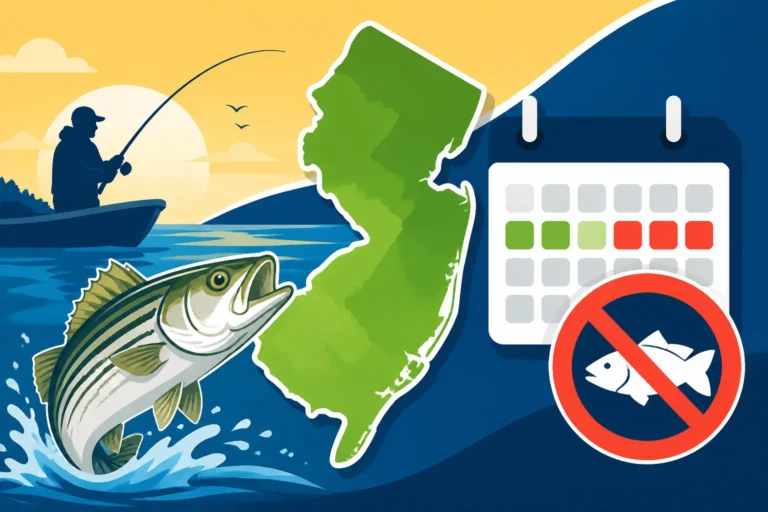
Another vital tool is the setting of specific season dates and, conversely, closures. Regulators determine when certain species can be fished, often aligning these seasons with biological events like spawning periods or migratory patterns. For example, trout season in New Jersey has a very specific opening day, and certain waters might be closed beforehand to allow the newly stocked trout to disperse and acclimate. Similarly, New Jersey Fishing Season Dates and Closures for species like black sea bass or tautog are carefully chosen to minimize pressure during vulnerable times, like when they are congregated to spawn, or to align with regional management goals set by the ASMFC or MAFMC. Seasonal closures can also be implemented to protect a recovering stock or to allow for a period of scientific data collection without fishing interference. These dates are crucial, and sometimes a change of just a few days can significantly impact angler opportunities, which can be a source of frustration, but is often biologically necessary.
Gear Restrictions and Special Permits
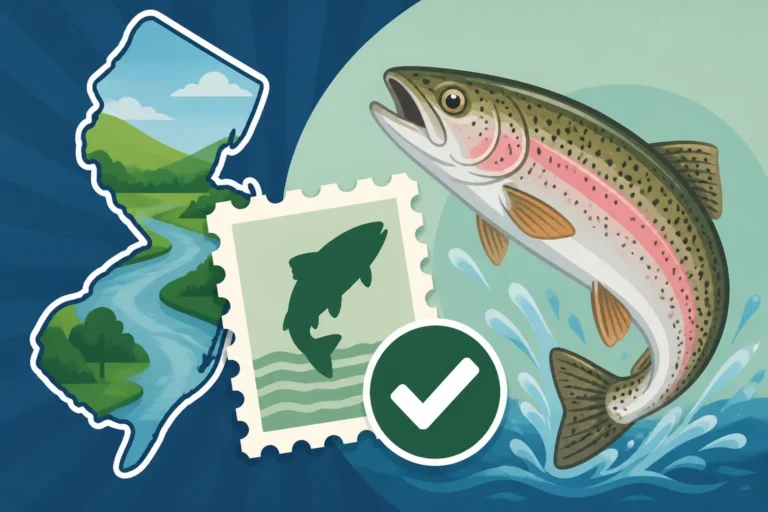
Beyond limits and seasons, regulators also employ gear restrictions to manage fisheries. A prime example is the requirement for circle hooks when bait fishing for striped bass in certain situations. The New Jersey Circle Hook Requirements for Bait Fishing are designed to reduce gut hooking and increase the survival rate of released fish, particularly important for a species managed under strict slot limits. Other gear restrictions might include prohibitions on certain types of nets, limitations on the number of rods an angler can use, or regulations on the use of chum. Additionally, some specific fisheries or species require special permits or stamps. The New Jersey Trout Stamp Requirements Explained is a classic example: if you plan to fish for trout, you'll need this stamp in addition to your general fishing license, with the funds generated often going directly back into trout stocking and habitat improvement programs. Such restrictions and permits aim to manage fishing effort, promote ethical angling practices, and fund conservation initiatives. If you're looking for specific gear that complies with these regulations, like specialized circle hooks or appropriate tackle, you can often find a wide selection and detailed descriptions on Amazon.
Why Regulations Change (And Why It's Often Frustrating)
The dynamic nature of fishing regulations is probably the biggest source of bewilderment and occasional anger for anglers. It feels like just when you learn one set of rules, they change again. However, these shifts are rarely arbitrary; they are usually a response to complex ecological and management realities.
Fluctuating Fish Populations
Fish populations are not static entities. They are incredibly dynamic, influenced by a multitude of natural factors such as water temperature, disease, predation, and the availability of forage. A series of poor spawning years due to environmental conditions, for instance, can drastically reduce a population, even without increased fishing pressure. Conversely, a few banner spawning years can lead to a surge in fish numbers. Regulators must constantly monitor these fluctuations. When a stock assessment reveals a significant decline, management actions (i.e., new regulations) are necessary to prevent further collapse and promote recovery. When things are looking up, sometimes more liberal regulations can be considered. This responsiveness is essential for sustainable management, but it means that the rules are always subject to change as the health of the fish stocks themselves changes. The constant re-evaluation and adaptation are why we see adjustments to things like New Jersey Striped Bass Slot Limit Explained year after year.
New Scientific Discoveries and Management Strategies
Science is not static either. Fishery biologists are continually conducting research, refining their assessment models, and learning more about the complex life cycles and ecological needs of various fish species. What we thought we knew ten or twenty years ago might be outdated by new discoveries. For example, advancements in genetic analysis can reveal distinct subpopulations within a species, requiring more nuanced management strategies. Similarly, climate change is presenting unprecedented challenges, forcing managers to consider how warming waters or shifting habitats will impact fish. As new scientific information becomes available, management strategies evolve, leading to updates in regulations. It's a continuous learning process, and sometimes these new strategies, while scientifically sound, can result in regulations that feel counterintuitive or overly restrictive to anglers accustomed to older approaches. Many books discussing these ecological shifts and new management strategies can be found on Amazon, offering a deeper perspective.
Inter-State and Federal Mandates
Perhaps the most frustrating reason for New Jersey anglers is when regulations change due to mandates from interstate or federal bodies. As mentioned earlier, for many key migratory species, New Jersey does not have unilateral control. The ASMFC, for instance, sets coast-wide harvest limits and management measures for species like striped bass. If the ASMFC determines that coast-wide conservation efforts for striped bass need to be intensified, they will issue mandates that all member states, including New Jersey, must comply with. This might mean shortening seasons, increasing size limits, or reducing bag limits, even if New Jersey's specific data for its segment of the population looks relatively healthy. While these mandates are vital for managing a shared, migratory resource across its entire range, they can often lead to situations where New Jersey anglers feel penalized for situations largely outside of local control. This is particularly relevant for species like striped bass, where How New Jersey Sets Its Striped Bass Slot Limits Each Year is heavily influenced by these larger regional frameworks.
Staying Informed and Making Your Voice Heard
Given the complexity and ever-changing nature of New Jersey's fishing regulations, it's more important than ever for anglers to stay informed and, when possible, participate in the process. Ignorance of the law is never an excuse, especially when conservation police officers conduct New Jersey Conservation Police and License Checks in the field.
Accessing the Latest Regulations
The absolute best and most official source for current New Jersey fishing regulations is the New Jersey Division of Fish and Wildlife's website and their annual New Jersey Fish and Wildlife Digest: Where to Find the Current Rules. This digital digest is updated regularly, especially for emergency rule changes, and provides comprehensive information on all freshwater and saltwater regulations, including bag limits, size limits, season dates, and specific rules for various water bodies. You can also often pick up physical copies at tackle shops and bait stores throughout the state. Relying on outdated information or hearsay from a friend can easily lead to violations, so always double-check with the official sources before hitting the water. Keeping a digital copy on your phone or a printed version in your tackle box is a smart move.
Participating in the Process
While it might seem daunting, your voice as an angler genuinely matters. The regulatory bodies, both state and regional, actively solicit public comment on proposed rule changes. Attending public hearings, submitting written comments, and engaging with angler advocacy groups are all effective ways to make your opinions heard. Joining organizations like the Recreational Fishing Alliance or local fishing clubs can provide a collective voice, as these groups often have direct lines of communication with policymakers and fishery managers. By understanding the scientific basis for proposed changes and articulating constructive feedback, anglers can help shape regulations that are both biologically sound and pragmatic for the recreational fishing community. Your experiences and observations from the water provide invaluable real-world context that complements the scientific data, making the regulatory process more robust and representative of all stakeholders.
Disclaimer
The information provided in this guide is for general informational purposes only and is not a substitute for checking the official New Jersey Fish and Wildlife regulations. Fishing regulations can change frequently, and it is the angler's responsibility to consult the most current New Jersey Fish and Wildlife Digest and any relevant federal or interstate regulations before fishing.