Why Do Some New Jersey Lakes Have Mercury Warnings?
It can be truly unsettling to head out for a relaxing day of fishing, maybe at a favorite local lake, only to spot a sign warning about mercury contamination in the fish. It instantly makes you second-guess your plans, wondering if your catch is safe to eat, or if you should even be fishing there at all. This guide is here to unravel the mystery behind those mercury warnings, explaining why some New Jersey lakes have them and what you, as an angler, need to know to make informed decisions about your catch.
Understanding Mercury in Our Waters: Where It Comes From
Let's face it, when we hear "mercury," our minds often jump to old thermometers or alarming news stories. But in the context of our lakes and rivers, it's a bit more nuanced. It's not usually a case of someone dumping mercury directly into the water anymore, though historic industrial practices certainly played a role. Today, the mercury we find in New Jersey's freshwater systems often comes from sources far away, traveling through the air before settling into our local ecosystems.
The Global Journey of Mercury
Think about it: mercury is a naturally occurring element, but human activities have significantly increased its presence in the environment. Burning coal in power plants, industrial processes, and even waste incineration release mercury into the atmosphere. Once it's up there, it doesn't just stay put. Wind currents can carry it for hundreds, even thousands, of miles. Eventually, this atmospheric mercury settles back down to Earth, often carried by rain or snow, and finds its way into our lakes, rivers, and coastal waters. It's a classic example of how what happens far away can impact our beautiful New Jersey fishing spots.
Mercury's Transformation in Aquatic Environments
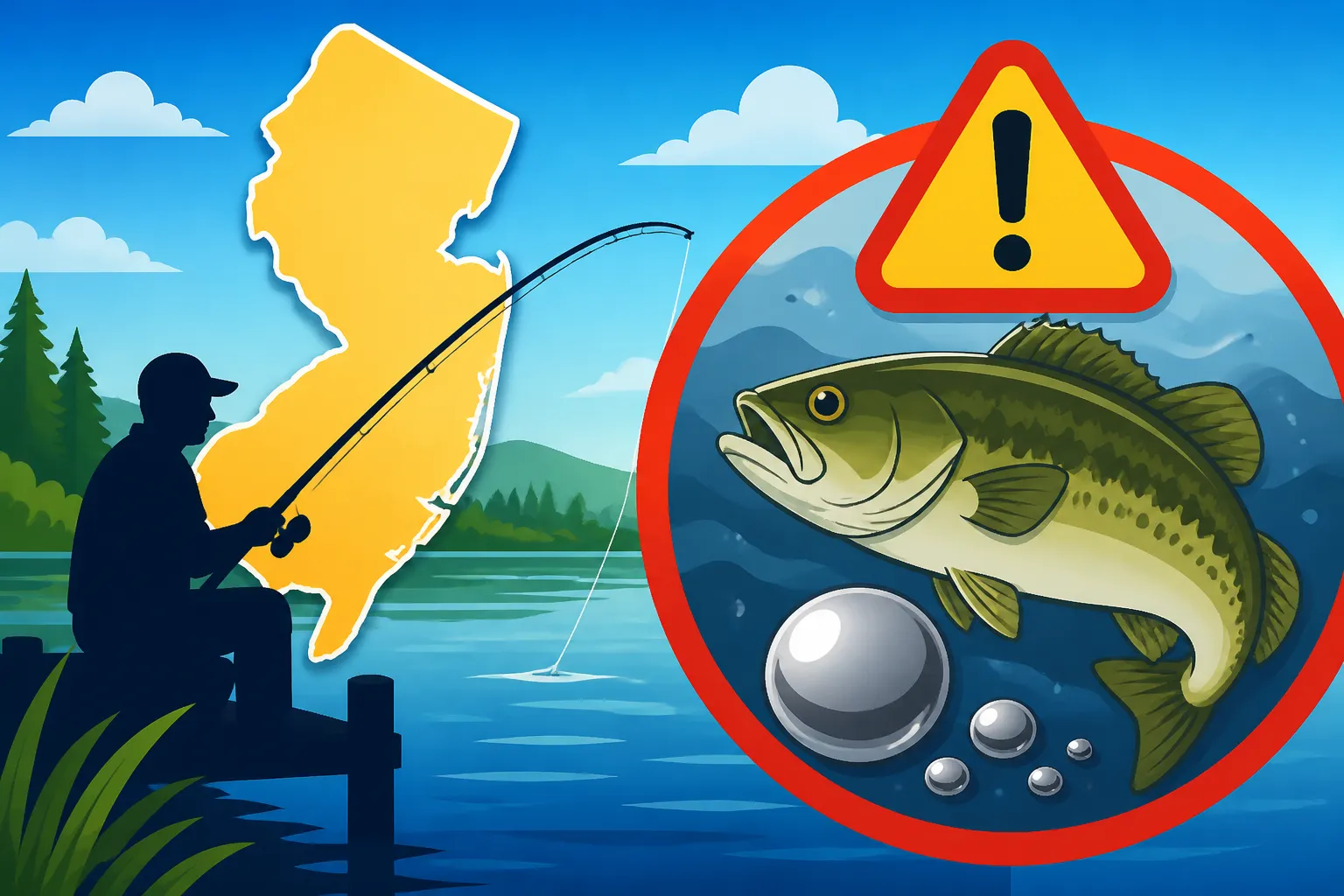
Here's where it gets really interesting, and a little concerning. When elemental mercury, or other inorganic forms, lands in a lake, it's not immediately a major problem for fish in the same way. The real issue begins when certain bacteria in the water and sediments get to work. These microorganisms have the ability to convert inorganic mercury into a much more toxic form called methylmercury. Methylmercury is the bad actor here because it's readily absorbed by living organisms, and it's what accumulates in fish. The process is slow but steady, turning a relatively benign element into a potent neurotoxin that can impact everything from tiny plankton to the biggest bass in the lake.
How Mercury Gets into Fish: The Food Web Connection
Once methylmercury is present in a lake, it doesn't just hang around passively. It actively moves through the aquatic food web, becoming more concentrated as it goes up the chain. This process is what leads to those fish consumption advisories. It’s not just about how much mercury is in the water itself, but how much the fish absorb and retain.
Bioaccumulation: Mercury in the Individual Fish
Imagine a tiny plankton in a New Jersey lake. It absorbs a microscopic amount of methylmercury from the water. Then, a small minnow comes along and eats many of these plankton throughout its life. Each plankton contributes a little bit of methylmercury, and since the minnow can't easily get rid of it, the mercury builds up in its tissues. This process of accumulation within an individual organism over time is called bioaccumulation. It means that the longer a fish lives and the more it eats, the more mercury it can potentially accumulate. So, a larger, older fish will generally have higher levels of mercury than a smaller, younger one of the same species.
Biomagnification: Climbing the Food Chain
Now, let's take it a step further. That minnow with its accumulated mercury gets eaten by a larger fish, say a bass. The bass eats many minnows over its lifetime, and with each minnow, it ingests the mercury those minnows have accumulated. Because the bass is higher up on the food chain, it ends up with an even more concentrated dose of methylmercury than the minnows it consumes. This increasing concentration of a contaminant as it moves up through the food chain is known as biomagnification. This is why top predator fish, like larger bass, pickerel, or even certain trout species in New Jersey's lakes, often carry the highest mercury burdens. It’s a natural process, but one that human-caused mercury emissions have unfortunately amplified, leading to the need for warnings.
Navigating New Jersey's Fish Consumption Advisories
So, you've caught a beautiful fish, and now you're wondering if it's safe to eat. This is where New Jersey's fish consumption advisories come in. These aren't meant to scare you away from fishing entirely; rather, they're designed to help you make informed choices and protect your health and the health of your family. It's all about balancing the joy of catching and eating your own fish with being aware of potential risks.
What Do the Advisories Mean?
New Jersey's Department of Environmental Protection (NJDEP), in conjunction with the Department of Health, issues these advisories. They are typically based on extensive testing of fish tissue from specific water bodies. When you see a mercury warning, it generally means that tests have shown levels of methylmercury in certain fish species or sizes that could pose a health risk if consumed regularly. The advisories aren't a blanket ban; they often recommend limiting consumption rather than outright avoiding it, especially for vulnerable populations like pregnant women, nursing mothers, and young children. For example, an advisory might suggest eating a particular fish only once a week, or once a month, or that certain larger sizes of fish should not be eaten at all. You can usually find a comprehensive guide to these advisories in the annual Reading the New Jersey Fish and Wildlife Digest or by checking the NJDEP website directly.
General Guidelines and Specific Warnings
It's important to understand that advisories can vary significantly from one lake to another, and even for different species within the same lake. A lake might have a general advisory for all predatory fish, while another might have a very specific warning for only largemouth bass over a certain length. It's crucial to check the specific advisories for the body of water you're fishing. Don't assume that because one lake is clear, another is too.
Here's a general idea of how fish consumption advisories often categorize risk:
| Fish Type/Size | General Mercury Level | Consumption Advice (Typical) |
|---|---|---|
| Smaller, prey fish (e.g., perch, bluegill, sunfish) | Lower | Generally safe for regular consumption |
| Medium-sized predators (e.g., smaller bass, pickerel) | Moderate | Limited consumption (e.g., 1 meal per week) |
| Larger, long-lived predators (e.g., big bass, walleye, pike) | Higher | Very limited or avoid (e.g., 1 meal per month or none) |
| Very large or long-lived species in known impacted waters | Highest | Avoid consumption for sensitive groups |
Remember, this table provides general tendencies. Always consult the official New Jersey fish consumption advisories for the specific water body and species you plan to eat. Finding these can sometimes be a bit of a treasure hunt, but resources like the official Fish and Wildlife Digest are invaluable. You can also often find supplementary guides or articles on fishing best practices, or even a good water-resistant fish identification book on Amazon, that might help you cross-reference species.
Practical Tips for Anglers: Reducing Exposure and Making Safe Choices
Seeing those mercury warnings shouldn't necessarily mean hanging up your fishing rod. With a little knowledge and a few practical steps, you can still enjoy the great fishing New Jersey has to offer while minimizing your risk. It's all about being smart and informed.
Check Current Advisories Before You Go
This is perhaps the most crucial step. Before you even pack your tackle box, take a few minutes to check the latest fish consumption advisories for the specific lake or river you intend to fish. These advisories can change, so what was safe last year might have new recommendations this year. The New Jersey Department of Environmental Protection (NJDEP) website is your best bet for up-to-date information. They often have detailed maps and tables listing specific warnings by waterbody and fish species. Think of it like checking the weather forecast – it's just part of being a prepared angler. Understanding New Jersey Freshwater Fishing Regulations Every Angler Should Know goes beyond just licenses and limits; it includes health advisories too.
Target Species Wisely
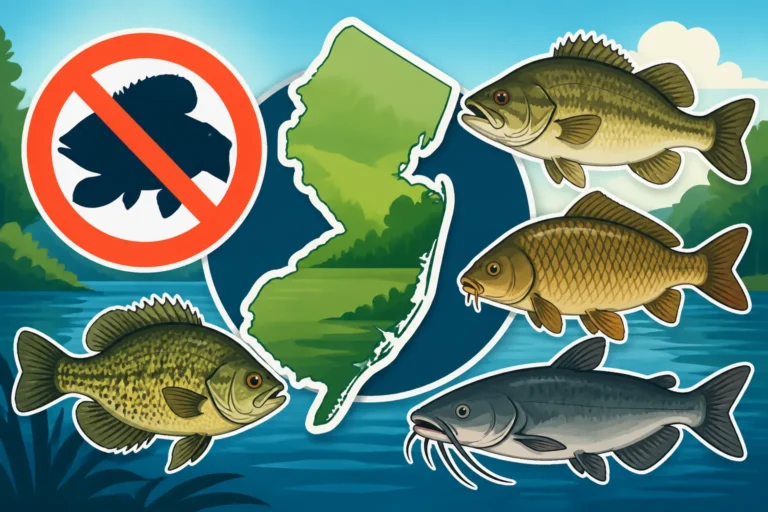
Knowing which fish tend to accumulate more mercury can really help you make smart choices. Generally speaking, the larger and longer-lived predatory fish at the top of the food chain will have higher mercury levels. This includes species like large Largemouth Bass Fishing in New Jersey, Muskie and Pike Fishing in New Jersey, and older pickerel or walleye. If you're planning to keep fish for the dinner table, consider targeting smaller, non-predatory species or younger, smaller individuals of predatory species. Panfish like bluegill, crappie, and yellow perch typically have much lower mercury levels and are often considered safer choices for more frequent consumption.
Practice Catch and Release, Especially for Larger Fish
For many of us, fishing is about the thrill of the catch, not necessarily filling the freezer every time. Embracing catch and release, especially for those impressive trophy-sized fish, is an excellent way to reduce potential mercury exposure. A big, old bass might be a fantastic photo opportunity, but it’s also the most likely to have accumulated significant mercury. If you're after that personal best, release it to fight another day! This not only protects you but also helps maintain healthy fish populations. Learning New Jersey catch and release rules is a good idea for any angler.
Proper Fish Preparation Can Help, But Isn't a Cure-All
Some folks believe that cleaning fish in a certain way can remove mercury. While removing the skin, fat, and organs can reduce your exposure to other contaminants (like PCBs or pesticides, which tend to concentrate in fatty tissues), it's important to understand that methylmercury binds tightly to the protein in fish muscle. This means that filleting, skinning, or trimming fat won't significantly reduce the mercury content in the flesh you're going to eat. It's primarily in the meat itself. However, proper preparation is still crucial for taste and for minimizing other potential contaminants. A good, sharp fillet knife from Amazon can make this process much easier and more efficient.
Consider Dietary Diversity
If you're someone who loves to eat fish regularly, try to diversify your sources. Don't rely solely on fish caught from the same local lake, especially if it has advisories. Alternate between different species from various New Jersey waters, and also incorporate commercially sourced fish known to be low in mercury. This strategy helps to spread out any potential risks and ensures you're getting a broader range of nutrients from your diet. Even on New Jersey Free Fishing Days Explained, where you might be casting lines in new spots, it's wise to consider the local advisories.
Ultimately, the goal is to enjoy fishing safely and responsibly. Those mercury warnings are there to help us do just that. They're a reminder that our ecosystems are interconnected and that staying informed is part of being a good steward of New Jersey's incredible natural resources.
Disclaimer
This article is for general informational purposes only and does not constitute professional advice. Laws, prices and regulations vary by location and change over time. Consult a qualified professional for guidance on your specific situation.