How Big Do Largemouth Bass Get?
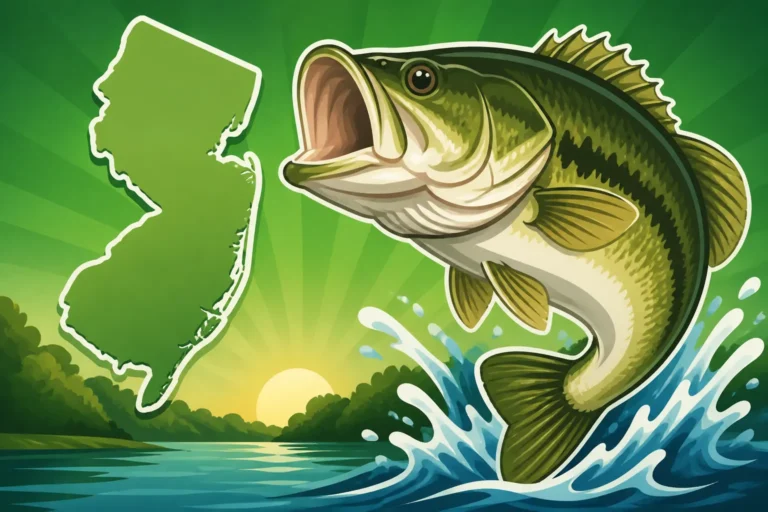
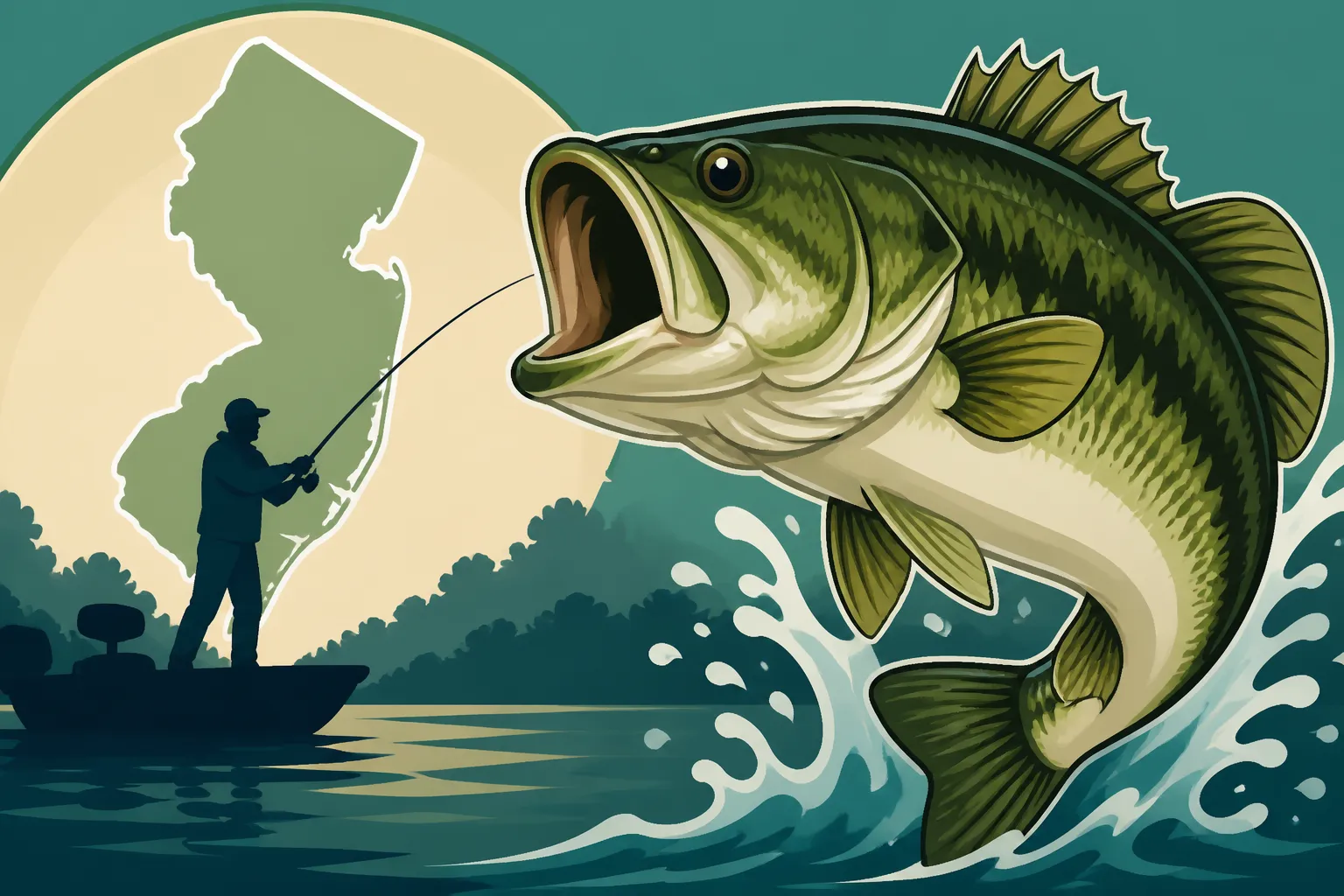
It's natural to wonder about the true potential of the fish swimming in our local waters, especially when you're dreaming of that wall-hanger largemouth bass. Many anglers, myself included, spend countless hours on the water, casting and hoping to hook into something truly memorable. This guide is dedicated to exploring just how big largemouth bass can get in the Garden State, diving into the factors that influence their size, and sharing insights into targeting these impressive freshwater giants.
The Reality of Largemouth Bass Size in New Jersey
When you're out on a New Jersey lake or pond, it's easy to get caught up in the thrill of every bite. Most of the largemouth bass you'll encounter, especially in heavily fished public waters, are going to be in that 1-3 pound range. These are your bread-and-butter bass, the ones that keep the day exciting and make you feel like a seasoned angler, even if you're just starting out. They're fun to catch, put up a good fight, and are a sign of a healthy fishery.
However, the question "How big do largemouth bass get?" isn't usually about the average catch. It's about those exceptional fish, the ones that make your heart pound and your drag scream. While not every lake holds giants, New Jersey certainly has the potential for some impressive largemouth. You might hear whispers of a 5-pounder from a friend, or perhaps see a photo of an 8-pound beast someone landed. These stories aren't just angler tales; they represent the upper tier of what's possible here.
A "trophy" largemouth bass in New Jersey typically starts around the 6-pound mark, with anything above 7 pounds being truly exceptional and a fish many anglers will chase for a lifetime. To put it in perspective, catching a 7 or 8-pound largemouth in New Jersey is like hitting the jackpot – it takes a combination of skill, patience, the right conditions, and a good dose of luck. Don't let the thought of these bigger fish discourage you; every cast is an opportunity, and you never know when your luck might turn.
Average vs. Trophy Largemouth Bass
The difference between an average catch and a trophy is often more than just a few pounds; it's a testament to a fish's longevity and the richness of its environment. An average largemouth bass in New Jersey might measure anywhere from 12 to 16 inches, putting it squarely in that 1 to 3-pound category. These fish are often young, actively feeding, and relatively abundant, making them a common sight on the end of many fishing lines. They're essential for the health of the ecosystem and provide fantastic sport for anglers of all skill levels.
On the other hand, a trophy largemouth is a much rarer beast. These are the fish that have survived multiple seasons, dodged countless lures, and grown to an impressive size. A 20-inch largemouth can easily tip the scales at 5 pounds or more, and a fish pushing 23-25 inches might be that 8 or 9-pound leviathan. It takes years for a bass to reach these proportions, and they typically come from waters with stable food sources, ample cover, and perhaps a bit less fishing pressure. The pursuit of these larger fish often leads anglers to explore new waters or refine their techniques in familiar spots, hoping to crack the code for bigger bites.
| Category | Typical Weight (Lbs) | Typical Length (Inches) | Description |
|---|---|---|---|
| Average Catch | 1 – 3 | 12 – 16 | Common, active, great for consistent action. |
| Respectable Bass | 3 – 5 | 16 – 20 | Solid fish, makes for a memorable outing. |
| Trophy Bass | 6+ | 20+ | Rare, impressive, often a lifetime achievement in NJ. |
The New Jersey State Record Largemouth Bass
Ah, the holy grail! Every state has its legendary fish, and in New Jersey, the largemouth bass record is something talked about in hushed tones around tackle shops and boat ramps. While the exact details can become muddled over time with stories getting bigger, the record stands as a beacon for what's truly possible in our waters. Knowing this record not only gives you a tangible goal but also showcases the incredible potential within our state's freshwater systems. It’s a true testament to the quality of some of our lakes and the resilience of these amazing fish. You might be surprised to learn that New Jersey holds its own against some of the more famous bass states when it comes to trophy potential.
The New Jersey state record largemouth bass is a fish of truly epic proportions, weighing in at 10 pounds, 14 ounces. This monumental catch was made back in 1993 by angler Robert Eisele in Menantico Sand Wash Pond. Think about that for a second – almost 11 pounds! That's a bass that would easily make headlines in any part of the country. It wasn't just a big fish; it was a behemoth that solidified New Jersey's place on the map for serious bass anglers. This record, which has stood for decades, continues to inspire dreams of breaking it among the dedicated bass fishing community here. New Jersey Largemouth Bass State Record: 10 Pounds 14 Ounces delves deeper into this incredible catch.
Where New Jersey's Record Largemouth Was Caught
Menantico Sand Wash Pond, a relatively small body of water nestled in Cumberland County, became legendary the day Robert Eisele pulled that record-breaking largemouth from its depths. It's a prime example that trophy bass aren't always found in the biggest, most famous lakes. Sometimes, it's those quieter, unassuming spots, perhaps with less pressure and a perfect combination of habitat and forage, that hold the true giants. This pond has become a pilgrimage site for some, and a source of wonder for others, proving that you don't always need a massive boat and high-tech electronics to find a fish of a lifetime.
The story behind that record-setting fish reminds us that every local pond or lake has the potential to surprise you. While Menantico Sand Wash Pond might not be a household name like Lake Hopatcong or Round Valley Reservoir for most anglers, its place in New Jersey fishing lore is undeniable. It highlights the importance of exploring all the water available to you, and never underestimating the capabilities of a seemingly small body of water. Perhaps a new record is lurking in an unexpected location, waiting for the right angler. For more on the specifics of the catch, check out Where Was New Jersey's Record Largemouth Bass Caught?.
Factors Influencing Largemouth Bass Size
So, what makes a largemouth bass grow to such impressive sizes, while others remain relatively small? It’s not just random chance. Several key factors play a massive role in a bass’s growth potential and ultimate size. Understanding these elements can not only deepen your appreciation for these fish but also help you make more informed decisions when choosing where and how to fish for larger specimens. It’s a complex equation involving genetics, environment, and the availability of resources.
The first and most crucial factor is genetics. Just like people, some bass are simply predisposed to grow larger and faster than others. While you can't pick out the genetically superior bass in a lake, knowing that certain strains exist, particularly those introduced through stocking programs, can give you a hint of a lake's potential. Southern strains, for example, are known for their faster growth rates in warmer climates, though their success in cooler New Jersey winters varies.
Second, food availability is paramount. A bass needs a consistent and abundant diet to pack on the pounds. This means a healthy forage base of baitfish like shad or alewives, as well as crayfish, frogs, and even smaller panfish. Lakes with a rich diversity and quantity of prey species often produce bigger bass because the fish don't have to expend excessive energy searching for food.
Third, water quality and habitat are non-negotiable. Clean, well-oxygenated water with plenty of diverse cover – think lily pads, submerged timber, rock piles, and deep ledges – provides both ambush points for hunting and sanctuary from predators. Good habitat means bass can live longer, healthier lives, which directly translates to bigger fish.
Finally, water temperature and growing season play a significant role. New Jersey, with its distinct seasons, has a shorter growing season than states further south. Bass grow fastest in warm water (roughly 65-80°F). Our shorter summers and longer winters mean fewer months of optimal growth. However, this doesn't preclude big fish; it just means they might take a bit longer to reach those massive sizes. Understanding How Fast Do Largemouth Bass Grow? helps put these factors into perspective.
Diet and Forage Base
A robust diet is arguably the most critical component for a largemouth bass to achieve trophy size. Imagine trying to get big and strong without a good meal plan! Bass are opportunistic predators, and their diet shifts as they grow. Younger bass might feed primarily on insects and smaller minnows, but as they get larger, their metabolism demands more substantial meals. They become efficient hunters of larger prey.
In New Jersey, a healthy forage base often includes shiners, bluegill, yellow perch, suckers, and even smaller trout in certain waters. The presence of alewives or gizzard shad can be a game-changer, as these oily baitfish provide a high-calorie diet that allows bass to grow quickly. Crayfish are another favorite, offering a protein-rich meal. A lake that has a thriving population of these forage species is far more likely to produce chunky, healthy bass. If you're looking for gear to mimic these forage species, you can find a vast selection of realistic lures and baits on Amazon designed to appeal to hungry bass.
Habitat and Environment
The environment a largemouth bass calls home dictates its survival and growth rate. New Jersey's lakes and ponds vary widely, from shallow, weedy impoundments to deeper, clearer reservoirs. Each type of habitat presents different advantages and challenges for bass. Lakes with a complex underwater structure – like fallen trees, dense weed beds, rock piles, and varying depths – offer bass ample places to ambush prey and hide from larger predators. This sense of security reduces stress and allows them to focus energy on growing.
Furthermore, water quality plays a crucial role. Clean water with stable oxygen levels and minimal pollution ensures the overall health of the ecosystem, including the bass and their food sources. Lakes that experience severe oxygen depletion in summer, or suffer from heavy siltation, will generally struggle to produce large, healthy bass. Understanding the nuances of a specific body of water can tell you a lot about its potential for big fish. For instance, knowing the typical habitat of bass in Best Lakes for Largemouth Bass in New Jersey can inform your approach.
Targeting New Jersey's Larger Largemouth Bass
So, you're looking to catch a bigger bass? That's the dream, right? It's not always about sheer luck; there are definitely strategies and techniques you can employ to increase your chances of hooking into those more substantial fish. While the average bass is always fun, chasing the lunkers often requires a different mindset and approach. It means being more deliberate, more patient, and sometimes, throwing bigger baits.
One common piece of advice is to "match the hatch" – not just in terms of specific baitfish, but in terms of the size of the forage. If you know a lake has a good population of large bluegill, don't be afraid to throw a 5-inch swimbait or a larger jig that imitates them. Big bass got big by eating big meals. Another crucial element is fishing during prime times. This often means dawn, dusk, or even throughout the night, especially during the warmer months when larger bass are more active under the cover of darkness. Best Time of Day for Bass Fishing can help you plan your outings.
Patience is truly a virtue when trophy hunting. You might go hours without a bite, but that one thumping strike from a giant can make the entire day worthwhile. Don't be afraid to slow down your presentation, work areas thoroughly, and focus on high-percentage spots like points, deep weed lines, or isolated cover. Even the best gear won't guarantee a catch, but having reliable equipment, from a strong rod to quality line, certainly improves your odds once that big fish does bite. You can explore a wide range of reliable bass fishing gear on Amazon, from heavy-action rods to durable reels.
Lure Selection and Presentation
When it comes to tempting larger largemouth bass, your lure selection and how you present it are paramount. Forget the small worms and tiny spinners if you're seriously hunting for a personal best. Trophy bass are looking for a meal that offers a significant return on energy investment, so bigger baits often entice bigger bites. Think about larger jigs with bulky trailers, deep-diving crankbaits that mimic substantial baitfish, oversized plastic worms, or even swimbaits that replicate the exact profile of a bluegill or perch.
The presentation also matters immensely. Larger bass can be more wary and experienced than their smaller counterparts. Often, a slower, more deliberate retrieve can be more effective. Working a jig slowly along the bottom, letting a large plastic worm sit for extended periods in prime cover, or crawling a crankbait through submerged timber can trigger those reaction strikes from less aggressive, but larger, fish. Don't be afraid to experiment with colors, but typically, natural colors that mimic the local forage, or dark silhouettes for low light, are good starting points. For specialized lures, checking out what's available on Amazon can give you an edge.
Prime Locations and Seasons
Knowing where and when to fish for bigger bass in New Jersey is just as important as how. While every lake and pond holds bass, some are simply more renowned for their trophy potential. Larger, deeper lakes like Lake Hopatcong, Round Valley Reservoir, and even smaller but well-managed impoundments often have the environmental conditions to support larger bass. Look for areas with a good mix of shallow cover for feeding and deeper water for sanctuary, especially during extreme temperatures. Largemouth Bass Fishing in New Jersey provides a great overview.
Seasonally, early spring and late fall are often considered prime times for larger bass. In spring, after the ice recedes, big bass are hungry and aggressively feeding before and during the spawn. They're often found in shallower waters, making them more accessible. In the fall, as water temperatures begin to drop, bass go on a feeding frenzy, bulking up for the lean winter months. They'll actively chase baitfish and can be caught on a variety of power-fishing techniques. During the hot summer, big bass tend to move deeper or seek dense overhead cover, making them a bit harder to target, though early mornings and late evenings can still produce. Knowing How to Catch Largemouth Bass in Early Spring or How to Catch Largemouth Bass in Cold Water can significantly improve your odds.
Disclaimer
This article is for general informational purposes only and does not constitute professional advice. Laws, prices and regulations vary by location and change over time. Consult a qualified professional for guidance on your specific situation.