New Jersey Charter Fishing Guide
Planning a fishing trip in New Jersey can feel overwhelming, especially when you're dreaming of reeling in big catches but aren't quite sure where to start. Maybe you don't own a boat, or perhaps you're just visiting and want to experience the thrill of the ocean without investing in all the gear. This guide is here to demystify the world of New Jersey charter fishing, providing you with everything you need to know to book an unforgettable angling adventure, whether you're a seasoned pro or a complete beginner.
What is a Fishing Charter and Why Choose One in New Jersey?
When we talk about a fishing charter, we're essentially referring to hiring a boat and a professional crew (the captain and often a mate or two) to take you out fishing. These aren't just joyrides; they're professionally guided fishing expeditions designed to put you on fish. New Jersey, with its diverse waters ranging from calm bays to the open Atlantic, offers an incredible array of charter options, each promising a unique experience. For many, a charter is the best way to access prime fishing grounds, benefit from local expertise, and enjoy a hassle-free day on the water.
Party Boats vs. Private Charters: Understanding the Differences
One of the first decisions you'll face when considering a New Jersey fishing charter is whether to opt for a "party boat" (also known as a head boat) or a "private charter." Each has its own distinct appeal, catering to different preferences and budgets.
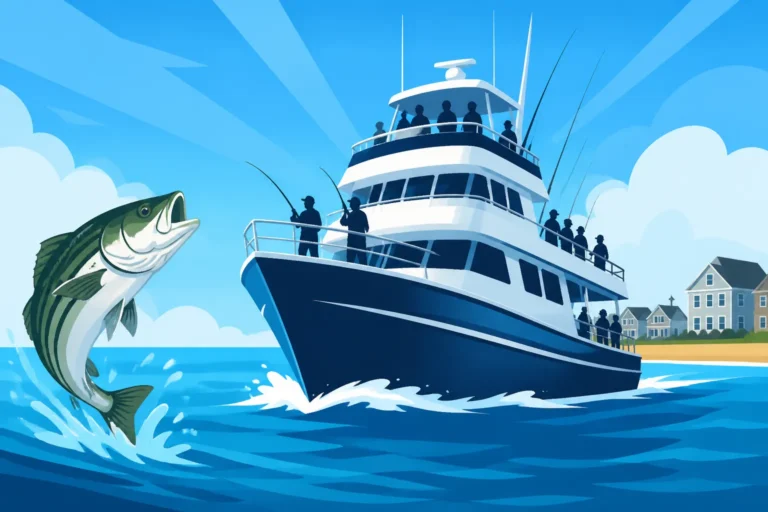
Party boats are generally larger vessels that take numerous individual passengers or small groups on a single trip. Think of it like public transportation for fishing; you pay per person, share the deck with many other anglers, and fish alongside them. These boats often have a specific target species for the day, like fluke, black sea bass, or stripers, and will head to known spots where those fish are biting. The atmosphere can be lively and social, with a mix of regulars and first-timers. You'll typically find more deckhands on a party boat to assist the larger number of passengers, helping with baiting hooks, untangling lines, and netting fish. This is often the more economical choice, as the cost is spread among many participants.
Private charters, on the other hand, offer a more exclusive and personalized experience. You book the entire boat for your group, whether it's just two of you or a larger party of six to eight friends or family members. This means you have direct input on the type of fishing, the target species, and even the specific areas you'd like to explore. The captain and crew's attention is entirely focused on your group, providing tailored advice, hands-on instruction, and a more intimate fishing environment. Private charters are ideal for families, corporate outings, or serious anglers who want a customized trip. While more expensive per person, they offer flexibility and a higher level of service.
| Feature | Party Boat (Head Boat) | Private Charter |
|---|---|---|
| Booking | Per person | Whole boat for your group |
| Group Size | Large (20-100+ anglers) | Small (2-8 anglers, typically) |
| Cost | More economical per person | Higher upfront cost, but can be split |
| Flexibility | Limited (set schedule, target species) | High (customizable trip, target species, locations) |
| Crew Attention | Shared among many anglers | Dedicated to your group |
| Social Aspect | Lively, social, chance to meet other anglers | Intimate, private, focused on your group's experience |
| Target Species | Often predetermined for the day | Discussed and chosen with your captain |
| Ideal For | Budget-conscious, solo anglers, casual fun, meeting people | Families, corporate events, serious anglers, privacy |
The Benefits of Hiring a Charter in the Garden State
Why should you consider dropping your hard-earned cash on a charter when you could just fish from the shore or a small rental boat? The advantages, especially in New Jersey, are substantial. First and foremost, you're tapping into unparalleled local expertise. New Jersey's waters are complex, with ever-changing currents, hidden structures, and migratory patterns. A seasoned charter captain spends hundreds of days a year on these waters and knows exactly where the fish are hiding, what they're biting on, and how to best target them. This drastically increases your chances of a successful and memorable trip.
Beyond local knowledge, charters provide access to specialized equipment that most recreational anglers don't own. We're talking about high-end rods and reels, advanced sonar and navigation systems, and a ready supply of the freshest bait. Trying to bring all that yourself would be a logistical nightmare, not to mention expensive. The crew also handles all the heavy lifting – setting up rigs, baiting hooks, netting fish, and even cleaning your catch at the end of the day. This leaves you free to focus on the joy of fishing and the beauty of the New Jersey coastline. Think of a family vacation where the kids can just fish, and you don't have to worry about untangling lines every five minutes or cleaning up fish guts. It truly makes the experience more enjoyable and less stressful for everyone involved.
What to Expect: From Booking to Catching Fish
The journey of a New Jersey charter fishing trip typically starts long before you step aboard. After deciding between a party boat and a private charter, you'll need to choose a reputable operator. Online platforms like FishingBooker are excellent resources for finding and comparing charters, reading reviews, and checking availability. Once booked, you'll usually receive instructions on where and when to meet, what to bring, and payment details.
On the day of your trip, expect to arrive at the marina a bit before the scheduled departure time. This gives you ample opportunity to find parking, check in, and get settled on the boat. The captain will often give a brief safety talk and explain the day's plan. Once underway, you'll head out to the fishing grounds, which could be anywhere from a few minutes to an hour or more, depending on the target species and location. The crew will usually get you set up with rods, reels, and bait, offering guidance as needed. When a fish bites, the excitement is palpable! The crew will assist with landing the fish, de-hooking it, and either releasing it or placing it in the cooler, depending on regulations and your preference. The day will typically involve moving to a few different spots if the bite slows down. After hours of fishing, you'll head back to the dock, where the crew will often offer to clean and filet your catch, ready for you to take home and enjoy. It's a full-service experience designed to immerse you in the angling lifestyle.
Popular New Jersey Charter Fishing Destinations
New Jersey's coastline, stretching from Sandy Hook to Cape May, is dotted with incredible fishing ports, each offering access to diverse fishing grounds. Whether you're looking for bay fishing, inshore wrecks, or deep-sea adventures, there's a port that fits your needs. Knowing a little about these hubs can help you narrow down your charter choice.
Northern Shore Hotspots: Atlantic Highlands, Belmar, and Point Pleasant
The northern reaches of the Jersey Shore boast some of the most popular and accessible charter fishing destinations, drawing anglers from all over the tri-state area.
Atlantic Highlands sits strategically at the mouth of Raritan Bay, a renowned hotspot for Striped Bass Fishing in New Jersey and bluefish, especially during their spring and fall migrations. The bay offers relatively calm waters, making it an excellent choice for families or those prone to seasickness. Charters from Atlantic Highlands often target stripers, bluefish, and fluke within the bay, but can also venture out to Sandy Hook and the inshore ocean for species like black sea bass and tautog. The proximity to New York City also makes it a convenient launch point for many.
Belmar is perhaps one of the most iconic party boat capitals on the East Coast. Its bustling marina is home to a large fleet of head boats and private charters, offering trips for virtually every popular species. The Belmar fishing scene truly caters to everyone. During the spring and fall, expect to see boats chasing migrating striped bass and bluefish. In summer, the focus shifts to fluke, seabass, and mahi-mahi further offshore. Belmar also has a significant deep-sea fishing presence, with charters heading out for tuna, swordfish, and other pelagic species. The Belmar Party Boat Fishing Guide provides a closer look at the options here.
Just south of Belmar, Point Pleasant Beach is another major hub for charter fishing. Much like Belmar, it offers a diverse fleet of party boats and private charters. From Point Pleasant, boats can quickly access the productive waters around Manasquan Inlet, known for its consistent striper and fluke action. The close proximity to numerous wrecks and reefs also makes it a prime location for targeting black sea bass and tautog. The party boats here are very popular for half-day and full-day trips, offering a great balance of accessibility and productive fishing grounds. The Point Pleasant Charter Fishing Guide can offer more insights into the specific offerings from this vibrant port.
Central and Southern Shore Gems: Barnegat Light, Cape May, and Sea Isle City
As you travel south along the New Jersey coast, you encounter ports with their own unique character and access to different fishing environments.
Barnegat Light, located on the northern tip of Long Beach Island, is a legendary fishing town. Its inlet provides direct access to the rich offshore waters of the Atlantic, as well as the expansive Barnegat Bay. Charters from Barnegat Light are highly sought after for a variety of species. Inshore, they target stripers, bluefish, and fluke. Further out, the canyon trips for tuna, marlin, and mahi-mahi are particularly popular, offering anglers a true deep-sea challenge. The offshore structure and canyons are incredibly productive, making it a favorite for experienced anglers looking for big game. Many of the boats here specialize in particular species or styles of fishing, offering a tailored experience for those who know what they're after.
Moving further south to the very tip of the state, Cape May is a premier fishing destination known for its incredibly diverse fishery. With access to the Delaware Bay on one side and the Atlantic Ocean on the other, Cape May charters can target a vast array of species. Striped bass, drum, and weakfish are plentiful in the bay, while the ocean side offers excellent opportunities for fluke, sea bass, tuna, mahi-mahi, and even white marlin. The confluence of these two major bodies of water creates a rich ecosystem that supports a year-round fishery. Cape May is particularly popular for New Jersey Deep Sea Fishing Charters due to its proximity to the continental shelf and the nutrient-rich waters that attract pelagic species.
Between Barnegat Light and Cape May, towns like Sea Isle City offer excellent, slightly less crowded options. Sea Isle City charters frequently target fluke and sea bass on inshore reefs and wrecks. The back bay areas around Sea Isle also provide fantastic opportunities for drum, weakfish, and stripers, making it a versatile choice. It’s a great spot for family-friendly trips, often balancing productive fishing with a more relaxed atmosphere than some of the larger, busier ports. These central and southern shore towns are truly jewels in the crown of New Jersey's fishing landscape, each offering something special.
Freshwater Charter Opportunities
While New Jersey is famous for its saltwater fishing, it's easy to forget that the state also boasts some fantastic freshwater lakes and rivers, offering a completely different charter experience. You might not find a "party boat" for freshwater, but specialized guides operate smaller vessels, often bass boats or pontoon boats, providing intimate and highly focused trips.
Places like Lake Hopatcong, New Jersey's largest lake, are prime grounds for these types of charters. Guides here specialize in chasing big largemouth and smallmouth bass, pickerel, and even muskies. They know the contours of the lake, the best cover, and the most effective baits and techniques for different times of the year. Similarly, Round Valley Reservoir offers guides who target its impressive lake trout and smallmouth bass populations, often utilizing techniques like trolling or vertical jigging. A guide familiar with Round Valley can be invaluable, as its deep, clear waters can be challenging for the uninitiated. Round Valley Reservoir Fishing Guide Services are available for those looking to conquer this unique fishery.
Even some of New Jersey's larger rivers, like sections of the Delaware River, have guides who specialize in smallmouth bass fishing or even fly fishing for trout in designated trophy sections. These guides offer a more hands-on, educational experience, often teaching specific casting techniques or how to "read" the river. If you prefer the tranquility of freshwater and want to target species like bass, trout, or muskie without the open ocean swell, a freshwater guide is an excellent investment. They provide all the necessary gear, expertise, and a comfortable setup for a productive day on the lake or river.
Target Species and Best Seasons for Charters
One of the most exciting aspects of New Jersey charter fishing is the incredible diversity of species you can target. The changing seasons bring different fish to our waters, meaning there's always something to chase. Knowing what's biting when can help you plan your trip for the best possible outcome.
Chasing Striped Bass and Bluefish
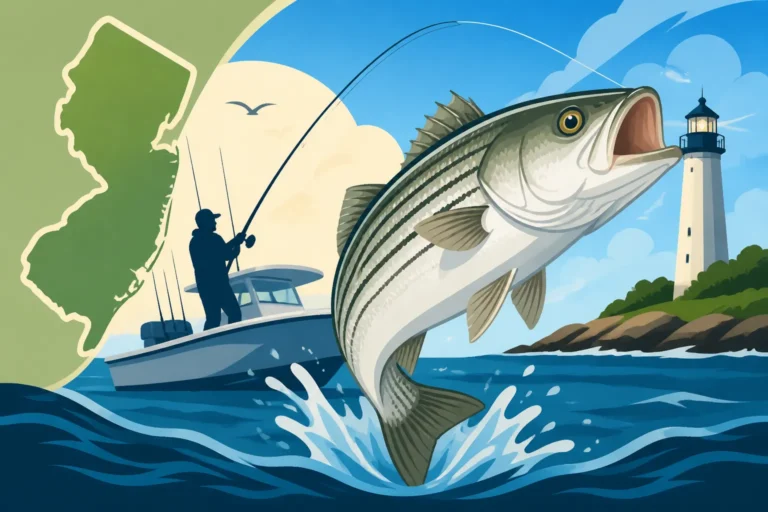
Striped bass, or "stripers," are arguably the most iconic game fish in New Jersey. These powerful fighters migrate along the coast, offering fantastic opportunities for charter anglers. The prime seasons for stripers are typically spring (April to early June) and fall (October to December), when the fish are actively feeding during their migration. During these times, charters will target them in Raritan Bay, along the oceanfront, and around inlets like Manasquan and Barnegat. Techniques often include live-lining bunker, trolling mojo rigs, or jigging with artificial lures. If you're looking for a New Jersey Striped Bass Charter Guide, timing your trip with these migrations is key.
Bluefish, known for their aggressive strikes and sharp teeth, often follow the same migratory patterns as stripers. They are abundant throughout the summer months, but also show up in strong numbers during the spring and fall runs. Charters will target bluefish in bays, inlets, and offshore, often encountering them in frenzies known as "bluefish blitzes." These fish hit hard and put up an incredible fight, making them a thrilling catch. While not everyone's favorite table fare, many enjoy them smoked or grilled fresh. Charters will usually provide heavy-duty tackle to withstand their powerful bites.
Anglers chasing these species during their peak seasons will find that charter captains have a deep understanding of their movements. For example, in the spring, stripers are often found moving into the bays to spawn, while in the fall, they feed heavily along the ocean beaches before heading south. Knowing these nuances is where the charter's expertise truly shines. The New Jersey Striped Bass Slot Limit Explained is crucial to understand when fishing for these regulated species.
Fluke and Black Sea Bass Adventures
Summer in New Jersey means one thing for many anglers: fluke (summer flounder). These delicious flatfish are a prime target for charters from May through September. Charters specializing in fluke will often drift over sandy or muddy bottoms in bays, inlets, and ocean shoals, using bait like spearing, squid, or Gulp! artificials. Drift fishing for fluke is a popular and effective method, and the crew will guide you on how to present your bait properly to entice a bite. A dedicated New Jersey Fluke Charter Guide can help you maximize your catch.
Black sea bass are another incredibly popular and tasty species found in New Jersey waters. They tend to congregate around structure, such as wrecks, reefs, and rocky bottom. Charters will take you to these underwater hotspots, often using jigs or bait like clam or squid on dropper rigs. The season for black sea bass can vary, but generally, summer and fall offer excellent opportunities, with winter wreck fishing also being very productive. These fish are aggressive biters and provide consistent action, making them a favorite for both experienced and novice anglers. The New Jersey Black Sea Bass Season and Limits are important regulations to be aware of when planning your trip.
Both fluke and black sea bass fishing often involve bottom fishing techniques. The captain uses sonar to locate productive structures or drift lines, and the crew helps ensure everyone's bait is presented effectively. These are excellent choices for family charters, as the action can be steady, keeping everyone engaged.
Offshore Thrills: Tuna and Shark Charters
For the ultimate angling challenge and a true deep-sea adventure, New Jersey offers offshore charters targeting pelagic species like tuna and sharks. These trips are typically full-day or even overnight excursions, venturing many miles offshore to the canyons and banks of the Atlantic.
Tuna species like bluefin, yellowfin, and sometimes bigeye can be found in New Jersey's offshore waters from late spring through fall. Charters targeting tuna use a variety of techniques, including trolling with artificial lures or natural baits, chunking with cut bait, or even jigging. These are physically demanding trips, and the fish are incredibly powerful, requiring specialized heavy-duty tackle. Landing a large tuna is a badge of honor for any angler, and New Jersey's offshore fleet offers some fantastic opportunities. If you're considering New Jersey Offshore Tuna Charters, be prepared for a serious fishing experience.
Shark fishing charters also operate out of New Jersey ports, targeting species like mako, thresher, blue, and sometimes even hammerheads. These trips are often conducted further offshore, sometimes near the tuna grounds, or in specific areas known for shark activity. Charters will often set up a chum slick to attract sharks, using large baits on heavy tackle. Many shark charters operate on a catch-and-release basis, especially for protected species, but some will allow retention of certain species within strict regulations. It’s an adrenaline-pumping experience to witness the raw power of a shark at the end of your line. Regardless of the target, offshore trips require experienced captains and well-equipped vessels, making a professional charter an absolute necessity.
Understanding Charter Costs and Inclusions
One of the most common questions newcomers have about charter fishing is, "How much does it cost?" The answer, as with many things in life, is "it depends!" Prices can vary significantly based on a multitude of factors, but understanding these can help you budget and choose the right trip for you.
Factors Influencing Charter Prices
Several elements contribute to the overall cost of a New Jersey fishing charter. The most obvious is whether you choose a party boat or a private charter. Party boat tickets are usually the most budget-friendly option, with individual fares being much lower than splitting the cost of an entire private boat. However, if you have a larger group for a private charter, the per-person cost can become quite comparable to a party boat.
The duration of the trip is another major factor. A half-day trip (typically 4-6 hours) will always be less expensive than a full-day trip (8-10 hours), and an overnight canyon trip can cost significantly more. The type of fishing also plays a role; inshore trips for fluke or sea bass are generally less expensive than offshore trips for tuna or marlin, which require more fuel, specialized equipment, and longer travel times. The size of the boat, the experience of the captain, the quality of the tackle provided, and even the time of year (peak season vs. off-peak) can all influence pricing. High-demand periods or specific target species might command a premium. Platforms like FishingBooker can help you compare prices across different operators and trip types.
What's Typically Included (and What's Not)
For most New Jersey fishing charters, especially party boats and private charters for inshore species, a lot is included in the base price, making it a relatively hassle-free experience.
Typically Included:
- Boat and Crew: The vessel itself and the expert captain and crew.
- Rods and Reels: Standard fishing tackle appropriate for the target species.
- Bait: Fresh or frozen bait, like bunker, squid, spearing, or clams.
- Tackle: Basic terminal tackle like hooks, sinkers, and leaders.
- Fuel: All fuel costs for the trip.
- Safety Equipment: All required safety gear (life jackets, first aid, etc.).
Often Not Included (but sometimes offered as extras):
- New Jersey Fishing License: Most charters do not cover your individual fishing license. You are responsible for having a valid New Jersey fishing license for freshwater or the New Jersey Saltwater Registry Explained for saltwater. However, there are some exceptions for party boats where a blanket license might cover passengers. Always confirm this with your specific charter.
- Food and Drinks: You'll typically need to bring your own snacks, lunch, and beverages. Some boats might have a small galley with limited options for purchase.
- Fileting Services: While many crews will clean and filet your fish at the end of the trip, some might charge a small fee for this service.
- Tips for the Crew: Tipping is customary and expected (more on this below!).
- Specialty Tackle/Lures: If you prefer using specific high-end lures or specialty rigs, you might need to bring your own.
- Sunscreen, Hat, Sunglasses: Personal items for comfort and protection.
- Cooler to Take Fish Home: You'll need a cooler to transport your cleaned fish.
It's always a good idea to confirm exactly what's included and what you need to bring when you book your trip. This helps avoid any surprises on the day of your adventure. Do You Need Your Own Fishing License on a New Jersey Charter? is a crucial question to clarify before you go.
Tipping Etiquette for Captains and Mates
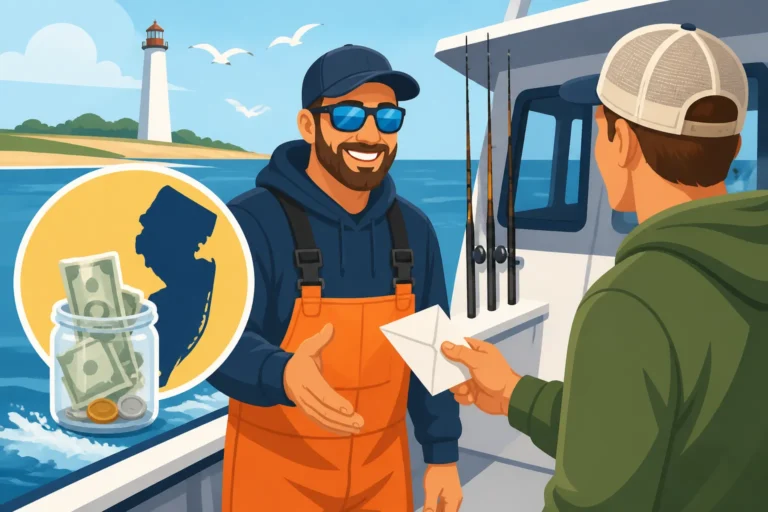
Ah, the age-old question: how much should you tip the crew? Tipping is a crucial part of the charter fishing industry, as mates and even captains often rely on gratuities as a significant portion of their income. These folks work incredibly hard, from preparing the boat, bait, and tackle before you even arrive, to helping you fish, netting your catch, and cleaning up afterwards. They are often the unsung heroes of your successful trip.
A standard gratuity for a good job is typically 15-20% of the total charter cost. For party boats, this would be 15-20% of your individual ticket price. If you feel the crew went above and beyond, or if you had an exceptionally productive day, feel free to tip more. It's usually best to give the tip directly to the mate, or if there are multiple mates, to one of them who will then split it with the others and the captain (or the captain will split it with them).
If you have a private charter, calculate 15-20% of the total boat price, not just your individual share. For example, if a private charter costs $1000, a $150-$200 tip would be appropriate for the entire crew. This ensures that everyone who worked to make your trip successful is fairly compensated for their hard work and dedication. It's not just about catching fish; it's about the effort they put in to make your experience safe, enjoyable, and memorable.
Preparing for Your New Jersey Charter Trip
A little preparation goes a long way in ensuring your New Jersey fishing charter is comfortable, safe, and productive. Thinking ahead about what to bring, understanding regulations, and knowing how to handle common issues like seasickness can make all the difference.
Essential Gear and Personal Items
While charters provide the primary fishing gear, there are several personal items you should definitely bring to ensure maximum comfort and enjoyment:
- Appropriate Clothing: Dress in layers! New Jersey weather, especially on the water, can be unpredictable. Even on a warm day, a cool breeze or ocean spray can make it chilly. What to Wear on a New Jersey Fishing Charter often means waterproof outerwear, comfortable non-slip shoes, and layers you can add or remove.
- Sun Protection: This is non-negotiable. The sun's rays are intensified on the water. Bring a wide-brimmed hat, sunglasses (polarized are a huge plus for spotting fish or structure), and plenty of high SPF sunscreen. Reapply frequently.
- Food and Drink: Pack snacks, lunch, and enough water or other beverages for the entire trip. Staying hydrated is critical, especially on long summer days.
- Cooler (for your catch): Bring a separate cooler to transport your filleted fish home. Leave it in your car until the end of the trip to save space on the boat.
- Camera: To capture those memorable moments and trophy catches!
- Small Backpack or Dry Bag: To keep your personal items organized and dry.
- Towel: Handy for wiping hands or drying off spray.
- Plastic Bags: Useful for bringing home any trash or personal items that might get fishy.
- Rain Gear: Even if the forecast looks clear, a lightweight rain jacket and pants can be a lifesaver in an unexpected shower or heavy spray.
Remember, space on a boat can be limited, so try to pack efficiently without bringing excessive items.
Licensing and Regulations: What You Need to Know
Navigating fishing regulations can sometimes feel like a puzzle, but it's crucial for a legal and enjoyable trip. In New Jersey, for freshwater fishing, you will need a valid New Jersey freshwater fishing license. For saltwater fishing, residents and non-residents alike typically need to register with the New Jersey Saltwater Registry Explained program. This is usually a free, annual registration.
However, a key point regarding charters is that often, the vessel's federal permit or specific blanket license covers the individual anglers on board for saltwater fishing. This means you might not need your own individual saltwater registry or license if you're fishing on a licensed charter or party boat. Always confirm this directly with your charter captain or booking agent before your trip. It's better to be safe than sorry. For example, a New Jersey party boat would typically confirm that their federal permit covers all passengers.
Beyond licensing, be aware of bag and size limits for specific species. These regulations are put in place to ensure sustainable fishing practices and can change annually. Your captain and crew are experts on these rules and will ensure that all fish kept adhere to current laws. They will inform you of the slot limits for striped bass, the minimum size for fluke, or the daily bag limits for sea bass. Respecting these limits is not just about avoiding penalties, but about contributing to the health of New Jersey's fish populations for future generations.
Dealing with Seasickness and Other Common Concerns
Seasickness is a real concern for many, and it can quickly ruin an otherwise fantastic day on the water. If you're prone to motion sickness, or even if you're unsure, it's wise to take precautions.
Prevention is Key:
- Medication: Over-the-counter options like Dramamine or Bonine work well for many. Take them before you board the boat, ideally an hour or two prior, as they are most effective preventatively. Prescription patches like Scopolamine are also available.
- Ginger: Natural remedies like ginger (candies, chews, or capsules) can help settle your stomach.
- Light Meal: Eat a light, non-greasy meal before you go. Avoid heavy, acidic, or overly sugary foods.
- Stay Hydrated: Drink plenty of water.
- Focus on the Horizon: Once on the boat, find a spot where you can see the horizon and focus on it. Avoid reading or looking down at your phone for extended periods.
- Fresh Air: Stay on deck where you can get fresh air, rather than below deck.
Beyond seasickness, other concerns might include using the boat's head (bathroom) – these are often small and can be a bit challenging to use in rough seas. Ask the crew for instructions if you're unsure. Also, be mindful of your belongings; keep them secured so they don't slide around or go overboard. Listen to the crew's instructions regarding moving around the boat, especially when lines are in the water or during docking. They prioritize your safety above all else.
Booking Your New Jersey Fishing Charter
Booking a charter might seem daunting with so many options, but with a clear understanding of the process, you can secure the perfect trip for your angling ambitions.
Finding Reputable Operators and Reading Reviews
The first step in booking is finding a reputable charter operator. Word-of-mouth recommendations are excellent, so ask friends, family, or local tackle shops for suggestions. Online resources are also incredibly helpful. Websites like FishingBooker specialize in connecting anglers with charters, providing detailed listings, photos, and most importantly, customer reviews. These platforms allow you to search by location, target species, boat type, and price range.
When reading reviews, look for consistent themes. Are people praising the captain's knowledge, the crew's helpfulness, the cleanliness of the boat, or the quality of the tackle? Do they mention catching fish and having a good time? Be wary of operators with consistently negative reviews, or those with very few reviews compared to others. A well-established charter with a strong track record of positive feedback is usually a safe bet. Also, check if the charter is properly licensed and insured; reputable operators will readily provide this information. Don't be afraid to How to Choose a New Jersey Fishing Charter by vetting thoroughly.
The Booking Process: Online, Phone, or In-Person
Once you've identified a few potential charters, it's time to book. There are generally three ways to do this:
- Online Booking Platforms: Websites like FishingBooker offer a streamlined booking experience. You can view available dates, compare prices, read descriptions, and book directly online, often with instant confirmation. This is convenient for comparing multiple options and managing your reservation digitally.
- Phone Call: Many anglers prefer to call the captain or booking agent directly. This allows you to ask specific questions, discuss your group's needs, clarify regulations, and get a feel for the captain's personality. It's also a good way to gauge their responsiveness and customer service. You can often get more tailored advice on the best time to fish for a specific species by talking directly.
- In-Person (at the Marina): If you're already in a coastal town like Belmar or Point Pleasant, you can often walk the docks, check out the boats, and speak with captains or their booking agents in person. This gives you a direct look at the vessel and a chance to experience the marina atmosphere. However, popular charters, especially private ones, can book up far in advance, so relying solely on walk-up availability might leave you disappointed, especially during peak season.
Regardless of the method, be prepared to provide details about your group size, preferred dates, and target species. Most charters will require a deposit to secure your booking, with the remaining balance due on the day of the trip.
Cancellation Policies and Rescheduling
Life happens, and sometimes plans change, or the weather doesn't cooperate. Understanding the charter's cancellation and rescheduling policy before you book is crucial.
Weather-Related Cancellations: Reputable charters will always prioritize safety. If the captain deems the weather or sea conditions unsafe (e.g., strong winds, heavy seas, thunderstorms), they will cancel the trip. In such cases, you will almost always be offered a full refund of your deposit or the option to reschedule for another date. Do not try to pressure a captain to go out in unsafe conditions. Their judgment is paramount.
Angler-Initiated Cancellations: If you need to cancel your trip, the policy will vary. Many charters have a cancellation window (e.g., 72 hours, 7 days, or even longer for large private trips). If you cancel within that window, you might lose your deposit or be charged a cancellation fee. If you cancel outside the window, you'll likely receive a full refund of your deposit. Always communicate as soon as possible if you need to change your plans. It's also a good idea to clarify if there's any flexibility for rescheduling due to unforeseen personal circumstances, though this is usually at the captain's discretion. Ensure you understand these terms completely to avoid any misunderstandings.
Making the Most of Your Charter Experience
You've booked your trip, prepared your gear, and now you're ready to hit the water! To truly maximize your New Jersey charter fishing experience, a few key pointers can elevate your day from good to unforgettable.
Listening to Your Captain and Crew
This might seem obvious, but it's perhaps the most important tip for a successful charter trip. Your captain and crew are not just steering the boat; they are professional guides whose expertise is your greatest asset. They know the current fishing conditions, where the fish are holding, what bait they're hitting, and the most effective techniques for the day. When they give instructions – whether it's about how to drop your line, how to reel in a fish, or even where to stand on the boat – listen carefully and follow them.
For example, if the mate tells you to drop your bait "straight down," don't let out extra line and drift it away from the boat; there's a reason they want it directly beneath you, likely because the fish are schooled tightly under the boat or around specific structure. If they advise a certain retrieve speed for a jig, try to match it. Their guidance is based on years of experience and real-time observation. Asking questions is great, but arguing or ignoring their advice can lead to a less productive and potentially frustrating day for everyone. They are there to help you catch fish, and they want you to succeed just as much as you do.
Fish Handling and Conservation Practices
As responsible anglers, it's our duty to practice good fish handling and support conservation efforts. Many charters are keen on promoting sustainable fishing.
For fish you plan to keep (within legal limits):
- Handle with care: Even if you're keeping the fish, try to minimize stress. Get it into the cooler quickly and efficiently.
- Bleeding and Icing: The crew will often handle this, but bleeding a fish quickly and putting it on ice helps preserve its quality for eating.
For fish you plan to release (or those that are undersized/out of season):
- Minimize Out-of-Water Time: The less time a fish spends out of the water, the better its chances of survival.
- Wet Hands: If you must touch the fish, wet your hands first to avoid removing its protective slime coat.
- Support Body Weight: Especially for larger fish, support their full body weight horizontally, don't hold them vertically by the jaw or tail only.
- Remove Hook Quickly: Use pliers or a de-hooker to remove the hook as quickly and gently as possible. If the hook is deeply ingested, cut the line as close to the hook as you can rather than trying to rip it out.
- Revive If Necessary: For exhausted fish, the crew might show you how to "revive" them by holding them in the water, facing into the current, until they swim off strongly.
Many charters will explicitly promote catch and release for certain species, especially larger breeding fish or those that are out of season. Understanding and adhering to these practices helps ensure that future generations of anglers can enjoy New Jersey's incredible fisheries. The New Jersey Catch and Release Striped Bass Handling Rules are a good example of specific guidelines for proper release.
Post-Trip Care: From Filleting to Photos
The fishing doesn't quite end when the boat docks. The post-trip rituals are just as important for preserving your catch and your memories.
Fish Cleaning: Most New Jersey charters offer fish cleaning and filleting services right at the dock. As mentioned, some might charge a small fee, while others include it. This is a huge convenience, as the crew is highly skilled and efficient at turning your whole fish into ready-to-cook fillets. Ensure you have your cooler ready in your car to immediately ice down your fresh fish. This quick transfer to a cold environment is key to maintaining quality and flavor.
Photography: Don't forget to get some great photos with your catch! The crew is usually happy to help snap a few pictures. A quick photo at the dock, perhaps with the boat or the beautiful New Jersey backdrop, makes for a lasting memory. If you’re planning to release a fish, take the photo quickly while minimizing its time out of the water.
Enjoying Your Catch: The best part, of course, is taking your fresh, clean fillets home to cook. Whether you prefer grilling, baking, frying, or broiling, there's nothing quite like a meal prepared from fish you caught yourself. Share your stories and photos, and start planning your next New Jersey fishing adventure! The experience, from the anticipation of the bite to the delicious meal, is what makes charter fishing so rewarding.
Disclaimer
This article is for general informational purposes only and does not constitute professional advice. Laws, prices and regulations vary by location and change over time. Consult a qualified professional for guidance on your specific situation.