New Jersey Fluke Charter Guide
Feeling overwhelmed trying to find those elusive fluke along the New Jersey coast? It's a common frustration for many anglers, but a dedicated fluke charter can transform your search from a guessing game into a targeted, successful expedition. This comprehensive guide is here to walk you through everything you need to know about booking and enjoying a New Jersey fluke charter, ensuring you have the best chance at landing that prized summer flounder.
Why Choose a Fluke Charter in New Jersey?
Let's face it, fluke can be tricky. They're masters of camouflage, often hugging the bottom, and their feeding patterns can change with the tide, water temperature, and even the time of day. For many anglers, especially those without their own boat or extensive local knowledge, finding consistent success can feel like hitting a brick wall. This is precisely where a fluke charter shines, offering advantages that are hard to replicate on your own.
Beating the Learning Curve and Finding the Fish
One of the biggest hurdles new or visiting anglers face is simply knowing where to go. New Jersey's coastline is vast, stretching from Sandy Hook down to Cape May, with countless bays, inlets, and offshore reefs. Each area has its nuances, and what works one day might not the next. A charter captain has spent years, if not decades, accumulating intimate knowledge of these waters. They know the subtle contours of the seafloor, the specific wrecks or reefs where fluke tend to congregate, and the seasonal migration patterns. Instead of spending precious fishing time searching, you're put directly on the fish, or at least in the best possible position to catch them. Think of it as having a local expert guide you through a hidden maze – you get straight to the treasure without getting lost.
Access to Prime Fluke Grounds
Many of the most productive fluke fishing spots are simply inaccessible to shore anglers or those with smaller boats. These might be artificial reefs miles offshore, deep channels in the middle of a large bay, or specific wrecks known only to a few seasoned captains. Charter boats, often larger and more seaworthy, are designed to safely and efficiently get you to these prime locations. They have the range, the navigation equipment, and the experience to venture further and fish deeper waters where bigger fluke often reside. This means you're not limited to the same spots everyone else can reach from the beach or a small craft; you're opening up a whole new world of potential. Moreover, captains constantly monitor conditions and recent catches, adapting their strategy to put you in the best possible place.
Expert Guidance and Specialized Gear
Beyond just finding the fish, a good charter provides the expertise and equipment to actually catch them. Fluke fishing involves specific techniques, whether it's bucktailing, drifting with bait, or jigging. A captain and crew are there to demonstrate these methods, help you rig your lines correctly, and even untangle those inevitable knots. For a beginner, this hands-on instruction is invaluable, accelerating your learning process significantly.
Furthermore, charter boats come fully equipped with high-quality rods, reels, and terminal tackle perfectly suited for fluke fishing. This means you don't have to invest in expensive gear yourself, nor do you have to worry about bringing the right kind of bait. From fresh bunker to Gulp! artificials, the charter will have what the fluke are biting on that day. It's an all-inclusive experience that removes much of the guesswork and expense, allowing you to focus purely on the thrill of the catch. Imagine stepping onto a boat knowing everything is taken care of – that's the charter advantage.
Understanding Fluke Behavior and Hotspots
To truly appreciate the value of a fluke charter, it helps to understand a little about the fish itself. Fluke, also known as summer flounder, are fascinating creatures with predictable behaviors that seasoned captains exploit to put you on them. Knowing these patterns helps you understand why your captain is making certain decisions.
Seasonal Movements and Preferred Habitats
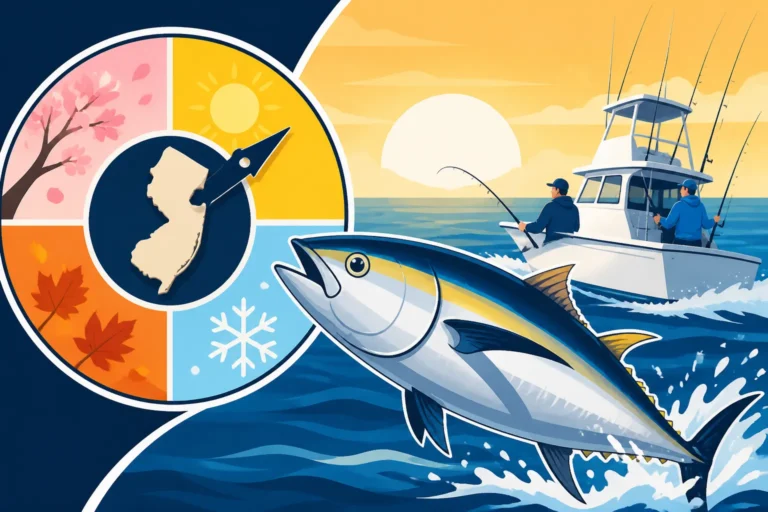
Fluke are highly migratory, moving with the seasons and water temperatures. In early spring, as water temperatures in our bays begin to rise, they move into shallower inshore waters and estuaries. This is when places like Barnegat Bay, the Mullica River, and the back bays around Atlantic City really start to heat up. As summer progresses and bay waters become quite warm, many of the larger fluke will shift their focus to cooler, deeper ocean waters, often congregating around artificial reefs, wrecks, and natural structure just offshore. This movement creates distinct New Jersey Fluke Season Dates for 2026 for different areas. Come fall, as ocean temperatures cool, they'll often make another push into the bays before heading offshore for their winter migration.
Understanding these broad movements helps a charter captain predict where the most productive fishing will be at any given time of year. They’re not just guessing; they’re following established patterns that have been observed for generations. They know which specific channels in the bay are holding fish in June, or which wrecks offshore are productive in August.
Tidal Influences and Feeding Patterns
Tides are perhaps the single most critical factor in fluke fishing, especially in the bays and inlets. Fluke are ambush predators; they lie flat on the bottom, often partially buried in sand or mud, waiting for baitfish, crabs, or shrimp to drift past. They particularly love areas where current creates "rip lines" or washes over structure, disorienting their prey.
Experienced charter captains are masters at reading tide charts and understanding how the current affects different areas. They know that a strong outgoing tide might be best for fishing the mouth of a bay, flushing baitfish out to the waiting fluke. Conversely, a rising tide might push bait into shallower flats or channels where fluke are staging. How to Read Tide Charts for Better Fishing in New Jersey is a skill they've honed over years. They will position the boat to drift over productive bottom, allowing your bait or lure to be carried naturally into the fluke's strike zone. This strategic positioning maximizes your chances, contrasting sharply with static fishing from a pier or shore where you're at the mercy of the current.
Key Fluke Holding Areas in New Jersey Bays and Ocean
New Jersey is blessed with an abundance of diverse fluke habitats. In the calmer back bays like Barnegat Bay and Great Bay, you’ll find fluke lurking in channels, around sod banks, and on sandy flats. These areas are excellent for lighter tackle and a more relaxed drift. Moving towards the inlets, the current picks up, and fluke will stack up along the edges of the main channels, near bridge pilings, and around jetties. Locations like Manasquan Inlet, Point Pleasant Canal, and Shark River Inlet are classic examples of inlet fishing hotspots.
Out in the ocean, the landscape changes. Here, charter captains target artificial reefs built from old ships, subway cars, and concrete rubble, as well as natural rock formations and even subtle changes in bottom contour. These structures provide cover and attract baitfish, which in turn attract large fluke. Popular offshore zones include the Axel Carlson Reef, the Manasquan Ridge, and various lumps and bumps along the continental shelf. A good captain has a mental map, and often digital waypoints, of hundreds of these spots, ensuring they can move if one area isn't producing. For deeper dives into fishing different areas, you might want to read our guide on Barnegat Bay Fluke Fishing in Summer.
| Location Type | Common Fluke Depths | Preferred Bait/Lure | Key Characteristics |
|---|---|---|---|
| Back Bays | 5-15 feet | Minnows, Gulp!, Squid | Muddy/sandy bottom, sod banks, slower currents |
| Inlets/Channels | 10-30 feet | Live Killies, Bucktails, Jig/Teaser | Strong currents, structure (pilings, rocks) |
| Nearshore Ocean | 20-60 feet | Squid/Spearing combos, Bucktails | Sandy bottom with subtle dips/rises, shell beds |
| Artificial Reefs | 40-100+ feet | Live Spot, Strips of Squid, Jig/Teaser | Rocky structure, wrecks, attracts large fluke |
Types of Fluke Charters Available
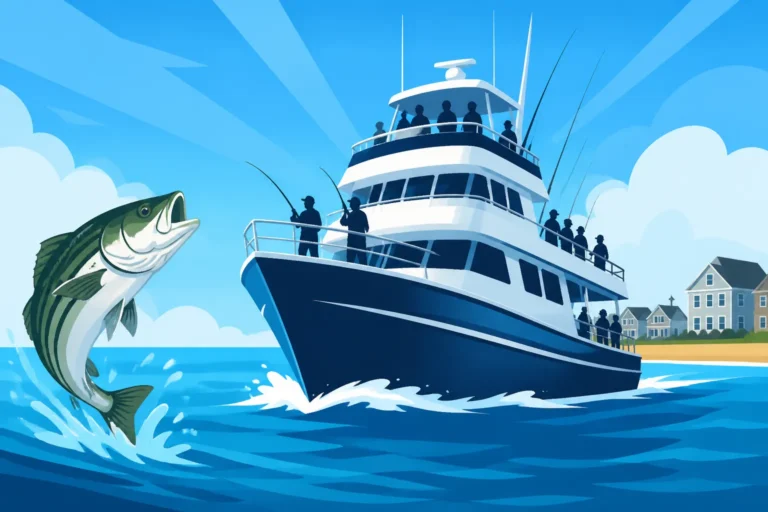
When you're looking to book a fluke fishing trip in New Jersey, you'll generally encounter two main types of operations: private charters and party boats. Each offers a distinct experience with its own set of pros and cons, catering to different preferences and budgets.
Private Charters for a Personalized Experience
A private charter is exactly what it sounds like: you book the entire boat for your group, whether that's just you and a friend, your family, or a small group of buddies. These boats typically accommodate anywhere from 1 to 6 anglers, though some larger ones might take a few more. The biggest advantage here is the personalized attention you receive. The captain and mate are focused solely on your group's needs, preferences, and skill levels.
On a private charter, you have the flexibility to dictate the pace of the trip. Want to spend more time drifting for fluke in a specific area? No problem. Want to try a different technique? The captain can usually accommodate. They can tailor the instruction to beginners or focus on trophy hunting for more experienced anglers. You'll also likely fish with higher quality, specialized gear, and the boat will be less crowded, allowing for more comfortable fishing and easier movement. This is often the preferred choice for families with young children, corporate outings, or serious anglers seeking a truly dedicated fishing experience. Of course, this level of exclusivity and customization comes with a higher price tag, as you're covering the cost of the entire boat and crew.
Party Boats: A Budget-Friendly Option
Party boats, often called "head boats," operate on a per-person fare, meaning you buy a ticket for yourself and share the boat with many other anglers. These vessels are typically much larger than private charters, sometimes accommodating dozens of people. They operate on a set schedule, departing at specific times and targeting specific species, like fluke.
The main draw of a party boat is the cost-effectiveness. It's a fantastic way to get out on the water and experience offshore fishing without breaking the bank or needing a large group. While you won't get the same one-on-one attention as a private charter, the mates are usually quite good at helping anglers, especially beginners, with rigging, baiting, and landing fish. The atmosphere can be lively and social, a great place to meet other anglers.
However, party boats do come with some trade-offs. You'll have less space to fish, and you'll be fishing alongside many other lines, which can sometimes lead to tangles. The captain has to cater to the group as a whole, so there's less flexibility in terms of fishing spots or techniques. Still, for many, the sheer affordability and ease of access make party boats an excellent choice for a fluke trip, especially for individuals or small groups on a budget. If you're weighing your options, our guide New Jersey Party Boat vs Private Charter: What's the Difference? goes into more detail.
Specialty Fluke-Focused Trips
Beyond the general private and party boat categories, some charters specialize even further. You might find "trophy fluke" trips that specifically target larger summer flounder in deeper, offshore waters, often requiring a longer day trip. Other charters might focus exclusively on bucktailing, a highly effective technique for fluke using specific jigs. There are also bay-only fluke trips, which are usually shorter, calmer, and ideal for families or those prone to seasickness, focusing on the abundant fluke found in New Jersey's estuaries. When researching, it's always worth asking if a charter has any particular specialties or a reputation for excelling in a certain type of fluke fishing. Companies like FishingBooker often categorize charters by target species and trip type, making it easier to find one that aligns with your specific fluke fishing aspirations.
What to Expect on a New Jersey Fluke Charter
Stepping onto a charter boat for the first time can be a bit daunting if you don't know what to expect. While each boat has its own personality and routines, there are some universal elements you'll encounter on most New Jersey fluke charters.
Typical Gear and Bait Provided
One of the great conveniences of booking a charter is that the boat provides all the essential fishing gear. For fluke, this usually means a medium-light to medium action spinning rod and reel combo, spooled with braided line and a fluorocarbon leader. This setup is sensitive enough to feel the subtle fluke bite but strong enough to handle a good-sized fish. You won't have to worry about bringing your own rod, though many experienced anglers do prefer to use their own gear.
As for bait, expect a variety. Fluke are opportunistic feeders, and what they prefer can change day by day. Common baits include fresh squid strips, spearing (small baitfish), and sometimes live minnows or killies. Often, the crew will combine these, creating a "squid and spearing" or "minnow and squid" sandwich on the hook, which is incredibly effective. Many charters also use Gulp! artificial baits, particularly the Gulp! swimming mullet or grub, which are highly scented and can be incredibly deadly for fluke. Your mate will usually rig your line with a traditional high-low rig, a sliding sinker rig, or a bucktail jig with a teaser, depending on the captain's preferred method for the day and the conditions.
Common Fluke Fishing Techniques Employed
On a fluke charter, the primary technique you'll be using is drifting. The captain will position the boat at the beginning of a drift, often over a piece of structure, a channel edge, or a vast flat, and allow the wind and current to carry the boat slowly over the bottom. As the boat drifts, you'll be tasked with keeping your bait or lure close to the bottom, where fluke lie in wait. This usually involves periodically lifting your rod tip and letting the bait fall, creating a jigging motion that mimics a struggling baitfish.
Another popular and highly effective technique, especially on calmer days or in areas with less current, is bucktailing. This involves using a lead-head jig with deer hair, often tipped with a piece of bait or a Gulp! artificial. The idea is to bounce the bucktail along the bottom, creating puffs of sand that attract curious fluke. Your captain and mates will be on hand to demonstrate these techniques and offer tips to help you get your presentation just right. They'll also tell you about How to Drift Fish for Fluke and other methods.
Onboard Amenities and Etiquette
Most fluke charters, whether private or party boats, will have basic amenities to ensure your comfort. Expect a head (restroom) onboard, and often a small cabin area where you can take a break from the elements. Many boats also have coolers with ice for drinks and food, and some might even sell snacks and beverages. It's always a good idea to bring your own food and non-alcoholic drinks, especially for longer trips.
In terms of etiquette, it's always polite to listen carefully to the captain and crew's instructions, especially regarding safety and fishing techniques. Be mindful of your casting space, particularly on a crowded party boat, to avoid tangling lines with other anglers. When you hook a fish, let the crew know; they are there to help you land it, unhook it, and often measure it to ensure it meets the legal New Jersey Fluke Size and Bag Limits Explained. A little courtesy goes a long way, and a friendly attitude will make your trip more enjoyable for everyone. Remember, these crews work hard to ensure you have a successful and safe day on the water.
Choosing the Right Fluke Charter for Your Trip
Deciding on the perfect fluke charter can feel like a big decision, especially with so many excellent captains and boats operating out of New Jersey's ports. Taking the time to research and ask the right questions will ensure you pick a trip that's tailor-made for your expectations.
Factors to Consider: Group Size, Experience, and Budget
First, think about your group. Are you a solo angler, a couple, a family with young kids, or a larger party? This will largely determine whether a private charter or a party boat is the better fit. As mentioned, private charters offer intimacy and flexibility for smaller groups, while party boats are more economical for individuals or pairs.
Next, consider your fishing experience. If you're a complete novice, look for charters that specifically welcome beginners and offer hands-on instruction. If you're an experienced angler hoping to target trophy fluke, seek out captains known for their expertise in those specific techniques or locations. Some charters are family-friendly, catering to kids with shorter trips and patience, while others might be more geared towards serious, all-day grinding.
Finally, your budget is a key factor. Private charters are generally more expensive per person but offer exclusivity. Party boats are a great value. Remember that costs can vary based on the duration of the trip (half-day vs. full-day), the target species, and the boat's amenities. Don't forget to factor in potential tips for the crew when calculating your total cost.
Researching and Booking Your Charter
The internet is your best friend when researching charters. Websites like FishingBooker allow you to browse numerous charters, compare prices, read reviews from past customers, and filter by location, target species, and boat type. This platform is fantastic for seeing a wide array of options and getting a sense of a captain's reputation and specialty. You can also search directly for charter boat websites or look for recommendations on local fishing forums and social media groups dedicated to New Jersey fishing.
When you find a few potential options, don't hesitate to reach out to the captain or booking agent. A quick phone call or email can provide invaluable insight into their personality, their approach to fluke fishing, and whether their style aligns with your expectations. Always confirm availability, pricing, and what's included in the fare. Many popular charters book up weeks or even months in advance, especially during peak fluke season, so plan ahead!
Questions to Ask Before You Book
Before you commit, arm yourself with a few key questions:
- "What's included in the price?" Confirm if bait, tackle, and ice are part of the deal, or if there are any extra charges.
- "What's your cancellation policy, especially for bad weather?" This is crucial in New Jersey, where coastal weather can be unpredictable. Understand What Happens If a New Jersey Charter Trip Gets Canceled? due to high winds or rough seas.
- "Do I need a fishing license, or does the boat cover it?" Most party boats cover the federal saltwater registry for their passengers, but on private charters, you may still need your own New Jersey Fishing License Guide for 2026 if fishing in freshwater or specific state-regulated saltwater areas. Always clarify this. You'll definitely want to check on New Jersey Saltwater Registry Explained as well.
- "What are the current bag and size limits for fluke?" A good captain will know this offhand and will educate you on the latest regulations.
- "Are you family-friendly?" If bringing kids, ask about amenities for children, and if the crew is patient with younger anglers.
- "What's your typical fluke fishing strategy?" This gives you a sense of their approach and expertise.
By asking these questions, you'll feel much more confident and prepared when booking your New Jersey fluke charter.
Preparing for Your Fluke Charter Trip
Once you've booked your fluke charter, a little preparation can go a long way in ensuring a comfortable, enjoyable, and successful day on the water. It’s not just about showing up; it’s about being ready for what the ocean might throw at you!
What to Bring: Essentials and Comfort Items
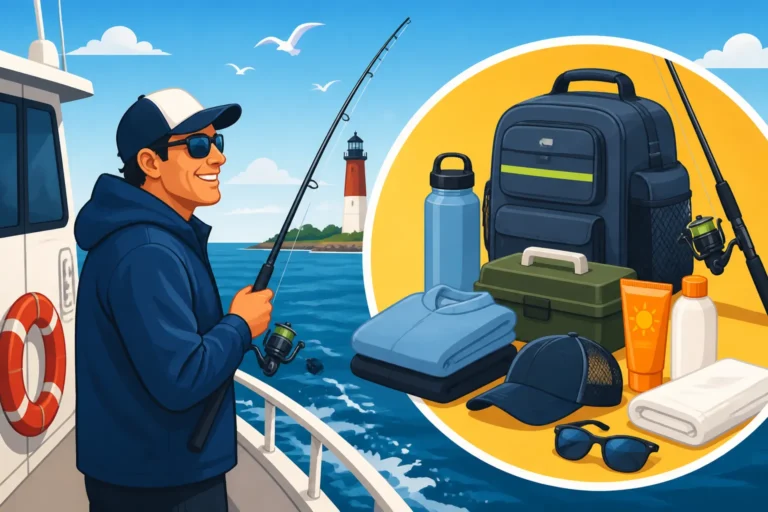
Even though the charter provides most of the fishing gear, there are several personal items you should absolutely bring:
- Sun Protection: New Jersey summers mean strong sun reflection off the water. Pack high SPF sunscreen, a wide-brimmed hat, and polarized sunglasses to protect your eyes and help you spot fish or structure.
- Layers of Clothing: Even on a warm summer day, it can be significantly cooler on the water, especially in the morning or evening, or when the boat is moving. Bring a sweatshirt, light jacket, or rain gear, even if the forecast looks clear. What to Wear on a New Jersey Fishing Charter is always a good thing to consider.
- Food and Drinks: Pack snacks, a sandwich, and plenty of water or other non-alcoholic beverages. While some charters might offer limited options, it's best to be self-sufficient. Use a small cooler that's easy to store.
- Cooler for Your Catch: If you plan on keeping fish, bring a separate cooler with ice in your car. Most charter boats will have a fish box, but you'll want to transfer your fillets (or whole fish) for the ride home.
- Camera: To capture those memorable catches and scenic views!
- Small backpack or dry bag: To keep your personal items contained and protected from spray.
- Cash for Tips: Tipping the crew is customary and appreciated for their hard work.
Understanding Licensing and Regulations
As mentioned, licensing is something you must clarify with your charter captain. For most recreational saltwater fishing in New Jersey, you'll need to be registered with the New Jersey Saltwater Recreational Registry Program or hold a valid freshwater fishing license if fishing in brackish or tidal freshwater areas. However, often on for-hire vessels like party boats, the boat's federal permit covers all passengers, so you personally might not need to register. Always confirm this before you go. It's your responsibility to ensure you're compliant with all regulations.
Beyond licensing, be aware of the specific New Jersey Fluke Size and Bag Limits Explained. These rules are put in place for conservation and can change annually. Your captain and crew will be meticulous about measuring fish and adhering to these limits. Don't be tempted to keep an undersized fish; the penalties for violations can be significant, and it's simply not good for the fishery. Your crew will handle any fish that need to be released with care.
Dealing with Seasickness and Weather Considerations
If you're prone to seasickness, or even if you're not sure, it's wise to take precautions. Over-the-counter remedies like Dramamine or Bonine work best when taken the night before or at least an hour before you board the boat, allowing them to get into your system. Avoid greasy foods and alcohol the night before, and stay hydrated. Focusing on the horizon and staying on deck in the fresh air can also help.
Weather is a huge factor in New Jersey fishing. Captains monitor forecasts constantly, and safety is paramount. If the weather looks too rough, a responsible captain will cancel or reschedule the trip. While it's disappointing, it's for your safety and comfort. Always call the day before or morning of your trip to confirm. Remember, a light drizzle usually won't cancel a trip, but high winds and rough seas certainly will. New Jersey Fishing Regulation Changes for 2026 can also sometimes affect trips, so stay informed.
Maximizing Your Fluke Charter Experience
You've booked your trip, prepared your gear, and arrived at the dock. Now it's time to make the most of your New Jersey fluke charter experience! It's more than just catching fish; it's about learning, enjoying the outdoors, and appreciating the hard work of the crew.
Engaging with Your Captain and Crew
Don't be shy! Your captain and mate are a wealth of knowledge, and they want you to catch fish. Ask questions about the techniques, the local waters, or even just general fishing tips. Listen intently to their advice on how to present your bait or jig. They're constantly observing how the fish are biting and will offer subtle adjustments to your technique that can make a huge difference.
If you're struggling to get a bite, politely ask the mate for help. They can check your bait, re-tie your rig, or give you personalized instruction. Building a friendly rapport with the crew not only makes your trip more enjoyable but can also lead to more successful fishing. They might even share a few secret tips or stories if you show genuine interest.
Catch and Release vs. Keeping Your Catch
Fluke are delicious, and a major draw for many anglers is bringing home fresh fillets for dinner. Your crew will typically measure every fish caught to ensure it meets the legal New Jersey Fluke Size and Bag Limits Explained. Any fish that are keepers will often be put on ice in a communal fish box. At the end of the trip, the crew will usually offer to fillet your catch for a small fee, which is a fantastic service, saving you time and mess at home.
However, many anglers also practice catch and release, especially for larger breeding-size fluke or if they already have enough for dinner. If you plan to release a fish, try to minimize handling and get it back in the water quickly. Your crew can advise on best practices for New Jersey Catch and Release Striped Bass Handling Rules, which apply to other species as well. Let the mate know your intentions, and they can assist in a gentle release.
Tipping Etiquette and Post-Trip Follow-Up
Tipping is an important part of the charter fishing culture and a direct way to show your appreciation for the hard work of the captain and especially the mate. Mates work tirelessly throughout the trip: baiting hooks, untangling lines, gaffing fish, and cleaning up. A general guideline is to tip 15-20% of the total charter cost, split between the captain (if they are actively involved in deckhand duties) and the mate. On party boats, you'll typically tip the mate directly. If you had an exceptional experience, consider tipping a little more. You can find more details on How Much Should You Tip a New Jersey Charter Captain? in our other guides.
After your trip, consider leaving an online review for the charter. Platforms like FishingBooker thrive on honest feedback, and a positive review helps other anglers make informed choices and supports the hard-working captains and crews. Sharing your photos and positive experience helps promote the New Jersey fishing community.
Whether you're a seasoned angler looking to expand your horizons or a beginner hoping to land your first keeper, a New Jersey fluke charter offers an unparalleled opportunity. It's an investment in a memorable day on the water, guided by experts who live and breathe fluke fishing.
Disclaimer
This article is for general informational purposes only and does not constitute professional advice. Laws, prices and regulations vary by location and change over time. Consult a qualified professional for guidance on your specific situation.