Fishing License Exemptions for Anglers 70 and Older in New Jersey
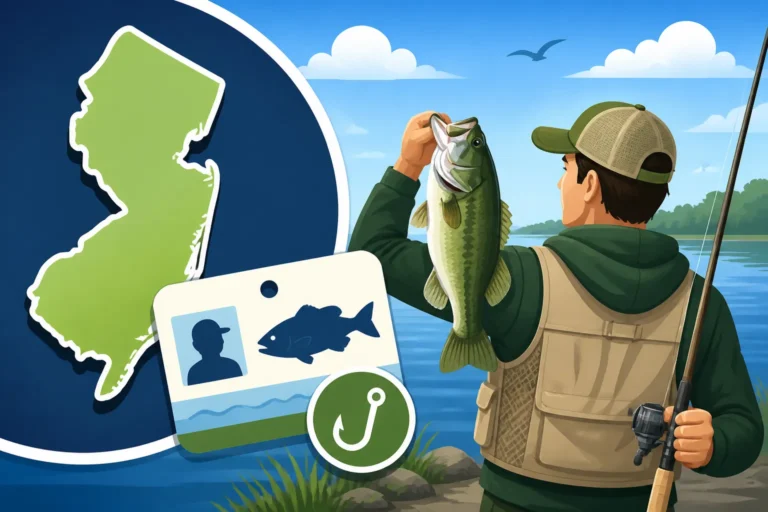
It's incredibly frustrating when you just want to enjoy a peaceful day on the water, but the thought of navigating complex fishing license regulations looms over your head. For many seasoned anglers in New Jersey, especially those who have been fishing for decades, the rules around fishing licenses for seniors can feel like a moving target. This guide is here to untangle all that confusion, specifically addressing the exemptions available for New Jersey residents who are 70 years of age and older, ensuring you can cast your line with confidence and peace of mind.
Understanding the New Jersey Fishing License System for Seniors
New Jersey, like most states, has a system in place to manage its fisheries, and a big part of that is requiring anglers to purchase fishing licenses. This revenue helps fund critical conservation efforts, fish stocking programs, and habitat restoration projects. But as you get older, especially once you've contributed to these efforts for many years, it's natural to wonder if you still need to jump through the same hoops as younger anglers. The good news is, for those 70 and over, the state recognizes your lifetime of contributions.
The General Rule: Why Most Anglers Need a License
Generally speaking, if you're between the ages of 16 and 69 and planning to fish in New Jersey's freshwater or marine waters (and don't qualify for other specific exemptions like disabled veterans or certain youth programs), you're going to need a fishing license. This rule applies to residents and non-residents alike, though the costs and specific requirements can differ. It’s a pretty straightforward system designed to ensure everyone contributes to the health of our aquatic ecosystems. Think of it as a small investment in keeping our rivers, lakes, and oceans vibrant for generations to come.
This requirement often catches new residents or those returning to the sport off guard. You might assume that if you're just fishing a small local pond, you'd be exempt, but that's rarely the case for public waters. Even if you're using simple gear like a rod and reel or hand lines, a license is typically required. Understanding the full scope of these requirements is why resources like our comprehensive guide on the New Jersey Fishing License Guide for 2026 are so valuable. It helps clarify who needs what, and why.
Dispelling Myths: What Constitutes "Senior" in New Jersey Fishing Regulations
One of the biggest areas of confusion, and frankly, a source of frustration for many, is the definition of "senior" when it comes to fishing licenses. Some states offer discounts at age 60 or 65, leading to assumptions that New Jersey follows suit. However, New Jersey has a different approach. The state does not offer a discounted senior license for those between the ages of 65 and 69. For these anglers, the full price of a resident or non-resident annual license still applies, which can be a bit of a surprise if you're used to discounts kicking in earlier for other services or activities.
The actual exemption in New Jersey only kicks in once you hit the big 7-0. This distinction is really important because it means if you're 68 and heading out to your favorite fishing spot, you absolutely need a valid license. Many anglers have been caught off guard by this, perhaps having moved from a state with different age thresholds. It's not about being cheap; it's about being informed and avoiding an unnecessary run-in with a conservation officer. So, for the purpose of a fishing license exemption, "senior" specifically means 70 years of age or older, and a New Jersey resident.
The Specific Exemption for Anglers 70 and Older
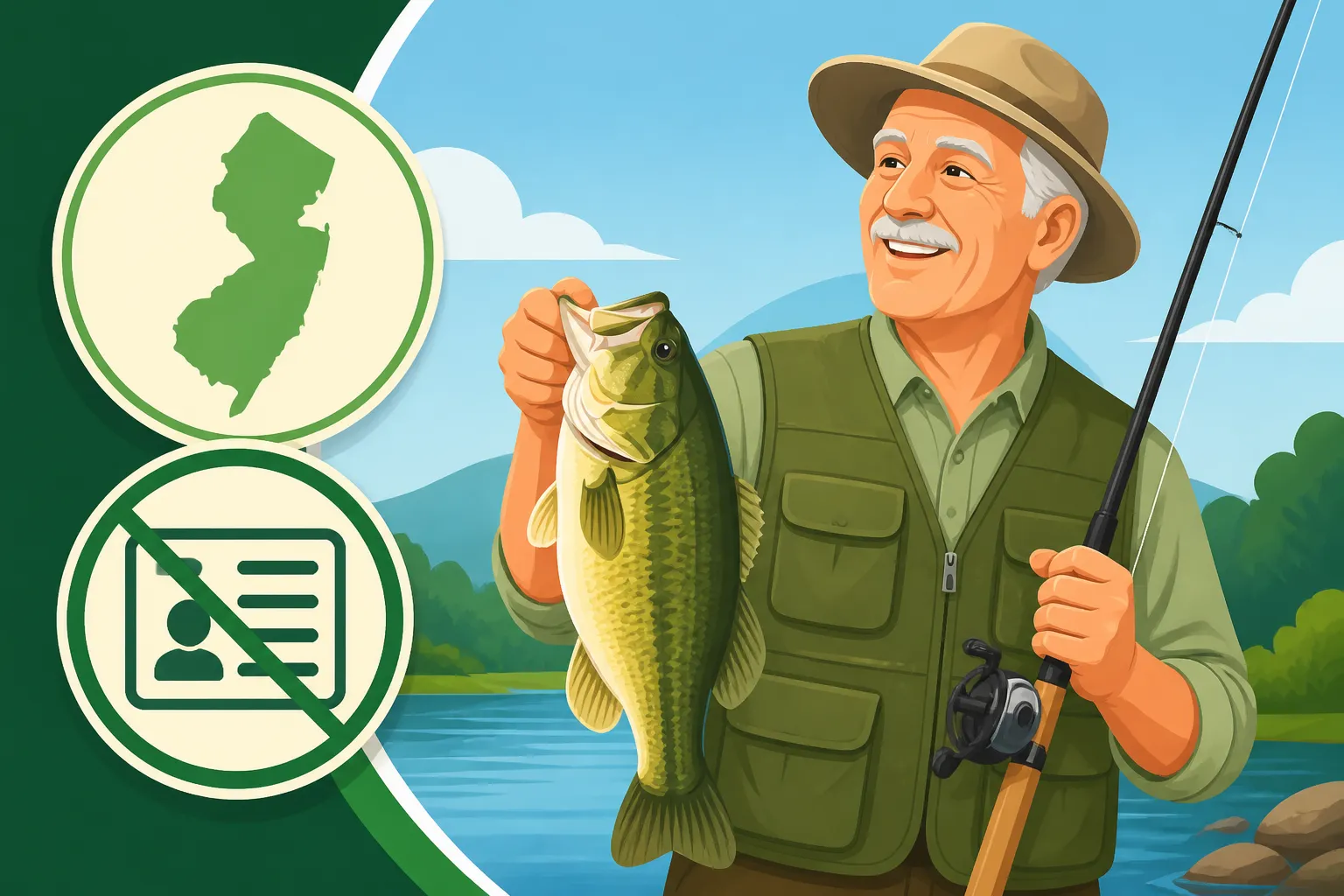
Now, let's get to the good stuff for those who've reached that milestone age of 70! New Jersey offers a fantastic benefit to its resident anglers who are 70 years old and above: a complete exemption from the general fishing license requirement. This means you don't need to purchase an annual freshwater license, nor do you need to register for the New Jersey Saltwater Registry program. It's the state's way of saying "thank you" for your many years of contributions and allowing you to continue enjoying the sport without the annual fee or paperwork. This exemption truly reflects the appreciation for lifelong anglers.
Who Qualifies for the Age 70+ Exemption
To qualify for this exemption, there are two primary criteria you must meet. First and foremost, you need to be a resident of New Jersey. This isn't just about owning property; it's about demonstrating established residency in the state. Secondly, you must be 70 years of age or older. There's no gray area here – if you're 69 and 364 days old, you're still considered 69 and would need a license. It's only upon your 70th birthday that this exemption officially kicks in.
This exemption is a wonderful recognition of your dedication to fishing over the decades. Imagine all the sunrises and sunsets you've seen from the shore or a boat, the stories you've accumulated, and the wisdom you've gained. The state wants you to continue making those memories without the burden of an annual fee. For more details on this specific benefit, our article on New Jersey Fishing Is Free for Anglers Age 70 and Older provides an even deeper dive into the specifics of this valuable exemption.
What the Exemption Covers Freshwater, Saltwater Registry
The beauty of this exemption is its broad scope. If you're a New Jersey resident aged 70 or older, you are exempt from needing a general freshwater fishing license. This means you can cast for trout in the Pequest River, chase largemouth bass in Lake Hopatcong, or angle for panfish in your local pond without purchasing that annual license. It's a significant financial break and one less piece of paperwork to worry about each year. This flexibility allows you to explore various freshwater opportunities across the state, from serene mountain streams to bustling reservoirs.
Even better, this exemption also covers the New Jersey Saltwater Registry. Many anglers forget that if you fish in New Jersey's marine waters, you typically need to register with the state, even though it's free. This registry helps the state track recreational fishing effort for federal reporting. However, if you're 70 or older and a resident, you're exempt from this requirement too. So, whether you're surf fishing for striped bass at Island Beach State Park, heading out on a party boat for fluke, or crabbing in Barnegat Bay, you don't need to worry about that registration. This comprehensive coverage truly simplifies fishing for older residents. You can learn more about the New Jersey Saltwater Registry Explained in our dedicated piece.
What the Exemption DOES NOT Cover Trout Stamp, Federal IDs
While the age 70+ exemption is generous, it's crucial to understand its limitations to avoid any unexpected issues. The most common pitfall for exempt anglers is the trout stamp. Even if you're 70 or older and a New Jersey resident, if you plan to fish for or possess trout in any freshwater body, you still need to purchase a New Jersey Trout Stamp. This isn't a fishing license, but rather a separate permit required specifically for trout fishing, and the age exemption does not apply to it. Many seasoned anglers, especially those who primarily fish for other species, might overlook this detail and find themselves in a bind if they happen to hook into a trout.
Furthermore, while New Jersey offers state-level exemptions, it's important to remember that these generally do not cover federal identification requirements if they were ever to arise for specific fisheries or locations, though these are rare for typical recreational angling. For instance, if you were fishing waters managed directly by a federal agency that had its own specific permit requirements beyond state law, the state exemption wouldn't automatically apply. Always double-check local rules, especially if fishing on federal lands or in unique multi-state jurisdictions. For a deeper understanding of trout stamp specifics, refer to our article on New Jersey Trout Stamp Requirements Explained.
Proof of Age and Residency Requirements
Just because you're exempt from needing a license doesn't mean you can just head out the door without a care in the world. You'll still need to carry documentation that proves you meet the criteria for the exemption. This is a common point of confusion; many assume "exempt" means "no paperwork needed." However, if a New Jersey Conservation Police Officer approaches you, they will ask for proof of your age and New Jersey residency. It's not about being intrusive, but about ensuring everyone is following the rules fairly. Keeping proper identification with you is essential, just as it is for any other lawful activity.
Accepted Forms of Identification
When a conservation officer asks for proof of your age and residency, you need to be prepared. The most universally accepted and easiest form of identification is your valid New Jersey driver's license or a New Jersey non-driver identification card. These documents clearly state your name, date of birth, and residency, making the process quick and seamless. It's a good idea to keep this in a waterproof wallet or case, especially if you're prone to getting splashed or caught in a sudden rain shower. You can find many affordable options for waterproof ID holders on sites like Amazon, which can really save you a headache (and a soggy license) out on the water.
If you don't have a New Jersey driver's license or state ID, other government-issued photo identification that clearly shows your date of birth and can be used in conjunction with proof of residency might be accepted, but it can complicate matters. For example, a passport might prove your age, but you'd still need a separate document to confirm your New Jersey residency. The simpler you make it for the officer to verify your information, the smoother your interaction will be. This is why having a current New Jersey ID is highly recommended.
Proving New Jersey Residency for the Exemption
Beyond your age, proving New Jersey residency is the other critical component for this exemption. A New Jersey driver's license or state-issued non-driver ID typically covers this automatically. However, if for some reason you don't have one of these, or if your primary ID is from another state (perhaps you spend winters elsewhere but are a legal NJ resident), you'll need additional documentation. This could include recent utility bills, property tax statements, voter registration cards, or other official documents that clearly link you to a New Jersey address.
It’s important to understand what "residency" truly means in the eyes of the law, especially when it comes to state-specific benefits. Simply owning property in New Jersey while primarily residing in another state does not usually qualify you as a resident for licensing purposes. The state generally looks for demonstrable intent to reside in New Jersey for the majority of the year. To avoid any doubt, consider updating your official state identification to reflect your current New Jersey residency. For further clarification on this, our article What Counts as New Jersey Residency for Licensing provides a detailed breakdown of the criteria.
Important Considerations Beyond the Exemption
Even with the wonderful benefit of the age 70+ exemption, responsible angling involves understanding a few more layers of regulations. It's not just about the license; it's about the entire framework of rules that ensure sustainable fishing for everyone. Ignoring these can lead to fines and even loss of fishing privileges, which would be a shame after all these years of enjoying the sport.
Trout Stamp Requirements for Exempt Anglers
This is probably the most commonly overlooked regulation for anglers enjoying the 70+ exemption. As mentioned earlier, while you don't need a general fishing license, if you intend to fish for or harvest trout, you absolutely must purchase a New Jersey Trout Stamp. This applies regardless of age. The revenue from trout stamps directly supports the state's extensive trout stocking program, which brings thousands of feisty rainbow, brown, and brook trout to New Jersey's waters each year. Without this program, trout fishing opportunities would be severely limited.
So, if you're planning on hitting the "Opening Day" of trout season or fishing any of the designated trout waters, make sure you've got that stamp. You can easily purchase it online through the New Jersey Division of Fish and Wildlife website or from a licensed agent, much like how you'd buy a regular license. Don't let a missing trout stamp spoil an otherwise perfect day of fishing. It's a small price to pay to ensure those beautiful fish continue to thrive for all of us. You can find out more about New Jersey Trout Stamp: Who Needs One to make sure you're covered.
Saltwater Registry for Those Under 70
While the 70+ exemption thankfully covers the New Jersey Saltwater Registry, it's worth a quick reminder for any friends or family members you might be fishing with who are under 70. If they are fishing in New Jersey's marine and brackish waters, they are required to register. This program, which replaced the federal registry for New Jersey anglers, is completely free, but it's still a mandatory step. It helps the state gather important data on recreational fishing activity, which is crucial for managing fish populations and advocating for New Jersey's interests in regional fisheries councils.
Many people, especially those who only fish saltwater occasionally, tend to forget about the registry because there's no fee involved. They might think "no license, no problem." But that's not quite true. Make sure anyone fishing alongside you who doesn't qualify for your specific exemption is properly registered. It's a quick online process that takes just a few minutes, but it prevents potential issues down the line. Our article on the New Jersey Saltwater Registry Program Requirements can provide all the details for those who need to register.
Fishing on Reciprocal Waters Delaware River, etc.
New Jersey shares borders with several states, and some waterways, like sections of the Delaware River, are considered "reciprocal waters." This means that under certain agreements, a valid fishing license from either New Jersey or the neighboring state (Pennsylvania or New York, in this case) might be recognized. However, these agreements can be complex and often come with specific stipulations, such as only covering particular sections of the river or certain species.
For example, on parts of the Delaware River that form the border with Pennsylvania, a New Jersey resident with their age 70+ exemption might be covered by New Jersey's regulations while fishing on the New Jersey side, but if they cast into Pennsylvania waters, or if specific species are involved, the rules could change. It’s always best to carry proof of your New Jersey exemption and be aware of where exactly you are fishing. When in doubt, or if you plan to venture to the opposite bank, it’s safest to check with the state’s Fish and Wildlife agency for the most current reciprocal agreements. Ignorance of these specific cross-state rules can unfortunately lead to fines, even for well-intentioned anglers. For more insights on these shared waters, check out New Jersey Fishing License Validity in Delaware Bay Waters and New Jersey Reciprocal Fishing Waters With Pennsylvania.
Navigating Common Scenarios and Potential Pitfalls
Even with the exemption, real-world fishing often presents scenarios where a little foresight can save a lot of trouble. Being prepared for these common situations will ensure your fishing trips remain enjoyable and hassle-free. It's about thinking ahead, just like you would when packing your tackle box or checking the weather.
What to Do During a Conservation Police Check
It's a scene many anglers have experienced: a New Jersey Conservation Police Officer (CPO) approaches and politely asks to see your license. This is a routine part of their job, ensuring compliance and protecting our natural resources. Even though you're exempt, you still need to be ready. The key is to be polite, cooperative, and have your identification readily accessible.
When a CPO asks for your license, simply present your valid New Jersey driver's license or state ID card. Explain clearly and calmly that you are a New Jersey resident aged 70 or older and are therefore exempt from the general fishing license requirement. The officer will typically verify your birth date and address on the ID. As long as everything checks out and you're not violating any other regulations (like lacking a trout stamp if you're fishing for trout, or exceeding bag limits), the interaction should be brief and courteous. Remember, these officers are out there to protect the resource, and a friendly, prepared angler makes their job easier and your day more pleasant. For more on what to expect, our article on New Jersey Conservation Police and License Checks can be very helpful.
Planning a Trip with Grandchildren or Younger Friends
One of the greatest joys of fishing is sharing it with others, especially grandchildren or younger friends. However, when you're exempt, it's easy to forget that they might not be. If you're bringing along kids under 16, they generally don't need a license in New Jersey, which is fantastic for introducing them to the sport without added cost. Our article Do Kids Need a Fishing License in New Jersey? has all the details. However, if your companions are between the ages of 16 and 69, they will need a valid New Jersey fishing license.
Before you head out, make it a point to confirm that everyone in your fishing party who needs a license has one. You don't want a situation where a CPO checks your group and your younger fishing buddy ends up with a citation because they weren't aware of the rules. A quick check of their license status or a reminder to purchase one before the trip can prevent a potentially embarrassing or costly situation. You can even help them find a license vendor or guide them through the online purchase process on Amazon-affiliated outdoor retailer sites if they need a new rod, reel, or tackle along with their license.
Staying Up-to-Date with Regulation Changes
Fishing regulations are not static; they change annually, and sometimes even mid-season, based on scientific data, conservation needs, and federal mandates. What was legal last year regarding bag limits, size limits, or season dates might be different this year. While your age exemption for a general license is likely to remain, other rules, such as How Bag and Size Limits Work in New Jersey, can definitely shift.
It's highly recommended that even as an exempt angler, you make it a habit to check the current New Jersey Fish and Wildlife Digest each year. This comprehensive guide outlines all the regulations for freshwater and saltwater species, including season dates, size limits, and creel limits. You can find the digest online on the NJDEP Fish & Wildlife website, or pick up a physical copy at many bait and tackle shops. Staying informed isn't just about avoiding penalties; it's about being a responsible steward of New Jersey's incredible fishing resources. Ignorance of the law is never an excuse, and staying current with New Jersey Fishing Regulation Changes for 2026 is a cornerstone of ethical angling.
Here’s a quick summary table to help clarify the main points regarding fishing licenses for senior anglers in New Jersey:
| Category | Age Under 65 | Age 65-69 | Age 70+ (NJ Resident) | Notes |
|---|---|---|---|---|
| Freshwater License | Required | Required | Exempt | No discounted senior license in this age range. |
| Saltwater Registry | Required (Free) | Required (Free) | Exempt | Still free for those under 70, but mandatory. |
| Trout Stamp | Required | Required | Required | Always required if fishing for or possessing trout, regardless of age. |
| Proof Needed | License + ID | License + ID | Photo ID (NJ Resident) | Must carry ID showing age and NJ residency. |
Disclaimer
Please note that while this guide provides comprehensive information based on current New Jersey fishing regulations, rules can change. It is always the angler's responsibility to consult the most current New Jersey Fish and Wildlife Digest or visit the official New Jersey Department of Environmental Protection (NJDEP) Fish & Wildlife website for the latest and most accurate information before heading out to fish.