New Jersey Tautog Season and Size Limit
Navigating the ever-changing world of fishing regulations in New Jersey can feel like trying to solve a complicated puzzle, especially when you're targeting a prized species like tautog, often affectionately called "blackfish." It's incredibly frustrating when you're out on the water, you hook into a beautiful tautog, and then you're left second-guessing whether it's legal to keep or if the season is even open. This comprehensive guide is here to untangle the complexities, providing you with the most up-to-date information on New Jersey's tautog season dates, size limits, and daily bag limits, ensuring you're always fishing within the rules.
Deciphering New Jersey's Tautog Regulations
Tautog, with their distinctive teeth and powerful bite, are a favorite among New Jersey anglers who love the challenge of pulling them from rocky structures and wrecks. However, managing this species requires careful consideration due to their slow growth rate and strong connection to specific habitats. Because of this, New Jersey's Division of Fish and Wildlife, in coordination with regional management bodies, implements a structured regulatory approach that often sees different seasons and limits throughout the year. Keeping these nuances straight is key to a successful and legal tautog trip.
Current Season Dates for Tautog
Unlike some other species that might have a continuous open season, tautog in New Jersey are managed with staggered seasons. This isn't just to make things complicated; it's a strategic move designed to protect them during critical periods like spawning and to distribute fishing pressure throughout the year. These periods are carefully chosen based on scientific data, aiming to ensure sustainable populations for generations of anglers to come.
Typically, you'll find a spring season, which can be a fantastic time to target these hard-fighting fish as they become more active after the colder months. This might be followed by a period where the season closes, often in late spring or early summer, to give the fish a break, particularly during their spawning activities. Then, as the water cools down in the fall, a robust fall and winter season usually opens up, often with more generous bag limits, which is when many dedicated tautog anglers truly hit their stride. This is when the bite can be furious, and larger fish are frequently caught. It's crucial to consult the most recent New Jersey Fish and Wildlife Digest for the exact dates, as they can sometimes shift slightly year to year. Remember, understanding these windows is just as important as knowing your knot-tying skills if you want to be successful and legal on the water.
Minimum Size and Daily Bag Limits
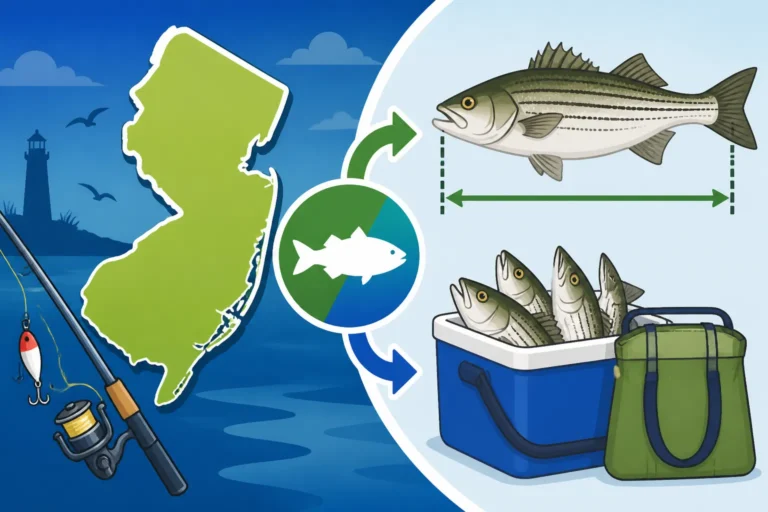
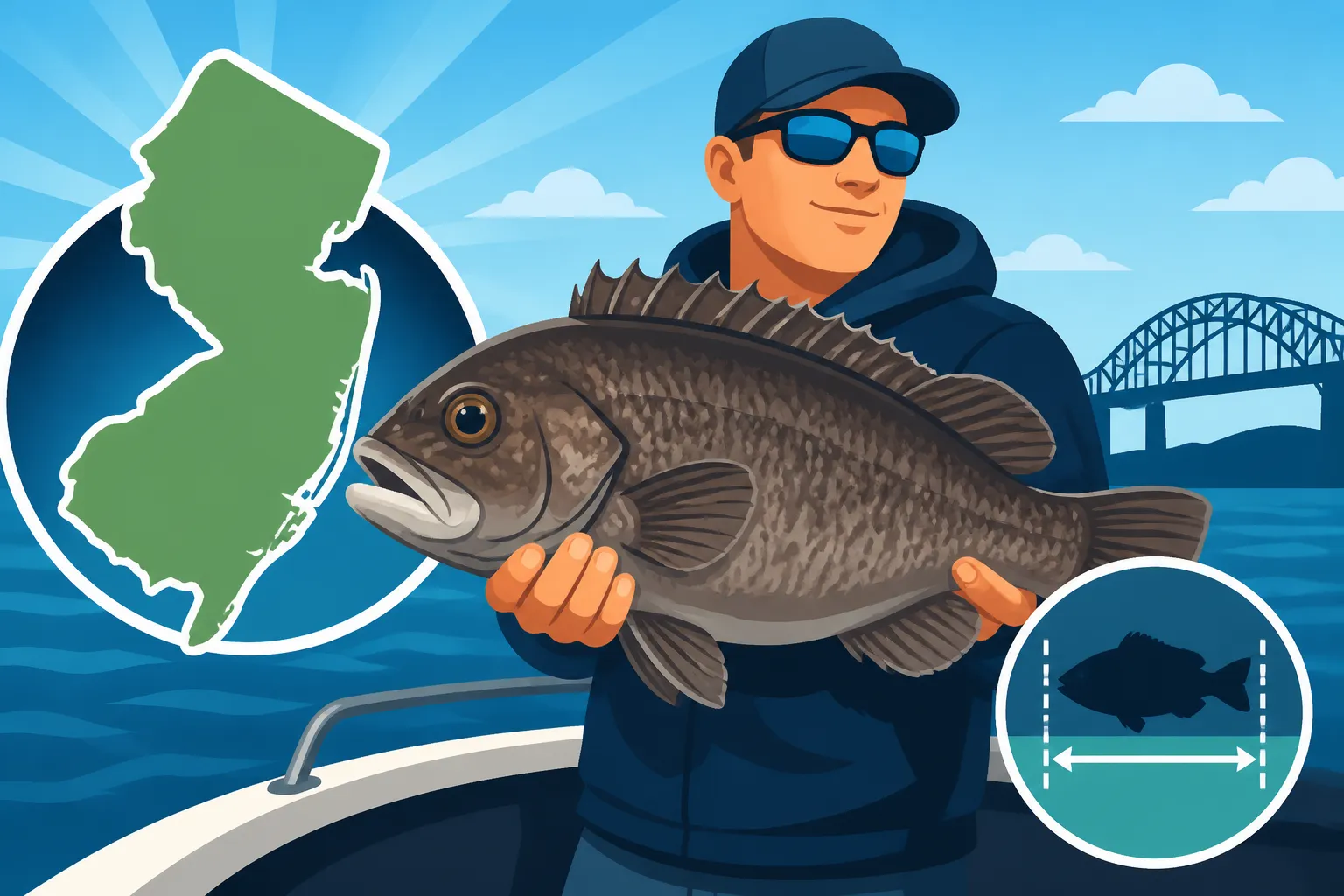
Beyond knowing when you can fish, it’s absolutely critical to understand what you can keep. New Jersey imposes both a minimum size limit and a daily bag limit for tautog, and these too can vary depending on the specific season you're fishing. The minimum size limit ensures that fish have had a chance to mature and, ideally, spawn at least once before being harvested, contributing to the species' long-term health. A common minimum size for tautog in New Jersey has historically been around 15 inches, measured from the tip of the snout to the end of the tail, but this can change, so always double-check.
The daily bag limit dictates how many tautog you're allowed to keep per person per day. This limit is perhaps the most variable, often set higher during the productive fall and winter seasons and lower during the spring to account for spawning protection. For example, during a spring season, you might be limited to one tautog per angler per day, while the fall and winter seasons could allow for a bag limit of five or six fish. It's not uncommon for these limits to also differentiate between fishing from a vessel or shore, or even between private boats and for-hire vessels like party boats. Carrying a reliable measuring device on your boat or in your tackle box, readily available from retailers like Amazon, is non-negotiable. Don't eyeball it; a few fractions of an inch can be the difference between a legal catch and a violation. If you're wondering about the specifics for other species, our guide on New Jersey Daily Bag Limits by Species offers a broader perspective.
Here’s a quick overview of typical New Jersey tautog regulations, but remember to always verify with the current year's official digest, as these are subject to change:
| Season Period | Typical Open Dates | Minimum Size Limit | Daily Bag Limit |
|---|---|---|---|
| Spring Season | April 1 – April 30 | 15 inches | 1 fish per person |
| Closed Period | May 1 – July 16 | N/A | 0 fish per person |
| Summer/Fall | July 17 – November 15 | 15 inches | 2 fish per person |
| Winter Season | November 16 – December 31 | 15 inches | 5 fish per person |
| Late Winter | January 1 – February 28 | 15 inches | 4 fish per person |
Note: These dates and limits are illustrative and based on recent patterns. Always refer to the most current New Jersey Fish and Wildlife Digest for official regulations before heading out.
Understanding the "Why" Behind Tautog Rules
It's easy to get frustrated with fishing regulations, especially when they seem to change or feel restrictive. But when it comes to tautog, there's a very good reason for every rule. These regulations aren't arbitrary; they are the result of extensive scientific study, population assessments, and collaborative efforts to ensure that New Jersey's tautog fishery remains healthy and productive for generations to come. Understanding the "why" behind the rules can help you appreciate their importance and motivate compliance.
Conservation Efforts for a Vulnerable Species
Tautog are, by nature, quite vulnerable to fishing pressure. They grow slowly, taking several years to reach sexual maturity. Unlike highly migratory fish that spread out across vast ocean expanses, tautog tend to be homebodies, sticking close to specific structures like rock piles, wrecks, and mussel beds. This makes them relatively easy to locate and target, which, without proper management, could quickly lead to overfishing. Their reproductive success can also be impacted by environmental factors, adding another layer of complexity to their management.
State and federal fisheries scientists continuously monitor tautog populations through various surveys and data collection methods. This involves tracking catch rates, analyzing biological samples to determine age and growth, and understanding their spawning patterns. The regulations you see, like the specific size and bag limits or the seasonal closures, are direct responses to this scientific understanding. They aim to allow enough fish to reproduce successfully and grow to a size where they contribute more significantly to the population, safeguarding the future of tautog fishing in New Jersey. For more on how state regulations protect different species, check out our guide on How Bag and Size Limits Work in New Jersey.
The Role of Angler Compliance and Reporting
As anglers, we are not just participants in the fishery; we are crucial stakeholders in its management and conservation. Adhering to the established tautog regulations isn't just about avoiding a fine; it's about actively contributing to the health of the resource we all enjoy. Every time you correctly measure a fish, release an undersized one gently, or accurately report your catch (if participating in a survey), you're providing valuable data and demonstrating a commitment to conservation.
Beyond compliance, anglers in New Jersey also have opportunities to directly contribute to the science that informs these rules. For instance, the state conducts various recreational fishing surveys, and if you ever receive a call from the New Jersey Department of Environmental Protection (NJDEP) or federal agencies like NOAA Fisheries, participating and providing accurate information about your fishing trips is incredibly helpful. These surveys help biologists get a clearer picture of catch and effort, which is vital for setting future regulations. Our article on New Jersey Recreational Fishing Survey: Why You Might Get a Call dives deeper into this important topic. By doing our part, we help ensure the rules are based on the best available data, making them more effective and fair for everyone.
Practical Tips for Tautog Anglers in New Jersey
Tautog fishing is a unique and rewarding pursuit, but it demands specific tactics and gear. These fish are masters of their rocky domains, and without the right approach, you might find yourself frustrated with snapped lines or missed bites. Preparing adequately, both in terms of your equipment and your knowledge of best practices, will significantly increase your chances of success and ensure you're ready to handle these tough fighters responsibly.
Essential Gear and Bait Considerations
Tautog are notorious for their powerful runs into structure and their ability to quickly bust off lighter tackle. This isn't the time for finesse; you need robust gear that can handle the abuse. A stout, fast-action rod, typically 6 to 7 feet long, with a strong backbone is essential for yanking them away from snags. Pair this with a reliable spinning or conventional reel spooled with at least 30-50 lb braided line. Braided line is crucial here because its lack of stretch gives you a direct connection to the fish and helps you feel the subtle bites these fish often deliver. A fluorocarbon leader of 30-50 lb test is also a must, as it's more abrasion-resistant against those jagged rocks and the tautog's bony mouth.
For terminal tackle, a standard bottom rig with a strong hook (like a 3/0 to 5/0 octopus hook) and a sinker heavy enough to hold bottom (often 2-6 ounces depending on current and depth) is common. Some anglers prefer a snelled hook directly to the leader, with a dropper loop for the sinker. When it comes to bait, tautog are primarily crustacean eaters. Green crabs are the undisputed king of tautog baits, but white leg crabs, fiddler crabs, and even hermit crabs can be incredibly effective. You can often find these at local bait shops, but sometimes specialized gear or bait containers can be found on Amazon to help you keep your bait fresh and organized. Learning How to Fish for Tautog Around Structure will further enhance your approach.
Best Practices for Catch and Release
Even with the best intentions, you're going to catch tautog that are either undersized or that you simply choose to release, perhaps because you've already met your bag limit or are practicing selective harvest. Proper catch-and-release techniques are paramount for these fish, as their survival rate can be highly dependent on how they are handled.
When you bring a tautog to the boat that you intend to release, try to minimize its time out of the water. Handle the fish gently with wet hands or a wet towel to protect its slime coat, which is vital for its health and disease resistance. If the fish is deeply hooked, a dehooking tool can make the process quicker and less stressful for the fish. For fish caught in deeper water that show signs of barotrauma (like a distended stomach or bulging eyes), using a weighted descent device to return them to depth can significantly improve their survival chances. These devices are increasingly recommended for deepwater reef fish and are another item you might consider adding to your tackle box, perhaps after a quick browse on Amazon for options. By carefully releasing fish, you're ensuring they have the best chance to recover and contribute to future generations.
Navigating Common Tautog Fishing Challenges
Tautog fishing, while immensely rewarding, comes with its own set of challenges. These fish are experts at survival in their harsh, rocky environments, which means anglers need to be equally adept at overcoming obstacles. From correctly identifying legal fish to finding their elusive hotspots, a little extra knowledge can go a long way in turning a tough day into a successful one.
Identifying Legal Tautog and Avoiding Misidentification
One of the most common pitfalls for new tautog anglers is correctly identifying and measuring their catch. While adult tautog are quite distinctive with their thick bodies, mottled coloration (ranging from dark gray to brownish-green), and prominent buck teeth, juvenile tautog can sometimes be confused with other small bottom dwellers. Always be sure you're confident in your identification before measuring.
Measuring accurately is paramount. The minimum size limit applies to the total length of the fish, from the tip of its snout to the end of its tail, with the tail compressed. Lay the fish on a flat measuring board, push the snout against the front stop, and compress the tail to get the maximum length. It's not uncommon for anglers to underestimate a fish's length slightly, only to find out later it was undersized. To avoid any doubt, always use a clear, rigid measuring device and err on the side of caution. If it's borderline, let it go. Remember, knowing your New Jersey Marine Fish Size Chart 2026 can prevent unnecessary headaches.
Accessing Prime Tautog Habitat
Tautog are structure-oriented fish, meaning they live on and around natural and artificial reefs, wrecks, rock piles, jetties, bridge pilings, and any other hard bottom that provides food and shelter. This strong preference for structure is both a blessing and a curse for anglers. It helps you narrow down where to look, but it also means you'll be fishing in snaggy territory.
To access these prime habitats, you'll often need a boat that can safely anchor over or drift alongside these underwater features. Many dedicated tautog anglers utilize fish finders and GPS plotters to mark specific pieces of structure. However, boat ownership isn't a prerequisite. Some of the best tautog fishing can be had from shore-based structures like jetties, rock walls, and piers, particularly during the colder months when these fish move closer to shore. Locations like the Point Pleasant Canal, Manasquan Inlet, and Shark River Inlet offer excellent shore access to tautog-rich environments. The key is to find that hard bottom. Often, you can tell you're in the right spot if you feel your sinker bumping over rocks or getting snagged occasionally. Our guide on Where to Catch Tautog Around New Jersey Wrecks and Reefs provides excellent starting points for your next blackfish adventure, whether by boat or from the bank. Even small details about these fish, like Why Are Tautog Called Blackfish, can add to your appreciation of this unique species.
Disclaimer
The information provided in this guide is for general informational purposes only and is based on typical New Jersey fishing regulations. Fishing regulations, including season dates, size limits, and bag limits, are subject to change frequently by the New Jersey Division of Fish and Wildlife and other governing bodies. It is the angler's sole responsibility to consult the most current official New Jersey Fish and Wildlife Digest or visit the NJDEP website before engaging in any fishing activity to ensure compliance with all applicable laws and regulations. Failure to do so may result in penalties.