New Jersey Charter Boat Fish Cleaning Services
You've just wrapped up an incredible day out on the water, battling some impressive fish off the Jersey Shore or reeling in trophies from one of our beautiful lakes. The excitement is still buzzing, the camaraderie with your fellow anglers is high, and your cooler is looking heavy. But then, a thought creeps in: "Now what?" The idea of spending the next few hours scaling, gutting, and filleting your entire catch can quickly turn that victorious feeling into a dread of chore time. This comprehensive guide is here to demystify the process of fish cleaning services on New Jersey charter boats, so you can focus on the thrill of the catch and leave the messy bits to the experts.
Understanding Fish Cleaning Services on NJ Charters
After a successful day of fishing, the last thing many anglers want to do is spend hours processing their catch. This is where the invaluable service of fish cleaning on New Jersey charter boats comes into play, turning a potential chore into a seamless extension of your enjoyable day.
What "Fish Cleaning Service" Actually Means
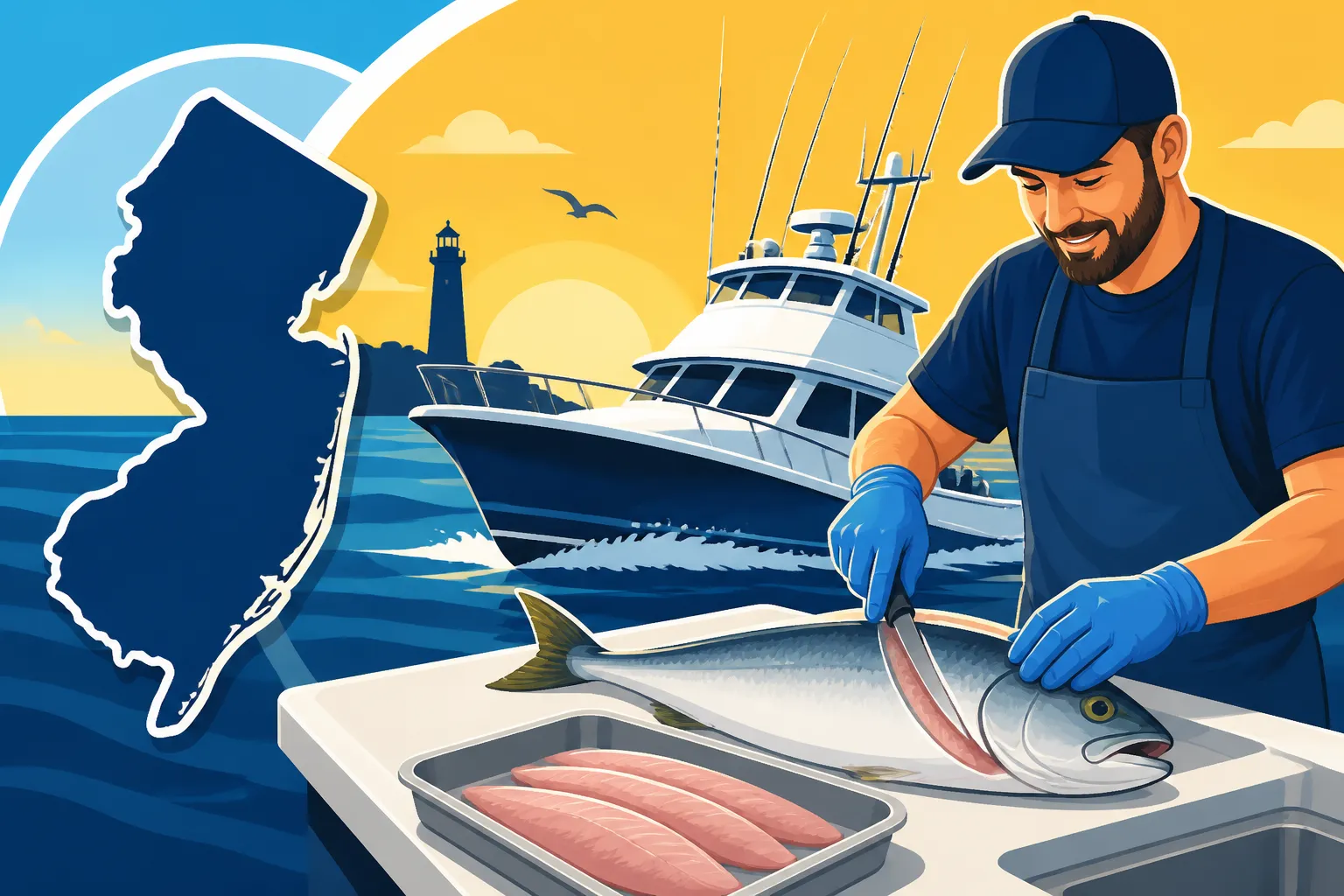
When a New Jersey charter boat advertises "fish cleaning services," it generally encompasses a range of post-catch processing steps designed to get your fish ready for the cooler and, ultimately, your plate. At its core, this means the crew, typically the experienced mates, will take your whole fish and perform the necessary actions to transform it into edible portions.
First and foremost, you can usually expect gutting. This involves removing the internal organs, which is crucial for freshness, especially if you have a bit of a drive home. Leaving the guts in for too long, particularly in warmer weather, can quickly degrade the quality of the meat. Next up is scaling, where the mates expertly remove the outer scales from the fish. This might seem minor, but if you've ever tried to scale a cooler full of fish by yourself, you know it's a messy, time-consuming job that sends scales flying everywhere. Finally, and often the most sought-after service, is filleting. This is where the real skill comes in, as the mates precisely cut the meat off the bone, providing you with clean, skin-on or skin-off fillets ready for cooking. For certain species, like fluke, you might even get four fillets per fish if the mate is particularly skilled and the fish is large enough.
What's generally not included in a standard fish cleaning service, however, are things like custom portioning for specific recipes, vacuum sealing, or cooking. These services are strictly about preparing the raw fish for transport and immediate culinary use. Your fillets will usually be placed into bags you provide (or sometimes the boat provides basic bags), ready for you to take home and freeze, refrigerate, or cook right away. The real value here is convenience and efficiency. Imagine spending six, eight, or even ten hours out on the ocean, battling striped bass and bluefish, only to face another two hours of messy work when you get back to the dock. Having the mates handle this means you can enjoy that post-fishing glow without the immediate clean-up burden, making the entire experience far more relaxing.
Who Provides the Service: The Crew's Role
On almost every New Jersey fishing charter, whether it's a large party boat or a smaller private charter, the fish cleaning service is primarily performed by the deckhands, more commonly known as the mates. These individuals are the backbone of the entire operation, working tirelessly from the moment you step on board until the last fish is cleaned and the boat is tidied up.
Mates are highly skilled individuals who spend countless hours handling fish. They possess an intimate knowledge of fish anatomy, allowing them to clean fish quickly and efficiently, often with surprising speed and precision. Their goal isn't just to get the job done, but to maximize the yield of edible meat from your catch, minimizing waste. This expertise is a huge advantage for anglers, as an inexperienced hand might leave a significant amount of valuable meat on the bones. Beyond just the physical act of cleaning, the mates are also responsible for the initial handling of your fish once it's brought aboard. They'll often help with unhooking, properly bleeding fish to ensure better meat quality, and placing them on ice in the boat's coolers to maintain freshness throughout the trip. This dedication to proper fish care is something that truly enhances the value of a charter trip.
Their role extends beyond the cleaning table too. Throughout the day, these mates are there to assist you with everything from baiting hooks and untangling lines to gaffing larger fish and offering advice on technique. They’re constantly moving, making sure everyone has a good experience. When you finally head back to the dock, often after a full day or even an overnight trip, the mates will transition seamlessly to the fish cleaning station. Seeing them deftly fillet a mountain of fish with surgical precision is often a spectacle in itself. It’s important to remember that this service, while deeply appreciated, is often an additional duty to their already demanding jobs. Understanding their significant contribution to your overall fishing experience, from start to finish, helps put the cost and tipping practices into perspective, which we'll delve into next. Their skill and effort truly allow you to arrive home with beautiful, ready-to-cook fillets, rather than a cooler full of whole fish and the looming task of processing them yourself.
Cost and Tipping for Fish Cleaning
One of the most common questions after a successful fishing trip is about the cost of having your catch cleaned. It’s understandable to be a little unsure, as practices can vary slightly from boat to boat, but understanding the general etiquette and structure will help you navigate this aspect of your New Jersey charter experience.
How Fish Cleaning Costs Are Structured
When it comes to the actual cost of fish cleaning services on a New Jersey charter, you'll generally encounter a few different structures. It's rarely a flat, all-inclusive fee tied directly into the charter price. More often, it’s a separate transaction directly with the mates who perform the work.
Some boats, particularly smaller private charters, might have a simpler system where the cost is either a small, flat fee per fish, or it's simply bundled into the overall "mate's services" tip you provide. On larger party boats, however, it's very common to see a per-fish charge or, sometimes, a per-pound charge, especially for larger species like tuna or mahi-mahi. The cost usually varies depending on the size and type of fish. For instance, filleting a small fluke might incur a minimal charge, while processing a large striped bass or a substantial bluefin tuna will naturally be more significant due to the increased time and skill involved. Flatfish like fluke require a different filleting technique, often yielding four fillets, which can be more labor-intensive than two thick fillets from a round fish.
It’s always, always best practice to clarify the cleaning fees before your trip begins, or at the very least, when your boat is heading back to the dock. Don't be shy about asking the captain or one of the mates. They are used to these questions and will be happy to explain their specific pricing. Many charters will have their fees posted clearly at the cleaning station or mention them during the booking process. If you’re booking through a platform like FishingBooker, you might even find details about cleaning services and their potential costs listed in the charter's amenities or description section. Knowing this upfront avoids any awkwardness at the end of a fantastic day. Remember, this fee directly compensates the mates for their hard work and skill, often long after the fishing itself has concluded, ensuring you take home pristine fillets ready for your kitchen.
Tipping Etiquette for Fish Cleaners (Mates)
Ah, tipping – a topic that can sometimes cause more confusion than actually catching the fish! On a New Jersey fishing charter, tipping for fish cleaning often intertwines with the general tipping etiquette for the mates, but there are some nuances worth understanding. The consensus among seasoned anglers is that tipping for fish cleaning is absolutely expected and very much appreciated.
Generally, the service of cleaning your fish is seen as a separate, additional service provided by the mates, even if they've already provided exceptional service throughout the fishing trip itself. This means that, in addition to the standard tip for their general assistance (which is typically around 15-20% of the charter fee, depending on the level of service), you should also factor in a tip for the fish cleaning. If there's a specific per-fish charge for cleaning, that fee is the payment for the service, but a small additional gratuity on top of that fee is often customary, especially if they did an outstanding job or you had a particularly large catch. For instance, if the cleaning service costs a few dollars per fish, and you hand over a few extra dollars or round up generously, that's a nice gesture. If, however, the cleaning fee is already a bit higher or structured as a percentage, your overall mate's tip might encompass both. It can be a fine line, but the key is generosity and acknowledging their labor.
Think about it this way: the mates are often the first to arrive and the last to leave. They rig lines, net fish, offer guidance, and then, after everyone else has packed up, they spend another hour or two standing at a cleaning table, often in varying weather conditions, skillfully filleting your catch. This is hard, physical work that requires precision and speed. A good tip for fish cleaning recognizes this extra effort and allows you to walk away with perfectly prepared fish without the hassle. Always present your tip directly to the mate or mates who cleaned your fish. If you're unsure how to separate the general mate tip from the cleaning tip, a good approach is to factor it all into one generous amount, perhaps increasing your overall tip percentage to account for the cleaning service. For example, if you were planning to tip 15% for the fishing experience, bump it up to 20% or even 25% if the cleaning was excellent and you had a large haul. This ensures their dedication is appropriately rewarded. For more general guidance on showing appreciation, you can check out New Jersey Charter Boat Tipping Etiquette.
Preparing Your Catch for Cleaning and Transport
While the mates on your New Jersey charter boat are experts at cleaning fish, there are definitely steps you can take throughout the day to ensure your catch is in the best possible condition for them to clean, and for you to transport home. A little effort on your part can make a big difference in the quality of your dinner.
Best Practices for Handling Fish on Board
Proper fish handling starts the moment a fish comes over the rail. The way you treat your catch immediately after it's caught significantly impacts its taste and shelf life. For fish you intend to keep and eat, the goal is always to maintain freshness and prevent spoilage.
One of the most important practices, particularly for larger game fish like striped bass, bluefish, or tuna, is bleeding the fish. When a fish dies, blood pools in the capillaries and tissues. This blood can contain metabolic waste products that contribute to a "fishy" taste and a shorter shelf life. By bleeding the fish immediately after catching it – usually by cutting a gill arch or the tail artery – you allow much of this blood to drain out. This results in cleaner, milder-tasting fillets and firmer flesh. The mates on your charter boat will often assist with or perform this step if you ask, as they understand its importance. After bleeding, the next critical step is getting the fish on ice as quickly as possible. Temperature is the enemy of fresh fish. The colder you can keep your catch, the slower bacterial growth will occur, and the better the quality of the meat will be. This means having an ample supply of ice in a well-insulated cooler on board is non-negotiable for keeping fish. Don't just toss a few cubes in; you want a good ice bath that completely submerges or surrounds the fish.
When your fish are properly bled and quickly chilled, you're not just preserving them, you're enhancing their flavor and texture. This makes the mates' job easier when they get to the cleaning station, as they're working with prime specimens. Even small panfish benefit from immediate cooling. For specific guidelines on how to handle various species, though often focused on release, you might find some relevant information in articles like New Jersey Catch and Release Striped Bass Handling Rules, which emphasize careful treatment of the fish. Remember, your charter boat is essentially a floating restaurant kitchen in terms of fresh food handling – treat your ingredients well, and the end result will be delicious!
Packaging Your Fillets for the Journey Home
Once the mates have worked their magic and you're admiring a pile of perfectly cleaned fillets, the next step is crucial: getting them home safely and hygienically. Proper packaging is key to maintaining the freshness achieved through good handling and expert cleaning.
The most common and practical way to transport your fillets is in sturdy, sealable plastic bags. Ziploc-style freezer bags are excellent for this purpose. It's always a good idea to bring your own supply of these bags on the charter. Think about how many fish you realistically expect to catch and then bring even more bags than that – you never want to run out. Double-bagging your fillets is a smart move, especially for longer journeys, as it provides an extra layer of protection against leaks in your cooler. Imagine a leaky bag of fish juice soaking everything else in your car; not a fun end to the day! Each bag should ideally hold enough fillets for one meal, making it easier for you to portion and store them when you get home without having to thaw and refreeze large quantities.
After bagging, the fillets need to go right back into a well-iced cooler. The goal is to keep them as close to freezing as possible without actually freezing them solid if you plan to cook them soon. Pack them tightly around ice, but try to keep them out of direct contact with melted ice water. Some anglers prefer to place a layer of ice, then a layer of bagged fish, then another layer of ice, and so on. Others use dry ice for very long drives, but this requires special handling. If your journey home is more than a couple of hours, consider bringing a separate cooler specifically for the cleaned fillets, pre-chilled with ice from home. This ensures a fresh, clean environment for your precious cargo. Don't forget, if you're curious about other essentials to pack for your trip, check out What Should You Bring on a New Jersey Party Boat Trip? which often includes cooler and bag suggestions. By taking these simple steps, you'll ensure that the delicious bounty from your New Jersey fishing adventure makes it to your kitchen in pristine condition.
What to Expect: Different Fish, Different Approaches
Not all fish are cleaned the same way, and the techniques used by the mates on New Jersey charter boats will adapt to the specific species in your cooler. Understanding these differences can give you a better appreciation for the skill involved and help you decide whether you want whole fish or fillets.
Cleaning Common New Jersey Species
New Jersey waters are teeming with a variety of popular game fish, each requiring a slightly different approach at the cleaning station to maximize yield and prepare them optimally for cooking. The mates are experts at this, knowing the nuances of each species.
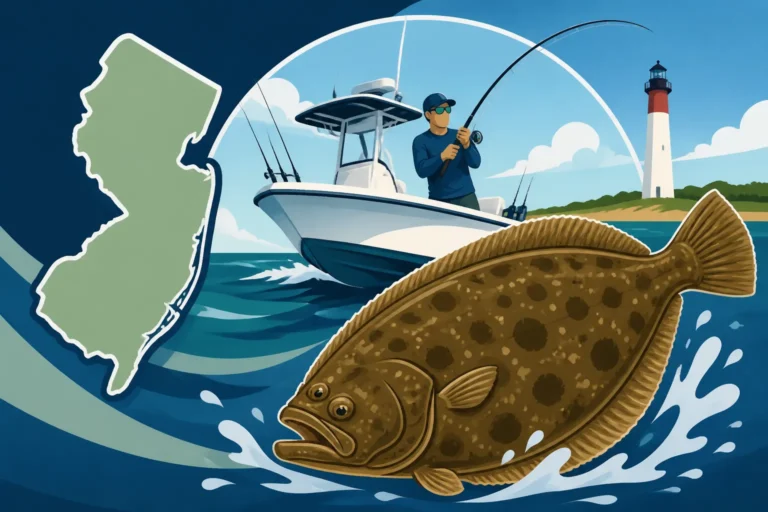
Let's start with Fluke, also known as summer flounder. These are flatfish, meaning they lie flat on the seafloor, and their eyes are on one side of their head. Cleaning a fluke is a unique process. Instead of two large fillets, a skilled mate will often cut four fillets from a larger fluke – two from the top side and two from the bottom. This technique requires precision to navigate around the bone structure and ensure you get as much of the delicate, white meat as possible. Smaller fluke might only yield two main fillets. Many anglers specifically book trips for fluke, so knowing their unique cleaning method is always helpful. For those interested in the rules surrounding these delicious flatfish, make sure to read New Jersey Fluke Size and Bag Limits Explained.
Next up are Striped Bass, a favorite target for many New Jersey anglers. These are powerful, round-bodied fish that yield thick, substantial fillets. Striped bass are almost always skinned during the filleting process, as their skin can be tough and sometimes carry a stronger flavor. The mates will skillfully run their knife along the backbone, separating the large slabs of meat, then meticulously remove any remaining rib bones and the skin. The size of the fillets from a legal striped bass can be quite impressive, making for fantastic meals. Given their popularity, it's always good to be aware of the specific regulations, which you can find in New Jersey Striped Bass Slot Limit Explained.
Bluefish are another common catch, known for their aggressive fights and sharp teeth. Bluefish meat is darker and oilier than fluke or striped bass, and they are often "steaked" (cut into cross-sections with the bone in) or filleted and then skinned. Due to their oil content, proper bleeding and immediate icing are even more critical for bluefish to ensure the best flavor. Many anglers prefer to remove the bloodline (a darker strip of meat along the lateral line) from bluefish fillets, and the mates can often do this for you if requested.
Finally, species like Black Sea Bass and Tautog (also known as blackfish) are popular wreck and reef dwellers. These fish generally yield firm, white fillets. Black sea bass are often scaled and filleted, or if they're on the smaller side and within legal limits, some anglers prefer to have them scaled and gutted but kept whole for roasting or frying, as their delicate meat cooks beautifully on the bone. Tautog have very tough skin and a lot of small bones, making filleting a more challenging task for the inexperienced, but the mates handle it with ease, often providing clean, boneless chunks of their famously firm, delicious meat. Always check the latest regulations for these species, such as New Jersey Tautog Season and Size Limit and New Jersey Black Sea Bass Season and Limits. No matter the species, the mates’ goal is to give you the highest quality, ready-to-cook portions possible.
Whole Fish vs. Fillets: Making the Choice
When your fish are lined up at the cleaning station, you'll often be asked by the mates: "Whole or filleted?" This might seem like a simple question, but your answer can depend on your culinary plans, personal preference, and even state regulations.
There are legitimate reasons why an angler might choose to keep their fish whole. For some traditional recipes, particularly those from various cultural cuisines, cooking a fish whole (scaled and gutted, but head and tail intact) is preferred. It can help the fish retain moisture and flavor during cooking, and there's a certain presentation aspect to a beautifully roasted whole fish. Additionally, if you plan to freeze your fish for a very long period, some argue that freezing them whole (after bleeding and gutting) helps maintain quality better than freezing fillets, as the bones and skin offer protection. However, this also means you'll have to do the filleting yourself later, which defeats the purpose of the on-boat service unless it's a very specific preference.
For the vast majority of recreational anglers, having the fish filleted is the most practical and convenient choice. Fillets are ready to cook, take up less space in your cooler and freezer, and eliminate the messy, often intimidating task of filleting at home. This is especially true after a long day of fishing; who wants to tackle a cooler full of whole fish when they get back to their own dock? With fillets, you get pure, boneless meat that's versatile for grilling, baking, frying, or broiling. The efficiency of the mates in filleting also means you often get more usable meat than you might achieve attempting it yourself, particularly if you're not highly experienced.
One important consideration when making this choice is state regulations. For certain species, especially those with strict size or slot limits, there might be rules about keeping a portion of the skin on the fillet or retaining the carcass to ensure the fish can still be identified and measured if checked by conservation police. While most charters are well-versed in these rules and will clean fish accordingly, it's always good to be informed. Ultimately, whether you opt for whole fish or fillets, the mates are there to accommodate your preference. Just be clear about what you want, and they’ll take care of the rest, ensuring you get your catch exactly how you want it. This choice empowers you to make the most of your fishing bounty.
Here's a quick comparison of common cleaning outcomes for popular New Jersey species:
| Species | Typical Cleaning Method | Common Yield | Notes |
|---|---|---|---|
| Fluke (Summer Flounder) | Filleted (often 4 fillets) | White, delicate meat | Flatfish, requires specific filleting; skin often removed |
| Striped Bass | Filleted, skinned | Thick, firm fillets | Skin often removed; bloodline sometimes removed for milder flavor |
| Bluefish | Filleted, skinned (or steaked) | Darker, oily meat | Good bleeding crucial; bloodline removal common for eating quality |
| Black Sea Bass | Filleted (or scaled/gutted whole) | Firm, white meat | Excellent for cooking whole if smaller; fillets are versatile |
| Tautog (Blackfish) | Filleted, skinned | Very firm, white meat | Tough skin, dense bones; yields clean, boneless chunks |
| Weakfish | Filleted | Delicate, flaky white meat | Handle gently; thin skin often left on to protect delicate flesh |
Alternatives and DIY Considerations
While charter boat fish cleaning services are incredibly convenient, it's always good to know your options. Sometimes you might be on a smaller, more casual trip where the service isn't offered, or perhaps you just prefer the satisfaction (and savings!) of doing it yourself.
Cleaning Your Own Fish at Home or the Dock
For many seasoned anglers, cleaning their own fish is a rite of passage, a final step in the fishing journey. There's a certain satisfaction that comes with processing your catch yourself, plus it can save you some money. However, it's not for everyone, and it certainly comes with its own set of considerations.
If you decide to tackle the cleaning yourself, you'll need the right tools. A sharp filleting knife is paramount – dull knives are dangerous and frustrating. You'll also want a sturdy cutting board, preferably one that can be easily cleaned and doesn't slide around. A dedicated fish scaler can be a huge help, or you can use the back of a knife or a spoon for descaling. Plenty of water is essential for rinsing away scales and slime. The pros of DIY cleaning are clear: you save the cleaning fee, you have complete control over how your fish is processed (skin on/off, specific cuts), and for some, it's simply part of the enjoyable ritual of fishing. Plus, you learn a valuable skill. However, the cons are equally clear: it's time-consuming, it can be incredibly messy (especially descaling!), and it requires practice to become efficient and maximize meat yield. There's nothing more disheartening than looking at a pile of perfectly good meat left on the bones because you're still learning the technique.
Many marinas along the New Jersey coast have public fish cleaning stations, which are a fantastic resource if you're cleaning your own catch. These often feature large sinks, strong water hoses, and ample cutting surfaces, making the messy process much easier than trying to do it in your backyard or kitchen. Always clean up after yourself at these stations out of courtesy to other anglers. If you're fishing from a private boat and using public ramps, be aware that some of these facilities might be included in or near areas that have New Jersey Boat Ramp Rules and Access Fees, so it's always good to check. Cleaning your own fish can be a rewarding experience, but it's one you should be prepared for with the right tools and mindset.
What to Do If Cleaning Services Aren't Offered
While most reputable New Jersey fishing charters, especially party boats and full-service private charters, will offer fish cleaning services, there might be rare instances or specific types of trips where it's not a standard offering. This could be on smaller, more casual trips, or perhaps an offshore canyon trip where the focus is solely on the fishing itself and processing large tuna might be handled differently by specialized dockside processors.
The absolute first step is always to confirm whether fish cleaning services are available before you book your trip or, at the very latest, before you depart the dock. Don't assume. A quick call to the charter captain or checking the charter's listing (if you're booking through a platform like FishingBooker) will give you a clear answer. If you find out that cleaning services aren't offered, or if they are but you prefer not to pay the fee, you need to be prepared to handle your entire catch yourself. This means bringing extra-large coolers, making sure you have plenty of ice, and ensuring you have all the tools discussed in the previous section (knives, cutting board, bags) ready to go for when you get home or to a public cleaning station. Transporting whole fish requires more space and more ice than transporting fillets, so plan accordingly.
If you're not planning to clean your fish immediately upon getting home, you'll need to focus even more intently on proper handling throughout the day. Bleeding your fish thoroughly and keeping them submerged in an ice bath will be critical to maintaining quality. Remember that whole fish, especially larger ones, will require more effort to clean and process at home, so factor that into your post-trip schedule. It’s also wise to research nearby public cleaning stations or local fish markets that might offer cleaning services for a fee, just in case your home setup isn't ideal. While it's less common to encounter a charter without cleaning services, being prepared for this scenario ensures your successful day of fishing doesn't turn into a stressful evening. Knowing your options empowers you to make the most of your catch, regardless of how it's processed.
Disclaimer
This article is for general informational purposes only and does not constitute professional advice. Laws, prices and regulations vary by location and change over time. Consult a qualified professional for guidance on your specific situation.