When Is the Best Time to Book a Tuna Charter Out of New Jersey?
Trying to figure out the perfect time to book a tuna charter out of New Jersey can feel like a high-stakes guessing game. You’re dreaming of epic battles with offshore giants, but you also want to maximize your chances of success and ensure you pick the right window amidst the ever-changing ocean conditions. This guide will walk you through the nuances of New Jersey's tuna seasons, offer insights into optimal booking strategies, and help you understand what goes into planning that dream offshore adventure.
Understanding Tuna Season in New Jersey Waters
Tuna fishing off the coast of New Jersey isn't a year-round affair. These powerful, migratory fish follow specific patterns, and knowing these patterns is absolutely crucial for planning a successful trip. It's not just about when any tuna are around, but when the right tuna are around for the kind of experience you're hoping for.
The Annual Tuna Migration Pattern
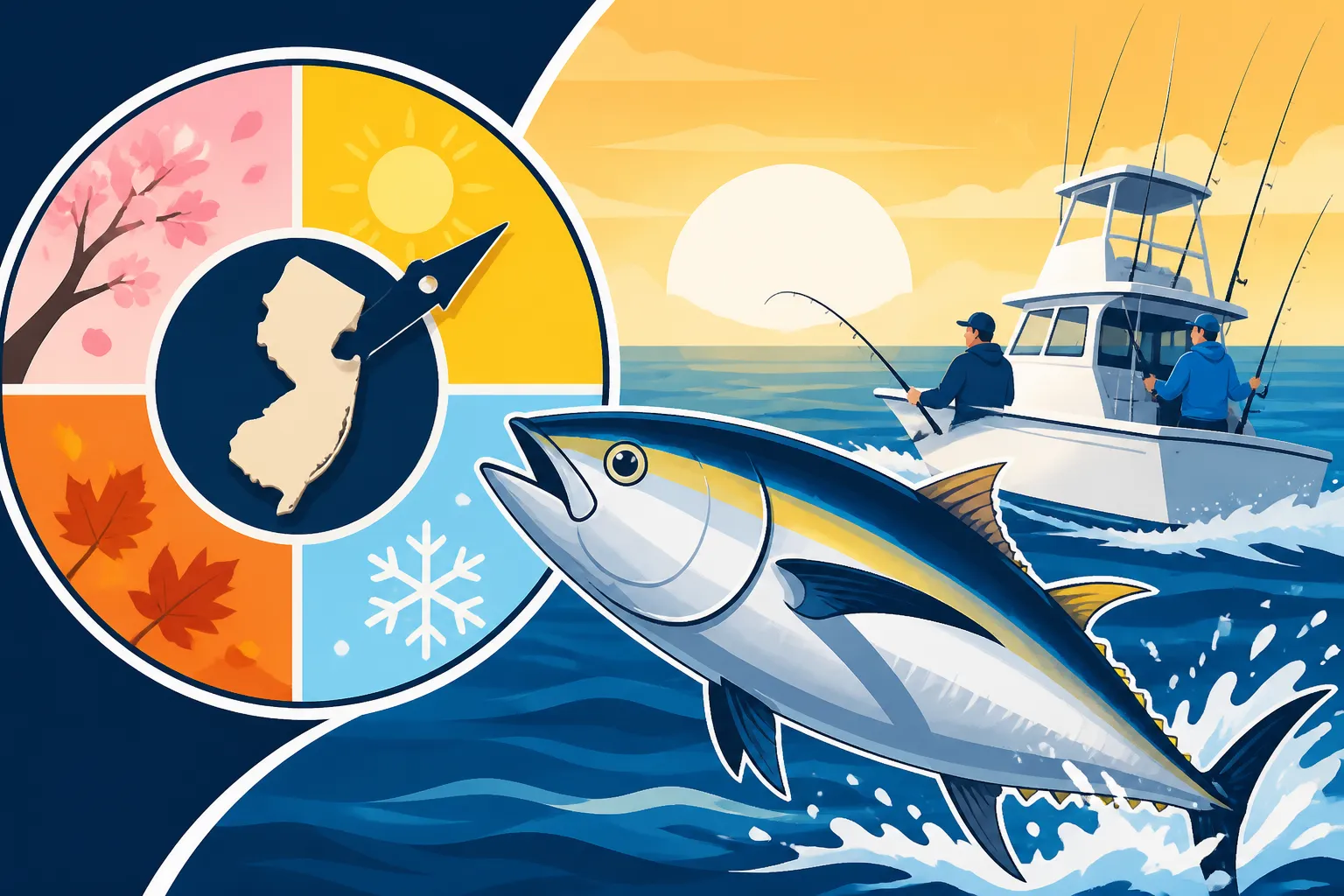
New Jersey sits squarely in the migration path of several tuna species as they move up and down the Atlantic seaboard. Generally, the offshore waters really start to come alive with tuna in the late spring, peak through the summer months, and can remain excellent well into the fall. The Gulf Stream, with its warm, nutrient-rich waters, plays a huge role in attracting baitfish, which in turn draws in the tuna. Tracking the edges of this current and the water temperature breaks becomes an art form for experienced captains.
As spring transitions into summer, the water temperatures climb, pushing baitfish closer to our shores and setting the stage for the tuna to follow. By late May and early June, you might start seeing early season activity for certain species. This is often when the first whispers of offshore tuna catches begin to ripple through the fishing community, building excitement for the months to come.
Then, as the summer progresses, the offshore canyons and lumps really become prime hunting grounds. The abundance of bait, from butterfish and squid to various types of mackerel, creates a veritable smorgasbord for hungry tuna. This is often the most consistent time for numbers of fish, making it a popular window for many anglers.
Come late summer and into the fall, things can get really interesting. While the sheer numbers might dwindle slightly, the size of the fish can increase dramatically, especially for certain species. The fall bite can be absolutely legendary, offering some of the biggest tuna of the season before they begin their southbound journey for the winter. It’s a time when many anglers look to land that trophy fish.
Key Tuna Species and Their Peak Seasons
New Jersey anglers can target several exciting tuna species, and each has its own preferred timing. Knowing which species you want to chase can significantly narrow down your booking window. For many, it's about the sheer power and size.
Bluefin Tuna: These are the gladiators of the ocean, renowned for their incredible strength and speed. Smaller "schoolie" bluefin (often 40-70 lbs) can show up as early as June, with the bite steadily improving through July and August. However, the truly giant bluefin, often referred to as "granders," are more elusive and typically targeted in late summer and into the fall, often from September through November, especially if water temperatures stay favorable. Catching a large bluefin is an experience that changes an angler forever.
Yellowfin Tuna: The most consistently targeted tuna species for many New Jersey offshore charters, yellowfin offer fantastic fights and are excellent table fare. Their season usually kicks off strongly in June, peaks throughout July and August, and continues to be productive well into September and sometimes October. They are often found in good numbers further offshore in the canyons, and their willingness to hit a variety of baits and lures makes them a charter favorite.
Longfin Tuna (Albacore): Often called "white meat" tuna for their delectable flesh, longfin are typically found alongside yellowfin in the offshore canyons. Their season closely mirrors that of yellowfin, usually from late June through September, sometimes extending into early October. While not as large as bluefin or yellowfin, they put up a respectable fight and are highly prized by sushi lovers.
Bigeye Tuna: These deep-water denizens are a prized catch, known for their large eyes and phenomenal strength. Bigeye can show up anytime during the summer and fall tuna season, but often seem to have distinct bites, sometimes popping up when other tuna species are less active. They are frequently found in the deeper canyons and are often targeted during overnight trips due to their nocturnal feeding habits. Expect a brutal fight from these robust fish.
Factors Influencing Tuna Presence Each Year
While we have general timelines, Mother Nature has the final say. Several critical factors can shift the timing and abundance of tuna from one year to the next. Experienced captains are constantly monitoring these variables, making real-time adjustments. This is why flexibility and trusting your captain's judgment are so important.
Water temperature is arguably the most significant factor. Tuna are highly sensitive to temperature changes, preferring specific ranges. When the Gulf Stream pushes warmer water and temperature breaks closer to shore, tuna follow the bait. Conversely, an unusually cold summer or a late spring warm-up can delay their arrival or push them further offshore. These subtle temperature shifts, even a degree or two, can make a huge difference in finding fish.
The abundance and location of baitfish are equally crucial. If sand eels, squid, mackerel, or butterfish are plentiful in certain areas, tuna will congregate there. Changes in baitfish migration patterns, often due to oceanographic conditions or even commercial fishing pressure, can impact where and when tuna are found. No bait, no tuna, it's as simple as that. Charter captains spend countless hours looking for signs of bait, whether it's on their sonar or visible on the surface.
Lastly, weather patterns, including hurricanes, tropical storms, and even prolonged periods of strong winds, can disrupt fishing. Storms can scatter bait, cool water temperatures, and make offshore travel unsafe, leading to cancellations and shifts in fishing patterns. It's not uncommon for a major storm system to completely reset the tuna bite, sometimes for the better, other times requiring a few weeks for conditions to stabilize. This is why having a flexible mindset when booking an offshore trip is incredibly valuable.
Optimizing Your Booking Window for New Jersey Tuna Charters
Booking a tuna charter isn't like booking a hotel; it requires strategic timing. You're not just reserving a boat; you're trying to secure a date that aligns with the best possible fishing conditions, which are inherently unpredictable.
Booking for Peak Season Availability
The "peak season" for tuna in New Jersey generally runs from July through September, and this is when charter boats are in highest demand. If you're aiming for a prime weekend date during this window, especially for species like yellowfin or the larger bluefin, you absolutely need to book well in advance. Many of the top charters, the ones with a great reputation and consistently successful trips, will have their calendars filled months ahead of time.
Think about it: everyone wants that perfect weather window on a Saturday in August. Captains are often working with a limited number of "good weather days" that align with tuna activity. If you wait until May or June to book for a July or August trip, you might find yourself scrambling for less ideal dates or less experienced boats. For a major event like a bachelor party or a special family outing, early planning is non-negotiable. How to Choose a New Jersey Fishing Charter can offer more insights into selecting the right vessel and crew for your adventure.
The Advantage of Early Booking and Sometimes, Last-Minute
Booking early offers several undeniable advantages. First and foremost, it gives you the widest selection of dates and captains. You can secure your preferred boat, a captain you've heard great things about, and a date that works best for your group's schedule. Many charters open their books for the following season in the fall or winter, and that's often the sweet spot for getting exactly what you want. Websites like FishingBooker are excellent resources for seeing charter availability well in advance and comparing options.
However, there's also a smaller, more tactical window for "last-minute" bookings that can sometimes pay off. This usually applies to mid-week dates or when a captain has a sudden cancellation. If you have extreme flexibility and can drop everything to fish on short notice, you might snag a spot when the bite is red hot and a captain has an open day due to a previous trip being canceled by weather. This approach is risky, as it relies on luck and flexibility, but it can occasionally lead to an epic trip when conditions are absolutely perfect.
| Booking Window | Pros | Cons | Ideal For |
|---|---|---|---|
| 6-12+ Months Ahead (Fall/Winter) | Best selection of dates & captains; preferred weekend slots secured; ample time to plan. | Requires long-term commitment; weather/fishing patterns are unknown. | Large groups, specific dates/captains, trophy bluefin hunters. |
| 3-5 Months Ahead (Spring) | Good selection of dates & captains; some flexibility remains. | Prime weekend dates might be taken; still relies on future conditions. | Most anglers, planning a summer trip with some certainty. |
| 1-2 Months Ahead (Early Summer) | Can react to early season reports; some mid-week slots available. | Limited weekend availability; top charters might be full. | Flexible groups, those monitoring early season trends. |
| 1-4 Weeks Ahead (Last Minute) | Can target specific "hot" bites; capitalize on cancellations. | Very limited selection; requires extreme flexibility; high risk of no availability. | Spontaneous anglers, small groups, local residents with free time. |
How Weather and Water Conditions Impact Booking
While you want to book ahead, you also have to accept that offshore tuna fishing is entirely at the mercy of the ocean. Nobody can predict the exact weather patterns or water conditions months in advance. A perfectly booked date can be rendered unfishable by high winds, rough seas, or an unexpected cold-water eddy. New Jersey Charter Fishing Cancellation Policies are crucial to understand here, as most reputable charters have clear guidelines for weather-related cancellations.
Captains are constantly monitoring forecasts, satellite imagery for water temperature, chlorophyll charts (which indicate bait presence), and sea surface height anomalies. They will make the final call on whether a trip is safe and productive. This means your "booked" date is often contingent on favorable conditions. Don't be surprised if your captain calls you a few days before your trip to discuss conditions or suggest rescheduling. It's not because they don't want to take you; it's because they want you to have the best and safest experience possible. Trying to force a trip in poor conditions is not only dangerous but almost guarantees a miserable and unproductive day.
Practical Tips for Booking Your Tuna Charter
Booking a tuna charter is an investment, both in time and money, so you want to get it right. Taking a few proactive steps can make a huge difference in your overall experience.
Researching and Selecting Your Charter
This is perhaps the most critical step. Don't just pick the first boat you find online. Start by researching charters that specialize in offshore tuna fishing. Look for captains with extensive experience in the New Jersey canyons and lumps. Word-of-mouth is great, but also check online reviews on platforms like FishingBooker. Pay attention to comments about the crew's professionalism, the condition of the boat, and their communication skills. A good captain is not just a great fisherman; they're also a great host.
Consider the size of your group and your comfort level. Do you want a large, comfortable battlewagon, or a faster, more nimble sportfisher? Think about your budget, too, as charter costs vary significantly based on boat size, amenities, and trip duration. New Jersey Offshore Tuna Charters often range from half-day trips to extended overnight adventures, so match the trip to your ambition and endurance. Don't hesitate to call potential captains or their booking agents to ask questions. A good charter will be happy to answer your queries and put your mind at ease.
Communicating Your Expectations with the Captain
Before you even step on the boat, have an open and honest conversation with your captain about your goals and expectations. Are you looking to fill the cooler with yellowfin for the freezer, or are you hoping to tangle with a trophy bluefin, even if it means fewer bites? Are you experienced anglers, or is this your first time deep-sea fishing? Knowing this helps the captain tailor the trip to your group.
For instance, if your primary goal is to catch as many tuna as possible for eating, the captain might focus on trolling for yellowfin and longfin in areas where they are schooling. If you're after a giant bluefin, the strategy might shift to live baiting or chunking in specific zones, which often means fewer hookups but a higher chance of a monster fish. Communication also extends to seasickness. If anyone in your party is prone to motion sickness, be upfront about it so the captain can advise on conditions and routes. Best Seasickness Remedies for New Jersey Boat Trips can be a lifesaver for those prone to motion sickness.
Understanding Deposits and Cancellation Policies
Every reputable charter will require a deposit to secure your booking, and this is standard practice. These deposits help captains cover their operating costs and ensure commitment from clients. The amount can vary, but it's usually a percentage of the total trip cost. Always get a clear understanding of the deposit amount and the payment schedule for the remainder of the balance.
Equally important are the cancellation policies. What happens if you need to cancel? What happens if the captain cancels due to weather or mechanical issues? Most charters have specific rules regarding notice periods for client cancellations, and deposits are often non-refundable if you cancel too close to the trip date. However, nearly all charters will offer a full refund or the option to rebook if the captain cancels due to unsafe weather or unforeseen boat issues. Make sure you read and understand these terms thoroughly before you put down your deposit. It protects both you and the charter operator.
What to Expect on a New Jersey Tuna Charter
Stepping aboard a tuna charter is an exciting prospect, but it's helpful to know what the day will entail. Offshore tuna fishing is a serious endeavor, demanding specific gear, tactics, and a good understanding of what lies ahead.
Gear, Bait, and Techniques
When you book a reputable tuna charter, you can expect all the necessary high-quality gear to be provided. This includes heavy-duty rods and reels, often 50-pound class or heavier, specifically designed to handle the immense power of tuna. The boat will also be stocked with a variety of lures, such as trolling feathers, spreader bars, and ballyhoo rigs, as well as plenty of bait like ballyhoo, butterfish, mackerel, or squid.
Captains employ a range of techniques depending on the species, conditions, and time of year. Trolling is a very common method, involving dragging multiple lines with lures and baits behind the boat to cover vast expanses of ocean. When tuna are located, the crew might switch to chunking, where pieces of bait are thrown overboard to create a feeding frenzy, or live baiting, using frisky live baits to entice a strike. Sometimes, jigging with heavy metal jigs over underwater structure can be incredibly effective. The captain will choose the most effective strategy for the day. For those interested in specifics, What Tuna Species Do New Jersey Charters Target? can give you a better idea of the different tactics used.
Offshore Travel and Trip Duration
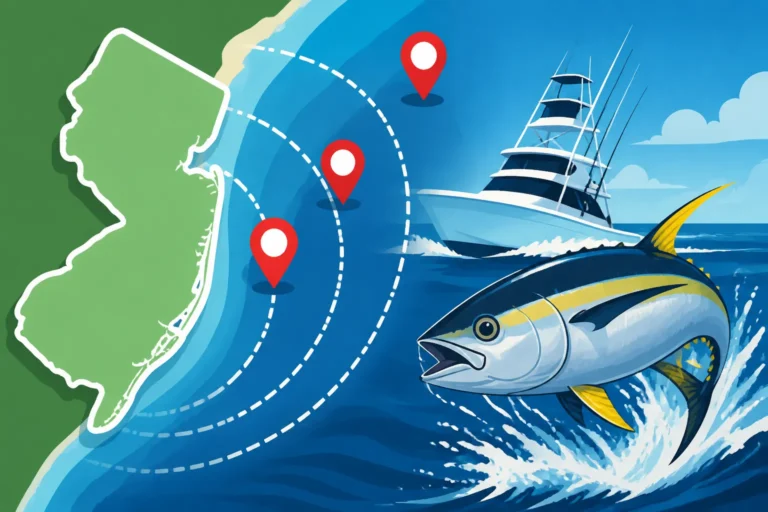
Tuna fishing off New Jersey often means a significant ride offshore. While some bluefin might occasionally be found closer to shore, the prime yellowfin, longfin, and bigeye grounds are usually in the canyons, which can be 60 to 100 miles or more offshore. This means a substantial portion of your day will be spent running to and from the fishing grounds. How Far Offshore Do New Jersey Tuna Charters Travel? explains this journey in more detail.
Most tuna charters are full-day trips, typically lasting 10-16 hours from dock to dock. Overnight trips are also popular, especially for targeting bigeye tuna or maximizing fishing time in the deep canyons, sometimes lasting 24-36 hours. Be prepared for a long day on the water, which can be physically demanding. Dress in layers, bring plenty of snacks and drinks, and don't forget sun protection! Consider booking a New Jersey Deep Sea Fishing Charters that clearly outlines the expected travel time and fishing duration.
Catch Handling and Regulations
New Jersey has specific regulations regarding tuna, including size limits and bag limits, which can vary by species and change periodically. Your charter captain and crew are experts on these rules and will ensure that all legal requirements are met. They are your best resource for understanding current limits. New Jersey Daily Bag Limits by Species is a general resource, but tuna regulations are often very specific.
Once a tuna is brought to the boat, the crew will handle it professionally, often bleeding and icing it immediately to preserve the quality of the meat. Many charters offer fish cleaning services back at the dock, sometimes for an additional fee. It's always a good idea to bring a large cooler (or several) to transport your fresh catch home. While catching fish is the goal, always remember that ethical angling practices and conservation are paramount. Respecting the resource ensures that these amazing opportunities remain for future generations.
Disclaimer
This article is for general informational purposes only and does not constitute professional advice. Laws, prices and regulations vary by location and change over time. Consult a qualified professional for guidance on your specific situation.