What Fish Do You Catch on an Overnight New Jersey Trip?
Have you ever gazed out at the vast expanse of the Atlantic from the Jersey Shore and wondered what incredible fish lie beyond the horizon, too far for a typical day trip? Many anglers feel that pull, that desire for a bigger adventure and the chance to reel in something truly special. Overnight fishing trips out of New Jersey are precisely for those moments, offering access to distant, productive waters that hold some of the ocean's most sought-after game fish. This guide will walk you through the exciting species you can expect to encounter on an extended journey, giving you a clear picture of what makes these trips such a memorable experience.
The Allure of Overnight Fishing Trips in New Jersey
There's something uniquely captivating about an overnight fishing trip. It's not just about catching fish; it's about the full immersion into the ocean environment, far from the hustle and bustle of shore life. You're out there with the stars, feeling the gentle rock of the boat, and knowing that beneath you, a whole different world of angling opportunities awaits. These longer excursions aren't just for the most hardcore anglers; they're for anyone seeking a deeper connection with the sport and the chance to target species that simply don't frequent inshore waters.
For many, the biggest frustration with a regular day charter is the feeling that you've only just hit your stride when it's time to turn back. Overnight trips eliminate that feeling, allowing you to settle in, adjust to the conditions, and truly work the fishing grounds. It's a commitment, for sure, but the rewards often far outweigh the extra time and effort. Many experienced captains offer these types of trips, and resources like FishingBooker can help you sort through the options to find the perfect overnight adventure for your crew.
Reaching Offshore Sanctuaries
The primary reason anglers opt for an overnight trip is access to what we call "offshore sanctuaries." These are the legendary canyons, vast deepwater wrecks, and sprawling reef systems that lie 60, 80, or even over 100 miles off the New Jersey coast. A typical day trip, which might run 8-10 hours, simply doesn't allow enough travel time and fishing time to reach these productive grounds. You'd spend most of the day just running out and back, leaving minimal time for actual angling.
Overnight excursions solve this by incorporating the travel time into the adventure itself. You steam out as the sun sets, often enjoying a dinner at sea, and wake up on the fishing grounds, ready for action. These distant spots are less pressured, holding larger, healthier populations of fish that are often unbothered by constant boat traffic. It's where the truly large pelagics roam and where deepwater bottom fish find refuge. Think of it as accessing the untouched pantry of the Atlantic, where the biggest and best specimens are found.
Extended Fishing Windows and Prime Times
Another significant advantage of an overnight trip is the ability to fish through multiple prime feeding windows. Fish, like most creatures, have routines. Dawn and dusk are universally recognized as peak feeding times for many species, and fishing overnight allows you to capitalize on both. When you’re already on the grounds, you don't miss that crucial first light bite or the intense action that can happen just as the sun dips below the horizon.
Beyond those transitional periods, many offshore species, particularly certain types of tuna and swordfish, are highly active at night. The cover of darkness often makes them more aggressive and less wary, especially when feeding on squid and baitfish that rise to the surface. Being able to deploy different tactics, from trolling in the daytime to chunking or deep-dropping after dark, gives you a comprehensive approach to maximize your chances. It’s a dynamic way to fish, adapting to the fish's behavior rather than being limited by the clock.
Pelagic Powerhouses: Tuna, Mahi, and Billfish
When you talk about offshore overnight fishing in New Jersey, you're primarily talking about targeting pelagic species—those incredible open-ocean wanderers. These are the fish that require significant travel, specialized gear, and often a whole lot of grit to bring to the boat. They are the apex predators of the deep, and catching one is a true angling achievement.
Targeting Tuna in the Canyons
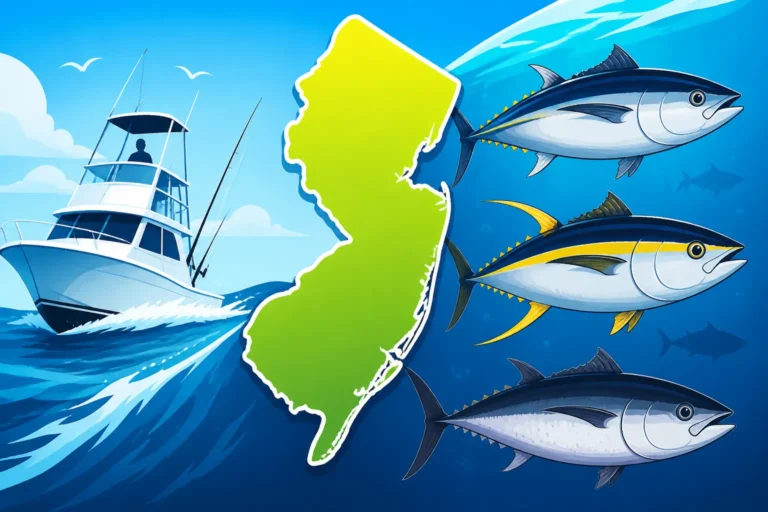
The canyons, vast underwater ravines plunging thousands of feet, are synonymous with tuna fishing off New Jersey. Anglers dream of hooking into the "Big Three": Bluefin, Yellowfin, and Bigeye Tuna. Each offers a different challenge and thrill. Yellowfin tuna are renowned for their blistering runs and sustained fights, often targeted by trolling lures and baits at specific depths or by "chunking" with cut bait after dark. Bluefin tuna, while often more regulated, are sheer powerhouses, demanding heavy tackle and an angler's full strength. Bigeye tuna are nocturnal hunters, offering incredible fights under the stars for those willing to stay up all night "chunking" or deep dropping baits.
These fish are strong, fast, and require teamwork from the crew to land. The methods often involve complex spreads of lures, sophisticated electronics to locate bait and temperature breaks, and a lot of patience. A good captain and crew are invaluable, constantly adjusting strategies based on conditions and fish behavior. Whether it's the screaming drag of a trolling rod or the steady pull of a chunk bait, tuna fishing in the canyons is an adrenaline rush that few other angling experiences can match. If you're looking to book a trip specifically for these giants, many charters specialize in New Jersey Offshore Tuna Charters.
Mahi-Mahi and the Thrill of the Open Ocean
While tuna often steal the show, Mahi-Mahi, also known as Dolphin fish, are an incredibly exciting and beautiful bycatch on many offshore overnight trips. These vibrant, acrobatic fish are drawn to floating structure, whether it's a weed line of sargassum, a lobster pot buoy, or even a piece of debris. They are opportunistic feeders and will often school up, providing incredible action once a school is located.
Mahi-Mahi are not only stunning to look at with their iridescent blues, greens, and yellows, but they are also fierce fighters. They jump and thrash, making for a spectacular display at the surface. They’ll readily hit a variety of baits and lures, from small trolling feathers to chunks of squid or butterfish. Often, when tuna fishing heats up, Mahi-Mahi are the first to crash the party, offering a fast-paced diversion and some delicious fillets for dinner. Keep an eye out for them, especially during the warmer months when they follow the Gulf Stream currents northward.
Billfish: White Marlin and Swordfish
For the ultimate offshore challenge, overnight trips sometimes present opportunities for billfish. White marlin are elegant, acrobatic fighters, highly prized in the sportfishing world. They are typically targeted by trolling ballyhoo or artificial lures, often in conjunction with tuna fishing, as they frequent similar areas around the canyons and temperature breaks. Catching a white marlin is often a testament to patience and a quick eye, as their bites can be subtle before they erupt into a series of jumps and dives.
Swordfish, on the other hand, are a truly unique deep-dropping target. These nocturnal gladiators spend their days in the abyssal depths, only rising to feed closer to the surface at night. Specialized heavy-duty electric reels and heavy lead weights are used to drop baits like squid or whole fish thousands of feet down. The fight can be a grueling tug-of-war, bringing up a fish from extreme pressure changes. Many swordfish are released, but landing a legal-sized "broadbill" is a bucket-list achievement for any serious angler. These species are often catch-and-release focused due to conservation efforts, but the experience of encountering them is unparalleled.
Deepwater Bottom Dwellers: Wreck and Canyon Residents
While the allure of pelagic species is strong, offshore overnight trips also open up opportunities for a host of incredible bottom-dwelling fish. These species populate the myriad wrecks, reefs, and rocky structures that dot the ocean floor far from shore. They provide consistent action and often make for some of the best eating fish you can bring home.
Battling Black Sea Bass, Pollock, and Hake on Offshore Wrecks
Move beyond the inshore reefs, and New Jersey's offshore wrecks become true fish magnets. Here, you'll find much larger, older black sea bass, often called "knot-heads" for their prominent nuchal hump. These bigger fish are aggressive, readily taking jigs, baited rigs, and even small diamond jigs. They congregate in massive numbers around sunken ships, rock piles, and other forms of structure, providing fast and furious action. For specific regulations, always check New Jersey Black Sea Bass Season and Limits.
Alongside the sea bass, you'll often encounter pollock and various species of hake, such as Ling and Whiting. Pollock are powerful fighters, especially the larger ones found offshore, and are excellent table fare. Hake are typically smaller but offer consistent bites and are delicious. Fishing these wrecks usually involves drifting or anchoring over the structure and dropping baited rigs or jigs straight down. It’s a completely different style of fishing than trolling for tuna, offering a welcome change of pace and a chance to fill the cooler with tasty fillets. This is where heavy-duty jigging rods and strong braided line become your best friends.
Golden and Blueline Tilefish from the Abyss
For a truly unique deepwater experience, some overnight charters target golden and blueline tilefish. These beautiful, bottom-dwelling fish live in depths ranging from 300 to over 800 feet, often burrowing into the soft mud bottoms of the canyon edges. Targeting them requires specialized electric reels, heavy lead weights (often several pounds!), and sturdy tackle designed to handle the extreme depths and pressures.
The fight is a slow, steady pull from the deep, but the reward is immense. Tilefish are some of the most delicious fish in the ocean, with sweet, white, flaky meat that's highly prized. Golden tilefish are larger and more vividly colored, while blueline tilefish are smaller but equally tasty. Catching these deepwater denizens is a testament to technological prowess and patience, showcasing yet another distinct angling opportunity available on an extended offshore trip. It’s a world away from casting a lure in a bay, offering a profound appreciation for the ocean’s diverse ecosystems.
Planning Your Overnight New Jersey Fishing Adventure
An overnight fishing trip isn't just a longer day trip; it's a significant undertaking that requires careful planning and the right mindset. Knowing what to expect and how to prepare will make all the difference in ensuring a safe, enjoyable, and successful adventure. Many anglers, before committing, want to know if they need their own license. The answer for saltwater is nuanced; understanding Do You Need Your Own Fishing License on a New Jersey Charter? is crucial.
Choosing the Right Charter and Time of Year
Selecting the right charter boat and captain is paramount for an overnight trip. Look for captains with extensive experience in offshore fishing, a proven track record, and a boat well-equipped for extended voyages (comfortable bunks, ample deck space, proper safety gear, and advanced electronics). Reviews and recommendations from other anglers are invaluable. Platforms like FishingBooker are excellent for finding reputable charters, allowing you to filter by trip duration and target species. Don't hesitate to call the captain directly to discuss your expectations and their typical overnight itinerary. For general guidance on what to look for, read up on How to Choose a New Jersey Fishing Charter.
The time of year dramatically impacts what you can catch. Tuna season typically heats up in late summer and fall, when water temperatures in the canyons are ideal and baitfish are plentiful. Earlier in the season, black sea bass and other wreck fish provide excellent action. Make sure your chosen trip aligns with the species you're most eager to target. Understanding New Jersey Fishing Seasons Explained can give you a broader context for seasonal changes.
Essential Gear and Preparations
Packing for an overnight trip requires more thought than a casual day on the water. Layered clothing is essential, as temperatures can fluctuate wildly between day and night, and offshore breezes can be surprisingly chilly, even in summer. Bring rain gear, even if the forecast looks clear; offshore weather can change rapidly. Sunglasses, a wide-brimmed hat, and plenty of sunscreen are critical.
When it comes to personal comfort, remember to pack any necessary medications, toiletries, and comfortable shoes that can get wet. Motion sickness remedies are a must for many, as the open ocean can be unpredictable. Bring plenty of water and snacks, though most charters will provide some food and drinks. As for fishing gear, while many charters provide tackle, serious anglers often bring their own. However, ensure it's appropriate for the target species and conditions. Talk to your captain about what tackle is provided and what you might want to bring, especially for specialized techniques like deep dropping. Read What to Wear on a New Jersey Fishing Charter for more detailed advice.
Understanding Regulations and Catch Limits
Offshore fishing, especially for species like tuna and swordfish, is often governed by federal regulations rather than just New Jersey state rules. These regulations can be complex, involving different bag limits, size restrictions, and even specific seasonal closures depending on the species and management area. Your charter captain will be intimately familiar with these rules and is legally obligated to adhere to them.
However, it’s always a good idea to have a basic understanding yourself. Ask your captain about the current regulations for the species you'll be targeting before you leave the dock. They’ll also educate you on things like How Bag and Size Limits Work in New Jersey and the requirements for the New Jersey Saltwater Registry Explained if you're fishing in state waters prior to heading offshore. Being informed not only keeps you compliant but also helps you appreciate the conservation efforts in place to protect these valuable fish stocks. Don't forget that showing appreciation to the crew is also part of the trip, so familiarize yourself with New Jersey Charter Boat Tipping Etiquette.
| Species | Primary Location | Key Techniques | Best Season | Typical Size Range |
|---|---|---|---|---|
| Yellowfin Tuna | Canyons, Offshore Banks | Trolling, Chunking | Late Summer – Fall | 30-100+ lbs |
| Bluefin Tuna | Canyons, Offshore Banks | Trolling, Chunking | Late Summer – Fall | 50-500+ lbs |
| Bigeye Tuna | Canyons, Offshore Banks | Chunking (Night), Trolling | Late Summer – Fall | 80-200+ lbs |
| Mahi-Mahi | Weedlines, Floating Debris | Trolling, Casting Baits | Summer – Early Fall | 5-30 lbs |
| White Marlin | Canyon Edges, Temperature Breaks | Trolling | Late Summer – Fall | 40-100 lbs |
| Swordfish | Deep Canyons (Day/Night) | Deep Dropping (Night) | Summer – Fall | 50-500+ lbs |
| Golden Tilefish | Canyon Slopes, Deep Mud | Deep Dropping | Year-round | 10-50 lbs |
| Blueline Tilefish | Canyon Slopes, Deep Mud | Deep Dropping | Year-round | 3-15 lbs |
| Black Sea Bass | Offshore Wrecks, Reefs | Jigging, Bottom Fishing | Spring, Fall, Winter | 2-8 lbs (offshore) |
| Pollock | Offshore Wrecks, Reefs | Jigging, Bottom Fishing | Fall, Winter, Spring | 5-25 lbs |
| Hake (Ling/Whiting) | Offshore Wrecks, Reefs | Bottom Fishing | Year-round | 2-10 lbs |
Disclaimer
This article is for general informational purposes only and does not constitute professional advice. Laws, prices and regulations vary by location and change over time. Consult a qualified professional for guidance on your specific situation.