Best New Jersey Charter for Experienced Anglers Chasing Tuna
For the seasoned New Jersey angler, the call of the offshore canyons, home to some of the ocean's most powerful predators, is hard to resist. But finding the right charter for a serious tuna expedition can feel like a daunting task, especially when you're looking for more than just a joyride – you want a true shot at a trophy fish. This guide is tailored specifically for experienced anglers seeking the best New Jersey charters capable of delivering an unforgettable tuna fishing adventure, focusing on the expertise, equipment, and dedication needed to tackle these magnificent beasts.
The Allure and Challenge of Offshore Tuna Fishing in New Jersey
When you've put in countless hours targeting striped bass in the bays or fluke closer to shore, there comes a point where the open ocean whispers your name, promising a challenge unlike any other. Tuna fishing out of New Jersey isn't just a step up; it's a whole different ballgame. It demands a significant commitment in terms of time, energy, and resources, but for many, the potential reward makes every effort worth it.
Why Tuna Fishing Isn't for the Faint of Heart
Let's be real: offshore tuna fishing is tough. It's not about a quick boat ride and a few casts. You're looking at long runs, often 60 to 100 miles or more offshore, to reach the deep canyons where these pelagic giants roam. This means several hours of motoring, often through bumpy seas that can test even the most experienced angler's stomach. Once you're out there, the conditions can be unforgiving. The sun beats down, the waves rock the boat, and the fish fight with a primal strength that will leave your arms burning and your back aching. It requires stamina, mental fortitude, and a readiness for a physically demanding battle that can last for hours with a single fish.
Moreover, the techniques used for tuna are specialized. You're not just throwing a jig; you might be trolling massive spreader bars with multiple baits, deploying precise chunking setups, or jigging heavy metal lures in deep water. Understanding current, water temperature breaks, and bait schools becomes paramount. This isn't a trip for a casual angler looking to learn the ropes; it's for those who appreciate the intricacies of the hunt and are ready to contribute to a serious team effort. The commitment to land a trophy bluefin, yellowfin, or bigeye is a journey in itself, often involving overnight trips where you're fishing under the stars.
The Reward: Trophy Fish and Unforgettable Experiences
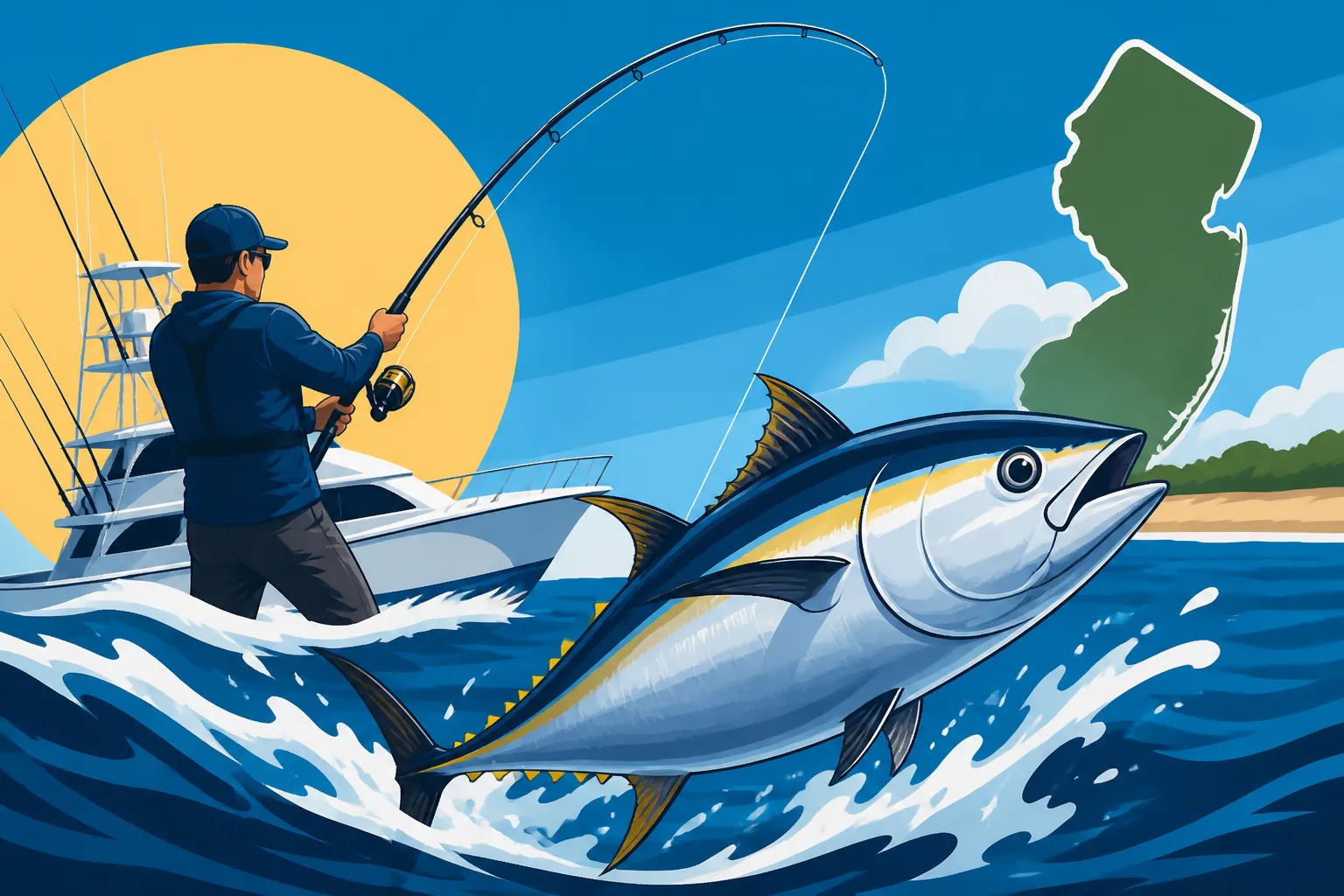
Despite the challenges, the draw of tuna fishing is immense. There's a certain magic that happens far from the coast, surrounded by nothing but the vast expanse of the Atlantic. The feeling of a powerful tuna hitting your line, stripping hundreds of yards of drag in seconds, is an adrenaline rush that few other fishing experiences can match. It's a true test of strength and skill, pushing you to your limits, and then some. When you finally get that magnificent fish alongside the boat, its iridescent colors shimmering in the sunlight, the sense of accomplishment is profound.
Beyond the catch itself, an offshore tuna trip offers an unparalleled connection to nature. You might witness stunning sunrises and sunsets over the open ocean, encounter whales, dolphins, or sea turtles, and experience a camaraderie with your fellow anglers that can only be forged through shared challenge and success. These trips aren't just about filling a cooler; they're about creating lasting memories, telling epic fish stories, and pushing your own angling boundaries. For many, it's the pinnacle of saltwater fishing in New Jersey, offering a chance to pit your skills against some of the most powerful creatures the ocean has to offer. For more on what these trips entail, check out New Jersey Deep Sea Fishing Charters.
What Defines an Elite Tuna Charter for Experienced Anglers
When you're an experienced angler looking to chase tuna, you're not just looking for "a" boat; you're looking for the boat – one that's specifically equipped, crewed, and managed to give you the best possible chance at success. This isn't the time to economize on a charter that's primarily set up for inshore fluke or casual bottom fishing. Offshore tuna requires specialized assets.
The Vessel: Built for the Deep Blue
An elite tuna charter starts with the vessel itself. For experienced anglers venturing into the canyons, you need a boat that is purpose-built for offshore excursions. This typically means a larger sportfisherman or a robust center console, generally ranging from 38 feet upwards. Stability is crucial for comfort during long runs and for fighting powerful fish in potentially rough seas. These boats should have powerful, well-maintained engines that allow for quick transit to the fishing grounds, maximizing actual fishing time. Think of it: you don't want to spend half your day just getting there and back.
Beyond size and power, the internal systems are critical. Top-tier electronics are non-negotiable. This includes state-of-the-art radar for navigation and storm avoidance, high-definition CHIRP sonar for identifying bait schools and tuna, and reliable communication systems. Ample deck space is also essential, allowing multiple anglers to fight fish simultaneously or move around safely during the chaos of a tuna bite. A comfortable cabin, a clean head (bathroom), and plenty of storage for gear and provisions become necessities for multi-day New Jersey Offshore Tuna Charters. The overall maintenance and cleanliness of the vessel often speak volumes about the captain's professionalism and dedication, assuring you that the boat is reliable and ready for serious action.
The Captain and Crew: Expertise That Matters
A great boat is only as good as the team running it, and this is where an elite tuna charter truly shines. For experienced anglers, the captain needs to be a seasoned veteran with extensive knowledge of the specific offshore areas, including the canyons, humps, and ridges where tuna congregate. They should have a proven track record, not just of finding tuna, but of catching them consistently. This kind of expertise comes from thousands of hours on the water, understanding subtle shifts in current, water temperature, bait migrations, and weather patterns. They should be able to adapt their strategy on the fly, switching techniques from trolling to jigging to chunking as conditions dictate.
Equally important is a professional and experienced crew. On a tuna boat, the mates are far more than just deckhands; they are an integral part of the fishing operation. They should be experts in rigging baits, handling heavy tackle, gaffing and landing large fish safely, and providing guidance and assistance to anglers during intense battles. A good mate can make or break a trip, ensuring lines are clear, leaders are fresh, and everyone is working efficiently when the bite is on. Their attentiveness, enthusiasm, and ability to keep things running smoothly, even under pressure, are invaluable. They also play a critical role in fish processing, ensuring your catch is properly bled, iced, and prepared for your journey home. Consider asking about the typical crew-to-angler ratio when you're looking at options on platforms like FishingBooker, as it can significantly impact the level of personal attention.
Gear and Tactics: Top-Tier for Trophy Tuna
Serious tuna fishing demands serious gear. You're not bringing your freshwater bass rod to this party! An elite tuna charter will provide a full spread of heavy-duty, meticulously maintained tackle designed to handle the brutal power of bluefin, yellowfin, and bigeye tuna. This means top-of-the-line bent-butt rods paired with large conventional reels, often in the 80-130 pound class, spooled with fresh, strong braided line. Every piece of terminal tackle—from swivels and leaders to hooks and gaffs—should be of the highest quality and regularly inspected. Imagine hooking into a 200-pound bluefin only to have a worn leader snap; that's the kind of heartbreak a good charter prevents.
Beyond the basic setup, these charters will be equipped for a variety of advanced tuna tactics. This includes a full arsenal of trolling lures, such as various spreader bars, daisy chains, cedar plugs, and rigged ballyhoo or plastics. They'll also have plenty of jigging and popping setups for when tuna are feeding on the surface or holding deeper. Live baitwells will be functional and stocked with fresh bait (bunker, squid, butterfish, whatever the tuna are feeding on), and the boat will have robust ice boxes or fish bags capable of properly chilling large tuna immediately after landing to preserve their quality. What Tuna Species Do New Jersey Charters Target? and the methods used to catch them will dictate the gear required, so ensuring the charter specializes in tuna is key.
| Tuna Species | Prime Season (New Jersey) | Typical Fishing Methods | Max Size (Avg. Reel Class) | Notes for Experienced Anglers |
|---|---|---|---|---|
| Bluefin Tuna | Late Spring – Early Summer; Fall Run | Trolling, Jigging, Chunking | 100-800+ lbs (80-130 lb) | Incredible fighters, strict slot limits, often found closer in during runs. |
| Yellowfin Tuna | Summer – Fall | Trolling, Chunking, Jigging | 40-200 lbs (50-80 lb) | Fast, strong, excellent table fare, usually in canyons. |
| Bigeye Tuna | Summer – Fall | Trolling, Chunking | 100-400+ lbs (80-130 lb) | Nocturnal feeders, powerful deep runs, primarily canyon fishing. |
| Longfin Tuna | Summer – Fall | Trolling, Jigging, Chunking | 20-70 lbs (30-50 lb) | Abundant, great eating, often caught alongside yellowfin in canyons. |
Navigating the Seasons and Prime Tuna Targets
Understanding when and where to find specific tuna species is crucial for planning your ultimate offshore adventure from New Jersey. The timing and location largely dictate the type of trip you'll embark on and the techniques that will be most effective. New Jersey's offshore waters, particularly the canyons, offer a diverse fishery for pelagic species.
New Jersey's Main Tuna Species and When to Find Them
New Jersey is fortunate to be positioned along the migratory paths of several highly sought-after tuna species. For experienced anglers, knowing the nuances of each can help in selecting a charter that aligns with their specific goals.
-
Bluefin Tuna: These powerful athletes are perhaps the most iconic tuna species. In New Jersey, you might encounter them in two primary windows. The first is in late spring to early summer, when smaller to medium-sized "schoolie" bluefin (often in the 40-70 lb range) can be found closer to shore, sometimes within 20-40 miles, actively feeding. These can offer fast-paced action and are a great test of skill. The fall run, from late September through November, sees larger bluefin migrating through, often following baitfish closer to the coast or feeding aggressively in the canyons. Landing a slot-sized bluefin (subject to strict and changing regulations like New Jersey Striped Bass Slot Limit Explained but for tuna) is a significant accomplishment, requiring heavy tackle and serious endurance. Their immense fighting power is legendary, making them a top target for many seasoned anglers.
-
Yellowfin Tuna: These are a favorite for their speed, strength, and delicious meat. Yellowfin typically show up in New Jersey's offshore waters, particularly in the canyons, from early summer through the fall. They are often targeted with trolling spreads during the day and can be a hot bite while chunking overnight. A yellowfin on the line is a freight train, and they'll test your drag and stamina with long, powerful runs. Finding a charter that specializes in canyon trips during peak yellowfin season significantly increases your chances of a successful outing.
-
Bigeye Tuna: If you're looking for an even deeper challenge, bigeye tuna are often found in the deep canyons during the summer and fall. These fish are known for their massive eyes (hence the name) and incredible fighting ability. They often feed actively at night, making overnight canyon trips particularly effective for targeting them. Catching a bigeye is a serious feat, requiring specialized techniques and a boat equipped for extended offshore stays. They are less common than yellowfin but represent a true trophy for the dedicated tuna angler.
In addition to these main targets, anglers venturing offshore may also encounter Longfin Tuna (also known as Albacore) in the canyons, which are smaller but offer great sport and excellent table fare. There's also the exciting possibility of encountering Mahi-Mahi (Dolphin fish) around floating debris or weed lines, and even Mako sharks or Swordfish for those charters equipped and permitted for such pursuits. These incidental catches just add to the excitement and diversity of offshore fishing.
Canyon Fishing: The Ultimate Tuna Frontier
For the truly experienced angler, canyon fishing is where the epic tuna battles unfold. New Jersey is geographically blessed with access to several productive offshore canyons, including the Hudson Canyon, Toms Canyon, Wilmington Canyon, and Poor Man's Canyon, among others. These underwater abysses, where the continental shelf drops dramatically into deep water, create incredibly rich ecosystems. The convergence of currents, upwelling, and temperature breaks concentrates baitfish, which in turn attracts apex predators like tuna, swordfish, and marlin.
A canyon trip is typically a multi-day or overnight excursion, pushing 80-100+ miles offshore. This extended time allows the charter to run to these distant grounds, fish through prime feeding windows (often around dawn, dusk, and overnight), and maximize opportunities. Charters specializing in canyon trips are equipped for such ventures, with larger fuel capacities, comfortable accommodations, and the specific tackle and bait required for sustained deep-sea fishing. It's a true immersion in offshore angling, demanding patience, skill, and a willingness to embrace the unpredictability of the open ocean. Success in the canyons often means coming home with a cooler full of quality fish, and bragging rights that last a lifetime. Learn more about how far these boats travel in How Far Offshore Do New Jersey Tuna Charters Travel?.
Finding and Booking Your Ideal Tuna Charter
Once you've set your sights on a New Jersey tuna adventure, the next critical step is finding the right charter. This isn't a decision to rush, especially for experienced anglers who have specific expectations and demand a high level of professionalism and expertise. Doing your homework now will pay dividends when you're out on the water.
Researching and Vetting Potential Charters
For experienced anglers, selecting a tuna charter goes beyond just looking at a pretty website. You need to dig deeper. Start by seeking out charters that explicitly market themselves as offshore tuna specialists, particularly those known for canyon trips. Look at their past catch reports, often found on their social media, blogs, or dedicated fishing forums. Are they consistently posting photos of large tuna? Are the species and sizes indicative of serious offshore efforts? Pay attention to the types of fish they catch; a charter primarily focused on inshore species might not have the right gear or expertise for a deep-water tuna battle.
When vetting, don't hesitate to ask probing questions. Inquire about the captain's specific experience chasing tuna in New Jersey's canyons and offshore grounds. How many years have they been running tuna trips? What's their philosophy on finding fish? Also, ask about the condition and age of their tackle. Is it regularly serviced? Are the reels spooled with fresh line? Safety should always be paramount, so inquire about their safety protocols, emergency equipment, and communication systems. Reading reviews from other experienced anglers is invaluable; look for comments on professionalism, fish-finding ability, and the quality of the overall experience. Websites like FishingBooker can be an excellent resource for this, allowing you to filter by location, target species, and even read detailed reviews from previous clients, making it easier to pinpoint top-tier operations dedicated to tuna.
Essential Questions to Ask Before Booking
To ensure you and the charter are on the same page, prepare a list of questions before you call to book. This proactive approach will help clarify expectations and avoid any surprises:
- Trip Details: "What is the typical duration for a tuna trip, and what specific species are you primarily targeting?" (e.g., "Are we going for bluefin closer to shore or yellowfin/bigeye in the canyons?").
- What's Included: "What exactly is included in the charter price? Does this cover bait, tackle, and ice? Is fish cleaning provided, and is there an additional charge?"
- Crew & Assistance: "What is the typical crew-to-angler ratio on your tuna trips? How hands-on is the crew with rigging and assisting during fights?"
- Safety & Communication: "What safety equipment do you have onboard? What are your communication procedures for emergencies offshore?"
- Cancellation Policy: "What is your policy regarding cancellations due to weather or mechanical issues? Is there a refund or rescheduling option?" (Crucial for offshore trips where weather can be a major factor).
- Additional Costs: "Are there any potential extra fees, such as fuel surcharges for longer runs, or mandatory gratuity for the mates?" Being upfront about potential How Much Does a Private New Jersey Fishing Charter Cost? is always best.
- Catch & Keep: "What are the current regulations for the tuna species we're targeting, and what is the plan for dividing the catch?" Keep in mind that New Jersey Fishing License Requirements on a Guided Charter usually mean you, as an angler, need your own valid license and any necessary stamps or registrations, even on a charter.
Preparing for Your Tuna Expedition
Even for seasoned anglers, preparation is key for a successful tuna trip. These are long, often grueling days, and being well-prepared can significantly enhance your experience. Start with appropriate clothing: layers are essential, as temperatures can fluctuate dramatically from early morning to midday, and offshore breezes can be chilling even in summer. Waterproof outer layers are a must, as spray or rain can quickly make you miserable. Sturdy, non-slip footwear is critical for safety on a wet deck.
Pack plenty of food and drinks to sustain you through a long day or overnight trip. Staying hydrated is paramount. Don't forget essentials like high-quality polarized sunglasses, broad-spectrum sunscreen, and a hat to protect you from the intense sun reflected off the water. If you're prone to seasickness, take preventative medication well in advance – don't wait until you're feeling green. A personal cooler for your fillets after the trip is also a good idea. Most importantly, mentally prepare for a challenging but incredibly rewarding experience. These fish fight hard, and the conditions can be demanding, but the thrill of landing a New Jersey tuna makes it all worthwhile. Your physical preparedness will also play a large role in the enjoyment of your trip, as fighting a large tuna can be a true test of endurance.
Disclaimer
This article is for general informational purposes only and does not constitute professional advice. Laws, prices and regulations vary by location and change over time. Consult a qualified professional for guidance on your specific situation.