Top-Rated Winter Wreck Fishing Trips Out of New Jersey
Many anglers hang up their rods once the colder weather hits, assuming New Jersey fishing becomes a barren wasteland. It's a common misconception, leading many to miss out on some of the most exciting and productive fishing opportunities the state offers. This guide is here to shed light on New Jersey's fantastic winter wreck fishing scene, providing you with everything you need to know to brave the chill and reel in some incredible catches, even when the thermometer dips.
Embracing the Chill: Why Winter Wreck Fishing in New Jersey is a Hidden Gem
When the leaves turn and the air gets crisp, many recreational anglers pack away their gear, dreaming of spring. But for those in the know, winter in New Jersey offers a unique and incredibly rewarding fishing experience: wreck fishing. While the shorelines and shallow bays might quiet down, the offshore waters over sunken structures come alive with various robust species. It's a completely different game from summer fluking or spring stripers, demanding different tactics and a bit more preparation, but the rewards—often trophy-sized fish and a quiet camaraderie on the boat—are well worth the effort.
The Allure of Offshore Structures
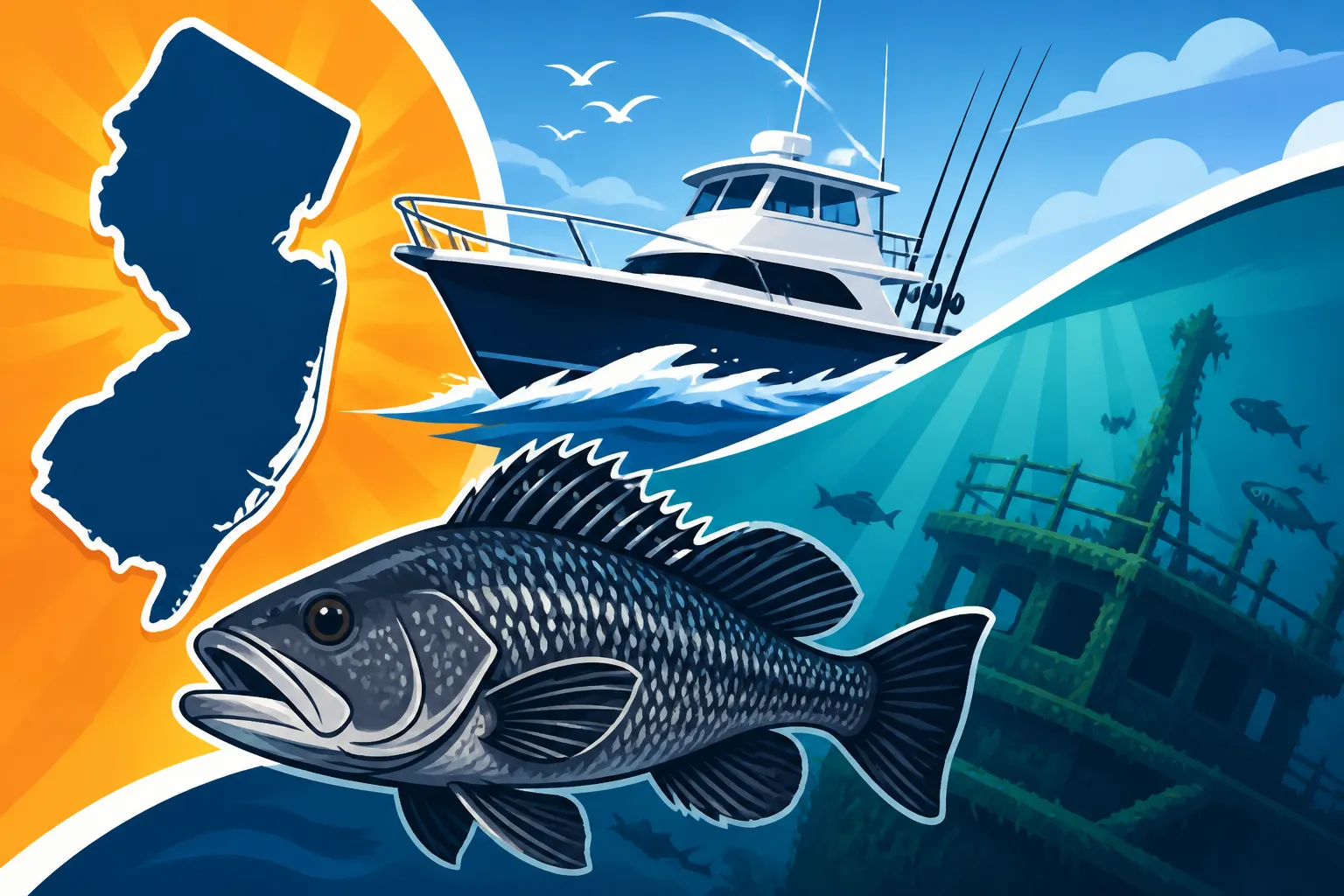
Imagine the vast, relatively featureless expanse of the open ocean floor. Now picture a sunken ship, a pile of concrete culverts, or a discarded military tank resting hundreds of feet below the surface. These are not just random debris; they become thriving ecosystems, magnets for marine life. In the colder months, as baitfish move offshore and species seek refuge from harsh conditions, these wrecks and artificial reefs become prime real estate. They offer shelter from currents, a place to ambush prey, and a hard substrate for mussels and other invertebrates to attach, creating a veritable buffet for larger predatory fish. The concentration of fish around these structures can be astounding, turning what might seem like a desolate winter trip into a hot bite. New Jersey Artificial Reef Fishing Guide provides a fantastic overview of these crucial underwater habitats.
Prime Species for Winter Action
While summer fishing might target migratory species like fluke and striped bass, winter wreck fishing zeroes in on hardy bottom dwellers. These are the fish that thrive in colder temperatures and often grow to impressive sizes, making them highly prized catches. You're typically looking at species that don't mind the chill and use the wreck as their year-round home or a crucial stopover. The fight these cold-water fish put up is often legendary, proving to be a true test of an angler's skill and tackle.
The main stars of the winter wreck show are:
- Black Sea Bass: These incredibly popular fish school up in huge numbers around wrecks. They're aggressive biters, put up a decent fight, and are absolutely delicious. They're a staple for winter wreck trips, and many charters specifically target them. Understanding the specific rules is crucial; check out New Jersey Black Sea Bass Season and Limits before you head out.
- Tautog (Blackfish): Known for their notorious lockjaw and incredible strength, tautog are a challenge and a true trophy for many anglers. They love structure and can be found deep within the nooks and crannies of wrecks. Their fight is a brutal tug-of-war, and catching a "white chin" (a large male) is a badge of honor. To improve your odds, definitely read up on How to Fish for Tautog Around Structure.
- Cod: While not as abundant as in years past, decent cod can still be found on deeper wrecks and offshore grounds. They offer a strong, steady pull and are another excellent eating fish. Landing a sizeable cod is a memorable event on a winter trip.
- Pollock: Often found alongside cod, pollock are powerful swimmers that can put a serious bend in your rod. They are generally caught drifting over or around wrecks, and their strong runs make for exciting fishing.
- Ling (Red Hake and White Hake): These bottom feeders are often caught as bycatch while targeting other species, but they are great eating and can add a lot of meat to the cooler. They don't fight as hard, but they are reliable residents of many wrecks.
Navigating the Depths: Understanding New Jersey's Wreck Fishing Grounds
New Jersey's coastline is dotted with an incredible number of natural and artificial underwater structures, each creating a unique habitat that attracts various marine species. These "wrecks" aren't just old ships; they encompass a wide range of submerged objects that provide shelter and feeding grounds, becoming vital ecosystems in the otherwise featureless ocean floor. Understanding the types of structures and why they're so important will give you a deeper appreciation for this unique style of fishing.
Natural Reefs and Sunken Treasures
Before humans started sinking ships and deploying concrete, the ocean floor had its own natural features that attracted fish. Underwater rock formations, ledges, and deep canyons all provide changes in contour and current that create natural feeding and hiding spots. While harder to locate without advanced sonar, these natural reefs can hold some truly enormous fish that have lived their entire lives undisturbed. Many historical shipwrecks, some dating back centuries, also contribute to the natural reef system. These older wooden wrecks break down over time, creating a debris field that still offers shelter. Diving into the history of some of these sunken treasures can be fascinating, knowing that the very structure you're fishing over has a story stretching back to another era.
Artificial Reefs: Man-Made Habitats for Marine Life
New Jersey has a robust artificial reef program, designed to enhance marine habitats and fishing opportunities. These aren't accidental sinkings; they are carefully planned deployments of materials like decommissioned ships, concrete forms, old subway cars, and even armored personnel carriers. The state strategically places these materials to create complex structures that rapidly become colonized by marine life. Over time, algae, corals, and invertebrates attach to these surfaces, forming the base of a new food web. Baitfish move in, followed by larger predators like black sea bass, tautog, and cod.
These artificial reefs are a boon for anglers because they are often well-charted and provide consistent fishing. Charters rely heavily on these known locations to find concentrations of fish, especially during the colder months when fish metabolism slows, and they tend to hug structure more tightly. The sheer diversity of materials used creates different types of habitats, from tall, vertical structures like ships to lower-profile rubble fields, each attracting different species or different sizes of the same species. It's a testament to conservation efforts that discarded infrastructure can be repurposed to create such vibrant new homes for marine populations.
Your Winter Wreck Charter Experience: What to Prepare For
Heading out on a winter wreck fishing trip is an exciting prospect, but it's a very different experience than a summer bay excursion. The weather can be harsher, the ride longer, and the fishing requires different preparation. Knowing what to expect and how to get ready will make your trip much more enjoyable and successful. It’s all about being prepared for the elements and ready for some serious angling.
Essential Gear and Layering Up for Comfort
The number one rule for winter fishing in New Jersey is to dress warmly, and I mean really warmly. Layering is absolutely critical. Think thermal base layers, fleece mid-layers, and a waterproof, windproof outer shell. A good quality hat that covers your ears, waterproof gloves, and warm, waterproof boots are non-negotiable. Even on a seemingly mild winter day, the wind chill offshore can be brutal. You can always shed layers if you get too warm, but you can't put on what you didn't bring. Staying warm will allow you to focus on fishing and enjoy the entire trip. Many charters provide rods and reels, but if you're bringing your own, a heavy-duty conventional setup with braided line in the 50-80 lb range is usually appropriate for the depths and species you'll encounter. Strong leaders (50-80 lb fluorocarbon) and heavy sinkers (8-16 oz, sometimes more depending on current) are essential to get your bait down to the fish.
Onboard Life: Food, Facilities, and Fish Care
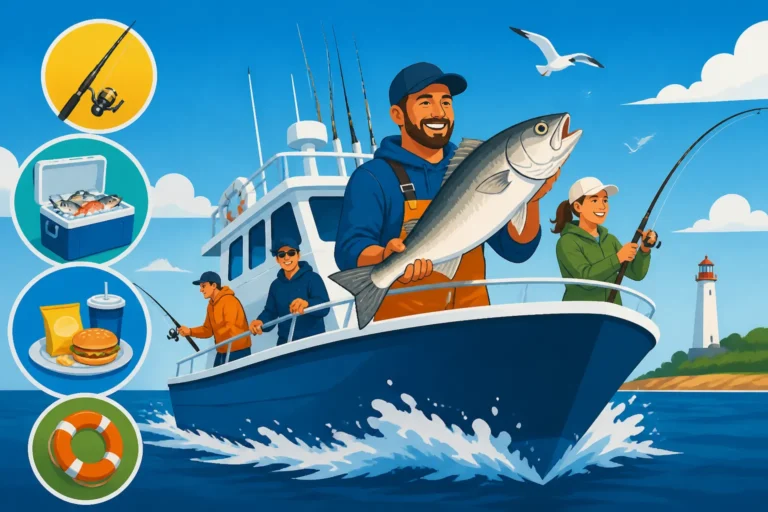
Most reputable New Jersey party boats and private charters operating winter wreck trips will have heated cabins, which are a godsend for warming up between drifts or during the ride out and back. They also usually have a head (marine toilet), though it might be basic. Bring plenty of food and drinks, as you'll be out there for a good chunk of the day, often 8-10 hours or more. Hot coffee, soup in a thermos, and hearty sandwiches are far more appealing than cold snacks. Many boats will have a galley for purchasing basic items, but it's best to be self-sufficient.
Once you start catching fish, proper fish care is important. Bring a cooler with ice, even in winter, to keep your catch fresh. The crew will usually provide assistance with measuring, unhooking, and sometimes even filleting your fish once back at the dock, though there's often a small fee for this service. Remember to check out New Jersey Charter Boat Tipping Etiquette to show appreciation for the crew's hard work, especially on these often challenging winter trips.
The Thrill of the Catch: Techniques and Expectations
Winter wreck fishing predominantly involves bottom fishing techniques. Depending on the species targeted, you might be drifting over the wreck or anchored directly on it. For black sea bass and cod, clam baits, squid, or jigs are common. When targeting tautog, green crabs, white leg crabs, or fiddler crabs are the baits of choice, often fished on a single-hook Tog jig or a traditional two-hook rig. The bite can sometimes be subtle, a gentle tap rather than a violent strike, especially with tautog. It requires focus and a good feel for your tackle. Be ready for strong current and the need for heavy sinkers to hold bottom. You'll likely encounter a mix of species, which adds to the excitement. Even on a slow day, the possibility of hooking into a monster fish always keeps things interesting. To get a better idea of what you might reel in, check out What Do You Catch on a New Jersey Winter Wreck Trip?.
Finding Your Perfect Winter Wreck Adventure: Choosing a Top-Rated Charter
Picking the right charter boat for a winter wreck trip is paramount to having a safe, comfortable, and productive day on the water. Unlike summer trips where many boats are out, winter requires a captain with specific experience and a vessel equipped for colder, potentially rougher conditions. You're entrusting your safety and your fishing success to their expertise, so a little homework goes a long way.
Characteristics of a Reputable Winter Charter
A top-rated winter wreck fishing charter will stand out for several key reasons. First and foremost, safety should be their utmost priority. This means a well-maintained vessel with all the necessary safety equipment, a captain with extensive experience navigating winter waters, and a crew that is attentive and helpful. Their boats are typically larger, more stable, and often feature enclosed, heated cabins to provide refuge from the cold. A good charter will also have specialized gear onboard, including heavy-duty rods and reels suitable for the deep water and strong fish you'll encounter, as well as a supply of appropriate baits and jigs.
Beyond safety and equipment, look for a charter with a proven track record. Word-of-mouth is powerful in the fishing community, but also consider online reviews and testimonials. A captain who is passionate about winter wreck fishing, knowledgeable about the various wrecks and reefs, and willing to share tips and techniques with their passengers will enhance your experience immensely. They'll know where the fish are holding and how to get them to bite, adapting to conditions on the fly. You might also want to compare options by looking at New Jersey Party Boat vs Private Charter: What's the Difference? to decide which type of trip suits your group best.
Resources for Booking Your Trip
Once you're ready to book your winter wreck fishing adventure, there are several great ways to find top-rated charters out of New Jersey ports like Point Pleasant Beach, Belmar, and Cape May. Start by checking out local marina websites, as many will list the boats that operate out of their docks year-round. Online booking platforms are also incredibly helpful resources for comparing different operations. For instance, reputable sites like FishingBooker offer a wide selection of charters, allowing you to filter by location, target species, and even amenities like heated cabins. These platforms often include customer reviews and ratings, which can give you valuable insights into other anglers' experiences.
When looking at various options, pay attention to what's included in the trip price—do they provide bait and tackle? Is fish cleaning offered? What's their cancellation policy for bad weather? While many winter wreck trips are offered, researching thoroughly through these resources will help you pinpoint a captain and crew who are genuinely top-rated and ready to give you an unforgettable experience. Don't be afraid to call the charter directly with any questions you might have about New Jersey Deep Sea Fishing Charters or specific winter wreck trips; a good captain will be happy to chat with you.
| Target Species | Preferred Bait/Lure | Typical Depth (feet) | Fight Characteristics |
|---|---|---|---|
| Black Sea Bass | Clams, Squid, Jigs (teasers) | 50 – 200 | Aggressive bite, strong head shakes, good pulling power |
| Tautog (Blackfish) | Green Crabs, Fiddler Crabs, White Leg Crabs | 30 – 150 | Notorious "lockjaw" bite, incredible brute strength |
| Cod | Clams, Jigs, Baited Rigs | 100 – 300+ | Steady, heavy pull; often mistaken for the bottom |
| Pollock | Jigs, Large Plastic Shad | 100 – 400 | Powerful, fast runs, especially near the surface |
| Ling (Hake) | Clams, Squid, Baited Rigs | 100 – 400 | Soft bite, less fighting power, good table fare |
Ultimately, while the cold might deter some, winter wreck fishing in New Jersey is a vibrant, rewarding pursuit for those willing to embrace the elements. The thrill of hooking into a trophy black sea bass or wrestling a stout tautog from the depths provides a unique kind of satisfaction, making those chilly offshore voyages truly unforgettable.
Disclaimer
This article is for general informational purposes only and does not constitute professional advice. Laws, prices and regulations vary by location and change over time. Consult a qualified professional for guidance on your specific situation.