How to Fish for Tautog Around Structure
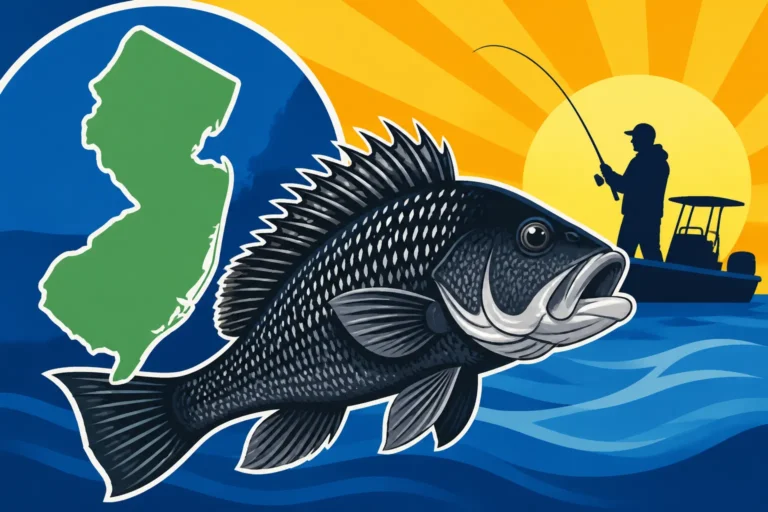
If you've ever tried your hand at tautog fishing in New Jersey, you know it can be one of the most rewarding, yet incredibly frustrating, pursuits out there. These cagey fish, often called "blackfish," are masters of their environment, clinging tightly to structure and making every hookset a challenge and every retrieved fish a victory. Losing rigs to the unforgiving rocks and feeling those subtle, almost imperceptible bites can test the patience of even the most seasoned angler. This comprehensive guide will peel back the layers of mystery surrounding how to fish for tautog around structure, sharing tactics, gear recommendations, and local insights to help you land more of these hard-fighting bottom dwellers.
Understanding Tautog and Their Habitat Preferences
Tautog aren't just any fish; they're unique creatures perfectly adapted to their rugged, unforgiving homes. To consistently catch them, you first need to understand what makes them tick and why they choose to live where they do. It’s all about their specialized diet and their need for protection.
The Tautog Profile: What Makes Them Tick
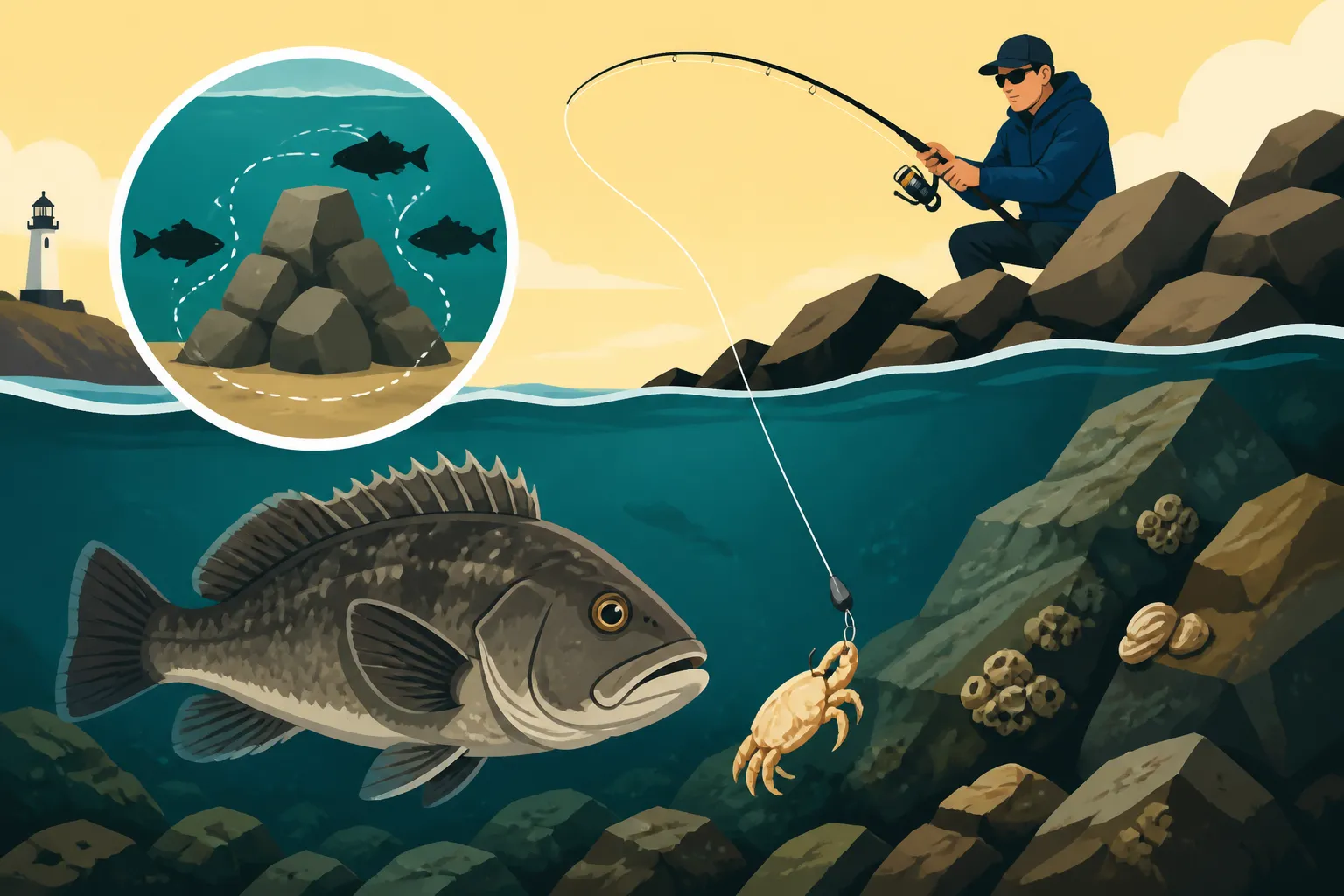
Tautog, or blackfish as they're affectionately known, are true bottom-dwellers with a very distinct set of characteristics. They possess powerful jaws and strong, human-like teeth that are perfectly designed for crushing the shells of crustaceans and mollusks. This is why their diet primarily consists of crabs, mussels, barnacles, and sometimes even small clams. Unlike many predatory fish that actively chase down schooling baitfish, tautog are more like underwater grazers, patiently picking their meals directly off rocks, pilings, and sunken debris. They're not fast swimmers, which is precisely why they thrive in areas with abundant structure that offers both a food source and protection from larger predators. Their coloration, often a mottled mix of greens, browns, and grays, allows them to blend seamlessly into their rocky surroundings, making them incredibly difficult to spot. This camouflage, combined with their ability to wedge themselves into tight crevices, makes them masters of their domain.
Prime Structure: Where Tautog Call Home
When we talk about "structure" in the context of tautog fishing in New Jersey, we're not just talking about a vague concept. We're talking about very specific underwater features where these fish congregate, feed, and seek refuge. Understanding these spots is half the battle. Think about any place that breaks up the current, offers vertical relief, and provides a surface for marine growth.
Along the New Jersey coast, this includes natural rock formations, artificial reefs, sunken wrecks, bridge pilings, jetties, and even oyster beds. Jetties and rockpiles, especially those found in inlets like the Barnegat Light area or the Manasquan Inlet, are prime locations because they provide countless nooks and crannies for crabs and mussels to cling to, which in turn attracts tautog. Offshore, the state's extensive network of artificial reefs and numerous historical shipwrecks become tautog magnets. These underwater habitats offer an incredible bounty of food and shelter, drawing in large numbers of blackfish. Even seemingly simple structures like discarded tires or concrete rubble can hold tautog. The key takeaway is that tautog are almost always found on or directly adjacent to hard structure. If you're fishing sandy bottom or open water, you're likely in the wrong spot. Knowing Where to Catch Tautog Around New Jersey Wrecks and Reefs can be a game-changer for serious anglers.
Essential Gear for Structure-Oriented Tautog Fishing
Fishing for tautog in structure means you're going to lose gear. It's a fact of life. But by using the right tools for the job, you can minimize tackle loss and maximize your chances of pulling these stubborn fish out of their rocky homes. This isn't a finesse game; it's a battle of strength and endurance.
Rods, Reels, and Line: Building a Strong Foundation
When targeting tautog around structure, your tackle needs to be robust, almost to the point of being overkill for their size. This is because you're not just fighting the fish; you're fighting the current, the structure, and the potential for snags. A medium-heavy to heavy conventional rod, typically 6.5 to 7.5 feet long, with a fast action tip and a strong backbone, is ideal. The fast action allows you to detect those subtle bites, while the stiff backbone is crucial for muscling a tautog away from the structure immediately after the hookset. Brands like Shimano, Daiwa, or Penn offer excellent conventional reels that can handle the abuse. You'll want a reel with a strong drag system and a decent retrieve ratio to quickly take up slack.
Spool your reel with braided line, typically 30 to 50 lb test. Braid has almost no stretch, which is essential for feeling those light bites and for direct power transmission during the fight. However, braid is also highly visible and susceptible to abrasion, so you'll need a monofilament or fluorocarbon leader. A 30 to 50 lb test fluorocarbon leader, 3 to 6 feet long, is a good choice. Fluorocarbon is less visible underwater and more abrasion-resistant than mono, offering a crucial buffer against sharp rocks and mussels. You can find high-quality braided lines and fluorocarbon leaders on Amazon from trusted brands, ensuring your setup is ready for the grind.
Terminal Tackle: Rigs That Stand Up to the Fight
This is where things get interesting, and often frustrating, for tautog anglers. The goal is to present your bait effectively while minimizing snags. The two most common and effective rigs are the knocker rig and the snell rig.
A knocker rig is simple: thread your sinker directly onto your main line, then tie on a swivel, followed by your leader and hook. The sinker "knocks" against the swivel, giving the bait some freedom of movement and allowing you to feel the bottom clearly. For structure fishing, a snell rig is often preferred for its direct hook-to-line connection and its ability to withstand abrasion. This involves snelling your hook directly onto your leader, often with a small dropper loop or a separate dropper for the sinker. A popular variation uses a three-way swivel, with one eye for the main line, one for a short leader to the sinker (often a break-away line of lighter test to save your main rig if the sinker snags), and another for a longer leader to the hook. Circle hooks are mandatory for bait fishing for many species in New Jersey, and they are excellent for tautog, promoting jaw hookups and making release easier, though a sharp j-hook is still used by some experienced tautog anglers who prefer to set the hook manually. Typically, you'll want strong, sharp hooks ranging from 1/0 to 5/0, depending on the size of your bait and the fish you're targeting. When looking for specific hook patterns or different sinker weights, checking Amazon often yields a wide variety.
The Best Bait for Crushing Crabs and Mussels
Forget the flashy lures; tautog are almost exclusively caught on natural bait, and crabs are king. Their diet is specific, so your bait needs to reflect that. The undisputed champion is the green crab. These small, hard-shelled crabs are abundant in New Jersey's coastal waters and represent a natural food source for tautog. You'll want to break them in half or quarters, exposing the juicy meat, and thread them onto your hook. The trick is to hide the hook point as much as possible while ensuring a good bite.
Another highly effective bait is the white leg crab, often found in deeper waters and considered a delicacy by tautog. Hermit crabs are also excellent, particularly their soft abdomens. For anglers looking to try something different, mussels and even some harder clams can work, though they are messier and don't stay on the hook as well as crabs. Sand worms can sometimes entice a bite, especially in cooler waters or if crabs are scarce. The key to success with any of these baits is freshness. Tautog have an incredible sense of smell and taste, and old, mushy bait will often be ignored. When considering what kind of crab to use, understanding Best Bait for Tautog: Green Crab or White Leg Crab? can further refine your bait strategy.
Mastering Techniques for Fishing New Jersey Structures
Tautog fishing isn't just about dropping a line and waiting. It requires precision, patience, and a keen sense of touch. Every movement, every twitch, can be the difference between a successful hookup and another lost rig.
Anchoring and Positioning: Getting Right on Top of the Fish
One of the most critical aspects of tautog fishing is pinpoint boat positioning. Tautog are not going to swim far to find your bait; they are ambush predators that hold tight to structure. This means you need to get your bait directly into their living room. If you're fishing from a boat, precise anchoring is paramount. You need to calculate the current, wind, and depth to position your boat so that your bait drifts down directly onto the structure you're targeting. This often means anchoring up-current or up-wind from the structure and letting out just enough line to put your bait exactly where it needs to be. Sometimes, this requires multiple attempts or even using two anchors to hold your boat steady in challenging conditions.
For shore anglers fishing jetties or bridges, positioning means understanding the layout of the rocks and where the deeper crevices or drop-offs are. It's about finding the "sweet spots" where tautog might be holding. Using a fishing kayak can also provide incredible access to structure that shore anglers can't reach and larger boats can't navigate. The goal is always the same: get your bait as close to, or even directly on, the structure as possible without getting instantly snagged. This requires a level of patience and methodical approach that separates successful tautog anglers from the rest.
Presenting Your Bait: The Art of the Drop
Once you're positioned, the way you present your bait makes all the difference. This is where the term "feeling the bite" truly comes into play. Drop your rig down slowly, letting it descend until you feel the sinker hit the bottom. Immediately after feeling bottom, reel up a few inches of slack to keep your bait hovering just above the snags, but still in the strike zone. This is a delicate balance. You want to be able to feel the bottom with your sinker occasionally, which means you're close to the structure, but you don't want to leave it there long enough to get hung up.
Tautog bites are notoriously subtle. It's often not a dramatic tug, but a series of light taps, almost like a crab picking at your bait. You might feel a "tick-tick," then nothing, then another "tick." Sometimes it's a solid thump but most often it's a very light feel. The trick is to distinguish between a tautog's exploratory nibbles and the actual commitment to eat. This requires incredible focus and a light touch on the rod. Many experienced anglers describe it as feeling for changes in weight or pressure rather than distinct bites. The non-stretch nature of braided line is a huge advantage here, transmitting even the slightest vibration directly to your hand.
Hookset and Battle: Pulling Them Out of the Rocks
When you finally feel that definitive pull, or a sustained weight, your reaction needs to be immediate and aggressive. This is not the time for a gentle sweep of the rod. A tautog, once hooked, will immediately try to dive back into the nearest crevice or wrap your line around a rock. So, when you feel that solid bite, you need to deliver a powerful, upward hookset to pull the fish away from the structure as quickly as possible. Some anglers even use a "strike from above" technique, rapidly lifting the rod straight up to maximize leverage.
Once the fish is hooked, keep constant, heavy pressure on it. Do not give it slack. If a tautog gets even a moment of slack, it will likely find a hole, wedge itself in, and you'll be left with a snagged line. This means you need to crank hard and keep that rod bent. It's a true test of your gear and your technique. If the fish does manage to snag you, sometimes easing the pressure for a moment, then giving a sharp tug, can dislodge it. But more often than not, a snagged tautog means a lost fish and a lost rig. Mastering this part of the battle is crucial for successful tautog fishing around heavy structure.
Navigating Specific New Jersey Tautog Hotspots
New Jersey offers a plethora of structural fishing opportunities, each with its own nuances. From the bustling inlets to the quiet bay bridges, knowing where to go and what to expect is key.
Fishing the Jetties and Inlets
New Jersey's numerous jetties and inlets are iconic tautog fishing grounds. Locations like the Barnegat Inlet, the Point Pleasant Canal, the Manasquan Inlet, and the Shark River Inlet are magnets for blackfish. These areas feature extensive rock jetties that provide ideal habitat. Shore anglers can target the jetty rocks, casting parallel to the structure or into deeper pockets. The challenge here is balancing casting distance with accuracy to avoid immediate snags. Often, the best fishing is found on the "back side" of the jetty, away from the heaviest current, or in the deeper holes created by the jetty's termination. Understanding the Manasquan Inlet Fishing Guide can provide hyper-local tips for that specific spot.
From a boat, fishing these inlets requires careful navigation and an intimate knowledge of the currents. Tides play a massive role; tautog often bite best during slack tide or on the beginning and end of a moving tide, when the current isn't ripping too hard. You'll need substantial sinkers to hold bottom in these strong currents, often ranging from 4 to 12 ounces or more depending on the depth and flow. Safety is also paramount when fishing inlets, as boat traffic can be heavy and conditions can change rapidly. Always keep an eye on the weather and marine forecasts, and ensure you're familiar with New Jersey Boat Ramp Rules and Access Fees if you're trailering a boat.
Exploring Wrecks and Artificial Reefs
Offshore, New Jersey boasts a remarkable network of artificial reefs and historical shipwrecks, all teeming with tautog. These structures provide incredible habitat in deeper water, ranging from 40 to over 100 feet deep. To fish these spots successfully, a good GPS unit and a reliable fish finder are indispensable. You'll want to locate the wreck or reef structure on your electronics, then position your boat directly over or slightly up-current from the most productive areas. This often means finding the highest points of the structure or areas with dense rubble.
Fishing wrecks and reefs requires heavier tackle than shallower jetty fishing. You'll need heavier sinkers (8 to 20 ounces are common) to reach the bottom quickly and stay there in deeper water and stronger currents. Electric reels are becoming more popular for deepwater tautog, as they make retrieving multiple heavy rigs much less taxing, though many purists still prefer conventional reels. The density of fish on these structures can be astounding, but so can the number of snags. It's common for anglers to use a sacrificial leader for the sinker, tied with a lighter line, so if the sinker snags, you only lose the weight, not your entire rig and valuable hook. The New Jersey Department of Environmental Protection (NJDEP) maintains maps of these artificial reef sites, which can be found online and are incredibly helpful for planning your trips.
Bridge Pilings and Rockpiles
Beyond the oceanfront, New Jersey's back bays and tidal rivers also offer excellent tautog opportunities, particularly around bridge pilings and smaller, natural rockpiles. Bridges that span tidal waterways, such as those crossing Barnegat Bay or parts of the Great Bay, create prime habitat. The concrete and wood pilings are quickly colonized by mussels and barnacles, providing an endless buffet for blackfish. Fishing these spots often requires a stealthier approach. A smaller boat or even a kayak can be ideal for maneuvering close to pilings without spooking the fish.
The currents around bridge pilings can be surprisingly strong, so pay close attention to the tide. Often, the best bites occur when the current is moderate, allowing the tautog to feed without expending too much energy. These areas might hold smaller tautog, but trophy-sized fish are not uncommon, especially in deeper channels. It's a great place for new anglers to practice their structure fishing skills without the heavy currents and open-ocean conditions of the inlets. Remember, even in these seemingly calmer waters, tautog will fight hard and try to snag you on any available structure.
Seasonal Considerations and Advanced Tips
Tautog fishing isn't a year-round affair in New Jersey; understanding their seasonal movements and behaviors is crucial for consistent success. Also, paying attention to environmental conditions can significantly increase your catch rates.
Tautog Season Peaks and Patterns
Tautog in New Jersey are primarily targeted during two distinct seasons: the early spring and the fall. The spring season often kicks off in April, as water temperatures begin to rise and tautog move into shallower, inshore structures to feed and spawn. This is a time when the fish are often aggressive and hungry after a long winter. The bite can be excellent, but it can also be finicky depending on lingering cold fronts or sudden drops in water temperature.
The fall run, typically from October through December, is arguably the most popular and productive time for tautog fishing in New Jersey. As water temperatures cool, tautog become incredibly active, feeding heavily in preparation for winter. They can be found in large numbers on jetties, wrecks, and artificial reefs, sometimes holding in deeper water as the season progresses. Understanding New Jersey Tautog Season Dates is critical for planning your trips. As the weather gets colder, many anglers wonder Do Tautog Move Offshore in Winter?, and indeed, they generally do, seeking warmer, deeper water.
Reading the Conditions: Tides, Currents, and Weather
Beyond the calendar, several environmental factors significantly influence tautog behavior and bite. Tides and currents are perhaps the most important. As mentioned, tautog generally prefer moderate currents where food is delivered to them, but they don't have to fight a raging torrent. Slack tide, or the hour leading up to and following it, can often be excellent, as the fish are more comfortable moving around the structure. Learning How to Fish a Falling Tide or a rising tide in a particular spot can significantly boost your success.
Water temperature is another key factor. Tautog are cold-water tolerant but become more active in temperatures ranging from the mid-40s to low 60s Fahrenheit. Sudden drops in temperature can shut down the bite, while a steady warming or cooling trend can ignite it. Wind also plays a role, making boat positioning challenging and making it harder to feel subtle bites. A calm day with light winds and a moderate current is often ideal. Finally, water clarity can sometimes matter. While tautog are bottom feeders and not heavily reliant on sight, overly murky water from heavy rains might reduce their feeding efficiency in some areas. Always check marine forecasts and local reports before heading out.
Conservation and Responsible Tautog Angling
As with all fishing, responsible practices are essential to ensure the health of the tautog population for future generations. Knowing and respecting the rules is part of being a good angler in New Jersey.
Understanding New Jersey Tautog Regulations
New Jersey has specific regulations in place to manage the tautog fishery, including size limits, bag limits, and season dates. These regulations can change year to year based on stock assessments and management goals, so it's absolutely crucial to consult the current New Jersey Fish and Wildlife Digest: Where to Find the Current Rules before every fishing trip. Typically, there are different seasons and limits for recreational and commercial anglers. For recreational anglers, the tautog usually have a minimum size limit and a daily bag limit that can vary by season (spring vs. fall). For example, there might be a stricter limit in the spring to protect spawning fish.
Ignoring these regulations isn't just unethical; it can lead to significant fines and penalties. Remember, New Jersey Conservation Police Officers are out on the water, checking licenses and catches. Understanding New Jersey Conservation Police and License Checks is important. These rules are in place for a reason: to sustain a healthy fishery. By adhering to them, we all contribute to better fishing for everyone down the line.
Practicing Ethical Catch and Release
While tautog are delicious table fare, practicing ethical catch and release for fish you don't intend to keep, or those that don't meet the legal size requirements, is vital. Tautog are resilient, but rough handling can still cause unnecessary stress and mortality. If you catch an undersized fish or one you plan to release, here are some best practices:
- Handle Minimally: Try to keep the fish in the water as much as possible. If you must bring it aboard, wet your hands before touching it to protect its slime coat, which is crucial for its health and disease resistance.
- Remove Hook Quickly: Use a de-hooking tool or pliers to remove the hook as quickly and gently as possible. If the fish is deeply hooked, especially if it's bleeding, consider cutting the line as close to the hook as possible rather than trying to rip it out. The hook will often rust away over time.
- Support the Fish: If you're photographing a fish, support its full body weight horizontally. Avoid holding it vertically by the jaw or gills, as this can damage its internal organs.
- Revive If Necessary: If a fish seems lethargic before release, gently hold it in the water, facing into the current, and move it back and forth to help water flow over its gills until it regains its strength and swims away on its own.
By following these guidelines, you play a direct role in preserving the tautog population and ensuring that these incredible structure-loving fish remain a cherished target for New Jersey anglers for years to come.
Here's a quick comparison of tactics for different types of tautog structure:
| Structure Type | Primary Location | Recommended Gear | Best Bait | Key Tactic | Challenges |
|---|---|---|---|---|---|
| Jetties/Inlets | Shore/Nearshore | Medium-Heavy Conventional Rod | Green/White Leg Crabs | Cast parallel to structure, feel for subtle bites | Strong currents, heavy boat traffic, snags |
| Wrecks/Artificial Reefs | Offshore (Deepwater) | Heavy Conventional/Electric Reel | Green/White Leg Crabs | Pinpoint anchoring, heavy sinkers, direct drop | Deep water, strong currents, extreme snags |
| Bridge Pilings/Rockpiles | Bays/Tidal Rivers | Medium-Heavy Conventional Rod | Green/Hermit Crabs | Stealthy approach, precise drops close to pilings | Spooking fish, intricate snag points, lighter bites |
Disclaimer
The information provided in this guide is for general informational purposes only. Fishing regulations in New Jersey can change frequently. Always consult the most current New Jersey Fish and Wildlife Digest or the official NJDEP website before engaging in any fishing activities to ensure compliance with all applicable laws and regulations.