New Jersey Artificial Reef Fishing Guide
There's nothing quite like the feeling of heading out onto the vast expanse of the ocean, the salty air on your face, eager for a productive day of fishing. But let's be honest, trying to find where the fish are hiding in an endless blue can be incredibly daunting, leading to many frustrating, empty-handed trips. That's where New Jersey's artificial reefs come in – these incredible underwater havens transform featureless seafloor into vibrant ecosystems, concentrating bait and gamefish alike. This guide will take you on a deep dive into everything you need to know about successfully fishing these man-made structures, helping you turn those frustrating days into memorable catches.
Understanding New Jersey's Artificial Reef Program
For decades, anglers along the New Jersey coast watched helplessly as vast stretches of the ocean floor remained relatively barren, offering little in the way of habitat for desirable fish species. It was a common lament among the fishing community: "If only there were more places for fish to live and feed!" That's precisely the problem the New Jersey Artificial Reef Program was designed to solve. By strategically deploying various materials, the state has created a network of underwater cities, teeming with marine life, much to the benefit of both the environment and recreational fishermen.
The Role of Artificial Reefs in Marine Ecosystems
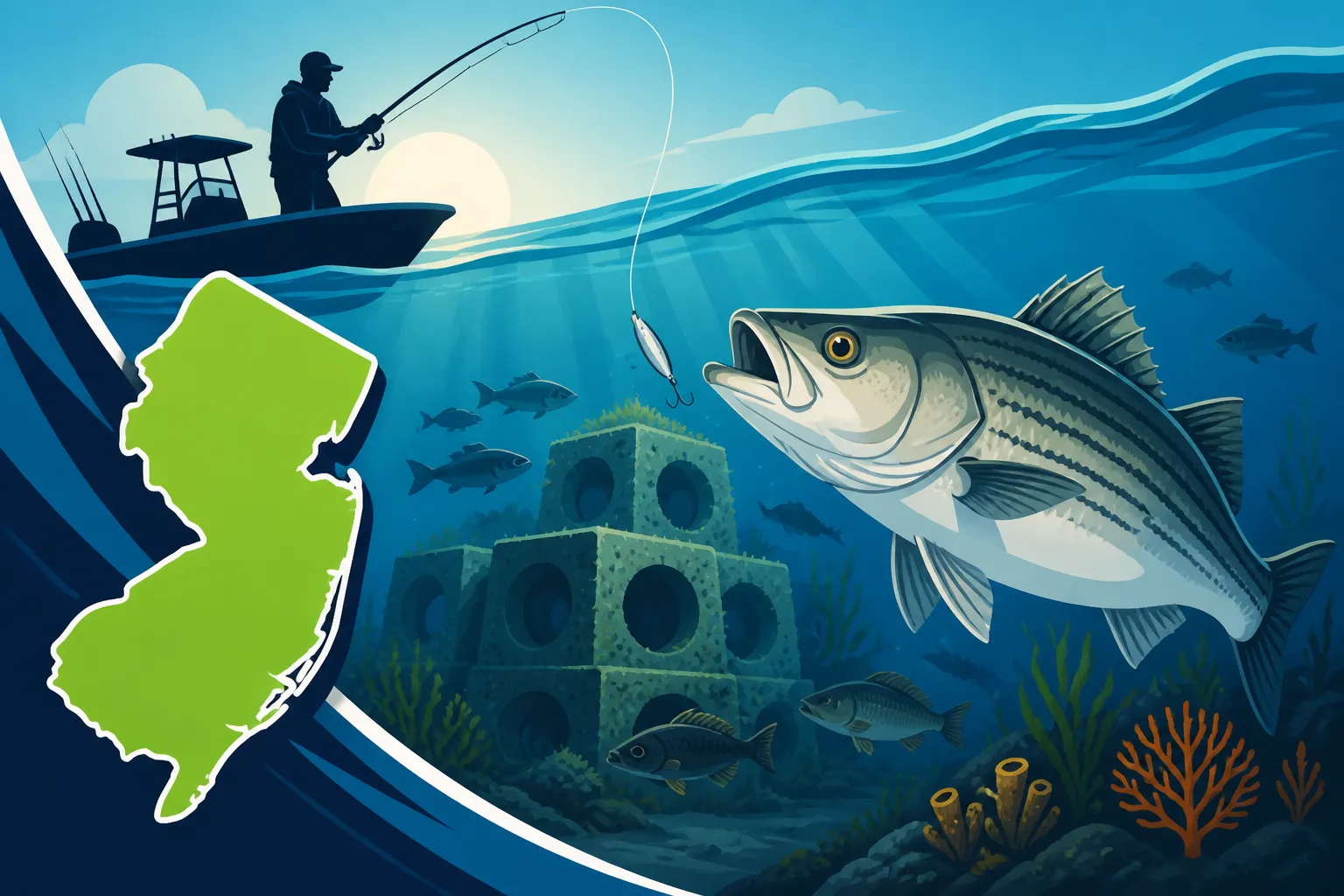
Think of an artificial reef as a bustling apartment complex dropped into an empty field. Suddenly, there are places for smaller baitfish to hide from predators, hard surfaces for barnacles, mussels, and sponges to attach, and crevices for crustaceans like crabs and lobsters to call home. This foundational layer of life, known as sessile organisms, attracts an even wider array of marine creatures, forming a complex food web. These organisms colonize the reef materials, providing both food and shelter, which in turn draws in larger predatory fish like black sea bass, tautog, and even fluke, which are always looking for an easy meal or a place to ambush prey.
Without these structures, many of these species would be far more dispersed, harder to find, and their populations potentially less robust. The reefs essentially provide essential spawning grounds, nursery habitats, and feeding stations, contributing significantly to the overall health and biodiversity of New Jersey's coastal waters. It's a win-win: healthy fish populations for the ecosystem, and better fishing opportunities for us!
Types of Materials Used in New Jersey Reef Construction
It might surprise you just how varied the "ingredients" are that go into building these underwater communities. When you hear "artificial reef," you might envision a pile of concrete blocks, and while that's certainly part of it, the New Jersey Department of Environmental Protection's Division of Fish and Wildlife has been quite innovative over the years. They’ve utilized everything from old military tanks and armored personnel carriers to retired subway cars and derelict barges. You might even find bridge rubble, concrete culverts, and intentionally designed pre-fabricated concrete reef units specifically engineered to attract certain species and withstand ocean conditions.
The choice of material often depends on availability, cost, and the specific habitat goals for a particular reef site. For instance, large, complex structures like subway cars or barges provide immense surface area and intricate internal spaces, mimicking natural rock outcroppings and wrecks. These larger structures are fantastic for attracting schools of baitfish and providing robust hiding spots for larger gamefish. Smaller, more uniform materials like concrete balls or pipes are often deployed to create more widespread, diverse habitat over a broader area. Each piece, regardless of its origin, plays a vital role in creating a rich, multi-layered habitat.
Benefits for Anglers and Marine Life
The advantages of a thriving artificial reef system are manifold, particularly for those of us who love to fish. For anglers, these reefs offer reliable, concentrated fishing grounds. Instead of endlessly trolling or drifting over miles of featureless bottom, we can target known hot spots where fish are practically guaranteed to be holding. This makes for more consistent catches, especially for species like black sea bass, tautog, and even fluke. It also reduces our search time and fuel consumption, making offshore fishing more accessible and affordable. If you've ever spent hours chasing elusive fish, you'll deeply appreciate the convenience and productivity these reefs provide.
Beyond the immediate gratification of a bent rod, these reefs contribute significantly to marine conservation. By providing crucial habitat, they help bolster fish populations, ensuring there are plenty of fish for future generations. They also act as natural fish aggregators, which can take pressure off overfished natural structures. Many charter boats and party boats rely heavily on these reefs, making them an economic boon for the coastal communities of New Jersey. It's a fantastic example of how human intervention, when done thoughtfully, can enhance nature and provide lasting recreational and ecological benefits.
Notable New Jersey Artificial Reef Sites
New Jersey boasts an extensive network of artificial reefs stretching from Sandy Hook down to Cape May, offering diverse fishing opportunities regardless of where you launch your boat. Each reef has its own character, depth, and typical species, so understanding a few of the most popular sites can really help you plan your next trip. Getting to know these spots can be the difference between a slow day and one where your cooler is brimming.
Northern Shore Reefs
Starting up north, closer to the bustling areas, you'll find some highly productive artificial reef sites that draw anglers from all over the region. These reefs are often easier to access for those launching from northern marinas but can still experience strong currents and a good amount of boat traffic.
The Sandy Hook Reef is a prime example, situated off the coast of Sandy Hook. This reef is a fantastic spot, easily accessible from ports like Atlantic Highlands or Shark River Inlet. It encompasses a variety of materials, including concrete rubble, tires, and even some old vessels. Anglers regularly target black sea bass here, and it's also a good spot for fluke, especially when drifting. It’s not uncommon to find schools of bluefish passing through or even striped bass feeding on baitfish congregating around the structure. Knowing the tides here is key, as strong currents can make fishing challenging but also bring in the baitfish.
Further south, but still in the northern zone, the Axel Carlson Reef (formerly known as the Sea Girt Reef) is another highly popular destination. Located off Point Pleasant Beach, this reef is an incredibly productive area thanks to its diverse deployments. You'll find everything from concrete reef balls to barges and even former subway cars. It's a perennial hotspot for black sea bass during their season, and tautog love to call its intricate structure home. Many anglers also find good numbers of cod and pollock here in the colder months. This reef can be quite large, so having good GPS coordinates and a fish finder to pinpoint specific structures is a huge advantage. The sheer amount of structure means it holds a lot of fish, but also means snags are a common occurrence, so be sure to bring plenty of extra tackle.
Central Jersey Reefs
Moving down the coast, the central part of New Jersey offers some equally productive and popular reef sites, often characterized by a mix of depths and structure types. These reefs are typically accessed from inlets like Manasquan, Barnegat, or Little Egg.
The Manasquan Inlet Reef is a fantastic example, located directly offshore from the inlet. This reef consists of a variety of concrete structures, including culverts and reef balls, providing excellent habitat in shallower to moderate depths. It’s a very popular spot, particularly for anglers seeking black sea bass and tautog. During the fluke season, drifting bucktails or Gulp! Swimming Mullets over the edges of the reef can be incredibly productive, as fluke often lie in wait for baitfish pushed out by the currents. You'll often see a good number of boats here, so practicing good boat etiquette and being aware of your surroundings is important.
Another central gem is the Barnegat Light Reef. Situated off the infamous Barnegat Inlet, this reef is one of the oldest and most well-established sites in the program. It boasts an impressive array of materials, including concrete demolition debris, steel ship hulls, and vast fields of reef balls. This diversity creates an incredibly rich environment for a wide range of species. It's a premier destination for black sea bass and tautog, but you'll also find abundant triggerfish in the warmer months, porgies, and even occasional cod or pollock during the colder seasons. The sheer size and maturity of this reef system mean it consistently produces good fishing, making it a favorite among experienced captains and recreational anglers alike. For specific depths and coordinates, anglers often consult official charts or specialized fishing apps before heading out.
Southern Shore Reefs
As you travel further south along the Jersey Shore, the artificial reef program continues to provide exceptional opportunities, with sites off Atlantic City and Cape May offering unique fishing experiences.
The Atlantic City Reef is a massive and highly productive complex, making it a cornerstone of the southern reef system. Located off Atlantic City, it’s accessible from inlets like Absecon or Great Egg. This reef is a true underwater city, constructed from an incredible volume of materials including old barges, tugboats, concrete structures, and even a retired Coast Guard cutter. The sheer scale and complexity of this reef make it a magnet for fish. Anglers here can expect outstanding black sea bass fishing, consistent tautog action, and often find good numbers of fluke, especially on drifts that cover the perimeter of the larger structures. It's also known to hold bluefish and even occasional weakfish. Its size means you can spend an entire day exploring different sections and still only scratch the surface.
Finally, at the very southern tip of the state, the Cape May Reef offers excellent fishing close to the Delaware Bay entrance. This reef, like many others, is composed of a mixture of concrete and steel deployments. Its proximity to the bay makes it a prime location for migratory species as well as resident reef dwellers. Black sea bass and tautog are, of course, primary targets. However, the Cape May Reef can also be an excellent spot for summer fluke, particularly when they transition from the bay to the ocean. You might also encounter drumfish, triggerfish, and even some smaller sharks attracted to the abundance of life. Access from Cape May or Wildwood is straightforward, making it a popular choice for southern New Jersey anglers.
Targeting Common Species on New Jersey Reefs
While artificial reefs attract a smorgasbord of marine life, certain species are particularly synonymous with these underwater structures. Knowing which fish call the reefs home and how to effectively target them will greatly increase your success rate. It's all about understanding their habits and preferences.
Black Sea Bass: The Reef Staple
If there's one fish that epitomizes New Jersey reef fishing, it's the black sea bass. These aggressive, structure-loving fish are almost always found congregated around the reefs, especially during their open seasons. They're popular for their delicious white meat and their feisty fight, making them a top target for many anglers. When you head to any of the New Jersey artificial reefs, black sea bass are almost certainly going to be on your radar. To successfully catch them, presentation and bait choice are crucial.
Black sea bass love to hide in and around structure, ambushing smaller prey. This means you need to get your bait or lure right in front of them. The most popular technique is jigging, often with How to Fish for Black Sea Bass Near Reefs bucktail jigs or diamond jigs tipped with a strip of clam, squid, or a Gulp! soft plastic. Drop your jig to the bottom, then work it with a series of sharp lifts and drops. Don't be afraid to try different colors and weights; sometimes a chartreuse jig will outperform a white one, or a heavier jig is needed to get through a strong current. Clam snappers, simple high-low rigs baited with fresh clam or squid, are also incredibly effective. Just make sure your sinker is heavy enough to hold bottom. Remember to check the current New Jersey Black Sea Bass Season and Limits as regulations can change.
Tautog: Structure-Loving Fighters
Tautog, or "tog" as they're affectionately known, are another prized reef species, famous for their powerful fight and their knack for living in the nastiest, most unforgiving structure. These fish are true bottom dwellers, preferring to pick crabs and shellfish from tight crevices. Targeting tautog requires patience, specialized tackle, and a willingness to fish in snag-prone areas. If you can master tog fishing, you're a truly skilled angler.
The key to tautog fishing is bait: fresh crabs. Green crabs are a staple, often cut in half for larger fish, or fished whole for smaller ones. Asian crabs and fiddler crabs are also excellent choices when available. How to Fish for Tautog Around Structure involves using a simple tog jig or a single-hook rig with a heavy sinker, allowing your bait to sit right on the bottom amidst the rocks and rubble. You'll need a stout rod and a strong reel, as these fish will try to pull you into the structure the moment they bite. The bite itself can be subtle, often described as a gentle "tap" before they commit. Setting the hook at the first sign of a bite is critical, and then holding on tight is paramount. Many seasoned tog anglers will tell you it's a game of feel, and only experience truly teaches you to differentiate a tog bite from a snag.
Other Reef Dwellers: Fluke, Triggerfish, and More
While black sea bass and tautog might be the headliners, New Jersey's artificial reefs host a diverse cast of other fascinating species. You never quite know what might show up on your line, adding an exciting element of surprise to every drop.
Fluke, or summer flounder, are frequently found on the fringes of artificial reefs, especially where there's a good current to wash bait over the structure. They don't typically live in the densest parts of the reef, but rather lie in wait on the sandy or muddy bottom adjacent to it, ambushing baitfish or crustaceans that emerge from the structure. Drifting bucktails tipped with Gulp! or natural bait like strips of squid or spearing is highly effective. Pay attention to the edges of the structure on your fish finder and focus your drifts there. Always be mindful of the New Jersey Fluke Size and Bag Limits Explained to ensure you're fishing legally.
In the warmer months, especially from mid-summer through early fall, triggerfish become a common and welcome sight on the reefs. These colorful, tricky-to-catch fish are known for their small mouths and incredibly strong jaws, capable of crushing shellfish. They have a notoriously light bite, often just nibbling at the bait. Small pieces of clam or squid fished on light tackle, often on high-low rigs with tiny hooks, are the best approach. They are excellent eating, but very frustrating to catch! Porgies (scup) are another common reef inhabitant, responding well to clam or squid baits on high-low rigs. And in the colder months, don't be surprised if you hook into some cod or pollock, which often move onto the deeper reefs during winter.
Essential Gear and Techniques for Reef Fishing
Successfully tackling New Jersey's artificial reefs requires more than just knowing where to go; it demands the right tools and a solid understanding of how to use them. The structure-rich environment means your gear needs to be robust, and your techniques precise to avoid constant snags and still entice the fish. Investing in quality gear, much of which you can find readily on Amazon, will pay dividends on these challenging grounds.
Rods, Reels, and Line for Reef Fishing
When it comes to reef fishing, "heavy-duty" is the name of the game. You're not looking for finesse; you're looking for power and durability. For black sea bass and tautog, a medium-heavy to heavy conventional rod, typically 6 to 7 feet long with a fast action, is ideal. This gives you the backbone needed to pull fish away from structure and the sensitivity to feel those subtle bites. Brands like Ugly Stik or Penn offer reliable and affordable options that are perfect for this type of fishing and are easily found on Amazon.
Pair your rod with a conventional reel that has a strong drag system and can hold a good amount of braided line. Reels in the 20-30 pound class are usually sufficient. For example, a Penn Squall or a Shimano Torium would be excellent choices. Braided line is almost essential for reef fishing, typically 30-50 lb test. Its lack of stretch allows for maximum sensitivity, helping you feel every tap, and its thin diameter for its strength means you can cut through currents more effectively. However, braid is highly visible, so you'll always want to use a fluorocarbon leader, usually 30-60 lb test, depending on your target species and the gnarlyness of the structure. Many anglers will opt for heavier leader, even up to 80lb, if they are specifically targeting large tautog in very rocky areas.
Baits and Lures That Dominate the Reef
The adage "match the hatch" holds true, but for reef fish, a few staple baits and lures consistently outperform the rest. For black sea bass, bucktail jigs are king. Carrying an assortment of weights (from 2 to 6 ounces) and colors (white, chartreuse, glow) is crucial. Tipping these jigs with a strip of squid, clam, or a Gulp! Grub or Swimming Mullet adds scent and visual appeal, often making them irresistible. You can stock up on these versatile lures and soft plastics on Amazon before your trip. Diamond jigs are also effective, especially when sea bass are schooling mid-water.
For tautog, as mentioned, fresh crabs are paramount. Green crabs, Asian crabs, and sometimes hermit crabs are your best bet. Keep them alive and fresh if possible. For other species like porgies or triggerfish, fresh clam or squid strips are highly effective. When it comes to lures for fluke around the reefs, a bucktail jig with a grub or a live killie on a traditional fluke rig works wonders. Always consider what natural food sources are present on the reef when making your bait selection.
Anchoring and Positioning Strategies
Successfully fishing a reef often comes down to precise boat positioning. These structures are often relatively small compared to the vastness of the ocean, so dropping anchor directly on a productive patch or drifting over it repeatedly is key. This is where How to Read Tide Charts for Better Fishing in New Jersey comes into play; understanding the current will dictate your approach.
If you're anchoring, the goal is to position your boat upstream of the structure, allowing your baits to drift naturally over the fish-holding areas. This can take a few tries, especially in strong currents or deeper water. A reliable GPS and a good fish finder are indispensable here. Circle around the structure, mark it on your plotter, and then motor a sufficient distance upcurrent before dropping anchor. Pay attention to how your boat swings on the anchor.
Alternatively, many anglers prefer to drift. This allows you to cover more ground and present your bait to a wider area of the reef. The trick is to identify a productive section of the reef and then set up a drift that takes you directly over it. If your drift is too fast due to strong currents, you might need to deploy a sea anchor (drogue) to slow your boat down, allowing your baits to stay in the strike zone longer. This is particularly effective for fluke, but can also be adapted for sea bass.
Navigating Regulations and Safety on Reefs
Fishing New Jersey's artificial reefs offers incredible opportunities, but it's essential to stay informed about the rules and prioritize safety. The ocean, even near shore, can be an unpredictable environment, and regulations are in place to protect both anglers and the resource. Ignoring them can lead to disappointment or even danger.
Understanding Size and Bag Limits for Reef Species
One of the biggest frustrations for anglers is catching a beautiful fish only to realize it's out of season or undersized. Regulations for popular reef species like black sea bass, tautog, and fluke are subject to change annually, sometimes even mid-season, based on scientific assessments and management decisions. It's not uncommon for anglers to miss a memo, so checking the latest official digest from the New Jersey Division of Fish and Wildlife is paramount. You can usually find the most up-to-date information on their website or by grabbing a physical copy from a bait shop.
For example, black sea bass often have different size limits and bag limits depending on the time of year, with specific open and closed seasons. Tautog also have very specific seasons and often stricter limits due to their slower growth rates and susceptibility to overfishing. New Jersey Fishing Regulation Changes for 2026 are something every angler should review before heading out. Make it a routine to verify the regulations just before your trip. This includes remembering your New Jersey Saltwater Registry Explained which is free but mandatory for most saltwater anglers. Carrying a ruler or measuring tape and a digital scale on board is always a good practice to ensure compliance. Ignorance of the law is not an excuse, and penalties for violations can be steep.
Safety Considerations and Best Practices
The open ocean, even relatively close to shore, demands respect. Safety should always be your number one priority when heading out to the artificial reefs. Conditions can change rapidly, and being prepared is not just smart, it's potentially life-saving.
Always check the marine weather forecast before you leave the dock. Pay attention to wind speed, wave height, and any advisories. Even a moderate chop can make fishing uncomfortable and unsafe in a smaller boat. Inform someone on shore of your float plan – where you're going, who's with you, and when you expect to return. Ensure all required safety gear is on board and easily accessible: life jackets for everyone, flares, a horn or whistle, a throwable flotation device, and a first aid kit. A reliable VHF radio is crucial for communication, especially if cell service drops offshore.
Navigating around reefs also means being aware of other boats. These are popular spots, and boat traffic can be heavy, particularly on fair-weather weekends. Maintain a safe distance from other vessels, especially when anchoring or drifting, and be mindful of their lines in the water. Keep a sharp eye on your fish finder to avoid running aground on exposed structure or snagging your propeller. A good pair of polarized sunglasses will help you spot obstacles and identify potential fish activity. Don't push your boat or your comfort level in marginal conditions.
Environmental Stewardship on the Reefs
As anglers, we have a responsibility to be stewards of the marine environment, especially on these invaluable artificial reefs. Our actions directly impact the health and longevity of these ecosystems. The reefs are there to benefit us, so we must do our part to protect them.
The most fundamental practice is proper waste disposal. Absolutely nothing should be thrown overboard. This includes fishing line, bait containers, food wrappers, and especially any broken tackle. Monofilament and braided line can be deadly to marine life, entangling birds, turtles, and fish. Carry a trash bag and bring everything back to shore for proper disposal. Many tackle shops even have special bins for recycling fishing line.
Practice catch and release responsibly for any fish you don't intend to keep or that are undersized. Minimize their time out of water, handle them gently with wet hands, and use de-hooking tools if necessary. For black sea bass, which often get "barotrauma" from being reeled up from deep water, learning how to properly vent or use a descending device can greatly increase their survival rate. Avoid snagging and leaving excessive amounts of tackle on the reefs, as this can foul the structure and become a hazard for fish. Treating the reefs with respect ensures they remain productive and vibrant for all of us to enjoy for years to come.
Reef Fishing Opportunities by Season
Understanding how the seasons affect fish behavior on New Jersey's artificial reefs is paramount to consistent success. Just like on land, the underwater world changes throughout the year, with different species becoming more active or migrating through the area. Timing your trips to align with these seasonal patterns will significantly boost your chances of a banner day.
| Season | Primary Target Species | Optimal Techniques | Key Considerations |
|---|---|---|---|
| Spring | Black Sea Bass, Tautog, Cod | Jigging, Bait Fishing (Clam, Crab) | Opening day rush, cold water, migratory patterns, check regulatory changes. |
| Summer | Fluke, Black Sea Bass, Triggerfish, Porgies | Drifting, Jigging, Hi-Lo Rigs (Squid, Clam) | Warm water, abundant bait, increased boat traffic, fluke on reef edges. |
| Fall | Black Sea Bass, Tautog, Striped Bass, Bluefish | Jigging, Bait Fishing (Clam, Crab), Live Lining, Trolling | Fall run activity, cooler water, larger fish, baitfish aggregations. |
| Winter | Cod, Pollock, Tautog (if open) | Jigging (Diamond Jigs), Bait Fishing (Clam, Squid) | Coldest water, fewer boats, weather-dependent, deeper reefs, limited species. |
Spring into Action: Early Season Reef Fishing
As the chill of winter finally gives way to the warming waters of spring, the artificial reefs begin to awaken with renewed activity. This is a highly anticipated time for many New Jersey anglers, especially those eager for their first taste of fresh fillets after a long, cold off-season. The spring months, typically April through June, offer fantastic opportunities for specific species, but require attention to opening dates and weather patterns.
One of the biggest draws in spring is the opening of black sea bass season. These fish are often found in good numbers on the reefs as they become more active after their winter sluggishness. Jigging with bucktails tipped with squid or clam is a deadly method. You might also find some holdover cod or pollock, especially on the deeper reefs, as they begin to move offshore. New Jersey Trout Season Preseason Closure Explained shows how critical opening dates are for fishing, and the same careful attention should be paid to saltwater regulations. Tautog fishing can also be excellent in the early spring, provided the season is open. They'll be hungry after winter and eager to hit crab baits. However, be prepared for cooler water temperatures and potentially choppy seas, as spring weather can be quite unpredictable. Dress in layers and always have a good rain suit handy.
Summer's Bounty: Reef Fishing in Warm Waters
Summer truly brings the reefs to life, with warmer water temperatures attracting a wider variety of species and an abundance of baitfish. This is often the busiest time on the water, and for good reason – the fishing can be phenomenal. From July through September, the reefs are bustling with activity, offering something for every angler.
Fluke become a primary target during the summer, often found on the sandy fringes and patchy bottom surrounding the main reef structures. Drifting with bucktails, traditional fluke rigs, or even Best Bait for Fluke Fishing live baits like killifish or peanut bunker can be incredibly productive. Black sea bass fishing continues to be strong, though they might move slightly deeper or hold in different parts of the reef as water temperatures peak. This is also prime time for species like triggerfish and porgies, which relish the warmer water and can be targeted with small baits on light tackle. Anglers might also encounter bluefish or even small sharks cruising the reefs. The key in summer is to go early or late in the day to avoid the worst of the heat and boat traffic. Hydration is crucial, and wearing appropriate sun protection will make your day much more enjoyable.
Fall Run Feast: Reef Fishing as Waters Cool
As the days shorten and the water temperatures begin to drop in the fall, New Jersey's artificial reefs become even more productive, often offering some of the best fishing of the entire year. This period, roughly from October through December, is marked by intense feeding activity as fish prepare for winter or migrate south.
The fall run sees an explosion of baitfish, which in turn attracts large predatory species to the reefs. Black sea bass fishing can be truly outstanding, with larger, more aggressive fish eager to hit jigs and bait. This is often when anglers catch their biggest sea bass of the season. Tautog fishing also hits its stride, as these tough fighters become more active and numerous. Their powerful bites and dogged fights make them a favorite fall target. You might also encounter Best Time of Year to Fish for Striped Bass in New Jersey stripers and bluefish feeding around the reefs, especially if there's an abundance of bunker or other baitfish in the area. Often, these species will be near the surface or just above the reef, while the sea bass and tog hold tight to the bottom. The cooler, crisp air and often calmer seas of fall make for very pleasant fishing conditions, but be ready for rapid temperature drops and always monitor weather closely.
Winter Chill: Limited but Rewarding Reef Fishing
While many boats are hauled out for the winter, a dedicated few still brave the cold for the unique opportunities that winter reef fishing can provide. From January through March, the species list narrows, but the rewards can be significant for those willing to bundle up.
Cod and pollock become the primary targets on the deeper artificial reefs during the winter months. These cold-water species move onto the structures, seeking food and shelter. Jigging with diamond jigs or bait fishing with clams and squid are the most effective methods. Tautog season can sometimes extend into the early winter, offering a chance for some truly large fish before they become completely dormant or move to deeper, warmer waters. Winter fishing is often characterized by fewer boats on the water, offering a peaceful solitude, but also demanding extra caution. The weather windows are often short, and sudden cold fronts or strong winds can make conditions treacherous. Always prioritize safety, have a reliable boat, and ensure all your gear is in top condition. Dressing in warm, waterproof layers is non-negotiable for staying comfortable and safe in the biting winter winds.
Disclaimer
Fishing regulations, including size and bag limits, seasons, and licensing requirements, are subject to change by the New Jersey Department of Environmental Protection's Division of Fish and Wildlife. While this guide provides general information, it is the angler's responsibility to consult the most current official New Jersey Fish and Wildlife Digest or their website before each fishing trip to ensure full compliance with all applicable laws and regulations. We are not responsible for any changes or discrepancies.