Can You Keep a 40-Inch Striped Bass in New Jersey?
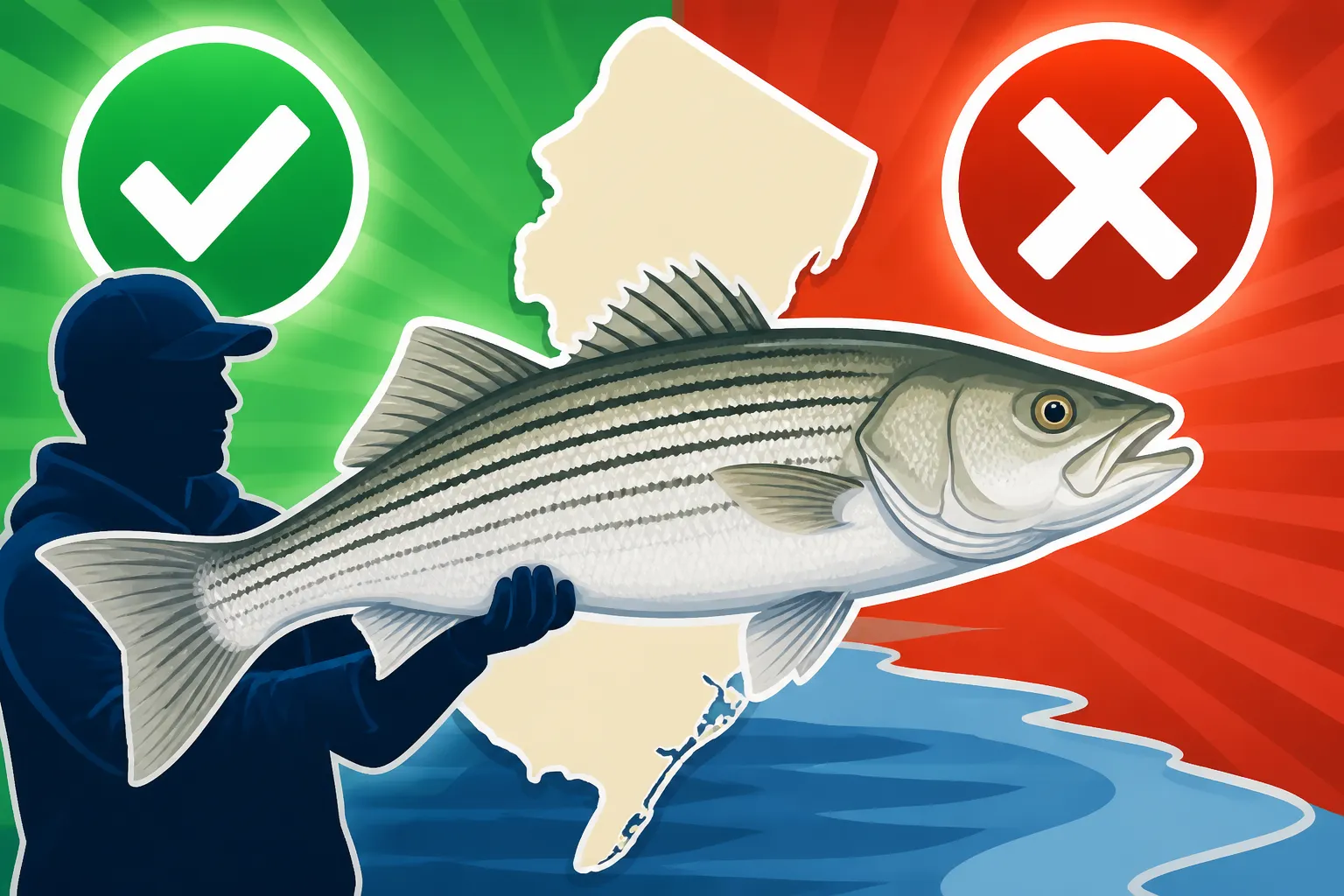
It’s a dream for many anglers to hook into a massive striped bass, a true Jersey leviathan. But let’s be brutally honest right from the start: if you land a 40-inch striped bass in New Jersey, you absolutely cannot keep it. This guide is here to walk you through why that gorgeous, oversized fish must be released, the crucial reasons behind these regulations, and how to safely send it back to spawn another day.
The Strict Reality of New Jersey's Striped Bass Slot Limit
The excitement of reeling in a big striped bass is unparalleled, but imagine the confusion and disappointment when you realize that prized 40-inch fish isn't legal to keep. It's a tough pill to swallow, especially when you've fought hard to bring it to the boat or the beach. The simple truth is, New Jersey, like most states along the Atlantic coast, employs a strict "slot limit" for striped bass, and a 40-inch fish falls outside that legal harvest window.
What the Current Regulations Dictate for Striped Bass
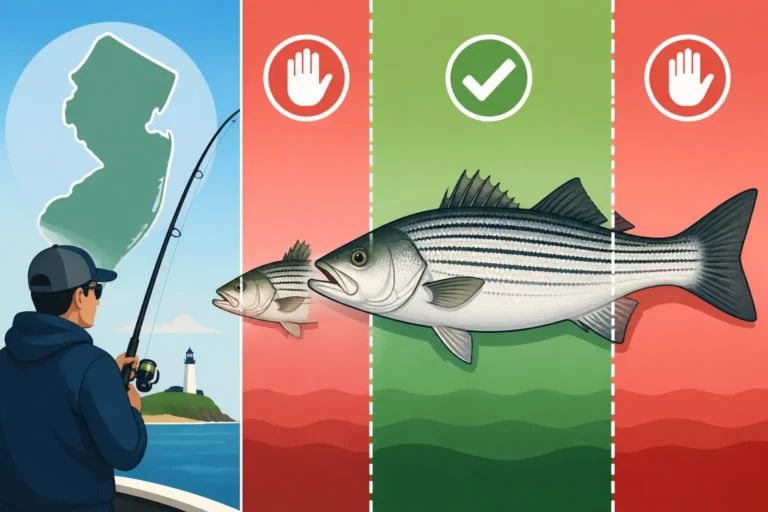
As of recent regulations, recreational anglers in New Jersey are permitted to keep one striped bass per person per day, provided it falls within a very specific size range. This is often referred to as a "slot limit." Currently, that slot is typically 28 to 31 inches total length in coastal waters and federal waters. This means any striped bass shorter than 28 inches or longer than 31 inches must be immediately released. So, a magnificent 40-inch striped bass, while an incredible catch, is well over the maximum legal length for retention. It's vital to remember that these rules are subject to change, sometimes even mid-season, as fisheries management adapts to stock assessments. For the most current information, always refer to the official New Jersey Fish and Wildlife Digest: Where to Find the Current Rules.
Why Trophy Fish Like a 40-Incher Are Protected
The primary reason why these larger, trophy-sized striped bass are off-limits is pure, unadulterated conservation. Think of a 40-inch striper as a grand matriarch of the species. These are typically large, mature female fish, often referred to as "broodstock," and they are the most prolific spawners in the population. A single large female can produce tens of millions of eggs in a spawning season, making her biological value to the future of the striped bass fishery immense. Protecting these large breeding fish ensures that they can continue to reproduce, contributing significantly to the overall health and sustainability of the stock. It might feel counterintuitive to release such a magnificent catch, but it's a critical sacrifice for the long-term health of the species we all love to pursue. This also applies to other species that have specific size limits, like understanding the New Jersey Fluke Size Limit: 18 Inches to ensure you're fishing legally.
Why New Jersey Uses a Slot Limit for Striped Bass
Understanding why slot limits exist can help ease the frustration of releasing a magnificent fish. It’s not just about making things difficult for anglers; it’s a carefully considered strategy based on scientific data and conservation goals. New Jersey, along with other states involved in the Atlantic Coast striped bass fishery, has adopted these measures to ensure the species thrives for generations to come.
Protecting the Spawning Stock for Future Generations
The core principle behind a slot limit is to protect the most reproductively valuable fish. For striped bass, the females tend to grow larger and live longer than the males, and their reproductive output increases exponentially with size and age. A 40-inch striped bass is almost certainly a mature female, capable of producing a massive number of eggs. By placing an upper limit on the size of fish that can be harvested, we create a protected class of these "super spawners." This strategy aims to allow these large, productive fish to continue contributing to the population's gene pool for many years, enhancing the resilience and recovery of the overall stock. Without these large breeders, the population would struggle to rebound from environmental pressures or overfishing. The goal is simple: ensure enough healthy, mature fish are in the water to keep the cycle going strong.
Balancing Angler Opportunity with Conservation Goals
It's a delicate dance for fishery managers: how do you allow anglers to enjoy their sport and bring home a meal, while simultaneously safeguarding the fish population? The slot limit is an attempt to strike this balance. The lower end of the slot (28 inches) allows anglers to keep younger, but still mature, fish that have had at least one or two spawning cycles. This provides a reasonable opportunity for harvest without impacting the most crucial breeding stock. The upper end of the slot (31 inches) protects those highly valuable, large females. It’s a compromise that ensures there are still plenty of fish for recreational angling, while giving the biggest, most important fish a pass. This approach helps to sustain both the fish population and the recreational fishery, which is a significant economic driver for communities along the Jersey Shore. It's part of a broader management strategy, including specific rules like the New Jersey Striped Bass Slot Limit Explained, all designed to ensure the future of this iconic species.
Catching an Oversized Striped Bass: What to Do
So, you’ve battled a monster striper, and now it’s boat-side or on the beach. You know it’s over the limit. What’s next? Your actions in the next few minutes are critical for that fish’s survival. Proper catch and release techniques are paramount, especially when dealing with large, powerful fish that are already stressed from the fight. Failing to release them correctly can negate the conservation efforts entirely.
Mastering Catch and Release for Large Fish
Releasing an oversized striped bass successfully is an art form. First and foremost, minimize the fight time as much as possible to reduce exhaustion. When you get the fish close, try to keep it in the water. If you must bring it aboard for a quick photo, wet your hands thoroughly before touching it. Never use a gaff on a fish you intend to release, and avoid lifting large stripers by the jaw, tail, or gill plates if not properly supported. If you’re fishing from a boat, a cradle net or a large, rubberized landing net is ideal for controlling the fish without damaging its slime coat or fins.
For hook removal, use dehookers or pliers. If the fish is deeply hooked, especially in the gills or gut, it’s often best to cut the line as close to the hook as possible rather than attempting a forceful removal. Circle hooks are highly recommended when bait fishing for striped bass because they significantly reduce gut-hooking, making releases much safer. You can find excellent quality circle hooks and dehookers at most tackle shops or online retailers like Amazon.
Once the hook is out, revive the fish. Hold it gently in the water, facing into a current, allowing water to flow over its gills. Don't pump it back and forth, as this can force water the wrong way. The fish will let you know when it's ready to swim away under its own power. It might take a few minutes, especially for a large, tired fish. Be patient. This careful handling is part of responsible angling and aligns with New Jersey Catch and Release Striped Bass Handling Rules.
Here’s a quick guide for catch and release:
| Action | Best Practice for Striped Bass Release | Why It Matters |
|---|---|---|
| Fight Time | Minimize duration; use appropriate tackle | Reduces exhaustion and lactic acid buildup, increasing survival |
| Handling | Keep in water if possible; wet hands; use rubberized net; support body | Protects slime coat and internal organs; prevents spinal injury |
| Hook Removal | Use dehooker/pliers; cut line if deeply hooked; use circle hooks | Minimizes tissue damage; increases survival rate for gut-hooked fish |
| Revival | Hold gently in current, facing forward; wait for strong kick | Ensures oxygenation of gills; allows fish to recover before swimming off |
| Photography | Quick, minimal time out of water; support horizontally | Reduces stress and internal organ damage from gravity on unsupported fish |
The Consequences of Disregarding Striped Bass Regulations
Fishing regulations aren't suggestions; they are laws designed to protect natural resources. Getting caught with an oversized striped bass – or any fish outside the legal limits – can lead to serious repercussions. New Jersey Conservation Police Officers are diligent in enforcing these rules, whether they're checking anglers on a party boat, at a popular fishing pier like the one in Belmar, or patrolling remote stretches of the surf.
If you are found in possession of an illegal striped bass, you could face significant fines, potentially ranging from hundreds to even thousands of dollars. Beyond monetary penalties, you might also have your fishing license suspended or revoked. For serious or repeat offenses, there could even be equipment confiscation. It's simply not worth the risk. Respecting the slot limit protects the fish and your wallet. Anglers should always be aware of the rules to avoid issues, including understanding Penalties for Fishing Without a License in New Jersey and specific species regulations.
Staying Up-to-Date with New Jersey Striped Bass Regulations
The world of fishing regulations isn't static. It's a dynamic environment where rules can and do change with scientific assessments, environmental shifts, and even political influences. What was legal last year might not be legal this year, or even next month. This constant evolution can be a source of frustration for many anglers, but staying informed is your best defense against inadvertently breaking the law.
Essential Resources for Anglers to Check Regularly
To avoid any nasty surprises, it’s absolutely crucial to consult official sources for the most current regulations before every fishing trip. The single best resource for New Jersey anglers is the New Jersey Department of Environmental Protection (NJDEP) Division of Fish and Wildlife website. They publish the official New Jersey Fish and Wildlife Digest annually, which is the definitive guide to all freshwater and saltwater fishing regulations, including specific details on striped bass, fluke, and many other species. You can usually find a digital copy of the digest on their website, or pick up a physical copy at licensed bait and tackle shops throughout the state. Many anglers like to download the PDF to their phone for quick reference on the water.
Beyond the annual digest, the NJDEP website will often post emergency rule changes or updates throughout the year. It's a good habit to check their "Hot Topics" or "Regulation Updates" sections, especially for species like striped bass that are often subject to interstate management changes. Additionally, subscribing to their email newsletters can provide timely alerts directly to your inbox. Local bait and tackle shops are also invaluable resources; the folks who work there are typically avid anglers themselves and stay very current on local rules.
Understanding How Regulations Can Change Season to Season
The regulations governing migratory species like striped bass aren't solely determined by New Jersey. These fish travel up and down the Atlantic Coast, meaning their management is a collaborative effort involving multiple states and federal agencies. The Atlantic States Marine Fisheries Commission (ASMFC) is an interstate compact that manages shared migratory fish stocks along the East Coast, including striped bass. They develop fishery management plans, and individual states then implement regulations to comply with those plans. This means that a change proposed by the ASMFC can lead to New Jersey needing to adjust its slot limits, bag limits, or season dates to maintain compliance.
These changes are driven by scientific stock assessments that gauge the health of the fish population. If a stock is deemed overfished or experiencing a decline, stricter measures are often implemented. Conversely, if a stock recovers, there might be some loosening of restrictions. The process involves extensive scientific research, public input, and interstate coordination. This is why you'll often see news about New Jersey Fishing Regulation Changes for 2026 or adjustments to the New Jersey Striped Bass Slot Limit Each Year. It's a complex system, but it's designed with the long-term health of the fishery in mind. Always check the current rules, because what you catch today, you might have to release tomorrow if the regulations shift.
Disclaimer
The information provided in this guide is for general informational purposes only and is not legal advice. Fishing regulations in New Jersey are subject to change by the New Jersey Department of Environmental Protection (NJDEP) Division of Fish and Wildlife, the Atlantic States Marine Fisheries Commission (ASMFC), and other governing bodies. It is the angler's responsibility to review and comply with all current federal, state, and local fishing regulations before engaging in any fishing activity. Always consult the official New Jersey Fish and Wildlife Digest or the NJDEP website for the most up-to-date and accurate information.