New Jersey Striped Bass Slot Limit: 28 to 38 Inches
It’s happened to all of us: you’re out on the water, reeling in what feels like a monster striped bass, your heart pounding with excitement. But as it gets closer to the boat or the shoreline, a familiar anxiety creeps in. Is it a keeper? Or is it one of those dreaded "out-of-slot" fish that you have to gently release? New Jersey's fishing regulations, especially for popular species like striped bass, can feel like they change every other week, leaving even seasoned anglers scratching their heads. This guide is here to untangle the specifics of the current New Jersey striped bass slot limit of 28 to 38 inches, helping you understand not just the rules, but why they exist, and how to stay compliant.
Understanding the New Jersey Striped Bass Slot Limit
For many anglers, the striped bass is the quintessential New Jersey game fish. From the back bays to the surf, catching a striper is a thrill, and knowing the rules is crucial to protecting this incredible fishery. The term "slot limit" can be a bit confusing if you're used to simple minimum size rules. Let's break down what it actually means for your striped bass adventures.
What Exactly is a Slot Limit?
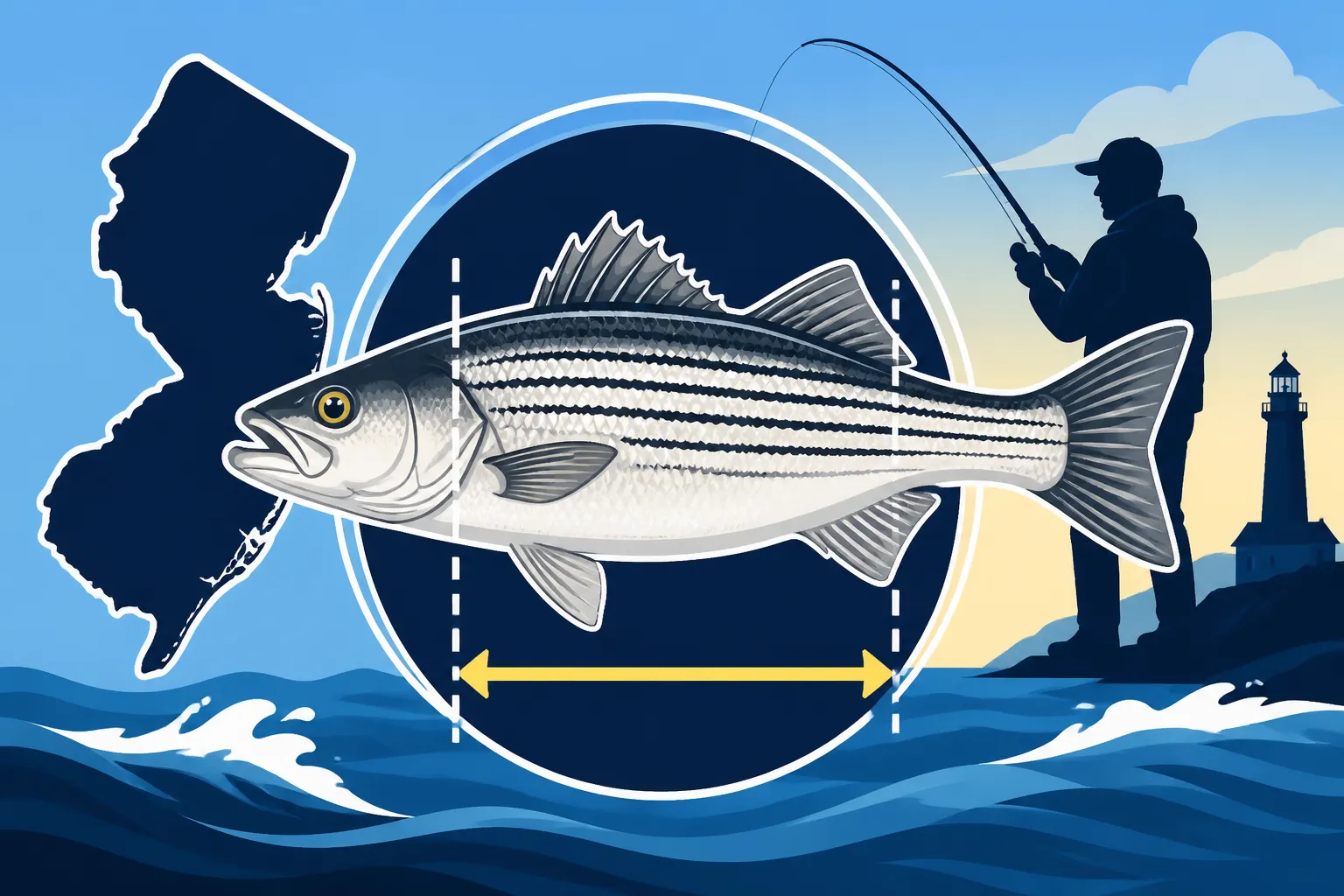
Forget everything you know about just a minimum size. A slot limit is a specific range of sizes within which you are allowed to keep a fish. Any fish smaller than the minimum or larger than the maximum in that "slot" must be released immediately and unharmed. Think of it like a window: if your fish fits perfectly in that window, it's a keeper. If it's too short or too tall, it goes back into the water. For New Jersey striped bass, that window currently sits firmly between 28 and 38 inches. This means a striped bass measuring 27.9 inches is illegal to keep, and so is a fish measuring 38.1 inches. Only fish that are at least 28 inches long and no more than 38 inches long can be retained. This regulation applies to recreational anglers, whether you're fishing from shore, a private boat, or even on a New Jersey party boat.
The implementation of a slot limit isn't just about making fishing more complicated; it's a sophisticated conservation strategy. It allows anglers to harvest some fish for consumption while simultaneously protecting the most vulnerable segments of the population. Unlike a simple minimum size limit which often aims to protect juvenile fish, a slot limit goes a step further by also protecting the largest, most reproductively valuable fish in the population.
Why the 28 to 38-Inch Range for Striped Bass?
The 28 to 38-inch slot limit for striped bass in New Jersey is a direct result of ongoing efforts to manage and rebuild the striped bass population along the Atlantic coast. Historically, striped bass faced significant conservation challenges, and while numbers have improved, federal and state agencies continually monitor stock assessments to ensure the fishery remains sustainable. The specific 28-to-38-inch range is carefully chosen to achieve a few critical objectives.
Firstly, it protects the juvenile fish, those under 28 inches, allowing them to grow larger and reach reproductive maturity. These younger fish contribute to the future of the fishery by growing into spawning adults. Secondly, and perhaps most importantly for a slot limit, it protects the largest, most fecund female striped bass. These "trophy" fish, often over 38 inches, are the powerhouse breeders of the population, laying millions of eggs each spawning season. By releasing these larger fish, New Jersey, in conjunction with other Atlantic states, helps ensure that the spawning stock biomass remains healthy, thereby increasing the chances of successful reproduction and recruitment of new generations of striped bass. You can delve deeper into how these rules are established by reading about How New Jersey Sets Its Fishing Regulations Each Year.
The decision to adjust these limits is often a complex, data-driven process involving biologists, managers, and input from various angling groups. It’s not uncommon for these regulations to shift based on the latest scientific assessments of the fish stock. Anglers might find it frustrating when regulations change, but it's always with the long-term health of the fishery in mind. This slot limit is a vital tool to balance recreational fishing opportunities with the necessary conservation of this iconic species.
Practical Implications of the Striped Bass Slot Limit
Navigating the slot limit requires more than just knowing the numbers; it demands careful attention to how you measure your fish and how you handle those that don't fit the criteria. Mishandling these situations can lead to fines and negatively impact the very fish we aim to protect.
Measuring Your Catch Accurately
When you catch a striped bass in New Jersey, accurate measurement is absolutely paramount. There's no room for "close enough" when it comes to the 28 to 38-inch slot limit. The measurement is taken from the tip of the jaw (mouth closed) to the farthest end of the tail with the tail compressed. This isn't always easy, especially on a rocking boat or a sandy beach, but it's a requirement.
To ensure accuracy, you'll need a reliable measuring device. Many anglers carry a sturdy measuring tape or a specialized fish ruler that adheres to the boat or cooler. Products like the Fish Grip or various measuring boards available on Amazon can be incredibly helpful for getting an exact read. Lay the fish flat on its side, mouth closed against the start of your measuring device, and pinch the tail to get the longest possible length. Don't eyeball it; get a precise measurement. Getting it wrong, even by an inch, can result in penalties for fishing violations, which you can learn more about in What Happens If You Get Caught Fishing Without a License in New Jersey?. It's a good habit to measure every fish you intend to keep, even if it looks like a slam-dunk keeper.
Here’s a quick reference table for clarity:
| Striped Bass Length | Legality in New Jersey | Action Required |
|---|---|---|
| Under 28 inches | Illegal to keep | Immediate release |
| 28 inches to 38 inches | Legal to keep (within bag limits) | Retain (ensure it's within daily bag limit) |
| Over 38 inches | Illegal to keep | Immediate release |
Handling Out-of-Slot Fish with Care
Since a significant portion of your striped bass catches will inevitably fall outside the 28 to 38-inch slot, mastering proper catch-and-release techniques is crucial. The goal isn't just to release them, but to release them in the best possible condition to maximize their survival. This is especially true for the larger, more mature breeders that are so vital to the future of the fishery.
One of the most important tools for responsible striped bass fishing, especially when bait fishing, is a circle hook. New Jersey, like other states, has regulations requiring the use of circle hooks when fishing for striped bass with bait. These hooks are designed to hook fish in the corner of the mouth, avoiding deep gut hooks that often prove fatal. If you're using bait, make sure your hooks meet the requirements; you can read more about it in Do You Need a Circle Hook to Fish for Striped Bass in New Jersey?. Beyond the hook, minimize the time the fish is out of the water. Have your camera ready if you want a quick photo, but get that fish back into its element as quickly as possible. Avoid dragging fish on sand or rough surfaces, and if possible, use a net made of rubberized mesh to protect their slime coat and fins.
When you're ready to release an out-of-slot fish, support its body horizontally and gently guide it back into the water. If it seems sluggish, hold it in the current, allowing water to flow over its gills until it regains strength and swims away on its own. Avoiding excessive handling, especially around the gills, greatly increases the fish's chances of survival. These practices contribute directly to the conservation goals behind the slot limit, ensuring that the fish we release have the best chance to thrive and spawn again.
Navigating Striped Bass Seasons and Regulations Beyond the Slot
While the 28 to 38-inch slot limit is a primary concern for striped bass anglers, it's just one piece of the regulatory puzzle. There are other important rules, like bag limits and possession guidelines, that you need to be aware of. Plus, regulations aren't static, so staying informed is key.
Daily Bag Limits and Possession Rules
In New Jersey, a fishing license is required for freshwater fishing, but for saltwater, you must register with the free New Jersey Saltwater Registry Explained if you are 16 years or older, which helps the state track angler effort. While the saltwater registry is different from a license, understanding both is important for overall compliance. Beyond that, the slot limit for striped bass goes hand-in-hand with a daily bag limit. Currently, recreational anglers are generally allowed to keep one striped bass per person per day, provided it falls within the legal 28 to 38-inch slot. This bag limit is a crucial component of managing the overall harvest pressure on the striped bass population.
It's important to understand that "possession" means any fish you have in your cooler, on your stringer, or in your vehicle. If you catch your one legal slot fish and continue fishing, any subsequent striped bass you catch, regardless of size, must be immediately released. Don't make the mistake of thinking you can catch and swap out a smaller slot fish for a larger one later in the day. Once you've retained your one legal fish, your striped bass fishing for the day (for retention purposes) is essentially over. Make sure you check the latest New Jersey Daily Bag Limits by Species for any updates, as these can be revised seasonally.
Staying Informed About Regulation Changes
One of the most challenging aspects of fishing in New Jersey is the dynamic nature of regulations. Striped bass rules, in particular, can change due to federal mandates, stock assessments, and environmental factors. What was legal last year might not be legal this year, or even next month! Relying on old information or hearsay from a buddy can lead to serious trouble.
The absolute best resource for current and accurate New Jersey fishing regulations is the official New Jersey Department of Environmental Protection (NJDEP) Division of Fish and Wildlife website. They publish the annual Reading the New Jersey Fish and Wildlife Digest, which is available both online and in print at many tackle shops. This digest is your bible for all things fishing, covering bag limits, size limits, seasons, and any special rules. Additionally, the NJDEP often issues press releases or updates on their social media channels for emergency regulation changes. It's a good practice to check their website before every fishing trip, especially if you haven't been out in a while or are targeting a species known for fluctuating regulations. Various fishing apps also provide real-time updates, some of which are available via platforms like Amazon, but always cross-reference with official state sources.
Common Questions and Scenarios About the Slot Limit
Even with a clear understanding of the rules, specific scenarios on the water can still spark questions. Let's address some common dilemmas anglers face with the striped bass slot limit.
What if I Catch a Striped Bass Over 38 Inches?
This is often the most heartbreaking scenario for anglers – hooking into a truly massive striped bass, only to realize it's too big to keep. While the temptation might be strong, if your striped bass measures over 38 inches, it must be immediately released. No exceptions. These large fish are the backbone of the spawning population, often mature females capable of laying millions of eggs. Their protection is critical for the long-term health of the species.
Attempting to keep an over-slot striped bass can result in significant fines and penalties. Conservation Police Officers are frequently on patrol, especially in popular striped bass fishing areas, and they are well-versed in checking for compliance. It's not worth the risk. The thrill of catching such a magnificent fish, even if released, is a reward in itself. Consider it your contribution to future generations of striped bass and anglers. If you're curious about the largest fish ever caught in the state, you can read about What Is the New Jersey Striped Bass State Record?, but remember, record-breakers must still adhere to current slot limits.
What if I Catch a Striped Bass Under 28 Inches?
Just as important as releasing over-slot fish is releasing those that are too small. Any striped bass measuring under 28 inches also falls outside the legal slot and must be immediately released. These are juvenile fish that need more time to grow and mature before they can contribute to the spawning population.
When you catch a short (under-slot) striped bass, handle it with the same care as you would a large breeder. Minimize its time out of the water, use appropriate de-hooking tools, and gently release it. The idea is to give these fish the best possible chance to survive, grow into the slot, and eventually become a breeder themselves. Repeatedly catching and improperly releasing short fish can significantly impact their survival rates, undermining the conservation efforts designed to protect them. Every angler plays a role in fostering a healthy fish population.
Disclaimer
Please note: Fishing regulations, including bag and size limits, seasons, and licensing requirements, are subject to change. While this guide provides the most current information available at the time of publication, it is the angler's responsibility to verify all regulations with the New Jersey Department of Environmental Protection (NJDEP) Division of Fish and Wildlife before heading out to fish. This content is for informational purposes only and should not be considered legal advice.