New Jersey Fluke Size Limit: 18 Inches
There’s nothing quite like the thrill of feeling that thump on your line, the unmistakable pull of a feisty fluke, or summer flounder as some call them. You reel it in, heart pounding, only to be faced with that nagging question: "Is this fish legal?" This common angler dilemma, particularly when it comes to the New Jersey fluke size limit, can quickly turn a moment of joy into a stress test. You want to do the right thing, avoid fines, and contribute to conservation, but the rules can sometimes feel a bit like trying to solve a Rubik's Cube in the dark. This guide is here to untangle those knots, helping you understand the 18-inch fluke size limit in New Jersey, how to adhere to it, and what to expect when you're out on the water.
Understanding New Jersey's Fluke Size Limit
For most of New Jersey's waters, anglers targeting fluke – or summer flounder – are bound by a clear and often-discussed regulation: an 18-inch minimum size limit. This isn't just a random number; it's a carefully calculated measure designed to ensure the health and sustainability of this incredibly popular game fish. I remember countless mornings heading out to Barnegat Bay, knowing that every fish pulled aboard needed to pass the tape measure test. It's a fundamental aspect of fishing responsibly here in the Garden State.
Why the 18-Inch Rule Matters
The 18-inch minimum size limit is a cornerstone of responsible fisheries management in New Jersey. The primary goal is to allow fluke enough time to reach sexual maturity and spawn at least once, ideally multiple times, before they're harvested. If we were to keep every small fluke we caught, the population would quickly dwindle, leading to fewer fish for future generations and potentially collapsing the fishery. Think of it like this: if farmers only harvested immature crops, they'd never get a full yield. The same principle applies underwater.
This regulation helps to maintain a healthy breeding stock, which is absolutely vital for ensuring there are plenty of fluke around for years to come. I know it can be frustrating to catch a perfectly good-looking 17-inch fluke and have to send it back, especially when you're hoping to fill the cooler. We've all been there, trust me. But that momentary disappointment is a small price to pay for the long-term health of our beloved fishery. It’s about more than just one meal; it’s about preserving a tradition and an ecosystem. Understanding the intention behind the rule makes it easier to accept and follow.
The Impact on Anglers and the Fishery
For us anglers, the 18-inch limit means being prepared. It means carrying a reliable measuring device and developing a quick, efficient system for checking your catch right when it hits the deck. It shapes our fishing strategies too; instead of just casting for anything, many experienced anglers adjust their baits and techniques to target larger fish, hoping to weed out the shorts. This can involve using bigger bucktails, larger Gulp! Swimming Mullet baits, or drifting livelier baits like peanut bunker. It certainly forces a more selective approach, which can sometimes be more challenging but ultimately more rewarding when you finally land a keeper.
From a broader fishery perspective, this regulation, combined with bag limits and seasonal closures, acts as a critical tool in preventing overfishing. It's part of a complex puzzle that state biologists and federal agencies like NOAA Fisheries work on constantly. They analyze population data, spawning success rates, and angler catch reports to make these decisions. The goal is to strike a balance: allowing anglers reasonable opportunities to catch fish while ensuring the resource remains robust. It’s a constant dance between recreational demand and biological necessity, and our compliance as anglers plays a huge role in its success.
How to Measure Your Fluke Correctly to Avoid Penalties
So, you’ve landed a beautiful fluke. Now comes the moment of truth: the measurement. Getting this right is crucial, not just for compliance but for the integrity of the resource. A poorly measured fish sent home when it should have been released or, worse, a short fish kept, can lead to serious consequences. I've seen plenty of anglers struggle with this on the boat, trying to measure a flopping fish on a wobbly deck, but there are methods to make it easier and more accurate.
The Nose-to-Tail Rule
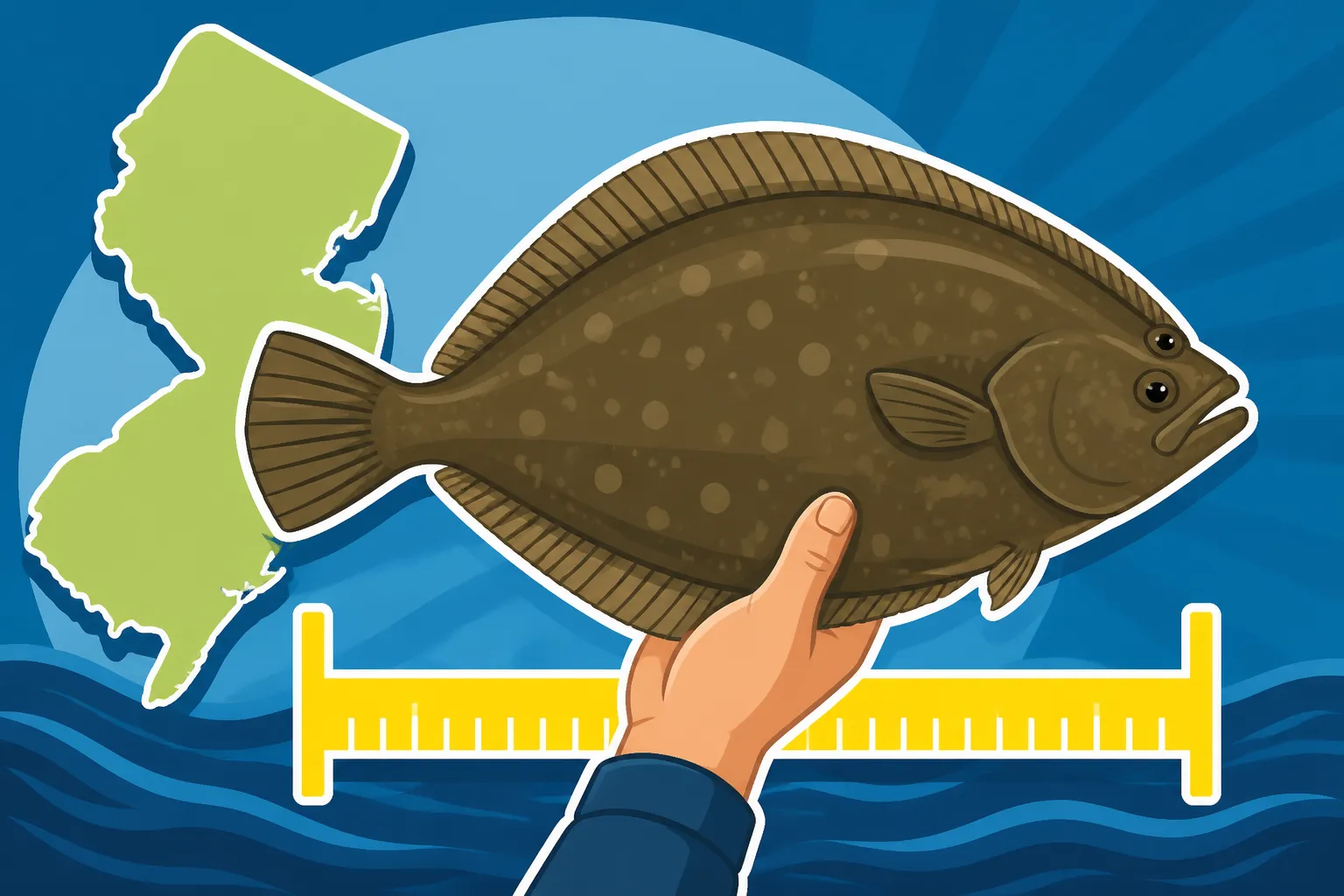
The standard in New Jersey, and indeed across many states, is the "nose-to-tail" or "total length" measurement. This means you measure the fish from the tip of its snout (with the mouth closed) to the very end of its tail, ensuring the tail is squeezed together to achieve the maximum length. It sounds straightforward, but there are a few common pitfalls to avoid.
First, lay the fish flat on its side on a level surface. A cool, wet surface is best for the fish's health if you plan to release it. Make sure the mouth is completely closed. Then, pinch the tail fin together to get the longest possible measurement. Don't try to stretch the fish; let it lie naturally, but ensure its body is straight. The measurement must reach or exceed the 18-inch mark. Anything short, even by a fraction of an inch, is considered illegal. This precision is why having a good measuring device is paramount. It’s better to err on the side of caution; if it's borderline, let it go.
Essential Measuring Tools and Techniques
Having the right tool is half the battle. While a standard tape measure can work in a pinch, it's really not ideal for a squirming fish or for precise measurements. The best tools for measuring fluke are rigid, waterproof fish rulers or measuring boards. These are designed specifically for the task, often featuring a raised end to butt the fish's nose against and clear, easy-to-read markings. You can find excellent options for these on sites like Amazon, or at any reputable tackle shop. They’re usually made of plastic or treated wood, durable enough to withstand the saltwater environment.
When using one of these boards, simply place the fluke with its nose firmly against the raised end, making sure its body is straight along the board. Then, with one hand, gently squeeze the tail fin together to extend it as far as it naturally goes, and read the measurement. Some anglers even take a quick photo with their phone for peace of mind, especially if they are fishing alone, although the game wardens will want to see the actual fish. Remember, accuracy and speed are important, especially when practicing Catch and Release Rules in New Jersey for those short fish. The less time a fish spends out of water, the better its chances of survival.
Navigating Exceptions and Special Circumstances
While the 18-inch rule is the general standard, New Jersey's fishing regulations can sometimes feel like a layered cake, with different rules applying to specific areas or situations. This is especially true for fluke, given their popularity and migratory patterns. It’s these nuances that often trip up even seasoned anglers, leading to confusion and potential issues.
Delaware Bay Fluke Rules: A Different Set of Regulations
Here’s where it gets a little tricky, and it’s a point of frequent discussion among anglers. The Delaware Bay, shared between New Jersey and Delaware, often operates under its own distinct set of fluke regulations. This is due to interstate agreements and differing management strategies between the two states. For example, while the rest of New Jersey enforces an 18-inch minimum, Delaware Bay has historically had a slightly different, often lower, size limit, typically 17 inches.
Why the difference? It comes down to a few factors, including how each state assesses its share of the federal quota for summer flounder and historical fishing practices in the bay. For anglers who regularly fish the Delaware Bay, it’s absolutely critical to be aware of these specific rules. You can’t assume the statewide New Jersey regulations apply. Always check the most current New Jersey Fish and Wildlife Digest or visit their website before heading out to the bay. For a more detailed breakdown, you might want to read our article on Why Is the Delaware Bay Fluke Limit Different From the Rest of New Jersey?. This is a prime example of why staying informed about localized regulations is so important.
Party Boat and Charter Exclusions
A common question I hear, especially from folks new to fishing or visiting for a vacation, is whether party boats or fishing charters have different rules. The short answer is: not for individual anglers. Even when you're fishing on a party boat out of Belmar or a private charter from Point Pleasant, the individual angler is still responsible for adhering to all New Jersey fishing regulations, including the 18-inch fluke size limit and the daily bag limit. The boat's captain and crew are there to help you fish, but ultimately, it's your responsibility to ensure the fish you keep are legal.
However, the boat itself operates under specific licenses that cover its operation, and the captain is responsible for knowing and enforcing general rules among passengers. They will often have measuring boards on deck and crew members who can help you measure your catch. They’ll usually remind everyone of the rules at the start of the trip. While charter boat anglers are often covered under the boat's federal permit for saltwater fishing, it’s always wise to understand your personal responsibilities. If you're wondering about the specifics of what's covered, our guide on New Jersey Party Boat Fishing License Requirements could shed some more light.
Island Beach State Park: Shore Fishing Nuances
Island Beach State Park (IBSP) is a gem for shore anglers, offering miles of pristine surf fishing access. While the 18-inch fluke limit generally applies here as well, there are some unique aspects to fishing IBSP that are worth noting. Due to its status as a state park and its unique ecosystem, there might be specific access rules, permit requirements (especially for 4×4 vehicles for surf fishing), or seasonal restrictions that could indirectly affect how you approach fluke fishing there.
For instance, understanding the park’s boundaries and where you can legally access the beach for fishing can influence your strategy. While the actual size limit for fluke won't change within the park, the overall fishing experience and logistical considerations can be different than fishing from a municipal beach or a boat. Always check the park's specific fishing guidelines in addition to state regulations before you head out. Our detailed guide on Island Beach State Park Shore Fishing Rules can give you a comprehensive overview of what to expect when fishing this iconic New Jersey location.
The Consequences of Disregarding Fluke Size Limits
Nobody wants to get into trouble while enjoying a day on the water. Unfortunately, ignorance of the law is rarely an acceptable defense when a New Jersey Conservation Police Officer (CPO) comes knocking. Disregarding fishing regulations, especially size limits, can lead to unpleasant and costly consequences that far outweigh the benefit of keeping a short fish.
Penalties and Fines for Short Fish
Let's be blunt: getting caught with an undersized fluke in New Jersey can result in fines and, in some cases, even confiscation of your gear or fish. The exact penalties can vary depending on the severity of the offense, the number of undersized fish, and whether it’s a repeat violation. While minor infractions might result in a warning, don't count on it. A CPO is well within their rights to issue a summons that will require you to appear in court and pay a hefty fine. These fines are not trivial; they are designed to be a deterrent and to help fund conservation efforts.
It's not just the monetary aspect either. A violation can tarnish your reputation, and it certainly puts a damper on an otherwise enjoyable fishing trip. Imagine explaining to your family why that "keeper" cost you several hundred dollars in fines. It's simply not worth it. This is why it’s so critical to not only know the rules but to have the right measuring tools and to be diligent about using them. This situation is akin to getting caught without a license, which also carries significant penalties; you can learn more about that in our article What Happens If You Get Caught Fishing Without a License in New Jersey?. The message is clear: measure twice, keep once.
The Ethical Angler's Approach: Catch and Release
Beyond the legal ramifications, there's the ethical responsibility that all anglers share. Releasing undersized fish safely is paramount to conservation. A fluke that's handled poorly before release might not survive, negating the entire purpose of the size limit. When you catch a short fluke, the goal is to get it back into the water as quickly and gently as possible.
Here are a few tips for an ethical catch and release:
- Minimize Air Time: Keep the fish in the water as much as possible. If you must bring it aboard, do so quickly for measurement and hook removal.
- Wet Hands: Always wet your hands before touching the fish. Dry hands can remove the protective slime coat, making the fish vulnerable to disease.
- Handle Gently: Support the fish horizontally, especially if it’s a larger short. Avoid holding it by the jaw vertically, as this can damage its internal organs.
- Dehook Carefully: Use a dehooking tool or needle-nose pliers to remove the hook quickly. If the fish is deeply hooked, especially in the gills, it’s often best to cut the line as close to the hook as possible. The hook will often rust out, or the fish's body will expel it.
- Revive If Necessary: If the fish seems stunned or sluggish, hold it gently in the water, facing into the current, until it can swim away under its own power.
Adopting these practices not only ensures you’re following the spirit of the law but also contributes directly to the sustainability of the fluke population. It’s a core principle of being a responsible angler in New Jersey.
Comparing Fluke Regulations: New Jersey vs. Delaware Bay
To help clarify the differences we discussed, here's a quick comparison of the typical fluke regulations for general New Jersey waters versus the Delaware Bay. Remember, these are subject to change annually, so always confirm with the latest New Jersey Fish and Wildlife Digest before you head out!
| Regulation Category | General New Jersey Waters | Delaware Bay Waters |
|---|---|---|
| Minimum Size Limit | 18 inches | Often 17 inches (verify current regulations) |
| Daily Bag Limit | Varies by year (e.g., 3 fish) | Varies by year (often same or similar) |
| Season Dates | Varies by year (e.g., May-September) | Varies by year (often same or similar) |
| Why Different? | Statewide management for coastal and bay areas. | Interstate management agreement with Delaware. |
| Primary Fishing Areas | Ocean, coastal bays (Barnegat, Raritan, etc.), inlets. | Entire Delaware Bay and its tidal tributaries. |
This table highlights the key distinction – the size limit. Always make sure you know which body of water you're fishing in and check the specific rules for that area.
Final Thoughts on the New Jersey Fluke Size Limit
Navigating the regulations for fluke fishing in New Jersey, particularly the 18-inch size limit, can feel like a lot to keep track of, but it's an essential part of being a responsible angler. By understanding why these rules exist, how to properly measure your catch, and recognizing the specific nuances of different fishing locations like the Delaware Bay, you're not only protecting yourself from penalties but also actively contributing to the health of New Jersey's incredible fluke fishery. So, grab your trusty measuring board, hit your favorite tackle shop for some fresh bait, maybe even browse Amazon for a new fish ruler, and get out there to enjoy the thrill of catching these delicious fish – legally, of course!
Disclaimer
The information provided in this article is for general guidance and informational purposes only. Fishing regulations in New Jersey are subject to change frequently. Anglers are solely responsible for checking the most current regulations published by the New Jersey Department of Environmental Protection, Division of Fish and Wildlife, or the relevant interstate commissions before engaging in any fishing activity. Always consult the official New Jersey Fish and Wildlife Digest for the latest and most accurate information.