Island Beach State Park Fluke Rules for Shore Anglers
It can feel like navigating a maze trying to figure out the exact fishing rules when you're heading to a specific, unique spot like Island Beach State Park. You're ready to hit the sand, cast your line, and hopefully reel in some delicious fluke, but the last thing you want is a surprise fine because you missed a small, obscure regulation. This comprehensive guide is here to untangle all the specific fluke rules for shore anglers at Island Beach State Park, ensuring your fishing trip is both productive and compliant.
Understanding the Unique Setting of Island Beach State Park
Island Beach State Park (IBSP) isn't just any stretch of New Jersey coastline; it's one of the last undeveloped barrier beaches in the state, offering an unparalleled natural fishing experience. Because it's a state park, it comes with its own set of administrative rules that complement, and sometimes slightly adjust, the broader New Jersey fishing regulations. This dual layer of oversight—state park rules and state fisheries regulations—is often where confusion can creep in for even seasoned anglers.
Why IBSP Rules Matter Beyond General State Regulations
The natural beauty and ecological sensitivity of Island Beach State Park mean that its management aims to preserve its pristine environment. This often translates into specific rules regarding access, vehicle use, and permitted activities that you won't encounter on a typical municipal beach. For instance, while the actual size and bag limits for fish species like fluke are usually set by the New Jersey Division of Fish and Wildlife and apply statewide, how you access the best fluke spots within IBSP, or what time you can be there, is governed by park-specific regulations. It's crucial not to assume that just because you know the general New Jersey fishing regulations, you're fully prepared for an IBSP trip. Always check the park's official website or call their visitor center before heading out, especially if you plan on driving onto the beach. This proactive approach can save you a lot of hassle and potential fines.
Accessing Prime Fluke Grounds from Shore at IBSP
Fishing from the shore at IBSP generally means two main scenarios: either walking onto the beach from designated parking areas or driving onto the beach with a mobile sportfishing vehicle (MSFV) permit. Most shore anglers targeting fluke will fish the ocean side of the park, casting into the surf. However, the park also offers some incredible bay access points, particularly around the Barnegat Inlet area, where fluke can also be found. The choice of access often depends on the season, weather, and the specific fluke bite. If you're looking to get away from the crowds and access some truly remote fishing, an MSFV permit is often the way to go. Otherwise, the main parking lots provide easy pedestrian access to the surf. Remember that the park has specific hours of operation, and gates close, so always plan your trip accordingly to avoid being locked in or having to leave your prime fishing spot prematurely. More information on general access can be found in our guide on Island Beach State Park Fishing Access.
Specific Fluke Regulations for Shore Anglers at Island Beach State Park
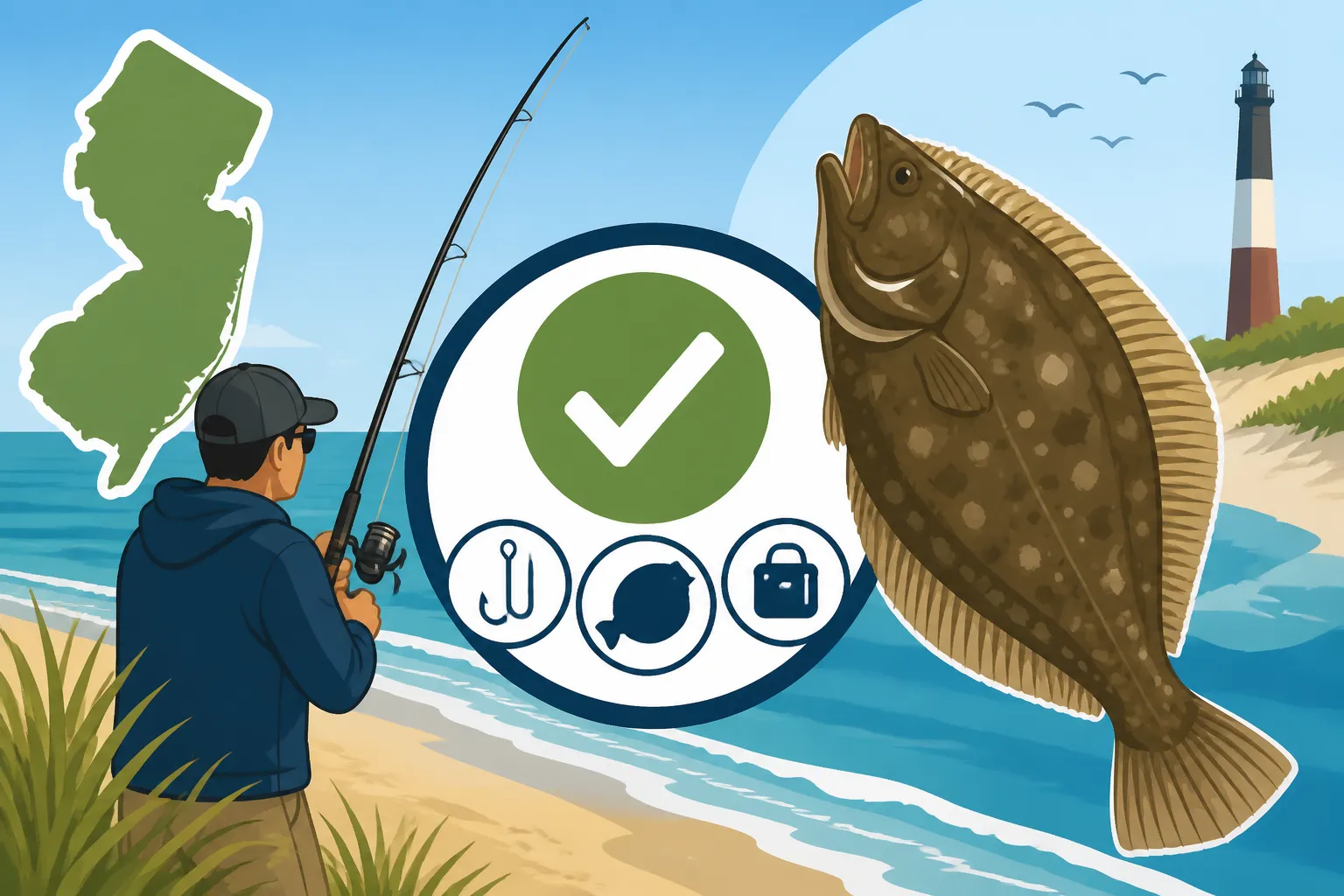
When it comes to the actual fish, the rules for fluke (which, by the way, are the same fish as summer flounder – just different names for the same awesome catch) at Island Beach State Park follow the statewide New Jersey regulations. There isn't a special "IBSP fluke rule" that changes the minimum size or bag limit; these are consistent across most of the state's ocean waters. However, understanding the nuances of these statewide rules is paramount for a successful and legal trip.
Current New Jersey Fluke Size and Bag Limits
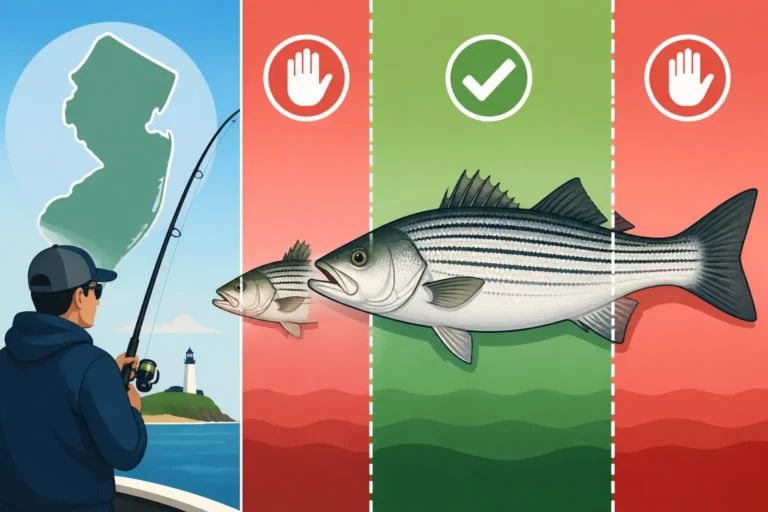
As of the most recent regulations (always subject to change annually, so double-check the current New Jersey Fish and Wildlife Digest for the exact year you're fishing), the minimum size limit for fluke in New Jersey waters is 18 inches. This means any fluke you catch must measure at least 18 inches from the tip of its snout to the tip of its tail to be legally kept. For shore anglers, this is especially important because you're often measuring fish right on the sand. The daily bag limit is typically three fluke per person. This applies whether you catch them walking the beach or from your 4×4 setup.
It's vital to remember that these regulations are set by the New Jersey Bureau of Marine Fisheries in conjunction with regional management bodies, and they are designed to sustain healthy fish populations for future generations. Respecting these limits is not just about avoiding a ticket; it's about being a responsible angler. Our article, New Jersey Fluke Size Limit: 18 Inches, dives deeper into the specifics of measuring and understanding this rule, and New Jersey Fluke Bag Limit Explained clarifies the daily catch limits in more detail.
Understanding the Fluke Season Dates
Just like size and bag limits, the fluke season dates are statewide and apply to IBSP. While these dates can shift slightly year to year based on stock assessments and management decisions, the fluke season typically runs from early May through late September. For instance, recent seasons have often started around the first week of May and concluded around the last week of September. This seasonal window dictates when you can legally target and keep fluke. Fishing outside these dates, even if you catch a legal-sized fish, means it must be immediately released. For the most up-to-date information on when you can legally pursue these delicious flatfish, consult our guide on New Jersey Fluke Season Dates for 2026. Keep in mind that adherence to these dates is a critical part of How Bag and Size Limits Work in New Jersey.
The Importance of the Saltwater Registry
Any shore angler over the age of 16 targeting fluke in the saltwater of Island Beach State Park also needs to be registered with the New Jersey Saltwater Recreational Registry Program. This isn't a fishing license per se, but it's a mandatory registration that helps the state collect vital data on recreational fishing effort. The good news is that The New Jersey Saltwater Registry Is Free to Join. It's a quick and easy online process that helps maintain healthy fish stocks by providing accurate participation numbers to fisheries managers. You don't get a physical card, but you should have proof of registration, either on your phone or printed, in case a conservation officer asks to see it. Our detailed article, New Jersey Saltwater Registry Explained, covers everything you need to know about this important requirement.
Essential Gear and Tactics for Shore Fluke Fishing at IBSP
Shore fishing for fluke at Island Beach State Park demands a specific setup to be truly effective. Unlike boat fishing where you can drift, as a shore angler, you're relying on casting, retrieving, and the natural movement of the waves and currents to present your bait or lure. This means your gear needs to be robust enough to handle the surf and versatile enough to mimic natural bait movements.
Recommended Rod, Reel, and Line Setup
For surf fishing for fluke, a medium-heavy to heavy action spinning rod, typically 9 to 11 feet long, is ideal. This length allows for longer casts to reach productive troughs and sloughs beyond the immediate breaking waves, which are often where fluke hold. Brands like Penn, Daiwa, and Shimano offer excellent options that can be found easily online or at local tackle shops. Pair this with a durable spinning reel in the 5000-8000 series size, capable of holding 200-300 yards of braided line.
Speaking of line, braided line in the 20-30 lb test range is highly recommended. It offers superior casting distance, minimal stretch for better bite detection, and excellent strength-to-diameter ratio. You'll want to tie a 2-3 foot fluorocarbon leader (20-30 lb test) to your main braided line. Fluorocarbon is nearly invisible underwater, which is a huge advantage when targeting wary fluke, and it also offers better abrasion resistance against sand and shell. Many anglers find great value and convenience in ordering their braid and fluorocarbon leader material from online retailers like Amazon, ensuring they have fresh, high-quality line for the season.
Top Baits and Lures for IBSP Fluke
Fluke are ambush predators, and they love to strike at moving targets. This means presentation is key.
- Bucktail Jigs: These are legendary for fluke, and for good reason. They imitate baitfish and crabs beautifully. Common sizes for surf fishing range from 1/2 oz to 2 oz, depending on current and wave conditions. White, chartreuse, pink, and glow are popular colors. Tipping your bucktail with a natural bait like a strip of Gulp! or real squid, or even a small spearing, significantly increases its effectiveness. The action of a bucktail jig bounced along the bottom mimics a fleeing baitfish, irresistible to fluke.
- Gulp! Baits: Berkley Gulp! has revolutionized fluke fishing. These scented soft plastics are incredibly effective and can often out-fish natural bait. The 4-inch swimming mullet or grub patterns in chartreuse, white, or pink are absolute killers. They can be fished on bucktails, traditional fluke rigs, or even jig heads. Keeping a variety of Gulp! colors and shapes on hand, easily purchased through Amazon, gives you options when the bite gets tough.
- Natural Baits: While Gulp! is fantastic, sometimes nothing beats the real thing. Strips of fresh squid, spearing, killifish, and even small pieces of clam can be rigged on a traditional high-low or a "teaser" rig above a bucktail. Freshness is key, so if you're buying bait, ensure it's lively or recently frozen.
- Spoons and Metals: While less common for fluke specifically from shore, small metal spoons or Kastmasters can sometimes entice a strike if fluke are aggressively feeding on baitfish in the surf. These are more for covering water quickly and imitating a fleeing baitfish with a lot of flash.
The key to all these is retrieve. Fluke will often hit on the fall or when the bait is moving erratically. A slow, steady retrieve with occasional twitches or lifts of the rod tip is usually most effective when fishing from the sand.
Effective Rigs for Shore Fluke Fishing
For shore anglers, simplicity and effectiveness are paramount.
- Bucktail Jigging: This is often the most productive method. Simply tie your bucktail jig to your leader. Cast it out, let it sink to the bottom, then retrieve with a series of lifts and drops of your rod tip, keeping contact with the bottom.
- Traditional Fluke Rig (High-Low or Sinker on Bottom): A classic setup involves a sinker at the bottom (1-4 oz pyramid or bank sinker, depending on current) with one or two snelled hooks (size 2/0 to 4/0) above it, typically 6-12 inches apart. This allows your bait to be presented just off the bottom. A popular variation is a "fishfinder" rig, where the sinker slides freely on your main line, allowing the fish to pick up the bait without feeling the weight of the sinker immediately.
- Teaser Rigs: These combine a bucktail jig at the bottom with a small teaser fly or soft plastic bait tied on a dropper loop a foot or so above the jig. This offers two presentation points and can sometimes trigger a double-header.
No matter the rig, remember to regularly check your knots and leader for fraying, especially when fishing sandy or rocky bottoms common at IBSP.
Navigating the Park and Other Important Considerations
Fishing at Island Beach State Park is an experience that extends beyond just the catch. Understanding the park's operational specifics and embracing its unique environment will make your trip far more enjoyable and compliant. This includes knowing where you can drive, where to park, and what else you might encounter.
4×4 Beach Access and Permits
For many experienced surf anglers, especially those targeting fluke from October through December during the fall run, driving onto the beach is essential. This allows access to remote stretches of the park that hold less pressure and often more fish. However, driving on the beach at IBSP requires a special Island Beach State Park Surf Fishing Permit Cost, also known as a Mobile Sportfishing Vehicle (MSFV) permit. These permits are limited in number each year and are typically sold on an annual basis.
The process usually involves an application, proof of vehicle registration, insurance, and a review of the rules for safe operation on the beach. You also need appropriate 4×4 equipment, including a tire gauge, shovel, tow strap, and a spare tire. The rules for using your 4×4 on the beach are strict, designed to protect both the delicate ecosystem and visitor safety. Never drive on dunes, always stay on designated vehicle corridors, and adhere to speed limits. Understanding 4×4 Permit Requirements for Surf Fishing at Island Beach State Park is critical if you plan on this type of access. For those without a 4×4, numerous parking lots provide pedestrian access to the beach.
Environmental Awareness and Conservation
Island Beach State Park is a fragile ecosystem, home to a diverse array of wildlife, including nesting birds like Piping Plovers and Least Terns. Park rules are often in place to protect these species, especially during nesting seasons. This might mean certain areas of the beach are closed off temporarily, or specific regulations regarding pets are enforced. Always pay attention to signage and respect marked closures.
Beyond wildlife, practicing "leave no trace" is paramount. Pack out everything you pack in, including discarded fishing line, bait containers, and food wrappers. Litter not only detracts from the park's beauty but can also harm wildlife. Bringing a trash bag, even a small one from Amazon, to collect your refuse is a simple but important gesture. This commitment to conservation ensures that IBSP remains a pristine fishing destination for future generations of anglers.
Other Recreational Opportunities and Park Amenities
While fishing is undoubtedly the main draw for many, IBSP offers much more. Non-anglers in your group might enjoy birdwatching, hiking the extensive trails, swimming (in designated areas with lifeguards during summer), or simply relaxing on the unspoiled beaches. The park also has visitor centers with educational exhibits and restrooms. Knowing these amenities can enhance your overall trip, especially if you're bringing family or friends who might not be as hardcore about fishing as you are. Keep in mind that food and drink options are limited within the park, so it's wise to pack a cooler with plenty of snacks and beverages. Consider a quality cooler and sturdy beach chairs, easily found on Amazon, to make your experience more comfortable.
Here's a quick reference table for general New Jersey Fluke Regulations, applicable to Island Beach State Park:
| Regulation Aspect | General New Jersey (Ocean/Bay) | Notes for IBSP Shore Anglers |
|---|---|---|
| Minimum Size Limit | 18 inches | This is statewide; measure carefully from snout to tail. |
| Daily Bag Limit | 3 fish per person | Applies to each individual angler over 16. |
| Season Dates | Typically May through September | Check NJ Fish & Wildlife Digest annually for exact dates. |
| Saltwater Registry | Required for ages 16+ | Free online registration, mandatory for all saltwater fishing. |
| IBSP 4×4 Access | Requires MSFV Permit | Annual permit, limited quantity, specific vehicle requirements. |
Remember, always consult the official New Jersey Department of Environmental Protection (NJDEP) Division of Fish and Wildlife website or the current Fish and Wildlife Digest for the absolute latest regulations, as they can change.
Disclaimer
Fishing regulations, season dates, and park rules are subject to change. Always consult the most current New Jersey Fish and Wildlife Digest and Island Beach State Park official guidelines before planning your trip to ensure compliance. This guide is for informational purposes only and should not be considered legal advice.