New Jersey Ice Fishing License Rules
There’s a common misconception that ice fishing, being a bit niche and often done in remote frozen locales, might operate under different rules than traditional open-water fishing. Many anglers wonder if they need a special "ice fishing license" or if the standard freshwater permit covers them. This can lead to unnecessary stress or, worse, unintended violations. This comprehensive guide will clear up all the confusion surrounding New Jersey's ice fishing license requirements, ensuring you're fully prepared and legal for your next hardwater adventure.
The Core Rule: Does Ice Fishing Require a License in New Jersey?
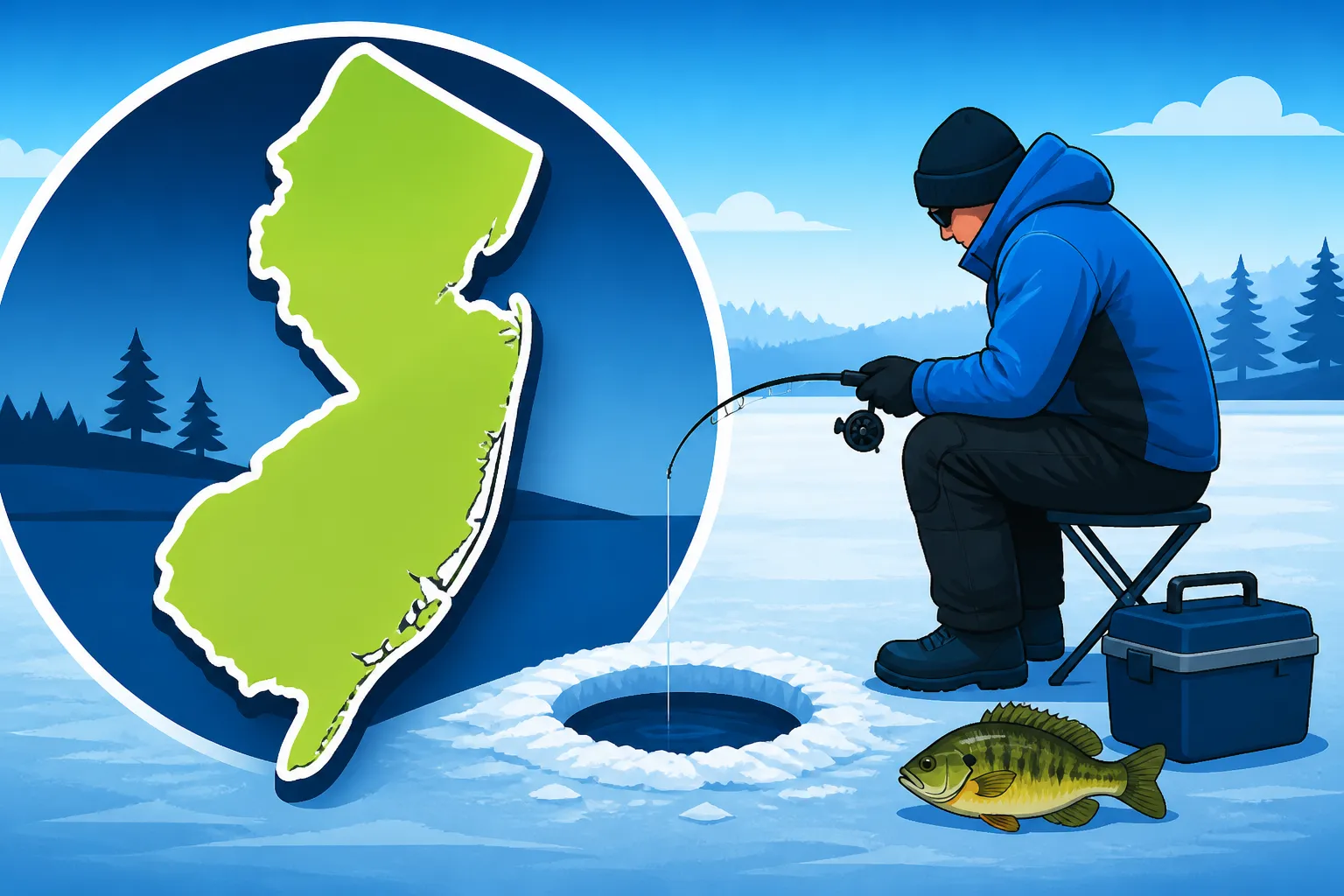
Let's cut right to the chase, because this is where a lot of the confusion stems from. When you're standing out on a frozen lake, drilling holes and dropping lines, you might feel like you're in a completely different world from someone casting into the surf or drifting a boat in a bay. But for the most part, the New Jersey Department of Environmental Protection (NJDEP) views ice fishing under the umbrella of general freshwater fishing. This means that, no, you don't typically need a separate, specific "ice fishing license" in New Jersey. What you do need is a valid New Jersey freshwater fishing license if you are within the age requirements. It's a single license that covers all legal methods of freshwater fishing, whether the water is liquid or solid.
Understanding Freshwater versus Saltwater Licensing
The critical distinction here in New Jersey is between freshwater and saltwater. Most ice fishing, by its very nature, occurs on frozen lakes, ponds, and slow-moving rivers, which are all considered freshwater environments. If you're targeting species like crappie, perch, pickerel, or even bass through the ice, your standard annual or temporary freshwater fishing license is exactly what you need. It covers all the legal freshwater bodies across the state, from the largest lakes down to the smallest ponds.
This is a relief for many who already hold an annual license for their spring and summer angling. You don't have to jump through extra hoops or buy another costly permit just because the mercury dropped. However, it's always a good idea to stay informed about all the regulations. For a full breakdown of statewide rules, you can consult the official guide on New Jersey Freshwater Fishing Regulations Every Angler Should Know. Knowing these details ensures that even if you decide to try a new ice fishing spot, you're always fishing within the law, which ultimately protects our shared resources for everyone to enjoy.
Age Requirements and Exemptions for Ice Anglers
Just like with open-water freshwater fishing, the age requirements for ice fishing licenses in New Jersey are straightforward and apply consistently. If you are between the ages of 16 and 69, you are required to possess a valid New Jersey freshwater fishing license to participate in ice fishing. This means if you're planning a trip to Lake Hopatcong, Cranberry Lake, or any other frozen freshwater body, and you fall within this age bracket, your license needs to be current. This rule applies whether you're a seasoned ice fishing veteran or someone just starting out, drilling their first hole.
Thankfully, there are some important exemptions that help make fishing accessible for everyone. Children under the age of 16 do not need a fishing license to ice fish in New Jersey. This is fantastic news for families looking to introduce their youngsters to the joys of winter angling, making it an easy, low-barrier entry activity. If you're curious about the specifics of youth requirements, check out our detailed guide on Do Kids Need a Fishing License in New Jersey?. On the other end of the spectrum, New Jersey residents who are 70 years of age or older are also exempt from needing a freshwater fishing license. This acknowledges their years of contributing to the state and allows them to continue enjoying the sport without an additional fee. You can find more comprehensive information about this specific exemption in our article on Fishing License Exemptions for Anglers 70 and Older in New Jersey. These exemptions are crucial for fostering a love of fishing across all generations, encouraging participation without creating financial barriers for our youngest and oldest anglers.
How to Obtain Your New Jersey Ice Fishing License
Getting your New Jersey freshwater fishing license, which will cover your ice fishing adventures, is a relatively simple process these days. The state has made it quite accessible, offering several convenient ways to purchase your permit. You don't need to embark on a quest through snowy forests to find a hidden vendor; options are readily available whether you prefer the digital route or a more traditional in-person purchase. Ensuring you have your license before heading out onto the ice is paramount, not just for legal compliance but for supporting the conservation efforts that make New Jersey's fishing opportunities so robust.
Online, Retailers, and Mail Options
The easiest and often most immediate way to get your New Jersey fishing license is online through the official New Jersey Fish and Wildlife website. Their digital platform is user-friendly, allowing you to purchase and print your license from the comfort of your home, usually within minutes. This is especially convenient if you decide last-minute to hit the ice or realize your old license has expired. The beauty of the online system is that you can get your license even at odd hours, long before the bait shops open their doors. For a detailed walkthrough, our guide on How to Buy a New Jersey Fishing License Online can walk you through the steps.
If you prefer a more traditional approach, or simply enjoy chatting with fellow anglers, you can visit one of the many authorized license agents throughout the state. These include a variety of sporting goods stores, bait and tackle shops, and even larger retailers like Walmart. Local tackle shops often provide not only the license but also invaluable, up-to-date ice fishing reports, bait recommendations, and camaraderie. For a list of where you can find these vendors, refer to our article on Retailers That Sell New Jersey Fishing Licenses, Including Walmart. While less common these days, you can also purchase licenses by mail, though this option requires significant lead time and isn't practical for spur-of-the-moment trips. Many anglers also appreciate the convenience of checking what's new on Amazon for essential ice fishing gear while they're thinking about licenses.
Required Documentation and Proof of License
When you go to purchase your New Jersey freshwater fishing license, whether online or in person, you'll need to provide some basic documentation. For residents, this typically involves proof of residency, such as a New Jersey driver's license or state-issued ID. Non-residents will need to provide their out-of-state identification. This helps ensure that the correct license type and fee are applied. The process is designed to be straightforward, but having your documents ready will make it even smoother, especially if you're trying to quickly snag a license before a cold front moves in.
Once you have your license, it's absolutely crucial to carry proof of it with you whenever you are fishing. New Jersey Fish and Wildlife Conservation Officers conduct regular checks, and being unable to produce a valid license can lead to citations and penalties. While a physical paper copy is always a safe bet, the state generally accepts digital proof displayed on your smartphone. However, always ensure your phone is charged and readable, especially in cold ice fishing conditions where batteries can drain quickly. It's smart to keep a backup screenshot or even print an extra copy and keep it in your tackle box or truck. We've got more details on this important topic in our guide, Carrying Proof of Your New Jersey Fishing License. Imagine being out on the ice, enjoying a peaceful day, only to have it interrupted by a fine because your phone died or your digital copy was inaccessible. A little preparation goes a long way in preventing such frustrations.
Specific Scenarios and Additional Considerations for Ice Fishing
While the basic rule of needing a freshwater fishing license for ice fishing in New Jersey is clear, some unique situations can add layers of complexity. New Jersey shares water bodies with neighboring states, and specific regulations regarding certain fish species can also come into play. Being aware of these nuances will prevent any unwelcome surprises and ensure your ice fishing experience is entirely within legal bounds. It’s not just about having the right paper; it’s about understanding the context of where and what you're fishing for.
Ice Fishing in Reciprocal Waters (Delaware River, Greenwood Lake)
New Jersey shares several significant water bodies with adjacent states, and these "reciprocal waters" often have special licensing agreements to simplify things for anglers. The most prominent examples are the Delaware River, which borders Pennsylvania, and Greenwood Lake, which straddles the New Jersey and New York state line. For these specific bodies of water, a fishing license from either New Jersey or the bordering state (Pennsylvania or New York, respectively) is usually valid, as long as you are fishing within the reciprocal agreement zones.
This means if you're an ice angler from Pennsylvania with a valid PA fishing license, you can fish the New Jersey side of the Delaware River (within the reciprocal stretch) without needing an additional NJ license. The same applies to New York anglers on Greenwood Lake. However, it's absolutely critical to understand the precise boundaries of these reciprocal agreements, as they don't always cover the entire length or all tributaries. Always double-check the latest regulations from both states' wildlife agencies to avoid accidentally fishing outside the reciprocal zone with the wrong license. For more detailed information, especially regarding the shared river, check out our article on Do You Need Two Licenses to Fish the Delaware River Between New Jersey and Pennsylvania?. These agreements are designed to make cross-border fishing easier, but it's your responsibility to know the specifics. You can also explore general guidelines for Fishing License Reciprocity Between New Jersey and Neighboring States for a broader understanding of how these agreements work.
The New Jersey Trout Stamp and Ice Fishing
Another critical consideration for ice anglers, particularly if you have an interest in targeting certain species, is the New Jersey Trout Stamp. This isn't a separate license per se, but an endorsement that must be purchased in addition to your regular freshwater fishing license if you plan to fish for or harvest trout. And yes, this applies to ice fishing too, if you're fishing in waters designated as "Trout Stocked Waters" during the period they are stocked or open for trout fishing.
New Jersey regularly stocks many lakes and ponds with trout, some of which are popular ice fishing destinations. For example, Round Valley Reservoir and various ponds get fall and even winter trout stockings. If you're out on the ice in one of these waters and your intention is to catch trout, or you happen to accidentally catch a trout and wish to keep it, you must have a valid trout stamp in addition to your freshwater license. If you're solely targeting panfish like perch or crappie, or predatory species like pickerel or bass, and you're not in a designated trout-stocked water, then the trout stamp isn't necessary. However, if there's any chance you might hook into a trout in a stocked lake, it's better to be safe than sorry. For a complete understanding of when and why you need this endorsement, be sure to read our comprehensive guide on New Jersey Trout Stamp Requirements Explained and New Jersey Trout Stamp: Who Needs One. Don't let a small detail like a missing trout stamp ruin an otherwise successful day of ice fishing. Many anglers will pick up their trout stamp when they buy their general fishing license, often adding it to their online cart on Amazon for other winter fishing essentials to be prepared for any eventuality.
Penalties for Non-Compliance and Enforcement
It's tempting to think that out on a vast, frozen lake, you might be less likely to encounter a Conservation Officer. But that assumption would be a mistake. New Jersey's Fish and Wildlife Conservation Police are dedicated to protecting the state's natural resources and ensuring fair and legal angling for all. They actively patrol all types of fishing locations, including popular ice fishing spots. Getting caught without the proper license isn't just a minor inconvenience; it carries real consequences that can quickly turn a peaceful day on the ice into a very unpleasant experience.
What Happens If You're Caught Without a License?
Fishing without a valid license in New Jersey, or failing to have the necessary endorsements like a trout stamp when required, is a violation of state law. The penalties for such infractions can vary depending on the specific circumstances and whether it's a first offense, but they are generally not trivial. You could face significant monetary fines, which can quickly add up, easily exceeding the cost of an annual fishing license. In some cases, Conservation Officers may even have the authority to confiscate your fishing gear, which can be a substantial loss, especially if you have invested in specialized ice fishing equipment like a good auger or an ice fishing shelter, items you might have researched on Amazon.
Beyond the immediate financial and material losses, there's also the potential for legal repercussions and a mark on your record. The goal of enforcement isn't just to punish, but to deter illegal activity and encourage responsible angling. The New Jersey Fish and Wildlife Conservation Police are professionals who understand the regulations inside and out. They are there to uphold the law and protect the fisheries that we all enjoy. For a detailed breakdown of what to expect, our article on Penalties for Fishing Without a License in New Jersey provides crucial information. Understanding the potential consequences reinforces the importance of being fully compliant before you even step foot on the ice.
Why These Rules Matter for Conservation
It’s easy to view fishing licenses and stamps as just another government fee, but their purpose extends far beyond simple revenue collection. The funds generated from the sale of New Jersey freshwater fishing licenses and trout stamps are absolutely vital for supporting the state's comprehensive fisheries management and conservation programs. These programs include everything from stocking fish in lakes and rivers, like the trout that many ice anglers enjoy targeting, to habitat restoration projects that improve water quality and provide better environments for fish to thrive.
Without these funds, the New Jersey Division of Fish and Wildlife would struggle to maintain healthy fish populations, conduct essential research, and enforce regulations that prevent overfishing and habitat destruction. Your license fee contributes directly to the very resources you are enjoying on the ice. It helps fund the wardens who patrol our waters, ensuring everyone plays by the rules, and it supports educational initiatives that teach future generations about sustainable fishing practices. So, while it might feel like a minor detail, ensuring you have the correct license is a direct investment in the future of New Jersey's incredible fishing opportunities, ensuring that those peaceful days spent on a frozen lake can continue for years to come.
Here's a quick summary of New Jersey ice fishing license requirements:
| Angler Age Group | License Required? | Trout Stamp Required? (if targeting trout) | Where to Purchase |
|---|---|---|---|
| Under 16 | No | No | N/A |
| 16 – 69 (Resident) | Yes | Yes | NJDEP Online, Authorized Retailers, Mail |
| 16 – 69 (Nonresident) | Yes | Yes | NJDEP Online, Authorized Retailers, Mail |
| 70 and Over (Resident) | No | No | N/A |
| Reciprocal Waters | Yes (NJ or border state) | Yes (if targeting trout) | NJDEP Online, Authorized Retailers, or Border State's Licensing Authority (e.g., PA, NY) |
Disclaimer
The information provided in this guide is intended for general informational purposes only and does not constitute legal advice. Fishing regulations in New Jersey can change, and while we strive to keep our content up-to-date, it is ultimately the angler's responsibility to consult the most current New Jersey Fish and Wildlife Digest or the official NJDEP Fish & Wildlife website for the latest and most accurate regulations before heading out to fish.