New Jersey Spearfishing Regulations
Navigating the world of spearfishing in New Jersey can feel like trying to hit a moving target – the rules aren't always crystal clear, and what's perfectly fine with a rod and reel might be a big no-no with a speargun. Many folks get confused, wondering if spearfishing is even legal here, and if so, what exactly you can hunt and where. This guide is here to untangle those regulations, helping you understand precisely where you can dive, what species you can target, and the important safety measures you need to follow to enjoy this thrilling sport responsibly in the Garden State.
Understanding the Legal Landscape of New Jersey Spearfishing
Before you even think about donning your fins and mask, it's absolutely crucial to grasp the fundamental legalities surrounding spearfishing in New Jersey. It’s not as straightforward as just grabbing a fishing license and heading out. The rules are distinct, and ignoring them can lead to some pretty hefty fines or even equipment confiscation, which nobody wants after investing in their gear!
Is Spearfishing Allowed in New Jersey Waters?
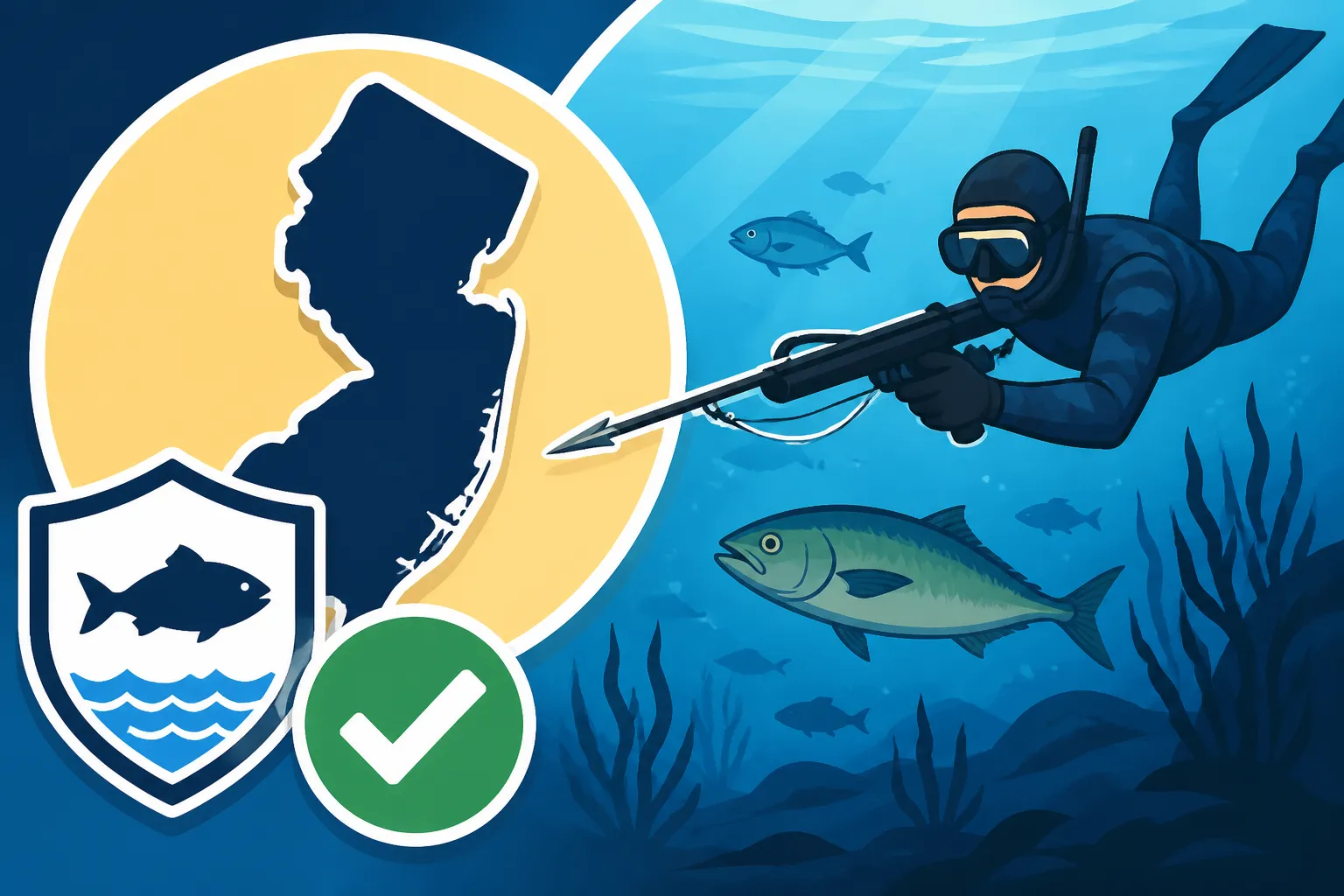
The short answer is yes, spearfishing is permitted in New Jersey, but with very specific caveats, primarily in marine waters. This means the ocean, the inlets, and some larger bay areas that are significantly influenced by tides and saltwater. It's a different ballgame compared to your typical rod and reel fishing trip. The state carefully regulates this activity to ensure both safety for participants and other water users, as well as the conservation of our precious marine resources.
When you're out there, it's not just about what you can shoot; it's about being aware of your surroundings. Spearfishing involves a certain level of skill and caution that goes beyond simply dropping a line. The New Jersey Department of Environmental Protection (NJDEP) Division of Fish and Wildlife sets these rules, and they're designed to protect both you and the fish populations. Think of it this way: while the thrill of the hunt is undeniable, doing it legally and safely is paramount.
Required Licenses and Marine Registry
Just like any other form of fishing, you can't just show up and start spearing fish. For anyone engaging in spearfishing in New Jersey's marine waters, you must possess a valid fishing license or be registered in the New Jersey Saltwater Registry program. If you’re a resident, this typically means obtaining a regular New Jersey Fishing License Guide for 2026. However, even with that license, the saltwater registry is a separate, mandatory requirement for anyone fishing in marine waters, regardless of whether you’re using a rod and reel or a speargun. The good news is that The New Jersey Saltwater Registry Is Free to Join and easy to complete online.
It’s a common misconception that if you have a freshwater license, you're covered for everything. Not so! The distinction between Freshwater vs Saltwater Fishing Rules in New Jersey is incredibly important, especially for spearfishing. Always carry proof of your current license or registration with you when you're out on the water, whether it's a physical copy or readily accessible on your phone, as conservation police officers do perform checks.
Where You Can and Cannot Spearfish in New Jersey
The "where" of spearfishing is just as critical as the "what." New Jersey has diverse waterways, from the open Atlantic Ocean to calmer inland bays and freshwater lakes, and the rules vary drastically between them. Knowing your boundaries is essential for a safe and legal outing.
Ocean Waters and Artificial Reefs
The vast expanse of the Atlantic Ocean is primarily where spearfishing is permitted and most popular. This includes areas offshore, around natural rock formations, and particularly our excellent network of artificial reefs. These reefs, created from sunken ships, concrete structures, and other materials, provide fantastic habitat for a variety of marine species, making them prime spearfishing grounds. Many spearos head out to these spots in search of black sea bass, tautog, and even fluke.
However, even in the ocean, there are restrictions. You cannot spearfish too close to public swimming beaches, piers, jetties, or densely populated shorelines. This is a common-sense safety measure to prevent accidents with swimmers or other recreational users. Always maintain a safe distance and be acutely aware of your surroundings. Visibility is also a huge factor; clear water makes for safe and effective spearfishing. If the visibility is poor, it’s not just less productive, it's also more dangerous for everyone involved. Exploring New Jersey’s Artificial Reef Fishing Guide can help you find some of these prime locations, but always check local regulations for spearfishing specifics.
Bays, Inlets, and Estuaries: Navigating Restrictions
When it comes to New Jersey’s bays, inlets, and estuaries, the rules become significantly stricter. Generally, spearfishing is either highly restricted or outright prohibited in these areas. The primary reasons are safety and navigation. These waterways often have high boat traffic, numerous swimmers, kayakers, and other recreational users, making spearfishing a considerable hazard.
For instance, while you might find a great spot to catch flounder with a rod and reel in Barnegat Bay, spearfishing there could be illegal. The murky, often shallower waters of these bays also contribute to poor visibility, further increasing the risk of accidents. Always assume spearfishing is not allowed in bays and estuaries unless you have explicitly verified that specific local regulations permit it. It’s better to err on the side of caution than to face a violation.
Freshwater Lakes and Rivers: A Strict Prohibition
This is one area where there's little room for ambiguity: spearfishing for game fish in New Jersey's freshwater lakes, ponds, and rivers is generally prohibited. This is a critical distinction that many new spearos from other states might overlook. While some states allow spearfishing for carp or other "rough fish" in freshwater, New Jersey's regulations are designed to protect its native and stocked freshwater game species.
So, if you’re dreaming of spearing a largemouth bass in Lake Hopatcong or a trout in the Pequest River, you'll need to put that speargun away and grab a fishing rod. The state invests heavily in stocking trout and managing bass populations, and spearfishing is simply not part of their conservation strategy for these delicate freshwater ecosystems. Understanding New Jersey Freshwater Fishing Regulations Every Angler Should Know will clarify these prohibitions further.
Species-Specific Regulations for Spearfishing
Once you know where you can spearfish, the next crucial step is understanding what you can legally harvest. This is where New Jersey's general fishing regulations regarding size and bag limits become paramount, as they apply just as strictly to spearfishing as they do to rod-and-reel anglers.
Permitted Saltwater Finfish and Prohibited Species
In New Jersey's marine waters, you are generally allowed to spearfish for finfish. This covers a range of species that are popular targets for spearos, including fluke (summer flounder), black sea bass, and tautog (blackfish). However, a few highly popular species are explicitly off-limits for spearfishing:
- Striped Bass: This is one of the most important prohibitions to remember. Striped bass are a prized recreational species, and their populations are carefully managed. Spearfishing for striped bass is not permitted in New Jersey. Even with strict New Jersey Striped Bass Slot Limit Explained for rod-and-reel fishing, this species remains off-limits for spearfishing.
- All Sharks: Sharks are also prohibited for spearfishing.
- Atlantic Salmon and Sturgeons: These are protected species and cannot be targeted.
- Lobsters: While you can catch lobsters in New Jersey, it requires a specific pot permit and is not allowed via spearfishing.
For all other permitted finfish, you must adhere to the same How Bag and Size Limits Work in New Jersey that apply to rod and reel anglers. For instance, if you're targeting fluke, you'll need to know the New Jersey Fluke Size Limit: 18 Inches and its corresponding bag limit. The same goes for New Jersey Black Sea Bass Season and Limits or New Jersey Tautog Season Dates. Always consult the most current New Jersey Fish and Wildlife Digest for the precise daily bag and size limits for each species you intend to target. These regulations can change annually, so staying informed is crucial.
Freshwater Species and Invertebrates
As previously mentioned, spearfishing for game fish in freshwater is generally prohibited. This means species like largemouth bass, smallmouth bass, trout, pike, walleye, and crappie are all off-limits to spearfishermen in lakes and rivers across the state.
When it comes to invertebrates, such as crabs or clams, spearfishing is not the legal or appropriate method of harvest in New Jersey. New Jersey Crabbing License Requirements and clamming regulations are separate and distinct, typically involving traps, nets, or rakes, not spears. So, leave the speargun at home if your goal is to gather a seafood dinner of crabs or clams.
Here's a quick overview of some commonly targeted species in New Jersey's marine waters and the need to know their limits:
| Species | Spearfishing Permitted? | General Size Limit | General Bag Limit (Per Person) | Notes |
|---|---|---|---|---|
| Fluke (Summer Flounder) | Yes | 18 inches | Varies by season/zone | Check current digest for specific details. |
| Black Sea Bass | Yes | 13 inches | Varies by season | Strict season and daily limits apply. |
| Tautog (Blackfish) | Yes | 15 inches | Varies by season | Often caught around wrecks and rocky structures. |
| Bluefish | Yes | No minimum size | 3 fish | Can be aggressive, good sport. |
| Scup (Porgies) | Yes | 10 inches | 30 fish | Delicious panfish. |
| Striped Bass | NO | N/A | N/A | Strictly Prohibited. |
| Sharks (All Species) | NO | N/A | N/A | Strictly Prohibited. |
| Lobsters | NO | N/A | N/A | Requires special permit and method. |
Note: The size and bag limits in this table are general examples and are subject to change by the NJDEP. Always consult the most current New Jersey Fish and Wildlife Digest before your trip.
Essential Gear and Safety Considerations for Spearfishing
Spearfishing isn't just about regulations; it's also about having the right equipment and, more importantly, understanding how to use it safely and ethically. This sport demands a high level of personal responsibility.
Allowed Spearfishing Gear
The gear you choose is vital for both effectiveness and safety. Generally, New Jersey permits the use of various types of spearing devices, as long as they don't involve explosives or chemicals. This typically includes:
- Spearguns: These are the most common type, powered by elastic bands or compressed air. Brands like Cressi, JBL, and Riffe are popular choices, and you can find a wide array of options, from beginner models to advanced ones, on platforms like Amazon.
- Pole Spears: These are simpler, hand-held spears with a sling for propulsion. They are excellent for beginners or for hunting smaller fish in shallower waters.
- Hawaiian Slings: Similar to pole spears but the band is held separately from the shaft.
Beyond the actual spear, other essential gear includes:
- Mask, Snorkel, and Fins: Good quality gear here makes a huge difference in your comfort and ability to move efficiently underwater. Again, Amazon offers many choices for various budgets.
- Wetsuit: Even in summer, New Jersey's ocean waters can get chilly, especially at depth. A wetsuit is crucial for warmth and protection.
- Dive Knife: A critical safety tool for disentanglement from lines or nets, or for dispatching fish quickly and humanely.
- Float and Dive Flag: This is not optional; it's a mandatory safety item. A clearly visible dive flag (red with a white diagonal stripe) must be displayed on a float, signaling to boaters that there are divers in the water. This is crucial for avoiding accidents. You can find robust dive flags and floats on Amazon to attach to your speargun or a separate line.
It's important to remember that all your gear should be in good working order. Regular maintenance of your speargun, checking your wetsuit for tears, and ensuring your mask doesn't leak can make your trip much more enjoyable and safer.
Safety Protocols and Best Practices
Safety should always be your number one priority when spearfishing. The ocean is an unpredictable environment, and the nature of spearfishing adds additional considerations.
- Never Spearfish Alone: Always use a buddy system. An extra set of eyes can spot dangers, help you with a fish, or assist in an emergency.
- Display a Diver Down Flag: As mentioned, this is non-negotiable. Place it clearly and conspicuously, alerting all vessels in the vicinity to your presence.
- Awareness of Boat Traffic: New Jersey's marine waters can be busy. Always be aware of passing boats and never surface directly in their path. Listen for boat engines.
- Know Your Limits: Don't push your breath-holding capabilities or dive deeper than you're comfortable with. If you're new, consider taking a freediving course to learn proper techniques and safety protocols.
- Clear Visibility: Only spearfish when water visibility is good. Poor visibility increases the risk of accidents, accidental injury, and makes target identification difficult.
- Safe Handling of Equipment: Always treat your speargun with the same respect you would a firearm. Only load it when you're in the water and ready to shoot, and never point it at anything you don't intend to spear.
- Ethical Spearfishing: Beyond legalities, ethical spearfishing means taking only what you need, targeting specific fish without undue disturbance to the environment, and making clean, humane shots. It's about selective harvesting and respecting the marine ecosystem.
By adhering to these safety practices and regulations, you can ensure your spearfishing adventures in New Jersey are not only productive but also safe and responsible. Getting caught fishing without a license or violating bag limits carries penalties, but violating safety rules can have far more serious consequences. Always check the New Jersey Fishing Season Dates and Closures and specific regulations before each trip, as they can fluctuate.
Disclaimer
The information provided in this guide is for general informational purposes only and is subject to change. While we strive to provide accurate and up-to-date information, fishing regulations, bag limits, and licensing requirements can be modified by the New Jersey Department of Environmental Protection (NJDEP) Division of Fish and Wildlife at any time. It is the angler's sole responsibility to consult the official and most current New Jersey Fish and Wildlife Digest or the NJDEP website before engaging in any fishing activity. Reliance on any information provided in this guide is solely at your own risk.