New Jersey Youth Fishing Programs and License Waivers
It’s a question almost every parent who loves fishing asks at some point: "Do I really need to buy a fishing license for my child in New Jersey?" It can feel overwhelming trying to navigate the rules, especially when you just want to share the joy of fishing with the next generation without accidentally breaking any laws. This guide is here to clear up all that confusion, outlining New Jersey's youth fishing programs, detailing when a license might be waived, and offering practical advice to make fishing with kids a fantastic experience for everyone.
Understanding Youth Fishing License Requirements in New Jersey
When you're eager to get your kids out on the water, the last thing you want is to be caught off guard by regulations. New Jersey, like most states, has specific rules regarding who needs a fishing license, and thankfully, younger anglers often get a pass. But knowing the exact age cut-off and the reasoning behind it can save you a headache and ensure your family outings are always on the right side of the law.
The Age Cut-Off for Fishing Licenses
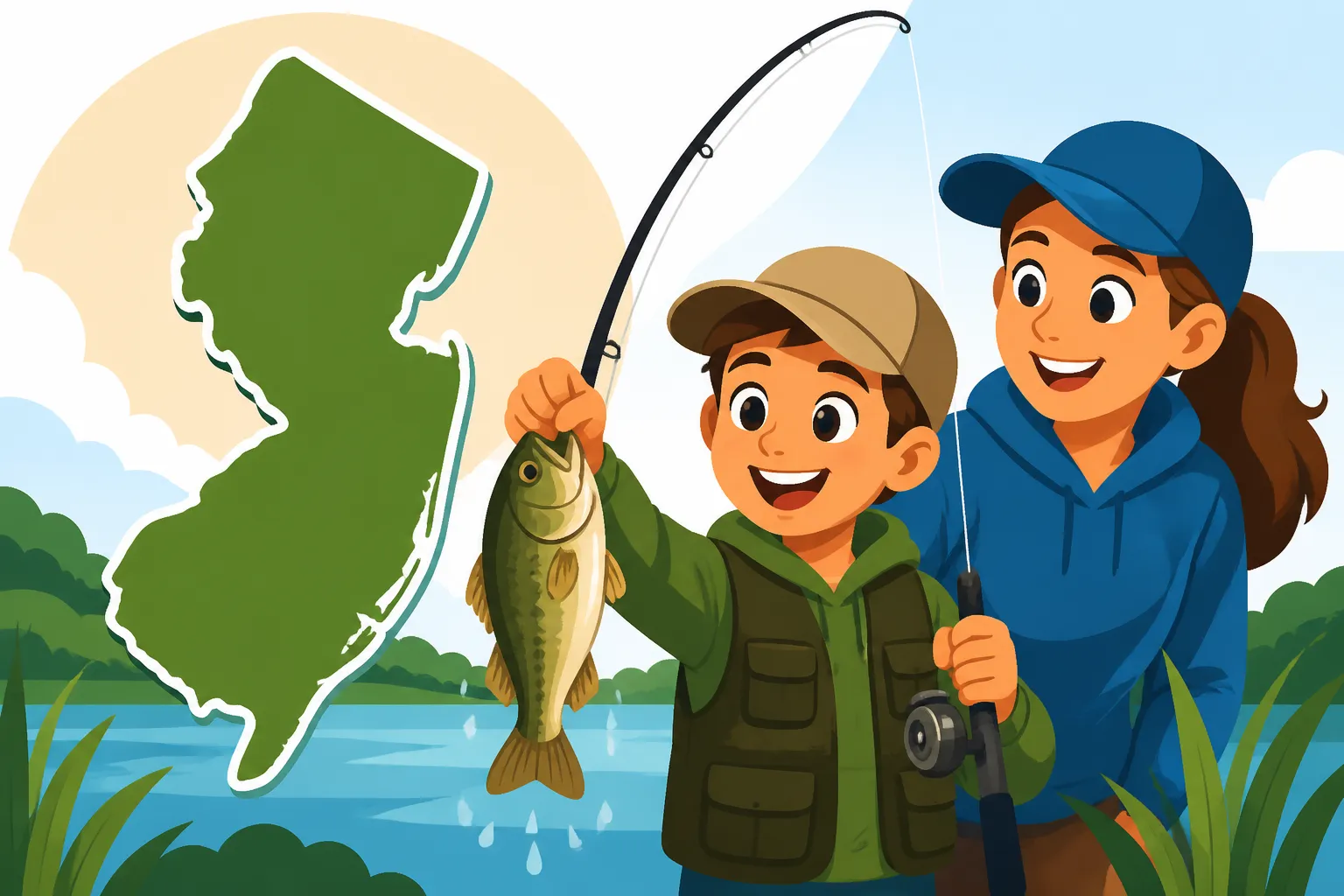
Let's get right to the most common question: In New Jersey, anglers under the age of 16 do not need a fishing license to fish in freshwater or saltwater. This is a huge relief for many parents and guardians because it means you don't have to worry about an extra expense or bureaucratic step when introducing your youngsters to the sport. So, if you have a 5-year-old, a 10-year-old, or even a 15-year-old, they can cast their lines freely without a state-issued license.
The important thing to remember is that this exemption applies strictly to the child. If you, as an adult (age 16 or older), are fishing alongside them, you will need your own valid New Jersey fishing license. You can learn more about this in our detailed guide on New Jersey Fishing License Age Requirements. The state makes it clear: the adult is responsible for their own compliance. Many parents get tripped up thinking if the kid doesn't need one, neither does the supervising adult, but that's not the case unless the adult is solely assisting the child and not actively fishing themselves. It’s always best to be prepared, because a Conservation Police Officer could check at any time.
Why Kids Are Exempt and Adults Aren't Always
The rationale behind exempting young anglers from license requirements is actually quite thoughtful and forward-thinking. New Jersey, through its Division of Fish and Wildlife, wants to actively encourage children to get involved in outdoor activities, particularly fishing. By removing the financial barrier and the administrative hassle of obtaining a license, the state makes it easier for parents, grandparents, and mentors to introduce kids to angling. It’s about fostering a love for nature, promoting healthy outdoor recreation, and, ultimately, cultivating the next generation of conservationists.
Think about it: many of us fondly remember our first fishing trips as kids, often with a parent or grandparent patiently showing us the ropes. These early experiences are crucial for developing an appreciation for wildlife, aquatic ecosystems, and the importance of preserving these resources. The funds generated from adult fishing licenses directly support vital conservation efforts, fish stocking programs, habitat restoration, and fisheries management across the state. By making it easy for kids to fish now, the state is investing in future adults who will understand and support these critical initiatives. While adults shoulder the cost of these programs by purchasing a New Jersey Fishing License Guide for 2026, kids get to enjoy the benefits freely, laying the groundwork for a lifelong passion and commitment to the environment.
Exploring New Jersey's Dedicated Youth Fishing Programs
New Jersey isn't just about waiving licenses for kids; the state and various organizations go a step further by actively hosting programs designed specifically to get young people hooked on fishing. These aren't just casual gatherings; they are often structured events that provide instruction, gear, and a supportive environment for new and experienced youth anglers alike. These initiatives are fantastic resources for families looking to introduce their children to fishing in a fun and educational way.
State-Sponsored Youth Fishing Derbies and Clinics
The New Jersey Division of Fish and Wildlife (NJDFW) is a big proponent of getting kids involved, and one of their most popular offerings is the annual schedule of Youth Fishing Derbies. These events are often held in beautifully maintained state parks and county ponds that are specifically stocked with plenty of fish to ensure a high chance of success for the young participants. For instance, you might find derbies at places like Parvin State Park Lake, Mercer Lake, or the various ponds within the Assunpink Wildlife Management Area. These aren't just about catching fish; they're full-fledged outdoor festivals with prizes, educational stations, and opportunities for kids to learn about different fish species.
The beauty of these state-sponsored derbies and clinics is that they often provide everything a budding angler needs. Loaner rods and reels are frequently available, so you don't even need to invest in gear before your child tries it out. Bait is usually supplied, and experienced volunteers are on hand to teach basic casting techniques, knot tying, and how to safely handle a fish. It's a low-pressure, high-reward environment that celebrates participation and learning. Many of these events also fall under what's known as New Jersey Youth Fishing Derby License Waivers, meaning even kids aged 16 and up might be able to participate without a license for the duration of the event, though this should always be confirmed with the specific derby organizers. Check the NJDFW website regularly, especially in spring and early summer, for upcoming dates and locations.
Community and Conservation Group Initiatives
Beyond the state, a vibrant network of local community groups, fishing clubs, and conservation organizations also runs incredible youth fishing programs. These grassroots efforts are often fueled by passionate volunteers who genuinely want to pass on their love for the sport. Organizations like local chapters of Trout Unlimited, various rod and gun clubs, and even some county park systems frequently host events.
For example, a local Trout Unlimited chapter might organize a "Kids' Trout Day" along a stocked river like the Musconetcong or Pequest, teaching fly casting or responsible catch-and-release practices. Many clubs have junior angler programs where kids can learn everything from basic tackle maintenance to advanced casting. These groups often foster a strong sense of camaraderie and mentorship, providing a more consistent and in-depth learning experience than a single derby might offer. They also highlight the importance of ethical angling and conservation, teaching children not just how to catch a fish, but how to respect the environment it lives in. Keep an eye on local community calendars, tackle shop bulletin boards, and the websites of organizations like the Federation of Sportsmen's Clubs of New Jersey for these invaluable opportunities.
Educational Components and Skill Development
The true value of these youth fishing programs extends far beyond just catching a fish. They are carefully designed with significant educational components aimed at holistic skill development. Kids don't just learn to cast a line; they learn about the aquatic ecosystem, fish identification, and the life cycles of different species. Volunteers often set up stations where children can examine macroinvertebrates, learn about water quality, or even practice tying various fishing knots.
Imagine your child learning to tie a Palomar knot or how to correctly identify a largemouth bass versus a smallmouth bass. These practical skills build confidence and competence. Moreover, the programs emphasize essential conservation ethics. Children are taught the importance of proper fish handling, especially for catch-and-release, understanding bag and size limits, and respecting the natural environment by picking up litter and avoiding damage to vegetation. This instills a sense of stewardship that is crucial for the future of our fisheries. These experiences are invaluable, turning a simple fishing trip into a comprehensive outdoor education that instills appreciation, knowledge, and a commitment to protecting New Jersey's beautiful natural resources.
Specific License Waivers and Exemptions for Youth Events
It’s one thing to know that kids under 16 don’t need a license for general fishing, but what about those special events? New Jersey offers specific license waivers for certain organized youth fishing activities. Understanding these can help you take full advantage of the opportunities available, while also being clear about their limitations. These waivers are a fantastic way to introduce kids to the sport without additional bureaucratic hurdles.
Event-Specific License Waivers
Many official youth fishing derbies, clinics, and educational programs sponsored or sanctioned by the New Jersey Division of Fish and Wildlife come with a blanket license waiver for all participants, regardless of age. This means that if a program is advertised as having a waiver, even a 16 or 17-year-old who would normally require a license can participate in that specific event without one. This is a huge benefit, as it ensures that the focus remains entirely on learning and enjoyment, rather than administrative details.
These waivers are typically limited to the specific dates, times, and locations of the sanctioned event. They do not mean that the youth can then go off and fish elsewhere later that day or week without a license if they are otherwise required to have one (i.e., if they are 16 or older). For younger kids, under 16, this is less relevant as they are generally exempt anyway. However, for those on the cusp of needing a license, or for special events where all ages might be encouraged to participate, these waivers are a game-changer. It’s important to remember that these are exceptions to the general rule and are designed to promote participation in specific educational and recreational initiatives. For information on when fishing is generally free for everyone, you might want to look at our guide on New Jersey Free Fishing Days Explained.
Implications for Chaperones and Adult Participants
While youth participants often enjoy license waivers for these specific events, the rules for accompanying adults can be a little different and often cause confusion. Generally, if you, as an adult chaperone (age 16 or older), are actively fishing during a youth event, you will need your own valid New Jersey fishing license. This applies even if your primary role is to assist a child. If you’re casting a line, retrieving your own fish, or otherwise engaging in active angling, you are considered a participant and must comply with state licensing requirements.
However, there can be exceptions. If an adult is solely providing assistance to a licensed or exempt youth, such as baiting a hook, untangling a line, or casting for a very young child who cannot do so themselves, and is not attempting to catch fish for themselves, they might not need a license. The key here is "not attempting to catch fish for themselves." It's a fine line, and interpretation can vary, so the safest bet is always for any adult who plans to handle a rod and reel in any significant capacity to simply purchase a license. You don't want a fun family day to turn into a stressful encounter with a Conservation Police Officer over a technicality. Before attending any event, it's wise to clarify these specific rules with the event organizers or the NJ Fish and Wildlife office.
How to Confirm Waiver Status for an Event
Given the nuances of license waivers, it’s absolutely critical to confirm the waiver status for any specific youth fishing event your child plans to attend. Never assume a waiver is in place just because it's a "kids' event." The best place to start is always the official event flyer, brochure, or website. Organizers of legitimate, sanctioned events will clearly state whether a fishing license is required or if a waiver is in effect. If this information isn't immediately visible, don't hesitate to reach out directly to the event contact person or the sponsoring organization.
A quick call to the New Jersey Division of Fish and Wildlife main office or checking their youth programs section on their website can also provide clarification for state-run events. Local tackle shops are often another excellent resource, as they are usually well-informed about community fishing happenings. Being proactive in checking means you can avoid any last-minute surprises or, worse, potential legal issues. It ensures a smooth, worry-free, and enjoyable experience for everyone involved, letting you focus on the fun and the memories being made.
Gear, Safety, and Preparation for Youth Anglers
Introducing a child to fishing involves more than just finding a spot and hoping for a bite. Proper preparation, the right gear, and a strong emphasis on safety and ethics can make all the difference between a frustrating outing and a truly memorable one. It's about setting them up for success and teaching them to be responsible stewards of the environment from the very beginning.
Essential Gear for Young Anglers
Getting the right gear for a young angler doesn't have to break the bank. In fact, simpler is often better. For beginners, a spincast rod and reel combo is almost universally recommended. These are incredibly easy to use, with a simple push-button casting mechanism that even very young children can master quickly. Brands like Ugly Stik, Zebco, or Shakespeare offer durable, affordable kid-specific combos that can take a beating (because, let's be honest, they will!). You can find fantastic beginner setups on Amazon that include everything you need to get started. A roughly 4 to 5-foot rod with light action is usually perfect.
Beyond the rod and reel, a small tackle box stocked with basics is essential. Think about:
- Hooks: Size 8 or 10 Aberdeen or baitholder hooks are versatile for panfish and smaller trout.
- Bobbers: Small, brightly colored bobbers are exciting for kids to watch and easy to see when a fish bites.
- Sinkers: Split-shot sinkers are easy to attach and adjust.
- Bait: Live bait like worms (which can be dug up or bought) or corn are often irresistible to many freshwater species. PowerBait or Berkley Gulp! are also fantastic options, especially for stocked trout.
- Pliers/Forceps: Essential for safely removing hooks.
- Small net: Helps land fish gently and reduces handling time.
- Line cutters: Small scissors or nail clippers work fine.
Remember, the goal is to make it accessible and fun, not to outfit them like a professional angler. Many of these items can be found in inexpensive kits, making it simple to get started without too much upfront cost.
Prioritizing Safety on the Water
Safety should always be the number one priority when fishing with kids. New Jersey's waters, whether freshwater or saltwater, can pose risks if you're not prepared.
- Life Vests: If you're on a boat, kayak, or even fishing near deep or fast-moving water, ensure every child (and adult!) is wearing a properly fitted U.S. Coast Guard-approved life vest. Even strong swimmers can get into trouble quickly.
- Sun Protection: New Jersey summers can be brutal. Pack sunscreen (SPF 30+), wide-brimmed hats, and sunglasses to protect sensitive skin and eyes from harmful UV rays. Reapply sunscreen frequently.
- Hydration: Bring plenty of water and healthy snacks. Dehydration and low blood sugar can quickly turn a fun outing into a miserable one.
- First Aid Kit: A basic first aid kit is a must-have. Be prepared for minor cuts, scrapes, and especially hook incidents. Teach kids to alert an adult immediately if they get a hook stuck. Small, sharp wire cutters can be invaluable for snipping off the barb of a hook to make removal easier.
- Location Awareness: Always be aware of your surroundings. Check for slippery banks, uneven terrain, or submerged obstacles. Teach children to stay a safe distance from the water's edge and to be mindful of others casting lines. If you're near a boat launch, be extra vigilant about boat traffic.
By taking these precautions, you create a safer environment, allowing everyone to relax and enjoy the fishing experience without unnecessary stress.
Teaching Conservation and Ethics
Fishing is a fantastic outdoor activity, but it also comes with a responsibility to the environment and its inhabitants. Teaching conservation and ethics to young anglers from the start is paramount to ensuring the future of fishing in New Jersey.
- Catch and Release: Explain the concept of catch and release, especially for fish that are undersized, out of season, or if you've already met your New Jersey Daily Bag Limits by Species. Demonstrate how to handle fish gently with wet hands, remove hooks quickly, and release them carefully. Emphasize that not every fish needs to be kept for dinner.
- Litter Prevention: "Leave no trace" should be a core principle. Bring a trash bag and teach kids to pack out everything they pack in, including discarded fishing line, bait containers, and snack wrappers. Show them how fishing line can be deadly to wildlife.
- Respect for Regulations: Even if they don't need a license, explain why rules like size limits, bag limits, and fishing seasons exist (e.g., New Jersey Freshwater Fishing Regulations Every Angler Should Know). These rules protect fish populations and ensure healthy fisheries for everyone.
- Respect for Others: Teach courtesy towards other anglers, boaters, and nature enthusiasts. No loud noises, respect personal space, and always be polite.
By integrating these lessons into every fishing trip, you're not just teaching a child to fish; you're nurturing a responsible, environmentally conscious individual who will value and protect New Jersey's natural beauty for years to come.
Maximizing the Youth Fishing Experience in New Jersey
When you’re taking kids fishing, the biggest goal isn't always the biggest fish. It's about creating an experience that's engaging, fun, and memorable, ensuring they want to come back for more. New Jersey offers a fantastic variety of opportunities to make this happen, from targeting specific species that are easy to catch to finding the perfect, kid-friendly fishing hole.
Best Fish Species for Kids to Target
For young, impatient anglers, constant action is key to keeping them engaged. This is why targeting certain species that are abundant and relatively easy to catch can make a world of difference.
- Panfish (Bluegill, Sunfish, Perch): These are absolute champions for kid-friendly fishing. They're found in almost every freshwater pond, lake, and slow-moving river throughout New Jersey. They bite readily, even on simple baits like worms or corn, and their small size means you'll get plenty of action. A bobber that dances and dips is incredibly exciting for a child. Our guide on New Jersey Sunfish and Bluegill Fishing Guide provides excellent tips for these abundant species.
- Stocked Trout: New Jersey's trout stocking program is legendary, especially in the spring. Ponds and streams are regularly loaded with catchable rainbow and brown trout, making success almost guaranteed. These fish are aggressive feeders and put up a fun fight. Areas like the Pequest Trout Hatchery and its associated fishing access are prime spots. Remember, however, that even for stocked trout, specific rules about trout stamps and seasons apply, which you can read about in New Jersey Trout Stamp Requirements Explained.
- Smaller Bass (Largemouth and Smallmouth): While trophy bass can be elusive, juvenile largemouth and smallmouth bass are often abundant in the same waters as panfish. They'll readily hit small spinners, plastic worms, or even live worms. Catching a bass, even a small one, feels like a real accomplishment for a young angler.
The key is to set realistic expectations. Focus on the process of fishing – casting, reeling, feeling a bite – rather than just the size or number of fish. Any bite is a victory!
Finding Kid-Friendly Fishing Spots
New Jersey is dotted with countless fishing spots perfect for families, offering easy access, safety, and a good chance of catching fish.
- State and County Park Ponds: These are often ideal. Many are regularly stocked by the state with trout or managed for panfish populations. They usually have easy bank access, picnic areas, and restrooms, making for a comfortable outing. Look for designated "family fishing" areas. A great resource is our article on New Jersey State Park Ponds Stocked With Trout.
- Piers and Docks: Saltwater piers along the coast (like those in Belmar, Asbury Park, or the Manasquan Inlet) and public docks on inland lakes offer safe, stable platforms. Kids can drop a line directly into the water without worrying about snagging on weeds or navigating tricky shorelines. Plus, there's always something interesting to see.
- Designated Youth Fishing Areas: Some water bodies, or sections of them, are specifically managed for youth fishing. These often have enhanced access, fish attractors, and might even have special regulations to boost success rates for kids. For example, some sections of the Pequest River are designated for youth and disabled anglers.
- Smaller, Quieter Lakes: Avoid large, busy lakes with heavy boat traffic initially. Opt for smaller, calmer ponds where your child can focus without distractions. Check out guides like Best New Jersey Ponds for Kids to Catch Their First Fish for specific recommendations.
When choosing a spot, consider the amenities. Is there parking nearby? Are there restrooms? Is there shade? The more comfortable the environment, the longer your child will want to stay engaged.
Beyond the Catch: Building Lasting Memories
While catching fish is undeniably exciting, the most profound part of youth fishing lies in the memories created and the lessons learned. The true success of a fishing trip with kids isn't measured by the weight of the creel, but by the joy in their eyes and the stories they tell.
- Focus on the Experience: Let go of the pressure to catch a trophy. Instead, focus on the entire outdoor experience. Point out birds, talk about dragonflies, identify plants, or simply enjoy the sounds of nature. Teach them patience – a valuable life lesson that fishing offers in abundance.
- Celebrate Small Victories: A small bluegill, a successful cast, or even just properly baiting a hook are all wins. Lavish praise and encouragement. Even if the fish aren't biting, celebrating the effort and perseverance is crucial.
- Document the Adventure: Take photos! Capture those moments of concentration, excitement, and pride. These images become cherished memories that they’ll look back on for years to come.
- Make it a Ritual: Establish fishing as a regular family activity. The consistency reinforces the joy and makes it something to look forward to. It becomes a special bonding time away from screens and daily routines.
- Let Them Lead: As they gain confidence, let them choose the spot, the bait, or even the technique. Giving them ownership over the process empowers them and deepens their engagement.
Fishing offers a unique opportunity to connect with nature, develop new skills, and strengthen family bonds. By shifting the focus from "catching fish" to "experiencing nature," you're not just creating a fisher; you're nurturing an appreciation for the outdoors that will last a lifetime.
Common Misconceptions and Pro Tips for Parents
Navigating the world of youth fishing can sometimes feel like a minefield of conflicting information and unspoken rules. Many parents have good intentions but can fall prey to common misconceptions or overlook simple tips that could vastly improve their family's fishing experience. Let's clear up some of that confusion and share some wisdom from seasoned anglers.
Clarifying the "No License Needed" Myth
One of the most persistent misconceptions is that "kids don't need a license, period." While it's true that in New Jersey, anglers under 16 are generally exempt, this isn't a blanket rule that applies to every situation or every person on the trip. As we discussed, if a child is 16 or older, they do need a license for general fishing, even if they're still considered "youth." And perhaps more importantly, any accompanying adult (age 16 and over) who is actively fishing, even if their main purpose is to supervise a child, must possess their own valid license.
The only times these rules are typically waived for older youth (16+) or for adults who are also fishing are during specific, officially sanctioned "free fishing days" or designated youth fishing derbies that explicitly state a license waiver. For example, New Jersey usually hosts two "Free Fishing Days" each year where everyone can fish without a license, but these are specific dates. You can learn more about these in our article: New Jersey's Two Free Fishing Days. Otherwise, always assume that if you're 16 or older and have a rod in your hand, you need a license. It's a small investment that supports vital conservation efforts and prevents a potentially awkward (and costly) interaction with a Conservation Police Officer. You can easily find out How to Buy a New Jersey Fishing License Online to ensure you're always compliant.
Making Fishing Fun and Educational
For kids, fishing needs to be fun and engaging, or they simply won't want to do it again. It's easy for adults, with their greater patience, to forget that children have shorter attention spans and different expectations.
- Keep Trips Short: Especially for younger kids, an hour or two is often plenty. You can always extend it if they're still having a blast, but don't force a full day if their enthusiasm wanes. Ending on a high note is crucial.
- Prioritize Action Over Size: Focus on catching anything. Panfish are perfect for this. The thrill of a bobber going down is often more exciting than a long wait for a big, elusive fish.
- Bring Entertainment: If the bites slow down, have backup activities. A nature scavenger hunt, a sketch pad, or even just skipping rocks can keep them entertained and prevent boredom.
- Positive Reinforcement is Key: Celebrate every little success – a good cast, baiting a hook themselves, or even just sitting patiently. Avoid criticism; focus on encouragement.
- Turn it into a Learning Opportunity: Use the time to teach. Identify the types of fish they catch (you can use resources like the New Jersey Freshwater Fish Size Chart 2026 or New Jersey Marine Fish Size Chart 2026), talk about the habitat, or discuss why certain fish are in certain areas. Fishing is a hands-on science lesson in disguise!
- Pack Plenty of Snacks: Hunger can quickly derail a trip. Keep them fueled and hydrated to maintain energy and good spirits.
Where to Find More Resources
Feeling overwhelmed or looking for more specific information? New Jersey offers a wealth of resources for youth anglers and their families:
- NJ Division of Fish and Wildlife Website: This is your authoritative source for all regulations, fishing reports, fish stocking schedules, and information on youth programs. Their "Go Fish NJ" section is particularly helpful.
- Local Tackle Shops: These are goldmines of local knowledge. The staff can tell you what's biting, where the best local spots are for kids, and often have flyers for upcoming community fishing events.
- Conservation Organizations: Groups like Trout Unlimited, the Federation of Sportsmen's Clubs of New Jersey, and local environmental non-profits often have youth-focused initiatives and educational materials.
- Online Forums and Social Media Groups: Join local New Jersey fishing groups on platforms like Facebook. You'll find a community of passionate anglers willing to share advice, tips, and event information.
- Public Libraries and Nature Centers: Many libraries have books on local fish species and fishing techniques, and nature centers often host educational programs that tie into fishing.
Remember, every experienced angler started somewhere, usually with a patient mentor and good information. Don't be afraid to ask questions and seek out resources. The joy of fishing, and sharing that joy with a child, is one of the most rewarding experiences in the outdoors.
Here's a quick summary table of youth fishing essentials:
| Topic | Key Information | For Kids Under 16 | For Kids 16+ (and Adults) |
|---|---|---|---|
| License Requirement | General state rule for freshwater & saltwater. | NOT Required | Required |
| Youth Programs | State-sponsored derbies, clinics, community club events. | Often waived | May be waived for specific events |
| Waiver Status | Check official event info; waivers are event-specific, not general. | N/A (already exempt) | Crucial to confirm with organizers |
| Chaperone License | If adult is actively fishing, a license is needed. If solely assisting, it might not be. | Adult needs license to fish | Adult needs license to fish |
| Recommended Gear | Simple spincast rod/reel, small tackle box (hooks, bobbers, sinkers, bait), pliers, net. | Ideal for ease of use | Still great for beginners |
| Safety Essentials | Life vests (if near deep water/boat), sunscreen, hat, water, snacks, basic first aid kit. | Mandatory | Mandatory |
| Best Target Fish | Panfish (bluegill, sunfish), stocked trout, small bass. Focus on action. | High success rate | Good for engagement |
| Conservation Ethics | Teach catch & release, litter prevention, respect for regulations & other anglers. | Instill early | Lead by example |
| Key Takeaway | Make it fun, keep it short, celebrate small victories, prioritize safety. | Focus on the experience | Model responsible angling |
Disclaimer
The information provided in this guide is intended for general informational purposes only and does not constitute legal advice. Fishing regulations, license requirements, and program availability in New Jersey can change. It is always the responsibility of the individual angler to consult the most current regulations published by the New Jersey Division of Fish and Wildlife before engaging in any fishing activity.