New Jersey Youth Fishing Derby License Waivers
It can feel a bit overwhelming when you're trying to get your kids involved in fishing, especially with all the rules and regulations. You want to make sure they have a great, worry-free experience, but then you start wondering about licenses. Do kids need one? What about special events? This guide is here to clear up one very specific and helpful aspect: how New Jersey makes it easier for youth to participate in fishing derbies by offering license waivers, ensuring your focus stays on the fun, not the paperwork.
Understanding Youth Fishing License Requirements in New Jersey
When it comes to introducing the next generation to the joys of angling, New Jersey understands the importance of accessibility. However, navigating the rules can sometimes feel like trying to untangle a bird's nest of fishing line. It’s natural to wonder if your little angler, even if they’re just starting, needs their own official state document to cast a line.
Standard Age Rules for Kids Fishing in New Jersey
Let's get this fundamental point squared away right from the start: generally speaking, children under the age of 16 do not need a New Jersey fishing license to fish in the state's public freshwaters or to participate in most recreational saltwater fishing activities. This is a huge relief for many parents and guardians who are just looking to spend some quality time outdoors with their young ones. The idea is to remove as many barriers as possible for youth to experience fishing. So, if you've got a curious 10-year-old who wants to try their hand at catching sunfish in a local pond, you don't need to worry about purchasing a separate license for them.
However, it's crucial to remember that while the general rule offers a great exemption, some specific situations might still require a license or adherence to other regulations. For instance, if your child is turning 16 during the fishing season, they will eventually need to acquire a license once they reach that milestone. Additionally, certain private, fee-based fishing operations might have their own specific rules, which could include requiring a license regardless of age. Always check with the specific venue if you're venturing beyond public access points. For a broader understanding of what to expect, you might find our guide on whether a Do Kids Need a Fishing License in New Jersey? helpful.
Why Derbies Matter for Introducing Kids to Fishing
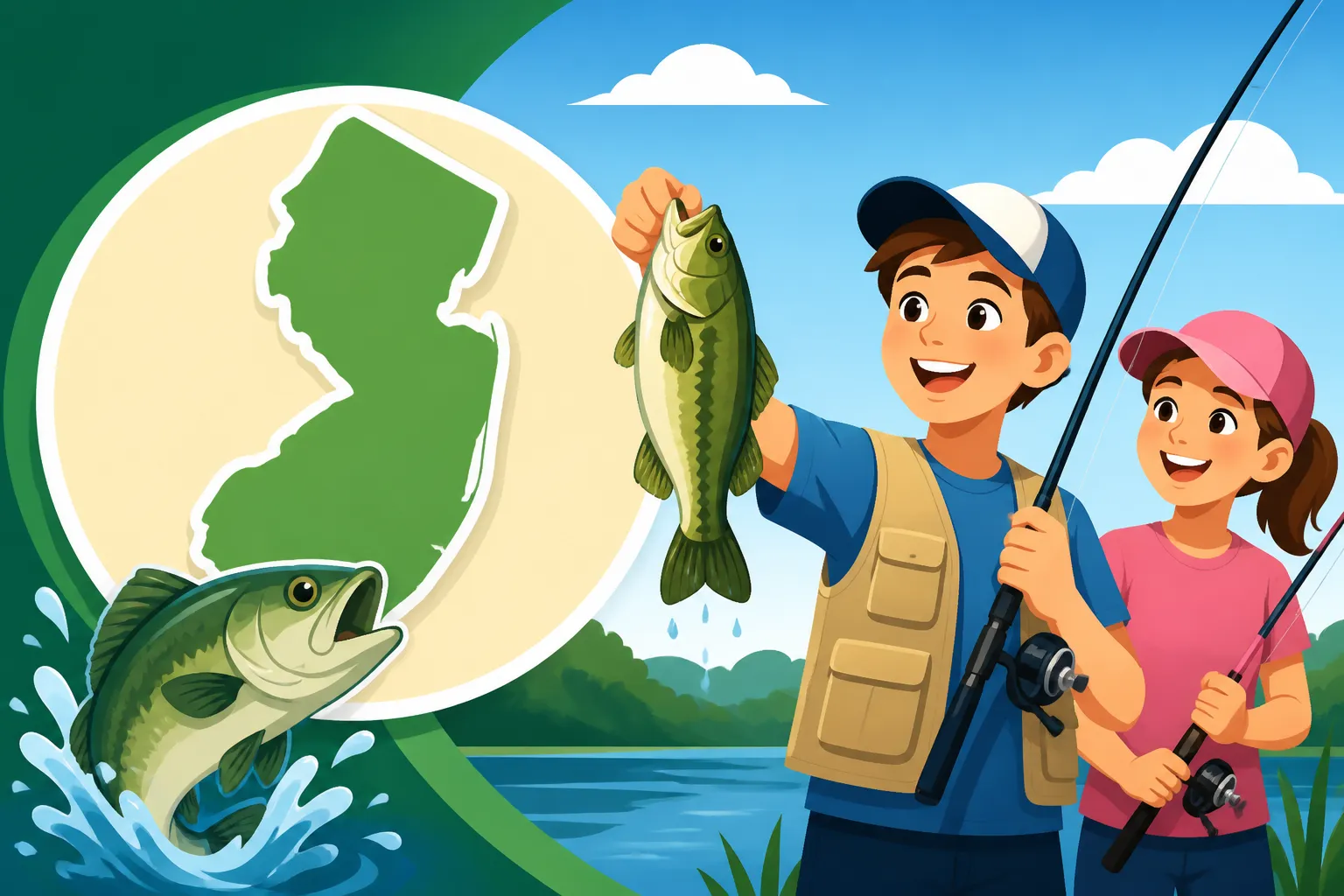
Youth fishing derbies are more than just an excuse to catch fish; they are invaluable gateways into the world of angling and conservation. Imagine a day where dozens of kids, some holding a rod for the very first time, gather at a local lake or pond. The air buzzes with excitement, anticipation, and the occasional cheer as a fish is reeled in. These events provide a structured, supportive, and often educational environment where children can learn basic fishing techniques, understand fish identification, and develop an appreciation for aquatic ecosystems.
Many derbies go beyond just fishing; they often include educational stations about local wildlife, knot tying workshops, and even prizes for categories like "first fish" or "most unique catch," rather than just the biggest. They remove the intimidation factor that can sometimes accompany individual fishing trips, especially for families new to the sport. By creating such an inviting atmosphere, derbies play a critical role in fostering a lifelong love for the outdoors and responsible stewardship among young participants. They ensure that the focus remains on the joy of the catch, the thrill of the chase, and the camaraderie among peers, all without the added stress of initial licensing requirements thanks to specific waivers.
How New Jersey Youth Fishing Derby License Waivers Work
While New Jersey aims to make fishing accessible for kids, especially those under 16, organized events like fishing derbies often require a more formalized approach to ensure all participants are covered and the event adheres to state regulations. This is where the concept of a license waiver for youth fishing derbies becomes incredibly valuable. It's a proactive measure designed to streamline participation and remove any potential barriers for young anglers attending these special events.
What Exactly is a License Waiver?
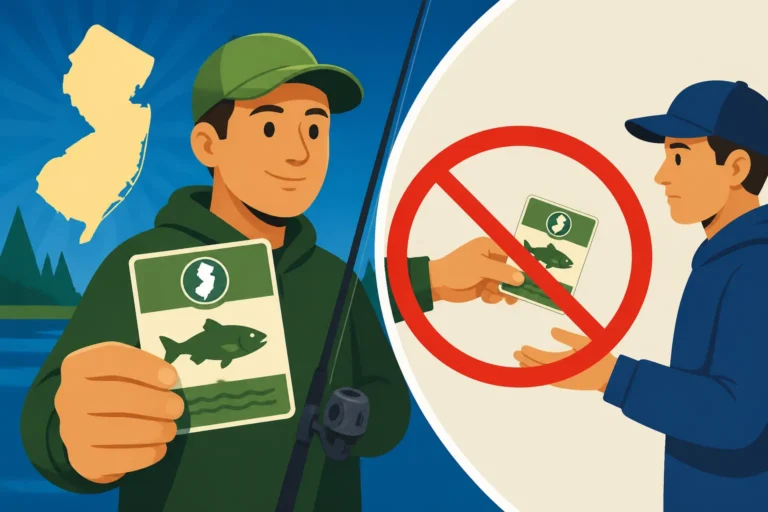
A license waiver, in the context of a New Jersey youth fishing derby, is essentially an official exemption granted by the New Jersey Division of Fish and Wildlife (NJDFW) that allows participants of a specific, approved event to fish without needing their individual state fishing license. This means that if an organizer successfully applies for and receives a waiver for their youth derby, all the children participating in that particular event are legally covered to fish without purchasing a license.
It's important to understand that this waiver typically covers the general freshwater fishing license requirement. It usually does not extend to other specialized stamps, such as the New Jersey Trout Stamp Requirements Explained, which is often needed when fishing for trout in designated trout-stocked waters, even if you have a general license. Derby organizers will usually clarify if a trout stamp is still needed for their specific event or if they've made other arrangements. The key takeaway is that the waiver is tied to the event, not the individual child, significantly simplifying things for parents and event planners alike. The event organizer takes on the responsibility of securing this blanket permission, which benefits all young attendees.
Eligibility for Derby Organizers to Get Waivers
Not every local gathering of kids with fishing rods automatically qualifies for a state license waiver. The New Jersey Division of Fish and Wildlife has specific criteria and guidelines that event organizers must meet to be granted this valuable exemption. These criteria are in place to ensure that the derbies are legitimate, well-organized, and align with the state's goals of promoting safe and educational youth fishing experiences.
Typically, the derbies that qualify are non-profit events, often hosted by community groups, environmental organizations, schools, or local fishing clubs. The primary focus must be on youth participation and education, not commercial gain. Organizers are usually required to submit a detailed application outlining the event's purpose, location, date, expected number of participants, and the safety measures in place. They need to demonstrate that the event will be adequately supervised and that it offers a positive, educational experience for the children. This includes showing that they will adhere to all other state fishing regulations, such as New Jersey Daily Bag Limits by Species and size restrictions, even if the license itself is waived. The NJDFW reviews these applications carefully, and approval is granted on a case-by-case basis. Planning ahead is key for organizers, as the application process requires time and attention to detail.
Practical Aspects for Parents and Derby Organizers
Navigating a youth fishing derby, whether as a parent bringing your child or an organizer putting the whole thing together, involves a few practical considerations. Knowing what to expect and what responsibilities fall where can make the difference between a smooth, enjoyable event and one filled with last-minute questions and confusion.
What Parents Need to Know Before Their Child Attends a Derby
As a parent, your main goal is to ensure your child has a fantastic time and stays safe. When it comes to fishing derbies, there are a few things you should always confirm with the event organizers well in advance. Firstly, confirm the waiver status. While it's common for youth derbies to have license waivers, it's always best to explicitly ask if one has been secured for that particular event. This small step will give you peace of mind regarding the legal aspect.
Beyond licensing, consider the practicalities:
- Gear: Will the derby provide rods, reels, and bait, or should your child bring their own? Many derbies are designed for beginners and will have loaner equipment, but if your child has their own favorite setup, it's good to know if they can use it. If you need to grab some last-minute tackle or a beginner rod and reel combo, remember you can always find a wide selection on Amazon.
- Weather and Attire: Check the forecast! Your child will likely be spending several hours outdoors. Pack appropriate clothing, rain gear if necessary, sun protection (hat, sunscreen), and plenty of water.
- Other Regulations: Even with a license waiver, the derby will still operate under New Jersey's general fishing regulations regarding size limits, bag limits, and specific species rules. Organizers should brief participants on these, but it's good for you to be aware. For example, knowing the New Jersey Freshwater Fishing Regulations Every Angler Should Know can make you a more informed supporter.
- Safety: Inquire about safety protocols, especially concerning hooks, fish handling, and any water safety measures in place.
By taking these proactive steps, you can ensure your child is prepared for a fun and successful day on the water, free from unnecessary worries.
Applying for a Waiver: A Step-by-Step for Organizers
For community groups, clubs, or organizations looking to host a youth fishing derby in New Jersey, securing a license waiver is a crucial step to make the event accessible and fully compliant. The application process, while straightforward, requires attention to detail and adherence to deadlines.
- Contact the NJDFW: The first step is to get in touch with the New Jersey Division of Fish and Wildlife's Bureau of Freshwater Fisheries or the relevant regional office. They are the authority responsible for issuing these waivers and can provide the most current application forms and guidelines. Their website is also an excellent resource, often featuring downloadable forms.
- Obtain the Application Form: You'll typically need to fill out a specific "Youth Fishing Derby License Waiver Application." This form will ask for detailed information about your event.
- Provide Event Details: Be prepared to provide:
- The exact date(s) and time(s) of the derby.
- The specific location, including the name of the lake, pond, or stream.
- The sponsoring organization's name and contact information.
- The estimated number of youth participants.
- A brief description of the event's goals and activities, emphasizing its educational or recreational nature for youth.
- Details on how safety will be ensured and how compliance with fishing regulations (like size and bag limits) will be managed.
- Submit in Advance: Deadlines are critical. The NJDFW requires applications to be submitted well in advance of the planned derby date, often several weeks to a month or more. This allows them sufficient time to review the application, request any additional information, and issue the approval. Rushing this process can lead to delays or rejection, forcing your young participants to acquire individual licenses or even canceling the event.
- Receive Confirmation: Once approved, the NJDFW will issue an official waiver or permit. It’s essential to have a copy of this document on hand during the derby, as conservation officers may perform checks.
By following these steps, organizers can effectively secure a waiver, allowing all their young participants to focus purely on the excitement of fishing. This also aligns with other efforts to promote youth engagement in the outdoors, such as general New Jersey Youth Fishing Programs and License Waivers that aim to get more kids casting lines.
Benefits and Broader Impact of Youth Fishing Derbies
Youth fishing derbies, bolstered by license waivers, do more than just provide a fun day out; they sow the seeds for future conservation, personal development, and community engagement. The ripples from these seemingly simple events extend far beyond the water's edge, creating lasting impacts on individuals and the environment alike.
Fostering a Love for Fishing and Conservation
The most immediate and apparent benefit of youth fishing derbies is their ability to ignite a passion for fishing. For many children, catching their first fish at a derby is a monumental moment – a memory that can spark a lifelong hobby. But it's not just about the catch; it's about the entire experience. Learning to identify different fish species, understanding the importance of proper fish handling for catch and release, and appreciating the delicate balance of aquatic ecosystems are all intrinsic parts of a well-run derby.
These events often serve as informal classrooms where kids learn about environmental stewardship. When a child learns that clean water and healthy habitats are essential for the fish they love to catch, they begin to develop a conservation ethic. They become more aware of pollution, habitat destruction, and the role they can play in protecting natural resources. This early exposure to conservation principles, facilitated by the joy of fishing, helps to create a new generation of environmentally conscious citizens who understand the value of sustainable practices. It connects them directly to the information they might otherwise only read in a book or online – perhaps even a kids' nature guide found on Amazon.
Expanding Access and Inclusivity in Fishing
One of the significant barriers to entry for many families when it comes to outdoor activities like fishing is the perceived cost and complexity. The need for specialized gear, knowledge of regulations, and even just knowing where to go can be daunting. Youth fishing derbies, especially those offering license waivers, actively break down these barriers, making fishing a more inclusive activity.
By waiving the license requirement, derbies immediately reduce a potential financial hurdle and remove administrative confusion for parents who might otherwise hesitate to get involved. Furthermore, many derbies are structured to provide loaner rods, reels, and bait, minimizing the initial investment for families. This "come as you are" approach allows children from all socioeconomic backgrounds to participate equally. Imagine a child who might never have had the opportunity to hold a fishing rod suddenly reeling in their first bluegill – this experience can be transformative. Events like these often receive support from local businesses and organizations, sometimes even offering basic fishing setups, which is a great starting point for someone considering the Basic Fishing Setup Cost. These derbies don't just teach kids to fish; they teach them that the outdoors is for everyone, fostering a sense of belonging and community around a shared, enjoyable activity.
Here's a quick look at how youth fishing derbies with waivers fit into the broader picture of New Jersey fishing:
| Feature | Standard Youth Fishing (Under 16) | Youth Fishing Derby with Waiver |
|---|---|---|
| State Fishing License | Not typically required for public waters | Waived for all participants by event organizer |
| Trout Stamp | May be required if fishing for trout in specific areas | May or may not be covered by derby waiver (confirm) |
| Who Obtains Permission | No license needed by individual | Event organizer applies for and receives waiver |
| Primary Goal | Recreational angling | Education, recreation, and community engagement |
| Gear Provision | Angler provides their own | Often provided by derby, or encouraged to bring own |
| Regulations Still Apply | Yes (bag/size limits, etc.) | Yes (bag/size limits, etc.) |
| Purpose of Exemption | General youth accessibility | Facilitate organized, educational youth events |
Disclaimer
The information provided in this guide is for general informational purposes only and is subject to change. While we strive to keep the content accurate and up-to-date, fishing regulations in New Jersey can be complex and are regularly updated by the New Jersey Division of Fish and Wildlife. Always consult the official New Jersey Fish and Wildlife Digest or the NJDEP Fish and Wildlife website for the most current and authoritative regulations before engaging in any fishing activity. Following all state and local laws is the angler's responsibility.