Toms River Fishing Access Points
It can be incredibly frustrating to hear about all the fantastic fishing opportunities in New Jersey, especially along iconic waterways like the Toms River, only to then spend hours trying to figure out where you can actually get to the water. Parking, public access, boat launches – it all feels like a puzzle sometimes! This comprehensive guide is here to clear up that confusion, diving deep into the best public access points along the Toms River so you can spend less time searching and more time with a line in the water.
Understanding the Unique Character of Toms River Fishing
The Toms River isn't just any waterway; it's a fascinating blend of freshwater and tidal influences that creates a dynamic ecosystem, offering anglers a diverse range of fishing experiences. From its headwaters in the Pine Barrens to its expansive mouth into Barnegat Bay, this river presents unique opportunities and challenges that seasoned local anglers have come to appreciate. It's not always about chasing the biggest fish, but about understanding the subtle shifts in the environment that dictate where and when different species will be biting.
Freshwater vs. Saltwater Influence on the Toms River
One of the most captivating aspects of the Toms River is its incredible freshwater-to-saltwater transition. Upstream, you'll find classic freshwater environments, narrow and shaded, perfect for species that thrive in calmer, less saline conditions. As you move downstream, especially past the Route 166 bridge in downtown Toms River, the tidal influence becomes undeniable. The river widens, the current picks up with the changing tides, and the salinity increases significantly as it merges with Barnegat Bay. This brackish environment, a mix of fresh and salt, is a highly productive zone, acting as a nursery for many marine species and attracting predators looking for an easy meal. This distinct transition means that anglers need to adjust their tactics and target species depending on where they choose to cast their line. It's like having two different fisheries in one river, and understanding this blend is key to unlocking its full potential.
Common Fish Species You'll Encounter
Given its diverse environment, the Toms River is home to an impressive array of fish species throughout the year. In the fresher, upper stretches, you'll find typical freshwater residents like largemouth bass, various panfish such as bluegill and crappie, and even some pickerel lurking in the weed beds. These areas are fantastic for kids and beginners, offering consistent action with smaller, feisty fish. As you move into the brackish and saltwater-dominated sections, the species list expands dramatically.
During the warmer months, the river becomes a hotbed for popular saltwater gamefish. Striped bass are a major draw, especially during their spring and fall migrations, with both resident fish and larger transient ones making their way through the system. Fluke (summer flounder) are also abundant, particularly in the deeper channels and around structure, offering a delicious reward for those who master the drift. Bluefish often make their presence known, especially when baitfish schools are plentiful, providing explosive strikes and a challenging fight. Additionally, you might hook into weakfish, especially during low light conditions, or even some small black sea bass around submerged structures. Even though the Toms River is known for its incredible variety, it's always a good idea to check the New Jersey Fishing Season Dates and Closures and specific New Jersey Daily Bag Limits by Species before heading out, as regulations can change.
Prime Shore-Based Fishing Access Points
For many anglers, especially those new to the area or without a boat, shore-based access is the bread and butter of their fishing excursions. The Toms River offers several excellent spots where you can set up camp, cast a line, and enjoy the scenery without needing a vessel. These locations range from bustling town parks to more serene county parks, each with its own advantages and target species.
Huddy Park: The Heart of Downtown Fishing
Huddy Park, nestled right in the vibrant downtown area of Toms River, is perhaps the most well-known and easily accessible shore fishing spot. Its prime location on the riverfront makes it a popular choice for locals and visitors alike. The park features a spacious boardwalk and several docks that extend into the water, providing ample casting opportunities. What makes Huddy Park special is the immediate deep water access close to shore, making it an ideal spot for targeting species that follow the deeper channels.
You'll often find anglers here casting for striped bass, especially during the spring and fall runs, using anything from live bunker to artificial lures. Fluke are also a common catch, particularly when drifting bait or bucktails from the docks. The sheer convenience of the park – with restrooms, benches, and often local eateries nearby – makes it a fantastic option for a casual afternoon of fishing or for families with younger anglers. It can get a bit crowded on pleasant weekends, but there's usually enough room for everyone. Plus, the constant flow of tidal water brings in plenty of baitfish, keeping the predators active.
Shelter Cove Park: Family-Friendly and Convenient
Just a little further east from downtown, you'll find Shelter Cove Park, a gem that often feels a bit more relaxed than its bustling downtown counterpart. This park offers a lovely, albeit smaller, stretch of public waterfront along the Toms River, perfect for those seeking a slightly quieter experience. It boasts a playground, open grassy areas, and a dock that provides good access to the river. The water here is generally a bit shallower than at Huddy Park, but it still has plenty of structure and tidal flow to attract fish.
Shelter Cove is particularly excellent for family fishing, offering a safe environment where kids can easily cast from the dock or the shoreline. You might find a good mix of species here, from panfish like yellow perch and white perch in the calmer areas to striped bass and fluke that cruise closer to the banks. It's a fantastic spot to introduce someone to fishing, as the chances of catching something are generally good, and the amenities make for a comfortable outing. The parking is typically easier to find than in the immediate downtown area, adding to its convenience. If you’re looking for a low-key, accessible spot with good potential for various species, Shelter Cove Park should definitely be on your list.
Ocean County Park: Seclusion and Variety
Venturing a bit further upstream, where the river narrows and takes on a more freshwater character, Ocean County Park offers a different kind of fishing experience altogether. While not directly on the main tidal flow of the Toms River, it encompasses the banks of a significant tributary and various ponds that feed into the river system. This expansive park is known for its trails, vast open spaces, and several smaller lakes and ponds that are often stocked.
For the angler seeking a more secluded, peaceful environment, Ocean County Park is a fantastic escape. Here, you'll primarily target freshwater species such as largemouth bass, pickerel, and panfish in the ponds. The tributary streams flowing through the park can also hold surprises, especially after heavy rains when fish might move upstream. While it won't offer the saltwater action of the lower river, it provides excellent opportunities for quiet contemplation and classic pond fishing. It's a great spot if you're looking to hone your bass techniques or simply enjoy a tranquil day catching sunfish with the family. Just remember that separate regulations might apply to the ponds within the park, so always double-check the Reading the New Jersey Fish and Wildlife Digest for the most current information.
Kayak and Small Boat Launch Points
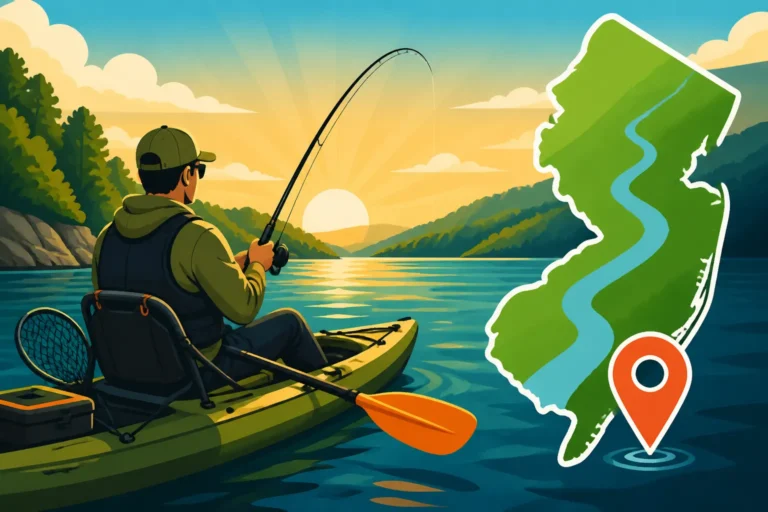
For those who want to explore beyond the shoreline and reach prime fishing grounds that are inaccessible by foot, kayaks and small boats are game-changers on the Toms River. The river's varying widths and depths, coupled with its numerous coves and tributaries, make it an ideal playground for paddle craft and modest motorboats. Having a boat lets you follow the tides, target specific structures, and truly immerse yourself in the diverse ecosystems the Toms River has to offer.
Island Heights Public Launch: Gateway to the Lower River
The public boat launch in Island Heights is a premier access point for anyone looking to get a kayak or small boat onto the lower, wider sections of the Toms River and even into Barnegat Bay. Located just off the main stretch, this ramp provides direct access to the tidal waters, making it incredibly convenient for targeting a wide array of saltwater species. The launch itself is well-maintained, usually with ample parking for trailers, though it can fill up quickly on busy summer mornings.
From this launch, you can easily paddle or motor to productive areas for fluke, especially around the channel edges and sand flats as the tide moves. Striped bass often hold around the deeper bends and bridge pilings nearby, making them a prime target. The ability to quickly navigate to different sections of the river, from shallow flats to deeper channels, gives you a significant advantage in finding active fish. It’s also a great starting point for exploring the wider expanses of Barnegat Bay, where you might encounter bluefish, weakfish, and even some migrating schools of baitfish. Before you head out, make sure your vessel meets New Jersey Boat Registration Requirements for Anglers to avoid any hiccups. If you don't have your own kayak or small boat, many local rental shops in the area can set you up, or you might even consider booking a guided trip through a service like FishingBooker to learn the ropes from a local expert.
Toms River Township Public Boat Ramp: Convenient Access for All
Another excellent and highly accessible option for launching small boats and kayaks directly onto the Toms River is the Toms River Township Public Boat Ramp, often accessed from Riverside Drive. This ramp is a fantastic amenity for the local community and visitors alike, offering easy, paved access to the water. Its location is a sweet spot, putting you in a part of the river that still experiences strong tidal flow but isn't as exposed to the full forces of Barnegat Bay as areas further east.
This launch is ideal for those who want to fish the middle to lower sections of the river, where the brackish water truly shines. Anglers launching here can quickly access productive areas for striped bass, particularly around structures like docks, bulkheads, and subtle depth changes. Fluke fishing can also be excellent, especially when drifting cut bait or Gulp! on bucktails along the channel edges. The ease of access makes it a popular choice for both motorized skiffs and paddle craft. It's not uncommon to see kayakers heading out at dawn, paddling silently along the banks to target topwater bass or to jig for fluke in quieter coves. The availability of ample parking, even for those trailering small boats, adds to its appeal, making it a reliable spot for a day on the water.
Here’s a quick overview of these fantastic Toms River fishing access points:
| Access Point | Primary Type | Target Species (Common) | Key Features & Notes | Best For |
|---|---|---|---|---|
| Huddy Park | Shore/Pier | Striped Bass, Fluke, Bluefish | Boardwalk, docks, downtown amenities, deep water access. | Convenient, active fishing, families. |
| Shelter Cove Park | Shore/Dock | Panfish, Striped Bass, Fluke | Dock, playground, calmer water, family-friendly. | Beginners, kids, relaxed outings. |
| Ocean County Park | Shore/Pond/Tributary | Largemouth Bass, Pickerel, Panfish | Secluded ponds, freshwater streams, extensive parkland. | Tranquil freshwater fishing, bass anglers. |
| Island Heights Public Launch | Boat/Kayak Launch | Striped Bass, Fluke, Bluefish | Paved ramp, ample parking, direct access to lower river/bay. | Boat/kayak anglers, exploring Bay. |
| Toms River Township Public Boat Ramp | Boat/Kayak Launch | Striped Bass, Fluke, Weakfish | Paved ramp, good parking, central river access. | Boat/kayak anglers, middle river. |
Important Considerations for Toms River Anglers
Fishing the Toms River, like any dynamic waterway, isn't just about showing up with a rod and reel. To maximize your success and truly enjoy your time, there are several key factors to keep in mind, from understanding the flow of the tides to having the right gear and, of course, knowing the rules. Ignoring these details can lead to a frustrating day, but embracing them will elevate your angling experience to a whole new level.
Tides and Their Impact on Fishing Success
The Toms River is heavily influenced by the tides, particularly in its middle and lower sections. Unlike purely freshwater rivers, the twice-daily ebb and flow of the ocean water dictate fish behavior, feeding patterns, and even where certain species will hold. Understanding and "reading" the tides is arguably the most crucial factor for success when fishing the tidal Toms River. Generally, the moving water – whether incoming (rising) or outgoing (falling) – is when fish are most active. This is because the current dislodges baitfish, crustaceans, and other forage from structure, making them easy targets for predators.
Many experienced anglers consider the period just before and after the turn of the tide to be prime time, often referred to as "slack tide." However, depending on the species and location, fishing a strong current can also be incredibly productive. For instance, striped bass often use the current to ambush baitfish, holding in eddies or behind structure to conserve energy. Fluke, on the other hand, often prefer a steady drift to present their bait naturally along the bottom. Checking a local tide chart before your trip is non-negotiable, and then observing how the current behaves at your chosen spot will teach you invaluable lessons. FishingBooker, for example, often provides local insights or can connect you with guides who live and breathe these tidal nuances, offering invaluable knowledge.
Essential Gear and Bait Recommendations
Having the right gear and bait can make all the difference between a productive day and a frustrating one on the Toms River. Given the diversity of species and environments, a versatile setup is often your best bet, especially if you're exploring different sections of the river.
For shore fishing in the tidal sections at places like Huddy Park or Shelter Cove, a medium-action spinning rod (7-8 feet) paired with a 3000-4000 series reel spooled with 15-20 lb braided line is a solid all-around choice. This setup gives you enough backbone to handle a good-sized striped bass or bluefish, while still being sensitive enough for fluke. As for bait, fresh clam, shedder crab, and live killifish are perennial favorites for fluke and weakfish. Bunker (menhaden), either live or cut, is deadly for striped bass and bluefish. Artificials like bucktail jigs, soft plastics (such as Berkley Gulp! Swimming Mullet), and various plugs are also highly effective, particularly when targeting aggressive predators. Don't forget a good selection of sinkers appropriate for the current conditions and some strong, sharp hooks.
If you're heading to the fresher waters of Ocean County Park, a lighter freshwater setup is more appropriate – perhaps a 6-7 foot medium-light spinning rod with a 2500 series reel. For bass, try plastic worms, spinnerbaits, or topwater frogs. For panfish, small jigs tipped with a piece of worm or corn are often irresistible. Always carry a variety, as fish preferences can change quickly.
Navigating Regulations and Licensing
New Jersey has a comprehensive set of fishing regulations designed to protect fish populations and ensure sustainable angling for everyone. It's absolutely crucial to familiarize yourself with these rules before casting your line, as ignorance is no excuse for a violation. The first and most fundamental requirement for anyone 16 years of age or older fishing the freshwater sections of the Toms River is a valid New Jersey Fishing License Guide for 2026. You can easily purchase these online, at bait and tackle shops, or at certain retail locations. Even if you're only targeting saltwater species from the shore or a private boat, you'll still need to register with the New Jersey Saltwater Registry Explained, which is free and helps the state monitor recreational fishing effort.
Beyond general licensing and registration, pay close attention to species-specific regulations. This includes minimum and maximum size limits (like the New Jersey Striped Bass Slot Limit Explained), daily bag limits, and specific open seasons for various fish. These regulations can vary greatly even within the state, so always check the most current New Jersey Fish and Wildlife Digest. For instance, fluke have specific New Jersey Fluke Size and Bag Limits Explained that apply to different zones at different times. Conservation Police Officers regularly patrol waterways like the Toms River, and they will check for licenses and adherence to regulations. Carrying proof of your license, whether a physical copy or on your phone, is essential. Understanding these rules protects the fishery and ensures you don't face penalties for fishing without a license.
Disclaimer
The information provided in this guide is for general informational purposes only and is subject to change. Fishing regulations, season dates, and access policies are determined by the New Jersey Department of Environmental Protection (NJDEP) Division of Fish and Wildlife and can be updated at any time. Always consult the official NJDEP Division of Fish and Wildlife website or the current New Jersey Fish and Wildlife Digest for the most up-to-date and accurate information before planning your fishing trip. Ensure you possess all necessary licenses and comply with all applicable laws and regulations.