Best Kayak Fishing Spots on the Delaware River
The Delaware River offers an incredible bounty for anglers, but for those of us who prefer the quiet glide of a kayak over the roar of a motorboat, navigating its vast stretches can feel a bit overwhelming. You're probably wondering where the safest launch points are, what fish you can realistically target from a kayak, and how to stay safe while tackling currents and boat traffic. This comprehensive guide is designed to cut through that confusion, giving you the insider scoop on the best kayak fishing spots on the Delaware River, along with crucial tips to make your adventure both fruitful and fun.
The Undeniable Allure of Kayak Fishing the Delaware River
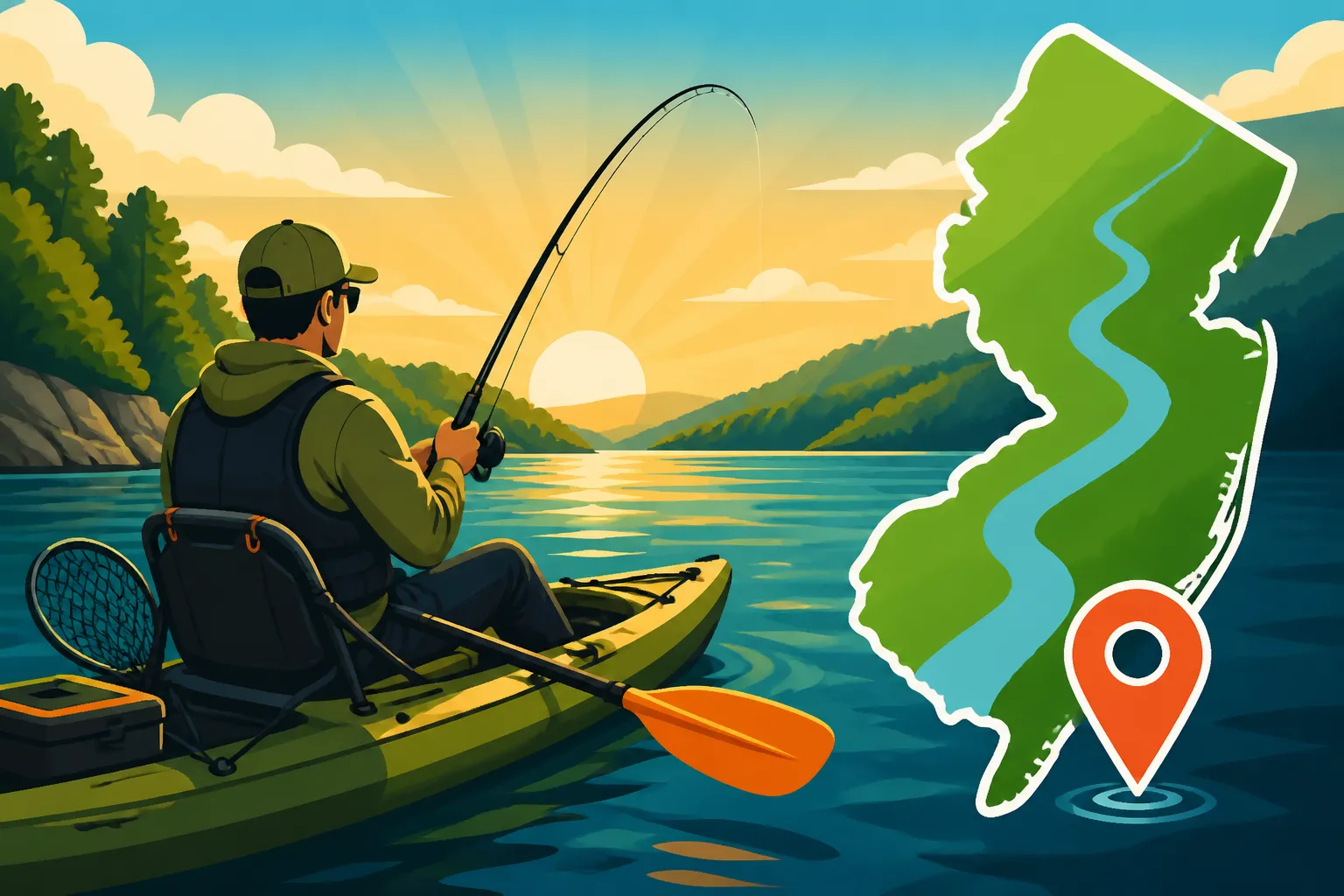
There’s something uniquely fulfilling about paddling silently through the water, feeling intimately connected to the environment around you, and then landing a trophy fish from your kayak. The Delaware River, in particular, offers an incredible array of experiences, from tranquil upper stretches to tidal lower reaches, each with its own charm and fishing opportunities. It's a river that truly showcases New Jersey's diverse aquatic ecosystems, and exploring it by kayak allows you to reach spots that larger boats simply can't.
Diverse Fish Species for Every Angler
The Delaware River is a true gem when it comes to fish diversity. Depending on whether you're in the freshwater upper reaches or the tidal zones further south, you can target a wide variety of species. For many kayak anglers, the challenge and fight of a smallmouth bass are a major draw. These bronzebacks thrive in the rocky, current-heavy sections of the upper and middle river. But don’t overlook the incredible opportunities for Delaware River Shad Run Fishing in spring, when these powerful anadromous fish make their way upstream, offering exciting catch-and-release action.
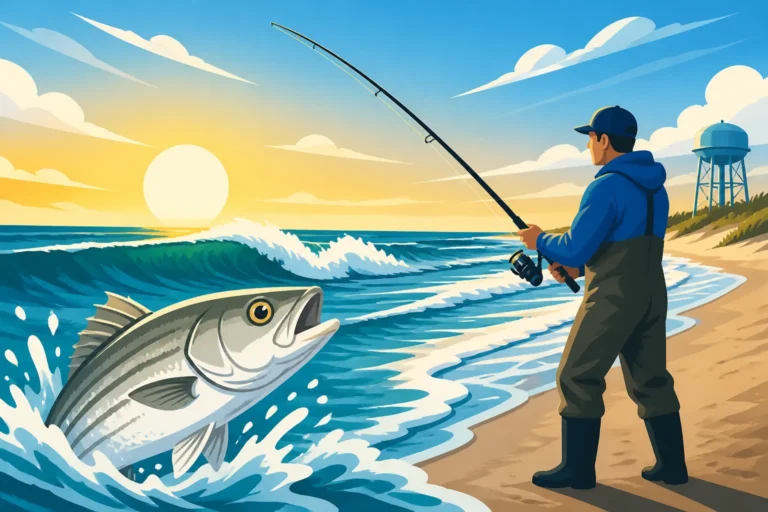
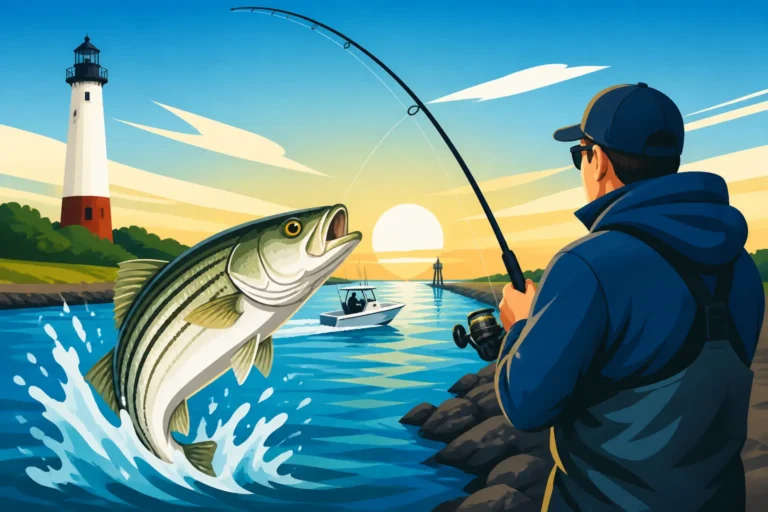
Further downstream, as the river widens and the tidal influence becomes more pronounced, you’ll start encountering different game. Catfish, especially channel cats, are plentiful and provide excellent sport, often hitting baits aggressively. As you approach the Delaware Bay, even migratory striped bass can be accessible to the kayak angler, particularly during their spring and fall runs. Imagine hooking into a powerful striper from your kayak – that’s an experience you won’t soon forget! Understanding the New Jersey Fishing Season Dates and Closures for these diverse species is crucial for planning your trip.
Reaching Secluded Waters and Hidden Gems
One of the biggest advantages of kayak fishing on the Delaware is the ability to access secluded pockets of water that remain untouched by larger boats. These quiet backwaters, shallow flats, and narrow channels often hold concentrations of fish that see less pressure. For example, in the shallower stretches above Trenton, you can often find fantastic largemouth bass hideouts or panfish havens in eddies behind islands or submerged structures. A kayak allows you to quietly slip into these areas, presenting your lure or bait without disturbing the fish. It’s like having a secret key to parts of the river that are just waiting to be explored.
Prime Kayak Fishing Zones Along the Delaware River
The Delaware River is a long, winding waterway, and its character changes dramatically from north to south. Knowing which sections are best suited for kayak fishing, and for what species, is key to a successful outing. We’ll break it down into three main segments: the Upper, Middle, and Lower Delaware. Each offers unique challenges and rewards.
The Upper Delaware: Trout and Smallmouth Haven
The Upper Delaware River, roughly from Hancock, NY, down to Port Jervis, NY/NJ, is renowned for its pristine cold-water fisheries. This section is a true paradise for trout and smallmouth bass anglers. The water here is generally clearer, colder, and features a mix of riffles, runs, and deeper pools. Kayak fishing here can be incredibly productive, but it also demands a bit more skill due to swift currents and occasional rapids.
- Hotspots and Access: Good launch points exist at Narrowsburg, Cochecton, Callicoon, and Lordville. These areas are well-known for their excellent trout populations, including wild browns and rainbows, and provide exceptional smallmouth bass action, especially when targeting rocky structure and current seams. For specific strategies, check out our guide on Delaware River Fly Fishing Conditions in New Jersey. While some spots can be quite challenging with Class I and II rapids, many stretches offer calmer water suitable for intermediate paddlers. Always check local river access points, as some may be privately owned or have specific usage rules.
- Target Species: Primarily trout (brown, rainbow, brook) and smallmouth bass. During the spring, you’ll also find opportunities for American Shad.
- Considerations: River flows can change rapidly with rainfall and dam releases. Always check USGS river gauges before heading out. A stable, maneuverable kayak is recommended.
The Middle Delaware: Scenic Floats and Diverse Bass Action
Moving downstream, from Port Jervis through the stunning Delaware Water Gap National Recreation Area, down to Trenton, you enter the Middle Delaware. This section offers a fantastic balance of scenic beauty and excellent fishing, particularly for smallmouth bass and the spring shad run. The river here is wider, often calmer than the upper sections, but still presents plenty of current and interesting structure. This is a very popular area for float trips, where you can put in at one point and take out several miles downstream.
- Hotspots and Access: Popular launch points include Bushkill, Dingmans Ferry, Shawnee-on-Delaware, and various state parks or access points near Easton and Lambertville. The Delaware Water Gap stretch offers breathtaking scenery while providing excellent habitat for smallmouth bass. Around Easton, the river broadens, and you'll find great eddies and current breaks. When fishing for Delaware River Smallmouth Bass Fishing, focus on submerged rock piles, bridge pilings, and ledges. Below the I-78 bridge near Easton, you’ll find some fantastic smallmouth territory.
- Target Species: Smallmouth bass are king here, with impressive numbers and sizes possible. Spring brings the incredible shad run. You'll also encounter channel catfish, especially in deeper pools.
- Considerations: While generally more navigable, strong currents can still be present, especially after heavy rains. Many stretches are shallow, so knowing how to read the water and potentially walking your kayak through very shallow riffles is a useful skill. Look up shuttle services in towns like Frenchtown or New Hope if you’re planning a longer float trip.
The Lower Delaware: Tidal Influence and Bigger Game
From Trenton south towards the Delaware Bay, the river becomes increasingly wide, deep, and tidal. This is where the freshwater influence begins to give way to brackish water, opening up opportunities for different species. While the scenery becomes more industrial in some spots, the fishing can be superb, especially for striped bass and larger catfish. Kayak fishing here presents new challenges due to the tidal currents and increased commercial boat traffic, but also the chance for some truly big fish.
- Hotspots and Access: Access points around Burlington, Pennsville, and near Fort Mott State Park offer entry into these tidal waters. The areas around the mouths of tributaries like the Rancocas Creek or Mantua Creek can be particularly productive as fish move in and out with the tides. Look for areas with submerged structure like old pilings, docks, or rocky bottom transitions.
- Target Species: Striped bass are a major draw, particularly during their migrations. Channel catfish and flathead catfish are abundant and grow to impressive sizes. You might also encounter white perch, carp, and even occasional American shad in the lower river during their runs.
- Considerations: Tidal charts are absolutely essential for safe and productive kayak fishing in this section. Strong currents can be dangerous, and boat traffic from commercial vessels and larger recreational boats can create significant wakes. Always wear your PFD, fly a visibility flag, and consider a marine radio or robust communication device.
Here's a quick comparison of these different zones:
| River Section | Primary Target Species | Typical Water Conditions | Best Kayak Type | Skill Level | Key Considerations |
|---|---|---|---|---|---|
| Upper Delaware | Trout, Smallmouth Bass, Shad | Clear, Cold, Fast Current | Stable River Kayak | Intermediate+ | Rapids, cold water, check USGS flows. |
| Middle Delaware | Smallmouth Bass, Shad, Catfish | Moderate Current, Varied Depths | Angler Sit-on-Top | Beginner/Intermediate | Float trips, structure fishing, monitor weather. |
| Lower Delaware | Striped Bass, Catfish, Perch | Tidal, Wide, Deep, Boat Traffic | Stable Angler Sit-on-Top | Intermediate+ | Tides, large boat wakes, visibility. How to Read Tide Charts for Better Fishing in New Jersey is a must-read. |
Essential Gear and Safety for Delaware River Kayak Anglers
Kayak fishing, while incredibly rewarding, requires a mindful approach to gear and safety, especially on a river as dynamic as the Delaware. Being prepared can make the difference between a memorable day on the water and a challenging one.
Kayak Selection and Rigging for Success
Choosing the right kayak is paramount. For the varied conditions of the Delaware, a stable sit-on-top fishing kayak is often the best choice. These offer ease of entry and exit, plenty of storage for tackle and gear, and a stable platform for casting and fighting fish. Brands like Hobie, Old Town, and Native Watercraft offer excellent pedal-drive options that can be a game-changer when fighting currents or covering long distances, freeing your hands for fishing. However, a traditional paddle kayak also works well, especially for those wanting a purer paddling experience or on tighter budgets.
When rigging your kayak, think about convenience and safety.
- Rod holders: At least two flush-mount or adjustable rod holders are essential.
- Anchor system: A lightweight grapnel anchor (1.5-3 lbs) with an anchor trolley system is invaluable for holding position in current or wind.
- Storage: Waterproof dry bags for electronics, food, and extra clothing. A cooler or fish bag for keeping your catch fresh.
- Visibility: A bright flag on a pole is highly recommended, especially on wider, more trafficked sections of the river.
Prioritizing Safety on the Water
Safety on the Delaware River can never be overstated. Currents, changing weather, and other boaters all present potential hazards.
- Personal Flotation Device (PFD): This is non-negotiable. Wear it. Always. Even if you're a strong swimmer, a PFD can save your life if you unexpectedly capsize or hit your head.
- Weather and River Conditions: Always check the forecast and USGS river flow gauges before you launch. Sudden storms can pop up, and rising water levels can quickly make a calm section dangerous.
- Communication: Carry a fully charged cell phone in a waterproof case. For more remote areas or tidal zones, a VHF marine radio is a wise investment, allowing you to communicate with other boaters and emergency services.
- Buddy System: If possible, fish with a friend. There's safety in numbers, especially on a large river.
- Know Your Limits: Don't attempt sections of the river that are beyond your paddling or fishing skill level. If you're new to kayak fishing or unfamiliar with river dynamics, consider hiring a local guide. You can often find reputable guides through platforms like FishingBooker, who specialize in specific sections of the Delaware and can provide invaluable local knowledge and safety advice.
Must-Have Tackle and Baits
Your tackle selection will largely depend on your target species and the section of the river you're fishing.
- Rod and Reel: A versatile medium-action spinning rod (6'6" to 7') with a 2500-3000 size reel spooled with 10-15 lb braided line is a great all-around choice for smallmouth and many other species. For bigger striped bass in the lower river, you might step up to a medium-heavy rod with a 4000-size reel.
- Lures for Smallmouth: Small crankbaits (e.g., Rapala, Berkley), soft plastic tubes, jig-and-pig combinations, and spinnerbaits are incredibly effective. Topwater lures like poppers and walk-the-dog baits can provide explosive strikes in low-light conditions.
- Bait for Catfish: Cut bait (bunker, clam), chicken liver, or even worms can be irresistible to Delaware River catfish.
- Shad Darts: If targeting shad in spring, pack a variety of colorful shad darts and small spoons.
- Terminal Tackle: Assorted hooks, sinkers (egg sinkers for current, split shots for lighter presentations), swivels, and fluorocarbon leaders (6-15 lb test) for abrasion resistance and stealth. Don't forget pliers and a net!
Navigating the Delaware: Practical Tips for a Successful Trip
Beyond the gear, successful kayak fishing on the Delaware River often comes down to strategy and understanding the subtle nuances of river angling. It’s not just about finding a spot; it’s about understanding how to fish it effectively and responsibly.
Understanding River Currents and Flows
The Delaware River is a living, breathing entity, and its pulse is the current. Water levels and flow rates can drastically impact fishing conditions and safety.
- USGS River Gauges: Before every trip, check the USGS National Water Information System website for real-time data on the specific section of the Delaware you plan to fish. You'll find information on discharge (cubic feet per second, CFS), gauge height, and water temperature. Too high a CFS can mean dangerous currents; too low can mean scraping bottom in your kayak.
- Reading the Water: Learn to identify current seams, eddies, riffles, and pools. Fish often hold in current breaks, where they can ambush prey without expending too much energy. Kayaks excel at quietly approaching these areas. Remember, fish tend to face upstream, waiting for food to drift by.
- Upstream vs. Downstream: When paddling, it's generally easier to paddle upstream first, so you can float back downstream with less effort. However, fishing often involves casting upstream and letting your lure drift down, or positioning your kayak strategically in an eddy to cast into the main current.
Planning Your Float Trip and Shuttles
Many Delaware River kayak fishing adventures involve a "float trip," where you launch at one point and take out miles downstream. This requires careful planning for your vehicle shuttle.
- Two-Car Shuttle: The most common method involves leaving one car at your take-out point and driving with your kayak(s) to the put-in point. After your trip, you retrieve the first car.
- Commercial Shuttle Services: In popular areas, local outfitters or liveries often offer shuttle services for a fee. This is a great option if you're solo or only have one vehicle. When looking up local outfitters, you might even find their contact information on sites like FishingBooker if you're exploring guide services in the area, offering a convenient way to plan your logistics.
- Timing: Factor in paddle time, fishing time, and shuttle time. A good rule of thumb is 1-2 miles per hour of leisurely paddling and fishing. Don't underestimate the time it takes. Plan to be off the water well before sunset, especially if you’re navigating unfamiliar territory.
Respecting the Environment and Fellow Anglers
As stewards of our natural resources, kayak anglers have a responsibility to practice ethical fishing and Leave No Trace principles.
- Catch and Release: Many species in the Delaware, especially smallmouth bass, are often released to ensure healthy populations. Learn proper New Jersey Catch and Release Striped Bass Handling Rules if you're targeting those. If keeping fish, understand and adhere to all New Jersey Freshwater Fishing Regulations Every Angler Should Know including bag and size limits.
- Leave No Trace: Pack out everything you pack in. This includes all trash, broken fishing line, and any other waste. Keep the river pristine for future generations.
- Share the River: The Delaware is used by many – other anglers, kayakers, canoeists, swimmers, and wildlife observers. Be courteous and respectful. Give other anglers space, keep noise to a minimum, and yield to larger vessels when necessary. Remember, a courteous angler is a good ambassador for the sport.
Disclaimer
Fishing regulations, conditions, and access points can change. Always consult the official New Jersey Department of Environmental Protection (NJDEP) Division of Fish and Wildlife website or their current digest for the most up-to-date information on licenses, seasons, bag limits, and specific area restrictions before heading out on your trip. This guide is for informational purposes only and does not replace official regulations or expert advice.