Fish Species You Can Catch at Lake Hopatcong
Anglers heading to Lake Hopatcong often wonder, "What exactly lives beneath the surface of New Jersey's largest lake?" It's a fair question, especially when you're planning a trip and want to target specific fish. This guide will dive deep into the diverse aquatic life of Lake Hopatcong, detailing the most common and sought-after species you can expect to encounter, along with tips on where and when to find them.
The Bass Factory: Largemouth and Smallmouth Galore
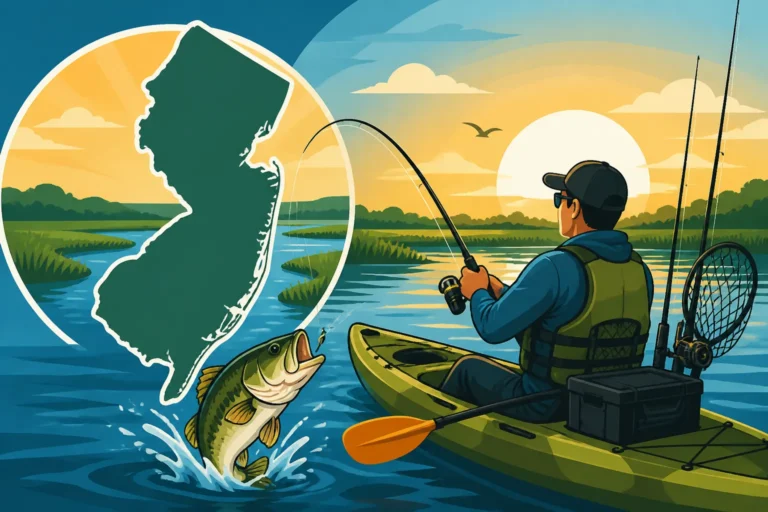
Lake Hopatcong is, without a doubt, a premier destination for bass anglers in New Jersey. Whether you're a seasoned pro or just starting out, the lake offers fantastic opportunities for both largemouth and smallmouth bass, each presenting its own unique challenge and thrill. The sheer abundance of structure, from weed beds to rocky points and submerged timber, creates an ideal habitat for these popular gamefish, making it a true bass factory.
Largemouth Bass: The Lake's Star Resident
When most people think of bass fishing on Lake Hopatcong, the largemouth bass immediately comes to mind. These chunky, hard-fighting fish are plentiful throughout the lake's extensive shallow and mid-depth areas. You'll find them lurking around lily pads, thick weed beds, fallen trees, and boat docks, especially in the numerous coves and arms of the lake. They're ambush predators, waiting patiently for an unsuspecting baitfish or frog to swim by, and their willingness to strike makes them a popular target.
Anglers often target largemouths with a variety of techniques. Topwater lures like poppers and frog imitations are incredibly exciting during early mornings and evenings, especially over lily pads or dense submerged vegetation. Spinnerbaits and chatterbaits are excellent for covering water and probing the edges of weed lines, while Texas-rigged or Carolina-rigged worms and creature baits shine when punching through heavy cover or slowly working deeper structure. Don't be surprised to land a largemouth in the 3-5 pound range here; the lake has a reputation for producing some real bruisers, including the potential for fish approaching or even exceeding the New Jersey Largemouth Bass State Record.
Fishing for largemouths on Lake Hopatcong is a year-round affair, though spring and fall are typically the most productive seasons. In spring, as water temperatures rise, bass move into shallower spawning areas, becoming very aggressive. Fall sees them feeding heavily in preparation for winter, often congregating on deeper structure adjacent to flats. Even in summer, early morning and late evening bites can be fantastic, especially in shady areas or over submerged weed beds, providing opportunities for anglers even during the heat of the day.
Smallmouth Bass: The Feisty Fighters of Deeper Waters
While largemouths dominate the shallower, weedy areas, Lake Hopatcong also harbors a healthy population of smallmouth bass, particularly in the deeper, rockier sections of the main lake basin. These bronze-backed beauties are known for their acrobatic fights, often leaping clear out of the water once hooked. They prefer cooler, clearer water and relate heavily to rocky bottom, submerged humps, ledges, and transition areas between hard and soft bottom, making them a more challenging but equally rewarding target.
To find smallmouths, focus your efforts on the main lake, particularly around points, shoals, and islands with significant rock and gravel bottom. Drop-shotting finesse worms, casting jerkbaits, or working tube baits along the bottom are highly effective strategies. During warmer months, keep an eye on your fish finder for schools of baitfish, as smallmouths will often patrol open water in pursuit of them. They can also be found near submerged timber in deeper zones, presenting a unique challenge in a typically rocky environment.
Catching a smallmouth on Lake Hopatcong is a truly exhilarating experience. Their powerful runs and aerial displays make them a favorite among many anglers. While they may not reach the same bulk as their largemouth cousins, a 2-3 pound smallmouth provides an incredible battle on light tackle. For those planning a dedicated bass trip, checking out some of the specific Lake Hopatcong Bass Fishing Hotspots can significantly improve your chances of a successful outing, especially when targeting these powerful fish.
Panfish Paradise: Crappie, Perch, and Sunfish
Lake Hopatcong isn't just for bass enthusiasts; it's a fantastic spot for panfish, making it an ideal destination for families and anglers looking for consistent action. These smaller, schooling fish are abundant and offer endless fun, whether you're fishing from shore, a dock, or a boat. Plus, many panfish species are absolutely delicious on the dinner plate, adding a bonus to your angling efforts.
Black Crappie: Abundant and Fun for All Ages
Black crappie are a staple in Lake Hopatcong, known for their distinctive speckled appearance and eagerness to bite. These fish love structure and tend to congregate around submerged brush, fallen trees, docks, and bridge pilings. They're schooling fish, so when you find one, you've often found a whole mess of them! Crappie are particularly popular during the spring, when they move into shallower areas to spawn, and also in the colder months, making them a key target for ice anglers.
To catch crappie, light tackle is the name of the game. Small jigs, often tipped with a tiny minnow or a soft plastic grub, are incredibly effective. A simple bobber rig with a minnow is also a tried-and-true method, especially for younger anglers. Vertical jigging over structure or along drop-offs can yield excellent results. For those looking to target them specifically, our New Jersey Crappie Fishing Guide offers even more tailored advice on lures, techniques, and locations. On a good day, you can easily fill a cooler with crappie, providing a fantastic meal for the family.
In winter, the crappie bite under the ice can be spectacular. Anglers bundle up and head out, drilling holes near familiar structures. Small spoons, jigs, and even tiny ice flies are used to entice these hungry panfish. It's a great way to extend your fishing season and enjoy the tranquility of a frozen Lake Hopatcong, and if you're interested in the specifics, our Lake Hopatcong Ice Fishing Guide will offer essential tips and safety information for fishing this time of year.
Yellow Perch: A Tasty Treat
Yellow perch are another common and highly sought-after panfish species in Lake Hopatcong. Instantly recognizable by their distinct vertical bars and yellowish sides, these fish are not only fun to catch but are also considered one of the finest eating freshwater fish. They prefer cooler water than crappie and can often be found in slightly deeper areas, especially over gravel or sandy bottoms, though they will move shallower to feed during certain times.
Perch are often found in schools, much like crappie, and will readily hit small minnows, worms, or tiny jigs. They have a softer bite than bass, so a sensitive rod tip is helpful to detect their subtle takes. Fishing near drop-offs, weed edges, and even open water where they're chasing baitfish can be productive. Many anglers specifically target them for their delicious, flaky white meat, making them a favorite for a fresh fish fry.
During the hardwater season, yellow perch become a primary target for ice anglers. Using small jigging spoons or tungsten jigs tipped with a grub or a piece of Gulp! bait can lead to consistent action. It's not uncommon to pull up a dozen or more perch from a single hole once you locate a school. If you're looking for more general information on this species, a New Jersey Yellow Perch Fishing Guide can provide valuable context on their behavior and habitats across the state.
Bluegill and Pumpkinseed: Every Kid's First Catch
No discussion of Lake Hopatcong's panfish would be complete without mentioning bluegill and pumpkinseed sunfish. These vibrant, eager-to-bite fish are perhaps the most accessible species in the lake, making them perfect for introducing children to the joys of fishing. They are found almost everywhere, especially in shallow, weedy areas, around docks, and near shorelines, offering consistent action close to the bank.
A simple cane pole, a bobber, a small hook, and a piece of worm are all you need to catch bluegill and pumpkinseed. They are incredibly aggressive for their size and will readily snatch bait, providing constant entertainment. While they don't grow to trophy size, their sheer numbers and willingness to bite make them invaluable for building confidence in young anglers. Plus, larger bluegill can put up a surprisingly spirited fight on ultra-light tackle, delighting even experienced anglers.
These sunfish are crucial parts of Lake Hopatcong's ecosystem, providing a food source for larger predators like bass and pike. While often overlooked by anglers focused on bigger game, they offer an undeniable charm and are often the gateway to a lifelong passion for fishing. For comprehensive details on these species, and how they fit into the broader ecosystem, check out our New Jersey Sunfish and Bluegill Fishing Guide.
Predatory Giants: Muskie and Northern Pike
For anglers seeking a true challenge and the thrill of a lifetime catch, Lake Hopatcong holds a few formidable predatory species that can grow to impressive sizes: muskellunge and northern pike. These toothy critters are apex predators in the lake, and landing one is a memorable event that often requires patience, specialized gear, and a bit of luck. Many serious anglers even employ guides found on platforms like FishingBooker to help them track down these elusive fish.
Muskellunge: The Elusive "Fish of 10,000 Casts"
The muskellunge, or "muskie" as it's commonly known, is a legendary freshwater gamefish, often referred to as the "fish of 10,000 casts" due to its elusive nature. Lake Hopatcong is one of the premier New Jersey Muskellunge Waters, having been stocked with these magnificent fish for many years. Muskie are ambush predators, often holding near dense weed beds, submerged timber, or rocky points, waiting to explode on unsuspecting prey with incredible speed and power.
Targeting muskie requires heavy-duty tackle, strong lines, and large lures like bucktails, jerkbaits, glide baits, and large soft plastics. Anglers often spend entire days casting huge lures, meticulously working promising areas in the hopes of enticing one of these giants. The strike of a muskie is often violent and unforgettable, and the ensuing fight is a test of strength and skill. They are known for their powerful runs and headshakes, and often throw the hook with their bony mouths, making landing one even more challenging.
Muskie fishing is not for the faint of heart, but the reward of landing a fish that can easily exceed 40 inches and weigh over 20 pounds is immense. Most serious muskie anglers practice catch and release to help sustain the population of these magnificent, slow-growing fish. For an edge, booking a specialized guide through FishingBooker can increase your odds, as they often have the local knowledge and expertise to put you on these incredible fish.
Northern Pike: Aggressive Hunters of the Weeds
Northern pike are another impressive predatory fish inhabiting Lake Hopatcong. While not quite as large or as revered as the muskie, pike are aggressive, powerful, and equally exciting to catch. They share similar habitats with muskie, preferring weedy bays, shallow flats with submerged vegetation, and areas with plenty of ambush points. They are often found in the same areas where you might find largemouth bass, and their voracious appetite makes them a frequent bycatch for bass anglers.
Pike are opportunistic feeders and will strike a wide variety of lures and baits. Spinnerbaits, spoons, jerkbaits, and even large crankbaits are effective, especially those with flashy colors or aggressive wobbles. Live bait, such as large shiners or herring, presented under a bobber near weed lines, can also be deadly. Due to their sharp teeth, a steel leader is absolutely essential when targeting pike to prevent bite-offs; without one, you'll lose fish and lures consistently.
Like muskie, northern pike grow to substantial sizes in Lake Hopatcong, with fish in the 25-35 inch range being common, and larger specimens certainly present. Their explosive strikes and strong fights make them a popular target, especially during cooler months when they are particularly active and feeding aggressively. For more detailed information on where to find these fish, consult resources on New Jersey Northern Pike Waters.
Other Notable Species and What They Offer
Beyond the popular gamefish and panfish, Lake Hopatcong supports a variety of other interesting and often challenging species that contribute to its rich angling diversity. These fish add another layer of excitement for anglers looking to broaden their horizons or simply enjoy a different kind of fight, proving that Lake Hopatcong truly offers something for everyone.
Channel Catfish: Bottom Dwellers with Big Pulls
Channel catfish are a common presence in Lake Hopatcong, particularly in the deeper, muddier areas and channels. Known for their distinctive whiskers (barbels) and smooth, scaleless skin, these fish are powerful fighters that can provide a thrilling battle, especially on light to medium tackle. They are primarily bottom feeders, using their barbels to locate food in low visibility conditions, making them excellent targets in stained or murky water.
Catfish are fairly easy to target, making them a great option for anglers of all skill levels. They respond well to baits with strong scents, such as nightcrawlers, cut bait, chicken livers, and various stink baits. Fishing these offerings on the bottom with a simple rig, often a slip sinker rig, is highly effective. They are most active during the evening and night, especially in warmer months, though they can be caught throughout the day if conditions are right.
While often overlooked by anglers focused on bass or muskie, channel catfish offer consistent action and are excellent table fare. Many anglers enjoy them for their fighting prowess and the sheer abundance. If you're new to targeting these whiskered warriors, a New Jersey Catfish Species Guide can provide valuable insights into their behavior and preferred baits, helping you land more of these hard-fighting fish.
Walleye: A Prized, Though Challenging, Catch
Walleye are a highly prized gamefish in many parts of North America, and while not as abundant as other species in Lake Hopatcong, they are certainly present and offer a unique challenge. Known for their incredible eyesight, especially in low light, and delicious white meat, walleye are often considered a trophy catch by those who pursue them. They prefer cooler, deeper water and often relate to main lake points, humps, and subtle structure, making them a more elusive target.
Catching walleye typically requires a more subtle approach than targeting bass. Trolling with crankbaits or spinner rigs, casting jigs tipped with live minnows or leeches, and vertical jigging can be effective. They are most active during dawn, dusk, and even after dark, when their superior vision gives them an advantage over their prey, allowing them to hunt effectively. Because of their light bite, a sensitive rod and braided line are often favored by serious walleye anglers.
While Lake Hopatcong is not primarily known as a walleye fishery, the possibility of hooking into one of these elusive fish adds an exciting dimension to the lake's offerings. Successful walleye anglers here often put in a lot of time learning the lake's contours and habits of the fish. For more detailed tips on locating these elusive fish in specific waters, research on New Jersey Walleye Fishing Waters can be beneficial for planning your next trip.
Chain Pickerel: The "Water Wolf" of the Shallows
Chain pickerel are often encountered in the same shallow, weedy areas as largemouth bass and northern pike. Easily identifiable by their distinctive chain-like pattern on their sides, these fish are aggressive predators with sharp teeth, earning them the nickname "water wolf." They are incredibly eager to strike, often providing exciting action when other species are finicky, making them a fun catch even if not always the target.
Pickerel will readily attack almost any lure retrieved quickly through their territory. Spinnerbaits, spoons, inline spinners, and even topwater lures are all effective. Live shiners or small baitfish also work wonders. Just like with pike, a wire leader is highly recommended to prevent losing your lure to their razor-sharp teeth. They are often an unexpected but welcome catch while targeting other shallow-water species, adding an element of surprise to your fishing day.
While some anglers consider them a nuisance due to their tendency to strike lures intended for bass, pickerel provide constant action and are a great way to keep spirits high, especially on slower days. They offer a good fight for their size and are abundant throughout the lake's extensive weed beds. For additional information on this species, their behaviors, and preferred habitats, consult a New Jersey Pickerel Fishing Guide.
Fish Species in Lake Hopatcong: At a Glance
| Species | Primary Habitat | Key Characteristics | Best Fishing Times | Common Lures/Baits |
|---|---|---|---|---|
| Largemouth Bass | Weeds, docks, submerged timber | Green, large mouth, aggressive fights | Spring, Fall (dawn/dusk) | Worms, jigs, topwaters |
| Smallmouth Bass | Rocky points, humps, deeper structure | Bronze, smaller mouth, acrobatic jumps | Spring, Fall (daytime) | Tubes, jerkbaits, drop-shots |
| Black Crappie | Docks, brush piles, submerged timber | Speckled, schooling, light bites | Spring, Winter (all day) | Minnows, tiny jigs |
| Yellow Perch | Cooler, deeper gravel/sandy bottom, weed edges | Vertical bars, schooling, excellent eating | Spring, Fall, Winter (all day) | Worms, minnows, small spoons |
| Bluegill/Pumpkinseed | Shallow weeds, docks, shoreline | Colorful, small, aggressive for size | Summer (all day) | Worms, crickets |
| Muskellunge | Dense weeds, deep structure, open water | Large, elusive, "fish of 10,000 casts" | Spring, Fall (daytime) | Large bucktails, jerkbaits |
| Northern Pike | Weedy bays, shallow flats, ambush points | Aggressive, toothy, chain-like pattern | Cooler months (all day) | Spinnerbaits, spoons, shiners |
| Channel Catfish | Deeper channels, muddy bottoms | Whiskers, strong pull, nocturnal | Summer (night/evening) | Cut bait, stink baits, worms |
| Walleye | Deeper humps, main lake points | Gold eyes, elusive, excellent eating | Dawn, Dusk, Night (year-round) | Jigs, crankbaits, minnows |
| Chain Pickerel | Shallow weeds, lily pads | Chain pattern, aggressive, sharp teeth | All year (daytime) | Spinnerbaits, spoons, shiners |
For anglers looking to explore Lake Hopatcong's fishing opportunities, whether for a day trip or an extended stay, platforms like FishingBooker can be an invaluable resource. You can often find local guides who specialize in specific species, or book a boat rental to explore the lake on your own. Many experienced guides on FishingBooker offer specialized trips targeting muskie or helping families find those prolific panfish, providing the local knowledge and gear necessary to make your trip to Lake Hopatcong a success. Planning ahead, especially for prime fishing seasons, is always a good idea, and sites like FishingBooker make it easy to compare options and secure your spot, ensuring you make the most of your time on this fantastic lake. Don't forget that Fishing Lake Hopatcong: New Jersey's Largest Lake offers a wealth of opportunities for every type of angler.
Disclaimer
Please remember that fishing regulations, including size and bag limits, can change. Always consult the latest New Jersey Fish and Wildlife Digest before heading out. This guide is for informational purposes only and does not supersede official regulations.