New Jersey Crappie Fishing Guide
Crappie fishing in New Jersey can be one of the most rewarding and frustrating experiences an angler can have. These schooling panfish are notorious for being here today, gone tomorrow, leaving many folks scratching their heads about where they went. But with the right knowledge, you can consistently unlock the secrets to finding and catching these delicious fish, turning those head-scratching moments into joyful hauls. This guide is here to walk you through everything you need to know to become a crappie catching machine in the Garden State.
Understanding New Jersey Crappie: Species, Habits, Where They Live
Crappie are a fantastic panfish target, offering a thrilling bite and delicious table fare. But they can be elusive, making anglers scratch their heads trying to pinpoint their movements. In New Jersey, we're primarily dealing with two species: black crappie and white crappie, both of which offer unique challenges and rewards. Knowing their subtle differences and preferred hangouts is the first step to a successful crappie outing. These fish are masters of camouflage and can often be found hiding in plain sight if you know what to look for, making the hunt all the more satisfying.
Black Crappie vs. White Crappie: Identifying Your Catch
It’s easy to confuse black crappie and white crappie at a glance, especially when they’re flopping around in your livewell. But there are distinct differences that can help you identify them, and knowing which one you've caught can sometimes inform your strategy for where to find more. They both have that characteristic "panfish" shape, round and compressed, but the details matter.
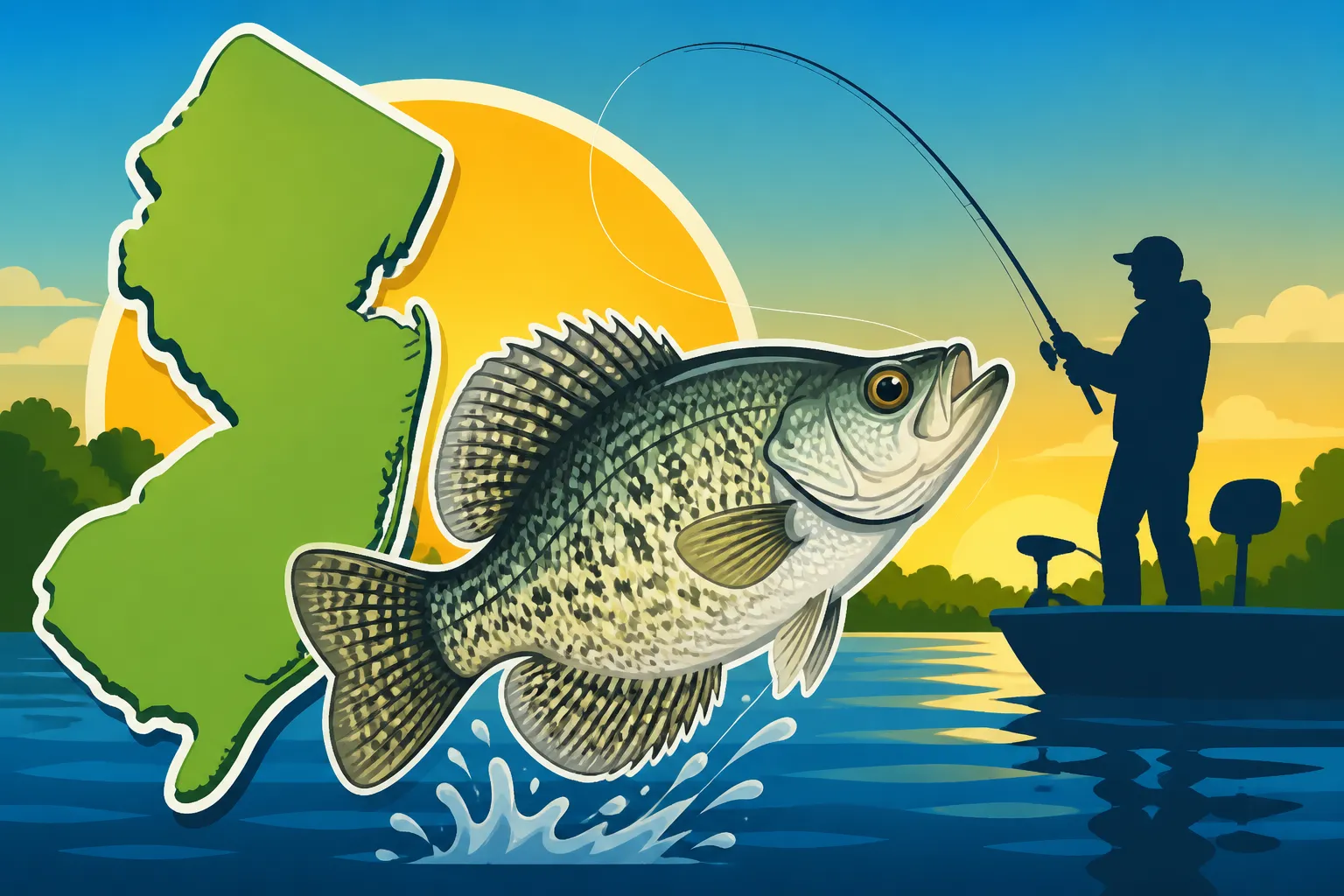
Black crappie, often considered the more handsome of the two, typically boast a darker, more mottled coloration with irregular black spots scattered across their silvery-green bodies. The most reliable way to tell them apart is to count the dorsal spines. Black crappie usually have seven or eight dorsal spines. They tend to prefer clearer water and areas with more vegetation, which helps them blend in perfectly. Their mouth is also a bit smaller, often an indication of their preference for smaller prey.
White crappie, on the other hand, usually have a lighter, more silvery body, often with distinct vertical bars or stripes along their sides, although these can fade depending on water conditions. The key identifier for white crappie is their dorsal fin, which almost always has five or six spines. They are generally more tolerant of murkier, turbid waters and slower currents, often found in larger rivers and impoundments with less structure. Their mouth is slightly larger, allowing them to ambush a broader range of baitfish. While both are fantastic fish, these visual cues help you understand their habits and, by extension, where their buddies might be hiding.
| Feature | Black Crappie | White Crappie |
|---|---|---|
| Dorsal Spines | 7-8 (usually) | 5-6 (usually) |
| Coloration | Darker, mottled pattern with irregular spots | Lighter, silvery with distinct vertical bars |
| Body Shape | More rounded/oval | More elongated |
| Preferred Water | Clearer, more vegetated areas | Murkier, more turbid areas; slower currents |
| Mouth Size | Smaller | Slightly larger |
| Common Habitat | Weeds, submerged timber, docks in clear lakes | Open water, brush piles in turbid rivers/lakes |
Crappie Behavior and Habitat Preferences
Crappie are true schooling fish, and finding one often means you've found a whole pile of them. Their behavior is highly influenced by water temperature, light conditions, and the presence of cover and forage. They are ambush predators, meaning they love to lurk in shadows, waiting for an unsuspecting minnow or insect to swim by. This schooling behavior is a double-edged sword: you might not find any for a while, but when you do, it can be non-stop action!
Their preferred habitat changes throughout the year. In spring, as water temperatures rise, crappie move into shallower waters, typically 2-10 feet deep, to spawn. They'll seek out submerged brush, weed beds, fallen trees, or even old docks, setting up shop in these protective areas. As summer heats up, they'll retreat to deeper, cooler waters, often suspending over brush piles, submerged creek channels, or around bridge pilings. They'll still relate to structure, but that structure will be much deeper. In the fall, as temperatures cool, they’ll become more active again, chasing baitfish in open water or along the edges of structure before settling into deeper winter patterns, often grouped tightly near the bottom or suspended in the water column over structure. Understanding this annual migration is key to consistently catching them.
Typical Size and Growth in New Jersey Waters
One of the joys of crappie fishing is the sheer numbers you can sometimes encounter, and while New Jersey might not be known for "trophy" crappie in the 3-pound range like some southern states, we still boast a healthy population of respectable fish. Anglers regularly pull out crappie in the 8- to 12-inch range, which are perfect for a fish fry. These pan-sized beauties are abundant and provide excellent sport.
Larger crappie, sometimes dubbed "slabs," can reach up to 14 or even 16 inches in prime New Jersey waters. These bigger fish are usually older, often 4-6 years old, and tend to be more solitary or in smaller schools of similar-sized fish. Their growth rate is dependent on food availability and water quality, but generally, New Jersey's crappie grow at a healthy pace, providing a consistent fishery. While the state record might seem daunting, consistently catching 12-inch crappie is a very achievable goal that provides plenty of excitement. When you're out there, always keep an eye on the Typical Size of a Crappie Caught in New Jersey Ponds to help manage your expectations and identify a potential personal best.
Crappie Hotspots in the Garden State: Best Lakes and Ponds
New Jersey is a surprisingly diverse state when it comes to fishing, and crappie can be found in a multitude of freshwater settings, from vast reservoirs to small, tucked-away ponds. The key is to look for waters with good structure, plenty of forage, and decent water quality. Don't be fooled by the size of the water body; some of the best crappie fishing can be in places you might overlook at first glance. It's not always about the biggest lake, but often about the lake with the right conditions.
Top Freshwater Lakes for Crappie
When you're thinking about chasing crappie in New Jersey, several larger lakes and reservoirs immediately come to mind. These bigger bodies of water often hold robust populations and offer plenty of space to explore. Places like Lake Hopatcong, the state's largest lake, are well-known for their crappie populations. Anglers often find success around its many docks, submerged timber, and brush piles, particularly in the quieter coves. New Jersey's Best Freshwater Lakes for Fishing often include these larger, more popular spots.
Another fantastic option is Greenwood Lake, which straddles the New York border. It's a vast body of water with numerous coves and submerged features that attract crappie. Other notable lakes include Spruce Run Reservoir and Round Valley Reservoir, although crappie in these clearer, deeper waters might require a bit more finesse to locate. Remember, crappie are drawn to structure, so look for areas with standing timber, old roadbeds, or submerged weed lines. Consulting local bait shops for current conditions and hotspots can also be incredibly helpful.
Hidden Ponds and Smaller Bodies of Water
While the big lakes get a lot of attention, some of New Jersey's best crappie fishing can be found in its countless smaller ponds and state park lakes. These often get less fishing pressure and can hold surprisingly large numbers of crappie. Places like Mercer Lake, Assunpink Lake, and many of the smaller ponds within wildlife management areas can be absolute gems. They might not be as glamorous, but they often deliver consistent action, especially for family outings.
These smaller waters are particularly excellent for New Jersey's Best State Park Ponds for Family Fishing. The key here is to find ponds with some depth variation and submerged cover. Think about public parks with fishing access; many are regularly stocked and managed, providing an ideal environment for crappie to thrive. A quick online search or a chat with local anglers can often reveal these overlooked treasures. Don't be afraid to try a new spot; sometimes the best fishing is found where others aren't looking.
Public Access Points and Facilities
Access is everything, especially when you're targeting specific fish like crappie. Thankfully, New Jersey offers a wide array of public access points, from dedicated boat launches on larger lakes to simple shoreline access points on smaller ponds. State parks and wildlife management areas are your best friends here. Most larger lakes have multiple boat ramps, often with ample parking, making it easy to launch a boat or kayak.
For shore anglers, many municipal and county parks have designated fishing areas, docks, or easily accessible banks. Always check the specific park rules before you go, as some might have restrictions on bait, lures, or even fishing hours. Websites for the New Jersey Department of Environmental Protection (NJDEP) often provide maps and detailed information on public access points, including amenities like restrooms and picnic areas, which are especially handy for family trips. Make sure you have your New Jersey Freshwater Fishing Regulations Every Angler Should Know handy, as rules can vary by location.
Essential Gear for New Jersey Crappie Anglers
You don't need a boatload of expensive gear to catch crappie, which is part of their charm. In fact, crappie fishing is one of the most accessible forms of angling, making it perfect for beginners and seasoned pros alike. However, having the right gear can significantly increase your chances of success and make the experience much more enjoyable. It’s about being efficient and knowing what works for these particular fish.
Rods, Reels, and Line Selection
When it comes to crappie, light tackle is the name of the game. A sensitive rod is crucial to detect their often subtle bites. Most crappie anglers opt for ultra-light or light-action spinning rods, typically 5 to 7 feet long. These rods offer the sensitivity needed for those light taps and the backbone for a spirited fight. For reels, a small spinning reel in the 500 to 1000 size range, spooled with light line, is ideal. You can find excellent budget-friendly options on platforms like Amazon that will serve you well without breaking the bank.
Line selection is equally important. Crappie have good eyesight, especially in clearer waters, so a light line is preferred. Monofilament line in 2 to 6-pound test is a popular choice due to its stretch and knot strength. Fluorocarbon can also be excellent for its invisibility underwater, though it has less stretch. Braided line isn't typically necessary for crappie but can be used with a fluorocarbon leader if you need extra sensitivity for deep water jigging. Remember, lighter line often means more bites, so don't overpower your setup. If you're just starting out, check out Best New Jersey Fishing Gear for Beginners for more foundational advice.
Terminal Tackle: Jigs, Floats, and Hooks
This is where crappie fishing really shines in its simplicity. Your terminal tackle doesn't need to be complicated. The absolute workhorse for crappie is the jig. Small lead-head jigs, ranging from 1/32 to 1/16 ounce, are staples. Pair these with tiny soft plastic bodies like tube jigs, grub tails, or minnow imitators. Colors vary by water clarity and forage, but chartreuse, white, black, and natural minnow colors are always good starting points. You can easily stock up on a variety of jig heads and soft plastics from retailers like Amazon.
Floats (or bobbers) are indispensable, especially for suspending your bait at a specific depth. Slip bobbers are incredibly versatile, allowing you to easily adjust your depth, which is critical when crappie are suspended. Fixed floats work well in shallower water. As for hooks, small, sharp hooks are essential. Size 4 to 8 Aberdeen-style hooks are popular for live bait, as their fine wire bends out easily if snagged, saving your line. Having a selection of these basics will cover most crappie fishing scenarios.
Bait and Lure Choices for Crappie
Crappie can be finicky, but they generally respond well to a few tried-and-true offerings. Live bait is often king, especially when the bite is tough. Small minnows, often called "crappie minnows" or "shiners," are irresistible to them. Hooking them lightly through the lips or dorsal fin will keep them lively. Worms, especially small pieces of nightcrawlers or mealworms, can also be effective, particularly for smaller crappie or when fishing around brush.
When it comes to artificial lures, small jigs dressed with soft plastics are hard to beat. Tiny spinnerbaits designed for panfish, often called "crappie magnets" or "pony jigs," can also entice strikes, especially when fish are aggressive. In clear water, subtle movements and natural colors often work best. In stained or murky water, brighter colors and lures with more vibration can be more effective. Don't be afraid to experiment with different sizes, shapes, and colors until you find what the crappie are biting on that day. Variety is key, and having a well-stocked tackle box, maybe even ordered from Amazon, can make all the difference.
Effective Techniques for Catching Crappie in New Jersey
Catching crappie consistently requires a bit of understanding about their habits and a willingness to adapt your techniques. These fish are masters of their environment, and what works one day might not work the next. However, there0 are several foundational methods that have proven successful time and again for New Jersey anglers, whether you're fishing from shore, a kayak, or a boat. It's about presenting your bait or lure in a way that triggers their natural predatory instincts.
Vertical Jigging and Spider Rigging
Vertical jigging is perhaps the most common and effective method for crappie, especially when they are holding tight to structure or suspended in deeper water. This involves dropping a small jig directly down to the fish. The key is to keep your lure directly below you, using your electronics (if you have them) to identify schools of fish or submerged brush piles. Once you locate fish, drop your jig to their depth and gently "jig" it with subtle lifts and falls of your rod tip. The bites can be incredibly light, sometimes feeling like nothing more than extra weight on your line, so pay close attention.
For boat anglers, "spider rigging" is a highly specialized and productive technique. This involves deploying multiple rods (sometimes up to eight or more, within legal limits of How Many Fishing Rods Can You Use at Once in New Jersey?) from various holders around the boat, each with a different bait or lure suspended at varying depths. The boat is then slowly trolled or drifted, covering a wide area and presenting multiple offerings simultaneously. This technique is incredibly effective for finding scattered crappie or covering large brush piles, and it's a fantastic way to maximize your chances when the fish are spread out.
Using Floats and Slip Bobbers
Floats, or bobbers, are a classic crappie fishing tool, perfect for both beginners and experienced anglers, and particularly useful for shore fishing or targeting crappie in shallower, vegetated areas. A simple fixed bobber set to a specific depth works wonders when crappie are in predictable shallow water, allowing your bait to hover tantalizingly above submerged weeds or timber.
However, the real game-changer is the slip bobber. Unlike fixed bobbers, a slip bobber slides freely up and down your line, stopped by a small knot (bobber stop) that you can position at any depth. This means you can cast further and still present your bait effectively at depths exceeding your rod length. It’s ideal for fishing deeper brush piles or suspended crappie without the awkward casting of a fixed bobber. Simply set your bobber stop to the depth where you've marked fish or anticipate them to be, cast out, and let the float settle. The subtle dip of the float as a crappie takes the bait is an unmistakable thrill.
Shore Fishing and Kayak Strategies
You absolutely don't need a fancy boat to enjoy crappie fishing in New Jersey. Shore fishing for crappie can be incredibly productive, especially during the spring spawn when they move into accessible shallow areas. Look for public docks, jetties, bridge abutments, or shorelines with overhanging trees or submerged brush. Casting small jigs or suspending minnows under a bobber are excellent strategies. Pay attention to shaded areas or spots where currents create eddies, as crappie love to stage in these zones.
Kayak fishing offers another fantastic way to target crappie, blending the accessibility of shore fishing with the ability to reach less-pressured areas. A kayak allows you to stealthily approach weed beds, submerged timber, or even navigate into tight coves where larger boats can't go. You can easily vertical jig from a kayak, or drift across flats with a small jig or minnow. Always prioritize New Jersey Ice Fishing Safety Basics if you're out on the water in colder months, as conditions can change rapidly. For kayak anglers, a portable fish finder can be a game-changer for locating submerged structure and schools of crappie.
Best Times and Seasons for Crappie Fishing
Crappie fishing in New Jersey is a year-round affair, offering different challenges and rewards depending on the season. Each season brings changes in crappie behavior, water temperature, and their preferred locations. Understanding these seasonal shifts is crucial for consistent success and helps you anticipate where the fish will be and what they'll be biting. You'll find that their patterns are quite predictable once you learn to "read" the water and the calendar.
Spring Spawning Frenzy
Without a doubt, spring is the prime time for crappie fishing in New Jersey. As water temperatures climb into the 50s and 60s Fahrenheit (roughly 10-18 degrees Celsius), crappie move from their deeper wintering grounds into shallow waters to spawn. This is when they are most accessible and aggressive, making for some truly fantastic fishing. Look for them in shallow coves, around emergent vegetation, lily pads, fallen trees, and boat docks, typically in 2 to 10 feet of water.
During the spawn, crappie are focused on reproduction and will readily strike small jigs or live minnows presented near their beds. They often become territorial, making them easier to target. This is also a fantastic time for shore anglers, as the fish are close to accessible banks. Early spring, just before and during the peak spawn, is when you can experience those epic days of catching dozens of crappie. Keep an eye on local water temperature reports to time your trips perfectly.
Summer Deep Water Tactics
As the scorching New Jersey summer sun drives water temperatures up, crappie retreat to deeper, cooler waters. They'll often suspend over submerged creek channels, hang around deep brush piles, or congregate near bridge pilings and other deep structures. This is when a good fish finder really earns its keep, allowing you to locate these deeper schools. Without one, you'll be doing a lot more guesswork, so if you're serious about summer crappie, consider adding one to your setup.
Your tactics will shift to vertical jigging with heavier jigs (1/8 to 1/4 ounce) or slowly trolling with minnows or small crankbaits at specific depths. Patience is key in summer; once you find a school, you can often catch several fish before they move on. Early mornings and late evenings are often the most productive times, as the crappie might move a bit shallower to feed under lower light conditions. Fishing at night under lights can also be incredibly effective, as the lights attract baitfish, which in turn attract crappie.
Fall and Winter Crappie Fishing
Fall offers a resurgence in crappie activity as water temperatures cool and they begin to feed aggressively in preparation for winter. They'll often move back shallower, particularly in the mornings and evenings, chasing schools of baitfish along weed lines and channel edges. This can be a great time for casting jigs or small spinnerbaits. The fish are often fat and healthy from their summer feeding, making for excellent table fare.
Winter fishing for crappie is largely dictated by ice conditions in New Jersey. Once safe ice forms, crappie can be fantastic targets through the ice. They tend to school tightly in specific areas, often suspending just off the bottom or midway in the water column over deeper structure. Small ice jigs tipped with a grub, minnow, or piece of worm are highly effective. Pay close attention to New Jersey Ice Fishing Safety Basics and only venture onto ice that is thick enough. Many anglers find that the winter bite for crappie can be one of the most consistent, as the fish are concentrated and less prone to moving around once you locate them. You'll want to have some Best Panfish Jigs for Ice Fishing in your tackle box for those cold days.
Crappie Conservation and Regulations in New Jersey
Responsible angling isn't just about catching fish; it's about ensuring healthy fish populations for future generations to enjoy. New Jersey's crappie fisheries are generally robust, but adherence to regulations and practicing good conservation habits are vital to keep them that way. Understanding the rules isn't just about avoiding a ticket; it's about doing your part to protect a valuable natural resource. Every angler has a role to play in the health of our waters.
New Jersey Crappie Bag and Size Limits
Like most game fish in New Jersey, crappie are subject to specific bag and size limits, which are put in place to manage populations and ensure sustainable fishing. These regulations can change, so it's absolutely critical to always refer to the most current New Jersey Fish and Wildlife Digest before you head out. Generally, for crappie, there's a daily bag limit, which dictates how many fish you can keep per day. While there isn't typically a statewide minimum size limit for crappie, some specific bodies of water might have special regulations or protected slots.
For instance, you might find that for New Jersey Daily Bag Limits by Species, crappie are listed with a generous creel limit, reflecting their abundant numbers. However, always double-check. The idea behind these limits is to allow enough fish to reach spawning age and to prevent overharvesting. It's a balance to ensure plenty of fishing opportunities while maintaining a healthy ecosystem. Always be prepared to measure your fish and release any that don't meet the legal requirements or that you don't intend to keep. This aligns with How Bag and Size Limits Work in New Jersey overall principles.
Promoting Healthy Crappie Populations
Beyond just following the rules, anglers can actively contribute to promoting healthy crappie populations. One of the best ways is through selective harvesting. While it's tempting to keep every fish you catch, consider releasing the larger "slab" crappie. These bigger fish are often the prime breeders and contribute significantly to the gene pool. Keeping a few of the smaller, pan-sized crappie for the dinner table while releasing the giants helps maintain a robust and thriving population structure.
Practicing catch-and-release properly is also crucial. Minimize handling time, especially in warmer months, and use barbless hooks when possible to reduce stress on the fish. Avoid fishing in areas where crappie are actively spawning, or if you do, practice immediate release with minimal disturbance. Supporting local conservation efforts, such as habitat restoration projects or youth fishing programs, also plays a huge role in ensuring that future generations can enjoy the thrill of crappie fishing. Remember, we're all stewards of these incredible natural resources.
Reporting Violations and Ethical Angling
Encountering someone who isn't playing by the rules can be frustrating and detrimental to the fishery. If you ever witness a fishing violation in New Jersey, such as someone exceeding bag limits, fishing without a license, or using illegal methods, it's important to report it. The New Jersey Conservation Police are responsible for enforcing fishing regulations, and your anonymous tip can make a difference. Make sure you understand How Bag and Size Limits Work in New Jersey so you can recognize a violation when you see one.
Ethical angling also extends beyond just following the law. It means being respectful of other anglers, private property, and the natural environment. Pack out what you pack in, and leave no trace behind. Avoid littering, especially with fishing line, which can be deadly to wildlife. Educate yourself and others on proper fish handling and release techniques. By demonstrating responsible and ethical behavior, we ensure that crappie fishing remains a cherished pastime in the Garden State for many years to come. And don't forget, you need to have a valid Where and How to Buy a New Jersey Fishing License before casting your line! This also applies to our younger anglers, so remember to check Do Kids Need a Fishing License in New Jersey? if you're bringing the whole family.
Disclaimer
This article is for general informational purposes only and does not constitute professional advice. Laws, prices and regulations vary by location and change over time. Consult a qualified professional for guidance on your specific situation.