New Jersey Largemouth Bass State Record
It's an age-old dream for many anglers, myself included, to hook into that once-in-a-lifetime fish, that absolute monster that makes history. In New Jersey, when we talk about freshwater giants, our minds often turn to the elusive largemouth bass, especially the one that holds the state record. This guide will take you on a deep dive into that legendary catch, exploring not just the fish itself, but the journey, the habitat, and the techniques that can help you pursue your own personal best, whether you're dreaming of a record or just a memorable day on the water.
The Legend of the State Record Bass
Every state has its fishing legends, and here in New Jersey, the largemouth bass state record holds a special place in the hearts of freshwater anglers. It's a testament to the potential hidden within our waters, a constant source of inspiration and a benchmark against which all other catches are measured. For years, folks have chased bigger and bigger bass, but this particular fish remains the undisputed king, a true titan of the freshwater realm. It really makes you wonder what kind of secrets our lakes and ponds hold, doesn't it?
The Record-Setting Catch: The Details
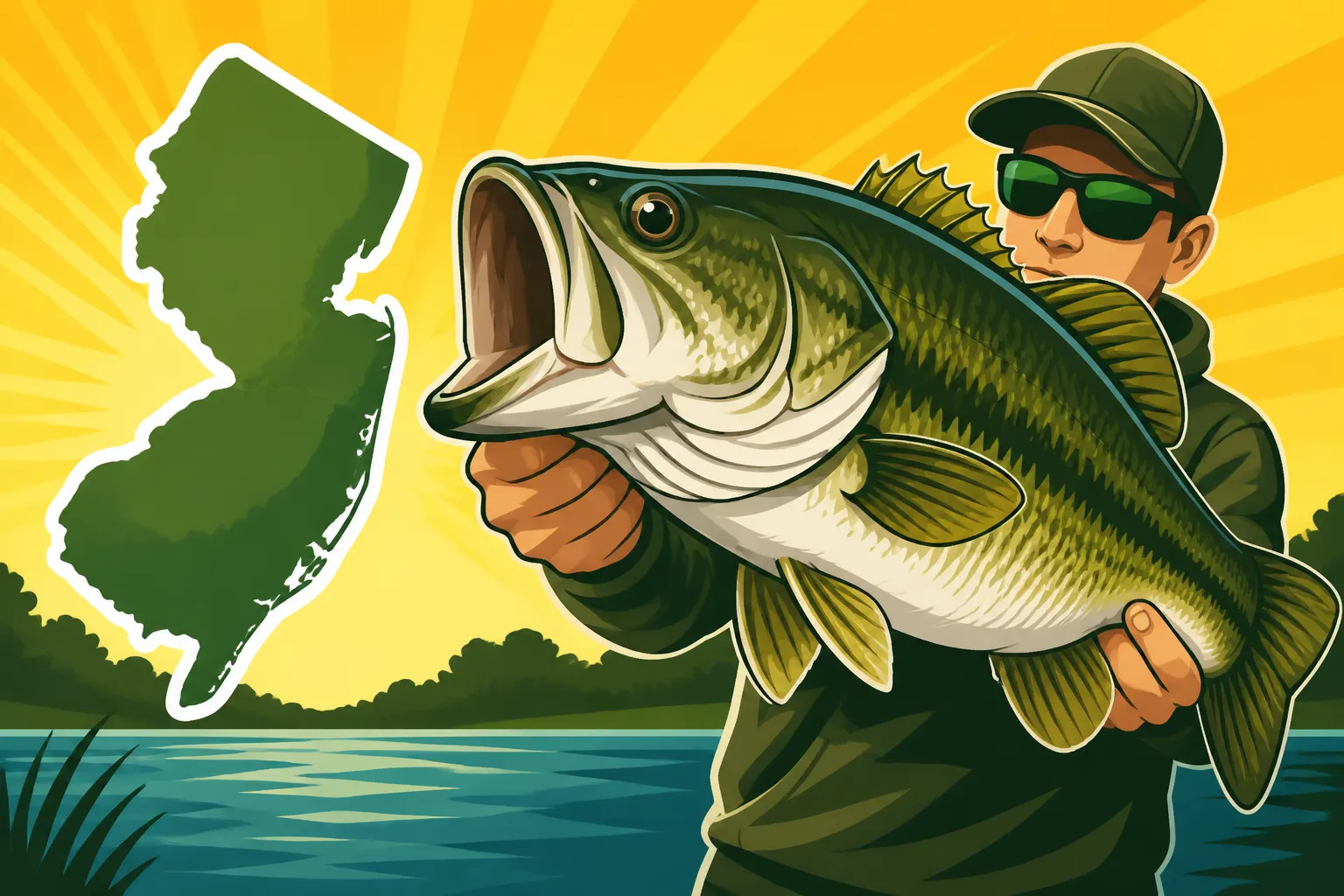
The current New Jersey state record for largemouth bass is an absolutely astonishing 10 pounds, 14 ounces. This monumental fish was caught by an angler named Robert Eisele way back in 1980. Picture that: a bass pushing nearly eleven pounds! It’s the kind of fish that puts a permanent smile on your face and gives you bragging rights for a lifetime. Eisele pulled this behemoth from Menantico Sand Wash Pond, a spot that immediately cemented its place in New Jersey fishing lore. The details are a bit sparse from so long ago, but the weight and location are etched into history, reminding us that even smaller, seemingly unassuming waters can hold true giants. Imagine the fight, the pure power of a fish that size pulling on your line – it must have been an incredible moment. To read more about how this specific fish was caught, check out How New Jersey's Record Largemouth Bass Was Caught at Menantico Sand Wash Pond.
What makes this catch even more remarkable is the sheer consistency it has shown over the decades. Despite countless hours spent by dedicated anglers, and the continuous evolution of fishing gear and techniques, this 10-pound, 14-ounce fish has stood the test of time. It really speaks volumes about the quality of that specific fish and perhaps the conditions of Menantico Sand Wash Pond during that era. It’s a record that sparks conversations around campfires and inspires anglers to push their limits, always wondering if that next cast could be the one to break it.
The Weight of History: Why This Record Matters
A state record isn't just a number on a scale; it's a piece of fishing history that brings immense pride to both the angler and the state's fishing community. For Robert Eisele, it's a legacy that continues to resonate, his name forever linked with the pinnacle of largemouth bass fishing in New Jersey. For the rest of us, it represents the ultimate goal, the fish that proves just how incredible our local fisheries can be. It tells a story of perseverance, skill, and a little bit of luck, all coming together in one unforgettable moment.
Moreover, state records serve as a vital indicator of the health and potential of our waters. When a fish like this is caught, it shows that the conditions—the forage base, water quality, and habitat—are capable of producing truly exceptional specimens. This helps inform conservation efforts and highlights the importance of protecting these valuable resources. It's a point of pride, certainly, but also a call to action to ensure future generations have the same opportunity to chase their own giants. Every angler dreams of catching What Is the Biggest Largemouth Bass Ever Caught in New Jersey?, and this record fuels that dream.
The Fish Itself: Anatomy of a Giant Largemouth
So, what exactly does it take for a largemouth bass to reach such gargantuan proportions, especially here in New Jersey? It's not just about luck; it's a combination of genetics, environment, and plenty of time. These aren't your average pond dwellers; these are apex predators that have mastered their surroundings. Understanding what makes them tick is the first step in trying to find one yourself.
Characteristics of a Trophy Largemouth Bass
When you envision a "trophy" largemouth, you're not just thinking about a long fish. You're thinking about girth, weight, and an overall commanding presence. A true trophy bass has a deep body, a broad back, and often a massive jaw capable of swallowing substantial prey. Their coloring can vary depending on their habitat, but they often appear darker and more robust than smaller, leaner bass. These are the fish that dominate their territory, moving with a power and grace that sets them apart. How Big Do Largemouth Bass Get? is a question often asked, and the answer, as Eisele proved, is "pretty darn big!"
| Characteristic | Average Largemouth Bass | Trophy Largemouth Bass |
|---|---|---|
| Length | 12-18 inches | 20+ inches |
| Weight | 1-3 pounds | 5+ pounds (often 8-10+) |
| Girth | Relatively slender | Very deep-bodied, thick |
| Jaw Size | Standard | Pronounced, wide |
| Body Shape | Elongated | Robust, football-shaped |
| Age | 2-5 years | 8-15+ years |
Beyond physical size, trophy bass often exhibit different behaviors. They can be warier, less prone to chasing just any lure, and more attuned to subtle changes in their environment. They've survived countless encounters with anglers and other predators, making them intelligent and challenging targets. This cunning is part of what makes catching them so incredibly rewarding. They didn’t get that big by being easy to catch!
What Makes a Bass Grow So Big in New Jersey?
The journey to becoming a state-record-sized bass is a long and complex one, influenced by several critical factors. First and foremost, genetics play a huge role. Some bass simply have the genetic blueprint to grow larger and faster than others. This inherent potential is then nurtured or hindered by their environment. Without the right conditions, even a genetically superior fish won't reach its full potential.
A consistent and abundant food supply is absolutely crucial. Big bass need to eat a lot, and they need high-quality forage like baitfish (shad, herring), larger shiners, crayfish, and even smaller panfish. Waters with a rich ecosystem that supports a strong food chain are far more likely to produce trophy fish. Water quality, including oxygen levels, temperature, and clarity, also directly impacts a bass's health and growth rate. Finally, age is a significant factor. A 10-pound bass isn't caught in its first few years of life; it has lived for many seasons, often dodging anglers and other threats. This fish, for example, was likely quite old. Curious about the lifespan of these giants? You might be interested in How Old Was New Jersey's Record Largemouth Bass?.
The Quest for Your Own Personal Best
While breaking the state record might be a long shot for most of us, chasing your own personal best largemouth is an incredibly exciting and attainable goal. New Jersey has some fantastic bass fisheries, and with the right knowledge and persistence, you can definitely put yourself in a position to land a true lunker. It's about understanding their habits, their haunts, and having the right tools for the job.
Prime Habitats for Monster Bass in New Jersey
To find big bass, you have to think like a big bass. They're looking for cover, ambush points, and proximity to food. In New Jersey, this means focusing on our larger lakes and reservoirs, as well as some of the deeper, more established ponds. Think about places like Lake Hopatcong, the state's largest lake, which is renowned for its excellent bass fishing. Lake Hopatcong Bass Fishing Hotspots is a great resource if you're looking to explore. Other prominent spots include Spruce Run Reservoir, Manasquan Reservoir, and even some lesser-known public and private ponds that offer ideal conditions.
Within these waters, target areas with abundant structure and cover. This includes fallen timber, thick weed beds, lily pads, rock piles, sudden depth changes, and man-made structures like docks or bridge pilings. These areas provide shade, protection from predators (and prey!), and prime ambush points. Look for transitions where different types of cover meet, or where shallow water drops off into deeper sections. These are classic big bass holding spots, especially during different seasons. If you're wondering which lakes are truly the best, check out Best Lakes for Largemouth Bass in New Jersey.
Techniques and Lures for Targeting Giants
Targeting trophy bass often requires a different approach than simply catching numbers of smaller fish. You'll need patience, a willingness to throw larger baits, and confidence in your presentation. Slow and deliberate retrieves are often key, especially when fishing heavy cover or in colder water. Many anglers swear by jigs, especially football jigs or flipping jigs, which can be worked slowly through dense vegetation or bounced along the bottom. Large plastic worms, creature baits, and swimbaits are also excellent choices for enticing a big bite. You can find a huge variety of these lures on Amazon, perfect for experimenting with different colors and sizes.
When the bass are more active, or you're covering open water, bigger crankbaits, spinnerbaits, and even topwater lures like frogs or poppers can be incredibly effective, especially around dawn or dusk. Don't be afraid to upscale your tackle—heavier line, a stout rod, and a reliable reel are essential when battling a big bass that wants to bury itself in the weeds. And remember, seasonal patterns heavily influence what techniques work best. You'll want to adapt your approach whether you're learning How to Catch Largemouth Bass in Early Spring, trying the Best Lures for Largemouth Bass in Summer Heat, or needing tips on How to Catch Largemouth Bass in Cold Water. Sometimes, a simple large shiner or herring on a heavy hook will do the trick too, especially for truly wary giants.
Documenting Your Catch: Measuring and Reporting
So, you've done it! You've landed a New Jersey lunker, maybe even one that you think could contend with the state record. The excitement is palpable, but before you release that magnificent creature, it’s crucial to document it correctly. Proper measurement and verification are absolutely vital if you ever hope to have your catch recognized, whether it's for a state record, a trophy award, or just bragging rights with friends.
Accurate Measurement and Verification
The first and most important step is accurate measurement. For length, a flat measuring board is ideal, ensuring the fish is laid flat with its mouth closed against the bump board and the tail pinched to get the maximum length. For weight, a certified scale is non-negotiable for any record consideration. Many tackle shops have certified scales, or you can invest in a high-quality digital scale that is regularly calibrated. It’s a good idea to zero out your scale with any sling or bag you plan to use to hold the fish.
Beyond the numbers, clear, well-lit photographs are your best friend. Get multiple angles of the fish on the measuring board, with the scale clearly visible, and ideally with a witness present. Show the entire fish in the photo, not just a portion. These photos, along with witness statements, will be critical for verification. And remember, throughout this process, prioritize the fish's health. Work quickly, keep the fish wet, and support its body properly to minimize stress.
The Process of Submitting a State Record Application
If you believe you’ve caught a record-breaking bass, or even just a contender for a trophy fish award, there’s a formal process to follow with the New Jersey Department of Environmental Protection, Division of Fish and Wildlife. You'll typically need to contact them as soon as possible after the catch. They can guide you through the specific requirements, which usually include:
- Official Weighing: The fish must be weighed on a state-certified scale by an authorized witness (often a wildlife official or weighmaster).
- Measurement: Accurate length and girth measurements.
- Photos: High-quality photographs of the fish, angler, and measurement process.
- Application Form: Completing a detailed application form, providing all relevant information about the catch, tackle used, and witnesses.
- Species Identification: Sometimes, positive identification by a fisheries biologist is required, especially if there's any ambiguity.
This isn't a casual process, and it requires diligence and adherence to strict rules. But if you have indeed landed a fish of a lifetime, going through these steps ensures your incredible catch gets the recognition it deserves. Don't hesitate to reach out to the state wildlife agency for the most up-to-date guidelines on submitting a potential record.
Conservation and the Future of Big Bass Fishing in New Jersey
The pursuit of trophy bass isn't just about individual glory; it's also deeply intertwined with the health of our fisheries and the future of the sport. As anglers, we have a responsibility to be good stewards of the environment, ensuring that the opportunities we enjoy today will still be available for generations to come. This means understanding and practicing conservation.
Catch and Release: Protecting Our Giants
When it comes to trophy bass, especially fish like the state record, catch and release is more than just a philosophy; it's a critical conservation practice. These large, mature fish are often the most prolific spawners, contributing significantly to the genetic strength and overall health of the bass population. Removing them from the ecosystem can have a disproportionate negative impact compared to harvesting smaller, younger fish. Many of us appreciate the idea of Catch and Release Rules in New Jersey for these magnificent specimens.
Practicing proper catch and release techniques is essential for the survival of these big fish. This includes:
- Minimize Fight Time: Land the fish as quickly as possible to reduce exhaustion.
- Wet Hands Only: Always handle the fish with wet hands to protect its slime coat, which is vital for disease resistance.
- Support Its Weight: Support the entire body of large fish, especially horizontally, to avoid damaging internal organs or the jaw.
- Barbless Hooks: Consider using barbless hooks to make hook removal quicker and less traumatic.
- Revive Gently: If the fish seems sluggish, hold it gently in the water, facing into a current, until it regains its strength and swims away on its own.
- Tool Up: Keep a pair of long-nosed pliers or a hook remover handy, which you can easily purchase on Amazon, to facilitate quick and safe hook removal.
By responsibly releasing these giants, we help ensure they can continue to spawn, grow, and provide thrilling challenges for other anglers. It’s a small effort that makes a huge difference in keeping our bass fisheries thriving.
State Management Efforts for Largemouth Bass
The New Jersey Division of Fish and Wildlife plays a crucial role in managing our largemouth bass populations, ensuring healthy numbers and fostering opportunities for trophy catches. These efforts involve a multi-faceted approach, including habitat protection, research, and setting appropriate regulations. Regular surveys are conducted to monitor bass populations, assessing growth rates, age structures, and overall health. This data is then used to inform management decisions.
Habitat restoration projects, such as improving aquatic vegetation, creating fish-attracting structures, and managing water levels, directly benefit bass by providing optimal living and spawning conditions. Additionally, regulations like New Jersey Daily Bag Limits by Species and size limits are put in place to protect different age classes of fish and ensure that enough bass reach maturity to reproduce. These measures, combined with the ethical practices of anglers, are what safeguard the future of largemouth bass fishing in New Jersey. What Is the Lifespan of a New Jersey Largemouth Bass? directly relates to these efforts, as older fish are key to robust populations.
Disclaimer
This article is for general informational purposes only and does not constitute professional advice. Laws, prices and regulations vary by location and change over time. Consult a qualified professional for guidance on your specific situation.